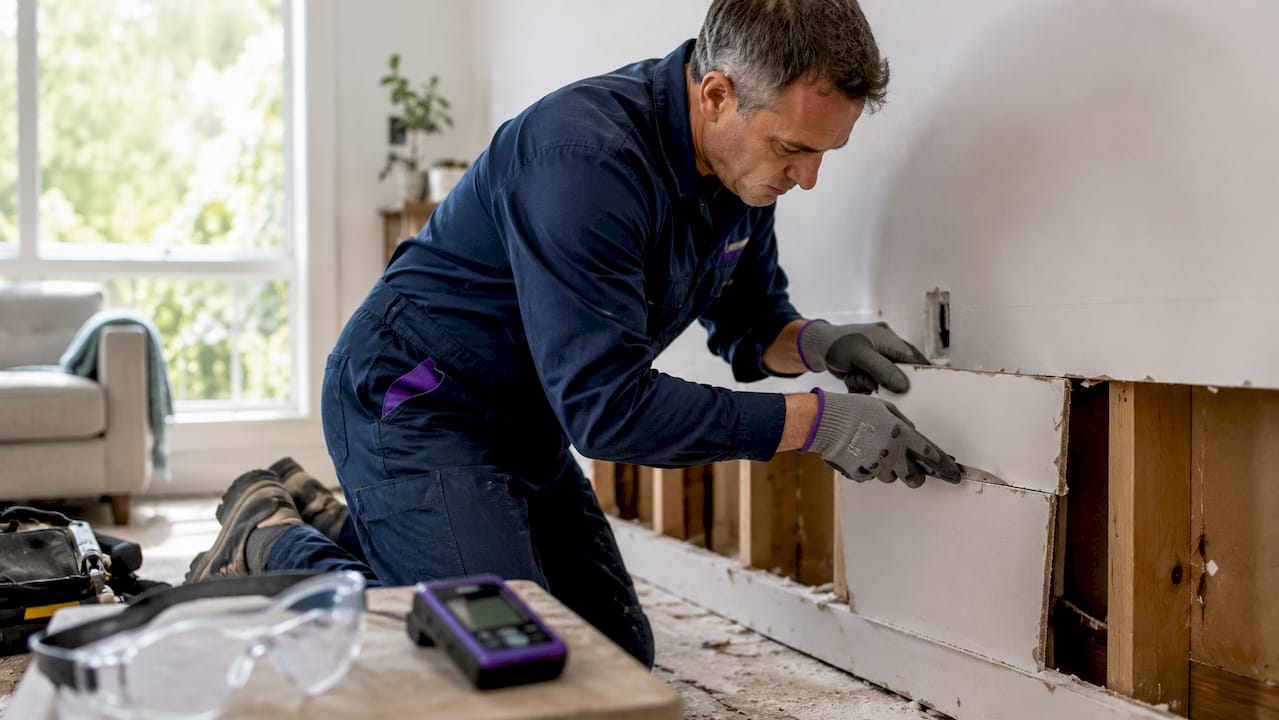

Debris removal after water damage is the process of clearing contaminated, saturated, and structurally compromised materials from a home to make safe, effective restoration possible. Without it, drying equipment cannot reach wet framing, mold takes hold within 24–48 hours, and bacteria spread through every surface the floodwater touched. The EPA, IICRC, and certified restoration professionals all treat debris removal as the foundation of the water damage cleanup process, not an optional first step. Get it right, and everything that follows, from drying to reconstruction, moves faster and costs less.
What is debris removal after water damage, exactly?
Debris removal after water damage is the controlled clearing of materials that cannot be dried, cleaned, or safely left in place after a flood or water intrusion event. The industry term for this work is controlled demolition, and that label matters. It signals that the process is precise and restorative, not random destruction. Contaminated materials harbor bacteria and mold colonies that no amount of surface cleaning can eliminate. Removing them creates a clean slate for drying and rebuilding.
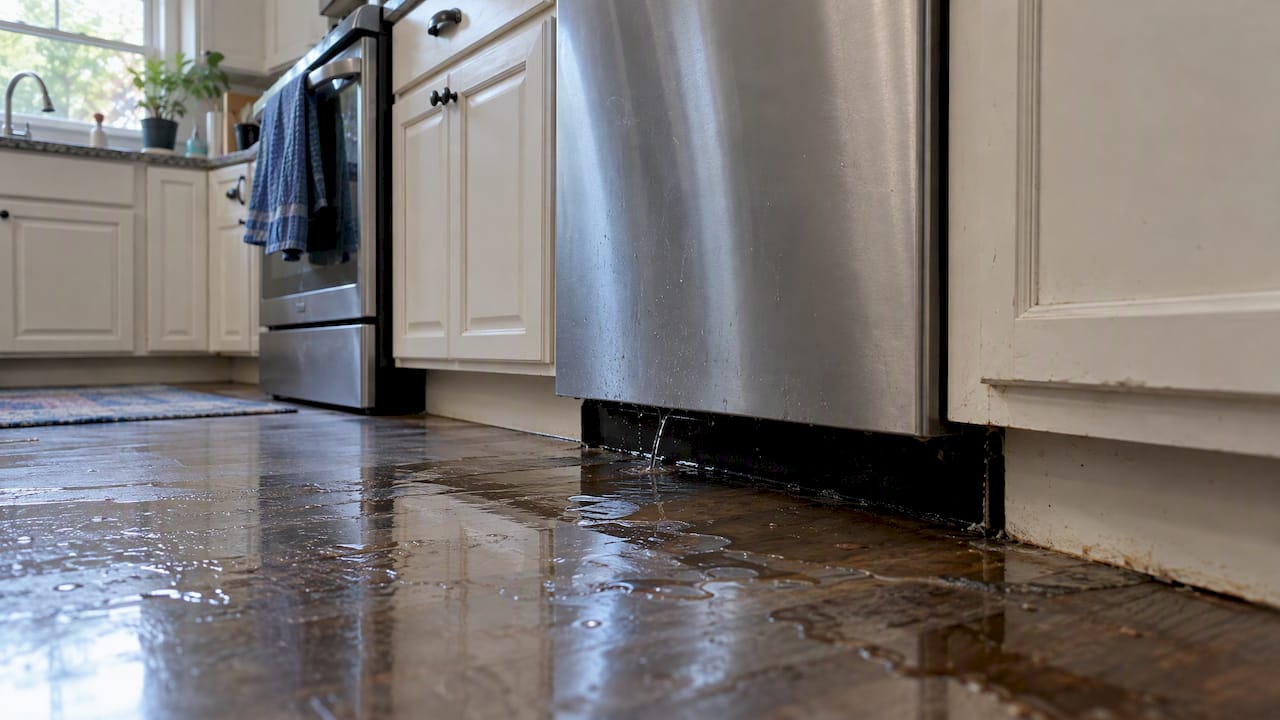
The scope of debris removal depends on two factors: the type of material affected and the category of water involved. IICRC S500 standards classify water damage into three categories. Category 1 is clean water from a supply line. Category 2 is gray water with contaminants, such as a washing machine overflow. Category 3 is black water, the most hazardous, covering sewage backups and floodwater. Higher categories mean more materials must be removed rather than dried in place.
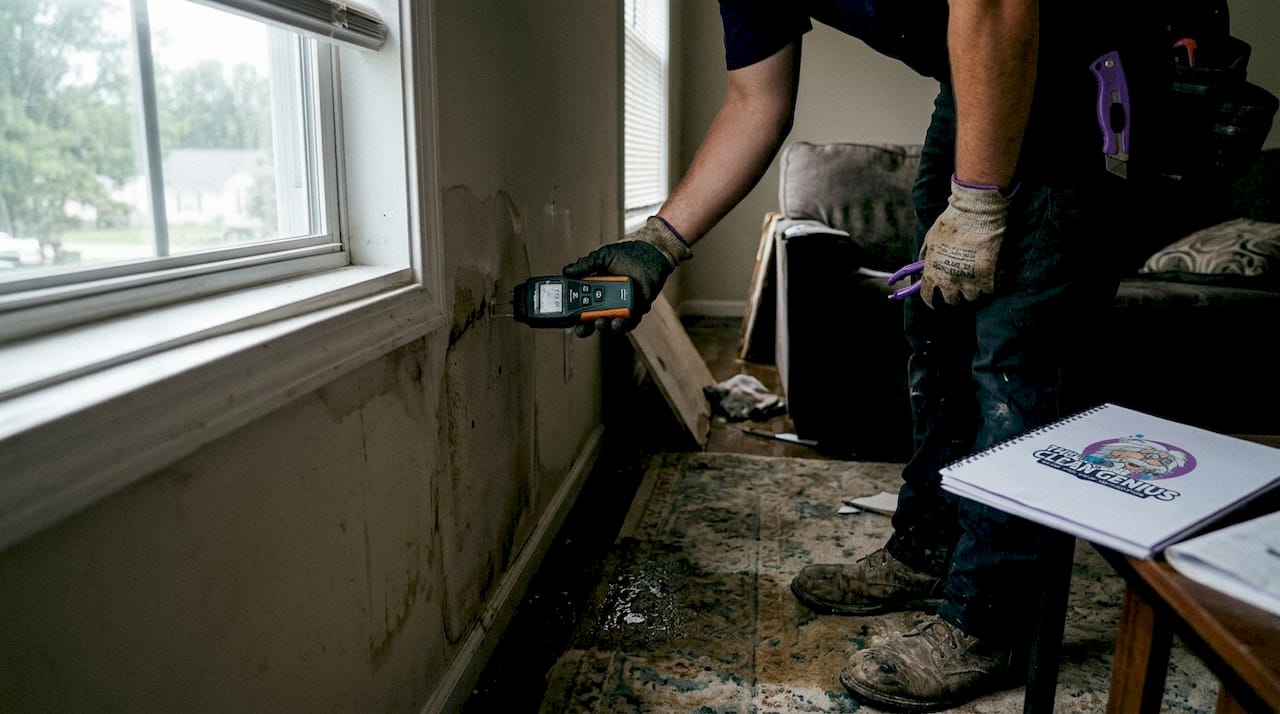
Understanding this classification is the first decision point in any water damage restoration project. A Category 1 pipe burst may allow carpet padding to be dried if caught within hours. A Category 3 flood means that same carpet, padding, and likely the subfloor beneath it all go.
What materials are removed during debris cleanup after flooding?
The materials removed fall into two groups: porous items that absorb and hold contaminated water, and structural components that trap moisture inside wall cavities.
Porous items almost always removed:
- Carpet and carpet padding
- Fiberglass batt insulation (saturated fiberglass must be removed because it holds water and cannot be dried effectively)
- Drywall below and above the waterline
- Ceiling tiles
- Upholstered furniture and mattresses
- Cardboard boxes and paper goods
- Particleboard and MDF cabinetry
Structural materials evaluated case by case:
- Solid wood framing (often dried in place if Category 1 water)
- Closed-cell spray foam insulation (waterproof and typically retained)
- Concrete block and poured concrete (dried in place with dehumidification)
- Ceramic tile (the tile survives, but the substrate beneath may not)
The timing rule is strict. Porous materials wet for more than 24–48 hours must be discarded because mold growth begins within that window. Waiting to see if something dries out is not a viable strategy once that threshold passes.
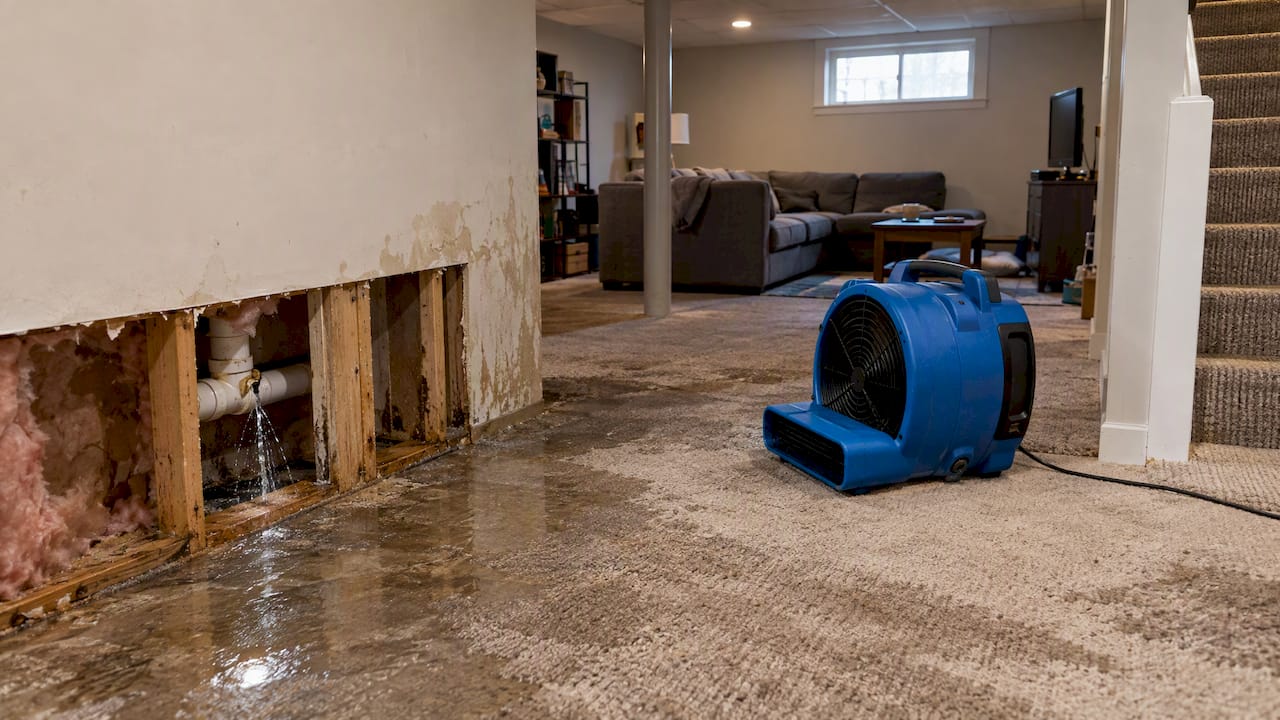
Drywall removal follows a specific protocol. Professionals cut 2 feet above the highest moisture reading confirmed by a moisture meter or infrared camera. That height exposes the wall framing for drying and establishes a clean reconstruction boundary. Cutting too low leaves wet framing hidden behind new drywall, which guarantees a mold problem within weeks.
Pro Tip: Moisture meters and infrared cameras detect hidden water in wall cavities and floor joists that look completely dry to the eye. Never assume a surface is safe without instrument verification.
What safety measures are required during debris removal?
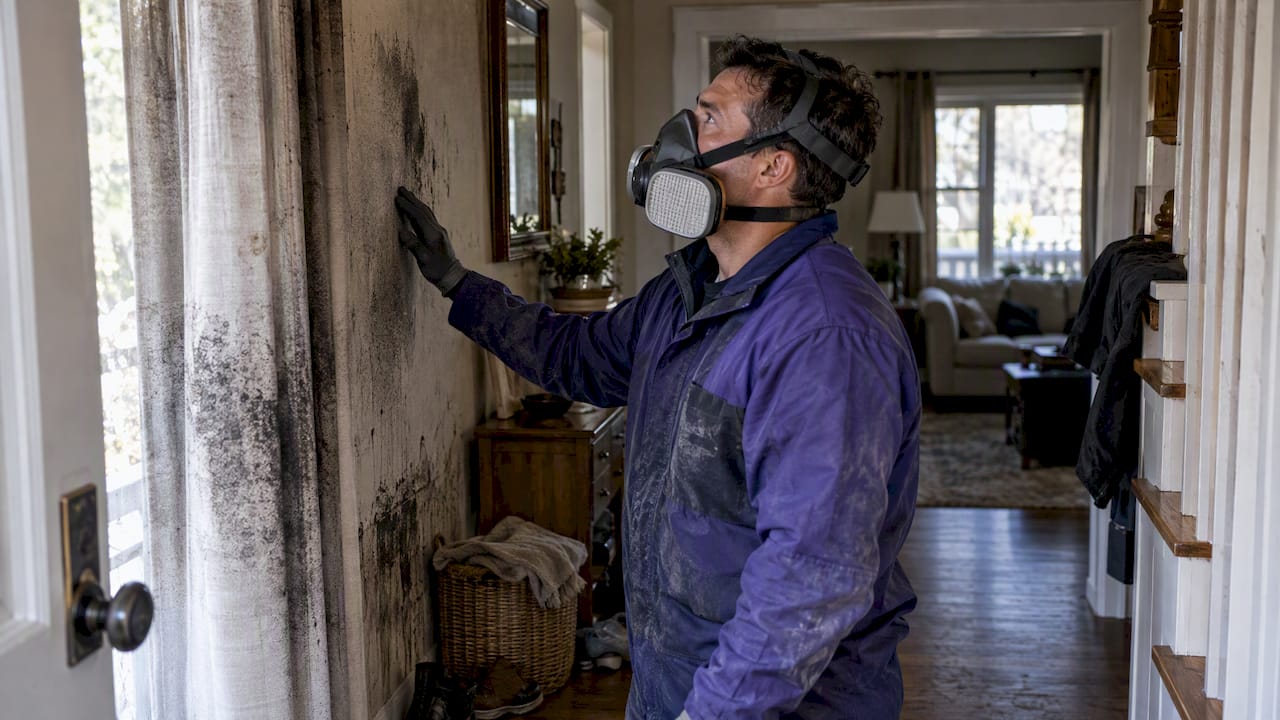
Flood debris is biologically contaminated by default. The EPA classifies flood cleanup as a biohazard situation requiring full personal protective equipment regardless of how clean the water appeared. Bacteria, pathogens, and chemical residues from floodwater saturate every porous material they contact.
Required PPE for debris removal:
- N95 respirator or a half-face respirator with P100 filters
- Nitrile or heavy rubber gloves (latex tears too easily on debris)
- Safety goggles or a full face shield
- Waterproof rubber boots
- Disposable Tyvek coveralls for Category 2 or 3 work
Handling protocols that prevent cross-contamination:
- Bag debris in heavy-duty plastic before carrying it through clean areas of the home
- Never use a household vacuum on wet debris; it aerosolizes mold spores
- Establish a single exit path from the work zone to the dumpster
- Remove PPE at the work zone exit, not inside the home
Ventilation is critical during removal. Open windows and run fans to push contaminated air out, not recirculate it. One mistake that worsens outcomes is applying bleach to surfaces before removing debris. Bleach is neutralized by organic matter, so spraying it on muddy or debris-covered surfaces does nothing. Clean all surfaces with detergent and water first, then disinfect.
Pro Tip: If the water source was a sewage backup or outdoor flooding, treat the entire affected area as Category 3 and call a certified professional. DIY removal of black water debris creates serious health risks that PPE alone cannot fully mitigate.
How does debris removal fit into the water damage restoration process?
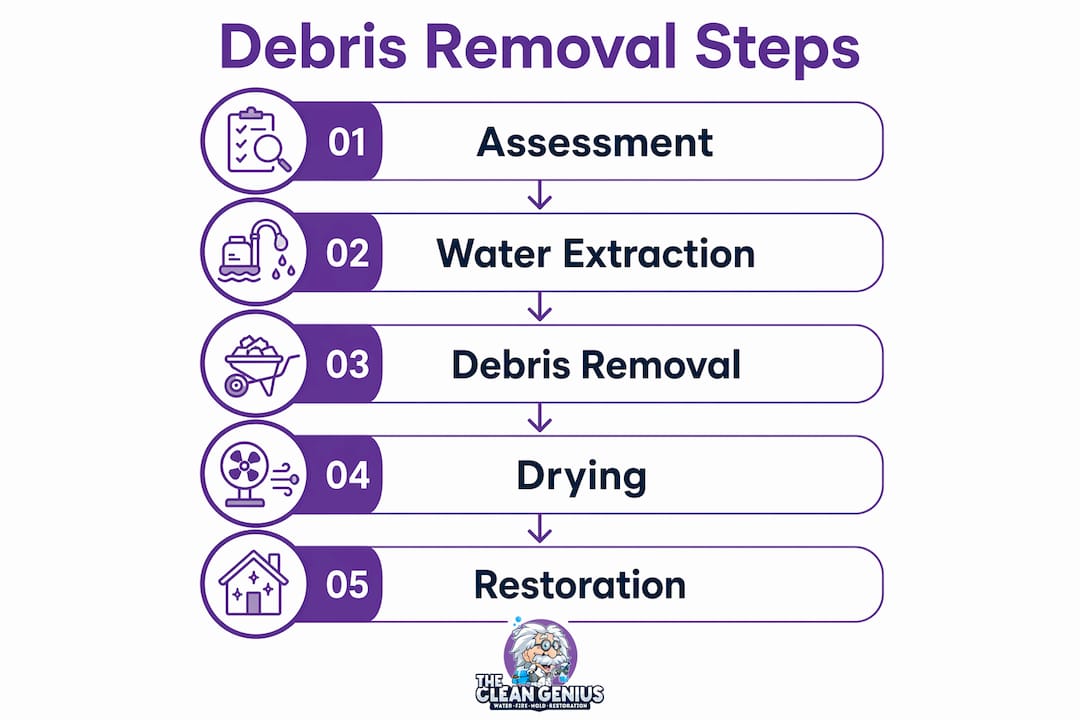
Debris removal is not the first step, but it unlocks every step that follows. The water damage cleanup process follows a defined sequence, and skipping or rushing any phase multiplies costs downstream.
The standard restoration sequence:
- Shut off the water source and electrical power to the affected area before anyone enters.
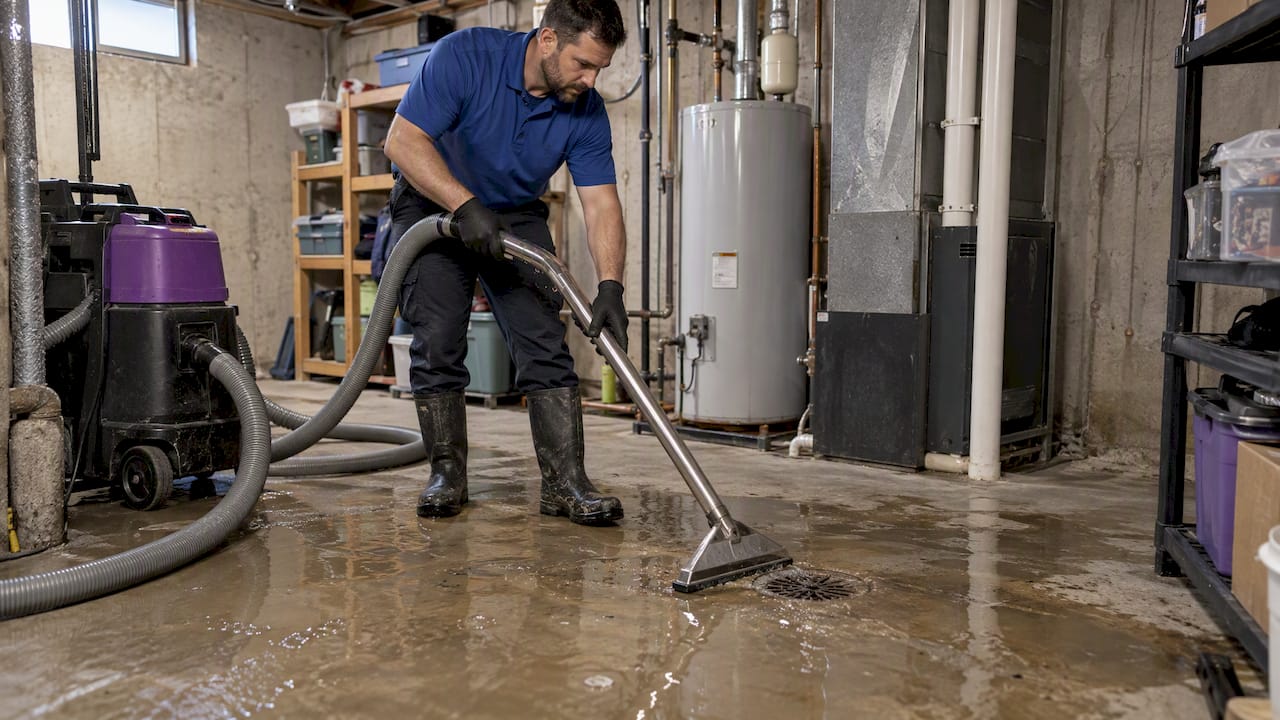
- Extract standing water using truck-mounted or portable extraction units. Speed matters here. Restoration costs roughly double every 24 hours water and debris remain in place.
- Remove debris and damaged materials using controlled demolition protocols. This step opens wall cavities and floor assemblies for drying equipment.
- Deploy drying equipment: industrial dehumidifiers, air movers, and desiccant systems. Drying cannot reach hidden moisture until debris is cleared.
- Monitor moisture levels daily with meters and psychrometric readings until all structural components reach target moisture content.
- Disinfect and treat remaining surfaces before reconstruction begins.
- Reconstruct with new drywall, insulation, flooring, and finishes.
| Phase | Purpose | Timing |
|---|---|---|
| Water extraction | Remove standing water | Within hours of discovery |
| Debris removal | Clear contaminated materials | Within 24–48 hours |
| Structural drying | Dry framing and subfloor | 3–5 days typically |
| Disinfection | Kill remaining pathogens | After drying is confirmed |
| Reconstruction | Restore finishes and structure | After clearance testing |
Debris removal also directly affects your insurance claim. Documenting what was removed, photographing materials before disposal, and following IICRC S500 guidelines creates a defensible record for your adjuster. Insurers look for evidence that removal decisions were based on damage category and material type, not guesswork. Learn how to build that record with proper insurance claim documentation before anything is discarded.
Common mistakes homeowners make during post-flood debris removal
The most costly mistake is waiting. Homeowners frequently underestimate how fast mold develops. Mold growth can begin within 24–48 hours of flood exposure, which means a weekend delay after a thursday night pipe burst can turn a straightforward cleanup into a full mold remediation project.
Mistakes that extend damage and increase costs:
- Leaving wet carpet in place to “see if it dries” past the 48-hour mark
- Cutting drywall only to the waterline instead of 2 feet above it, leaving wet framing sealed inside
- Applying bleach directly to muddy surfaces before cleaning, which wastes the disinfectant entirely
- Using a shop vacuum without a HEPA filter, which spreads mold spores through the air
- Discarding materials without photographing them first, which weakens insurance claims
A less obvious mistake is misidentifying materials. Closed-cell spray foam looks similar to open-cell foam, but only closed-cell is waterproof and retainable. Open-cell foam absorbs water like a sponge and must be removed. Getting this wrong means either unnecessary demolition or hidden moisture that feeds mold for months.
Hidden moisture in structural components is the most dangerous oversight. Moisture meters and infrared cameras reveal wet framing inside walls that appear and feel dry. Professionals use these tools as standard practice. Homeowners who skip this step often discover mold behind new drywall six months after a “completed” restoration.
Pro Tip: Before calling any contractor, photograph every damaged material from multiple angles. Date-stamp the photos. This documentation protects you if an insurer questions the scope of removal later.
Knowing when structural water damage has gone beyond surface materials is the point where professional assessment stops being optional. Saturated floor joists, wet load-bearing walls, and compromised subfloors require certified expertise to evaluate and remove safely.
Key Takeaways
Debris removal after water damage is the single most time-sensitive step in restoration, and completing it correctly within 24–48 hours determines whether a home recovers cleanly or develops a long-term mold problem.
| Point | Details |
|---|---|
| Act within 24–48 hours | Porous materials wet beyond this threshold must be discarded to prevent mold growth. |
| Follow IICRC S500 categories | Water damage category determines which materials are removed versus dried in place. |
| Cut drywall 2 feet above waterline | This exposes wall framing for drying and sets a clean reconstruction boundary. |
| Use full PPE every time | Flood debris is biologically contaminated; N95 masks, gloves, and goggles are mandatory. |
| Document before discarding | Photograph all removed materials to support insurance claims and justify scope of work. |
What I’ve learned after 25 years of water damage restoration
Most homeowners arrive at a flood scene thinking the water is the problem. The water is already gone by the time we get there. The real problem is everything the water left behind.
Controlled demolition is the term that surprises people most. They hear “demolition” and picture a wrecking crew. What it actually means is a trained technician with a moisture meter, a utility knife, and a clear protocol cutting drywall exactly 2 feet above the confirmed wet line, no more, no less. That precision is what separates a $15,000 restoration from a $40,000 one.
The second thing I tell every homeowner is this: the debris itself is not the danger. The danger is what grows in the debris if you leave it. Mold does not announce itself. It builds quietly inside wall cavities, under subfloors, and behind baseboards for weeks before you smell it. By then, the remediation scope has tripled. Removing contaminated materials fast is the single best investment a homeowner can make after a flood.
The misconception I fight most often is that bleach fixes everything. It does not. Bleach applied to a muddy surface is inert. The organic load neutralizes it before it touches a single pathogen. Clean first, then disinfect. That sequence is not optional, and it is not my opinion. It is what the EPA requires.
If there is one thing I want you to take from this, it is that debris removal is not cleanup. It is restoration. Every saturated carpet, every wet sheet of drywall, every soaked batt of insulation you remove is a reservoir of bacteria and mold you are permanently eliminating from your home. That is not destruction. That is healing the building.
— Jim
Thecleangenius is ready when water damage hits
Water damage does not wait for business hours, and neither does Thecleangenius. Our certified teams serve Chicagoland communities including Naperville, Schaumburg, Arlington Heights, and Wheaton with 24/7 emergency response and more than 400 five-star reviews behind every job.

We handle the full water damage restoration process from emergency water extraction and controlled demolition to structural drying, mold prevention, and complete reconstruction. Our crews use moisture meters, infrared cameras, and industrial drying systems to confirm every wall cavity and floor assembly is genuinely dry before we close anything up. We also work directly with your insurance company to document scope and support your claim from day one. Call us now and stop the clock on damage that doubles in cost every 24 hours.
FAQ
What does debris removal after water damage include?
Debris removal after water damage includes clearing saturated porous materials such as carpet, drywall, insulation, and damaged furnishings that cannot be safely dried or cleaned. It also involves controlled demolition of structural components where hidden moisture would otherwise feed mold growth.
How soon must debris be removed after flooding?
Debris removal must begin within 24–48 hours of water exposure. Porous materials left wet beyond that window are considered unsalvageable because mold growth begins within that same timeframe.
Can I remove flood debris myself?
Homeowners can handle Category 1 (clean water) debris removal with proper PPE including N95 masks, gloves, and goggles. Category 2 or Category 3 flooding involving gray water or sewage requires certified professionals due to biohazard contamination risks.
Does homeowners insurance cover debris removal after water damage?
Most standard homeowners insurance policies cover debris removal when the water damage itself is a covered event, such as a burst pipe. Flood damage from outside the home typically requires a separate flood insurance policy through the National Flood Insurance Program (NFIP).
Why is drywall cut above the waterline during debris removal?
Professionals cut drywall 2 feet above the highest moisture reading to expose wall framing for drying equipment. Cutting only to the visible waterline leaves wet structural members sealed inside the wall, which creates conditions for hidden mold growth within weeks.