
Insurance covers mold removal only when the mold results directly from a sudden, accidental covered event in your home. That single rule determines whether your insurer pays or denies your claim. The most common examples of insurance covered mold removal involve burst pipes, ruptured water heaters, appliance failures, and storm damage. Knowing which scenarios qualify, what your policy actually pays, and how to file correctly can save you thousands of dollars. This guide walks through real mold removal claim examples so you can recognize your situation and act fast.
1. Common examples of insurance covered mold removal
Insurance covers mold remediation only if mold directly results from a sudden and accidental covered peril. Gradual moisture buildup, poor ventilation, and slow leaks do not qualify. Here are the most common covered scenarios homeowners face.
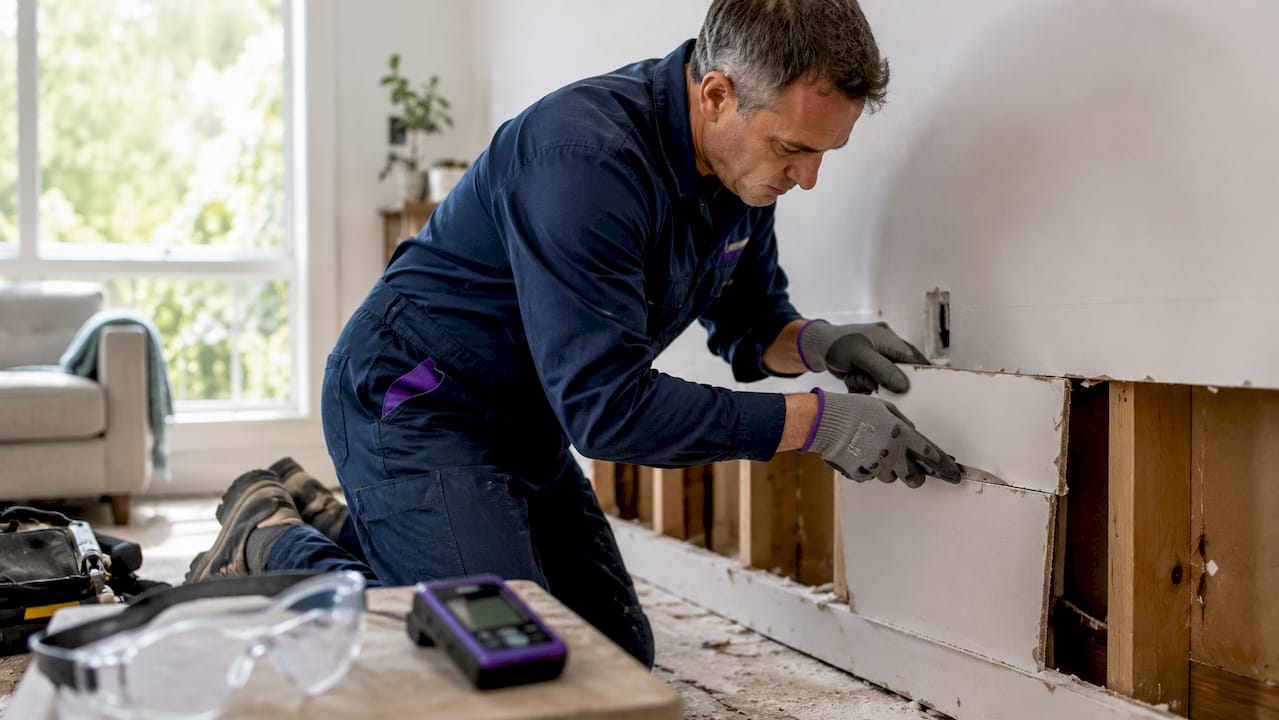
- Burst frozen pipe in winter. A pipe freezes and bursts in your basement. Water floods the space, and mold appears within days. Because the pipe failure was sudden and accidental, your HO-3 policy typically covers both the water damage and the resulting mold remediation.
- Water heater rupture. Your water heater cracks and releases dozens of gallons onto your utility room floor. Mold grows behind drywall within 48 hours. This is a textbook covered event because the rupture was unexpected.
- Washing machine hose failure. A supply hose behind your washing machine bursts while you are at work. Water saturates the laundry room floor and subfloor. If you report it promptly, your insurer treats this as a sudden appliance malfunction and covers the resulting mold.
- Storm-driven roof damage. A severe storm tears off shingles and allows rain to pour into your attic. Mold develops on the wood sheathing within a week. Storm damage is a named peril on most standard policies, so the mold that follows qualifies for coverage.
- Fire suppression water damage. Firefighters extinguish a kitchen fire using water. That water soaks walls and floors, creating ideal mold conditions. Because the water damage traces back to a covered fire event, the mold remediation is typically covered. You can learn more about mold after water damage and why it develops so quickly in these situations.
- Overflow from a toilet or bathtub. A toilet supply line fails suddenly, flooding your bathroom and the ceiling below. Mold grows in the ceiling cavity. Sudden plumbing failures like this generally qualify as covered perils.
Pro Tip: Document the exact date and time you discovered the water damage. Insurers use that timestamp to verify the event was sudden, not a slow leak you ignored.
The contrast matters. A pinhole leak behind a wall that drips for months before you notice it is classified as gradual damage and maintenance neglect. That scenario does not qualify. The covered examples above all share one trait: the water arrived fast, without warning, and from a named peril.
2. Policy limits, sub-limits, and coverage nuances you need to know
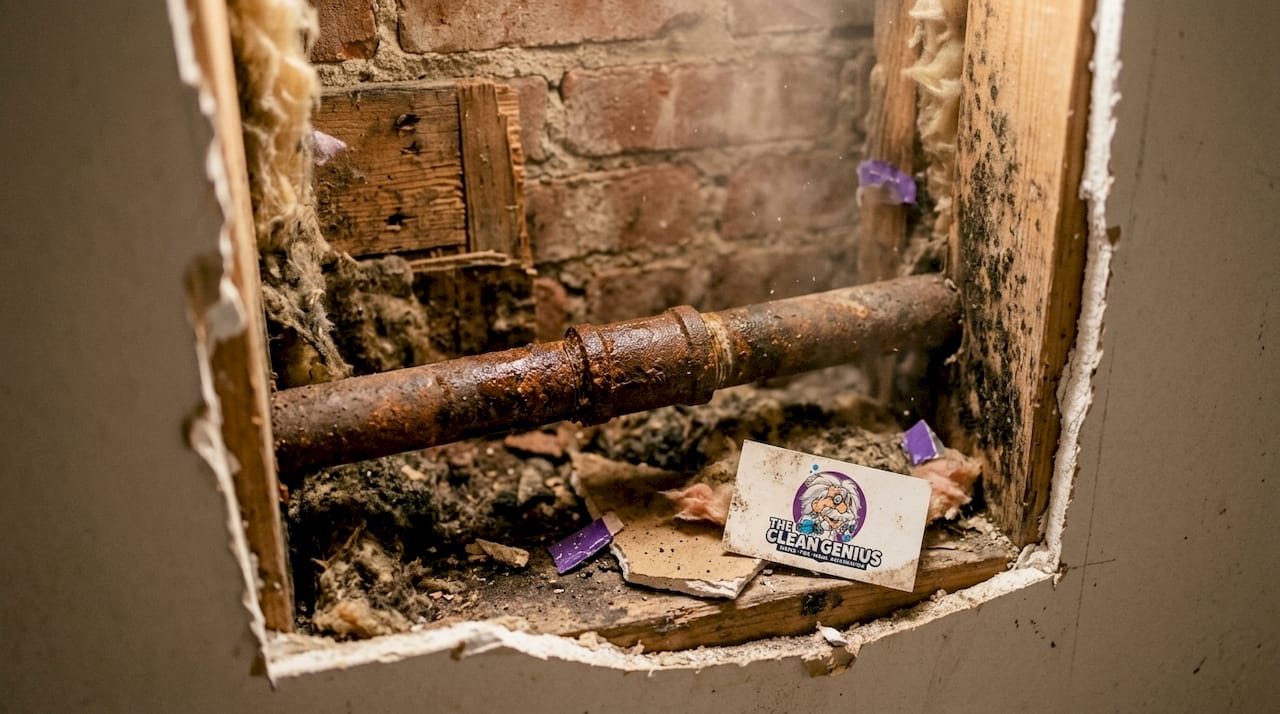
Standard HO-3 policies carry mold sub-limits from $1,000 to $10,000 per claim. That sounds reasonable until you see the actual bill. Professional mold remediation regularly costs $15,000 to $30,000, meaning budget carriers capping coverage at $5,000 leave you paying the difference out of pocket.
| Coverage Type | Typical Limit | What It Means |
|---|---|---|
| Standard HO-3 mold sub-limit | $1,000–$10,000 | Often far below actual remediation costs |
| Budget carrier cap | $5,000 | Leaves most of a major job uncovered |
| Mold Buy-Back endorsement | Up to $50,000 | Significantly closes the gap at modest added premium |
| Flood insurance mold coverage | Separate policy required | Standard policies exclude flood-related mold entirely |
| Deductible application | One deductible per claim | Covers both water damage and mold under a single claim |
The Mold Buy-Back endorsement is the most underused tool in homeowner insurance planning. It can raise your mold coverage limit from $10,000 up to $50,000 at a modest additional premium. Most homeowners never add it until after they need it.
Deductibles apply to the underlying water damage event, not to mold remediation as a separate charge. You pay one deductible per claim, and that single payment covers both the initial water damage and the mold cleanup that follows. That is a meaningful financial detail most homeowners miss.
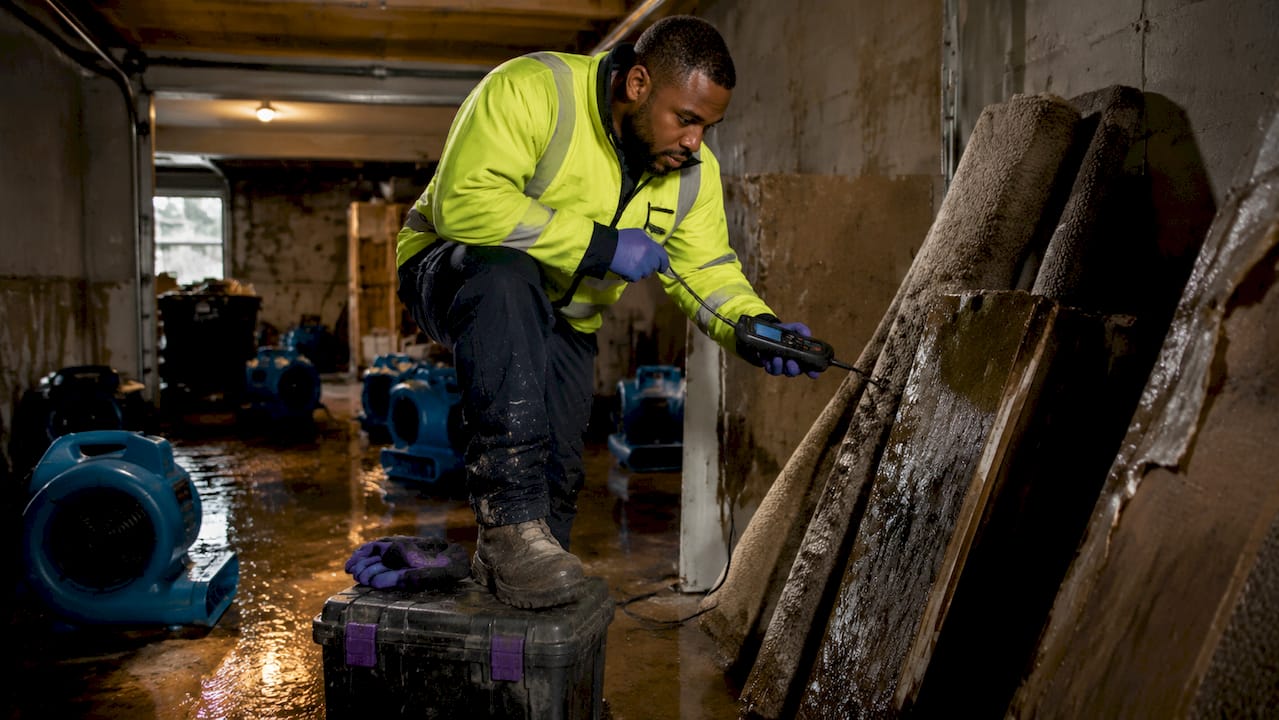
Flood-related mold is excluded from standard policies entirely. Mold caused by flooding or surface water requires a separate flood insurance policy through the National Flood Insurance Program or a private carrier. If your basement flooded during a heavy rain event rather than from a burst pipe, your standard HO-3 will not pay for the mold.
Pro Tip: Pull out your current policy and search for the word “mold.” Note the sub-limit dollar amount. If it is under $15,000, call your agent and ask about a Mold Buy-Back endorsement before you ever need it.
3. How to file a mold removal insurance claim effectively
Filing a mold damage insurance claim correctly is as important as having coverage in the first place. A poorly documented claim gives your insurer grounds to deny it, even when the underlying event was genuinely covered.
- Act within 24–48 hours. Drying water-damaged areas quickly prevents mold growth and satisfies your policy’s duty-to-protect requirement. Waiting too long signals neglect, which voids coverage.
- Call your insurer immediately. Report the event the same day you discover it. Use specific language: “sudden,” “accidental,” and the exact cause (burst pipe, appliance failure, storm). Avoid vague descriptions.
- Photograph everything before cleanup. Take wide shots of the affected room, close-ups of the water source, and detailed photos of any visible mold. Timestamp every image.
- Hire a certified restoration company. Immediate professional water mitigation increases your chances of claim approval. Companies certified through the Institute of Inspection, Cleaning and Restoration Certification (IICRC) produce reports that carry weight with adjusters. You can review the role of certified restorers in protecting your claim.
- Keep every receipt. Save invoices for emergency plumbing repairs, water extraction, drying equipment, and mold testing. These form the financial backbone of your claim.
- Request a written scope of work. Ask your restoration contractor for a detailed written report describing the cause, the extent of damage, and the remediation plan. Adjusters rely on this document.
- Follow up in writing. After every phone call with your insurer, send a brief email summarizing what was discussed. This creates a paper trail that protects you if the claim is disputed.
Pro Tip: Ask your restoration contractor if they work directly with insurance companies. Contractors experienced in insurance claims know exactly what documentation adjusters require, which speeds up approval.
4. Common causes of denied mold claims and how to avoid them
Claim denials follow predictable patterns. Understanding them puts you in a much stronger position before you file.
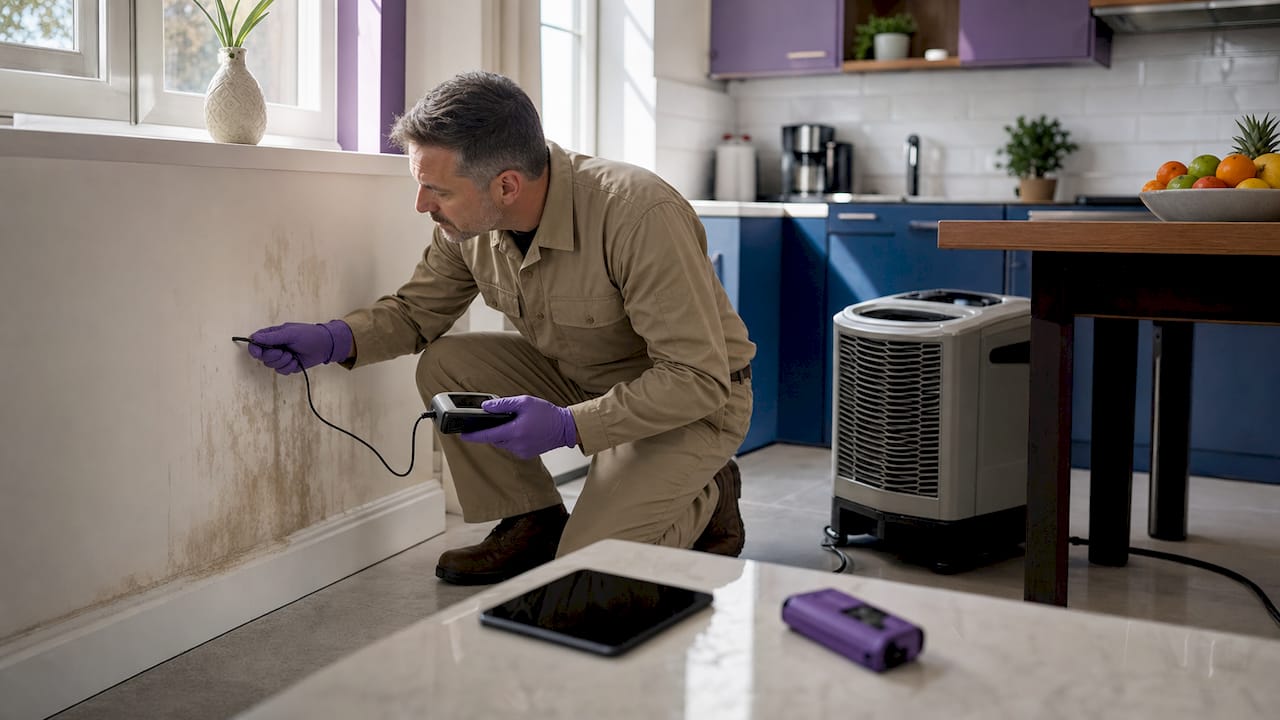
- Gradual leaks classified as neglect. Microscopic drips leaking over months are not covered because insurers treat them as a maintenance failure. If a slow leak under your sink caused mold, expect a denial.
- Mold from humidity and poor ventilation. Bathrooms and crawl spaces with chronic moisture problems are not covered. The mold source must trace back to a named covered peril, not ambient humidity.
- Flood-related mold without flood insurance. Homeowners who experience basement flooding during storms often assume their standard policy covers the resulting mold. It does not without a separate flood policy.
- Misunderstanding the Causation Rule. Coverage ties strictly to the moisture source being a named covered peril. Mold is not covered simply because it exists in your home. The cause of the water matters more than the mold itself.
- Delayed reporting. Waiting weeks to report water damage gives insurers grounds to argue you failed your duty to protect the property. That argument holds up in most policy disputes.
- No professional documentation. Claims without certified contractor reports, moisture readings, and photographs are far easier to deny. Adjusters need evidence, not descriptions.
Regular home maintenance is your best defense against uncovered mold. Inspect supply lines under sinks and behind appliances every six months. Check your roof after major storms. Know where your main water shutoff is located. A 24-hour plumbing emergency checklist is a practical tool to keep handy so you respond correctly when a pipe fails at 2 a.m.
The leading cause of denied mold claims is homeowners failing to distinguish sudden water damage from prolonged leaks. Carriers deny these claims citing maintenance responsibility. Your documentation must make the timeline of events unmistakably clear.
Key takeaways
Insurance covers mold removal only when mold results from a sudden, accidental covered peril, and homeowners who document quickly and hire certified professionals have the strongest claims.
| Point | Details |
|---|---|
| Covered events only | Burst pipes, appliance failures, and storm damage trigger coverage; gradual leaks do not. |
| Sub-limits are low | Standard HO-3 mold sub-limits run $1,000–$10,000, far below typical remediation costs of $15,000–$30,000. |
| Add a Mold Buy-Back endorsement | This endorsement raises your coverage limit up to $50,000 at modest added premium cost. |
| Act within 24–48 hours | Fast drying satisfies your policy’s duty-to-protect requirement and prevents claim denial. |
| One deductible covers both | Your deductible applies to the water damage event and includes the mold remediation in the same claim. |
What 25 years of mold claims taught me about homeowner mistakes
The single most expensive mistake I see homeowners make is waiting. They discover water damage on a Friday, decide to deal with it Monday, and by then mold has already started colonizing the drywall. That three-day gap is exactly what insurers point to when they deny a claim for failure to mitigate.
The second mistake is assuming all mold is covered. Homeowners call us after finding mold in a bathroom that has had a dripping faucet for two years. They are genuinely surprised when their insurer denies the claim. The policy language is clear: the cause of the moisture must be a sudden, accidental covered event. A dripping faucet is neither sudden nor accidental in the eyes of an adjuster.
My honest advice is to review your policy before you ever have a problem. Find the mold sub-limit. If it is under $15,000, you are underinsured for a realistic remediation job. Add a Mold Buy-Back endorsement now. The premium increase is modest compared to the exposure. Proactive homeowners who understand their mold remediation coverage options are the ones who come out of a claim without a massive out-of-pocket bill.
One more thing: hire certified professionals from the start. An IICRC-certified contractor produces the kind of moisture readings, scope reports, and photographic documentation that adjusters trust. A handyman with a shop vac does not.
— Jim
Thecleangenius is ready when water damage strikes
Thecleangenius has served Chicagoland homeowners for over 25 years, handling water damage and mold remediation with certified teams available 24/7. When a burst pipe or appliance failure hits your home, the clock starts immediately. Fast response is the difference between a covered claim and a denied one.

Thecleangenius works directly with your insurance company, producing the documentation adjusters need to approve your claim. From emergency water extraction to full mold removal and remediation using advanced Pure Cloud dry-fog technology, every step is handled by professionals who understand the insurance process. If you need 24/7 emergency water damage restoration in Arlington Heights, Naperville, Schaumburg, or anywhere across Chicagoland, Thecleangenius is one call away.
FAQ
Does homeowners insurance cover all mold removal?
No. Homeowners insurance covers mold removal only when the mold results from a sudden, accidental covered peril such as a burst pipe or appliance failure. Mold from gradual leaks, humidity, or flooding without a separate flood policy is excluded.
What is the typical insurance payout for mold remediation?
Standard HO-3 policies carry mold sub-limits of $1,000 to $10,000, which often falls well short of actual remediation costs ranging from $15,000 to $30,000. A Mold Buy-Back endorsement can raise that limit up to $50,000.
How quickly do I need to report water damage to file a mold claim?
Report water damage to your insurer the same day you discover it. Drying affected areas within 24–48 hours satisfies your policy’s duty-to-protect requirement and prevents claim denial based on neglect.
Does flood damage mold qualify for standard insurance coverage?
No. Mold caused by flooding or surface water is excluded from standard homeowners policies. You need a separate flood insurance policy through the National Flood Insurance Program or a private carrier to cover flood-related mold.
Do I pay a separate deductible for mold remediation?
No. The deductible applies to the underlying water damage event. Mold remediation costs are included in that same claim, so you pay only one deductible covering both the water damage and the mold cleanup.