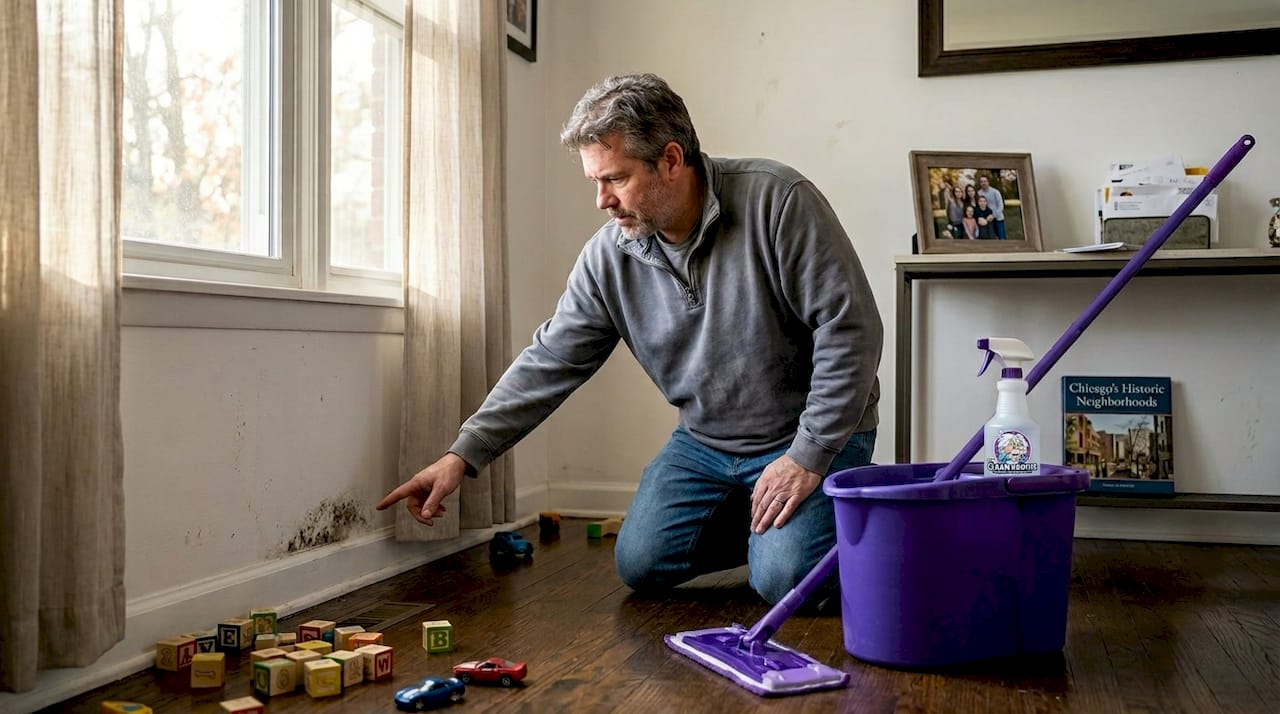

Scrubbing visible mold off a wall with bleach might feel like you’ve solved the problem, but cleaning without fixing moisture guarantees mold will return, often worse than before. The real issue is never the mold you can see. It’s the hidden moisture feeding it. Mold remediation is a different animal entirely from routine cleaning, and understanding that difference could save your family from serious health consequences and save your home from structural damage that spirals into costly repairs. This article explains exactly what mold remediation is, why it matters, and when you need professional help.
Table of Contents
- What is mold remediation?
- Why mold remediation is essential for your health and home
- Mold remediation: step-by-step process
- Key decisions: DIY mold cleanup vs. hiring professionals
- A professional perspective: Why true remediation is more than just cleaning
- Protect your Chicagoland home with expert remediation
- Frequently asked questions
Key Takeaways
| Point | Details |
|---|---|
| True mold remediation | It means fixing moisture problems and removing mold, not just cleaning or painting over visible growth. |
| Time is critical | Start drying and remediation within 24–48 hours after water damage to stop mold from spreading. |
| Professional vs. DIY | Large or hidden mold problems require certified pros using safety standards and proper equipment. |
| Prevention focus | The best mold control is eliminating excess moisture and fixing leaks for good. |
What is mold remediation?
Mold remediation is not the same thing as wiping down a surface. The term refers to a complete, structured process of stopping mold growth by eliminating moisture, safely removing contaminated materials, and preventing mold from coming back. The EPA defines it clearly: mold remediation addresses moisture first, then safely cleans or removes contaminated materials to prevent recurrence.
Routine cleaning might remove what you see on the surface. True remediation goes much deeper. It identifies every affected area, including inside walls, under floors, and above ceilings. It controls how mold spores are contained so they don’t spread during the cleanup process. It treats or removes every material that cannot be fully cleaned. And it verifies the results before the job is considered done.
Think of it this way: treating a wound with a bandage without cleaning it first is not real treatment. The same logic applies to mold. If the moisture source is still there, the mold will return no matter how thoroughly you scrub.
Recurring mold is almost always a signal of an unresolved moisture problem. A bathroom that keeps growing mold on the grout, a basement wall that keeps showing dark spots, or a ceiling that develops stains after rain are not cleaning failures. They are moisture problems wearing the mask of a mold problem. For detailed mold remediation steps, it helps to understand how thorough the process really needs to be.
Remediation goals at a glance
| Goal | What it means in practice |
|---|---|
| Stop moisture source | Fix leaks, improve ventilation, dry out affected areas |
| Contain contamination | Seal off work areas to prevent spore spread |
| Remove damaged materials | Replace drywall, insulation, or flooring that can’t be cleaned |
| Verify results | Air and surface testing to confirm cleanup was successful |
| Prevent recurrence | Address root causes, not just visible growth |
“The goal of remediation is not to sterilize a building, but to return it to a normal fungal ecology by removing the moisture source and contaminated materials.”
Why mold remediation is essential for your health and home
Understanding what mold remediation is highlights why the process matters so much to your family’s well-being and your property’s integrity.
Mold is not just an eyesore. It actively releases spores and sometimes mycotoxins into the air you breathe every day. For households with children, elderly family members, or anyone managing allergies or asthma, the health impact can be significant. Common symptoms include persistent coughing, nasal congestion, throat irritation, and worsening respiratory conditions. In severe cases, prolonged exposure leads to more serious immune responses.
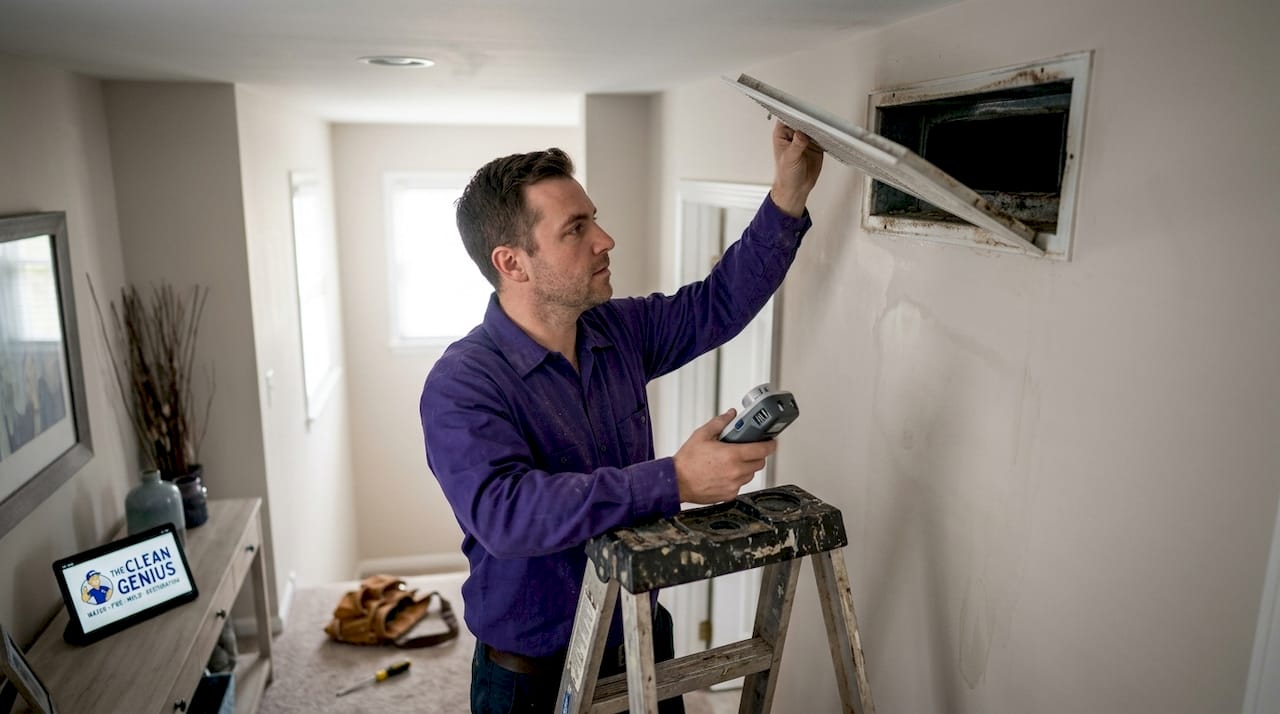
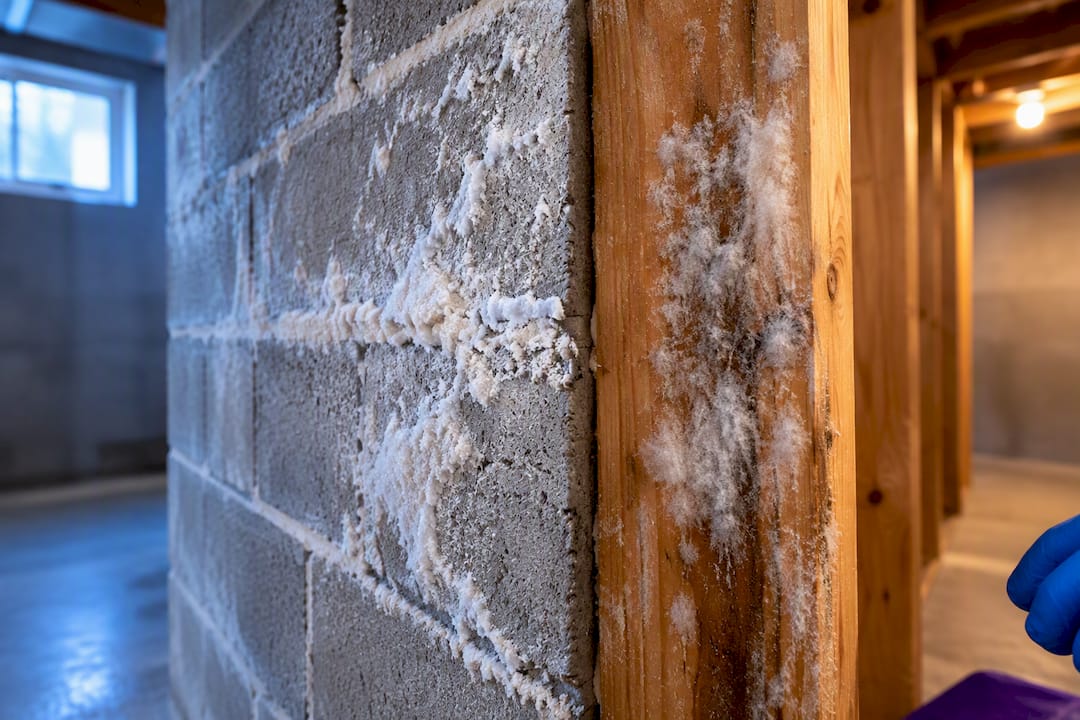
The structural risk is just as serious. Once mold establishes itself in porous building materials like drywall, wood framing, or insulation, it begins breaking down those materials from the inside. What starts as a patch of visible discoloration can quietly destroy the structural integrity of an entire wall section over time.
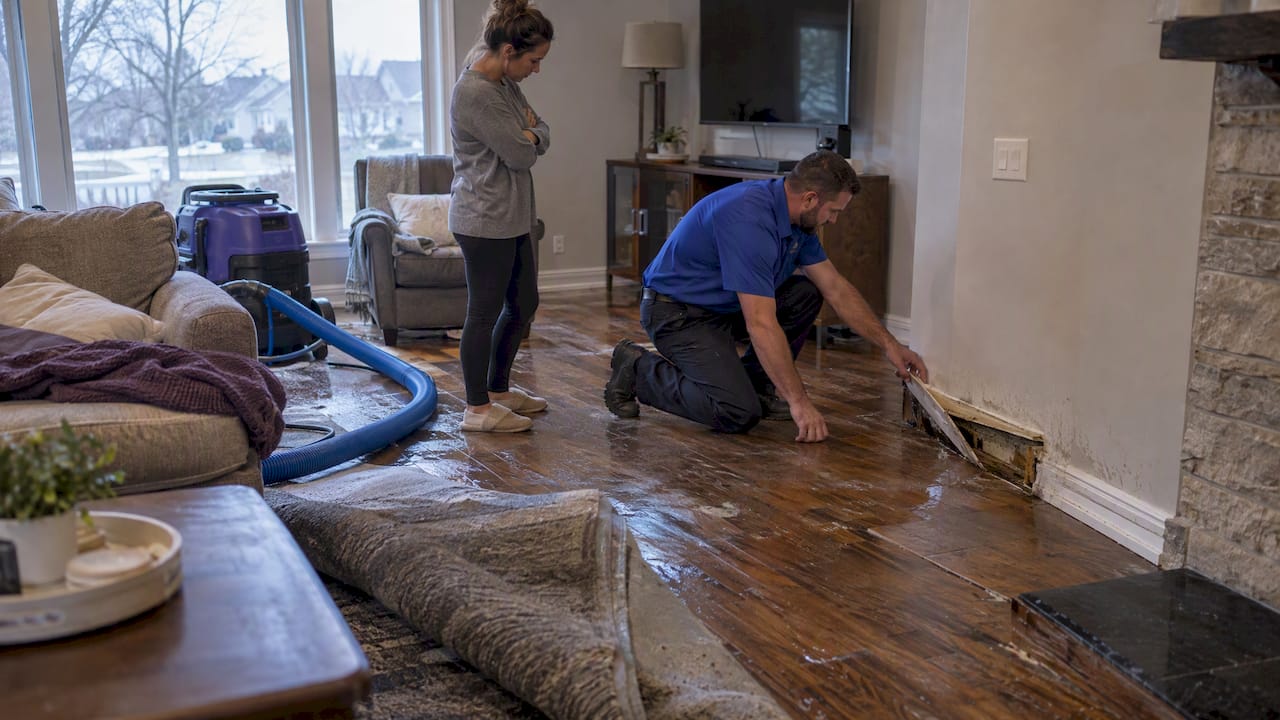
Speed matters enormously here. The CDC recommends drying wet materials within 48 hours after water intrusion, because mold can begin growing on damp surfaces in as little as 24 hours under the right temperature and humidity conditions. That 48-hour window is not a guideline. It’s a hard deadline.
The risks of ignoring that window include:
- Mold spreading from the original wet area to adjacent walls, flooring, and HVAC ducts
- Hidden growth inside wall cavities that isn’t discovered until symptoms appear or materials fail
- Dramatically higher remediation costs because more material is affected by the time work starts
- Persistent air quality issues that don’t resolve even after surface cleaning
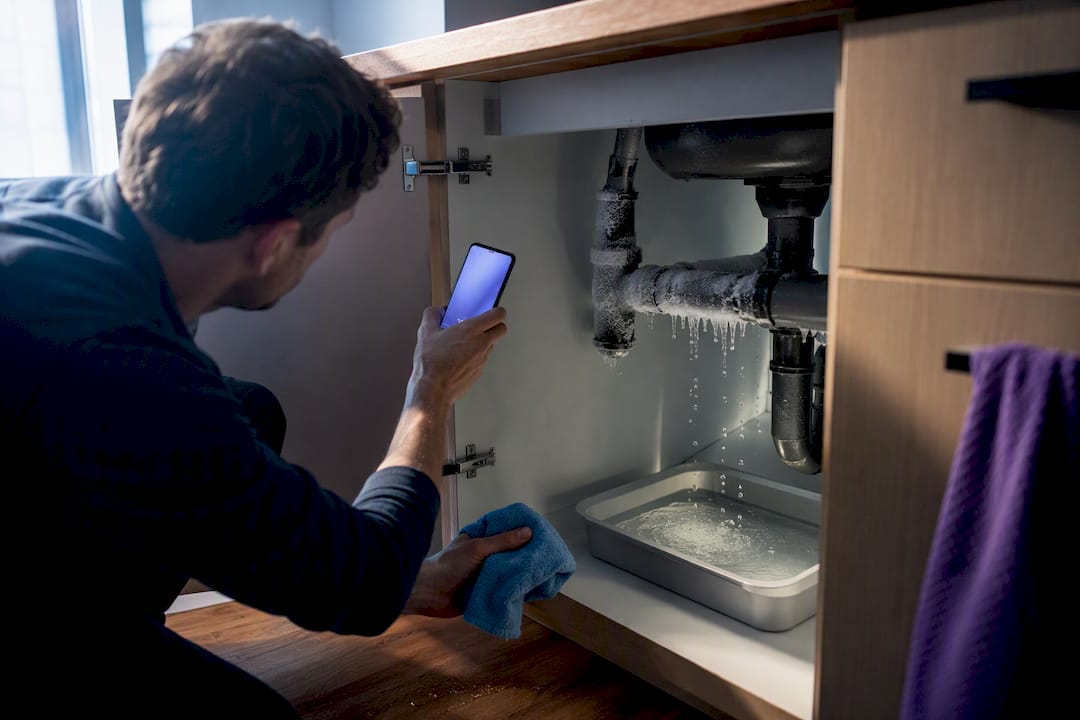
Pro Tip: If your home in the Chicagoland area has experienced any kind of water intrusion, flooding, or even a slow leak under a sink, treat it as a mold risk immediately. Call a professional for an emergency water damage response within the first 24 hours, not after you see mold.
One of the most dangerous shortcuts homeowners take is painting over mold. This traps mold beneath the surface and allows it to keep growing while appearing resolved. It also makes future professional remediation more difficult because the mold must now be identified beneath paint layers. This is never an acceptable fix.
Mold remediation: step-by-step process
Now that you understand why fast, thorough remediation is vital, let’s walk through how the process unfolds from start to finish.
Professional mold remediation follows the ANSI/IICRC S520 standard, which provides detailed procedures for inspection, safety protocols, remediation methodology, and post-remediation verification. This is the industry benchmark that separates real remediation from guesswork.
Here’s how the process works in a properly managed remediation:
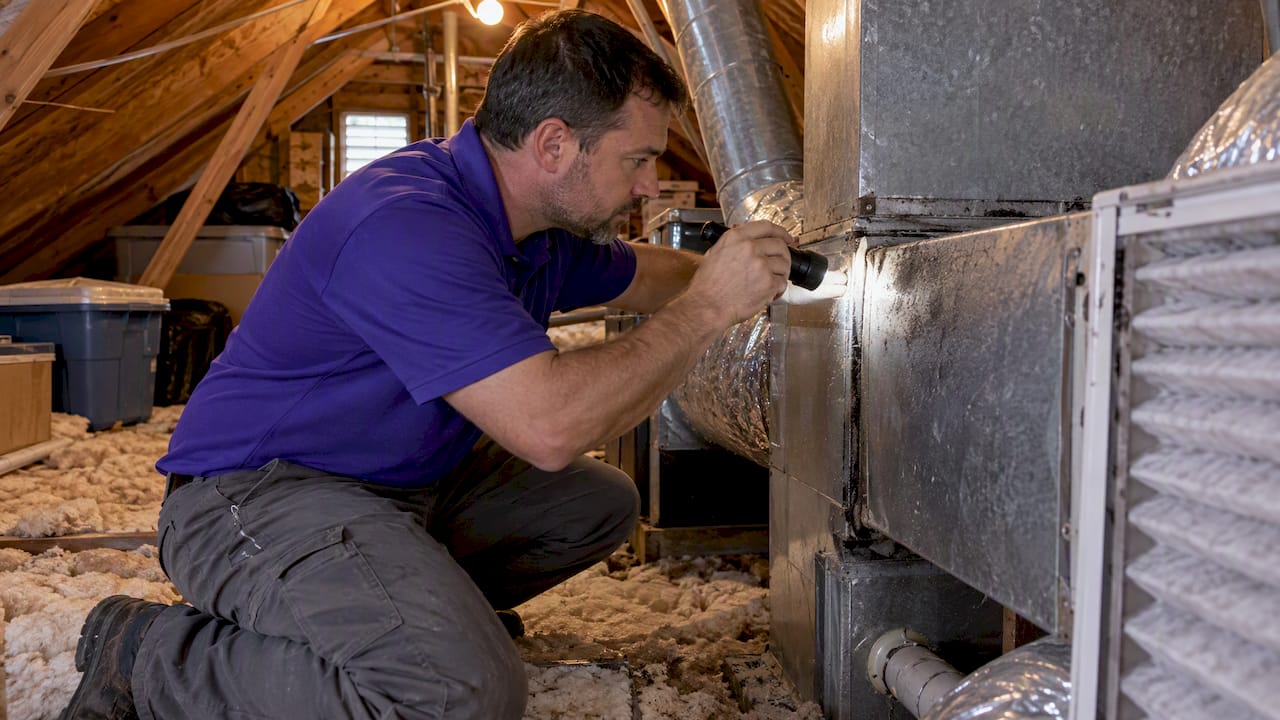
- Initial inspection and moisture mapping. Professionals use moisture meters and thermal imaging cameras to locate every area of elevated moisture, including behind walls and under floors. Visible mold is only the starting point.
- Identifying and stopping the moisture source. Before any cleanup begins, the source of moisture must be eliminated. This might mean fixing a pipe, improving attic ventilation, or addressing a foundation drainage issue.
- Containment setup. The affected work area is sealed off using plastic sheeting and negative air pressure machines. This prevents mold spores disturbed during cleanup from spreading to unaffected areas of the home.
- Removal of contaminated materials. Porous materials that cannot be thoroughly dried or cleaned are removed and safely discarded. The CDC recommends removing contaminated porous materials rather than trying to disinfect them in place.
- HEPA vacuuming and antimicrobial treatment. All surfaces in the contained area are HEPA vacuumed to capture spores, then treated with EPA-registered antimicrobial agents.
- Drying and dehumidification. Industrial air movers and dehumidifiers run until moisture readings confirm the area has reached safe levels.
- Post-remediation verification. Air samples and surface samples are collected and sent to a lab to confirm mold levels have returned to normal. The job is not done until results pass.
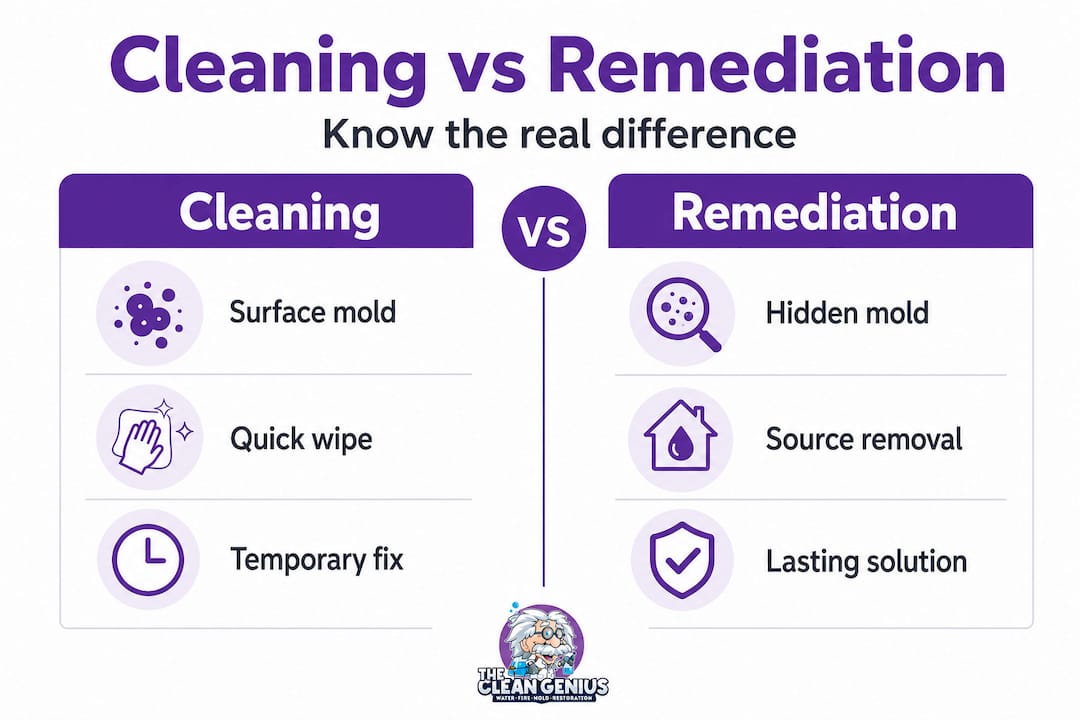
Cleaning vs. full remediation: what’s the difference?
| Factor | Basic surface cleaning | Professional remediation |
|---|---|---|
| Targets | Visible mold only | Visible and hidden mold |
| Moisture fix | Usually ignored | Always addressed first |
| Containment | None | Negative pressure, sealed zones |
| Material removal | Rarely | As needed for porous materials |
| Verification | None | Lab-tested air and surface samples |
| Recurrence risk | High | Low when done correctly |
Pro Tip: When reviewing real-world remediation results from a contractor, always ask to see the post-remediation verification report. A reputable professional mold remediation company will provide this documentation as standard practice, not as an add-on.
Key decisions: DIY mold cleanup vs. hiring professionals
If mold is found in your home, the next question is whether you can safely address it yourself or need a certified remediation service. Here’s how to decide.
The honest answer is that some very small, contained mold problems on hard, non-porous surfaces can be cleaned by a careful homeowner. The EPA’s general guideline suggests that mold patches smaller than 10 square feet on hard surfaces may be manageable with proper protective equipment and cleaning products. But that guideline comes with important conditions that most homeowners overlook.
Here’s when DIY is not appropriate:
- The mold covers more than 10 square feet
- The mold is on or inside drywall, insulation, carpet, ceiling tiles, or wood framing
- The moisture source has not been identified and fixed
- There is any chance of mold inside HVAC systems, which would spread spores throughout the entire home when the system runs
- Any household member has respiratory conditions, allergies, or a compromised immune system
- The mold appeared after a flood or sewage backup
When professionals are the right call:
- Proper equipment matters. Certified professionals use industrial HEPA filtration equipment, negative air pressure machines, and full personal protective gear that most homeowners don’t have.
- Containment protects the rest of your home. Without proper containment, cleanup activities can send millions of spores airborne into adjacent rooms. Professional remediation uses engineering controls including containment barriers and HEPA filtration to prevent cross-contamination.
- Verification provides real assurance. DIY cleanup gives you visual confirmation. Professional remediation gives you lab-tested air quality data confirming the problem is resolved.
| Situation | DIY possible? | Call a pro? |
|---|---|---|
| Small surface mold on tile (under 10 sq ft) | Yes, with proper PPE | Optional |
| Mold on drywall or wood | No | Yes |
| Mold after flooding or sewage backup | No | Yes, urgently |
| Mold in HVAC or attic | No | Yes |
| Unknown extent of growth | No | Yes |
Pro Tip: If you’re unsure about the scope of mold in your home, schedule a professional inspection before touching anything. Many restoration after water damage situations that homeowners think are minor turn out to involve extensive hidden mold growth. It’s worth knowing exactly what you’re dealing with before deciding on a course of action. For homeowners weighing their options, understanding when to hire a mold pro can help clarify the decision quickly.
A professional perspective: Why true remediation is more than just cleaning
After 25 years of combined experience handling mold and water damage across Chicagoland, the single most consistent mistake we see is homeowners treating mold as a cleaning problem rather than a moisture problem. It’s completely understandable. Mold looks like dirt. It seems like something you should be able to scrub away. But that mental model leads to repeated mold outbreaks, wasted money on cleaning products, and eventually much bigger remediation bills.
Here’s the uncomfortable truth: most of the “mold killers” sold in home improvement stores do exactly what they claim. They kill mold cells on contact. But dead mold is not the same as removed mold. Dead spores can still trigger allergic reactions. And as the EPA points out, the goal is not to kill mold but to remove the moisture source and physically remove contamination so mold has no pathway to regrow.
We’ve walked into homes where the same wall had been treated with bleach spray four or five times over two years. The surface looked fine each time for a few weeks. But the wall cavity behind it was saturated, the insulation was fully colonized, and the framing studs were beginning to deteriorate. The family spent two years buying spray bottles when they needed moisture remediation in the first week.
The mindset shift that actually protects your home is this: when you see mold, ask yourself what water is doing that you don’t know about. Where is it entering? Where is it sitting? Why hasn’t it dried? Those are the questions that lead to real solutions. Understanding how remediation works in practice reinforces why professionals start with moisture mapping, not cleaning supplies.
The other myth worth addressing is the idea that mold remediation means demolishing half your home. For most residential cases, targeted removal of affected materials combined with proper drying and treatment is sufficient. The key is catching it early, acting within that 48-hour window, and working with certified professionals who verify results with actual lab data rather than a visual check.
Protect your Chicagoland home with expert remediation
Water intrusion and mold don’t wait for a convenient time, and neither should your response. If you’ve discovered mold growth or recently dealt with water damage anywhere in the Chicagoland area, professional assessment is the smartest next step you can take.

The Clean Genius has served homeowners across Arlington Heights, Schaumburg, Naperville, Wheaton, and communities throughout Chicagoland for years, bringing certified expertise, advanced Pure Cloud dry-fog technology, and a family-owned commitment to doing the job right. Our team handles everything from mold removal and remediation to full water damage restoration, working directly with your insurance to make the process as straightforward as possible. We’re available 24/7 because mold and water damage don’t keep business hours. Reach out today for a professional assessment and protect your home before a manageable problem becomes a major one.
Frequently asked questions
How quickly should mold be addressed after water damage?
Mold remediation should start within 24 to 48 hours of water damage to limit growth and reduce health risks, since drying wet materials within 48 hours is the CDC’s standard recommendation to prevent mold from establishing.
Can I paint over mold to solve the problem?
No. Painting over mold is classified as inappropriate remediation by the CDC because it traps active growth beneath the surface without removing the contamination or addressing the moisture source.
What materials must be removed versus cleaned during remediation?
Porous materials that cannot be thoroughly dried or cleaned, including carpet, drywall, ceiling tiles, and insulation, often require full replacement because porous wet materials that aren’t dried within 48 to 72 hours should be removed and replaced according to CDC infection control guidance.
What standards do professionals follow for mold remediation?
Certified professionals follow the ANSI/IICRC S520 standard, which is the widely recognized framework governing inspection procedures, safety protocols, remediation methodology, and post-remediation verification requirements for professional mold work.