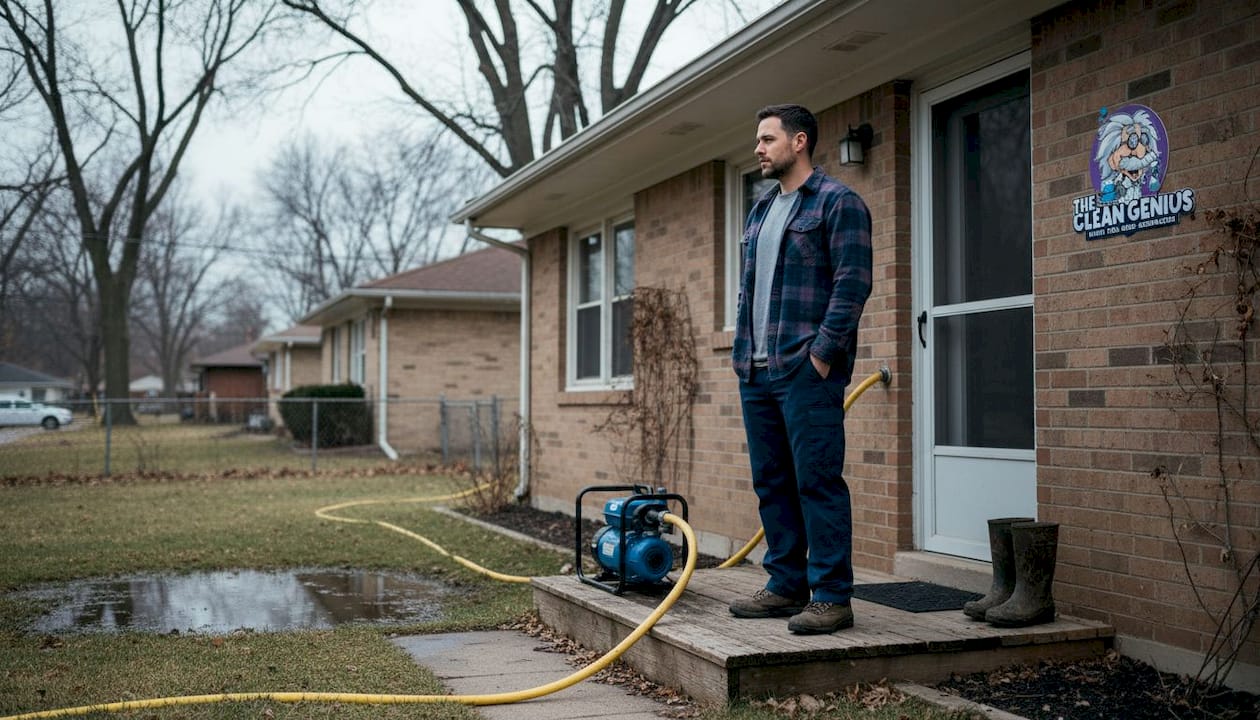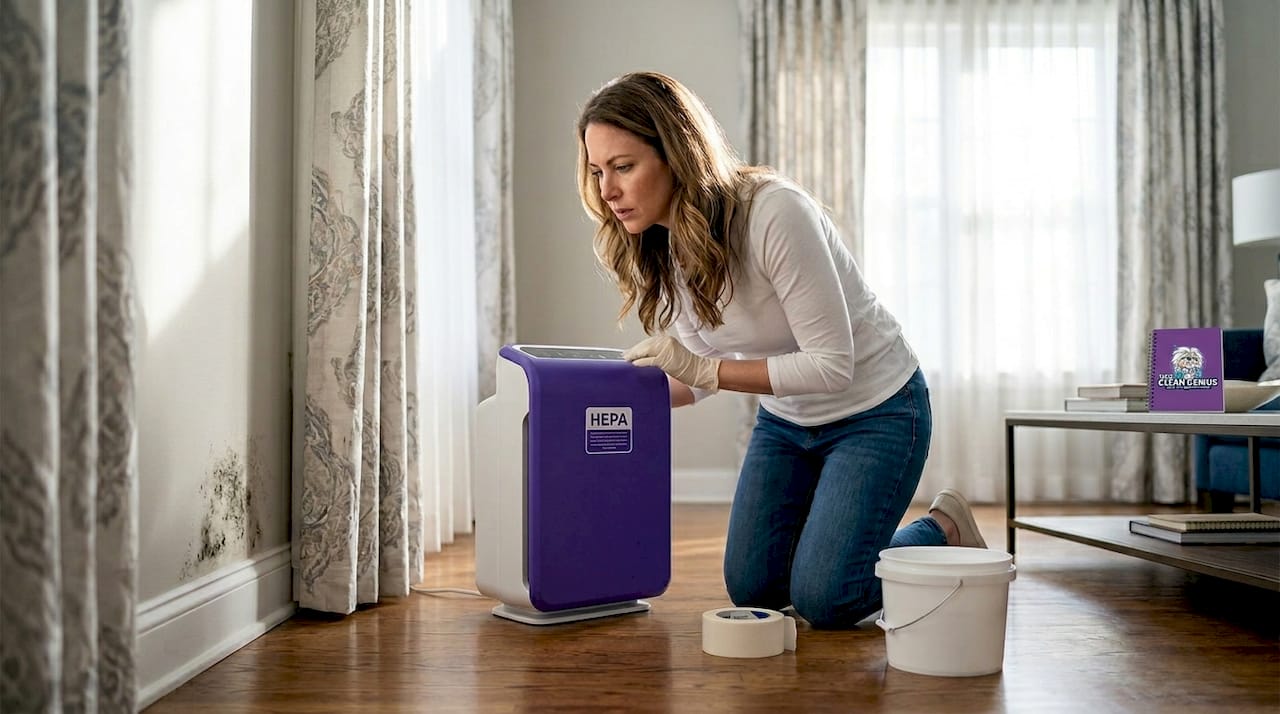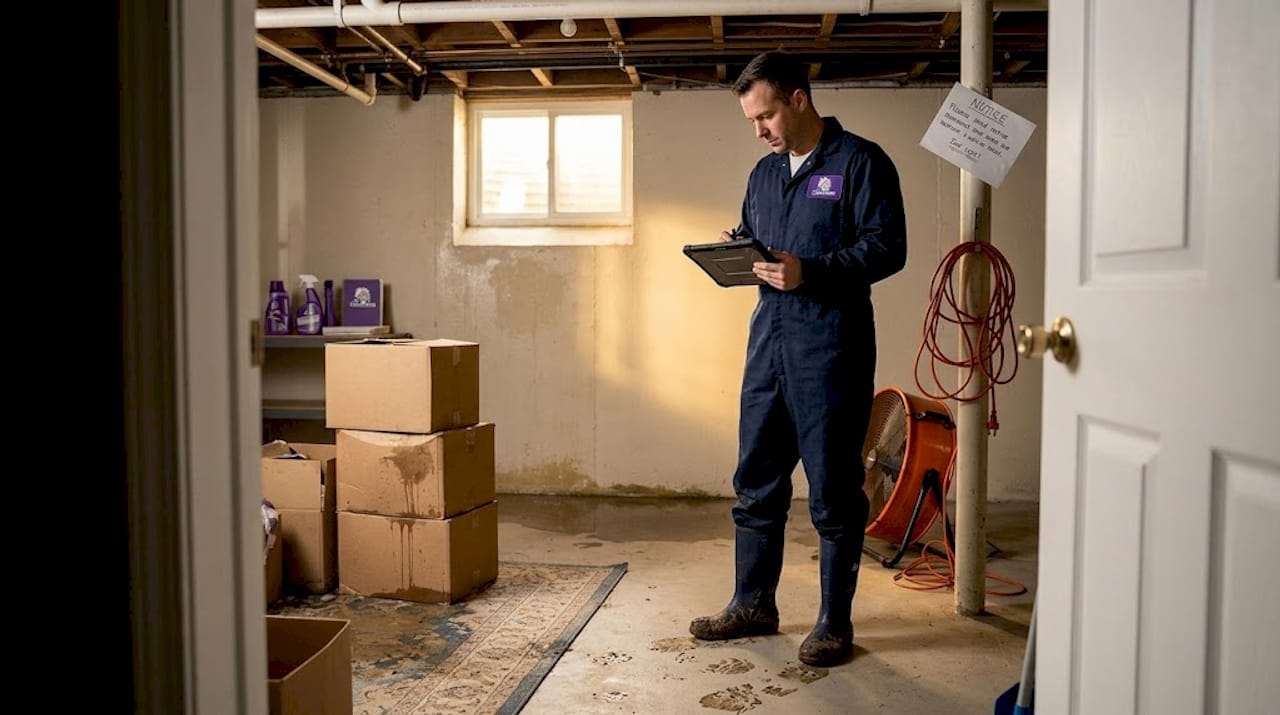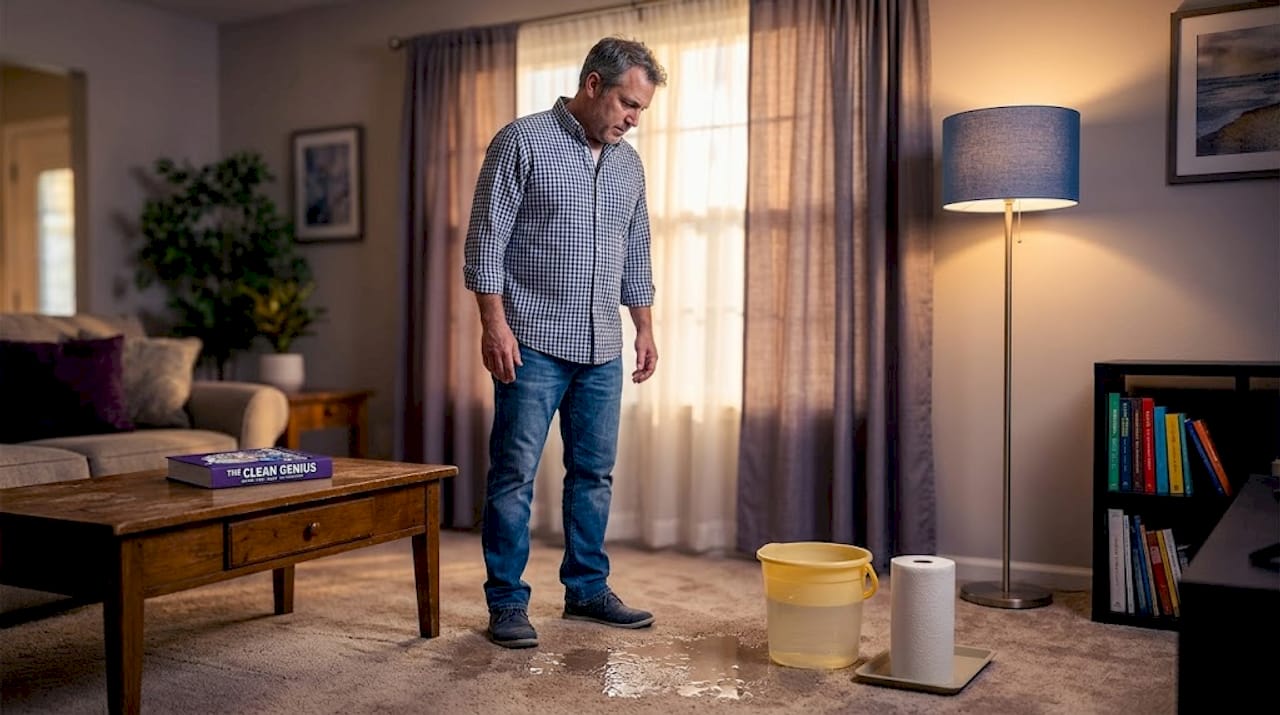

Most homeowners facing a flooded basement or burst pipe in Schaumburg or Naperville assume the same thing: get it dry fast and the carpet will be fine. That assumption costs families far more than a new carpet ever would. Understanding why carpet must be replaced after flooding is not about spending money you do not have. It is about knowing what is growing inside that carpet right now, invisible to you, and what it will do to your family’s lungs, sinuses, and structural floors over the next six months if you ignore it.
Table of Contents
- How flooding damages carpets and why it matters
- The time-sensitive window: why acting fast matters for carpet restoration
- Comparing cleaning versus replacement: when is carpet salvageable after flooding?
- Hidden dangers: why even ‘dry’ carpets after flooding may still pose risks
- Steps homeowners should take immediately after flooding to protect carpet and health
- Why replacing carpet after flooding is not just a cost but a long-term investment
- Protect your Chicagoland home with expert water damage and carpet replacement services
- Frequently asked questions
Key Takeaways
| Point | Details |
|---|---|
| Mold risk rises fast | Mold can start growing in wet carpets within 24 to 48 hours requiring prompt action. |
| Prolonged wetness means discard | Carpets wet beyond 48 to 72 hours should be replaced to avoid health hazards. |
| Contaminated water demands replacement | Carpets exposed to sewage or contaminated floodwater cannot be safely cleaned and must be replaced. |
| Hidden moisture threat | Even carpets that feel dry may have moisture trapped underneath causing hidden mold growth. |
| Professional help protects health | Certified restoration services ensure safe removal, replacement, and mold prevention in flooded homes. |
How flooding damages carpets and why it matters
Flooding does not just wet your carpet. It transforms it into a biological problem. Water saturates three layers at once: the carpet fibers on top, the foam or jute padding underneath, and the subfloor below that. All three act like sponges, and none of them dry quickly on their own. That combination creates the exact warm, dark, oxygen-rich environment mold needs to thrive.
The effects of flooding on carpet go beyond what you can see or smell in the first few hours. Porous materials like carpet that remain wet over 24 to 48 hours must be discarded to prevent mold growth, according to FEMA and EPA guidelines. That is not a precaution for extreme cases. That is the standard rule for any flooded carpet.
Here is what happens inside that material:
- Mold colonization begins within 24 to 48 hours, often starting in the padding before any surface signs appear
- Bacteria and pathogens from floodwater bind to carpet fibers and cannot be fully extracted with standard cleaning
- Carpet backing, especially jute, breaks down when wet and becomes a permanent host for mold spores
- Subfloor moisture causes wood to swell, warp, and eventually rot from below
- Airborne spores release into living spaces as the carpet dries partially, spreading contamination room to room
For children, elderly residents, and anyone with asthma or a compromised immune system in your Chicagoland home, exposure to those EPA mold control hazards is a genuine medical risk. Respiratory illness, worsening allergies, and fungal infections are all documented outcomes of prolonged exposure to mold in wet carpet. This is why mold removal and remediation after flooding is never optional.
The time-sensitive window: why acting fast matters for carpet restoration
Speed is everything after a flood. Not speed in the sense of mopping water off the surface, but speed in fully extracting moisture from every layer before mold takes hold. Professional restoration experts work with three critical time windows:
- 0 to 24 hours: Water extraction and drying can still save carpet if the flooding involved clean water and the padding is not saturated beyond recovery.
- 24 to 48 hours: Mold colonization is likely already underway in the padding and subfloor. Salvage becomes unlikely even with professional drying equipment.
- 48 to 72 hours and beyond: Replacement is almost always required. Mold colonizes damp materials within 24 to 48 hours under the right conditions, and there is no way to fully reverse that process in porous fibers.
The type of water matters just as much as the timing. Restoration professionals classify floodwater into three categories. Category 1 is clean water from a supply line break. Category 2 is gray water with some contamination. Category 3 is black water, which includes sewage backups, river flooding, and storm drainage. Category 3 flooding mandates carpet replacement regardless of how quickly you respond. There is no cleaning process that makes a sewage-soaked carpet safe again.
“When floodwater enters your home, the clock starts immediately. Every hour of delay shrinks your options and expands the health risk.”
Pro Tip: If professionals cannot reach you within the first 24 hours, start pulling carpet back from the edges to expose the padding and let air circulate underneath. This single step slows moisture buildup while you wait for the emergency water extraction process to begin.
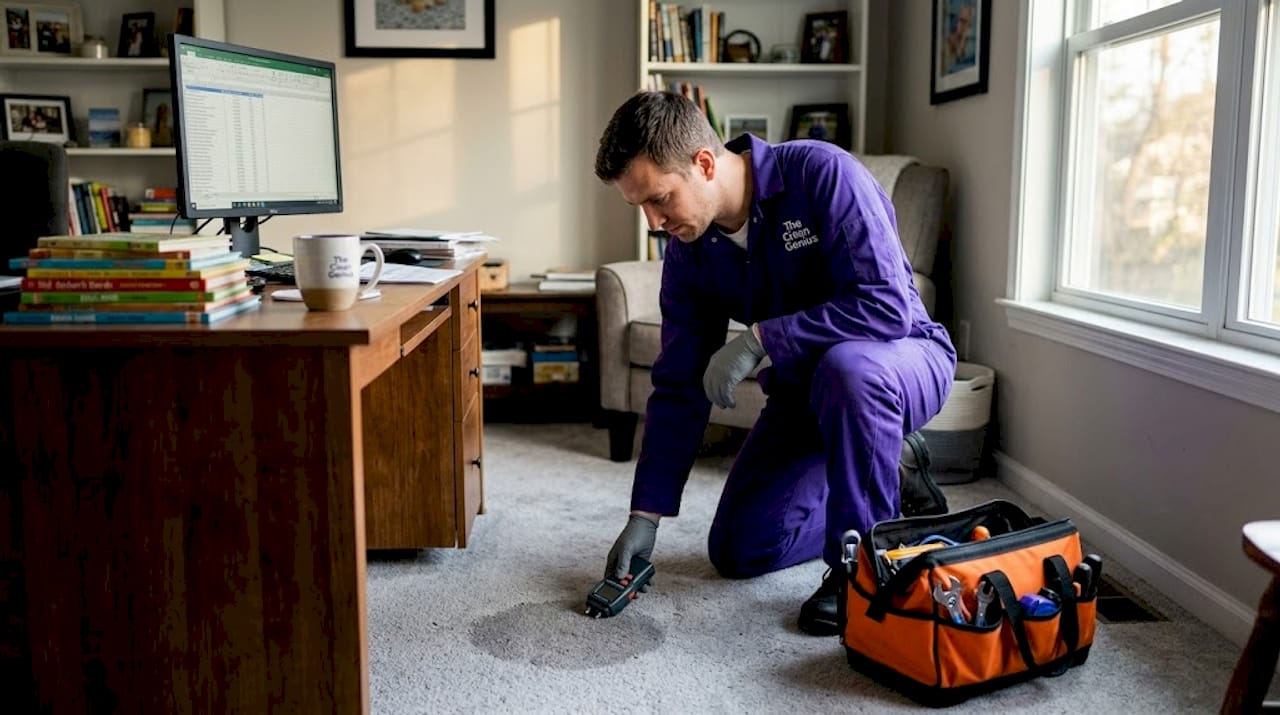
Professional moisture meters are another tool that changes everything here. What feels dry to the touch can still read dangerously high moisture levels in the subfloor. Visible surface dryness is one of the most misleading signs homeowners rely on when deciding whether replacement is necessary.
Comparing cleaning versus replacement: when is carpet salvageable after flooding?
When to replace carpet after flooding depends on three things: the water category, the time elapsed, and the carpet material. Here is a clear comparison to help you make that call.
| Scenario | Water category | Hours wet | Recommendation |
|---|---|---|---|
| Supply line break, caught immediately | Clean (Cat. 1) | Under 24 hours | Possible salvage with professional drying |
| Washing machine overflow, moderate soaking | Gray (Cat. 2) | 24 to 48 hours | Replacement likely needed |
| Basement flood from storm or sewer | Black (Cat. 3) | Any duration | Replace immediately |
| Natural fiber or jute-backed carpet, any water | Any | Any | Replace, these do not survive water damage |
| Any carpet soaked for 48 to 72 hours | Any | Over 48 hours | Replace regardless of category |
If carpet has been wet over 48 to 72 hours without drying, replacement is necessary regardless of water category. That is the professional standard, not a sales pitch.
Beyond timing and water type, watch for these signs carpet needs replacement:
- Musty or sour odor that does not go away after drying attempts
- Visible mold or dark discoloration on the carpet surface, edges, or backing
- Bubbling, rippling, or separation of the carpet from the subfloor
- Soft or spongy subfloor underneath, indicating water has penetrated the structure
- Staining that persists after professional cleaning attempts
Understanding mold remediation requirements helps clarify why these signs are not cosmetic problems. They are indicators of active biological contamination that cleaning alone cannot address.
Hidden dangers: why even ‘dry’ carpets after flooding may still pose risks
Here is the part most homeowners in Wheaton and Arlington Heights do not know until it is too late. You ran fans for three days, the carpet feels dry, and you decide you are done. Six weeks later, a musty smell creeps into the room. Two months after that, you notice a dark patch near the baseboard. What happened?
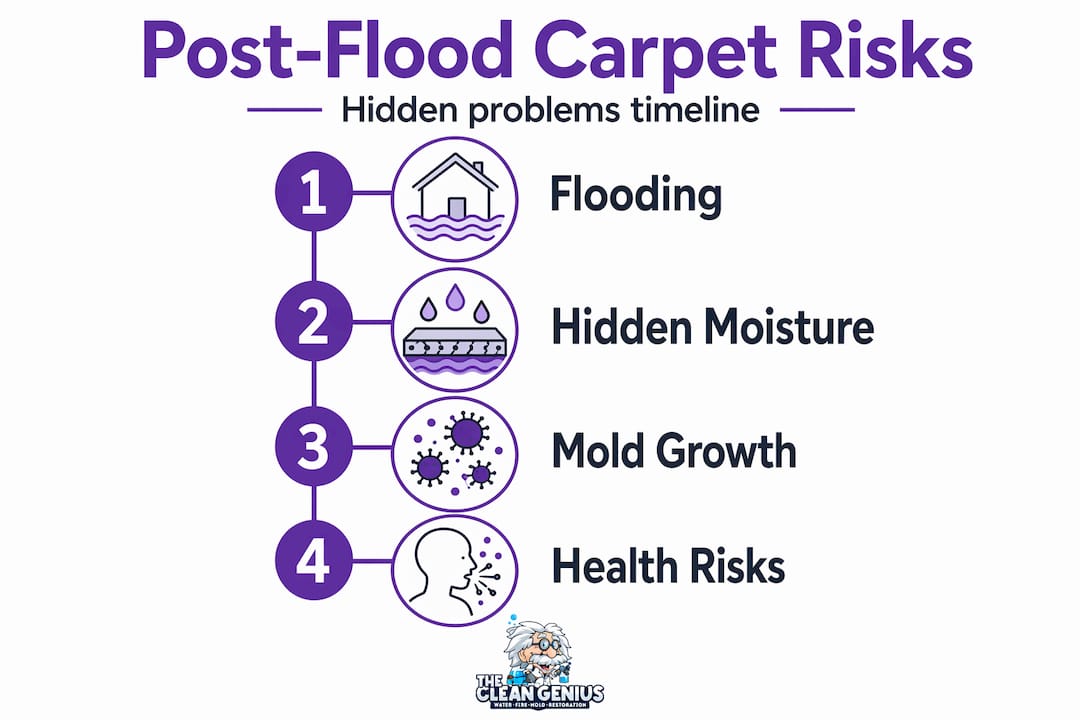
Even if the carpet surface feels dry after 24 hours, padding and subfloor often retain moisture, creating what restoration professionals call hidden mold factories beneath your feet. The carpet surface dries first because it is exposed to air. Everything below it stays wet far longer.
In Chicagoland basements specifically, sump pump failures during heavy rain events are a common culprit. The water may recede and the surface may dry, but the concrete subfloor and any wood framing stay saturated. Over months, this produces:
- Ongoing mold spore release into the air your family breathes daily
- Subfloor warping and rot that turns a carpet replacement job into a full floor rebuild
- Persistent odors that no amount of deodorizer or surface cleaning eliminates
- Structural weakening of floor joists in finished basements, especially in older Chicagoland homes
- Worsening indoor air quality that affects the whole house, not just the flooded room
Pro Tip: After any flooding event, use a non-invasive moisture meter or hire a professional to test moisture levels in the subfloor before deciding whether to reinstall carpet. A reading above 14 to 16 percent in wood indicates active moisture that will fuel mold growth. This is how you catch the problem before it catches you.
Preventing mold from returning after a flood requires addressing every layer of the floor system, not just the visible surface. Removing only the carpet and leaving contaminated padding behind is one of the most common and costly mistakes homeowners make.
Steps homeowners should take immediately after flooding to protect carpet and health
You now know the risks. Here is exactly what to do the moment you discover flooding in your home.
- Turn off the water source if the flooding is from a pipe or appliance. For storm flooding, ensure power to the flooded area is off before entering.
- Assess the water category as honestly as possible. If there is any chance of sewage involvement, treat it as Category 3 and do not attempt cleanup without professional gear.
- Pull back carpet edges from walls immediately to expose the padding. Photograph everything for your insurance claim before removing anything.
- Call a professional restoration company right away. Drying and removing water-damaged items within 24 to 48 hours is the most important step to prevent mold damage, per FEMA guidelines.
- Set up fans and dehumidifiers throughout the area if there is any delay in professional response. Move air actively, not just around the room but across and under the carpet edges.
- Wear protective gear during any cleanup. N95 mask, rubber gloves, and waterproof boots are minimum protection against mold spores and waterborne pathogens.
Pro Tip: Most homeowners insurance policies cover sudden and accidental water damage. Document everything with video and photos before moving a single item. Your water damage restoration services provider can often work directly with your insurer, which removes a major burden from you during an already stressful event.
Time spent debating whether to call a professional is time mold uses to establish itself. The math is simple: the cost of a professional response in the first 24 hours is a fraction of the cost of a full mold remediation plus carpet and subfloor replacement six weeks later.
Why replacing carpet after flooding is not just a cost but a long-term investment
After 25 years of responding to water damage in Chicagoland homes, here is what we have seen repeatedly: the families who hesitate on replacement because of cost end up paying two to three times more within a year. Not because they made a bad financial decision in the moment, but because mold does not wait for a better time in your budget.
The conversation we hear most often is, “We dried it thoroughly, it seemed fine.” Then three months later, a child starts having respiratory symptoms that do not resolve, or a doctor visit reveals a mold-related infection. Attempting to clean Category 3 contaminated carpet risks spreading pathogens that cannot be fully remediated from porous fibers, according to EPA guidance. That is not a warning about edge cases. That is what happens in the average flooded home.
Replacing carpet after water damage also means removing the padding, inspecting the subfloor, treating any mold-affected framing, and installing new materials that do not carry contamination. That full process is what professional mold remediation delivers. Cleaning alone addresses the surface while leaving the real problem untouched.
Think of flood-damaged carpet the way you would think of a food item left out overnight. You would not smell it, decide it seems fine, and serve it to your family. The invisible contamination is the actual danger, and no amount of surface treatment changes what has already happened at the fiber and cellular level.
Protect your Chicagoland home with expert water damage and carpet replacement services
When flooding hits your home in Naperville, Schaumburg, or anywhere across Chicagoland, the decisions you make in the first hours define what your recovery looks like. Understanding why replacement is necessary is the first step. Getting the right team in immediately is what actually protects your home and your family.

At The Clean Genius, our certified restoration teams are available 24/7 to respond to flooding emergencies across the greater Chicagoland area. We handle complete professional water damage restoration, from immediate emergency water extraction to contaminated carpet and padding removal, subfloor moisture testing, and full mold removal and remediation services using our advanced Pure Cloud dry-fog technology. We work directly with your insurance so you can focus on your family. Call us now before the 24-hour window closes.
Frequently asked questions
How soon after flooding should carpet be removed to avoid mold?
Carpet should be removed or dried thoroughly within 24 to 48 hours after flooding to prevent mold growth. Porous materials like carpet that remain wet beyond that window must be discarded, according to FEMA and EPA guidelines.
Can contaminated category 3 floodwater carpets be safely cleaned and reused?
No. Carpets exposed to category 3 water, including sewage or storm flooding, must be replaced. Pathogens cannot be fully removed from porous carpet fibers, making any cleaning attempt a health risk rather than a solution.
Is it possible for carpets that feel dry on the surface to still cause mold problems?
Yes, and this is one of the most common mistakes homeowners make. Padding and subfloor retain moisture long after the surface feels dry, creating hidden mold growth that does not become visible until significant damage has already occurred.
What are the health risks of keeping carpets after flooding?
Flooded carpets harbor mold spores and bacteria that cause respiratory illness, chronic allergies, and fungal infections. Mold spores in wet carpet are especially dangerous for children, elderly family members, and anyone with asthma or a weakened immune system.
What immediate actions should homeowners take to minimize carpet damage after flooding?
Turn off the water source, pull back carpet edges to expose padding, set up fans and dehumidifiers, and call a professional restoration team immediately. Removing water-damaged items within 24 to 48 hours is the single most important action you can take to prevent irreversible mold damage.