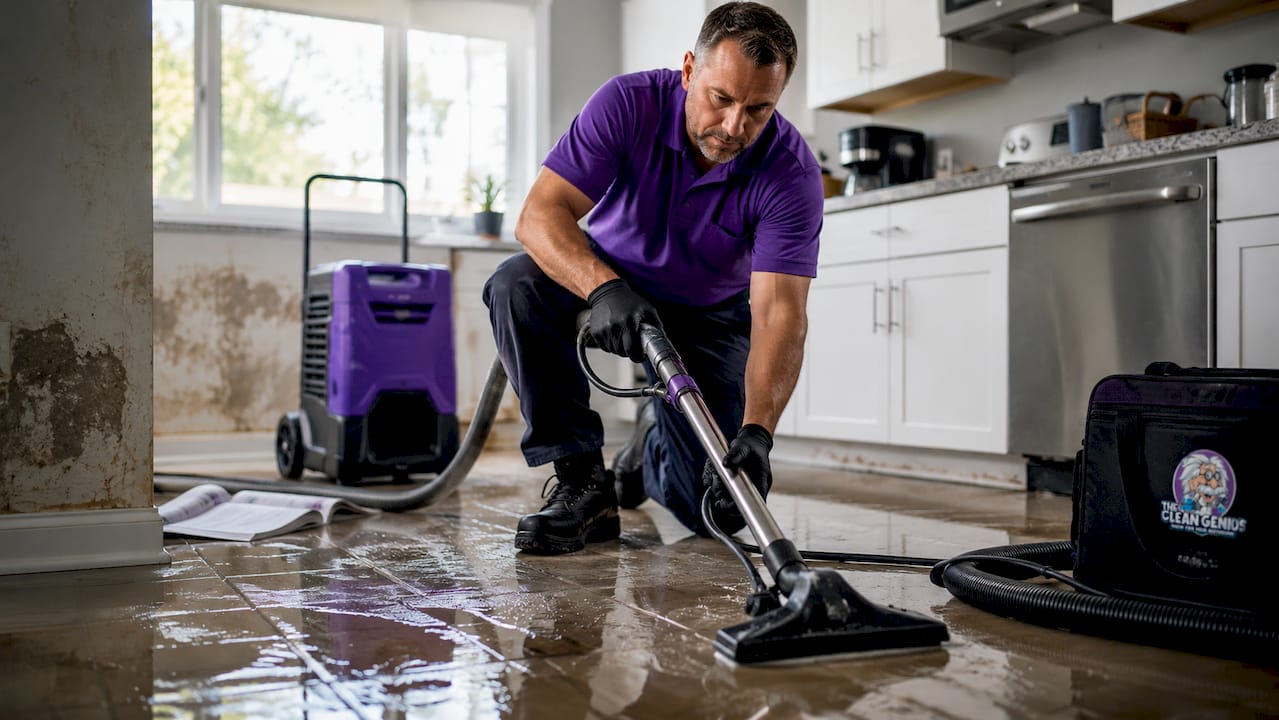

Water extraction is defined as the mechanical removal of all standing and absorbed water from a property after flooding, pipe failure, or any water intrusion event. It is the first and most time-sensitive step in professional property restoration. Without it, water continues migrating deeper into walls, subfloors, and insulation through capillary action, making every hour of delay more costly. Understanding what water extraction means and how the process works gives you a clear picture of what to expect and why calling a certified restoration team fast is not optional.
What does water extraction mean in property restoration?
Water extraction, in the restoration industry, refers to the full process of removing excess water from a structure using pumps, vacuums, weighted extraction tools, and drying equipment. The formal industry framework governing this process is the IICRC S500 standard, published by the Institute of Inspection, Cleaning and Restoration Certification. This standard defines how water damage is classified, how extraction should proceed, and what documentation is required at every stage.
The meaning of water extraction goes beyond simply pumping water out of a basement. It includes surface extraction from carpet and flooring, moisture removal from wall cavities, and the atmospheric drying phase that follows. A job is not complete when the visible water is gone. It is complete when moisture readings in all affected materials return to pre-loss levels, verified by calibrated instruments.
Restoration professionals use the IICRC S500 as their operational bible. Homeowners who understand this framework can have more informed conversations with their restoration company and their insurance adjuster.
How does water extraction work: process and equipment
The water extraction process follows a defined sequence. Skipping steps or rushing through them leads to hidden moisture, mold growth, and structural damage that shows up weeks later.
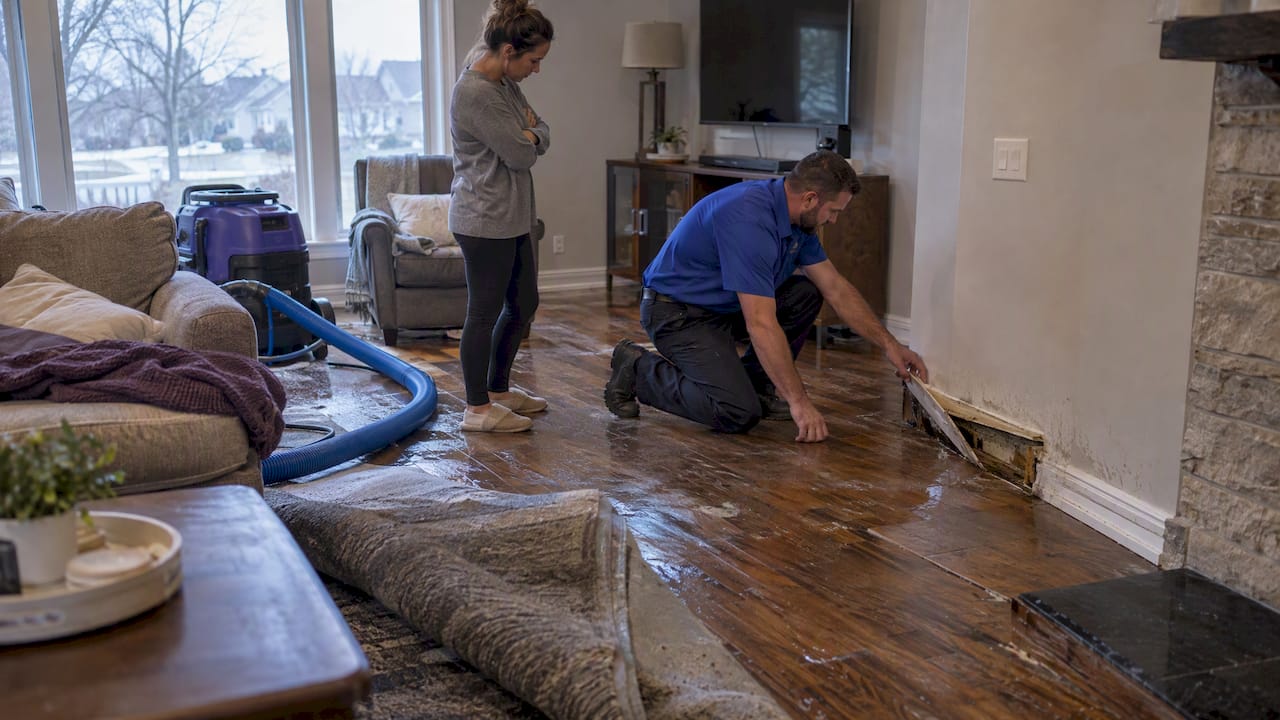
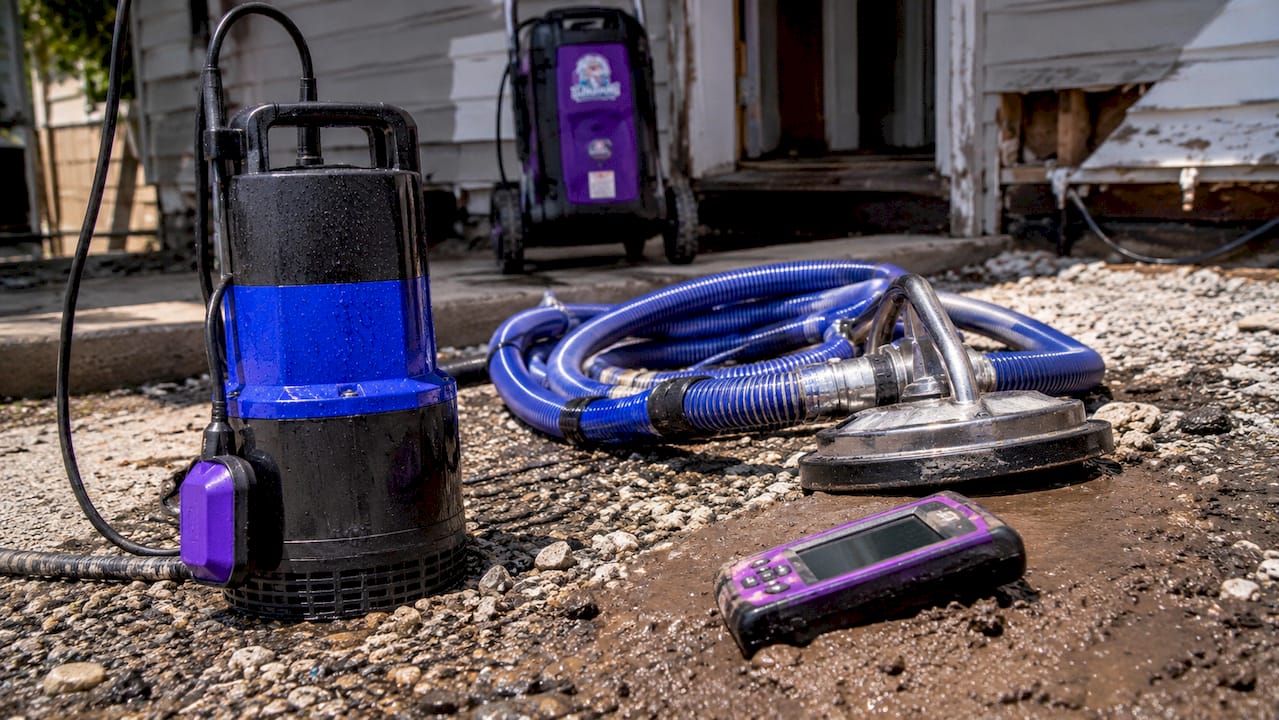
- Bulk water removal. Submersible pumps and truck-mounted extraction units remove standing water first. Pumps and weighted tools pull water from hard surfaces and saturated carpet before any drying equipment is deployed.
- Surface and material extraction. Weighted extraction tools press directly into carpet and padding to pull absorbed water out of fibers. This step alone can remove hundreds of gallons that a pump cannot reach.
- Structural drying. Hygroscopic dehumidifiers and air movers are positioned to accelerate evaporation from walls, subfloors, and structural cavities. Air movers create high-velocity airflow across wet surfaces while dehumidifiers pull the resulting moisture-laden air out of the space.
- Continuous moisture monitoring. Technicians use moisture meters and thermo-hygrometers to track readings in affected materials and the surrounding air. Drying targets are set at the start and verified throughout the process.
Pro Tip: Ask your restoration technician to show you the moisture readings before and after each visit. A reputable company documents these numbers at every check-in. If they cannot produce them, that is a red flag.
The entire sequence can take anywhere from three to five days for minor water damage, with severe cases requiring two to four weeks of active drying. Rushing the drying phase to save time is the single most common cause of mold problems appearing after a “completed” restoration.
What are water damage categories and classes?
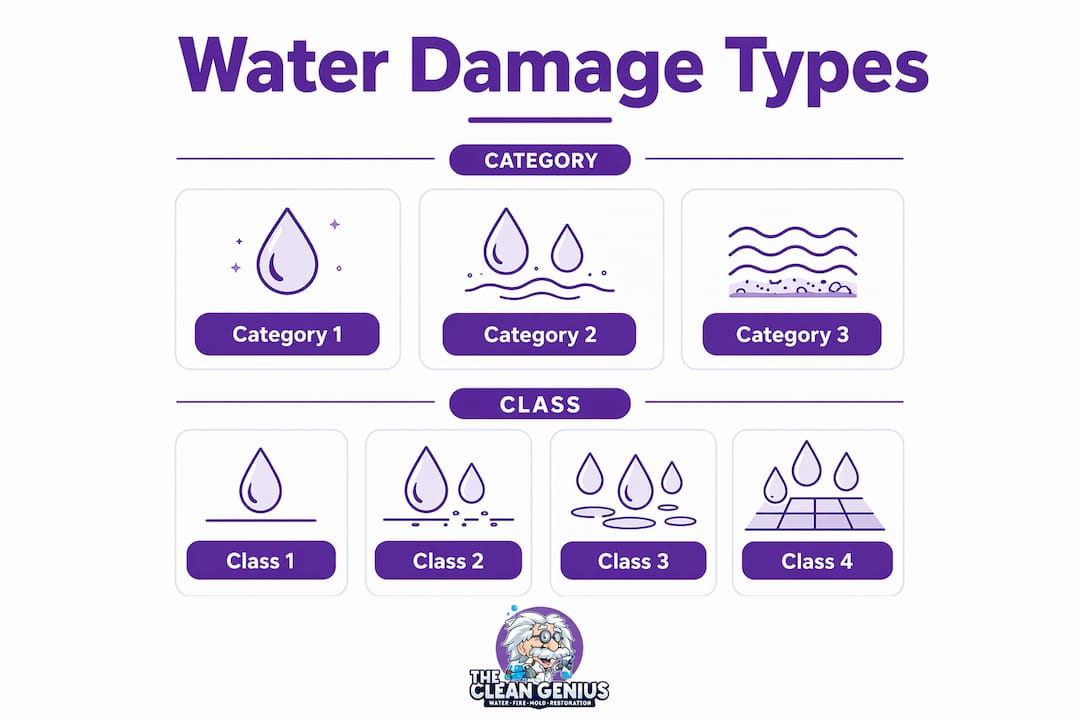
Not all water damage is the same, and the extraction strategy changes significantly based on two factors: contamination level (category) and saturation load (class). IICRC S500 classifies damage using both scales together, and the combination determines equipment selection, safety protocols, and restoration cost.
Water damage categories explained
| Category | Source | Contamination level |
|---|---|---|
| Category 1 | Clean supply lines, rain intrusion | No health hazard; standard extraction applies |
| Category 2 | Washing machine overflow, dishwasher leaks | Gray water; contains microorganisms and chemical residue |
| Category 3 | Sewage backup, floodwater | Black water; requires hazmat protocols and material removal |
Category 3 water is the most serious classification. Black water restoration costs range from $5,000 to $25,000 or more depending on the extent of damage. That range reflects the additional labor, disposal, and post-remediation testing that Category 3 jobs require.
Water damage classes explained
Classes measure how much water has been absorbed and how difficult it will be to dry:
- Class 1: Minimal absorption. Only part of a room is affected, and materials have low porosity. Fastest to dry.
- Class 2: Significant absorption into carpet, cushions, and lower wall sections. Requires more equipment and longer drying time.
- Class 3: Water has saturated walls, ceilings, and insulation. The highest evaporation load. Most equipment-intensive.
- Class 4: Specialty drying situations involving hardwood, concrete, or plaster. Requires low-grain refrigerant dehumidifiers and extended drying cycles.
Proper damage classification allows restoration professionals to match the right equipment to the actual problem, which controls costs and prevents over-drying or under-drying. A Class 4 job treated with Class 1 equipment will fail every time.
Pro Tip: When a restoration company arrives, ask them to explain the category and class they have assigned to your damage. This classification drives every decision they make, including what they bill your insurance company.
Why fast water extraction matters: timelines and risks
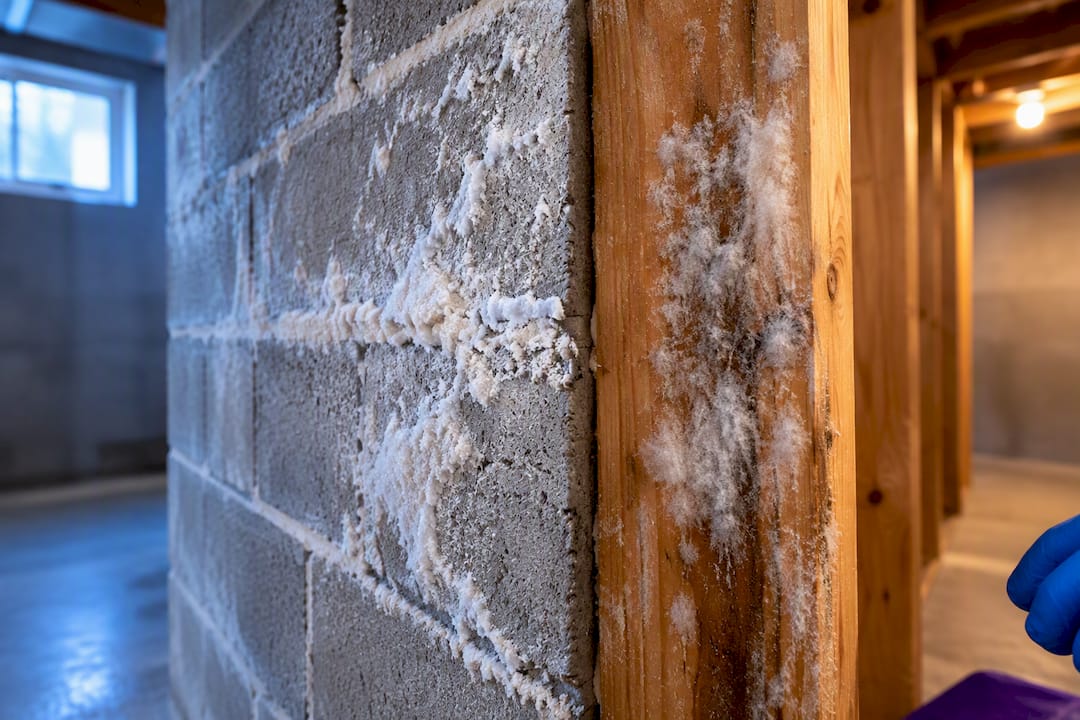
Speed is the defining variable in water damage restoration. Mold begins growing within 24 to 48 hours after water intrusion if extraction and drying are not started quickly. That window is not a guideline. It is a biological reality driven by the temperature and humidity conditions that standing water creates.
Here is what the timeline looks like in practice:
- 0 to 2 hours: Water continues spreading and absorbing into porous materials. Every additional hour increases the saturation class.
- 2 to 24 hours: Drywall begins to swell and lose structural integrity. Wood subfloors start cupping. Furniture legs wick water upward.
- 24 to 48 hours: Mold spore germination becomes likely. Odors develop. Metal surfaces begin to corrode.
- Beyond 48 hours: Mold colonies are actively growing. Structural materials may require demolition rather than drying.
Structural drying timelines run three to five days for minor damage and two to four weeks for severe cases. That range assumes extraction begins promptly. Delayed extraction compresses the window for successful drying and increases the probability of demolition and rebuild costs.
The fast response to water damage principle is not about urgency for its own sake. It is about preserving materials that can be saved versus replacing materials that cannot. Extraction within the first few hours is the difference between a drying job and a reconstruction project.
What to expect during a professional water extraction service
Knowing what a professional extraction visit looks like helps you evaluate whether the company you hired is doing the job correctly.
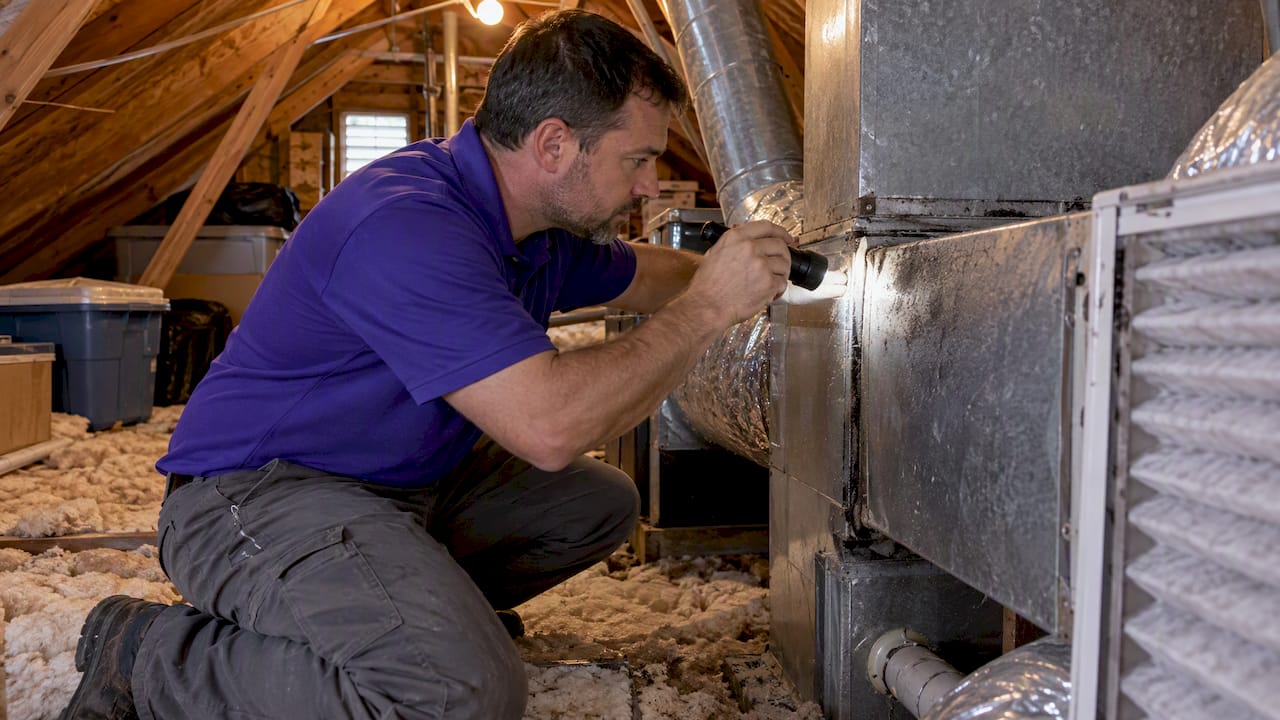
- Inspection and source identification. The technician locates the water source, confirms it has been stopped, and assesses the full extent of affected areas using moisture meters and thermal imaging cameras.
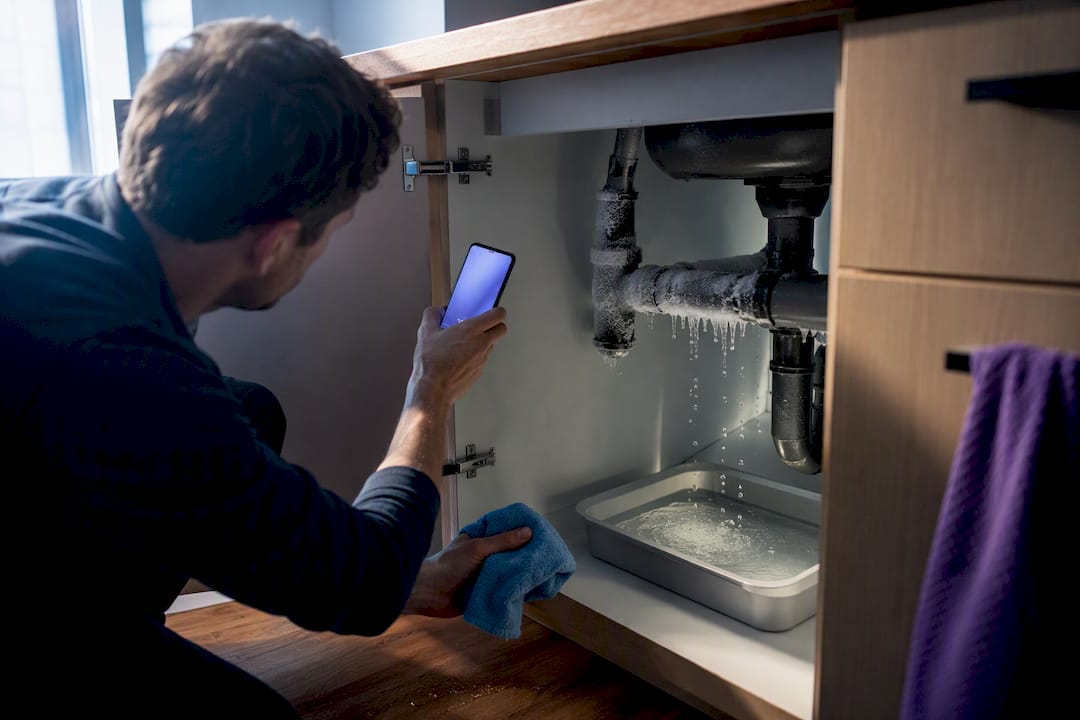
- Water source control. No extraction begins until the active water intrusion is stopped. Extracting water while a pipe is still leaking accomplishes nothing.
- Equipment deployment. Pumps, extractors, air movers, and dehumidifiers are placed based on the category and class assessment. Equipment placement follows airflow principles, not convenience.
- Moisture mapping and documentation. The 2026 IICRC S500 revision makes detailed documentation mandatory for restoration compliance. This includes moisture maps, atmospheric readings, and material moisture content tracked at every visit.
- Insurance coordination. A qualified restoration company documents everything in a format your insurance adjuster can use directly. This reduces disputes and speeds up claim processing.
The updated IICRC S500 standard specifically links continuous moisture monitoring to documented drying targets, meaning your technician must prove the job is done, not just declare it. This protects you as the property owner.
Pro Tip: Take photos of all equipment placed in your home and note the date and time. This record supports your insurance claim and confirms the restoration company followed a documented process.
Selecting a certified restoration company matters more than most homeowners realize. Use a restoration company checklist to verify IICRC certification, insurance coordination experience, and documented drying protocols before signing any contract.
Key takeaways
Water extraction is the foundation of every successful property restoration, and its outcome depends entirely on speed, correct classification, and documented drying.
| Point | Details |
|---|---|
| Definition of water extraction | The mechanical removal of all standing and absorbed water using pumps, vacuums, and drying equipment. |
| Category and class determine strategy | IICRC S500 categories measure contamination; classes measure absorption load and drying complexity. |
| Mold risk starts at 24 hours | Extraction and drying must begin within the first day to prevent mold germination and structural loss. |
| Documentation is now mandatory | The 2026 IICRC S500 revision requires moisture maps and continuous readings to verify drying success. |
| Speed controls total cost | Delayed extraction converts a drying job into a demolition and rebuild, multiplying restoration costs. |
What I have learned after 25 years of water damage calls
After responding to hundreds of water damage calls across Chicagoland, the pattern I see most often is not the damage itself. It is the delay. Homeowners run shop vacs for two days before calling a professional, or they wait to see if things “dry out on their own.” By the time a certified team arrives, what started as a Class 2 job has become a Class 3 with mold already colonizing the wall cavity.
The other misconception I hear constantly is that water extraction is just about removing visible water. Homeowners see dry carpet and assume the job is done. What they cannot see is the moisture trapped in the subfloor, the bottom plate of the wall, and the insulation behind the drywall. Those hidden pockets are where mold starts and where structural damage develops silently over weeks.
The IICRC S500 standard exists precisely because restoration without documentation and monitoring is guesswork. When a company hands you a moisture log with readings from every visit, that is not paperwork for its own sake. It is proof that the drying targets were actually met, which matters enormously when your insurance company reviews the claim.
My honest advice: treat water in your home the way you treat a medical emergency. The first hour matters more than any other. Call a certified team, stop the source, and let the equipment do the work. The cost of acting fast is always lower than the cost of acting late.
— Jim
Get professional water extraction from Thecleangenius
When water enters your home, every minute counts. Thecleangenius provides 24/7 emergency water damage restoration across Chicagoland, with certified teams that follow IICRC S500 protocols from the first pump to the final moisture reading. With over 25 years of combined experience and more than 400 five-star reviews, the team works directly with your insurance company to document every step and protect your claim.

Whether you are dealing with a burst pipe in Naperville, a sewage backup in Schaumburg, or flood damage in Arlington Heights, Thecleangenius responds fast with the right equipment for your specific damage category and class. The team also provides mold removal and remediation using Pure Cloud dry-fog technology for cases where water damage has already created a mold risk. Call now and protect what matters.
FAQ
What does water extraction mean in simple terms?
Water extraction is the process of removing all standing and absorbed water from a property using pumps, vacuums, and specialized drying equipment. It is the first step in professional water damage restoration and must begin as quickly as possible to prevent mold and structural damage.
How long does the water extraction process take?
Bulk water removal typically takes a few hours, but full structural drying takes three to five days for minor damage and up to two to four weeks for severe cases, depending on the IICRC damage class and contamination category.
What equipment is used in water extraction?
Restoration professionals use submersible pumps, truck-mounted extraction units, weighted extraction tools, high-velocity air movers, and hygroscopic dehumidifiers. The specific equipment combination is determined by the water damage category and class assigned during the initial inspection.
Can I do water extraction myself?
Consumer wet-dry vacuums remove surface water but cannot extract moisture from wall cavities, subfloors, or insulation. Professional extraction equipment removes significantly more water and is the only reliable way to prevent hidden moisture from causing mold growth or structural failure.
Why does water damage classification matter for extraction?
The IICRC S500 category and class assigned to your damage directly determines the equipment, safety protocols, and timeline required. Category 3 black water requires hazmat procedures and material removal, while Class 4 saturation requires specialty dehumidifiers. Incorrect classification leads to failed drying and higher long-term costs.