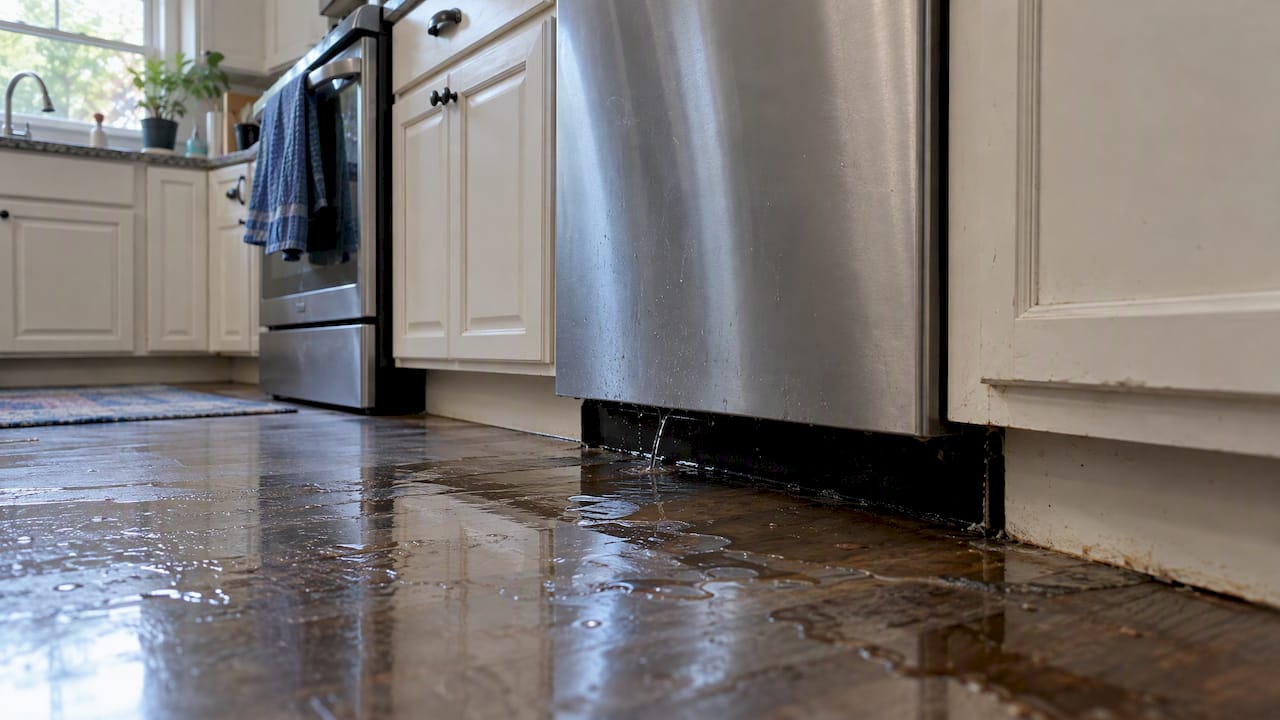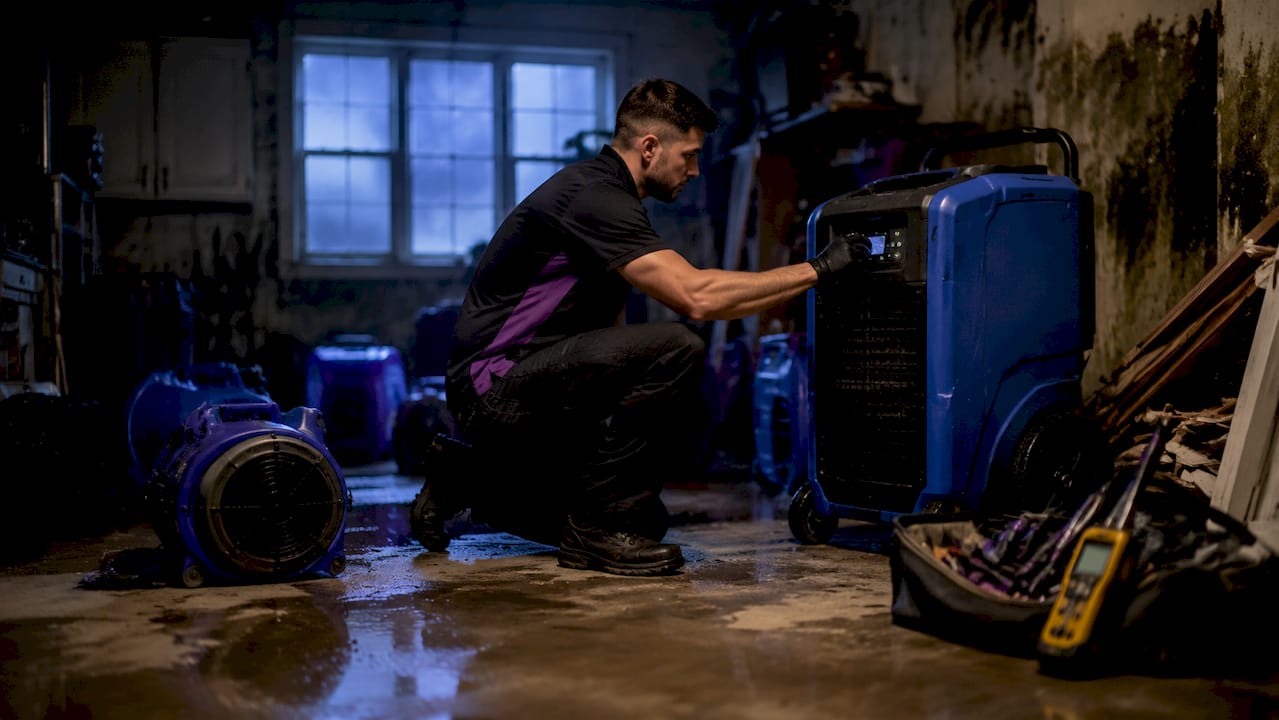

Dehumidifiers are the core moisture control tool in water damage restoration, actively pulling excess humidity from the air so wet building materials can dry completely. Without them, evaporated water stays trapped indoors, keeping walls, floors, and framing saturated long after standing water is gone. The role of dehumidifiers in water restoration goes far beyond running a machine in a wet room. Under the IICRC S500 standard, the industry’s governing framework for structural drying, dehumidification is a required step that follows bulk water extraction and must be sized to the affected area. Skipping or undersizing this step leads to mold, odor, and structural failure.
How do dehumidifiers work with other equipment during restoration?
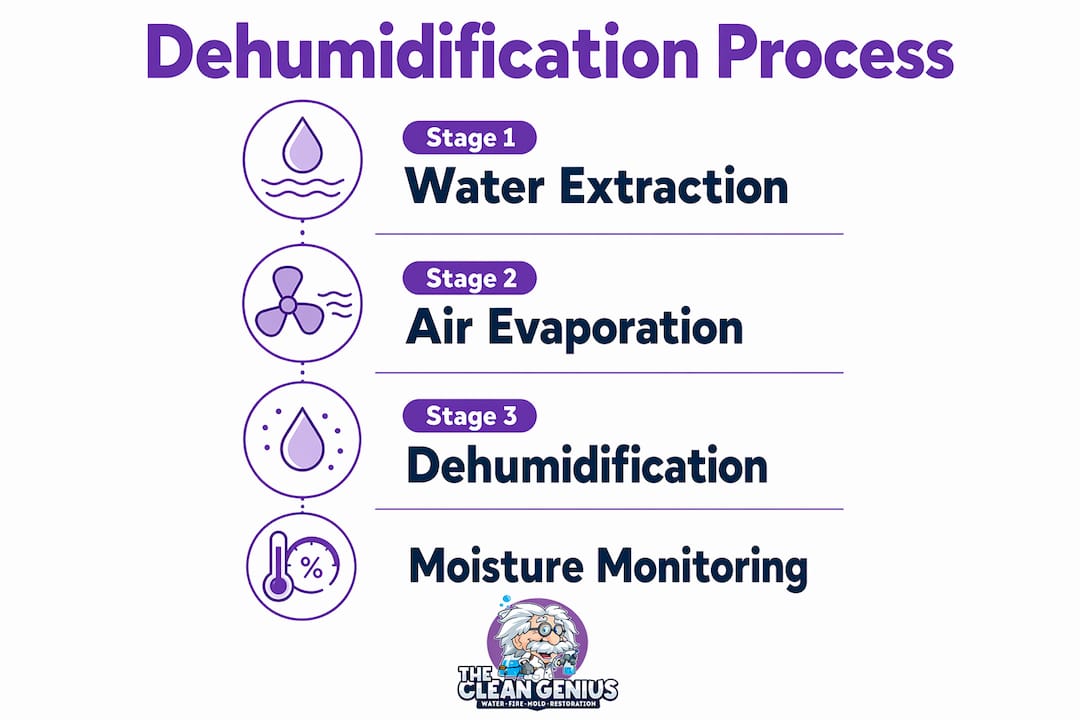
Dehumidification in water damage is not a solo process. It works as part of a three-stage system: extraction, evaporation, and moisture removal.
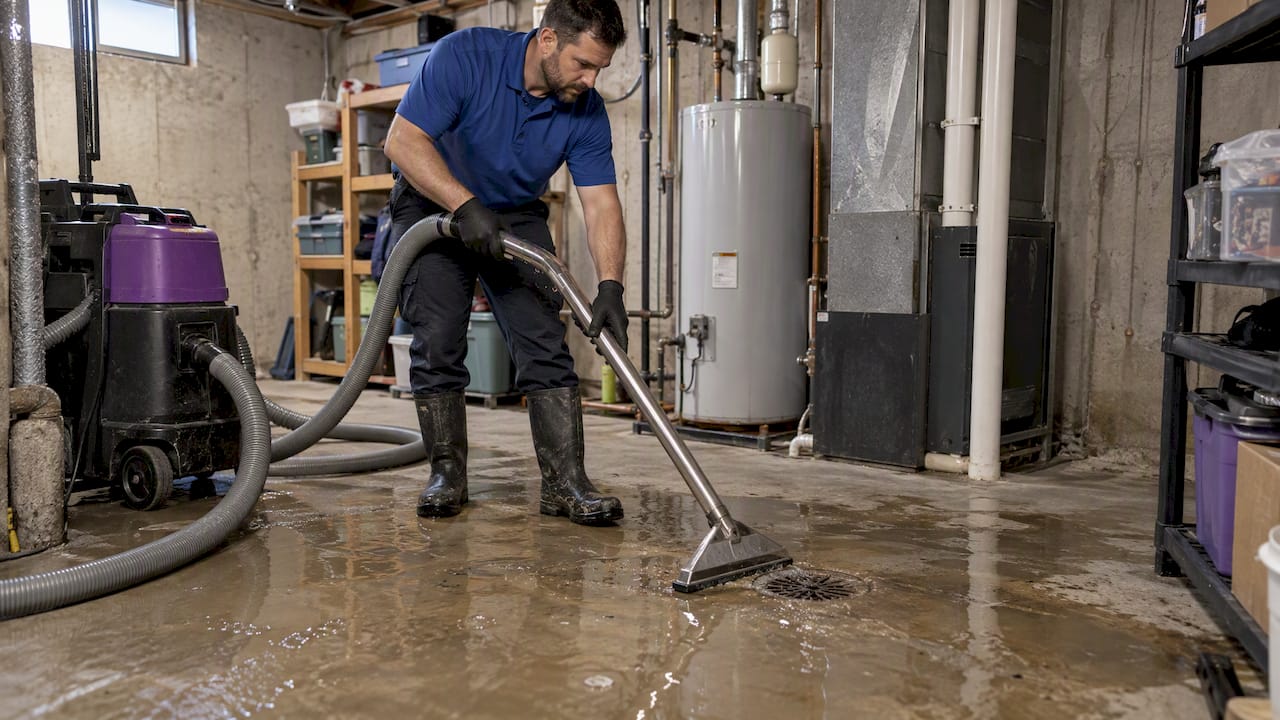
Stage 1: Water extraction. Truck-mounted extractors or wet vacuums pull out standing water first. This step removes the bulk of the water but leaves materials like drywall, subfloor, and framing saturated at the fiber level.
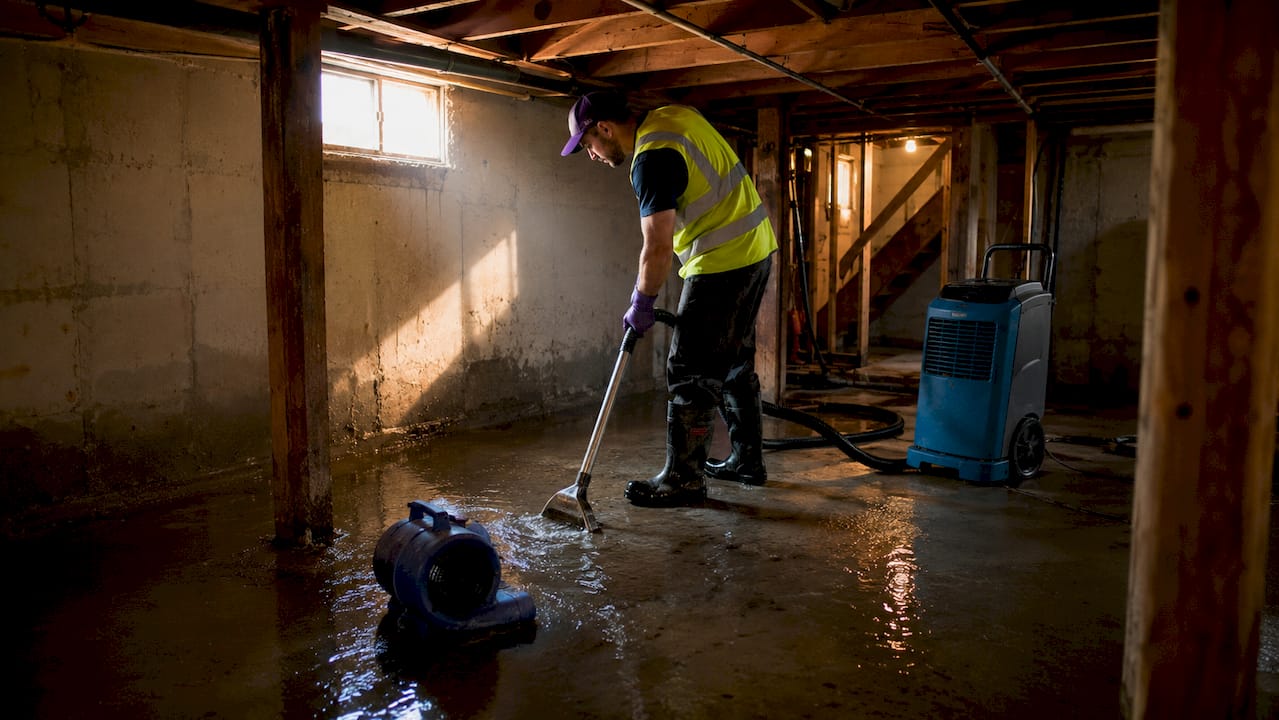
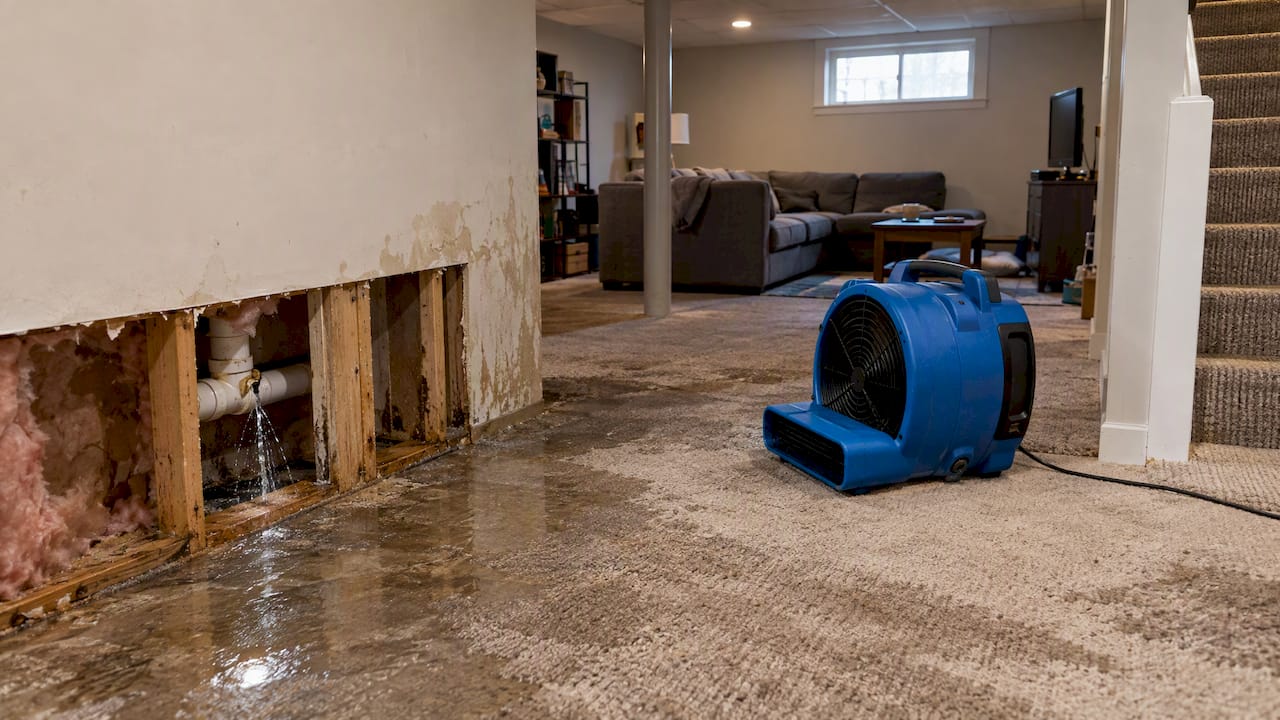
Stage 2: Evaporation with air movers. High-velocity air movers direct airflow across wet surfaces, accelerating evaporation. This pushes moisture from the material into the surrounding air. The problem is that air movers without dehumidifiers can spread moisture and cause secondary damage. The room’s humidity spikes, evaporation stalls, and moisture migrates into unaffected areas.
Stage 3: Dehumidification. Dehumidifiers pull that evaporated moisture out of the air, lowering vapor pressure so evaporation from wet materials continues. Drying and dehumidifying are distinct but interdependent processes. One without the other produces incomplete results.
Moisture monitoring ties the system together. Technicians use pin-type and non-invasive moisture meters to track readings in walls, floors, and ceilings. Those readings drive decisions about repositioning equipment, adding units, or confirming that drying is complete.
Pro Tip: Place dehumidifiers centrally in the affected zone, not in a corner. Central placement draws humid air from the widest possible area and feeds drier air back into the room more evenly.
What type of dehumidifier do you need for water damage?
Not all dehumidifiers perform the same way. Choosing the wrong type for your situation is one of the most common and costly mistakes homeowners make.
Consumer-grade vs. professional LGR units
Consumer-grade dehumidifiers, the kind sold at hardware stores for $200–$400, work fine for minor humidity problems. They are not built for structural drying after a flood or burst pipe. Conventional refrigerant units lose efficiency below 50–60 grains per pound (GPP) of moisture. Once a room starts drying out, these units slow down exactly when you need them most.
Low-Grain Refrigerant (LGR) dehumidifiers are the professional standard. They maintain effectiveness down to 20–25 GPP, reaching the low humidity levels required for thorough structural drying. The IICRC S500 standard requires equipment sizing based on affected cubic footage, and professional drying typically uses LGR units rated at 125–250 pints per day (PPD). That is three to five times the capacity of a consumer unit.
Capacity and cost
For areas over 1,000 square feet or with wet walls, multiple dehumidifiers or professional-grade equipment are required. Commercial LGR rentals run $1,200 to $2,500 or more for a full job. That cost reflects the equipment’s ability to actually finish the job, not just run in the background.
| Dehumidifier type | Capacity (PPD) | Best use case | Approximate cost |
|---|---|---|---|
| Consumer refrigerant | 30–70 | Minor humidity, small rooms | $200–$400 purchase |
| Professional LGR | 125–250 | Structural drying, flood repair | $1,200–$2,500+ rental |
| Desiccant | Varies | Cold spaces below 60°F | Rental, varies by job |
Cold environment considerations
Temperature matters more than most homeowners realize. Refrigerant dehumidifiers struggle below 60°F, making them ineffective in crawlspaces, unheated basements, and garages during winter months. Desiccant dehumidifiers are necessary for spaces under 40°F. If you have water damage in a cold, unheated area of your Chicagoland home in january or february, a standard unit will not get the job done.
Pro Tip: Check the temperature of the affected space before renting equipment. A desiccant unit in a cold crawlspace will outperform an LGR unit every time, regardless of the LGR’s rated capacity.
What are the biggest mistakes homeowners make with dehumidifiers after flooding?
Several common misunderstandings lead homeowners to either waste money or make the damage worse.
- Dehumidifiers do not remove standing water. They remove moisture from air only. Running a dehumidifier in a room with standing water is pointless. Extract the water first, then deploy dehumidification equipment.
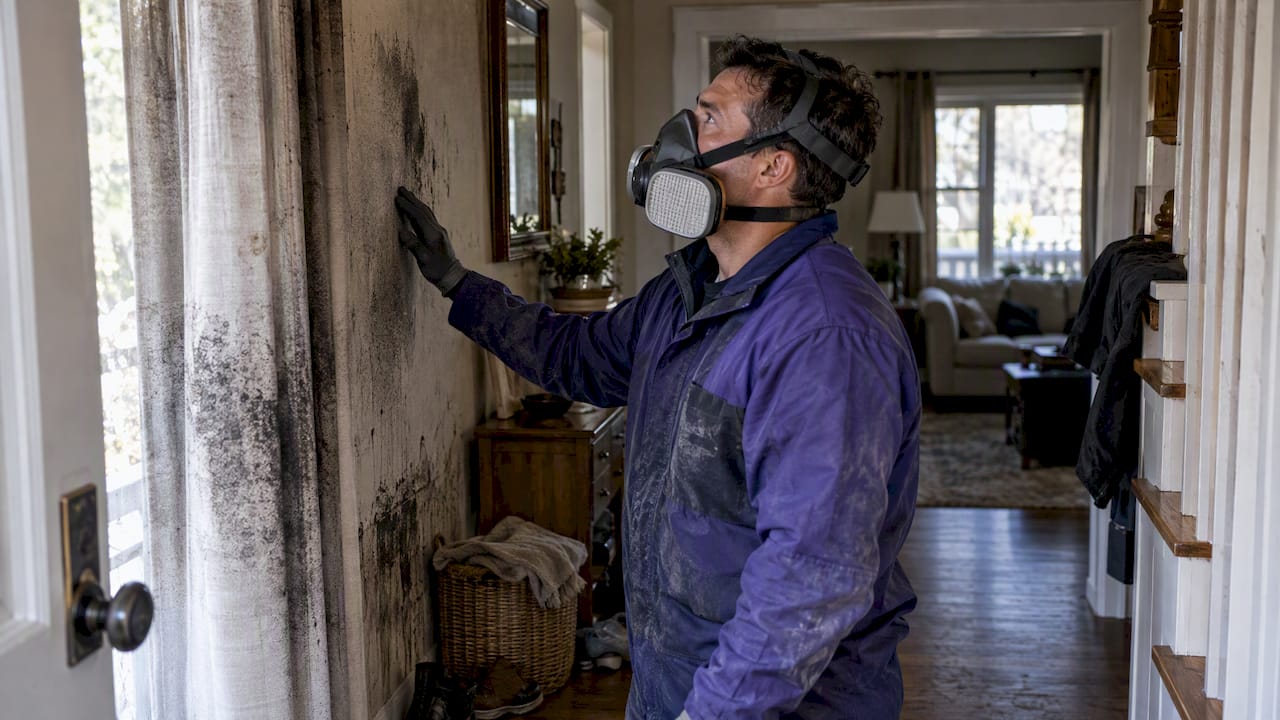
- Never run a dehumidifier before removing visible mold. Running dehumidifiers before removing mold can aerosolize spores and spread contamination throughout the home. Complete mold removal before starting the drying phase.
- Surface dryness is not structural dryness. A floor that feels dry to the touch can still hold dangerous moisture levels inside the subfloor or framing. Hidden moisture leads to mold, odors, and structural problems if left undetected. Professional moisture meters are the only reliable way to confirm complete drying.
- Dehumidifiers do not disinfect. After sewage backups or Category 3 water events, contamination requires antimicrobial treatment before any drying equipment runs.
- Running dehumidifiers alone, without air movers, slows the process significantly. The two pieces of equipment work together. Air movers push moisture into the air; dehumidifiers pull it out. Remove either one and the system breaks down.
Understanding humidity control basics also helps you recognize when your home’s HVAC system is contributing to the problem rather than solving it.
How long does dehumidification take after water damage?
Drying timelines depend on the severity of damage, the size of the affected area, and the equipment deployed. Homeowners should plan for a range, not a fixed date.
Standard drying times run 3–5 days for minor leaks and two weeks or longer for serious flooding. The goal is not a calendar date. The goal is reaching verified moisture benchmarks in every affected material.
| Material | Target moisture content | Notes |
|---|---|---|
| Framing lumber | Below 19% | Above this level, mold growth is likely |
| Drywall | Below 1% | Drywall absorbs and holds moisture deeply |
| Subfloor (wood) | Below 16% | Check multiple points across the surface |
| Ambient air | 40–45% relative humidity | Effective drying requires this range |
Reaching 40–45% relative humidity in the affected space is the environmental target that keeps evaporation moving. Above that range, wet materials stop releasing moisture into the air. Below it, drying accelerates.
Equipment adjustments happen throughout the process. As moisture levels drop, technicians may remove units, reposition air movers, or extend the drying period based on meter readings. A job that looks done on day four may still show elevated readings in wall cavities or under flooring. Drying validation is the only way to confirm the job is actually finished.
Key Takeaways
Dehumidifiers are not standalone cleanup tools. They are part of a coordinated drying system that requires extraction, air movement, moisture monitoring, and verified benchmarks to succeed.
| Point | Details |
|---|---|
| Dehumidifiers follow extraction | Remove standing water before running any dehumidification equipment. |
| LGR units are the professional standard | Consumer units lack the capacity and low-humidity performance for structural drying. |
| Mold must be removed first | Running dehumidifiers over active mold spreads spores and worsens contamination. |
| Surface dryness is not enough | Use moisture meters to verify drying inside walls, floors, and framing. |
| Target 40–45% relative humidity | This range keeps evaporation active and prevents secondary moisture absorption. |
What I’ve learned after 25 years of water damage jobs
Most homeowners I talk to after a flood think the hard part is getting the water out. It is not. The hard part is what comes after, the invisible moisture sitting inside your walls and subfloor that you cannot see or feel.
The biggest mistake I see is homeowners buying or renting a single consumer dehumidifier, running it for a few days, and calling the job done because the floor feels dry. That surface reading means nothing. I have pulled readings from framing lumber that felt bone dry to the touch but was still at 22–25% moisture content. That is a mold problem waiting to happen, usually within 48–72 hours.
The second mistake is running air movers without dehumidification. I have walked into homes where a homeowner set up box fans for three days. The fans moved moisture from the wet area into adjacent rooms, and now we have a larger affected zone than the original damage caused.
Professional-grade LGR equipment and systematic moisture monitoring are not upsells. They are the difference between a job that is actually done and one that creates a mold claim six weeks later. If your damage covers more than one room or involves wet walls, get professional equipment and someone who knows how to read the numbers.
— Jim
Water damage in your Chicagoland home? Thecleangenius is ready 24/7
When water damage hits, the clock starts immediately. Every hour of elevated humidity increases the risk of mold and structural damage to your home.

Thecleangenius provides 24/7 emergency water damage restoration across the greater Chicagoland area, including Arlington Heights, Naperville, Schaumburg, and Wheaton. Our certified teams deploy professional LGR dehumidifiers, air movers, and moisture monitoring equipment in line with IICRC S500 standards. We handle everything from extraction through verified drying, and we work directly with your insurance. With over 25 years of combined experience and more than 400 five-star reviews, we get the job done right the first time. Call us now or request an assessment online.
FAQ
What is the role of dehumidifiers in water restoration?
Dehumidifiers remove evaporated moisture from the air, lowering vapor pressure so wet building materials continue to dry. They are a required step under the IICRC S500 standard and must run alongside air movers for effective structural drying.
How long should you run a dehumidifier after water damage?
Run dehumidifiers until moisture meter readings in all affected materials reach safe benchmarks, typically 3–5 days for minor leaks and two weeks or longer for serious flooding. Never stop based on how a surface feels.
Can a regular household dehumidifier handle flood damage?
A consumer-grade unit is not sufficient for areas over 1,000 square feet or with wet walls. Professional LGR dehumidifiers rated at 125–250 PPD are required for structural drying after significant water damage.
Should you run a dehumidifier if there is mold present?
No. Running a dehumidifier over visible mold aerosolizes spores and spreads contamination. Remove all visible mold first, then begin dehumidification.
What humidity level should you target during water damage drying?
Target 40–45% relative humidity in the affected space. This range keeps evaporation active and prevents wet materials from reabsorbing moisture from the air.