
A restoration company serves as the essential liaison between homeowners and insurance carriers by managing damage assessment, documentation, and repair coordination throughout the claims process. When water floods your basement in Schaumburg or a burst pipe soaks your Naperville kitchen, the last thing you need is to decode insurance policy language while wet drywall spreads mold. Understanding how restoration company works with insurance gives you a real advantage. The right restoration firm does not just fix the damage. It builds the evidence file that gets your claim paid in full and on time.
How restoration companies coordinate with insurance on water damage claims
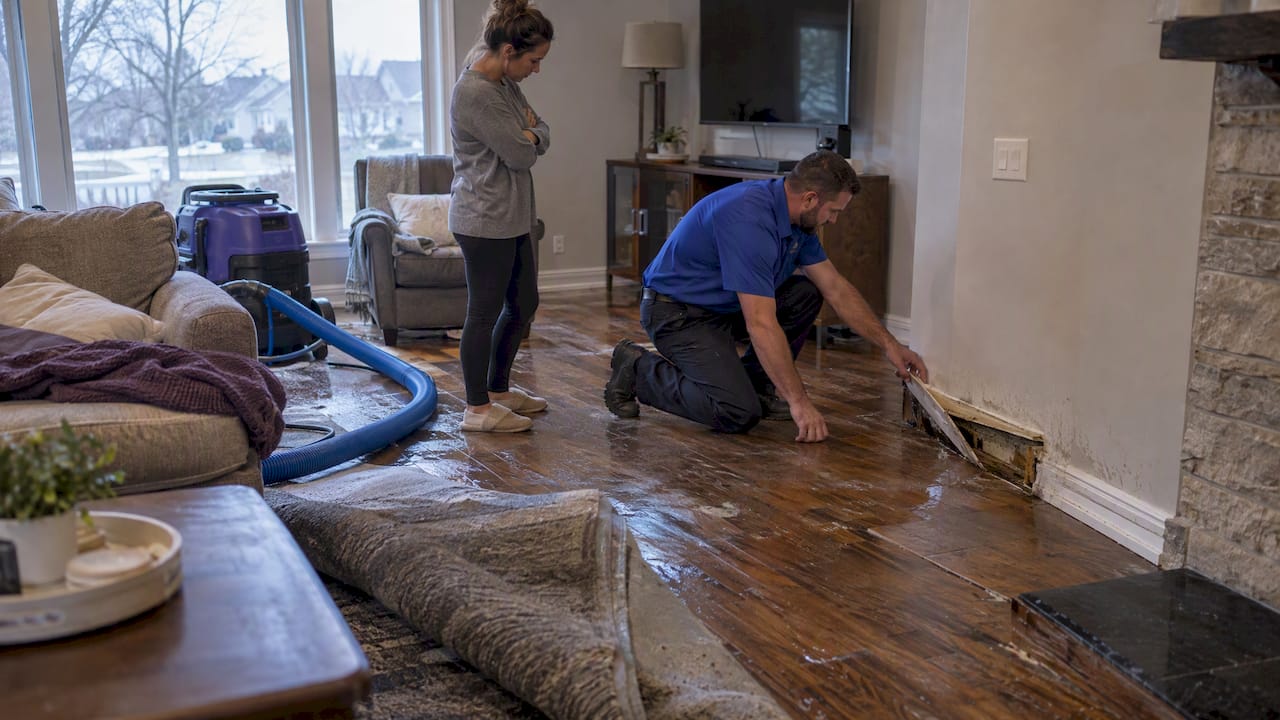
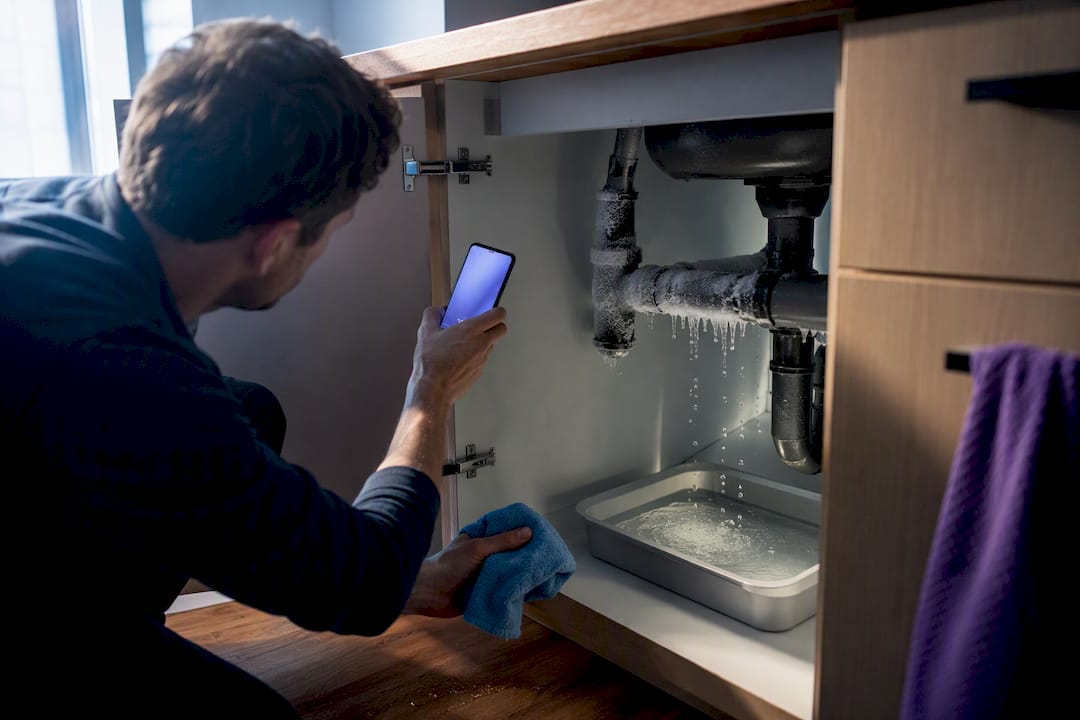
The restoration insurance process begins the moment a certified technician sets foot in your home. The company’s first job is emergency mitigation, stopping water from spreading further. This matters for insurance because most homeowner policies require the insured to take reasonable steps to prevent additional damage. Skipping mitigation can give a carrier grounds to reduce or deny coverage.
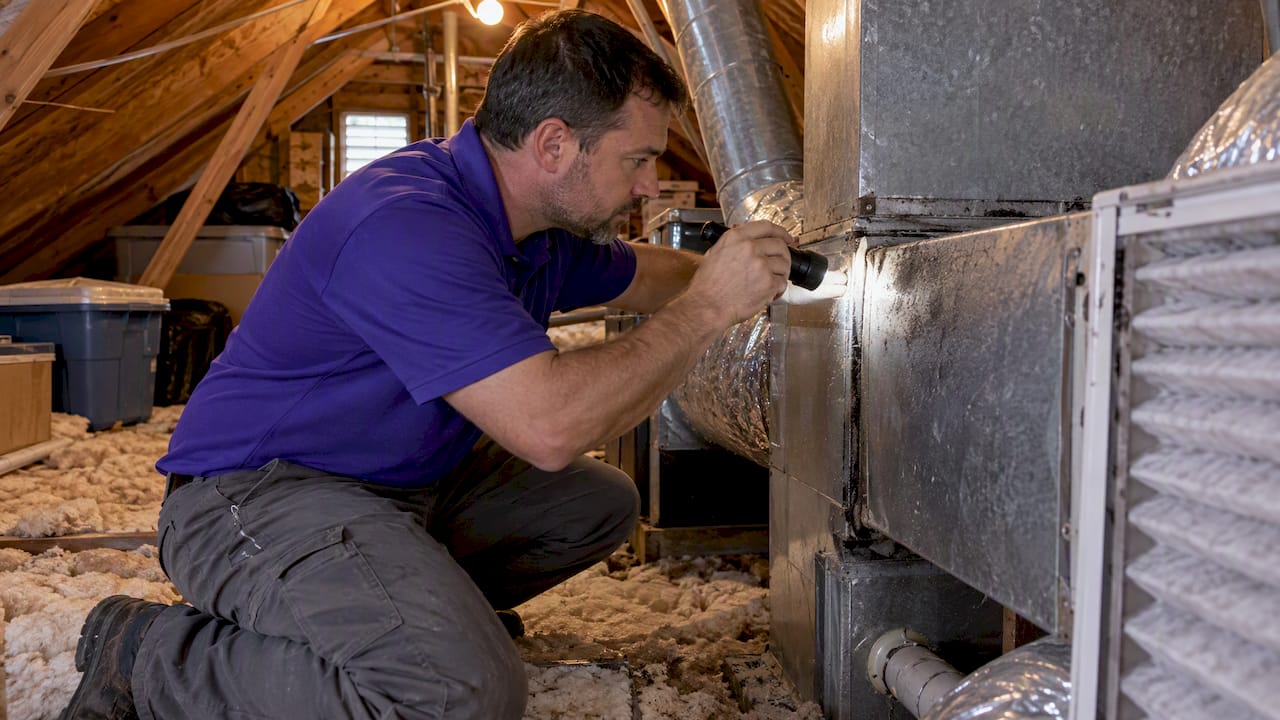
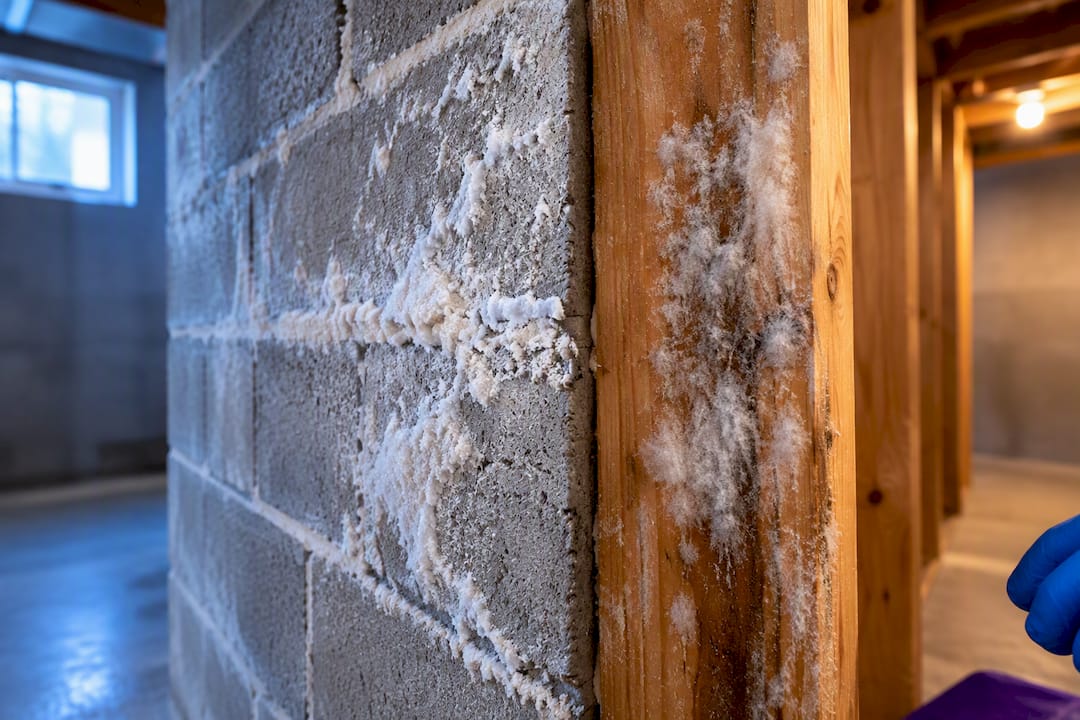
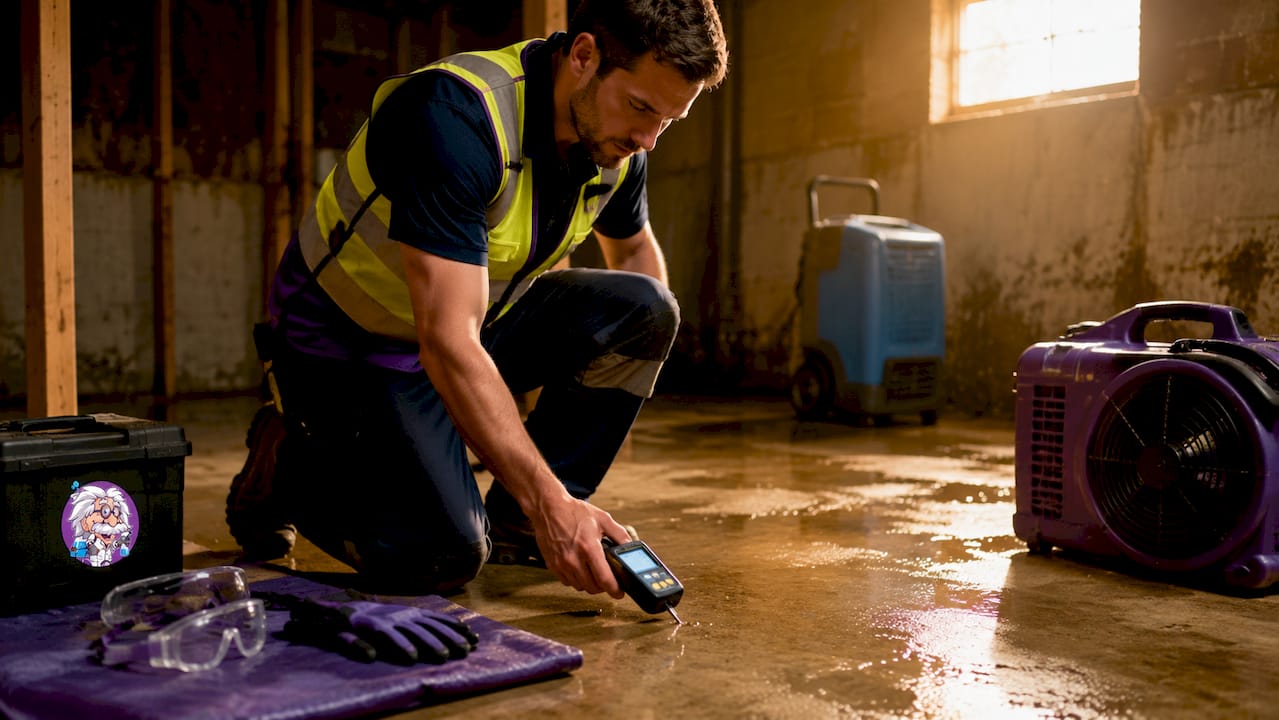
After stabilizing the property, the restoration company conducts a full damage assessment. Technicians record moisture readings across every affected surface, photograph all visible damage, and begin drying logs that track temperature, humidity, and equipment performance hour by hour. These records form the backbone of your insurance claim. Without them, an adjuster has no objective basis for approving the full scope of repairs.
The company then prepares an itemized estimate, typically formatted in Xactimate, the industry-standard estimating software that insurance adjusters use themselves. Submitting estimates in the same format adjusters expect removes friction and speeds approval. Itemized scopes and estimates are submitted in two phases: mitigation first, then full reconstruction scope, each requiring carrier or third-party administrator review before work proceeds.
Pro Tip: Ask your restoration company which estimating software they use before signing any authorization. A firm using Xactimate speaks the same language as your adjuster, which reduces back-and-forth and shortens approval time.
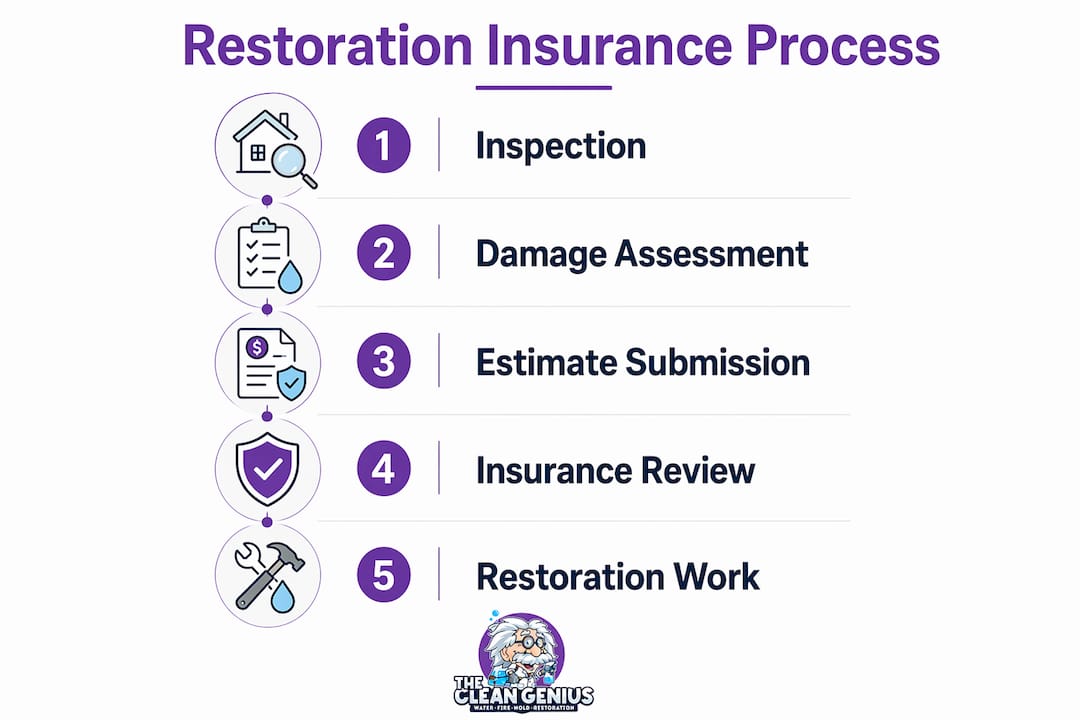
Here is the standard workflow from loss to claim approval:
- Emergency contact and dispatch. The restoration company responds, often within hours, to stop active water intrusion and begin extraction.
- Baseline moisture mapping. Technicians establish moisture readings across all affected materials before drying equipment is placed.
- Daily monitoring and drying logs. Equipment performance and moisture levels are recorded every day until drying goals are met.
- Mitigation estimate submission. The company submits the mitigation scope to the insurer or TPA for review and approval.
- Adjuster inspection. The adjuster reviews the site, the documentation, and the estimate. The restoration company attends this inspection to answer technical questions directly.
- Reconstruction estimate submission. Once mitigation is approved, the full repair scope is submitted for carrier sign-off.
- Claim approval and payment. The carrier issues an initial Actual Cash Value payment. Recoverable depreciation follows after documented completion.
How do restoration companies document damage for insurance adjusters?
Documentation is where claims are won or lost. Restoration companies provide adjusters with objective, thorough evidence including photos, moisture mapping, and detailed estimates. This level of detail prevents claim delays or reductions that occur when carrier estimates lack completeness.
The technical documentation package a professional restoration firm produces includes:
- Moisture maps. Floor plans annotated with moisture readings at every test point, updated daily throughout the drying process.
- Psychrometric data. Temperature, relative humidity, and dew point readings that prove drying conditions were met according to IICRC S500 standards.
- Timestamped photos and video. Before, during, and after images of every affected room and material.
- Equipment logs. Serial numbers, placement locations, and daily runtime records for every dehumidifier and air mover on site.
- Drying completion report. A final document confirming all materials reached acceptable moisture levels before equipment removal.
“Continuous moisture mapping from baseline assessment through drying completion is essential. Gaps can weaken claim defense and extend drying timelines.” — AirReady Restorer
Accurate psychrometric data and drying logs are critical evidence during adjuster review and final approval. A restoration company that delivers this package consistently gives adjusters everything they need to approve the claim without requesting additional information, which is the single biggest source of delay in most residential water damage claims.
What role do supplements and recoverable depreciation play?
Most homeowners are surprised to learn that the first check from their insurer is rarely the final one. Initial adjuster estimates are often partial. Final payments include recoverable depreciation and supplements that require formal submission by the homeowner or contractor.
Here is how the two components differ:
| Component | What it is | What triggers release |
|---|---|---|
| Recoverable depreciation | Withheld portion of repair value based on material age | Proof of completed repairs: invoices, photos, completion certificate |
| Supplement claim | Additional scope discovered after initial inspection | Revised Xactimate estimate with photos and written narrative |
Supplements arise because water damage is rarely fully visible during the first walkthrough. A restoration crew removing flooring may find saturated subfloor that was not included in the original scope. Supplements are handled through revised estimates with photo and narrative evidence documenting newly discovered or evolving damage. Contractors must submit this documentation quickly to avoid denials for hidden damage uncovered during restoration.
Recoverable depreciation works differently. Adjusters issue an initial ACV payment that includes withheld depreciation, which is released later upon documented completion of repairs. The homeowner or contractor must formally request this payment with proof such as invoices and before-and-after photos. Many homeowners leave this money unclaimed simply because no one told them to ask for it.
Pro Tip: Keep a dedicated folder, physical or digital, for every invoice, photo, and communication related to your claim. Your restoration company should provide most of this documentation, but having your own copy means you can request recoverable depreciation the day repairs are confirmed complete.
For a closer look at what the full restoration process involves from start to finish, the property restoration overview at Thecleangenius walks through each phase in plain language.
How do third-party administrators affect the claims process?
Third-party administrators, commonly called TPAs, are companies that insurance carriers hire to manage their preferred vendor networks and claims workflows. If your insurer uses a TPA, your restoration company does not deal directly with your carrier for approvals. It deals with the TPA first. This adds a layer to the process that most homeowners never see but always feel in the form of timeline pressure.
TPA-managed workflows are scored on metrics such as response time and documentation quality, influencing vendor assignments and claim processing speed. Restoration companies that maintain high scores stay in preferred vendor networks, which means faster assignments and smoother approvals for the homeowners they serve.
The TPA timeline requirements are strict. Restoration vendors must contact homeowners within 15 minutes and be on-site for inspection within 2 hours after assignment. Missing these windows can result in the vendor losing the job or the claim being flagged for review.
Key facts homeowners should know about TPA-managed claims:
- Emergency water mitigation is one of the few services allowed to begin without prior TPA approval. All other work requires formal sign-off.
- Reconstruction cannot start until the TPA reviews the mitigation scope and the carrier approves the full repair estimate.
- Delays in TPA approval directly delay your move-back date. A restoration company experienced with TPA protocols knows how to submit documentation in the exact format required to avoid rejection and resubmission cycles.
- Restoration companies that comply with TPA protocols and maintain detailed communication are more likely to keep claims moving efficiently.
Choosing a restoration company that already operates within major TPA networks is one of the most practical decisions a homeowner can make. That experience translates directly into faster approvals and fewer surprises. You can review a restoration company checklist to confirm the firms you consider have this experience before you commit.
Key takeaways
A restoration company that documents damage thoroughly, submits estimates in Xactimate, and operates within TPA networks gives homeowners the strongest possible foundation for a full and timely insurance settlement.
| Point | Details |
|---|---|
| Mitigation comes first | Emergency water extraction must begin immediately to comply with insurance policy requirements and prevent secondary damage. |
| Documentation drives claim outcomes | Moisture maps, psychrometric data, and timestamped photos are the evidence that gets claims approved without dispute. |
| Initial payments are rarely final | Recoverable depreciation and supplements require formal submission with invoices and photos after repairs are complete. |
| TPA compliance speeds approvals | Restoration companies in preferred vendor networks meet strict response and documentation standards that keep claims on schedule. |
| Xactimate estimates reduce friction | Estimates formatted to adjuster expectations remove back-and-forth and shorten the time from submission to approval. |
Why your choice of restoration company determines your claim outcome
After 25 years of combined experience handling water damage claims across Chicagoland, I can tell you the single most common reason homeowners end up underpaid: they hired a restoration company that was great at drying but had no idea how to talk to an adjuster.
Insurance carriers are not adversaries, but they are businesses. They pay what the documentation supports. A restoration firm that submits vague estimates, skips daily moisture logs, or misses TPA response windows hands the carrier a reason to reduce the payout. I have seen homeowners receive 60 cents on the dollar for legitimate claims because the documentation package was incomplete.
The firms that consistently get full settlements do three things well. They document obsessively from day one. They submit estimates in the format adjusters expect. And they know which TPA is managing the claim before they even start the paperwork. That last point matters more than most homeowners realize. A company that has never worked within a specific TPA’s portal will spend days figuring out submission requirements that an experienced firm handles in an hour.
My honest advice: before you sign any authorization, ask the restoration company how many TPA-managed claims they have handled in the last year and which carriers they work with regularly. The answer tells you everything about whether they will protect your interests or just protect the drywall.
— Jim
Get expert water damage restoration and insurance support in Chicagoland
Dealing with water damage is stressful enough without trying to decode the insurance claims process on your own. Thecleangenius handles both sides of the recovery for homeowners across Chicagoland, from Arlington Heights to Wheaton and everywhere in between.

Our certified teams respond 24/7, begin emergency mitigation immediately, and build the complete documentation package your insurer needs from day one. We work directly with insurance adjusters and TPA networks, submit estimates in Xactimate, and manage supplement claims so you receive every dollar your policy covers. With over 400 five-star reviews and 25 years of combined experience, we know what it takes to get your home restored and your claim settled. Visit our water damage restoration page to request emergency service or learn more about how we coordinate with your insurance carrier.
FAQ
How does a restoration company help with my insurance claim?
A restoration company documents the damage, prepares itemized estimates in insurer-compatible formats like Xactimate, and communicates directly with adjusters and TPAs on your behalf. This coordination prevents claim delays and supports full settlement by providing the objective evidence insurers require.
Will my insurance cover all restoration costs?
Most standard homeowner policies cover sudden and accidental water damage, but the initial payment is typically an Actual Cash Value amount with depreciation withheld. Full settlement requires submitting proof of completed repairs to release recoverable depreciation, plus any supplement claims for damage discovered after the initial inspection.
What is a supplement claim in water damage restoration?
A supplement is a formal claim for additional damage found after the original inspection, such as saturated subfloor discovered when flooring is removed. It requires a revised estimate, updated photos, and a written narrative submitted to the carrier or TPA for approval.
How long does the insurance restoration process take?
Timelines vary based on damage scope and whether a TPA is involved. Emergency mitigation typically begins within hours. Reconstruction approval can take days to weeks depending on TPA review cycles and adjuster scheduling. A restoration company experienced with TPA workflows can significantly reduce delays by submitting documentation in the correct format the first time.
Can I choose my own restoration company or does insurance assign one?
You have the right to choose your own restoration company in most states, even if your insurer recommends a preferred vendor. Selecting a firm with TPA experience and strong documentation practices often produces better claim outcomes than accepting an unfamiliar assignment. Review a homeowner selection checklist before making your decision.