
Post-mold treatment prevention is the ongoing process of eliminating the conditions that allow mold to reestablish itself after professional remediation. The industry term for this work is post-remediation management, and it covers everything from moisture control and ventilation to inspection, cleaning, and material upgrades. Mold spores are always present in indoor air. They only become a problem when moisture gives them a foothold, which is why moisture management is the controlling factor in every effective prevention plan.
The core components of post-mold treatment prevention include:
- Inspection to confirm complete mold removal and identify lingering moisture sources
- Humidity regulation to keep indoor relative humidity between 30% and 50%
- Cleaning of surfaces, belongings, and HVAC components to remove residual spores
- Ventilation to dry out spaces and prevent moisture buildup
- Health and safety measures to protect occupants during and after the process
- Professional follow-up when visible mold, odors, or recurring moisture problems appear
How to inspect your home after mold remediation
A thorough post-remediation inspection is the first real test of whether the work succeeded. According to EPA remediation guidelines, no visible mold, mold-damaged materials, or musty odors should remain for a space to be considered safe for occupancy. Visual and sensory surveys are actually more reliable than air sampling alone for confirming that remediation worked.
Start your inspection within a few days of the remediation crew finishing. Pay close attention to:
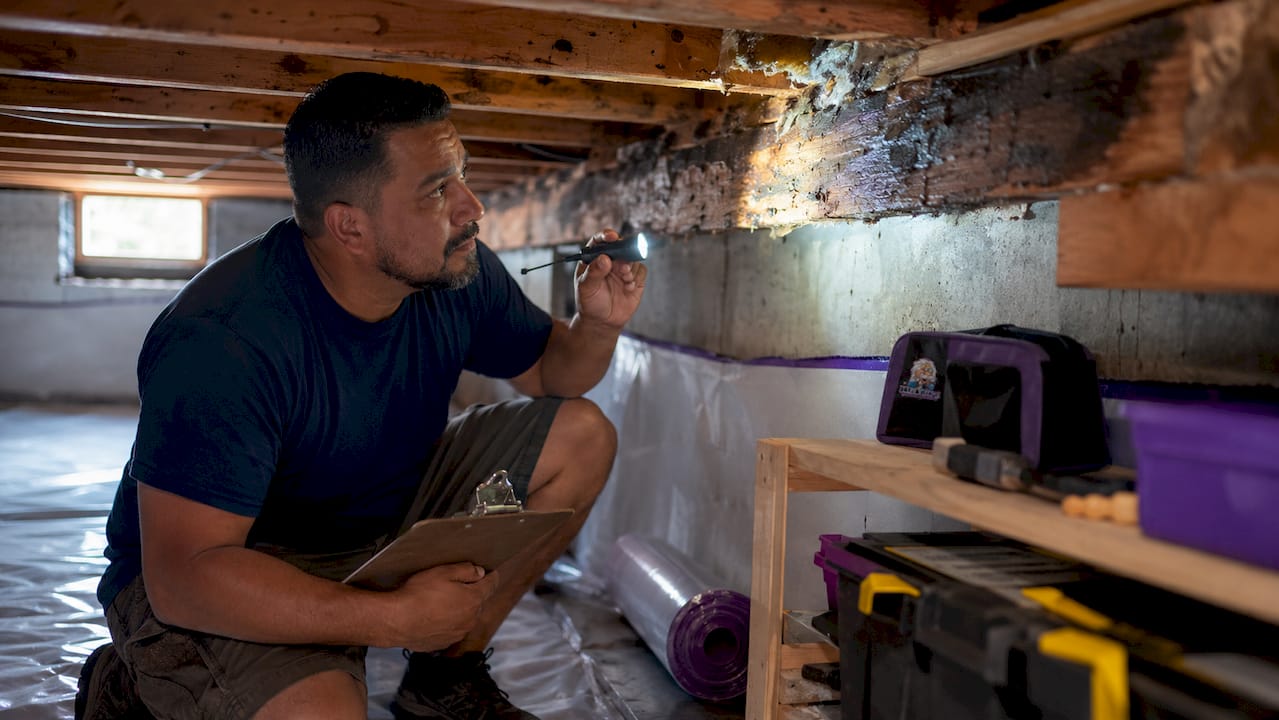
- Crawlspaces and attics, where moisture collects and goes unnoticed for months
- Behind drywall and under flooring in any area that had water intrusion
- HVAC air handlers, coils, and drain pans, which can harbor spores from the original growth period
- Window frames, baseboards, and wall cavities near exterior walls
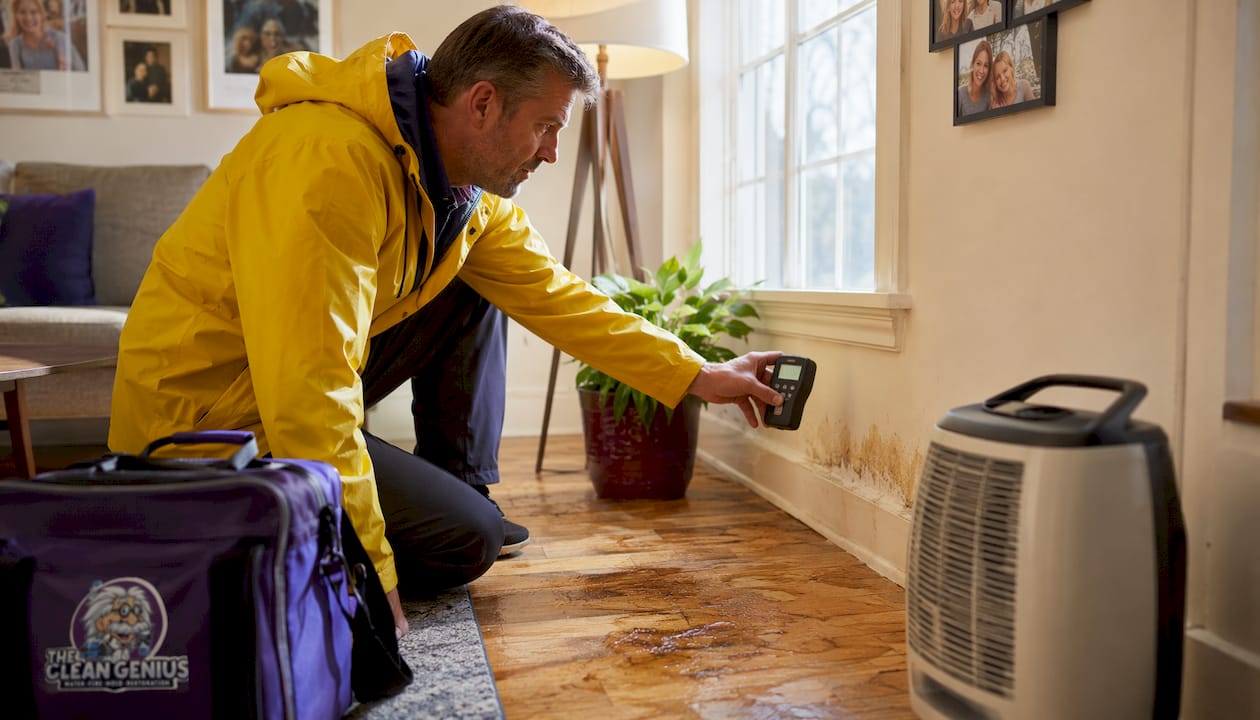
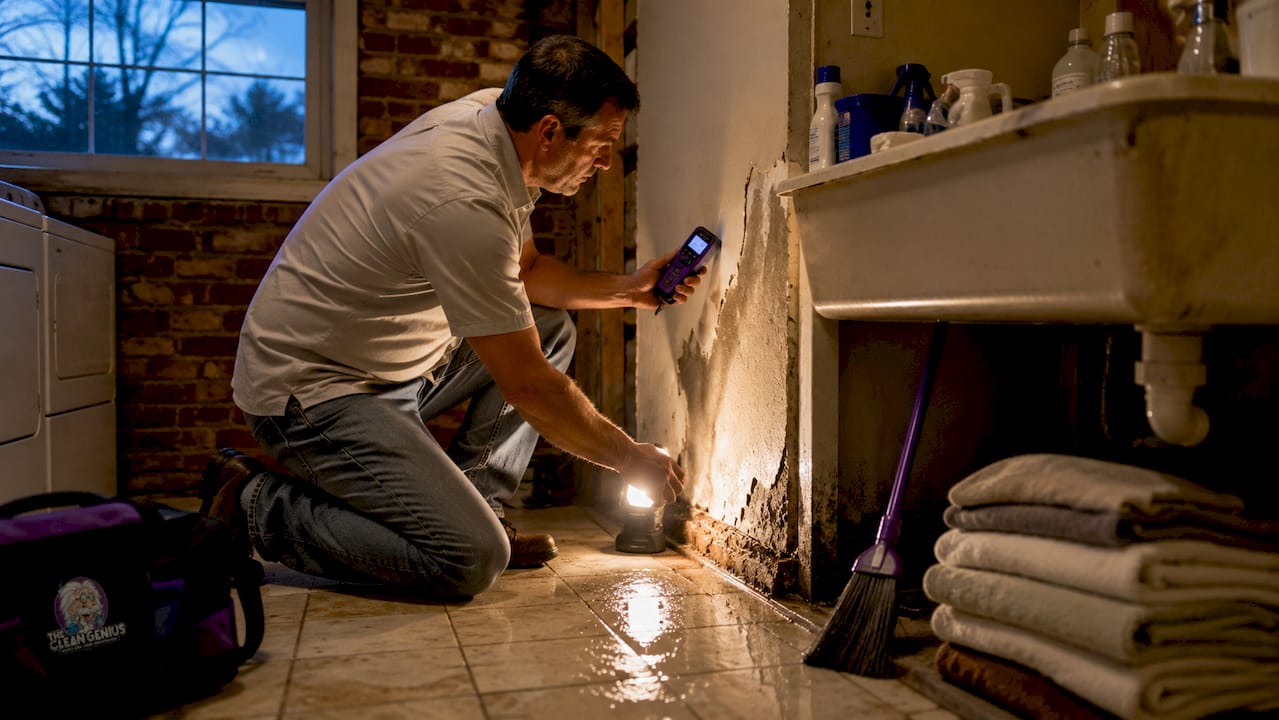
A moisture meter is the right tool for verifying that materials are actually dry, not just dry on the surface. Thermal imaging cameras can reveal hidden moisture pockets that look fine to the naked eye. If you are not comfortable doing this yourself, an independent industrial hygienist can perform a post-remediation verification (PRV) before any rebuilding begins.
Signs that remediation was not fully effective: a persistent musty smell, visible discoloration returning within weeks, or elevated moisture readings in previously affected areas.
Maintenance and prevention strategies that actually keep mold away
Controlling indoor humidity is the single most effective long-term mold prevention strategy. Relative humidity above 60% supports new mold growth even without standing water, so keeping your home within a range that removes the primary condition mold needs to thrive.
Practical steps that make a real difference:
- Run a dehumidifier in basements, crawlspaces, and any room that stays damp
- Repair roof leaks, plumbing drips, and foundation cracks as soon as you find them
- Keep HVAC drip pans clean and confirm that dryers and kitchen exhaust fans vent directly outside
- Install exhaust fans in bathrooms and run them during and for at least 20 minutes after showers
- Use mold-resistant drywall (fiberglass-faced gypsum board meeting ASTM D3273) and 6-mil polyethylene vapor barriers in crawlspaces when rebuilding after remediation
- Check attic ventilation, since attic moisture is one of the most overlooked drivers of recurring mold in Chicagoland homes
Pro Tip: Buy a hygrometer and place one on each floor of your home. Check readings weekly for the first three months after remediation. If any room consistently reads above 55%, add a dehumidifier before mold gets a chance to start.
How to clean your home and belongings safely after mold remediation
Cleaning after remediation removes residual spores and dust that the remediation crew may not have addressed in living areas. Hard, non-porous surfaces like tile, glass, and sealed wood can be scrubbed with detergent and water, then dried completely. Absorbent materials like carpet, upholstered furniture, and ceiling tiles are a different story. If they were directly affected by mold growth, cleaning is rarely enough.
Key cleaning guidelines:
- Wash all hard surfaces with a mold-safe detergent and dry them thoroughly within 24–48 hours
- Launder washable fabrics, curtains, and bedding that were in the affected area
- Clean HVAC coils, air handlers, and replace filters if the system ran during the mold growth period
- Avoid using bleach as a routine treatment. EPA guidance notes that biocides like chlorine bleach are not recommended as standard practice during remediation, partly because dead mold is still allergenic
Pro Tip: Never paint or caulk over a surface that had mold without first confirming the moisture source is fixed. Covering mold with paint traps it beneath the surface, and the paint will peel within months as hidden growth continues.
How long should you ventilate after mold cleaning?
Ventilation after mold cleaning serves two purposes: it dries surfaces faster and it dilutes any airborne spores stirred up during the cleaning process. Open windows and run exhaust fans for at least 24–48 hours after cleaning, longer if the weather is dry and outdoor humidity is low. If outdoor air is warm and humid, mechanical ventilation with a dehumidifier running simultaneously works better than open windows.
Effective ventilation methods include:
- Exhaust fans in bathrooms, kitchens, and laundry rooms running continuously during and after cleaning
- Portable air movers directed at walls and floors in previously affected areas
- HEPA air scrubbers, which filter spores from the air while ventilation is running
- Opening multiple windows to create cross-ventilation rather than relying on a single opening
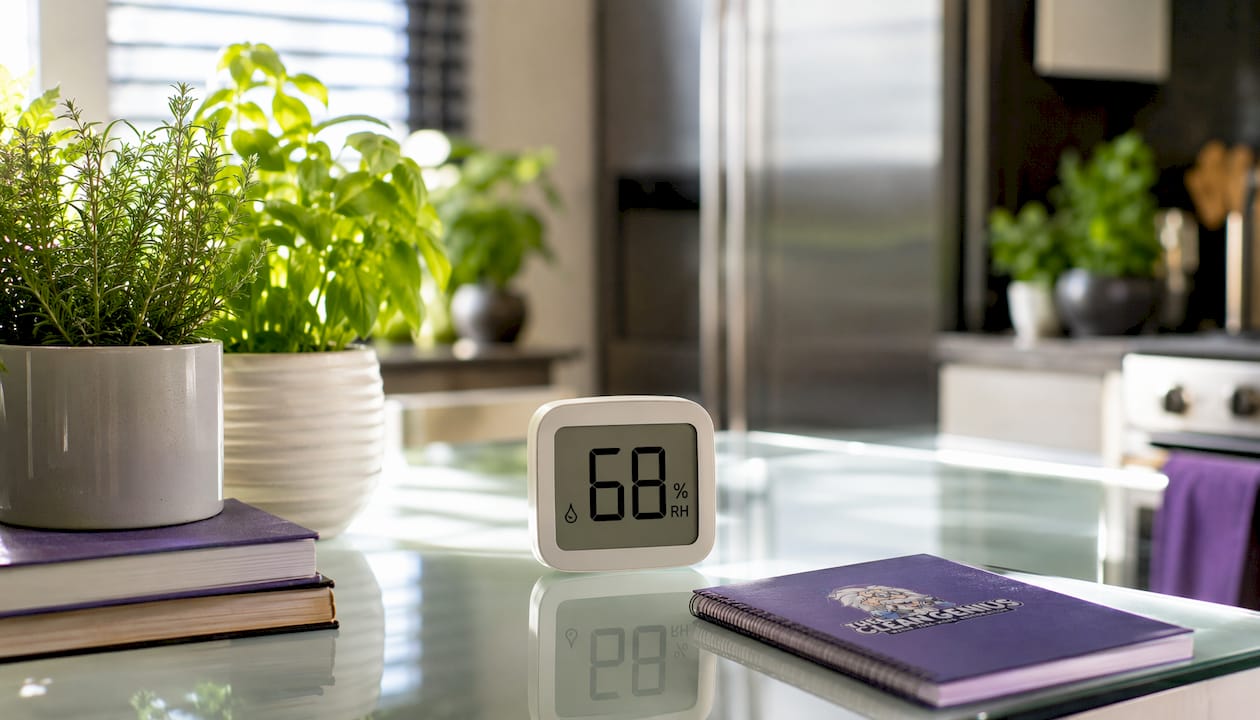
Monitor humidity with a hygrometer throughout this period. The goal is to get surface moisture readings back to normal and keep indoor relative humidity between 30% and 50% before closing up the space. Surface fans alone cannot pull moisture out of materials; you need airflow combined with dehumidification to dry anything deeper than the surface layer.
Health and safety considerations after mold removal
Mold spores remain in the air during and immediately after cleaning, even when the visible growth is gone. Anyone with asthma, COPD, or a compromised immune system should not be present during cleaning and should wait until the space has been fully ventilated and verified before returning. The CDC advises that people with these conditions should not stay in a moldy home or be present while it is being cleaned.
For everyone else doing post-remediation cleaning or inspection:
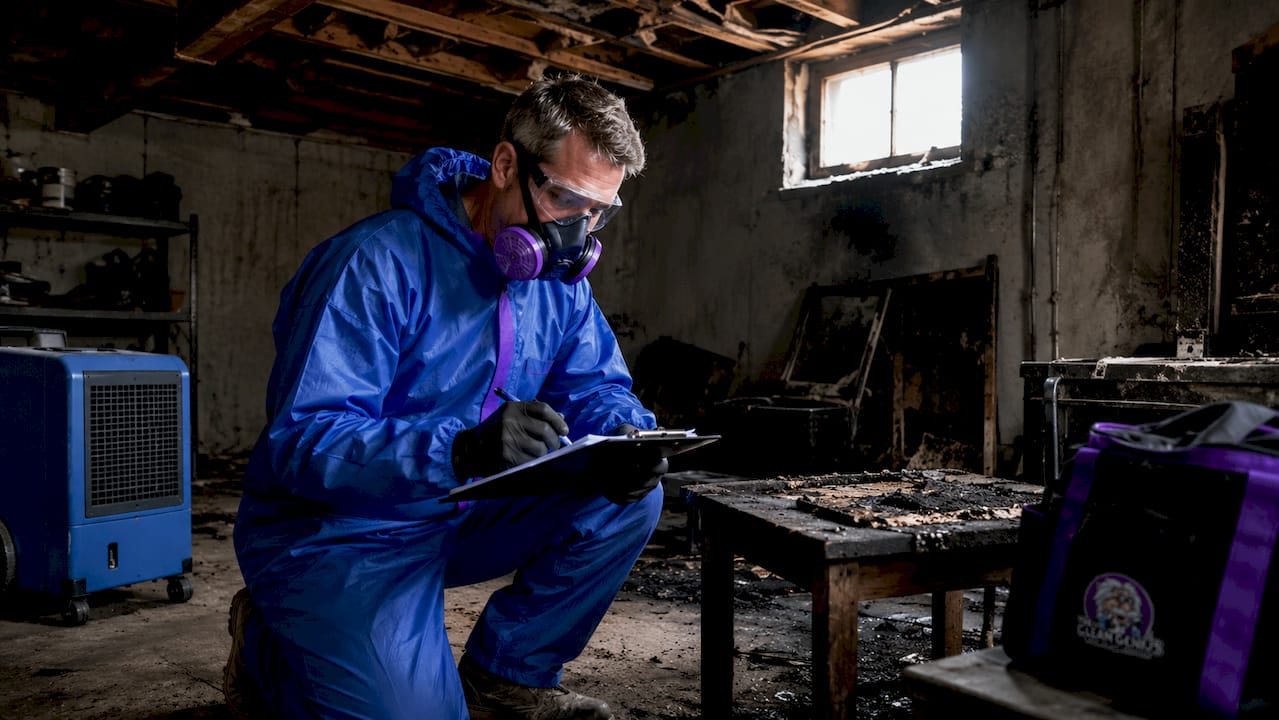
- Wear an N95 respirator or better, nitrile gloves, and safety goggles
- Keep windows and doors open while working and for several hours after finishing
- Shower and change clothes after working in a previously affected area to avoid spreading spores
- Watch for symptoms including nasal congestion, throat irritation, coughing, or eye irritation in the days following re-entry
Indoor air quality can take days to normalize after remediation. Running a HEPA air purifier in the main living areas during this window helps reduce airborne spore counts. For detailed guidance on mold removal safety, Thecleangenius has published a full set of best practices for homeowners.
Why mold comes back and what actually causes it
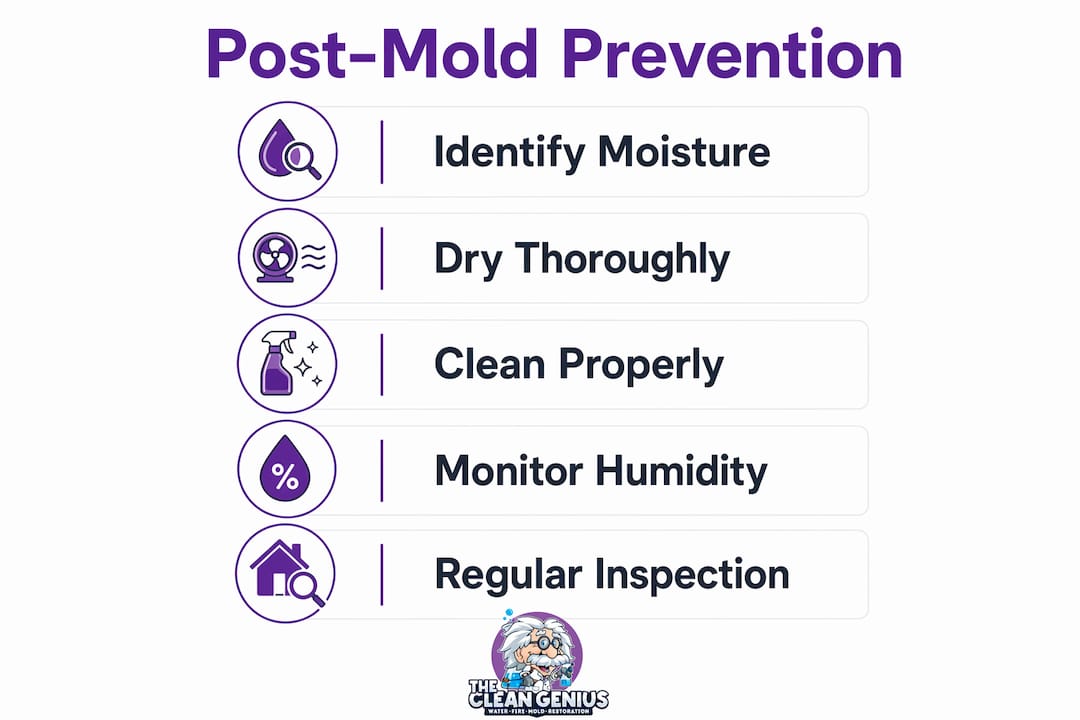
Mold does not truly “come back.” What happens is that the original moisture source was never fully corrected, so spores already present in the environment find the same favorable conditions and colonize again. The EPA is direct on this point: without fixing the moisture problem, mold will return regardless of how thorough the cleaning was.
The most common causes of recurrence:
- Unrepaired plumbing leaks inside walls or under slabs that were not identified during remediation
- High indoor humidity from inadequate HVAC capacity or a failed dehumidifier
- HVAC contamination, where contaminated ductwork spreads spores to clean areas of the home
- Poor attic or crawlspace ventilation that allows ground moisture or roof condensation to accumulate
- Incomplete remediation where mold behind drywall or under flooring was not fully removed
Mold can begin colonizing wet materials within 24–48 hours of water exposure. That timeline means a slow drip behind a wall can restart a mold problem in under two days. Catching leaks early is not just good maintenance; it is the difference between a quick fix and a full remediation job.
When you should call a professional after mold remediation
Some situations after remediation clearly call for professional help rather than a DIY approach. If you see visible mold returning within weeks of remediation, that is a sign the moisture source was not corrected. A musty odor that persists after thorough cleaning and ventilation points to mold growing somewhere you cannot see.
Call a professional when:
- Visible mold reappears anywhere in the previously treated area
- A musty smell returns or never fully went away after remediation
- Anyone in the household develops respiratory symptoms or allergic reactions after re-entry
- Moisture readings remain elevated despite running dehumidifiers and improving ventilation
- The affected area was larger than 10 square feet, which EPA guidelines treat as the threshold for professional-level containment
- Your HVAC system was running during the mold growth period and has not been professionally cleaned
An independent industrial hygienist performing a formal post-remediation verification is the gold standard for confirming a space is safe before rebuilding. For HVAC contamination specifically, a duct cleaning specialist with HEPA equipment is the right call, not a general handyman. Early intervention consistently costs less than waiting until the problem spreads to adjacent rooms or floors. For a clear breakdown of when professional help is warranted, professional vs. DIY mold removal guidance from Thecleangenius covers the key decision points.
How to dispose of mold-affected items safely
Not everything in a mold-affected area can be saved. Porous materials that absorbed mold growth, including drywall, ceiling tiles, insulation, and carpet, typically need to be discarded rather than cleaned. Hard surfaces with surface-level mold can usually be cleaned and kept if they are structurally sound.
Safe disposal steps:
- Seal moldy materials in heavy-duty plastic bags before carrying them through the home to prevent spreading spores to clean areas
- Double-bag items with heavy contamination and label the bags clearly
- Do not shake or disturb moldy materials more than necessary during removal
- Check your local municipality’s guidelines for disposing of mold-contaminated construction debris, as some areas classify it as regulated waste
- Coordinate large-scale disposal with your remediation contractor, who can arrange proper removal as part of the job scope
Books, papers, and soft furnishings with deep mold penetration are almost never worth attempting to save. The cost of professional cleaning for these items usually exceeds replacement cost, and incomplete cleaning leaves allergenic spores behind. For HVAC hygiene and building safety protocols that apply to post-remediation environments, established compliance frameworks offer useful reference points for property managers handling larger buildings.
What Thecleangenius recommends for lasting mold prevention
Thecleangenius brings over 25 years of combined experience and more than 400 five-star reviews to mold remediation and prevention work across Chicagoland. The team’s approach goes beyond removing visible mold. It addresses the full chain of conditions that allow mold to reestablish, from attic ventilation and crawlspace vapor barriers to HVAC cleaning and building material upgrades.
The proprietary Pure Cloud dry-fog technology Thecleangenius uses during remediation reaches into wall cavities, HVAC components, and other hard-to-access areas that conventional methods miss. That matters for prevention because mold left in hidden spaces is the most common reason remediation appears to succeed and then fails within months.
Practical recommendations from the Thecleangenius team:
- Schedule a moisture inspection at least once a year, ideally before winter when condensation problems peak in Chicagoland homes
- Replace standard drywall with mold-resistant board in any area that has experienced water intrusion
- Have HVAC ducts professionally cleaned if the system ran during a mold event
- Install a whole-home dehumidifier if your basement or crawlspace consistently reads above 50% relative humidity
- Use encapsulation in crawlspaces as a long-term barrier against ground moisture
Pro Tip: Set a calendar reminder every six months to check moisture readings in your basement, attic, and any previously affected areas. Catching a humidity spike early costs almost nothing. Missing it can mean another full remediation.
Thecleangenius is available 24/7 for emergency response across Arlington Heights, Naperville, Schaumburg, Elgin, and the broader Chicagoland region. If you are dealing with recurring mold or want a professional assessment after remediation, the team handles everything from initial inspection through clearance testing and rebuilding.

For homeowners who want expert mold removal and remediation handled by a certified team with a proven track record, Thecleangenius is the call to make.
Key Takeaways
Effective post-mold treatment prevention requires fixing the moisture source first, because mold will return to any space where humidity and water intrusion remain uncorrected.
| Point | Details |
|---|---|
| Fix moisture before anything else | Mold returns whenever the original moisture source stays uncorrected, regardless of cleaning quality. |
| Keep indoor relative humidity between 30% and 50%. If relative humidity rises above 60%, new mold growth can begin even without standing water. | |
| Ventilate for at least 24–48 hours | Run exhaust fans and air movers after cleaning to dry surfaces and dilute airborne spores. |
| Dispose of porous materials | Drywall, carpet, and insulation with mold penetration must be discarded, not cleaned. |
| Get professional verification | An independent industrial hygienist should confirm clearance before any rebuilding begins. |