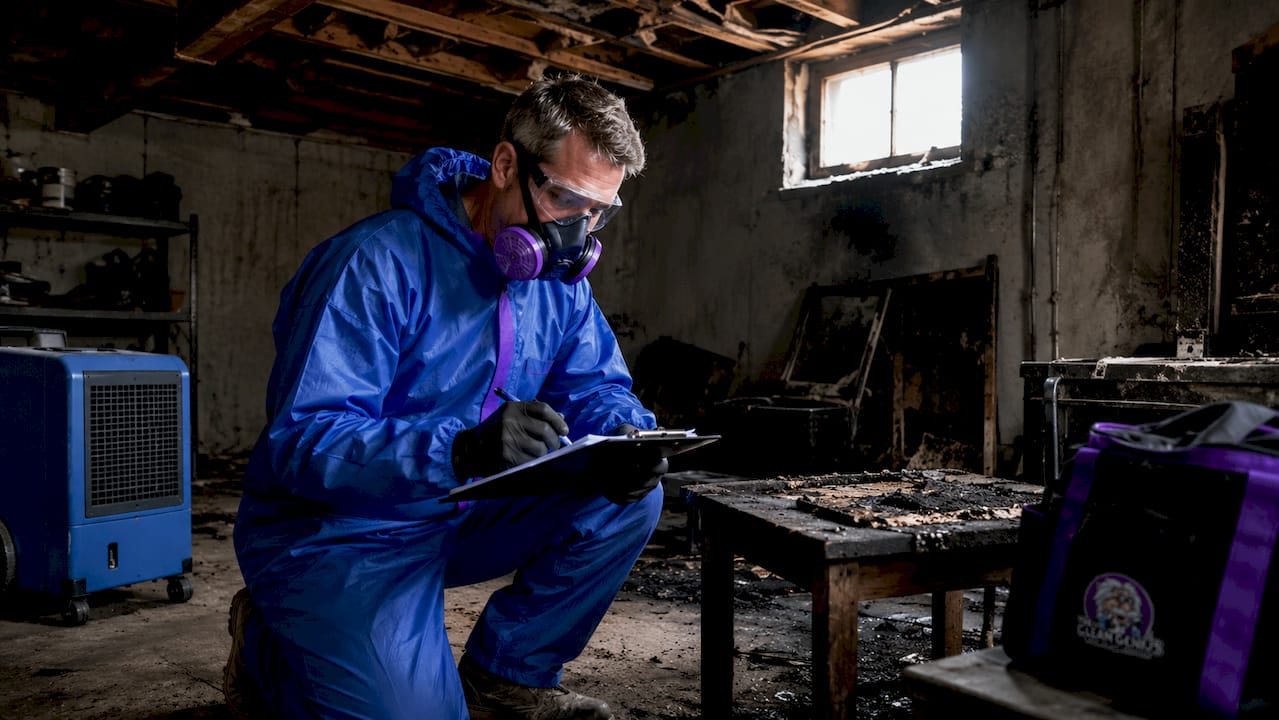

Fire odor removal is the systematic process of permanently eliminating smoke smells after a fire through phased cleaning, molecular deodorization, and surface sealing. It is not surface-level cleaning. Smoke behaves as a heated aerosol that drives particles deep into porous materials like drywall, wood framing, and insulation. Understanding how fire odor removal process works helps you set realistic expectations, ask the right questions, and avoid costly mistakes. Industry standards like ANSI/IICRC S700 define the phased approach professionals follow, covering everything from dry soot removal through verification testing. Technologies including thermal fogging, ozone generators, and hydroxyl generators each play a specific role in this fire odor cleaning process.
How does the fire odor removal process work step by step?
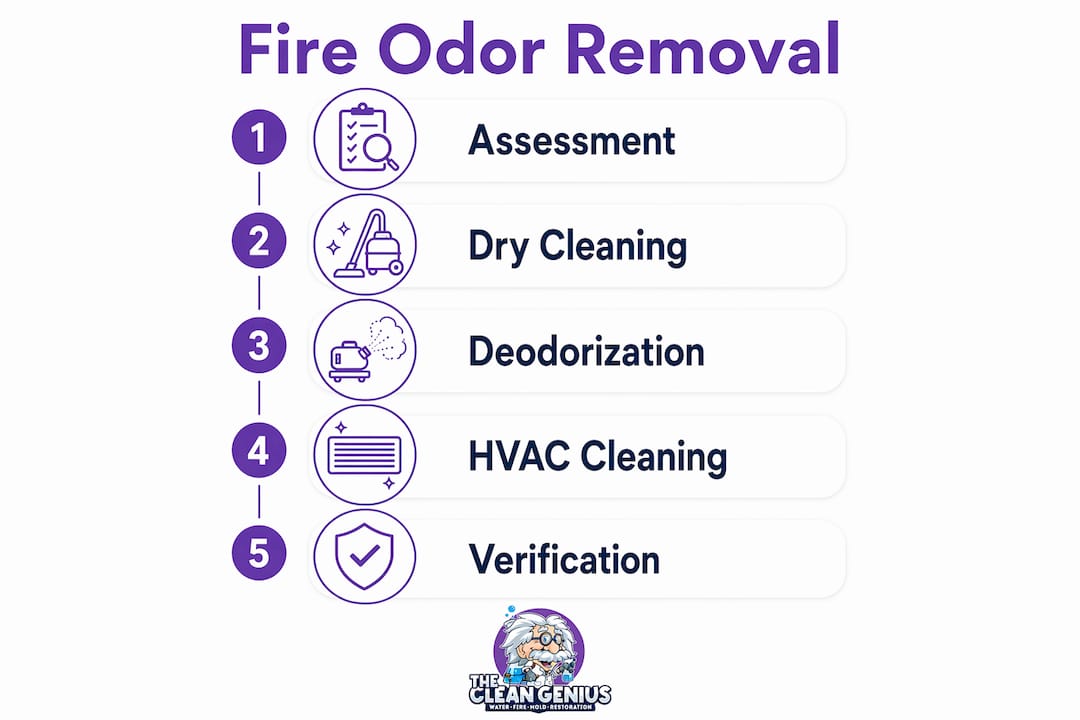
The fire odor removal process follows a strict sequence. Skipping or reordering steps causes odors to return, sometimes months later.
-
Dry soot removal. Technicians use dry-chemical sponges and HEPA vacuums to lift loose soot before any moisture touches the surface. IICRC S700 experts confirm that fogging or ozone alone cannot work without first removing the soot source material. This step protects the integrity of every phase that follows.
-
Structural cleaning. Walls, ceilings, and contents are cleaned with pH-adjusted chemical solutions matched to the residue type. Wet or dry smoke residues require different chemistry, and using the wrong product embeds odor rather than removing it.
-
Molecular deodorization. Thermal fogging, ozone treatment, or hydroxyl generation neutralizes odor compounds at the molecular level. Each technology targets volatile organic compounds (VOCs) that standard cleaning cannot reach.
-
HVAC system cleaning. Ductwork, air handlers, evaporator coils, and filters are cleaned and deodorized. Skipping this step is the single most common reason odors return after treatment.
-
Sealing porous substrates. Odor-blocking primer is applied to wood framing, concrete, and other porous surfaces. Off-gassing from untreated materials causes lingering smoke smell even after thorough cleaning.
-
Verification testing. Humidity-cycle testing and air quality monitoring confirm the odor is gone before the job is closed out.
Timeline: Minor incidents take 3–5 days. Significant structural fires require 1–2 weeks of active treatment. The cleanup timeline depends on the size of the affected area, material types, and how quickly treatment begins.
Pro Tip: Request a written scope of work before any treatment begins. A legitimate restoration company will list each phase, the technology they plan to use, and the verification method. If a contractor skips straight to fogging without dry cleaning first, walk away.
What deodorization technologies do professionals use?
Professional restorers select deodorization technology based on occupancy status, residue type, and material sensitivity. No single technology eliminates all odors in every situation.
Thermal fogging
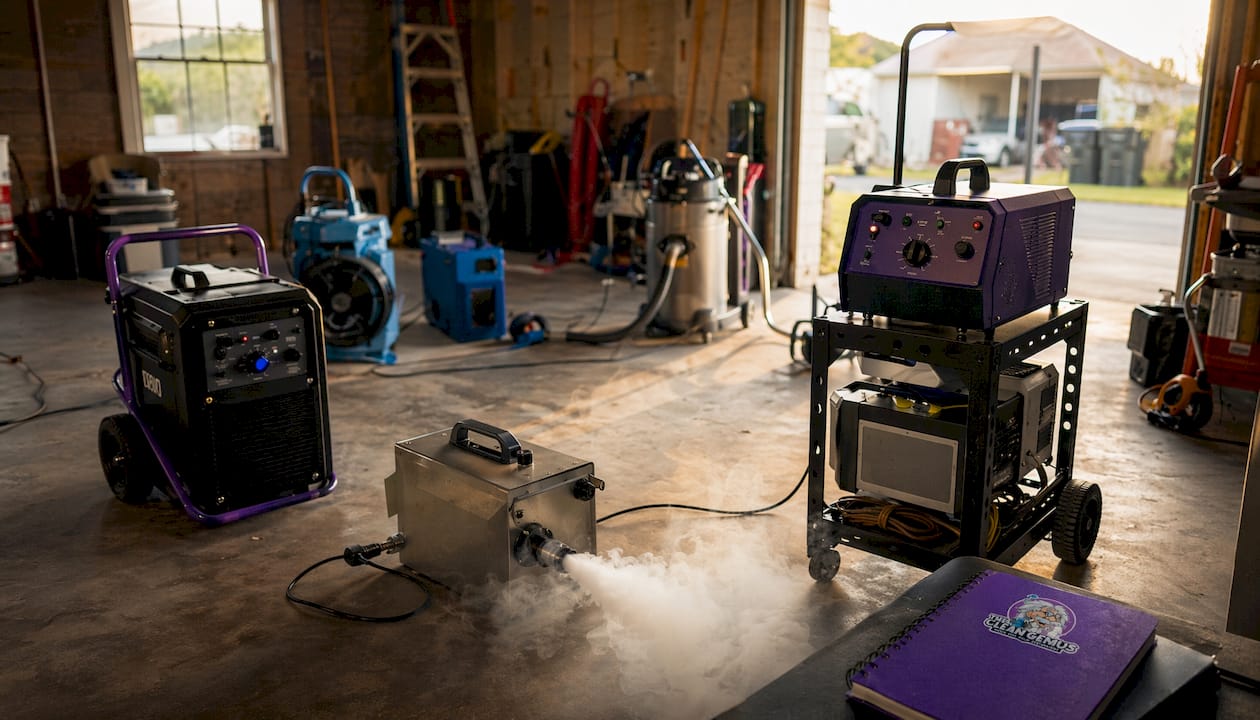
Thermal fogging heats a deodorizing solution into micro-particles sized 0.5–2 microns. That particle size matches smoke particles, allowing the fog to follow the same pathways smoke traveled and neutralize odor molecules deep inside wall cavities and subfloor gaps. The home must be fully evacuated during treatment. Thermal fogging is most effective on dry smoke residues and in structures with complex framing.
Ozone generation
Ozone generators produce O3 molecules that oxidize and break apart odor compounds quickly. The process is fast and effective on heavy odors, but ozone is toxic to humans, pets, and plants during treatment. Total evacuation is required, and the space must be ventilated thoroughly before re-entry.
Hydroxyl generation
Hydroxyl generators use UV light to safely break down smoke VOCs. Unlike ozone, hydroxyl treatment can run in occupied spaces. Treatment typically takes 24–72 hours. This makes hydroxyl generation the preferred choice when full evacuation is not possible or when sensitive materials like artwork or electronics are present.
| Technology | Evacuation required | Best for | Typical duration |
|---|---|---|---|
| Thermal fogging | Yes | Deep structural odors, dry smoke | 2–4 hours per treatment |
| Ozone generation | Yes | Heavy odors, fast turnaround | 4–24 hours per treatment |
| Hydroxyl generation | No | Occupied spaces, sensitive materials | 24–72 hours |
Combining technologies often produces the best results. A professional might use thermal fogging first to penetrate deep cavities, then run a hydroxyl generator for ongoing VOC breakdown during the sealing phase.
Pro Tip: Ask your restoration contractor specifically which technology they plan to use and why. The answer tells you whether they are matching the method to your situation or just using whatever equipment they have on the truck.
Why is HVAC cleaning non-negotiable in smoke odor removal?
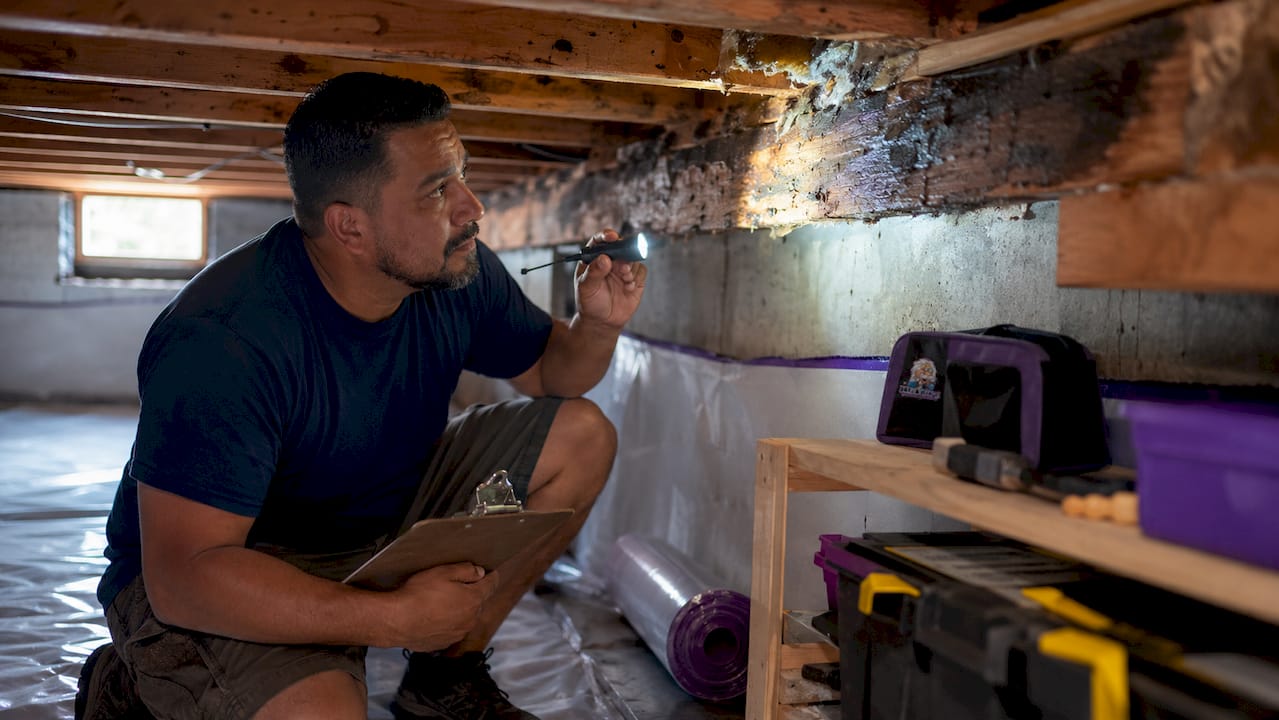
The HVAC system is the primary cause of recurring smoke odors after treatment. Smoke particles penetrate ductwork, settle on evaporator coils, and coat air handler components during a fire. When the system runs again, it recirculates those particles throughout the entire home.
Odor recurrence most often results from untreated smoke reservoirs in HVAC ductwork and failure to address charred materials. This is not a minor oversight. A home that smells clean after surface treatment can revert to heavy smoke odor within days of running the HVAC system.
Professional HVAC cleaning in fire damage restoration includes:
- Air handler and blower cleaning. Soot deposits on the blower wheel and housing are removed manually and with HEPA vacuuming.
- Evaporator coil cleaning. Coils trap fine smoke particles and require chemical cleaning to fully deodorize.
- Ductwork cleaning and deodorization. All supply and return ducts are cleaned, then treated with a deodorizing agent.
- Filter replacement. All filters are discarded and replaced after cleaning is complete.
- Sealing duct surfaces. In severe cases, duct interiors are coated with odor-blocking sealant to prevent off-gassing.
Industry standards mandate thorough cleaning of all HVAC components as part of fire damage restoration. Homeowners should verify that their restoration contractor includes HVAC treatment in the written scope, not as an add-on. Understanding how fire smoke damages home materials helps you see why the HVAC system is just as vulnerable as your walls and floors.
What mistakes do homeowners make during fire odor removal?
Most homeowner mistakes happen in the first hours after a fire, before professional help arrives. These errors make the restoration harder and more expensive.
- Wet-cleaning soot before dry removal. Applying water or wet cleaners before dry soot removal embeds soot deeper into surfaces, sometimes permanently. Always use dry-chemical sponges or HEPA vacuuming first.
- Masking odors instead of removing them. Air fresheners, candles, and scented sprays cover smoke smell temporarily. They do not neutralize VOCs. The odor returns as soon as the masking agent fades.
- Running the HVAC system before cleaning. Turning on the heat or air conditioning after a fire spreads soot and odor to every room in the house, including areas the fire never reached.
- Skipping substrate sealing. Cleaning surfaces without sealing them afterward leaves odor molecules free to off-gas over weeks and months. Homeowners often mistake this slow off-gassing for failed treatment when it is actually an incomplete process.
- Waiting too long to act. The first 48–72 hours are critical. Soot begins bonding permanently to surfaces within hours of a fire. Delay increases both the scope of work and the final cost.
Pro Tip: Before touching anything, open windows to ventilate if it is safe to do so, then call a certified restoration company. Do not run fans or the HVAC system. Document everything with photos for your insurance claim before any cleaning begins. For a full breakdown of soot removal best practices, review Thecleangenius’s homeowner guide.
How do you verify that fire odor removal actually worked?
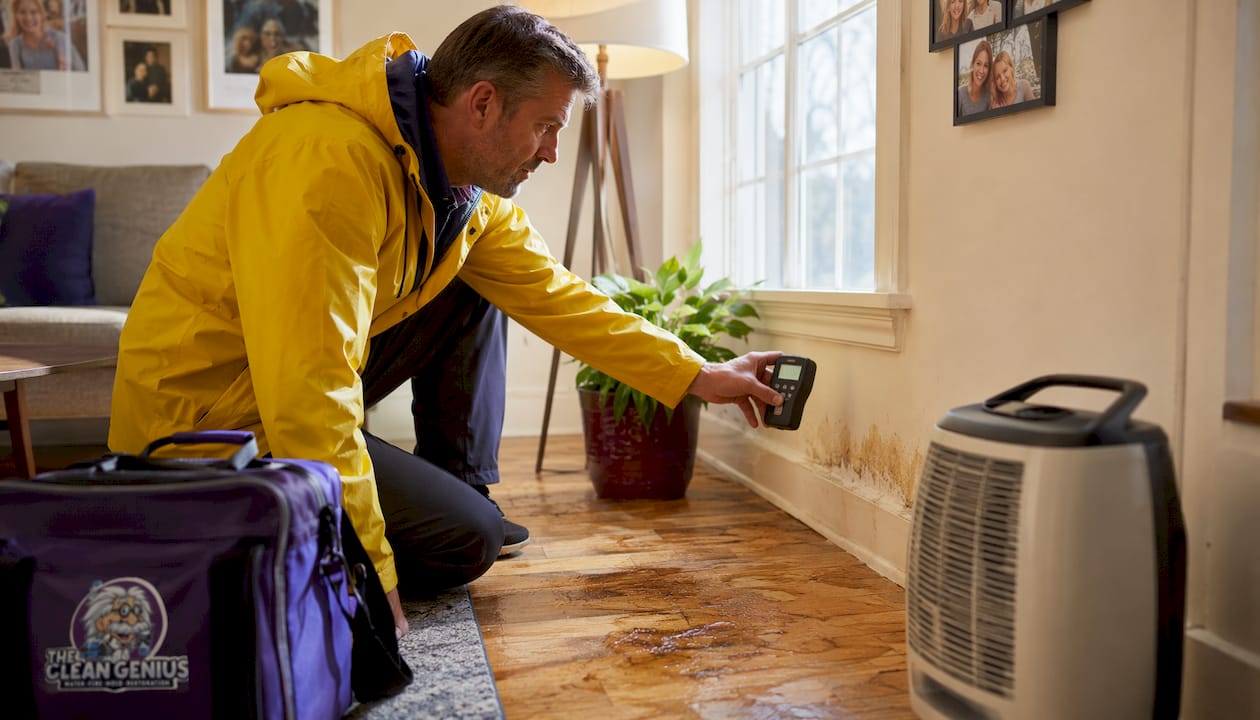
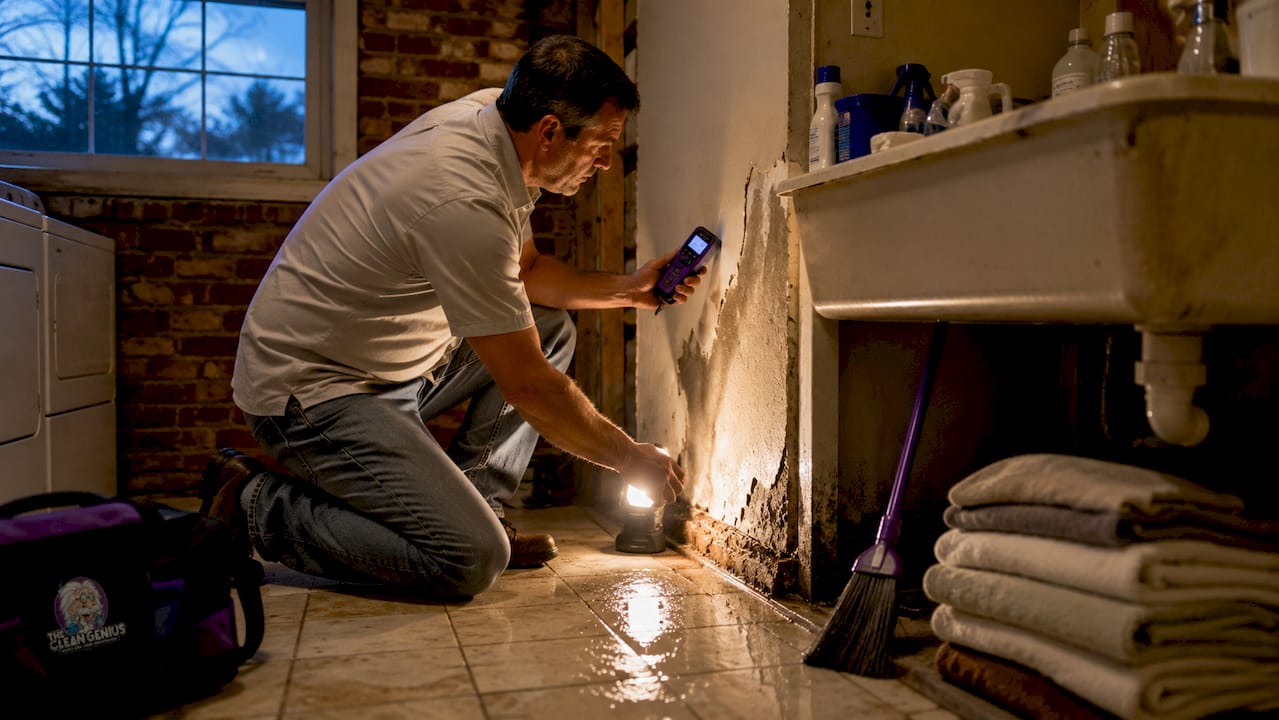
Verification is the step most restoration companies rush or skip entirely. Passing a visual inspection is not enough. Odor molecules trapped in structural materials can remain dormant and only release under specific conditions.
IICRC S700 protocols require humidity-cycle testing to confirm odor removal success. Technicians deliberately raise indoor humidity levels and then check for odor re-emergence. If residual VOCs are present in the structure, elevated moisture draws them out. This test catches failures that a dry-condition inspection misses entirely.
| Verification method | What it detects | When it is used |
|---|---|---|
| Humidity-cycle testing | VOCs released under elevated moisture | After sealing, before final sign-off |
| Air quality monitoring | Airborne VOC concentration levels | During and after deodorization |
| Odor threshold testing | Human-detectable odor levels | Final walkthrough with homeowner |
| Follow-up inspection | Seasonal off-gassing after weather changes | 30–90 days post-treatment |
Seasonal weather changes can trigger odor recurrence even in properly treated homes. A reputable restoration company schedules a follow-up visit after the first significant humidity or temperature shift. If your contractor does not mention verification testing, ask for it specifically before signing any completion documents.
Key Takeaways
Effective fire odor removal requires a verified, multi-phase protocol covering dry cleaning, molecular deodorization, HVAC treatment, and substrate sealing before any job can be considered complete.
| Point | Details |
|---|---|
| Sequence matters | Dry soot removal must happen before any wet cleaning or deodorization begins. |
| Technology selection | Match the deodorization method to occupancy status, residue type, and material sensitivity. |
| HVAC is non-negotiable | Untreated ductwork is the leading cause of odor recurrence after restoration. |
| Sealing prevents off-gassing | Odor-blocking primer on porous surfaces stops VOCs from releasing after cleaning. |
| Verify before sign-off | Humidity-cycle testing and air quality monitoring confirm true odor elimination. |
What I have learned after years of watching homeowners navigate fire restoration
The part of fire odor removal that surprises homeowners most is not the technology. It is the sequence. People expect professionals to walk in and start fogging immediately because that looks like action. The reality is that a crew spending the first day doing nothing but dry-cleaning soot is doing the most important work of the entire job.
I have seen situations where a homeowner signed off on a “completed” restoration, moved back in, and called us back three weeks later because the smell returned with the first humid stretch of weather. Every single time, the root cause was the same: the sealing step was skipped, the HVAC was not fully treated, or verification testing was never done. The contractor moved fast, the homeowner was relieved to be done, and nobody caught the gap until the odor came back.
The knowledge that odor removal requires verification-driven protocols is not just technical trivia. It is the difference between a homeowner who signs a completion form on day five and one who asks the right questions and gets a genuinely odor-free home. Understanding each phase gives you the ability to hold your contractor accountable at every step, not just at the end.
One more thing: do not let anyone rush you through the verification stage. Humidity-cycle testing takes time. If a contractor tells you verification is not necessary or that they “can tell by smell” whether the job is done, that is a red flag. Professional air quality monitoring exists precisely because human noses are unreliable after extended exposure to an odor environment.
— Jim
Thecleangenius is ready when you need fire damage help
Fire damage does not wait for business hours, and neither does Thecleangenius. The team serves Chicagoland homeowners 24/7 with certified fire and smoke damage restoration, covering every phase from dry soot removal through HVAC cleaning, molecular deodorization, and substrate sealing.

Thecleangenius handles the full fire odor cleaning process so you do not have to manage contractors, guess at sequencing, or wonder whether the job was done right. With more than 400 five-star reviews and 25 years of combined experience, the team works directly with your insurance company to keep the process moving. Start with the fire damage restoration steps guide to understand exactly what to expect, or call now for an immediate assessment of your home.
FAQ
How long does fire odor removal take?
Minor fire incidents typically take 3–5 days to treat. Significant structural fires require 1–2 weeks of active restoration work.
Can I stay in my home during fire odor removal?
It depends on the deodorization technology used. Hydroxyl generators allow occupancy during treatment, but thermal fogging and ozone generation require full evacuation of all people, pets, and plants.
Why does smoke smell come back after cleaning?
Odor recurrence is most often caused by untreated HVAC ductwork or porous surfaces that were not sealed after cleaning. Residual VOCs off-gas slowly over time, especially when humidity or temperature rises.
What is humidity-cycle testing in fire restoration?
Humidity-cycle testing is a verification method required by IICRC S700 protocols. Technicians raise indoor humidity levels to draw out any VOCs still trapped in structural materials, confirming the odor has been fully eliminated.
Is professional fire odor removal covered by homeowners insurance?
Fire damage restoration, including odor removal, is typically covered under standard homeowners insurance policies. Document all damage thoroughly before any cleaning begins and contact your insurer immediately after the fire.