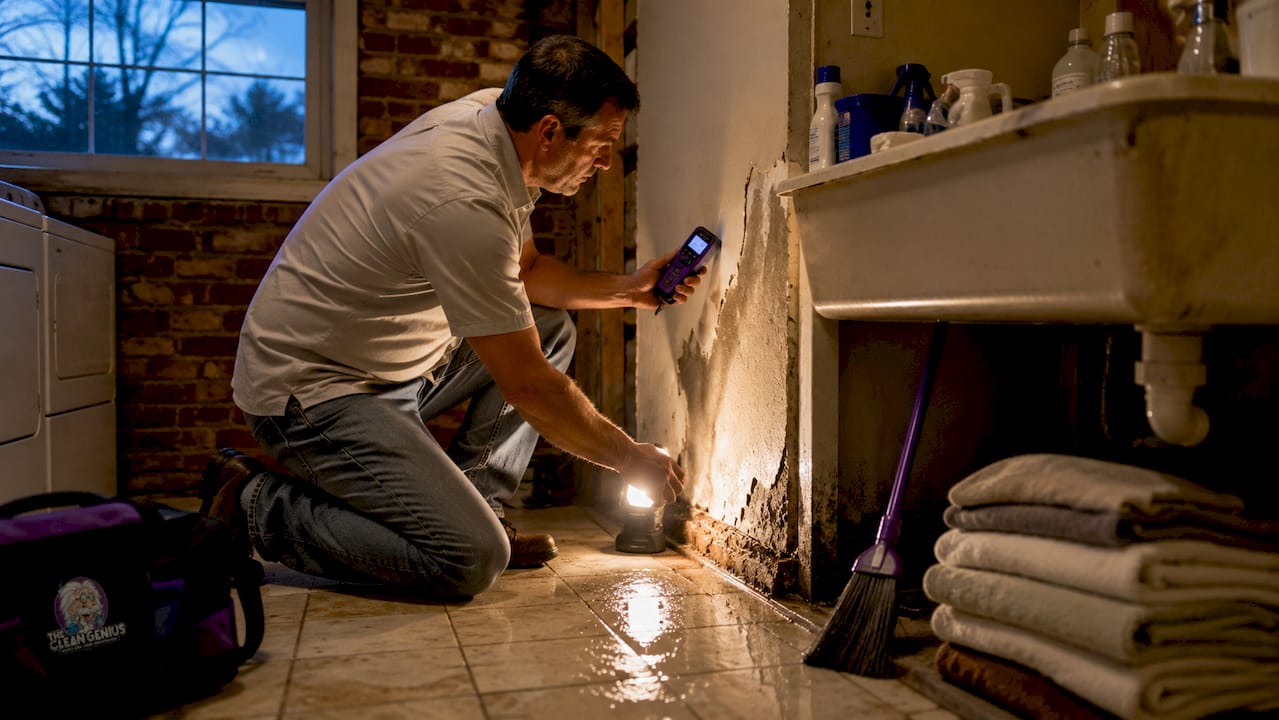

Untreated water damage is defined by a predictable, accelerating cycle of mold growth, structural decay, and rising repair costs that begins within hours of moisture exposure. Mold spores germinate on wet surfaces within 24–48 hours, and failing to dry a home within 72 hours can multiply restoration costs by 3 to 10 times compared to immediate intervention. That number is not a scare tactic. It reflects the biological reality of how moisture interacts with organic building materials. Understanding why water damage worsens without treatment gives you the clearest possible reason to act fast, and the knowledge to know what “fast” actually means.
Why does water damage worsen without treatment?
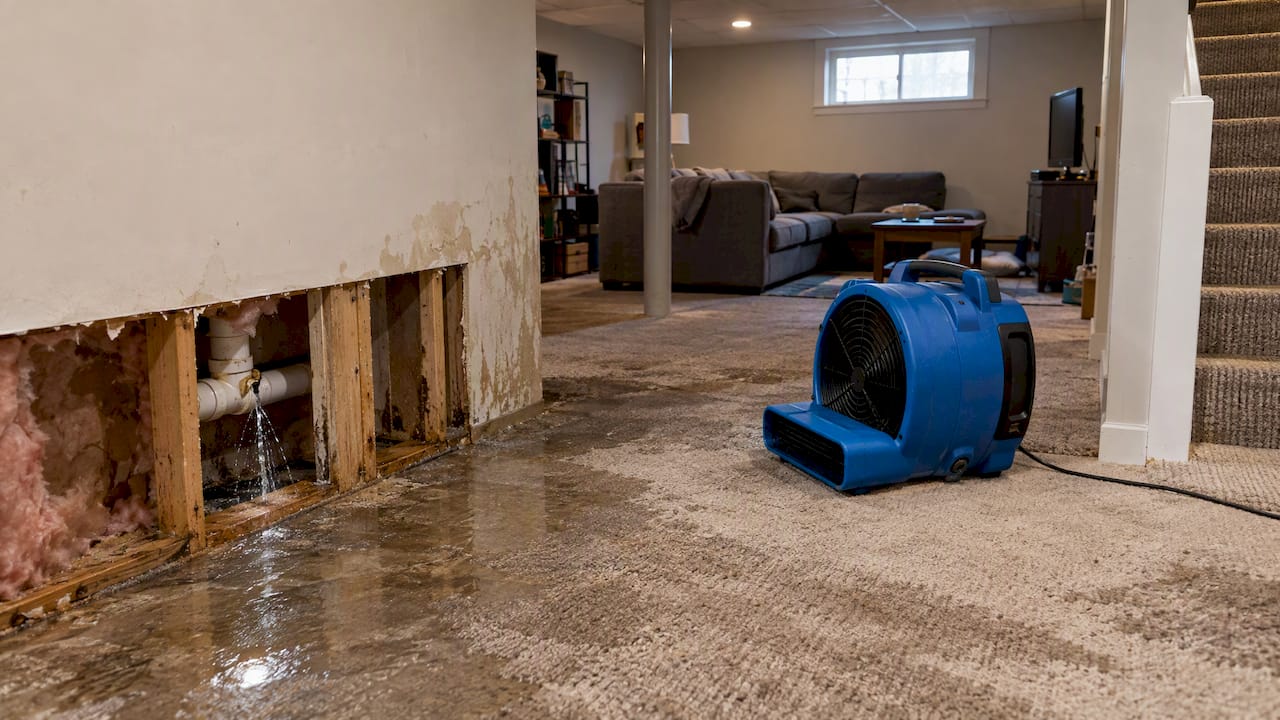
Water damage worsens without treatment because moisture does not stay where you can see it. It moves through walls, floors, and ceilings by capillary action, saturating drywall, wood framing, subfloor panels, and carpet backing within the first hour. A single burst pipe can release 4–8 gallons per minute, spreading water across multiple materials before you even locate the shutoff valve. The damage you see on the surface represents only a fraction of what is happening inside your home’s structure.
Hidden moisture is the core problem. Once water reaches insulation, wall cavities, or the space beneath hardwood floors, it has no natural path to evaporate. Porous materials like drywall and wood act as sponges, holding moisture long after the visible puddle dries. This creates the conditions mold needs to thrive, and it sets off a chain of structural degradation that compounds every day without professional drying.
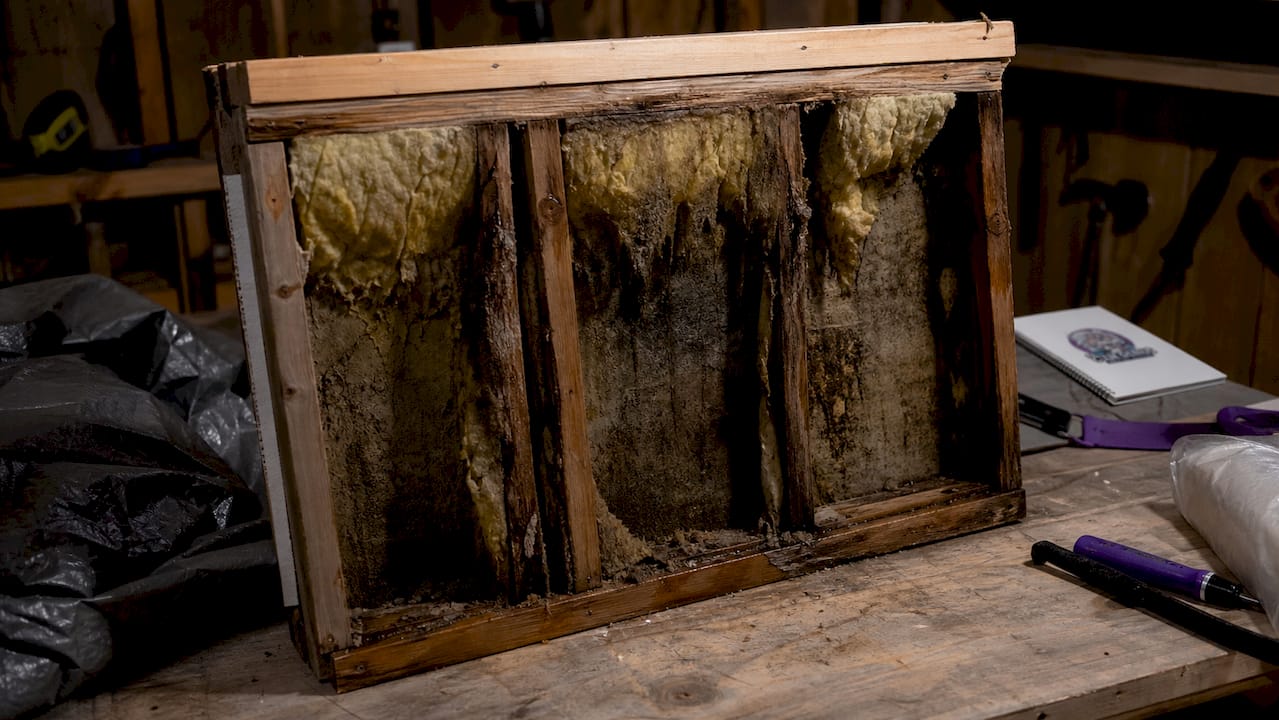
Slow leaks make this worse than sudden floods in many cases. Hidden moisture trapped inside walls persists even when surfaces appear dry, causing ongoing rot and microbial growth over months. A pinhole leak behind a bathroom wall can silently destroy framing and insulation for a year before a musty smell or soft floor finally signals the problem.
Pro Tip: If you notice a musty odor but see no visible water, treat it as an active water damage event. Odor is a reliable early indicator of hidden moisture and mold activity inside your walls or subfloor.
Key materials affected by water spread include:
- Drywall: Absorbs water within minutes and begins softening within hours
- Wood framing: Swells and begins warping within 24 hours of sustained saturation
- Carpet backing: Holds moisture against the subfloor, accelerating rot
- Insulation: Loses thermal performance and becomes a mold reservoir once wet
- Subfloor panels: Lose structural integrity within days of prolonged saturation
What is mold’s growth timeline after water damage?
Mold growth after water damage follows a biological clock that most homeowners do not realize is already running. Mold spores exist in virtually every home in a dormant state. The moment moisture arrives, those spores activate and begin the germination process.
The timeline unfolds in stages:
- Hours 0–24: Moisture activates dormant spores. Microscopic hyphae begin extending into wet organic material. No visible sign exists yet.
- Hours 24–48: Germination accelerates. Fast-growing mold species can reach visible colony size in as little as 12–18 hours under warm, humid conditions.
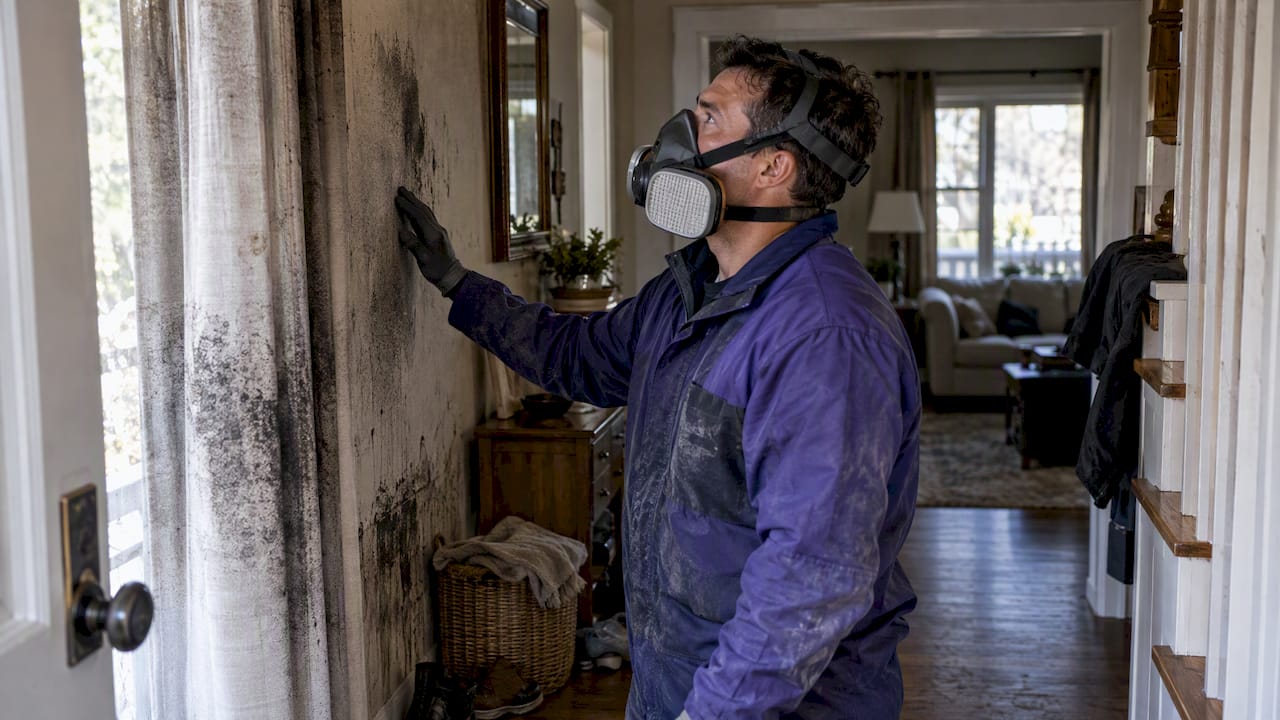
- Days 3–7: Visible mold colonies appear on drywall, wood, grout, and other porous surfaces. The problem is now obvious but already established.
- Days 7–14: Mature colonies release spores into the air, spreading contamination to unaffected areas of the home.
- Beyond 14 days: Mold is deeply embedded in building materials. Remediation at this stage requires removal and replacement of affected materials, not just surface treatment.
The 24–48 hour window is the critical threshold. Mold remediation experts confirm this timeline as a biological reality because spores need only moisture, warmth, and an organic food source to germinate rapidly. Most homes provide all three in abundance. Waiting even one extra day after a flood or leak meaningfully increases both the scope of mold growth and the cost to remove it.
Optimal conditions accelerate the timeline further. A warm basement with wet drywall after a summer flood creates near-perfect germination conditions. In those scenarios, visible mold can appear in under 24 hours. Chicago-area homeowners dealing with basement flooding in july or august face exactly this risk.
What structural damage develops from prolonged water exposure?
Structural damage from untreated water exposure follows a predictable progression. Wood warps and swells within the first day. Subfloor panels begin losing integrity within a week. Drywall softens, crumbles, and eventually collapses under its own weight if moisture persists. Prolonged water exposure causes wood to rot and drywall to crumble within one week, directly compromising structural safety.
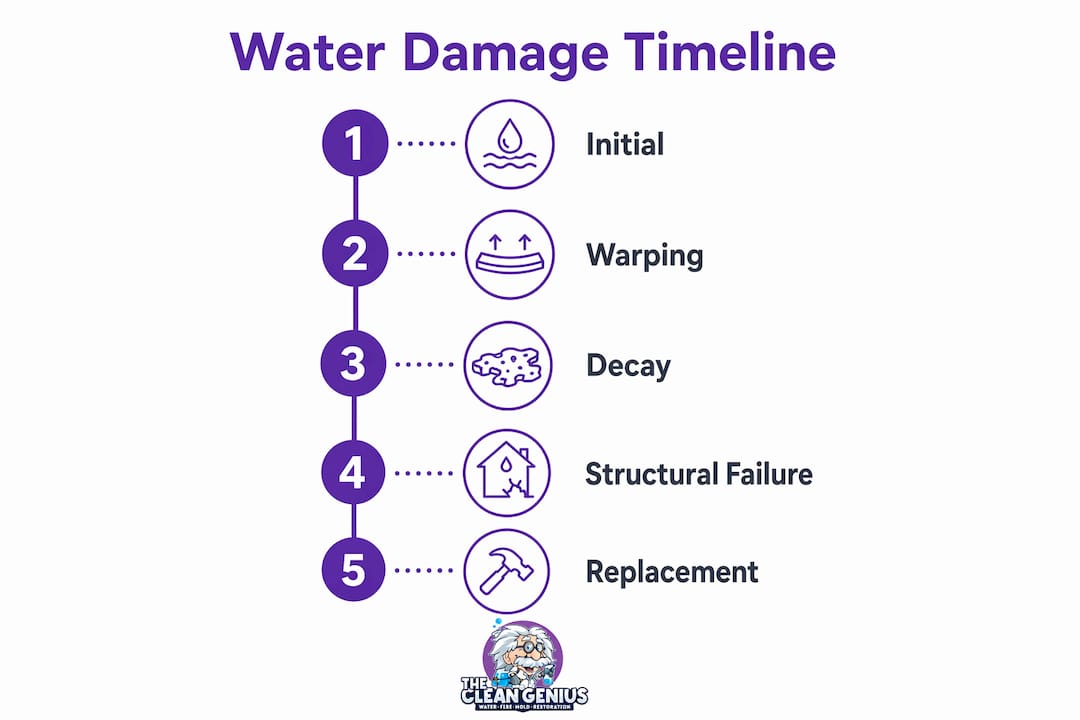
The table below shows how damage severity escalates by time frame:
| Time since water exposure | Typical structural impact |
|---|---|
| 0–1 hours | Surface saturation of drywall, carpet, and flooring |
| 1–24 hours | Wood begins swelling; carpet backing fully saturated |
| 24–72 hours | Subfloor integrity weakens; drywall softens; mold germination begins |
| 3–7 days | Visible mold colonies; wood rot begins; drywall crumbles |
| 7+ days | Structural framing compromised; full material replacement likely required |
Carpet padding deserves special attention. Carpet padding rarely recovers from water exposure and usually must be replaced because it holds moisture indefinitely, becoming a persistent mold reservoir. Homeowners who dry the carpet surface and leave the padding in place are essentially sealing a mold factory under their feet.
Secondary damage is the most expensive consequence of delayed treatment. Secondary water damage develops hidden inside walls, floors, and porous materials weeks after initial flooding, often unnoticed without professional detection. Bubbling paint, persistent musty odors, and soft spots in flooring are the warning signs. By the time these appear, the damage has already been building for weeks.
Pro Tip: Visible dryness does not mean structural dryness. Moisture meters and thermal imaging are the only reliable tools for detecting hidden dampness inside walls and subfloors. Consumer-grade fans and mopping cannot reach these areas.
What health risks come from untreated water damage?
Untreated water damage creates serious health risks beyond property destruction. Mold produces allergens and mycotoxins that degrade indoor air quality and cause respiratory problems, immune reactions, and chronic symptoms in sensitive individuals. The EPA recommends professional remediation when mold affects areas larger than 10 square feet, a threshold that established mold colonies can exceed within two weeks of a water event.
The health risks compound over time in several ways:
- Airborne spores: Mature mold colonies release spores continuously, spreading contamination through your HVAC system to every room
- Mycotoxin exposure: Certain mold species produce toxic compounds linked to neurological symptoms and immune suppression with chronic exposure
- Bacterial contamination: Standing water from sewage backups or flooding harbors infectious bacteria including E. coli and Salmonella
- Worsening symptoms: Occupants with asthma, allergies, or compromised immune systems experience accelerating symptoms the longer mold persists
Children and elderly residents face the highest risk from prolonged mold exposure. Symptoms often mimic seasonal allergies, which delays recognition that the home itself is the source. If household members experience persistent coughing, sneezing, or headaches that improve when they leave the house, hidden mold is a likely cause.
How can homeowners prevent water damage from getting worse?
Stopping the progression of water damage requires immediate, methodical action. The first hour matters more than most homeowners realize.
- Stop the water source. Shut off the main water supply or isolate the affected pipe before anything else. No drying effort works while water is still entering the home.
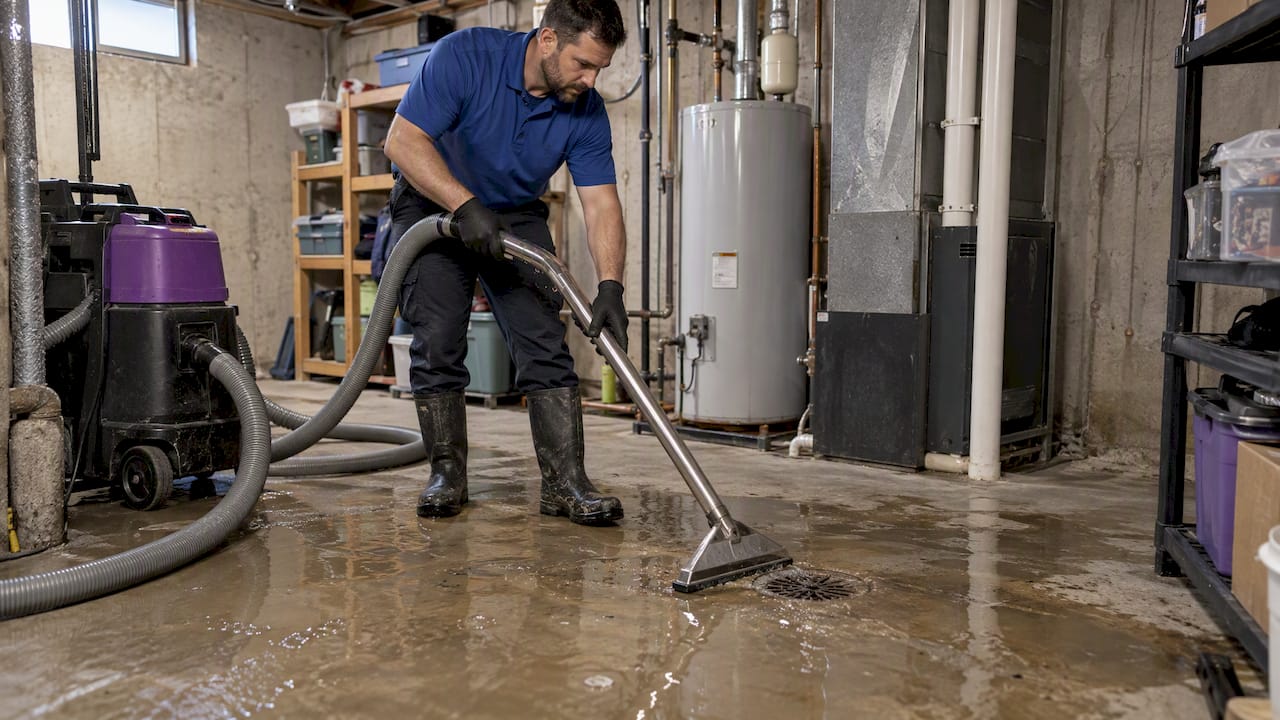
- Remove standing water immediately. Use a wet/dry vacuum or submersible pump to extract pooled water from floors. Every gallon removed reduces saturation depth in underlying materials.
- Deploy professional-grade drying equipment. Consumer-grade fans are insufficient for deep structural drying. Industrial air movers and dehumidifiers are required to pull moisture from wall cavities and subfloors.
- Monitor moisture levels beyond the surface. Use a moisture meter to check drywall and wood framing, not just the floor surface. Readings above 16% in wood indicate active moisture risk.
- Maintain indoor humidity between 30–50%. Keeping indoor humidity in this range after drying greatly reduces the chance of mold regrowth and consequential damage.
- Inspect vulnerable areas regularly. Basements, crawl spaces, and areas around water heaters and washing machines are the most common sites for slow leaks to develop undetected.
Energy-efficient homes present a specific challenge. Tightly sealed homes trap moisture longer after leaks, making prompt drying more challenging but even more critical. Modern construction with spray foam insulation and vapor barriers can actually slow evaporation, concentrating moisture inside wall assemblies.
Pro Tip: After any water event, check your emergency response steps before assuming the situation is under control. A professional moisture assessment within 24 hours is the single most effective action you can take.
Key Takeaways
Untreated water damage follows a biological and structural timeline that makes every hour of delay more costly and more dangerous to your health.
| Point | Details |
|---|---|
| The 24–48 hour rule is real | Mold spores germinate within 24–48 hours, and costs multiply 3–10 times if drying is delayed past 72 hours. |
| Hidden moisture drives most damage | Surfaces can appear dry while walls and subfloors remain saturated, causing ongoing rot and mold growth. |
| Carpet padding must be replaced | Padding holds moisture indefinitely and becomes a mold reservoir that surface drying cannot resolve. |
| Health risks escalate with time | Mold produces mycotoxins and allergens; the EPA recommends professional remediation for areas over 10 square feet. |
| Humidity control prevents regrowth | Maintaining indoor humidity between 30–50% after drying is the most reliable way to prevent mold from returning. |
What I’ve learned after seeing hundreds of water damage jobs
Most homeowners who call us weeks after a water event say the same thing: “It looked dry, so I thought we were fine.” That assumption is the single most expensive mistake I see in this work. Visible dryness and structural dryness are completely different conditions, and confusing them is how a $2,000 water extraction job becomes a $15,000 mold remediation and structural repair.
The 24–48 hour window is not marketing language. It is a biological fact about how mold spores behave. I have seen mold colonies form on drywall in a warm basement within 18 hours of a flood. Homeowners who act within that window consistently avoid the worst outcomes. Those who wait, even by a day or two, almost always face mold remediation on top of the original water damage repair.
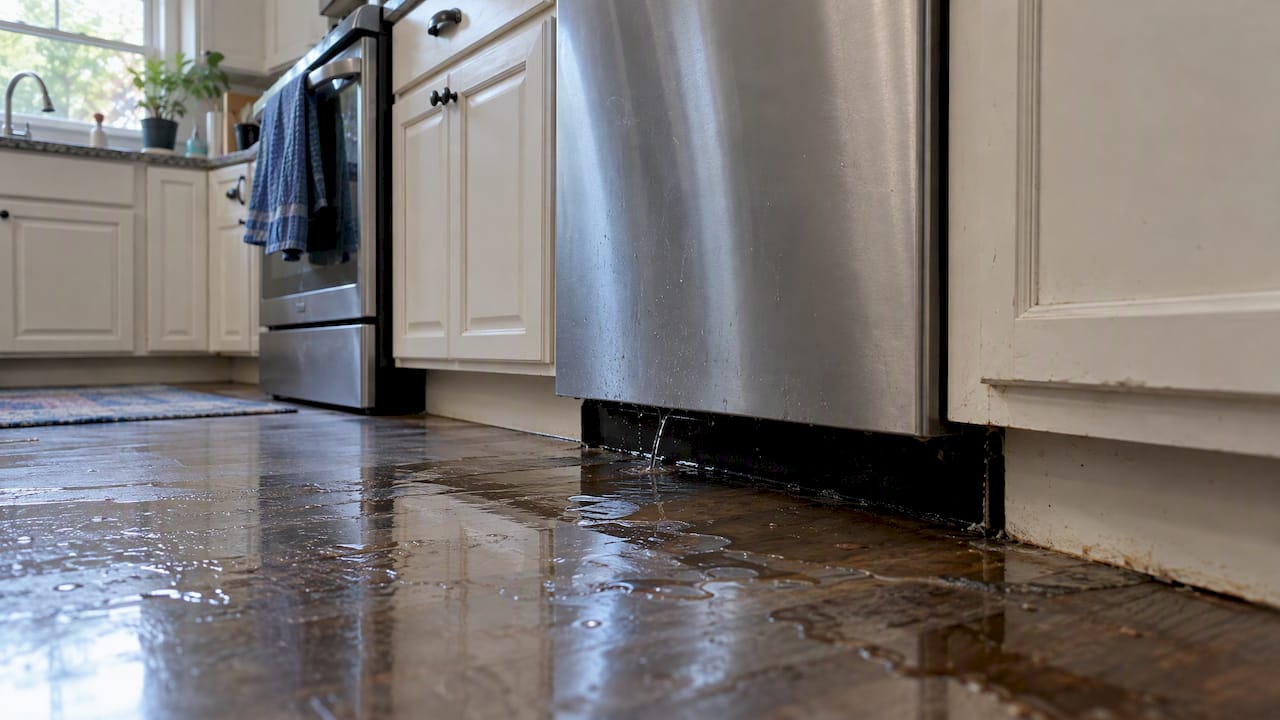
The other thing I want homeowners to understand is that slow leaks are often more destructive than dramatic floods. A burst pipe gets immediate attention. A slow drip behind a wall gets ignored for months. By the time the flooring feels soft or the paint starts bubbling, the framing behind that wall may already be rotting. Regular inspection of plumbing connections, especially around washing machines, dishwashers, and water heaters, prevents the kind of hidden damage that blindsides homeowners during a home sale inspection.
Professional drying equipment is not optional for serious water events. Industrial dehumidifiers and air movers pull moisture from inside wall assemblies. A box fan pointed at a wet floor does not. If you are dealing with anything beyond a small, contained spill, the water damage repair importance of professional equipment is the difference between a clean resolution and a months-long mold problem.
— Jim
Thecleangenius is ready when water damage strikes
Water damage does not wait, and neither should you. Thecleangenius provides 24/7 emergency water damage restoration across Chicagoland, with certified teams who use professional-grade drying equipment to address both visible and hidden moisture. With over 25 years of combined experience and more than 400 five-star reviews, the team handles everything from burst pipes and basement floods to sewage backups and complete structural dry-outs.

Thecleangenius works directly with your insurance company and deploys moisture meters and thermal imaging to find damage that surface inspection misses. If you are in Arlington Heights, Naperville, Schaumburg, or anywhere across the greater Chicagoland area, professional help is available right now. Contact Thecleangenius for emergency water restoration before hidden moisture turns a manageable problem into a major structural repair.
FAQ
How quickly does mold grow after water damage?
Mold spores begin germinating within 24–48 hours of moisture exposure. Visible colonies typically appear within 3–7 days, and mature spore-releasing colonies develop within 7–14 days.
Can water damage look dry but still cause mold?
Yes. Surfaces dry faster than the structural materials beneath them. Wood framing and subfloors can remain saturated for weeks while the floor surface feels dry, creating active mold conditions invisible to the eye.
Why does untreated water damage cost so much more to fix later?
Delayed treatment allows mold to colonize building materials, requiring removal and replacement rather than simple drying. Restoration costs can multiply 3–10 times when drying is delayed beyond 72 hours.
What indoor humidity level prevents mold after water damage?
Maintaining indoor humidity between 30–50% after drying your home significantly reduces the risk of mold regrowth. Levels above 60% create conditions that actively support mold development.
When should I call a professional instead of handling water damage myself?
Call a professional immediately for any water event that affects more than a small, contained area. Consumer equipment cannot dry wall cavities or subfloors, and the EPA recommends professional remediation for mold affecting areas larger than 10 square feet.