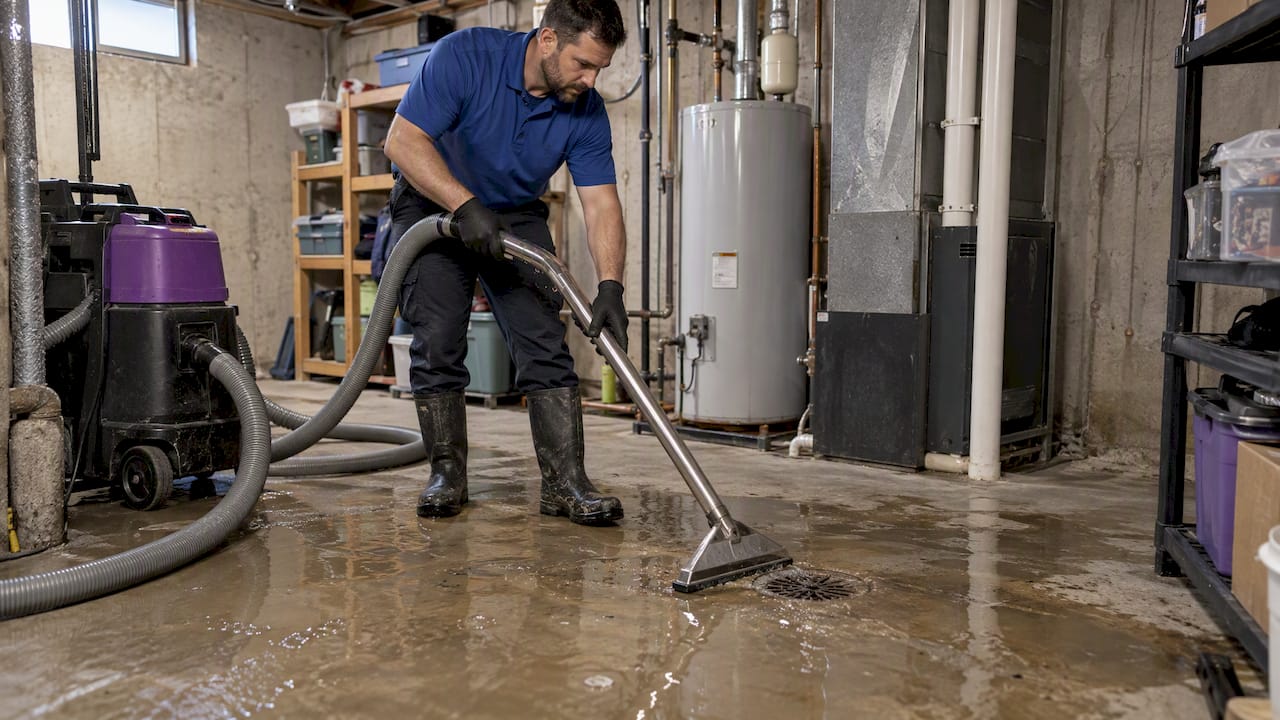

Sewage backup is usually not covered by a standard homeowners policy. You typically need to add a sewer or drain backup endorsement to get paid for a backup event. When that endorsement is in place, it generally covers damaged structure, ruined contents, professional sewage cleanup, and sometimes temporary housing costs. Surface flooding is a separate risk entirely and usually calls for flood insurance instead.
TL;DR:
- An endorsement generally covers resulting damage to structure and contents, cleanup, and sometimes temporary housing, but not the failed pump or pipe itself.
- Surface water entering from outside requires separate flood coverage; if a municipal sewer main caused the backup, documented confirmation may shift responsibility to the city.
- Before adding coverage, confirm the cap for each event, any separate deductible, and whether structure and contents share one limit, especially with a finished basement.
- Photograph damage and inventory belongings before cleanup, report possible main line involvement to the sewer authority, and save itemized contractor invoices and receipts.
Table of Contents
- What sewer and water backup endorsements typically cover
- What’s excluded, and how backup coverage differs from flood insurance
- How endorsements, limits, and premiums actually work
- Filing a claim: what to document and how payouts work
- Who should buy sewer backup coverage
- What restoration crews do after a sewage backup
- A restoration crew’s view on insurance coordination
- FAQ
- Sources
What sewer and water backup endorsements typically cover
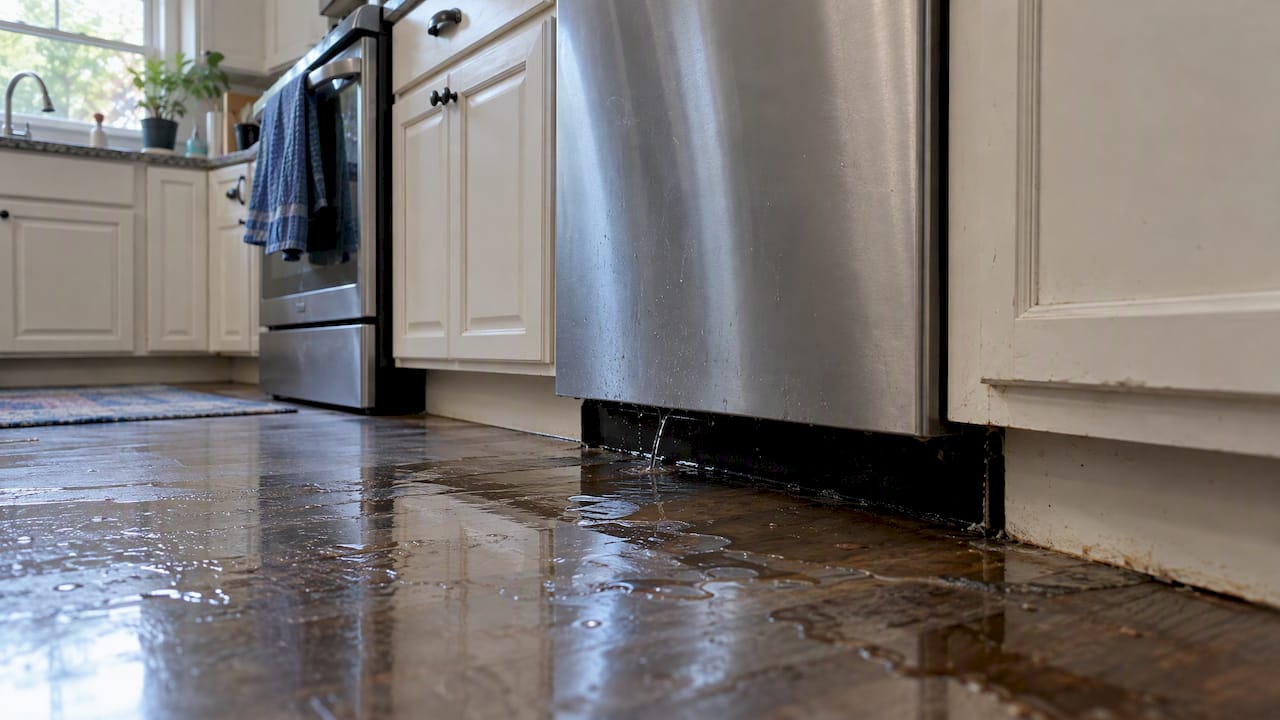
A sewer or water backup endorsement fills a gap that most standard homeowners policies leave open. Once added, it usually responds to water or waste that backs up through drains, pipes, or a sump pump rather than seeping in from outside.
Coverage generally breaks down into a few practical categories:
- Structure: floors, walls, built-in cabinetry, and finished basement components are commonly eligible for repair or replacement.
- Contents: furniture, electronics, and other personal property in the affected area may be cleaned or replaced, subject to policy limits.
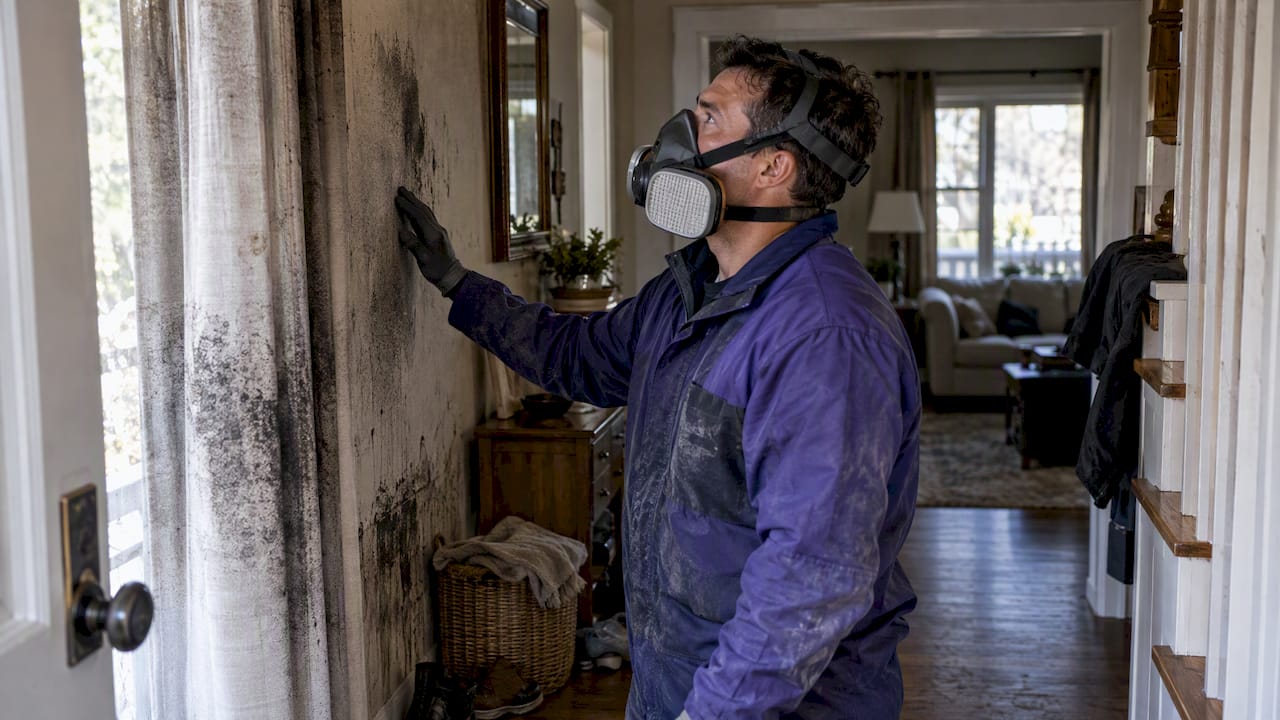
- Cleanup and mitigation: professional sewage extraction, disinfecting, disposal of items that can’t be salvaged, and mold remediation tied directly to the backup event.
- Loss of use: reimbursement for a hotel or temporary rental if the home becomes unsafe to live in while repairs happen.
Insurers typically word the trigger narrowly: backflow through a drain, a blocked or failed sewer line, or a sump pump that overflows or fails during the event. The Home Insurance Matrix lists sewer backup as a peril usually covered through an endorsement rather than a base homeowners policy, which is why reading the endorsement wording matters more than skimming the declarations page. If your basement is finished or holds expensive equipment, confirming these trigger definitions with your agent before a backup happens saves time during a claim. For homeowners who want a sense of what sump pump failures specifically trigger and how to prepare a claims file, our sump pump backup insurance and contractor claims checklist walks through both.
What’s excluded, and how backup coverage differs from flood insurance
Sewer backup endorsements and flood insurance solve different problems, and confusing the two is one of the most expensive mistakes a homeowner can make. Surface flooding, where rising water enters a home from outside after heavy rain or a swollen river, is typically excluded from backup endorsements. That risk falls under the National Flood Insurance Program or a private flood policy instead, and the Consumer Financial Protection Bureau notes that homes in a Special Flood Hazard Area generally need flood insurance to satisfy mortgage requirements, separate from any homeowners policy.
A few other exclusions show up consistently:
- Repairs to the failed equipment itself, such as a burned-out sump pump or a cracked pipe, are usually not covered; the endorsement pays for the resulting property damage, not the mechanical fix.
- Wear-and-tear deterioration of plumbing is typically excluded no matter how the backup occurred.
- Responsibility for the sewer lateral, the pipe connecting your home to the municipal main, often falls on the homeowner, so confirm with your local sewer authority before authorizing repairs (Insure Against the Risk of Sewer Backup).
Documenting the cause matters because it can determine who pays. If a municipal main is confirmed blocked, the city may bear responsibility rather than your insurer.
How endorsements, limits, and premiums actually work
Adding sewer backup protection means asking your agent to attach an endorsement or rider to your existing homeowners policy. It isn’t a standalone policy in most cases, and it typically carries its own per-event coverage limit separate from your dwelling limit.
A few things to confirm when you add it:
- Whether the endorsement has its own deductible, which can differ from your main homeowners deductible.
- The per-event payout cap, since many homeowners discover their limit too late, after a finished basement costs more to restore than the endorsement pays.
- Whether contents and structure share one limit or have separate sub-limits.
The Insurance Information Institute notes that sewer backup coverage is available from most insurers for a nominal annual cost, which makes it one of the more affordable add-ons compared to the expense of force-placed insurance a lender may impose if your coverage lapses entirely. Homeowners with finished living space below grade often choose higher limits than the policy’s default, since restoring a finished basement costs more than an unfinished one.
Premiums and available limits shift based on the home’s age, the condition of its plumbing, whether a sump pump is installed and how well maintained it is, your claims history, and how often your area experiences municipal sewer strain during storms.
Filing a claim: what to document and how payouts work
What you do after discovering a backup can shape how smoothly your claim moves. Stop the source of water if you safely can, then start documenting before anything gets cleaned up or thrown away.
- Do not enter an area that may be unsafe. Seek immediate help from qualified professionals.
- Photograph and video the damage before moving anything, and start a written inventory of affected items.
- Contact your insurer to open a claim and ask about your endorsement’s per-event limit and deductible.
- Contact your municipal sewer authority to report the backup and request documentation if the main line is implicated.
- Hire licensed cleanup and repair contractors, and keep every invoice and receipt.
Pro Tip: Keep your photos, inventory, and receipts in one folder from day one. Adjusters move faster when the paper trail is already organized.
The Insurance Information Institute specifically recommends before-and-after photos and saved receipts to support a claim. Once a claim is approved, the CFPB explains that insurers may pay replacement cost or actual cash value depending on your policy, and payments often route through your mortgage servicer in phases as repairs are completed rather than as one lump sum. Our water damage insurance claim checklist and guide on documenting water damage for insurance claims cover this process in more detail.
Who should buy sewer backup coverage
Some homeowners are better candidates for this endorsement than others. A finished basement, an installed sump pump, a history of prior backups, or an aging sewer lateral all raise the stakes of going without coverage.
- If municipal backups or heavy rainstorms are common where you live, the endorsement covers a risk that flood insurance typically won’t touch, and vice versa.
- Weigh the nominal annual premium against the realistic cost of a single cleanup, which can be costly once contents, flooring, and drywall are involved, as detailed in our sewage cleanup cost breakdown.
- Ask your agent directly for the endorsement’s exact wording, available per-event limit tiers, and whether it carries a separate deductible before you sign.
Homeowners in older neighborhoods with aging municipal infrastructure, or anyone who has already experienced one backup, generally has the clearest case for adding this coverage.
What restoration crews do after a sewage backup
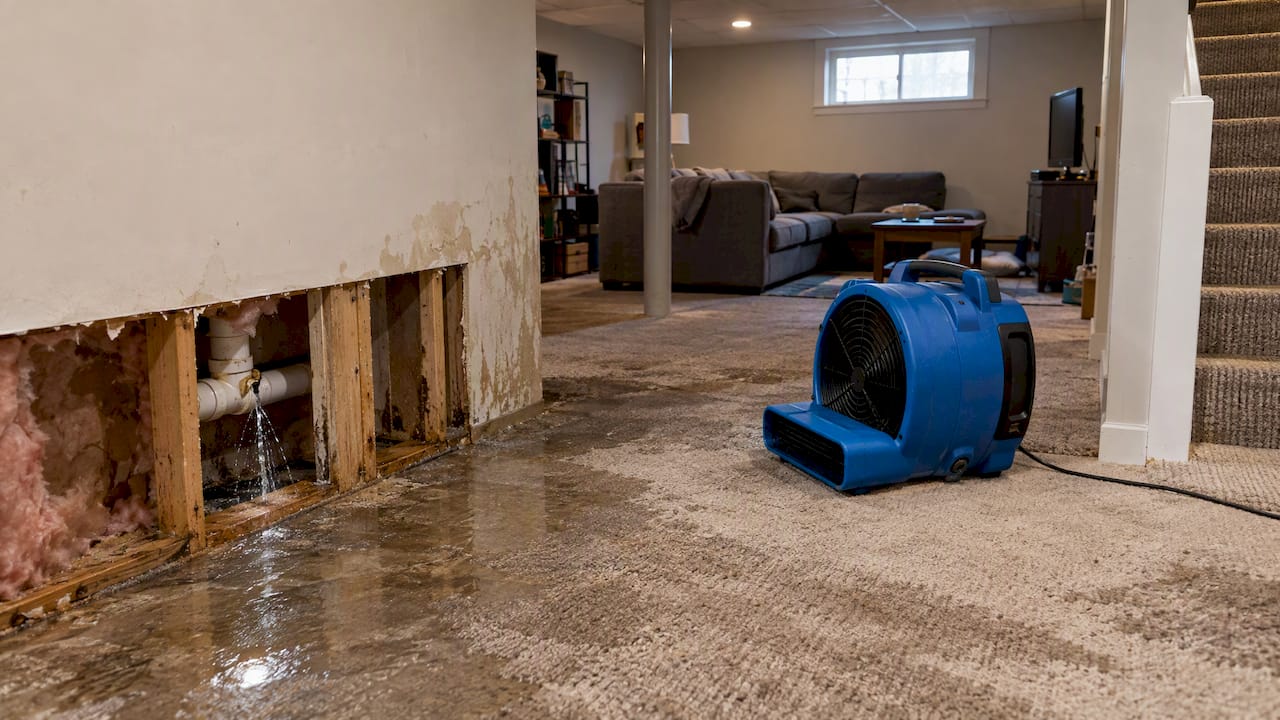
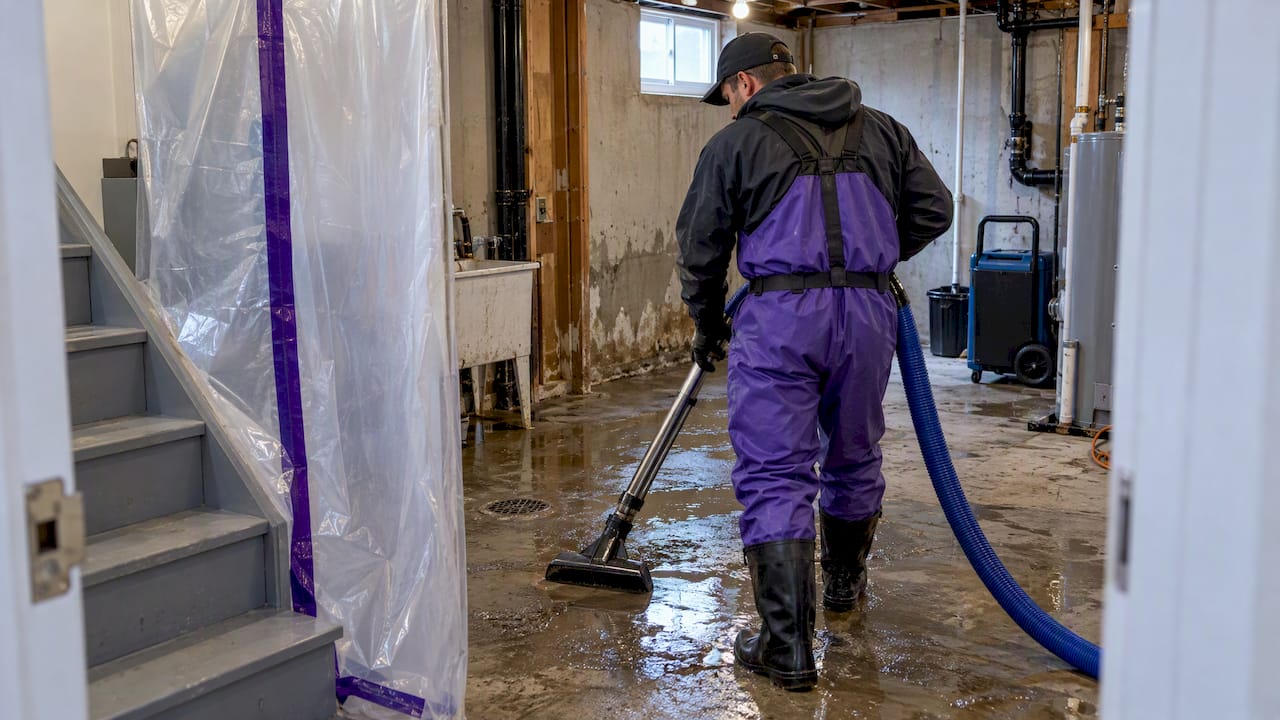
Once a backup happens, professional crews typically move through a sequence: emergency extraction of standing water and waste, sanitary cleanup of affected surfaces, structural drying and dehumidification, and mold prevention steps where moisture lingered.
- Thorough documentation and itemized invoicing from the restoration crew support the insurer’s inspection and speed up approval.
- Fast extraction and drying limit how far moisture travels into wall cavities and subfloors, which reduces the risk of mold taking hold later.
- Sewage can carry pathogens, and affected areas may pose electrical hazards. Keep clear and seek help from qualified professionals for safety and cleanup.
- When liability between you and the municipality is unclear, it’s worth coordinating with both your insurer and the local sewer authority before authorizing major structural repairs.
For a sense of how this plays out on real jobs, our examples of successful water damage restoration page walks through completed cases. For immediate homeowner guidance that doesn’t require waiting on hold, a partner resource on what to do when you have sewage backup in basement spaces covers the first steps while help is on the way.
A restoration crew’s view on insurance coordination
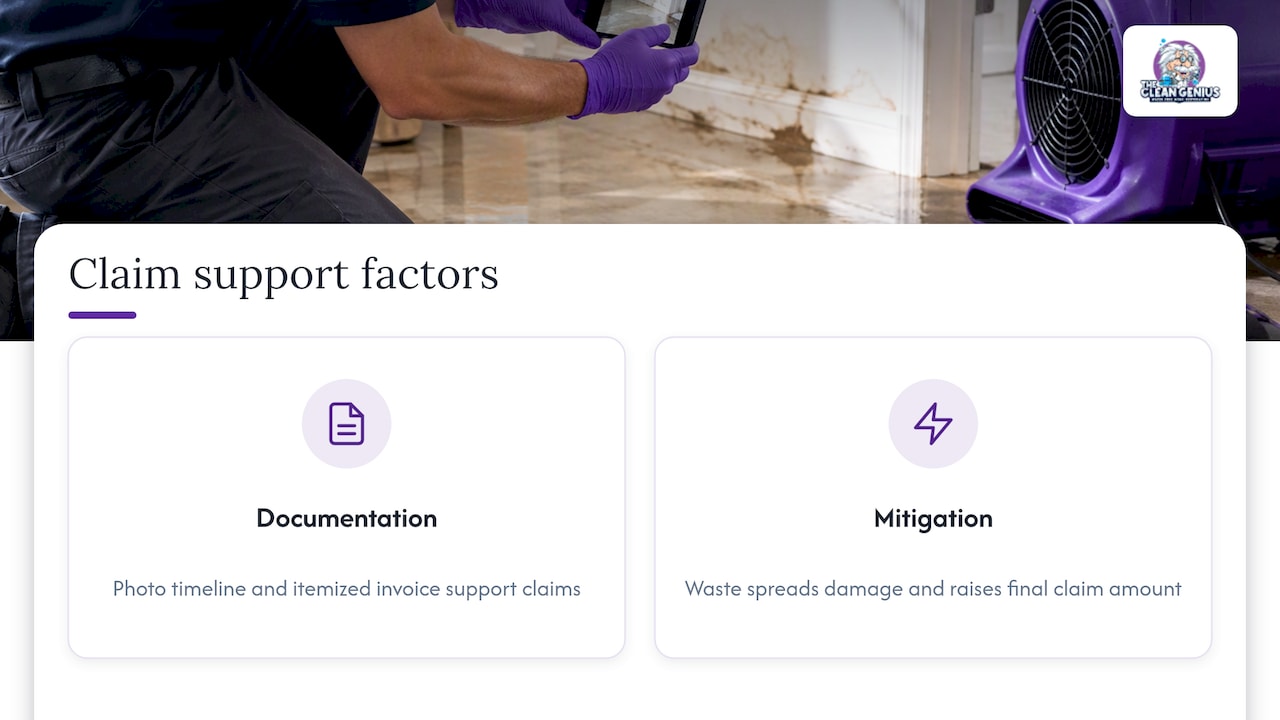
Working alongside homeowners and adjusters on sewage backup jobs has made one pattern clear: the homeowners who document early and thoroughly tend to have faster, less contentious claims. A clear photo timeline and an itemized contractor invoice give an adjuster less room to dispute what happened.
Fast mitigation matters just as much as paperwork. Waste left sitting for days spreads damage into materials that would otherwise have been salvageable, which raises both the health risk and the final claim amount. My advice to homeowners dealing with this for the first time is simple: document everything before cleanup starts, and keep every receipt from every contractor involved. That habit can help support a claim.
— Jim
This article is general information, not a substitute for advice from a qualified financial advisor. Consult a qualified financial professional about your own circumstances before acting on anything here.
FAQ
Can the city be liable for a sewage backup in my house?
A municipality can be responsible if the backup originates from a blocked or failed main sewer line rather than your private lateral. EPA enforcement guidance recommends contacting the municipal sewer maintenance hotline to get the main line checked and documented, since that confirmation can affect who ultimately pays.
What are three things that are not covered by homeowners insurance?
Standard homeowners policies typically exclude sewer and drain backups unless you add an endorsement, surface flooding from outside the home, and normal wear-and-tear deterioration of plumbing or mechanical systems. Flood damage generally requires separate NFIP or private flood coverage rather than a homeowners policy.
What is the most common cause of sewer backup?
Sewer backups commonly result from a clogged or damaged private lateral line, a sump pump that fails or overflows during heavy rain, or a municipal main that becomes blocked or overwhelmed during storms. Aging septic systems can also contribute to backups, and the EPA recommends inspections every 1 to 3 years to catch problems early.
What not to say to home insurance?
Avoid guessing at a cause you haven’t confirmed, such as blaming the municipality without documentation, since that can complicate your claim later. Stick to factual, dated observations from your photos and inventory, and let the adjuster and municipal authority determine cause rather than speculating yourself.
Sources
- Enforcement Alert September 2006 Vol 8 No 1 EPA Enforcement Preventing Backup of Municipal Sewage into Basements
- What questions should I ask about flood and disaster risk when buying a house? | Consumer Financial Protection Bureau
- Resolving Septic System Malfunctions | US EPA