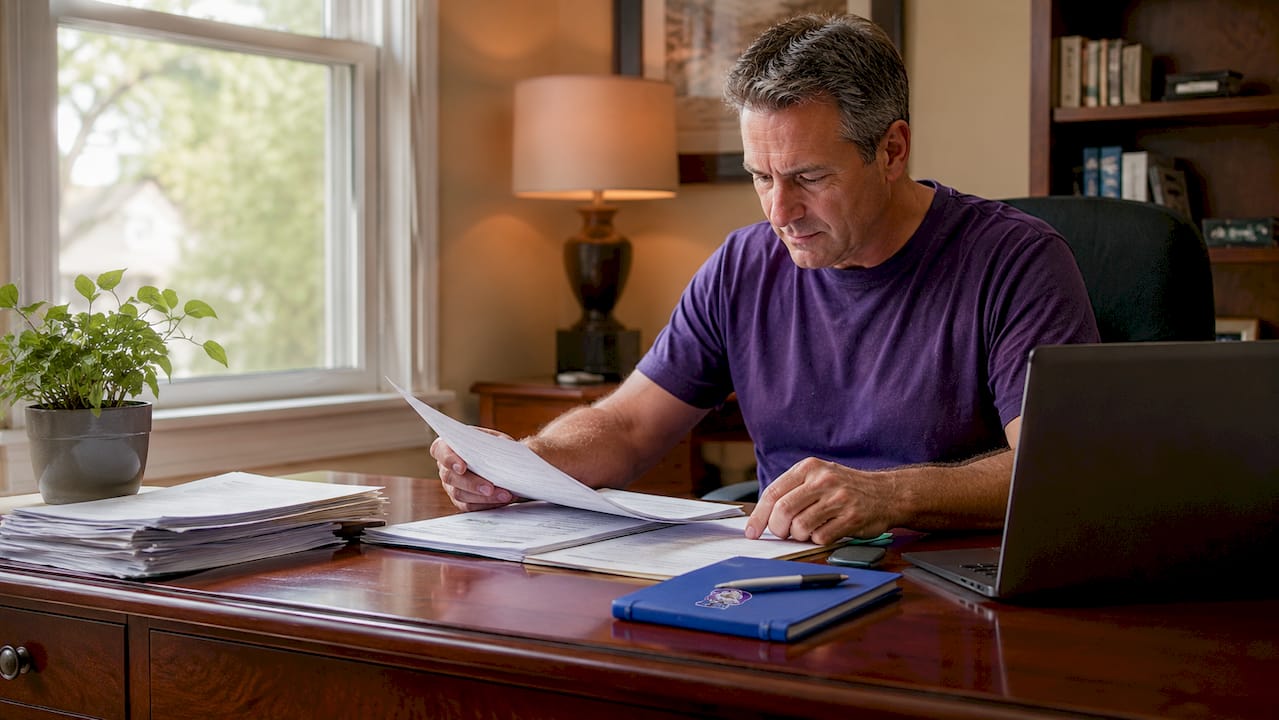

A water damage insurance claim checklist is a step-by-step guide that protects your right to full compensation after a flood, burst pipe, or sewage backup. The average water damage claim pays out around $13,954, but homeowners who skip key documentation steps routinely receive far less. Standard deductibles range from $500 to $2,500, so the difference between a well-filed and a poorly filed claim can cost you thousands. This guide walks you through every step of the insurance claim process, from the first phone call to the final settlement.
1. Notify your insurance company immediately
Notify your carrier within 24 to 72 hours of discovering water damage. Missing that window gives your insurer grounds to reduce or deny your claim entirely. That single deadline is the most important item on any water damage checklist.
Before you call, gather the following:
- Your policy number and declarations page
- The date and time you discovered the damage
- A brief, factual description of what happened (for example, “a pipe burst under the kitchen sink”)
- Photos or video you have already taken
When you speak with your insurer, stick to facts. Avoid speculating about the cause of the damage. Saying “I think the pipe was old” can be used against you. Describe what you see, not what you assume.
After the call, write down the claim number, the representative’s name, and the date and time of the conversation. This log becomes your paper trail if any dispute arises later.
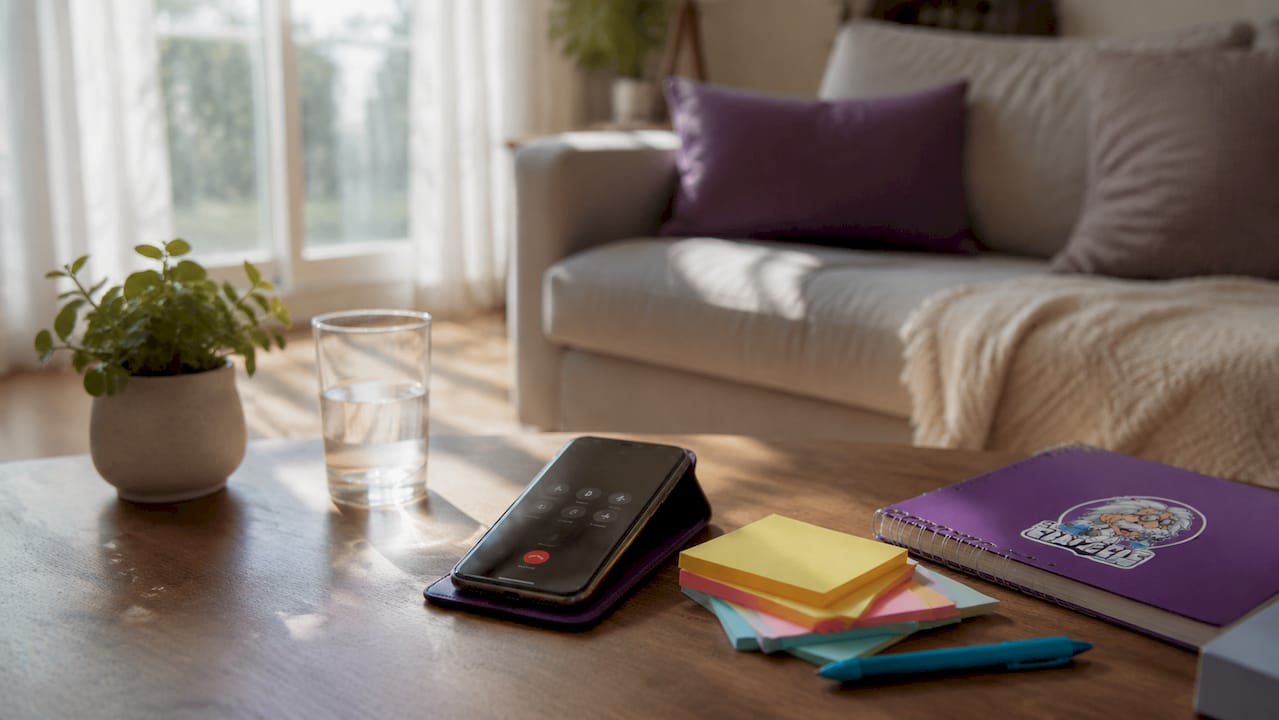
Pro Tip: Start a dedicated notebook or digital document for your claim on day one. Record every call, email, and in-person conversation with dates and names. A detailed communication log is often the homeowner’s strongest asset in a claim dispute.
2. Document the water damage thoroughly
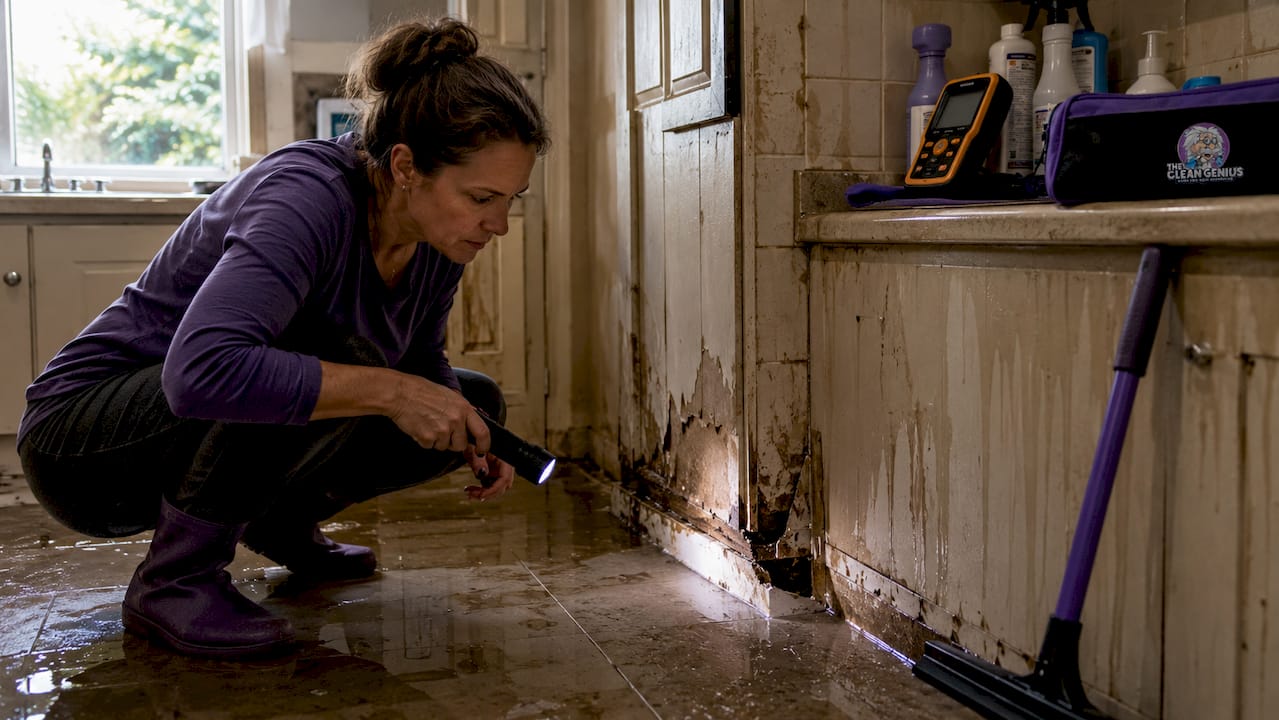
Strong documentation is the foundation of a successful claim. Twenty high-quality photos plus a 2–3 minute narrated video walkthrough are the standard for water damage claims. That combination gives adjusters a complete picture of the scope and severity.
Follow this photo checklist:
- Wide-angle shots of each affected room
- Close-ups of the water source (the broken pipe, failed appliance, or roof penetration)
- Close-ups of all damaged materials, including flooring, drywall, and personal property
- Photos with a ruler or tape measure next to damage for scale
- Images of water stains, warping, or discoloration on walls and ceilings
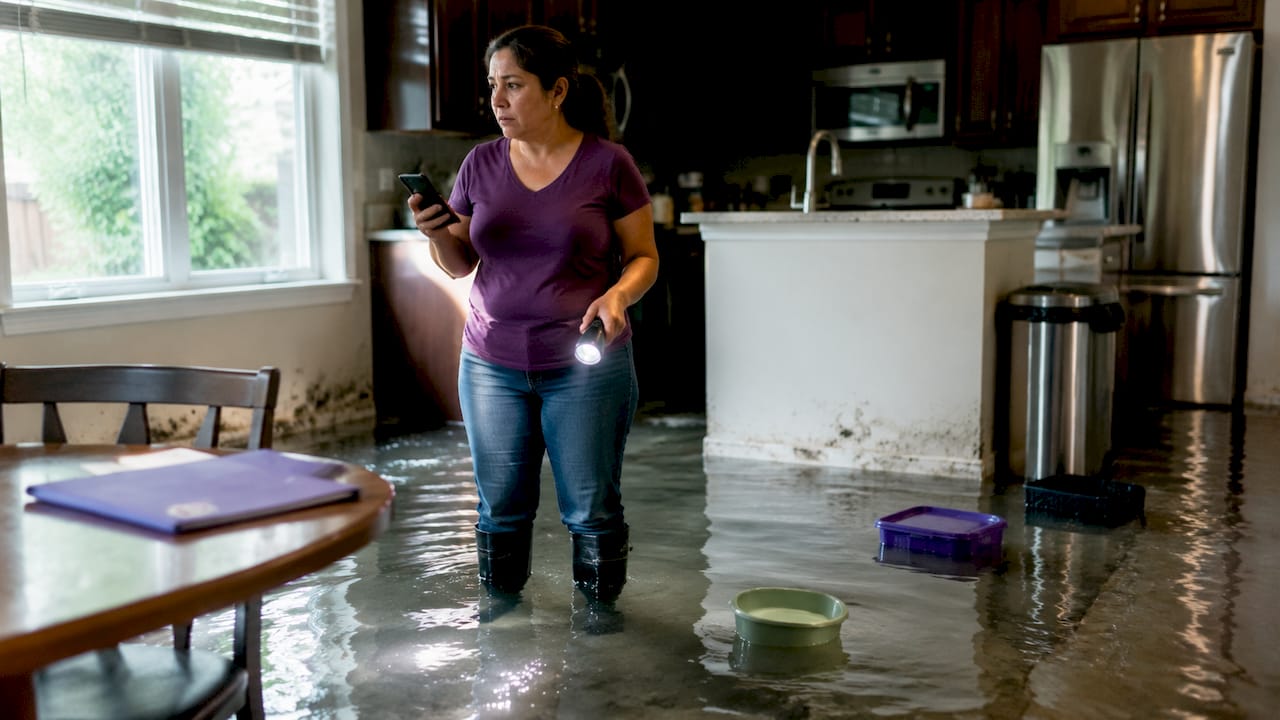
- Shots of any standing water before removal begins
For your video walkthrough, narrate as you film. Say things like “this is the basement looking toward the water heater” and “you can see the water line on the drywall is about 14 inches high.” That narration adds context that photos alone cannot provide.
After filming, create a written inventory of every damaged item. List the item name, approximate purchase date, estimated value, and condition before the damage. For high-value items like appliances or electronics, include model numbers if you can find them.
Pro Tip: Use your phone’s camera with location and timestamp settings enabled. Store copies in a cloud service like Google Photos or iCloud immediately. If your phone is damaged or lost, you still have your evidence. For a deeper look at photo documentation standards, Thecleangenius has a full guide.
3. Shut off the water source and begin mitigation
Homeowners must take reasonable mitigation steps to prevent further damage. Failing to act can reduce your settlement, even if the original damage was fully covered. Your policy requires you to protect the property from additional loss.
Mitigation steps to take right away:
- Shut off the main water supply if a pipe is the source
- Turn off electricity to affected areas if there is any risk of contact with water
- Remove standing water with a wet/dry vacuum or mop
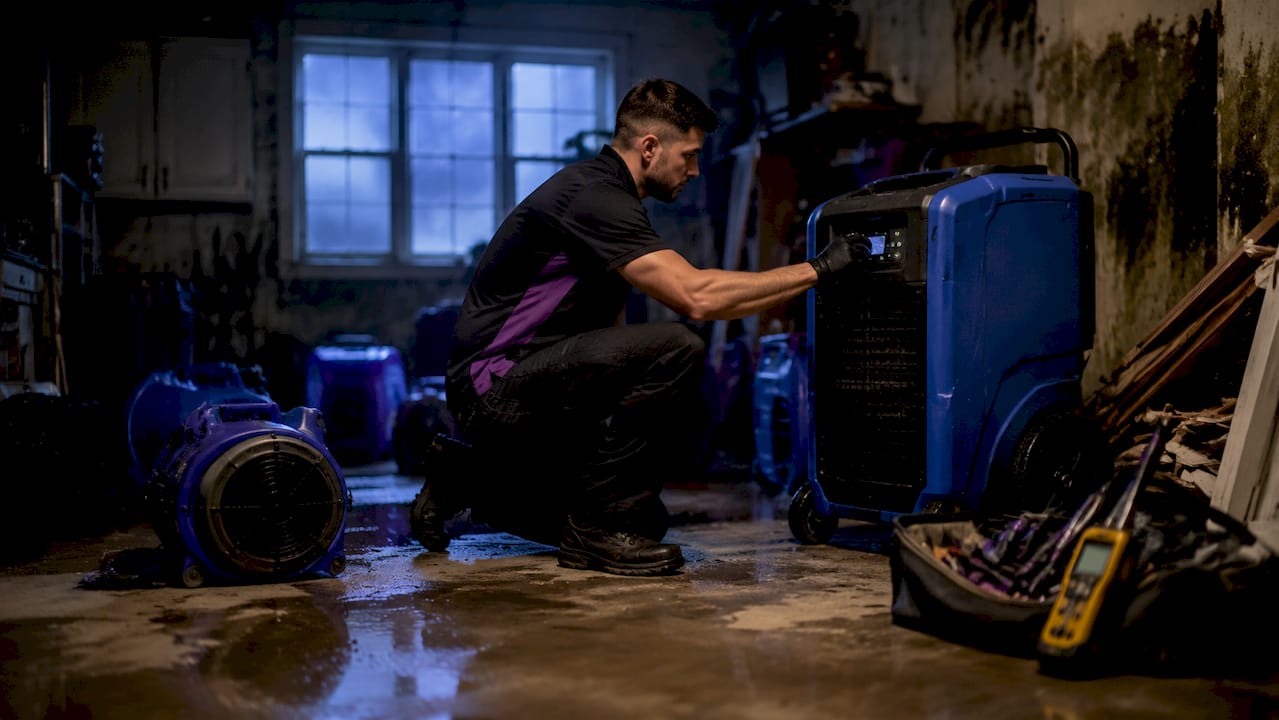
- Place fans and dehumidifiers to begin drying the space
- Use tarps or plastic sheeting to cover roof damage or broken windows
Do not throw away any damaged materials yet. Keep all damaged materials until the adjuster has inspected them. Discarding wet drywall or flooring before the inspection gives the insurer reason to question the extent of your claim.
Keep receipts for all emergency purchases like dehumidifiers, tarps, and cleaning supplies. Many policies reimburse these costs as part of your claim. That reimbursement disappears if you cannot prove what you spent.
Pro Tip: Photograph every mitigation step as you take it. A photo of the wet/dry vacuum in use, the fans running, and the tarps in place shows the adjuster you acted responsibly. Learn more about fast emergency response steps to protect your home and your claim.
4. Understand what your policy actually covers
Homeowners insurance covers sudden and accidental water damage but excludes gradual seepage, flooding, and maintenance neglect. That distinction catches many homeowners off guard. A pipe that burst overnight is covered. A slow leak behind the wall that went unnoticed for months is typically not.
Three coverage gaps to know before you file:
- Flooding from outside (storm surge, overflowing rivers) requires a separate flood insurance policy, typically through the National Flood Insurance Program (NFIP).
- Gradual damage caused by a dripping pipe or slow roof leak is excluded under most standard policies.
- Sewer backup is often excluded unless you purchased a specific endorsement.
Read your declarations page carefully before you speak with your adjuster. Knowing your coverage scope prevents surprises and helps you frame your claim accurately. If you are unsure whether your damage qualifies, describe the event factually and let the adjuster make the coverage determination.
5. Work with the adjuster professionally and strategically
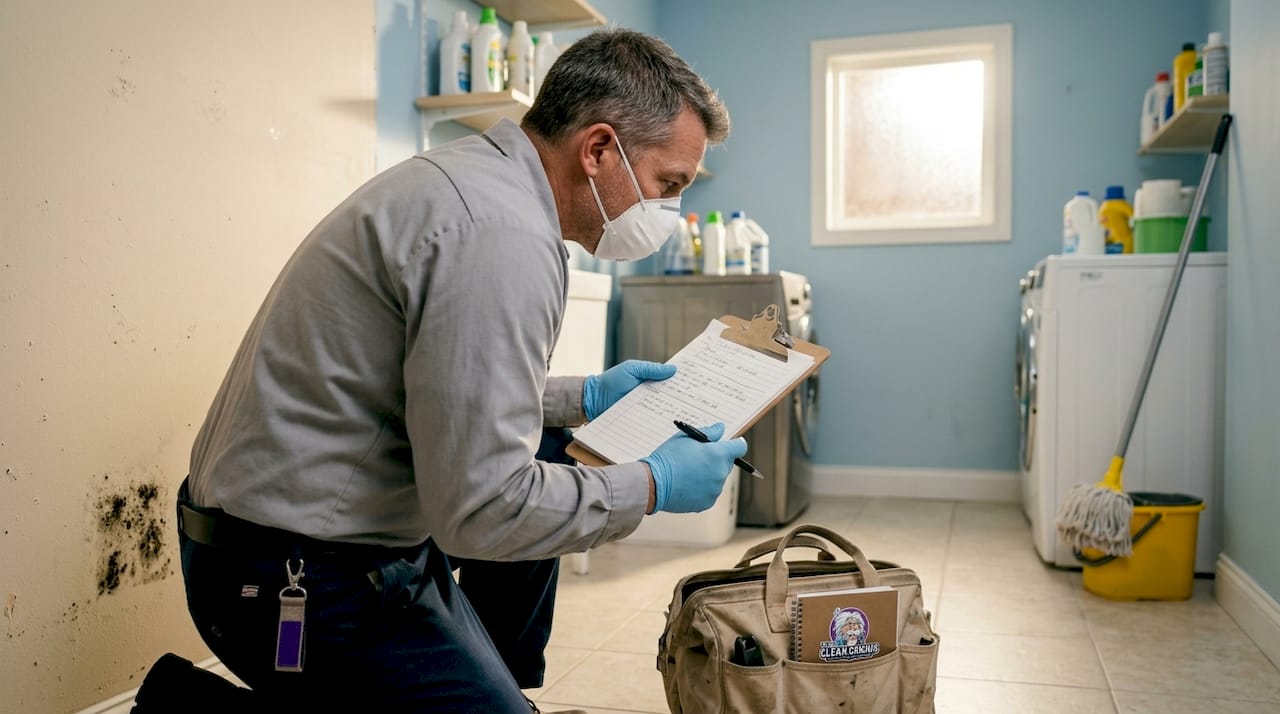
The adjuster’s inspection is the moment your documentation either pays off or falls short. Be present for the inspection and have your materials organized and ready. A disorganized homeowner who cannot answer basic questions leaves money on the table.
Bring to the inspection:
- Your printed or digital photo and video documentation
- Your written inventory of damaged items
- Receipts for emergency repairs and mitigation supplies
- Any contractor estimates you have already received
- Your communication log
Insurance adjusters rely on Xactimate software to calculate restoration costs. Xactimate is an industry-standard pricing tool that generates line-item repair scopes. If your restoration company has already prepared an Xactimate estimate, present it at the inspection. Adjusters recognize and trust that format, and it speeds up the review process.
| What to do | What to avoid |
|---|---|
| Describe damage with factual, observable details | Speculate about causes or assign blame |
| Present organized photos and inventory | Show up without documentation |
| Provide a professional restoration estimate | Accept the first offer without review |
| Ask for the adjuster’s findings in writing | Rely on verbal promises alone |
If the adjuster’s estimate seems low, you have the right to request a re-inspection or hire a public adjuster to represent your interests. Understanding how a restoration company works with insurance can also help you navigate this step with confidence.
6. Avoid the mistakes that sink claims
Delaying your claim filing is one of the most common and costly errors homeowners make. The longer you wait, the harder it becomes to prove the damage was sudden and accidental. File as soon as possible after discovery.
Other mistakes that reduce or kill claims:
- Guessing the cause when reporting. Stick to what you observed, not what you think happened.
- Discarding damaged materials before the adjuster visits. Even a soggy piece of drywall is evidence.
- Skipping the mitigation steps and letting damage spread. Insurers can reduce payouts when homeowners fail to act.
- Accepting a verbal settlement without getting it in writing.
Homeowners often confuse “sudden and accidental” coverage with universal coverage, expecting their policy to cover any water event. That misunderstanding leads to denied claims and frustration. Read your policy before you need it, not after.
“Keep every receipt, every photo, and every note. The homeowners who get paid fairly are the ones who treated their claim like a business transaction from day one.”
Pro Tip: If you are unsure whether a repair is covered, ask your insurer in writing before you proceed. A written response protects you far better than a phone conversation.
Key takeaways
A successful water damage claim depends on speed, documentation, and organized communication from the moment damage is discovered.
| Point | Details |
|---|---|
| Notify within 24–72 hours | Late reporting gives insurers grounds to reduce or deny your claim. |
| Document with 20 photos and video | Wide angles, close-ups, and a narrated walkthrough give adjusters a complete picture. |
| Mitigate and keep receipts | Act fast to stop further damage, and save every emergency purchase receipt for reimbursement. |
| Know your coverage limits | Standard policies exclude flooding, gradual leaks, and sewer backup without added endorsements. |
| Present an Xactimate estimate | Professional restoration scopes in Xactimate format speed up adjuster review and improve outcomes. |
What I have learned after years of water damage claims
The homeowners who get the best outcomes are not the ones with the worst damage. They are the ones who treated the claim process like a job from hour one.
The single biggest mistake I see is waiting. People are stressed, their house is wet, and calling the insurance company feels like one more thing. But that 24 to 72 hour window is not a suggestion. It is a contractual requirement, and missing it hands your insurer a reason to push back on everything that follows.
The second mistake is talking too much. When you call your carrier, describe what you see. Do not explain what you think caused it, do not apologize, and do not speculate. Adjusters evaluate claims based on documented facts, not homeowner theories. Every unnecessary word is a potential liability.
The third thing I would tell any homeowner is this: get a professional restoration company involved early. Not because you cannot handle it yourself, but because companies like Thecleangenius know how to document damage in the format adjusters actually use. An Xactimate estimate from a certified restoration team carries far more weight than a handwritten list of damaged items. That difference shows up directly in your settlement.
Stay organized, stay factual, and do not throw anything away until the adjuster signs off. Those three habits alone will put you ahead of most homeowners filing claims this year.
— Jim
Thecleangenius is ready to help when water damage hits
Water damage moves fast. So does Thecleangenius.

Thecleangenius is a family-owned restoration company serving Chicagoland 24 hours a day, 7 days a week. With over 25 years of combined experience and more than 400 five-star reviews, the team handles everything from burst pipes and sewage backups to complete property dry-out. Thecleangenius works directly with your insurance carrier, prepares professional documentation, and coordinates with adjusters to support your claim from start to finish. If you need emergency water damage restoration in Arlington Heights, Naperville, Schaumburg, or anywhere across Chicagoland, Thecleangenius responds fast and gets it done right.
FAQ
How soon must I report water damage to my insurer?
Report water damage within 24 to 72 hours of discovery. Missing that window can give your insurer grounds to reduce or deny your claim.
Does homeowners insurance cover all types of water damage?
Standard homeowners insurance covers sudden and accidental damage but excludes flooding, gradual leaks, and sewer backup unless you have added specific endorsements or a separate flood policy.
What should I never say when filing a water damage claim?
Avoid speculating about the cause of the damage. Describe only what you observed, and let the adjuster make coverage determinations based on documented facts.
Can I make repairs before the adjuster visits?
You can and should take emergency mitigation steps like shutting off water and running dehumidifiers. Do not discard damaged materials or make permanent repairs until the adjuster has completed the inspection.
What is Xactimate and why does it matter for my claim?
Xactimate is the industry-standard software adjusters use to calculate restoration costs. Submitting a professional Xactimate estimate from your restoration company aligns your claim with the format insurers expect and improves your chances of a fair settlement.