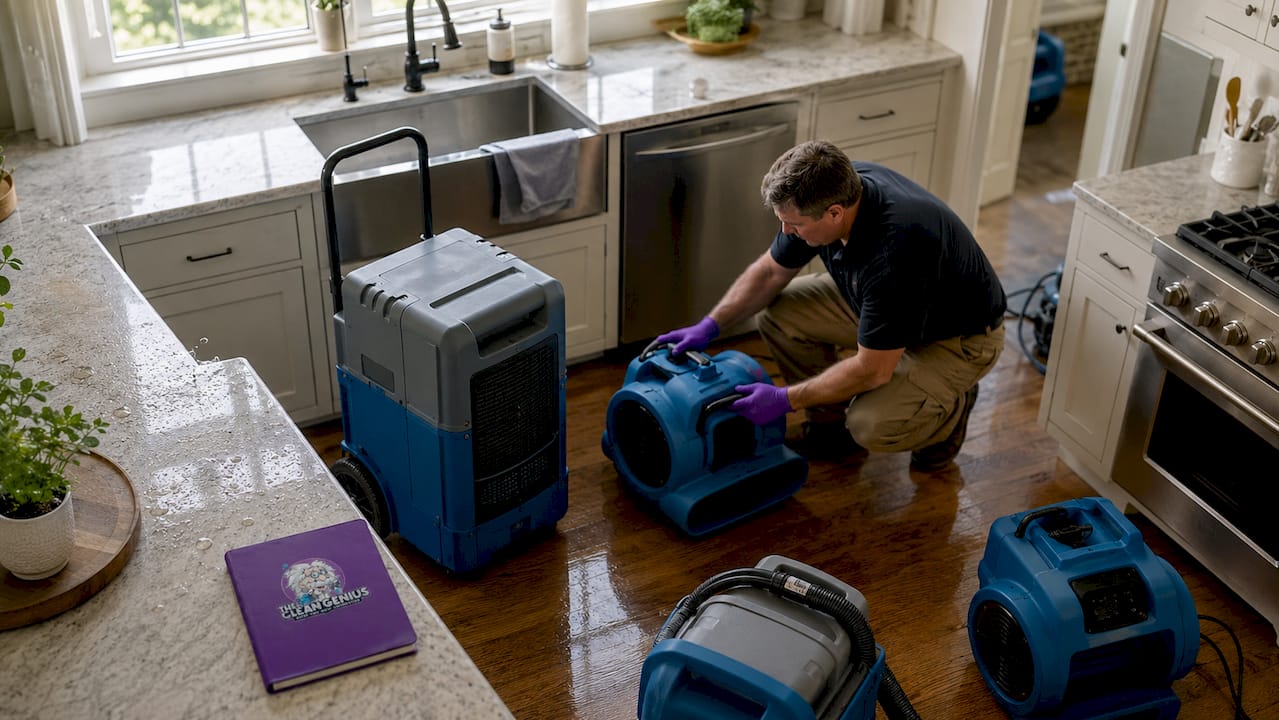

Water damage restoration equipment is defined as the specialized set of tools used to extract standing water, accelerate evaporation, and remove airborne moisture from a property after a flood, burst pipe, or sewage backup. Knowing the types of water damage restoration equipment before a crisis hits puts you in a much stronger position to protect your home and make smart decisions about professional help. The three core categories are extraction machines, air movers, and dehumidifiers. Each category addresses a distinct stage of drying, and skipping any one of them leads to incomplete results. Restoration professionals, including the team at Thecleangenius, rely on all three working together to stop secondary damage like mold before it starts.
1. What are the main types of water extraction equipment?
Water extraction is the first and most time-sensitive step in any restoration job. Effective water extraction reduces total drying time by 30–50% compared to starting with drying equipment alone. That time savings translates directly into lower repair costs and less structural damage.
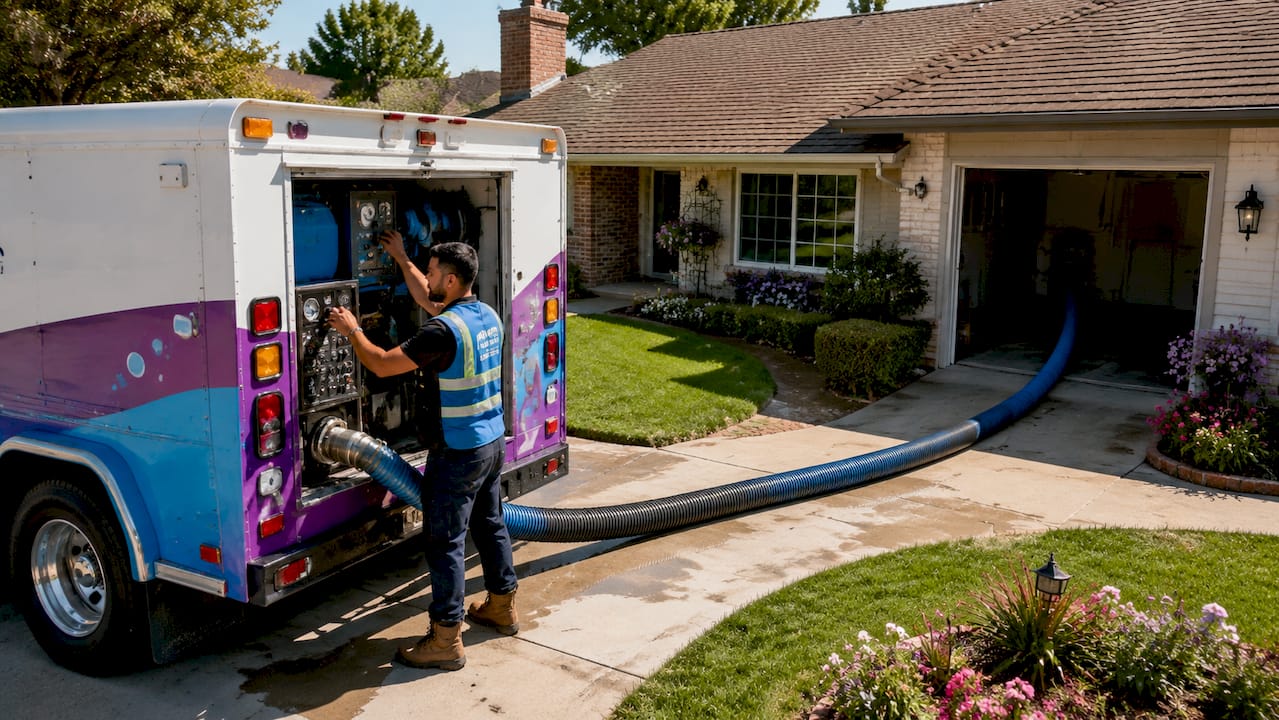
Truck-mounted extractors are the most powerful option available. Truck-mounted extractors carry extremely high suction capacity, making them the right choice for large losses like flooded basements or commercial spaces. They stay parked outside and run hoses into the building, so they work best when access is straightforward.
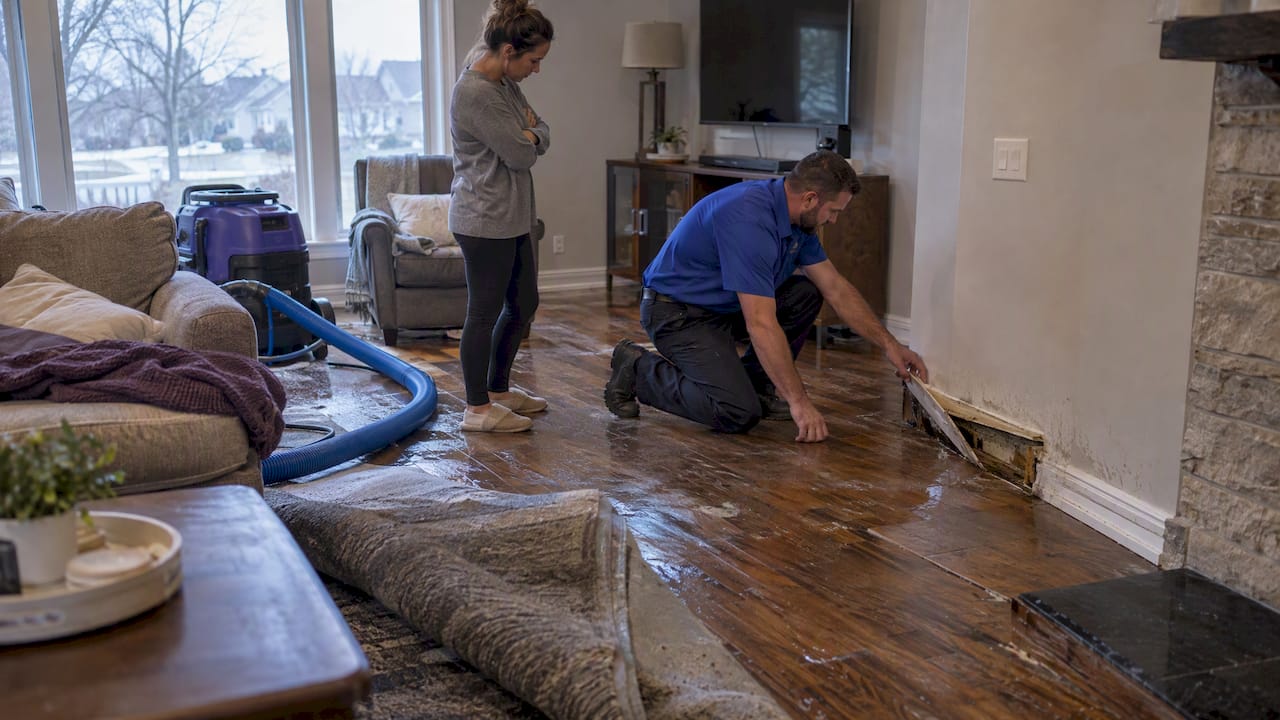
Portable extractors trade raw power for mobility. They fit through doorways, climb stairs, and reach areas a truck-mounted unit cannot. For most residential jobs, a professional-grade portable extractor removes bulk water faster than any household wet/dry vacuum.
Weighted-head extractors are a specialized tool for carpet and padding. The weighted head presses firmly against the carpet surface, forcing water up through the fibers and into the machine. Standard extractors miss a significant portion of the water trapped in carpet padding without this attachment.
- Truck-mounted units: best for large-scale or commercial losses
- Portable extractors: best for homes, upper floors, and tight spaces
- Weighted-head extractors: required for carpeted areas with saturated padding
- Household wet/dry vacuums: not a substitute for professional extraction equipment
Pro Tip: If you are renting extraction equipment, ask specifically for a unit with a self-priming pump. Non-self-priming models require manual priming each time they lose suction, which slows the job considerably.
2. How do air movers contribute to effective drying?
Air movers are purpose-built machines that create high-velocity, low-profile airflow across wet surfaces. Professional air movers break the boundary layer of moisture that clings to wet materials, pulling water vapor into the air where dehumidifiers can capture it. A standard household fan does not generate the right airflow pattern to accomplish this.
Standard centrifugal air movers are the workhorse of most residential drying jobs. They sit at a low angle and direct airflow along the floor and up walls, covering large surface areas efficiently.
Low-profile air movers fit under cabinets and into tight spaces where standard units cannot reach. They are common in kitchen and bathroom losses where water has traveled under cabinetry.
Cavity air movers, sometimes called Dri-Pods, inject air directly into wall cavities through small access holes. This approach dries wall interiors without requiring full demolition of drywall.
Hardwood floor drying mats attach to air movers and create a sealed chamber over wood flooring. They force dry air directly into the wood grain, which is the only reliable way to dry hardwood in place without cupping or warping.
- Map moisture with a meter before placing any equipment.
- Position centrifugal air movers at 45-degree angles along wet walls.
- Use low-profile units under fixed cabinetry.
- Deploy cavity air movers for wet wall interiors.
- Apply hardwood mats over any affected wood flooring.
- Check readings every 24 hours and reposition as moisture migrates.
Pro Tip: Proper equipment placement based on moisture mapping amplifies drying efficiency and cuts both time and cost. Never place air movers by guesswork.
3. What types of dehumidifiers are used in water damage restoration?
Dehumidifiers for restoration are not the same machines sold at hardware stores. Professional units remove far more moisture per day and maintain efficiency at much lower humidity levels than consumer models.
LGR refrigerant dehumidifiers are the industry standard for residential drying. LGR stands for Low Grain Refrigerant, which means these units keep pulling moisture even when indoor humidity drops to very low levels. The Dri-Eaz LGR 5000i removes over 20 gallons of water per day and maintains efficiency down to 20–30 grains per pound of humidity. That performance level is simply not achievable with a consumer dehumidifier.
Desiccant dehumidifiers use a silica-based rotor to absorb moisture rather than refrigerant coils. Desiccant units are essential in cold or unheated spaces below 60°F, where refrigerant dehumidifiers lose efficiency rapidly. Crawl spaces, garages in winter, and mountain homes all fall into this category.
- LGR refrigerant dehumidifiers: best for warm, humid indoor environments
- Desiccant dehumidifiers: required for cold spaces below 60°F
- Consumer dehumidifiers: not adequate for restoration-grade drying
- Placement: one unit per affected zone, sized to the square footage and material type
Choosing the wrong dehumidifier type for the environment is one of the most common mistakes in DIY restoration. A refrigerant unit placed in a cold crawl space will run continuously without removing meaningful moisture.
4. Which moisture detection tools are critical for restoration?
Accurate moisture detection is what separates a complete drying job from one that looks finished but leaves hidden damage behind. Moisture mapping using calibrated meters and thermal imaging cameras uncovers hidden moisture that visual inspection alone cannot find.
| Tool | Purpose | Key Benefit |
|---|---|---|
| Penetrating moisture meter | Measures moisture inside walls and floors | Confirms whether materials are truly dry |
| Non-penetrating moisture meter | Surface scanning without holes | Fast screening of large areas |
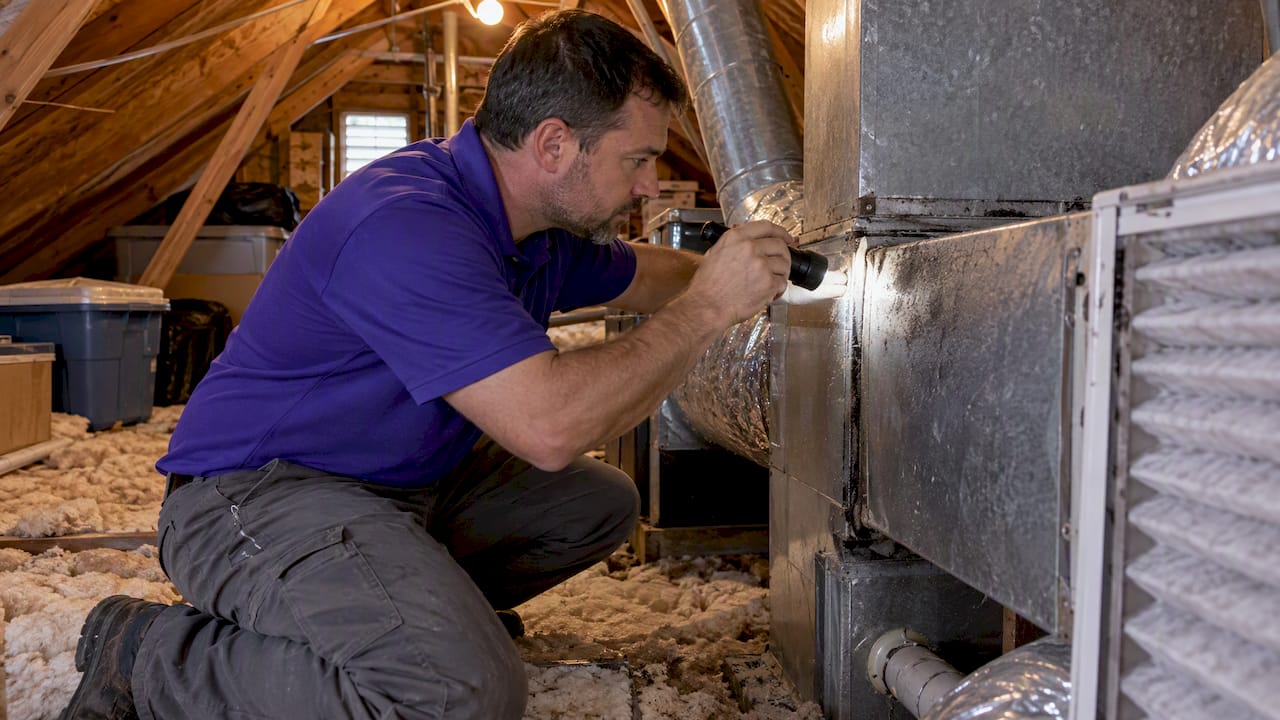
| Thermal imaging camera | Detects temperature differences caused by moisture | Finds hidden wet areas behind walls |
| Hygrometer | Monitors relative humidity in the air | Tracks drying progress over time |
| Negative air machine | Creates pressure differential to contain contamination | Prevents mold spores from spreading |
Industrial-grade moisture meters and hygrometers allow technicians to verify that materials reach safe moisture levels before closing out a job. Skipping this step risks premature sign-off and mold growth weeks later.
5. How do air scrubbers and negative air machines protect indoor air quality?
Air purification equipment addresses a problem that extraction and drying tools do not: airborne contamination. When water damage involves sewage, floodwater, or any Category 2 or Category 3 source, the air inside the property carries bacteria, mold spores, and other contaminants.
HEPA air scrubbers filter airborne contaminants including mold spores during active drying, improving indoor air quality and protecting both occupants and workers. HEPA filtration captures particles as small as 0.3 microns, which covers the size range of most mold spores and bacteria.
Negative air machines go one step further. Negative air machines create pressure differentials that isolate contaminated zones and prevent cross-contamination from spreading to clean areas of the home. This is standard practice in Category 2 and Category 3 losses. Without this containment, restoration work can inadvertently spread contaminants through HVAC systems and shared air spaces.
6. How do you choose the right restoration equipment for your property?
Equipment selection depends on four factors: the class of water damage, the category of water involved, the size of the affected area, and the materials that got wet. Getting this wrong wastes time and money, and it leaves moisture behind.
- Water damage class determines how much equipment you need. Class 1 is a small, contained loss. Class 4 involves dense materials like hardwood and concrete that require specialty drying systems such as floor mats and cavity air movers.
- Water category determines whether air scrubbers and negative air machines are required. Category 1 is clean water. Category 3 is sewage or floodwater and demands full containment and air purification.
- Area size drives the number of air movers and dehumidifiers. Professionals calculate the ratio of air movers to dehumidifiers based on square footage and the type of materials present.
- Budget and access determine whether renting equipment or hiring a professional crew makes more sense. For losses larger than a single room, professional crews with truck-mounted extractors and calibrated monitoring equipment consistently outperform DIY rental setups.
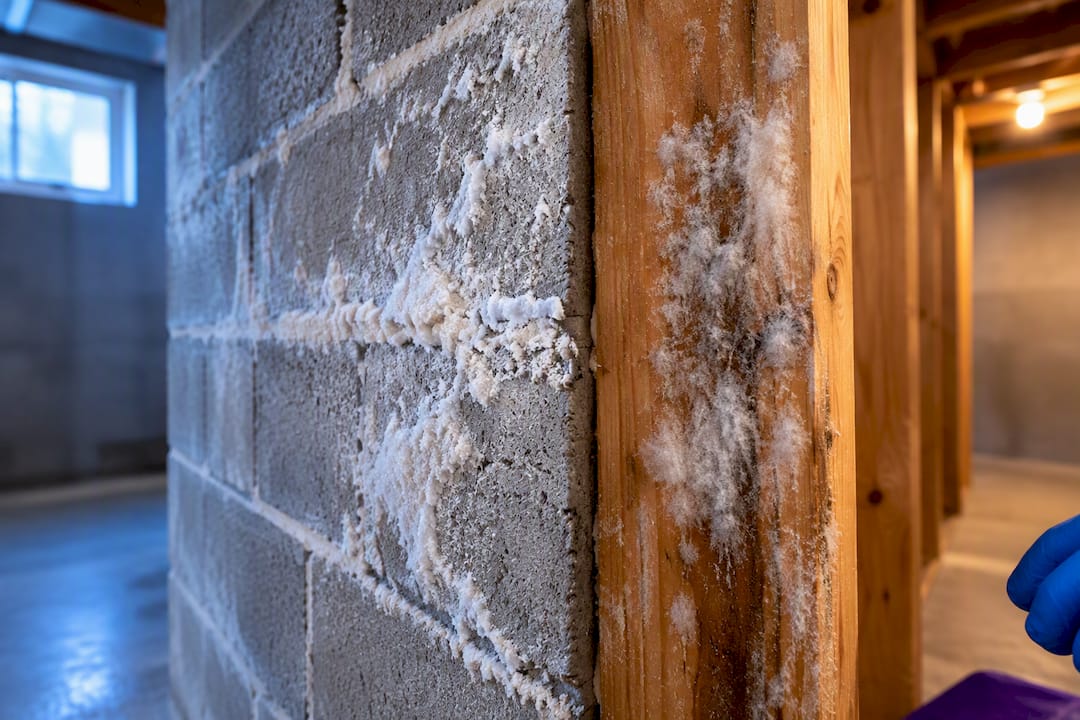
Understanding why fast response matters is just as important as knowing which tools to use. Mold can begin growing within 24–48 hours of a water event, so equipment deployment speed directly affects the final outcome.
Key takeaways
Effective water damage restoration requires extraction, air movement, and dehumidification working together as a system, not as isolated steps.
| Point | Details |
|---|---|
| Extraction comes first | Removing standing water cuts total drying time by 30–50% before drying equipment is deployed. |
| Match dehumidifier to environment | Use LGR refrigerant units in warm spaces and desiccant units in cold spaces below 60°F. |
| Air movers need correct placement | Position units based on moisture mapping, not guesswork, to dry wall cavities and flooring thoroughly. |
| Detection tools verify completion | Moisture meters and thermal cameras confirm drying is complete and prevent premature job close out. |
| Air quality requires active management | HEPA air scrubbers and negative air machines are required for Category 2 and 3 losses to prevent contamination spread. |
What I have learned from 25 years of water damage jobs
After working through hundreds of water losses across Chicagoland, the single biggest mistake I see homeowners make is running fans and calling it done. Fans move air. They do not remove moisture from that air. Without a dehumidifier pulling water vapor out of the space, balanced drying never happens. You end up pushing moisture deeper into walls and subfloors, which sets up the conditions for mold weeks later.
The second mistake is skipping moisture mapping. I have walked into jobs where the visible surface felt dry but a thermal camera showed a soaking wet wall cavity behind the drywall. That hidden moisture is where mold starts. A calibrated moisture meter and a thermal camera are not optional extras. They are the tools that tell you when the job is actually finished.
My honest advice for homeowners: if the loss covers more than one room, or if it involves anything other than clean tap water, call a professional. Renting a consumer dehumidifier and a box fan is not equivalent to a truck-mounted extractor, LGR dehumidifiers, and a full moisture mapping protocol. The equipment gap is real, and the consequences of incomplete drying show up on your walls and in your air quality months later.
— Jim
How Thecleangenius can help you restore your property fast
When water damage hits your Chicagoland home, the equipment you deploy in the first few hours determines how much of your property you save.

Thecleangenius operates 24/7 with professional-grade extraction machines, LGR dehumidifiers, HEPA air scrubbers, and full moisture mapping protocols. Our certified technicians serve Arlington Heights, Naperville, Schaumburg, and the entire greater Chicagoland area. We work directly with your insurance company, so you focus on your family while we handle the drying. See our water damage restoration services or use our restoration company checklist to know exactly what to ask before hiring anyone.
FAQ
What is water damage drying equipment?
Water damage drying equipment refers to the air movers, dehumidifiers, and moisture meters used after water extraction to remove remaining moisture from building materials. These tools work as a system to prevent mold and structural damage.
How many air movers do I need for a water-damaged room?
The standard professional ratio is one air mover per 50–100 square feet of affected area, adjusted based on material type and moisture readings. Dense materials like hardwood require more units and specialty floor drying mats.
Can I use a regular dehumidifier for water damage restoration?
Consumer dehumidifiers are not adequate for restoration work. Professional LGR units like the Dri-Eaz LGR 5000i remove over 20 gallons of water per day, far exceeding the capacity of store-bought models.
When do I need a HEPA air scrubber during restoration?
HEPA air scrubbers are required whenever the water source is Category 2 or Category 3, which includes gray water, sewage, and floodwater. They filter mold spores and bacteria from the air during active drying.
How do I know when drying is complete?
Drying is complete when moisture meter readings in all affected materials return to pre-loss baseline levels. Visual inspection alone is not reliable. A thermal imaging camera confirms there is no hidden moisture remaining in wall cavities or subfloors.