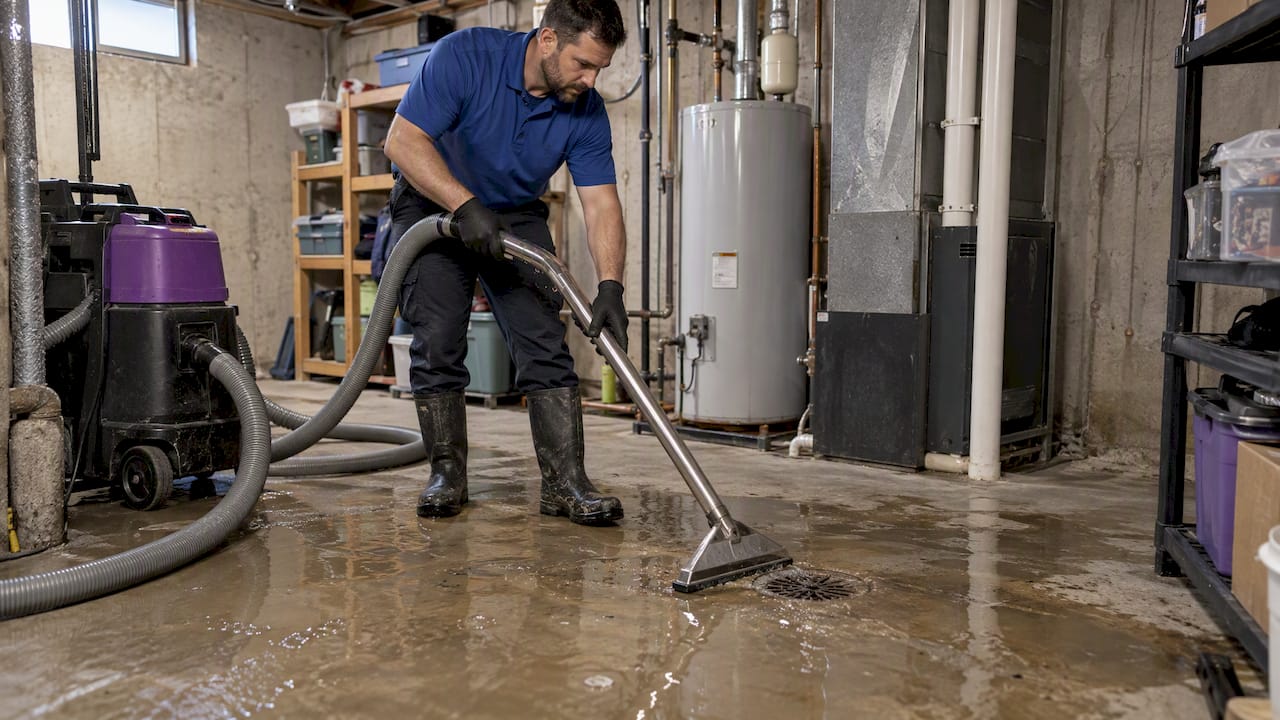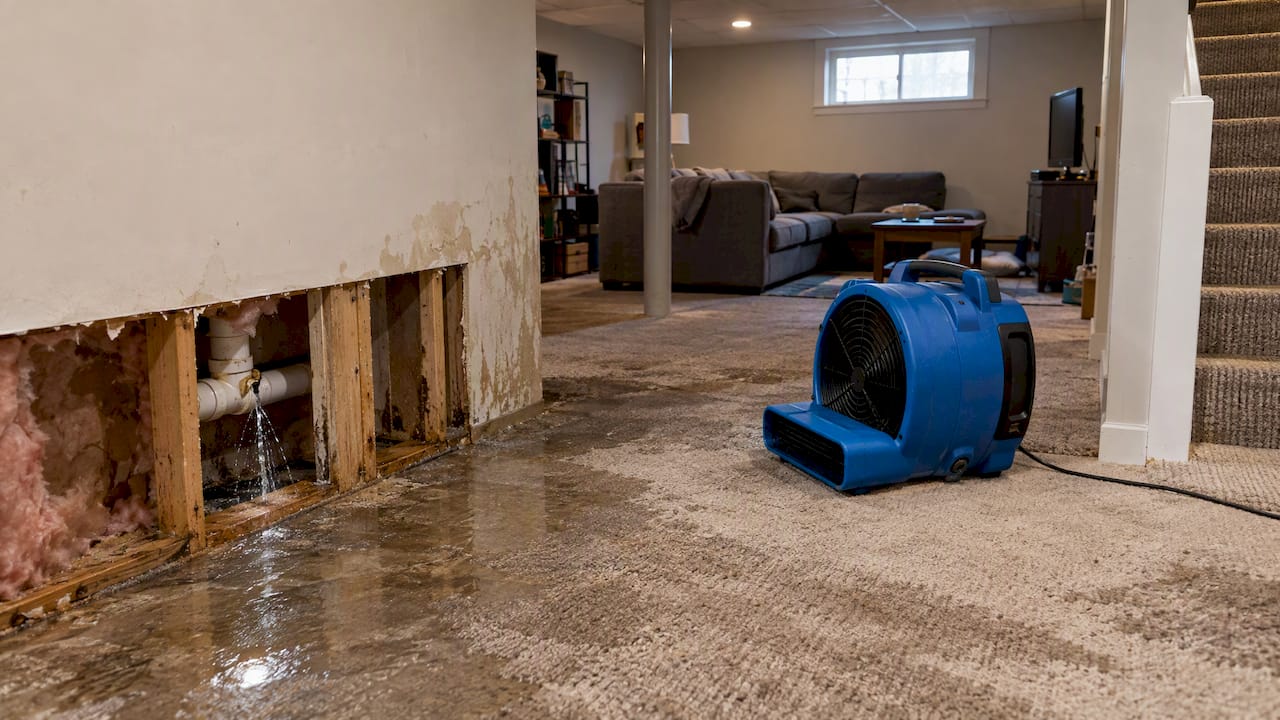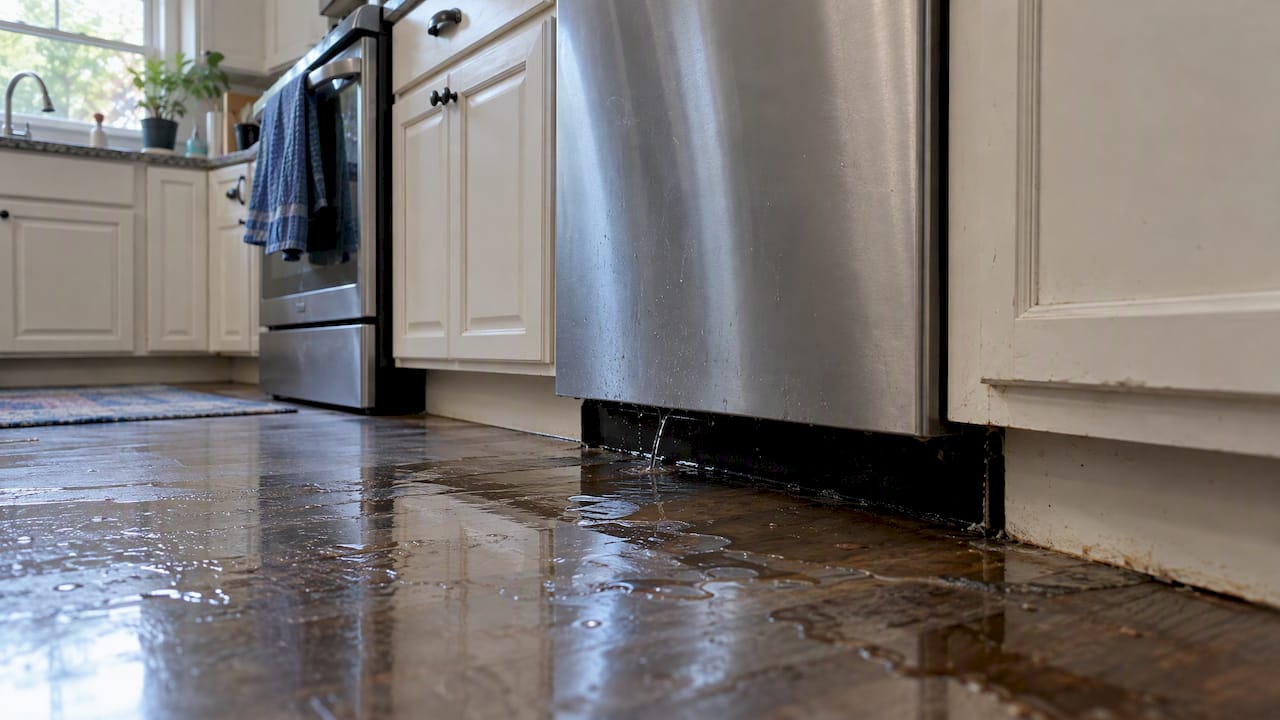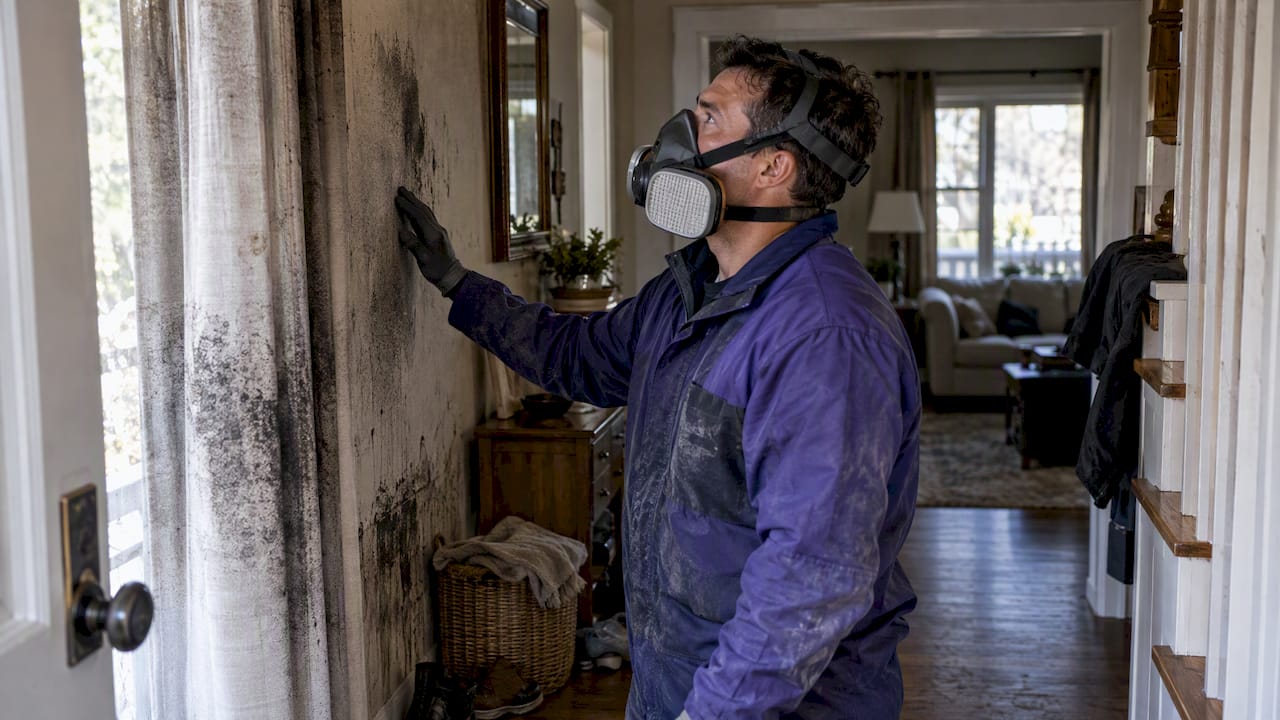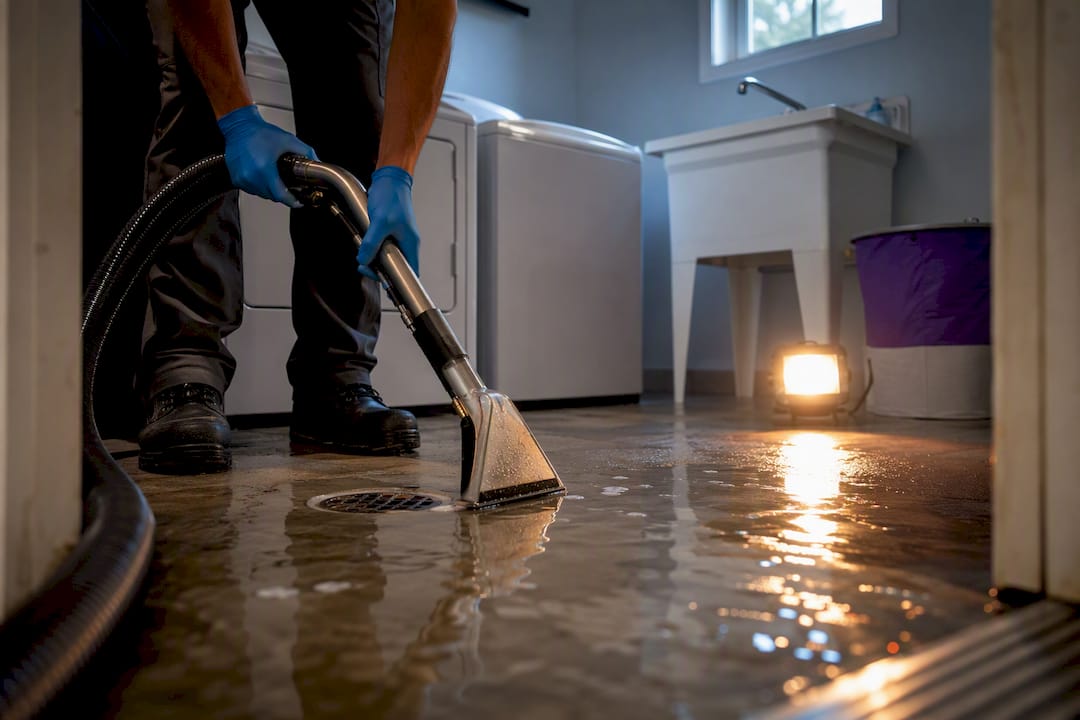

Most residential sewage cleanups run $2,000 to $10,000, and contractors typically price the work at $7 to $14 per square foot. Category 3 “blackwater” backups and finished basements push costs toward the top of that range, since contaminated water often forces demolition of drywall, insulation, and flooring. Standard homeowners insurance usually won’t cover any of it without a sewer-backup rider, and calling a professional promptly can reduce mold and rebuild costs significantly.
TL;DR:
- Costs can exceed $10,000 if the backup involves collapsed sewer lines or extensive structural repairs, adding significantly to cleanup expenses.
- The contamination category (Category 3 blackwater) vastly influences prices, with blackwater cleanup costing between $7 and $14 per square foot due to health risks and demolition needs.
- Quick response within 24 hours can minimize demolition and mold remediation costs, as dwell time correlates directly with higher expenses.
- Insurance rarely covers sewage cleanup unless a specific water backup rider is purchased, which usually costs $40 to $100 annually and offers limits around $5,000 to $25,000.
- A detailed, line-item estimate and proper post-cleanup testing are essential to prevent surprises and streamline insurance claims.
Table of Contents
- How Much Does Sewage Cleanup Cost Nationally?
- What Drives Your Final Sewage Cleanup Bill?
- What Do Real Sewage Cleanup Estimates Look Like?
- Does Homeowners Insurance Cover Sewage Cleanup?
- How Can You Lower Your Sewage Cleanup Cost Right Now?
- What Should You Expect From a Professional Restoration Crew?
- What Documents Do You Need for a Sewage Cleanup Claim?
- A Practitioner’s Note on What Homeowners Get Wrong
- How The Clean Genius Handles Sewage Backup Cleanup
- Sources
How Much Does Sewage Cleanup Cost Nationally?
The national average for sewage backup cleanup lands near $6,000, with most jobs falling between $2,000 and $10,000 depending on how much water intruded and how long it sat before removal. A single overflowing toilet cleaned up the same day sits at the low end. A finished basement flooded overnight with backed-up sewage sits at the high end, sometimes past it.
Per-square-foot pricing gives you a faster gut check than a flat range. Contractors generally quote $7 to $14 per square foot, and where you land in that band depends heavily on which IICRC contamination category applies to your loss. The Institute of Inspection, Cleaning and Restoration Certification defines three tiers, and every restoration contractor worth hiring prices around them.
| Category | Water source | Typical per sq ft | Notes |
|---|---|---|---|
| Category 1 (clean water) | Supply line break, appliance overflow | $3 to $7 | Rarely classified as “sewage,” but can escalate if untreated |
| Category 2 (gray water) | Washing machine discharge, dishwasher overflow | $6 to $10 | Moderate contamination, faster turnaround |
| Category 3 (black water) | Sewage backup, toilet overflow, flood water | $7 to $14 | Highest health risk, most demolition |
Location moves the needle too. Restoration pricing in dense metro markets like Chicago tends to run 15% to 30% above national averages, largely because of labor rates and disposal fees. Rural markets often land below the national median, but travel charges can offset some of that savings.
Costs can blow past $10,000 when the backup stems from a collapsed or root-invaded sewer line rather than a simple clog. Trenchless pipe repair, full basement rebuilds, or replacing subfloor and structural framing after prolonged flooding are separate line items from cleanup and can add another $5,000 to $25,000 depending on excavation depth and permit requirements.
What Drives Your Final Sewage Cleanup Bill?
Two identical-looking basement floods can produce wildly different invoices. The gap almost always comes down to a handful of variables that either stay contained or spiral.
- Contamination category. Category 3 water requires full PPE, antimicrobial treatment, and often mandatory removal of porous materials like carpet pad, drywall up to a foot above the waterline, and insulation.
- Dwell time. Sewage left standing for 24 to 48 hours saturates deeper into subflooring and framing, which usually means more demolition rather than drying in place.
- Square footage and finish type. A tiled bathroom floor is cheaper to remediate than a carpeted family room with built-in cabinetry and drywall.
- Demolition and disposal. Contaminated materials often qualify as hazardous waste, and disposal fees can add several hundred dollars per job.
- Testing and clearance. Post-remediation swab testing or air quality clearance adds cost but is what lets you close out an insurance claim cleanly.
- Access constraints. A basement with a narrow stairwell or no exterior access point takes longer to pump out and dry, which raises labor hours.
- Timing. Nights, weekends, and holidays commonly carry emergency surcharges of 25% to 50% on labor.
Pro Tip: Ask any contractor for a line-item breakdown before they start, not a lump-sum number. A vague one-page estimate is the biggest red flag in this industry, and it’s usually where surprise charges hide later.
The single biggest lever you actually control is dwell time. Water sitting in a wall cavity for two days doesn’t just smell worse. It meaningfully raises the odds you’ll need demolition and mold remediation instead of straightforward drying and disinfecting.
What Do Real Sewage Cleanup Estimates Look Like?
Numbers mean more with a scope attached. Here’s how a real invoice tends to break down across three common job sizes.
- Small single-fixture backup (bathroom, 50 to 100 sq ft). Extraction, disinfecting, and drying of tile or vinyl flooring, minor drywall cut and dry, disposal of contaminated toilet paper and towels. Total: roughly $500 to $1,800.
- Finished basement full backup (600 to 1,200 sq ft). Water extraction, demolition of carpet, pad, and lower drywall, disposal of contaminated debris, HEPA air scrubbing, antimicrobial application, dehumidification for 3 to 5 days, post-remediation clearance testing. Total: roughly $4,000 to $9,000.
- Severe multi-room event with structural damage. Everything above plus subfloor replacement, insulation removal, and possible sewer line camera inspection and repair. Total: $10,000 to $25,000 or more once plumbing repair is included.
| Job size | Core services | Typical total |
|---|---|---|
| Small bathroom backup | Extraction, disinfecting, minor drywall cut | $500 to $1,800 |
| Finished basement | Demo, pack-out, drying, HEPA, clearance testing | $4,000 to $9,000 |
| Severe multi-room event | Full demo, structural drying, possible line repair | $10,000 to $25,000+ |
Equipment rental days matter more than people expect. Emergency dispatch outside business hours often adds a flat surcharge on top of the labor rate, so a job that would cost $5,000 on a Tuesday afternoon might run $6,000 to $6,500 if it starts at 2 a.m. on a Saturday.
Does Homeowners Insurance Cover Sewage Cleanup?
Almost never, by default. Standard homeowners policies routinely exclude sewer backup and sump pump discharge, treating them as a maintenance issue rather than a covered peril. The fix is a water backup and sump discharge endorsement, an add-on rider most major insurers offer for a modest annual premium, often in the $40 to $100 range depending on your coverage limit and state.
- Coverage limits on these endorsements commonly start around $5,000 and can be raised to $25,000 or more for a higher premium.
- The endorsement typically carries its own deductible, separate from your main policy deductible.
- Sample quotes gathered by NerdWallet show premiums scale with both the limit you choose and your insurer’s underwriting for your zip code.
- If a $7,000 basement cleanup happens against a $5,000 endorsement limit and a $500 endorsement deductible, you’d be reimbursed $4,500 and owe the remaining $2,500 yourself.
- If the backup originated from a failure in the public sewer main rather than your own lateral line, document everything and file a claim with your municipality since some public agencies accept liability.
Call your insurer the same day the backup happens, before cleanup starts if possible. Photograph standing water, damaged belongings, and visible waterlines on walls. Keep every receipt tied to emergency mitigation, even a $40 shop-vac rental. Insurers pay faster and more fully when the paper trail is built in real time instead of reconstructed weeks later.
How Can You Lower Your Sewage Cleanup Cost Right Now?
The clock is the enemy here, and what you do in the first hour matters more than almost any decision afterward.
- Shut off the water source if a fixture is actively overflowing, and avoid flushing toilets or running drains until a plumber clears the blockage.
- Photograph everything before anyone touches the scene, including waterline height on walls and any visible debris.
- Ventilate the space by opening windows if it’s safe, but do not run central HVAC, since that can spread contaminated air through the house.
- Stay out of Category 3 water entirely. Skip the DIY wet vac and mop routine. Blackwater carries bacteria and pathogens that require PPE most homeowners don’t have.
- Call a licensed restoration contractor, not a general handyman, for anything beyond a small clean-water spill.
Pro Tip: If you’ve had more than one backup in the past two years, ask a plumber about a backwater valve installation. It typically costs a few hundred dollars and can prevent a repeat event that would otherwise cost thousands.
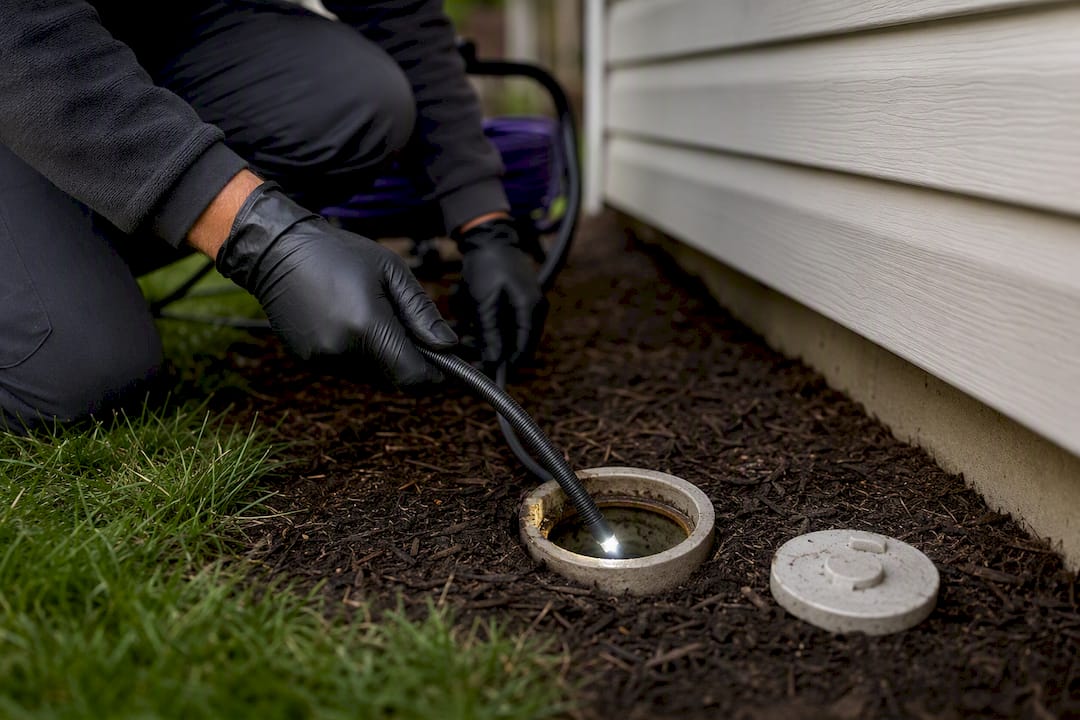
A sewer camera inspection, often $150 to $300, is worth doing after any backup to rule out root intrusion or pipe collapse before it happens again.
What Should You Expect From a Professional Restoration Crew?
A certified crew moves in a predictable sequence: triage and safety assessment first, then pump-out and extraction, containment to stop cross-contamination, demolition of unsalvageable materials, structural drying, and finally clearance testing before they call the job done.

That last step matters more than homeowners realize. IICRC standards exist specifically to define when a space is safe to reoccupy and what documentation proves it. A contractor who skips clearance swabs or air testing on a Category 3 job is cutting a corner that can come back to bite you if mold surfaces months later.
Insist on an itemized scope, not a one-line quote. A real scope lists square footage affected, materials removed, equipment days, and testing performed. That level of detail is also what keeps insurance claims moving instead of stalling on an adjuster’s desk asking for clarification. Ask how the crew coordinates directly with your insurer, since firms experienced in working restoration claims through insurance can often shorten the approval timeline by handling documentation the way adjusters expect to see it.
What Documents Do You Need for a Sewage Cleanup Claim?
Building your claim file while the work happens, not after, is the difference between a smooth reimbursement and a fight.
- Timestamped photos and video from before, during, and after cleanup, including close-ups of the waterline and damaged materials.
- An itemized inventory of damaged belongings with approximate replacement value for each item.
- Every receipt tied to emergency mitigation, including equipment rental and temporary supplies.
- A contractor’s itemized scope with line-item pricing, plus any post-remediation testing or clearance report.
- Municipal correspondence if you suspect the backup originated from a public sewer main failure rather than your own line.
A water damage insurance claim checklist built around these five categories covers what most adjusters ask for on the first request, which cuts down on the back-and-forth that delays payouts by weeks.
A Practitioner’s Note on What Homeowners Get Wrong
The homeowners who end up paying the most almost never have the worst backup. They have the slowest response. A basement that floods with two inches of sewage water and gets extracted within six hours often dries out with minimal demolition. The same two inches left over a long weekend while a family is out of town can mean tearing out drywall four feet up every wall.
We see this pattern often enough in Chicagoland basements that it’s become the first question any of our technicians ask on an emergency call: how long has it been sitting? That single answer shapes the whole estimate more than square footage does. Homeowners also consistently underestimate how much a $60 sewer-backup endorsement would have saved them, right up until they’re staring at a bill with no coverage behind it.
Emergency restoration services are available 24/7 in the Chicagoland area because sewage backups don’t wait for business hours and neither should the response.
— Jim
How The Clean Genius Handles Sewage Backup Cleanup
Some restoration companies offer coordinated crews handling extraction, demolition, drying, and insurance paperwork to simplify the process for homeowners, reducing the risk of cost overruns caused by managing multiple contractors separately.

Certified teams respond to emergency sewage backups following a sequence of pump-out, containment, demolition where needed, structural drying, and clearance testing, all documented for insurers. Mold risks appearing weeks later may be addressed using advanced dry-fog technologies to prevent further issues, avoiding the need to hire a second company.
If you’re dealing with an active backup or want an on-site estimate before committing to a scope, request emergency water damage restoration and a technician will walk you through what your specific situation will actually cost.
Sources
For deeper research beyond this guide, the EPA’s guidance on sanitary sewer overflows explains why public sewer failures happen and when municipalities bear responsibility. The IICRC publishes the S500 standard that defines contamination categories referenced throughout this article. For coverage specifics, the Insurance Information Institute and NerdWallet both break down water-backup endorsement pricing and limits in plain terms worth reading before you call your agent.
- How Much Does Sewage Backup Cleanup Cost? — BobVila
- IICRC
- Sewage Cleanup Prices 2026 — National Cost Data ($2K–$10K)