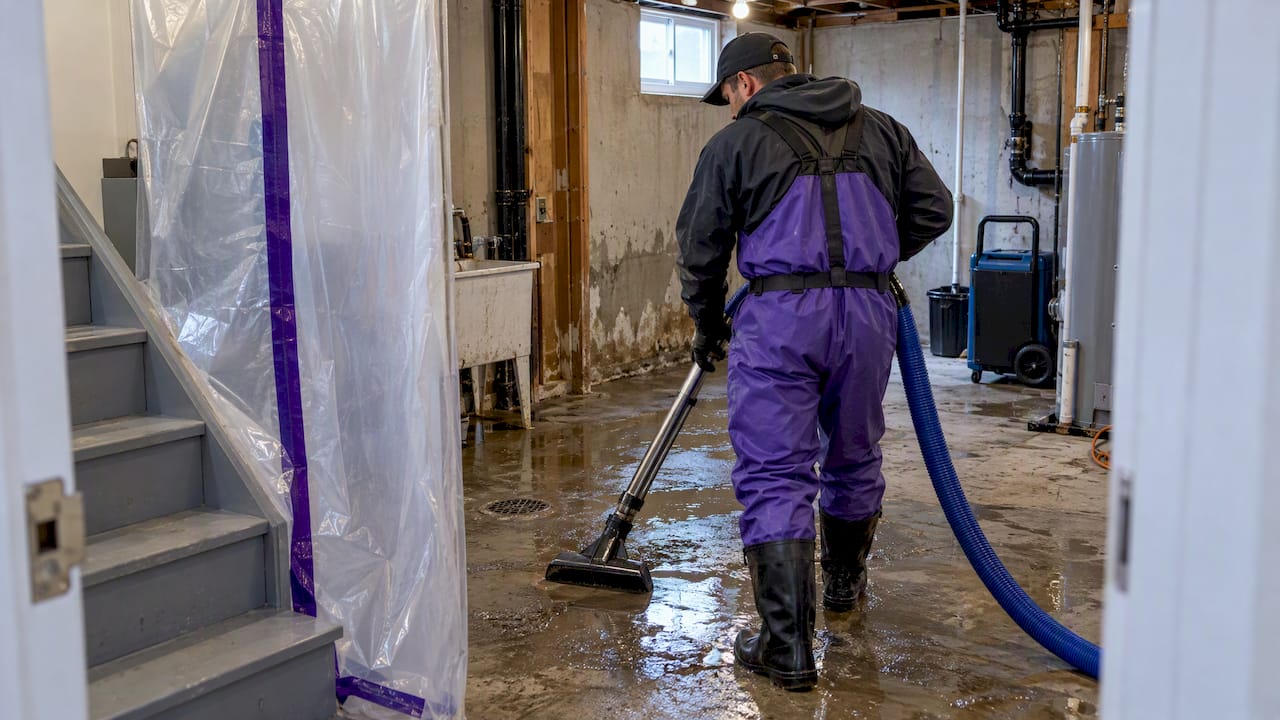

Category 3 (black) water is grossly contaminated and can carry disease-causing organisms. The moment you spot sewage backup, floodwater, or standing water from an unknown source, secure the area, keep everyone away from it, and call a licensed restoration company instead of attempting the cleanup yourself. Professional containment, removal, and disinfection are what make a space safe to reenter.
TL;DR:
- Contamination in water often comes from sewage backups, floodwater, or runoff, and the source’s contact with waste or chemicals determines if it is Category 3.
- Professionals perform initial site assessments to confirm Category 3 status; weather-related water does not automatically qualify without evidence.
- Contaminated materials like mattresses, upholstery, and drywall typically must be discarded, while nonporous surfaces can be cleaned and disinfected in place.
- Proper protective gear and documentation are critical during initial response and cleanup to ensure safety and support insurance claims.
- Regular maintenance of sewer lines, sump pumps, and drainage systems reduces the risk of future Category 3 water incidents.
Table of Contents
- Key takeaways and quick checklist
- Common sources and real-world examples of Category 3 contamination
- First actions homeowners and property managers must take
- What to expect from a professional Category 3 cleanup
- Personal protective equipment, worker safety, and health risks
- What can be cleaned and what must be replaced
- How to document damage and work with insurers
- How to reduce the risk of Category 3 incidents
- A note on what we’ve seen in the field
- Getting help with Category 3 water damage
- FAQ
- Sources
Key takeaways and quick checklist
Before you do anything else, run through this short list. It covers the first few minutes after you discover contaminated water and sets up everything that follows.
- Keep people, children, and pets out of the affected area entirely.
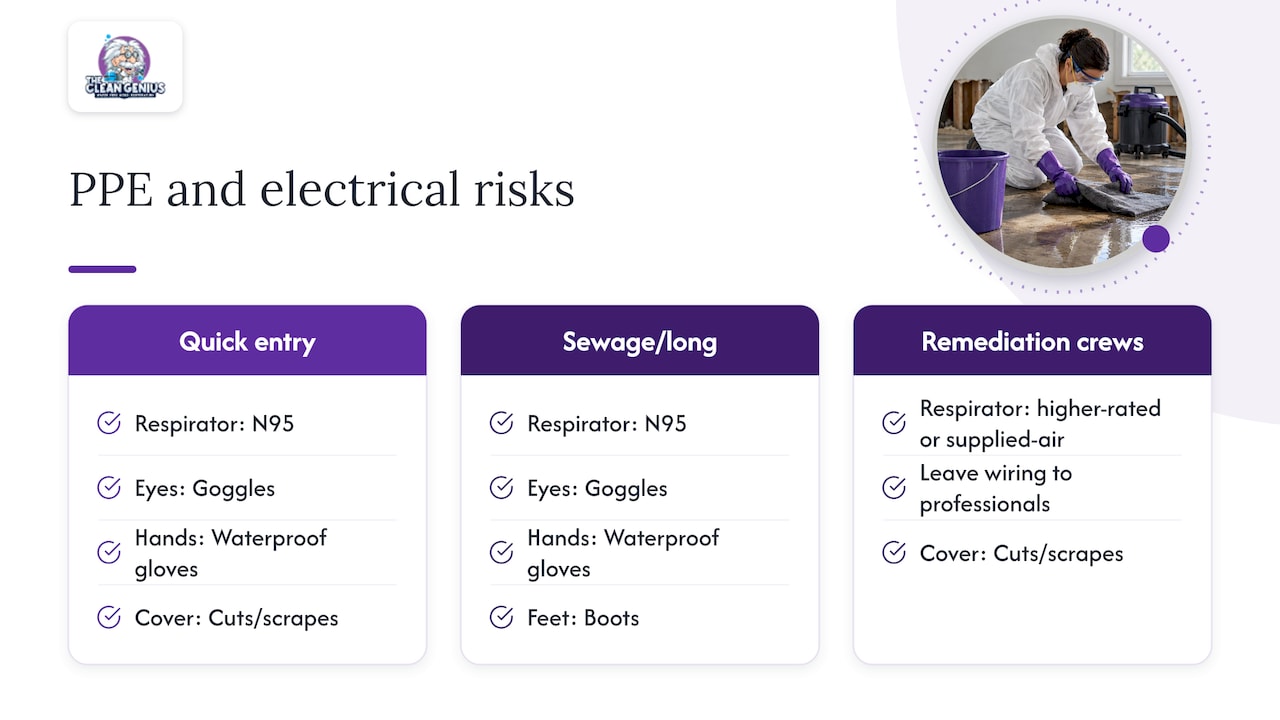
- Put on an N95 respirator, goggles, and waterproof gloves if you must step in briefly.
- Photograph and video the damage before moving or discarding anything.
- Call emergency services for active sewage hazards, then contact a licensed restoration company right away.
Common sources and real-world examples of Category 3 contamination
Sewer and septic backups are the most frequent cause, often pushing waste back through drains and toilets once a line clogs or a system fails. Surface flooding and storm surge rank close behind, since rising water tends to pick up sewage, agricultural runoff, and chemical residue as it moves across yards and streets. Seawater intrusion and river overflow behave the same way once they reach a property, and even water that started clean can turn into Category 3 if it sits stagnant long enough to mix with soil, waste, or chemical contaminants. The source matters less than what the water has touched on its way to your home.
First actions homeowners and property managers must take
The first few hours shape both your health risk and your insurance claim. Follow these steps in order.
- Evacuate or isolate the contaminated area and keep everyone, including pets, away from standing water.
- Put on minimum protective gear before any brief entry: an N95 respirator, goggles, and waterproof gloves, adding boots and a protective suit for sewage or prolonged exposure, as CDC floodwater guidance recommends.
- If you can do so without stepping into contaminated water, shut off electricity and gas at the source.
- Stop the water source only if it’s safe, such as closing a main shutoff valve from dry ground.
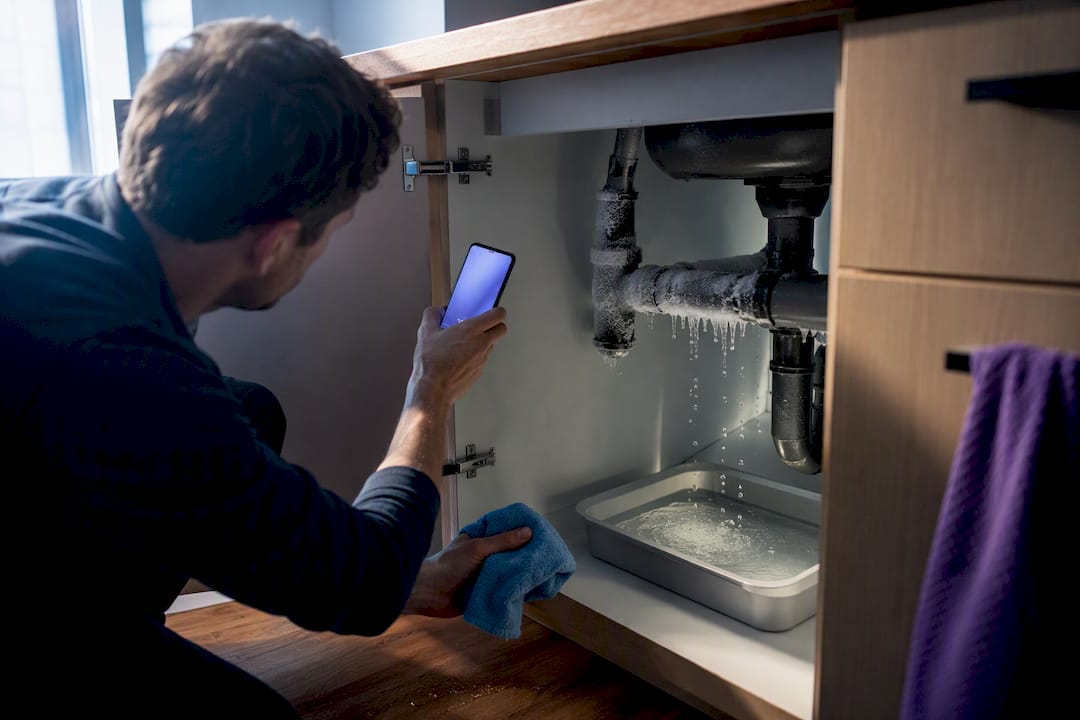
- Photograph and video the site, including water levels, structural damage, and affected belongings, before anything is moved or thrown out, and log the date and time of each image.
- Call emergency services for active sewage overflows or serious hazards, then bring in a licensed restoration contractor, keeping every receipt tied to emergency repairs or temporary housing.
Pro Tip: Shoot a slow walkthrough video narrating what happened before you touch anything. It captures far more evidence than a handful of photos and saves time later with your adjuster.
Floodwater often carries a mix of microbial and chemical contaminants, so treat any standing water as contaminated until a professional or public health authority says otherwise.
What to expect from a professional Category 3 cleanup
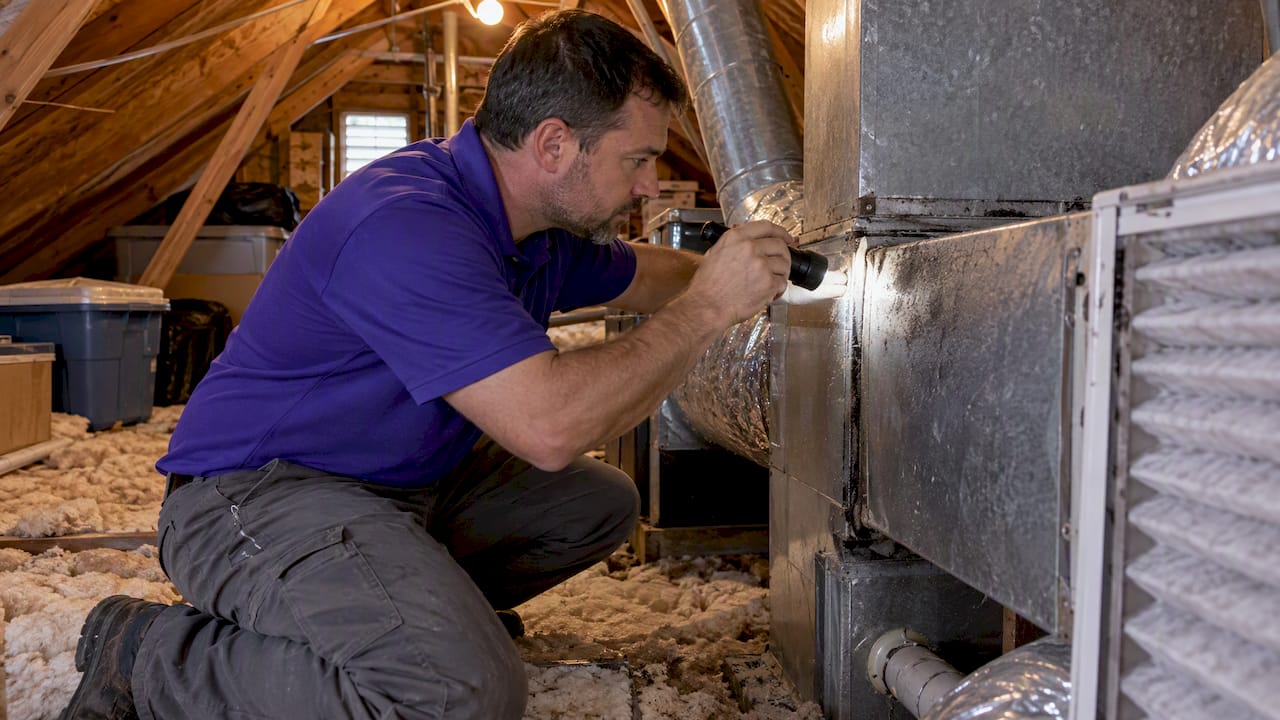
A licensed crew starts with an on-site inspection rather than assuming the worst. Under the IICRC S500 position, weather-related water doesn’t automatically default to Category 3: restorers perform a preliminary, site-specific determination based on what they actually find, then scope the job around that evidence.
Once the category is confirmed, the workflow generally runs through these phases.
- Containment: Technicians isolate the affected zone and use negative air pressure with HEPA filtration to stop contaminated air or dust from reaching the rest of the home.
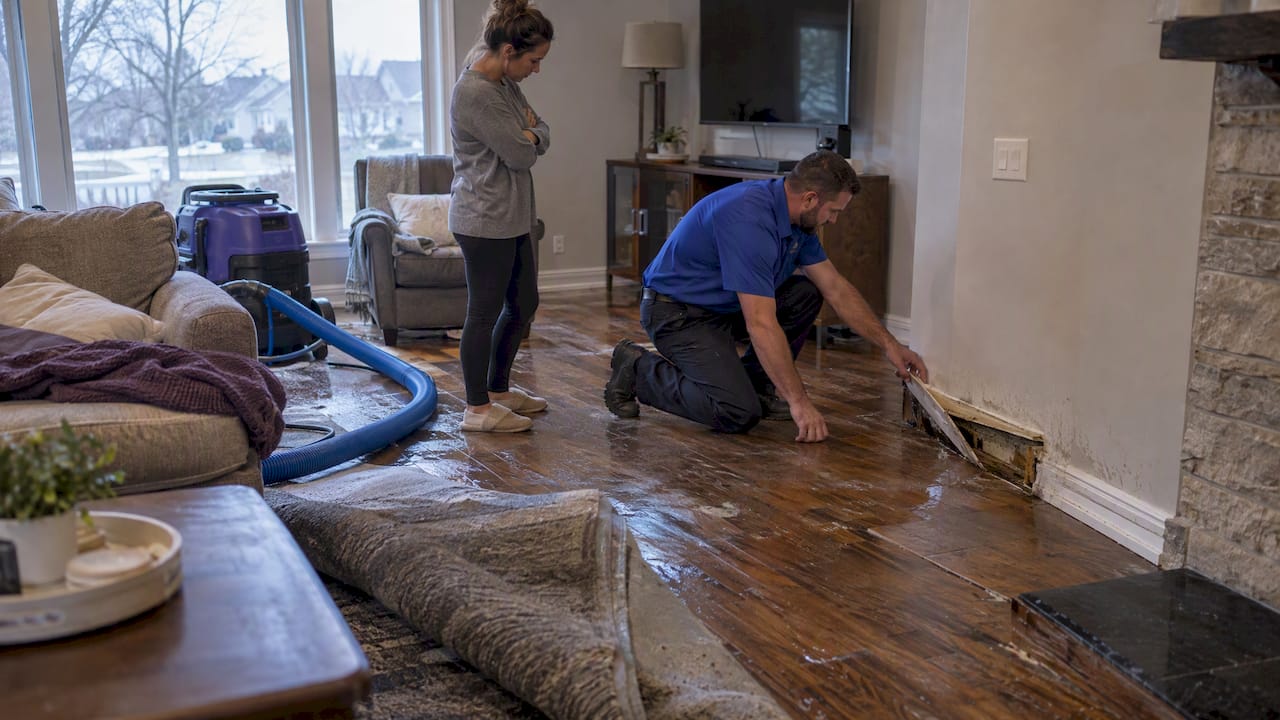
- Gross contamination removal: Crews pump out standing water and manually remove solid waste and debris before any drying equipment goes in.
- Extraction and cleaning: Remaining water is extracted, then surfaces get a detergent cleaning pass to strip organic material ahead of disinfection.
- Disinfection: An appropriate disinfectant is applied with the correct contact time, since skipping that wait undermines the entire step.
- Drying and monitoring: Dehumidifiers and air movers run against a documented drying plan, with moisture readings tracked until the space meets clearance criteria.
For high-risk contamination or occupants with health vulnerabilities, an independent environmental professional may get involved, and most reputable contractors deliver a written scope of work along with documentation once the job clears. That paperwork becomes useful again later when you’re finalizing an insurance claim.
Personal protective equipment, worker safety, and health risks
Brief homeowner entry calls for an N95 respirator, goggles, and waterproof gloves at minimum, with boots and a full protective suit added for sewage contact or longer exposure, matching CDC guidance on floodwater safety. Cover any cut or scrape before entry, and if contaminated water reaches an open wound, wash it with soap and clean water and watch for signs of infection. Never operate electrical systems while standing in water, and leave breaker panels and wiring to professionals once contamination is confirmed. Remediation crews handling heavier contamination sometimes step up to higher-rated respirators or supplied-air protection, well beyond what a homeowner needs for a quick look.
What can be cleaned and what must be replaced
Porous materials rarely survive Category 3 exposure. Mattresses, soft upholstery, and carpet padding typically need to be discarded outright, since there’s no reliable way to disinfect deep inside those fibers. Carpet itself often has to come out and go to an off-site facility for cleaning, while the padding underneath almost always gets replaced rather than salvaged.
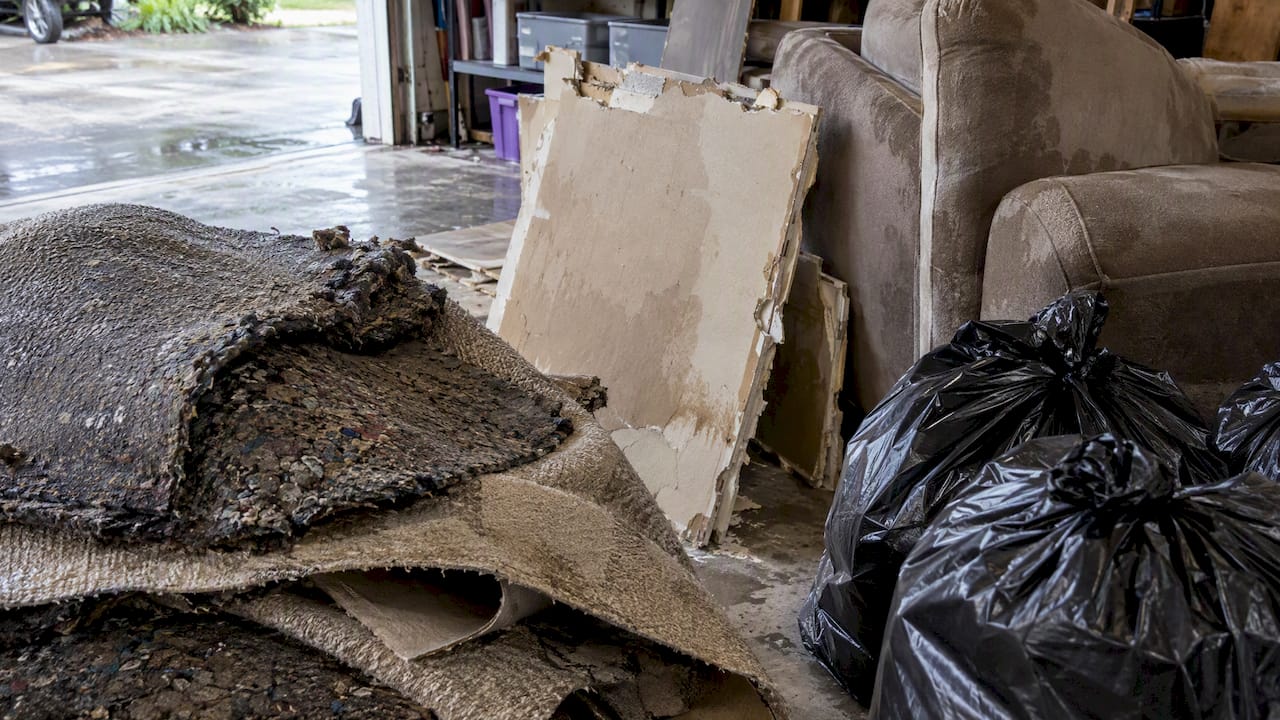
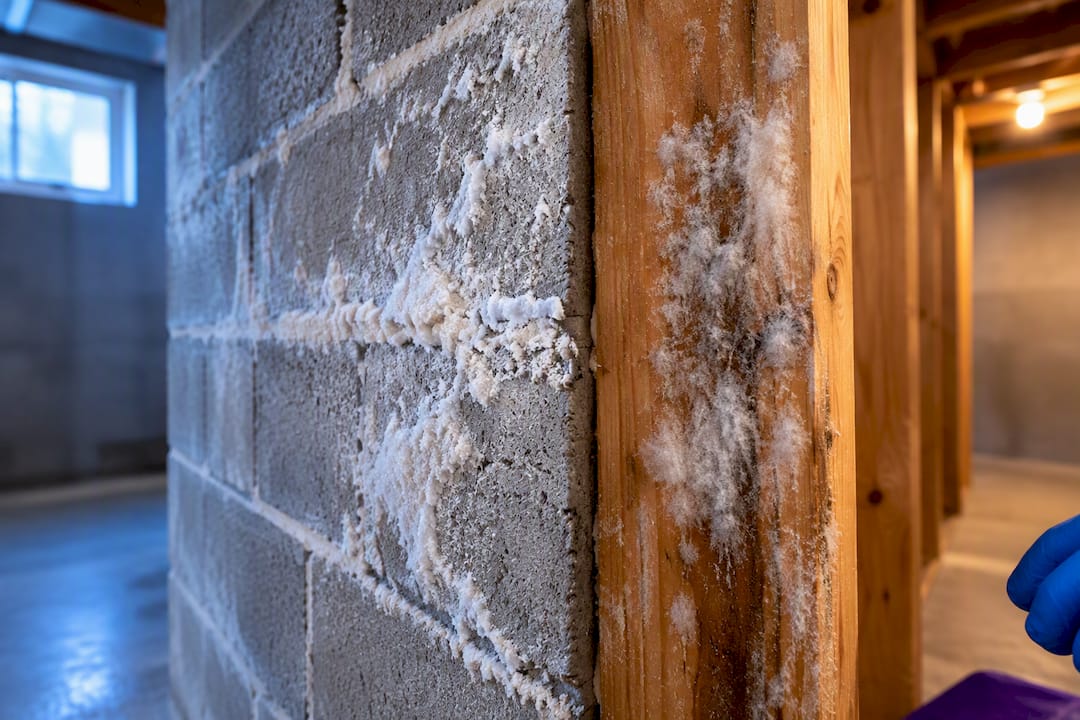
Drywall and insulation follow a similar rule: remove any section that was saturated or stayed wet longer than 24 to 48 hours, since that’s roughly the window before mold takes hold. Nonporous surfaces like tile and sealed wood are a different story. These can usually be cleaned and disinfected in place, as long as you document each step for your records. For valuables, art, or sentimental items, a professional contents restoration service is worth a call before you assume something is a total loss.
How to document damage and work with insurers
Photos, video, and written notes about when and how the water entered your home form the backbone of a strong claim, and FEMA’s claims guidance stresses capturing this evidence before anything gets moved or discarded. Hold onto every receipt tied to emergency repairs, contractor estimates, and any email or call log with your insurer.
Mold exclusions catch a lot of homeowners off guard, and many policies expect you to act within that same 24 to 48 hour window to limit mold growth and document what you did to mitigate it. Before signing a long-term repair contract, check whether your insurer requires pre-approval, and ask your contractor for a written scope of work. For a closer look at building this evidence trail, see our guide to documenting water damage for insurance claims. Readers dealing with storm-driven damage may also find this guide to documenting weather-related home damage useful for capturing exterior evidence quickly.
How to reduce the risk of Category 3 incidents
A little maintenance goes a long way toward keeping black water out of your home in the first place. Schedule regular sewer and septic inspections, and ask about backflow prevention devices if your home has backed up before. Keep sump pumps in working order with battery backups in place, and clear gutters and grading so water moves away from the foundation instead of pooling against it. Build a simple emergency contact list with your insurer and a trusted restoration contractor, and keep a digital inventory of valuables. If you store valuables in an in-floor safe, it’s worth reviewing waterproofing options before the next storm season.
A note on what we’ve seen in the field
Category 3 events feel chaotic, but the response doesn’t have to be. Our certified crews at The Clean Genius have handled sewage backups and flood losses across Chicagoland for over 25 years of combined experience, backed by more than 400 five-star reviews. Restoration services are available 24/7, often coordinating directly with insurance to support the claims process.
— Jim
Getting help with Category 3 water damage
When sewage or floodwater has gotten into your home, the safest move is a fast, professional response rather than a DIY attempt. Professional teams handle emergency water extraction, sewage backup cleanup, contents restoration, and mold remediation, often working directly with insurance companies throughout the process.
- Emergency response may be available around the clock for active Category 3 events.
- Technicians trained in containment, extraction, and disinfection procedures.
- Insurance coordination is often provided to help with claims.
If you’re facing a Category 3 situation right now, request an inspection through our water damage restoration page and we’ll get a crew assessing the damage quickly.
This article is general information, not a substitute for advice from a qualified doctor. Consult a qualified healthcare professional about your own circumstances before acting on anything here.
FAQ
What is considered Category 3 water?
Category 3 water is grossly contaminated water that can contain disease-causing agents, such as sewage, rising floodwater, or water that has contacted soil or chemical contaminants. It poses the highest health risk of the three water categories and requires professional cleanup rather than DIY handling.
What is Category 1, 2, and 3 water?
Category 1 is clean water from a source like a broken supply line, Category 2 is “gray water” with some contamination such as washing machine overflow, and Category 3 is grossly contaminated “black water” like sewage backups or floodwater. Classification isn’t automatic based on source alone: the IICRC S500 position notes that a site-specific inspection determines the actual category.
What is IICRC Category 3 water?
Under IICRC standards, Category 3 water is grossly contaminated water capable of causing illness through contact or exposure, including sewage and water carrying significant microbial or chemical contaminants. A restorer determines the category through an on-site, preliminary assessment rather than assuming it from the water’s source alone, per the 2026 S500 Consensus Body position.
What not to say to an insurance adjuster about water damage?
Avoid guessing at a cause or timeline you’re unsure of, and don’t downplay or exaggerate the extent of the damage. Stick to documented facts, supported by your photos, videos, and notes, since FEMA’s claims guidance emphasizes clear documentation rather than speculation when filing a claim.
Sources
The guidance above draws on federal health and environmental agencies along with industry standards for water damage classification. These sources cover floodwater safety, mold prevention timelines, contamination risks, and restoration category determination.
- Floodwater: After a disaster or emergency | CDC
- ANSI/IICRC S500 Consensus Body position on category of water damage and weather-related events (2026)