
Water is moving through your home right now, and every minute you wait costs you more. The emergency water damage response steps you take in the first two hours will determine whether you’re dealing with a quick cleanup or a six-month restoration project. Most homeowners lose the battle against water damage not because the flood was severe, but because they froze, guessed wrong, or waited for someone else to act. This guide gives you a clear, safety-first sequence to protect your home, your family, and your wallet from the moment water appears.
Table of Contents
- Key takeaways
- Emergency water damage response steps: before you touch anything
- How to stop the water source and start mitigation
- Documenting damage and contacting the right people
- What professional drying and restoration actually looks like
- My take on what actually goes wrong during water emergencies
- Thecleangenius is ready when you need us most
- FAQ
Key takeaways
| Point | Details |
|---|---|
| Act within two hours | The first few hours are the critical window to stop water and prevent major damage expansion. |
| Electrical safety comes first | Never step into standing water until you confirm the power is off or an electrician gives the all-clear. |
| Document everything early | Photograph and video all damage before touching anything to protect your insurance claim. |
| Call professionals fast | Delaying professional removal beyond 24 hours significantly increases repair costs and complication. |
| Know your water type | Black water from sewage requires professional remediation only. Never attempt to clean it yourself. |
Emergency water damage response steps: before you touch anything
The number one mistake homeowners make is rushing into a flooded room without stopping to assess the risks. Water and electricity are a deadly combination, and the seconds you spend thinking before moving could save your life.
Electrical safety is non-negotiable
Electrical hazards can persist long after a flood even when surfaces look dry and normal. If you can safely reach your main breaker without stepping through standing water, shut it off immediately. If the breaker box is wet or surrounded by water, do not touch it. Call your utility company or a licensed electrician to cut power before anyone enters the space.
Do not access flooded electrical panels under any circumstances. Wait for a professional confirmation before restoring power.
When to stay and when to leave
If the flooding is from a clean water source like a burst supply pipe and the electrical risk is eliminated, you can typically stay and begin mitigation. If you smell sewage, see dark or murky water, or suspect structural damage to floors or walls, get everyone out and call professionals. Your family’s safety outweighs any property concern.
Here’s what to have ready before you do anything else:
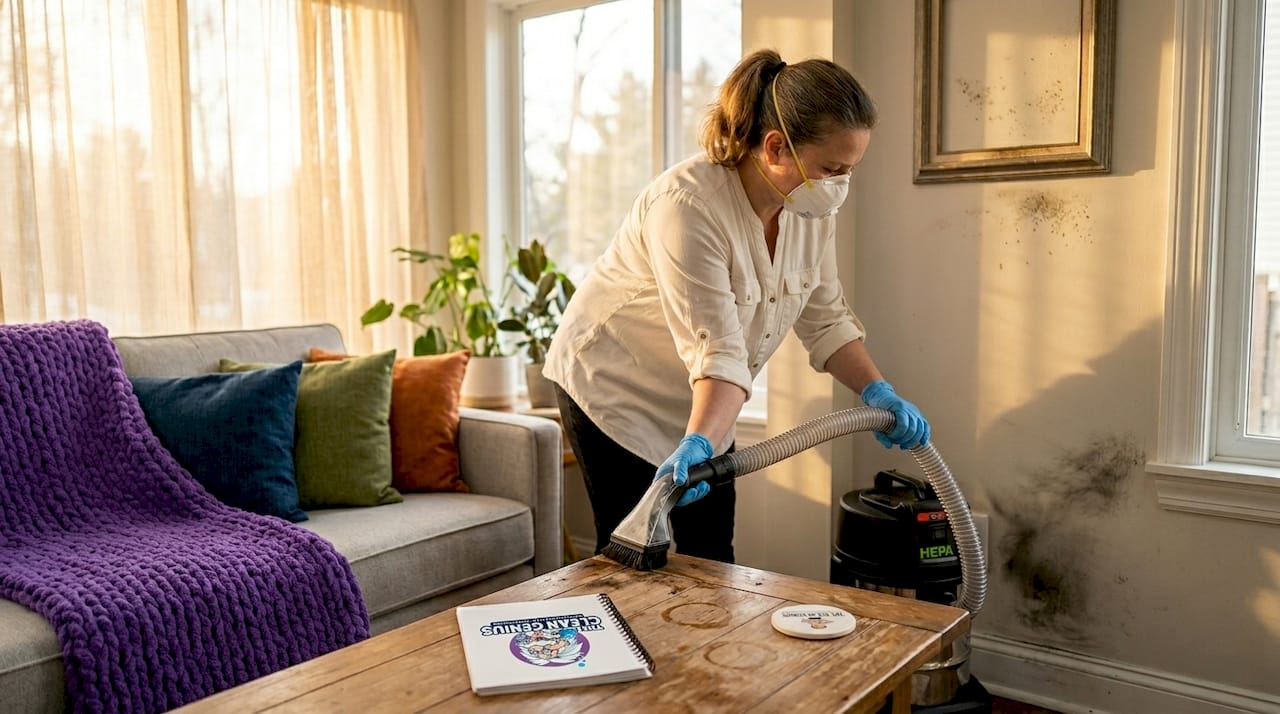
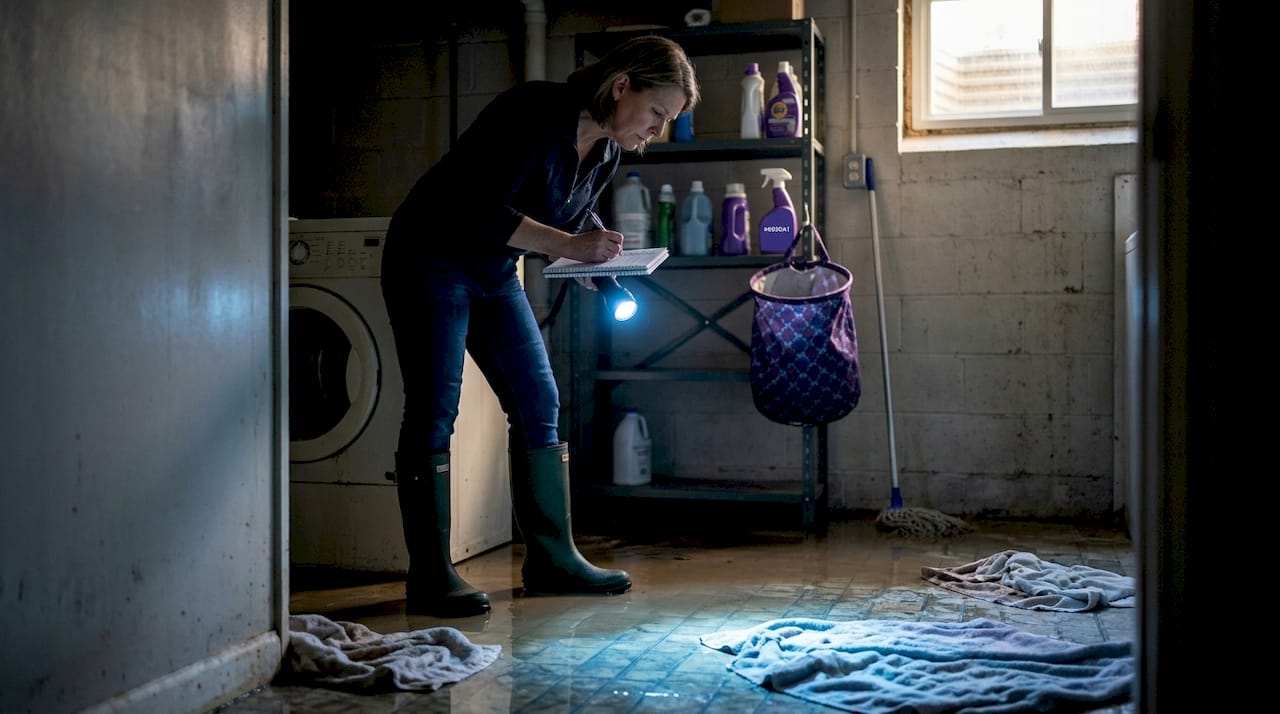
- Rubber-soled waterproof boots and rubber gloves
- N95 mask or respirator if water source is unknown
- Flashlight or headlamp for low-light areas
- Wet/dry vacuum if you own one
- Buckets, old towels, and heavy-duty trash bags
Pro Tip: Shut off your HVAC system immediately. Running your HVAC during a water event spreads moisture and contaminants through every room in your home, turning a single-room problem into a whole-house problem.
Know your water contamination category
Not all flood water is the same, and the category determines what you can safely do yourself.
Clean water (Category 1): Comes from supply lines, rain, or clean appliances. Safest for DIY initial response. Gray water (Category 2): Comes from dishwashers, washing machines, or sump pump failures. Contains some contaminants. Limit exposure. Black water (Category 3): Comes from sewage backups, river flooding, or stormwater. Contaminated flood water requires professional remediation only. Do not attempt cleanup without expert help.
How to stop the water source and start mitigation
Once you’ve confirmed it’s safe to enter, your next goal is simple. Stop the water. Every additional gallon that enters your home is more damage to address.
- Find your main water shut-off valve. It’s typically located near the water meter, in the basement, or in a utility closet. Turn it clockwise to close it completely. If the damage is from a single appliance like a dishwasher or washing machine, shut off the supply valve directly behind the unit instead.
- Identify the source if it’s not a pipe. Roof leaks require moving items below and placing buckets to catch water until a roofer can respond. HVAC condensate line overflows need the system powered down and the drain line cleared.
- Remove standing water you can handle safely. For small amounts of clean water, use a wet/dry vacuum, old towels, or a mop and bucket. Work from the outer edges inward to avoid spreading contamination. Dump water outside and away from your foundation.
- Move your belongings. Relocate dry items to rooms unaffected by the water. Furniture left sitting in water will absorb moisture and become a secondary damage source. Lift furniture legs with aluminum foil squares or small wooden blocks to reduce contact with wet floors.
- Open interior doors and windows if outdoor humidity allows. Air movement helps. If outdoor humidity is high or it’s raining, keep windows closed and rely on fans.
- Avoid using household fans on black water. Blowing air over contaminated water spreads pathogens. Call professionals immediately for Category 3 events.
Pro Tip: If you can’t find your main shut-off valve right now, locate it before an emergency happens. Walk your basement or utility area this week, find it, and make sure every adult in the household knows where it is.
For anything beyond minor standing water or clean-water scenarios, skip the DIY stage entirely. The savings are not worth the risk when you’re dealing with emergency water extraction beyond what a shop vac can handle.
Documenting damage and contacting the right people
This step is where homeowners often leave thousands of dollars on the table. Proper documentation protects your insurance claim and speeds up the entire water damage restoration process.
Before you move a single item or dry a single surface, grab your phone and do this:
- Walk through every affected room and record a continuous video, narrating what you see
- Take close-up photographs of visible water lines on walls, soaked flooring, damaged furniture, and any structural issues
- Photograph your water shut-off valve and any appliances or pipes involved as the source
- Take photos of serial numbers and model numbers on damaged appliances
- Keep a written log with the time you discovered the damage, what steps you took, and when you took them
Insurance adjusters require documentation of damage extent and the actions you took. Without it, claims get delayed or reduced.
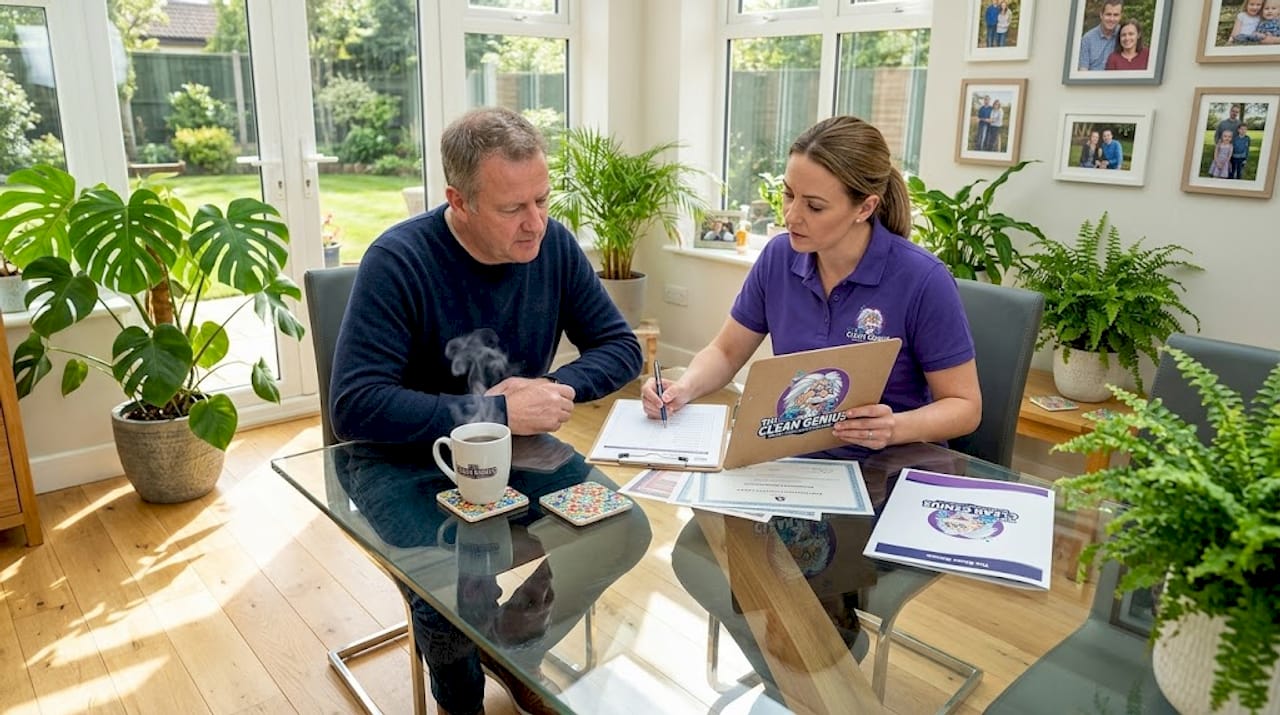
After documenting, call your insurance company to file a claim and report the event. Give them your documentation log, explain what caused the water intrusion, and ask specifically about emergency water removal coverage. Many homeowner policies cover mitigation costs separately from the main claim.
Pro Tip: Call a certified water restoration company before your insurance adjuster arrives. Professionals can assess the true scope of damage, including moisture inside walls and under flooring that isn’t visible in photos. That professional report strengthens your claim considerably.
Calling professional restoration within 4 hours dramatically reduces the final damage scope and total repair cost. The faster the call, the better the outcome.
What professional drying and restoration actually looks like
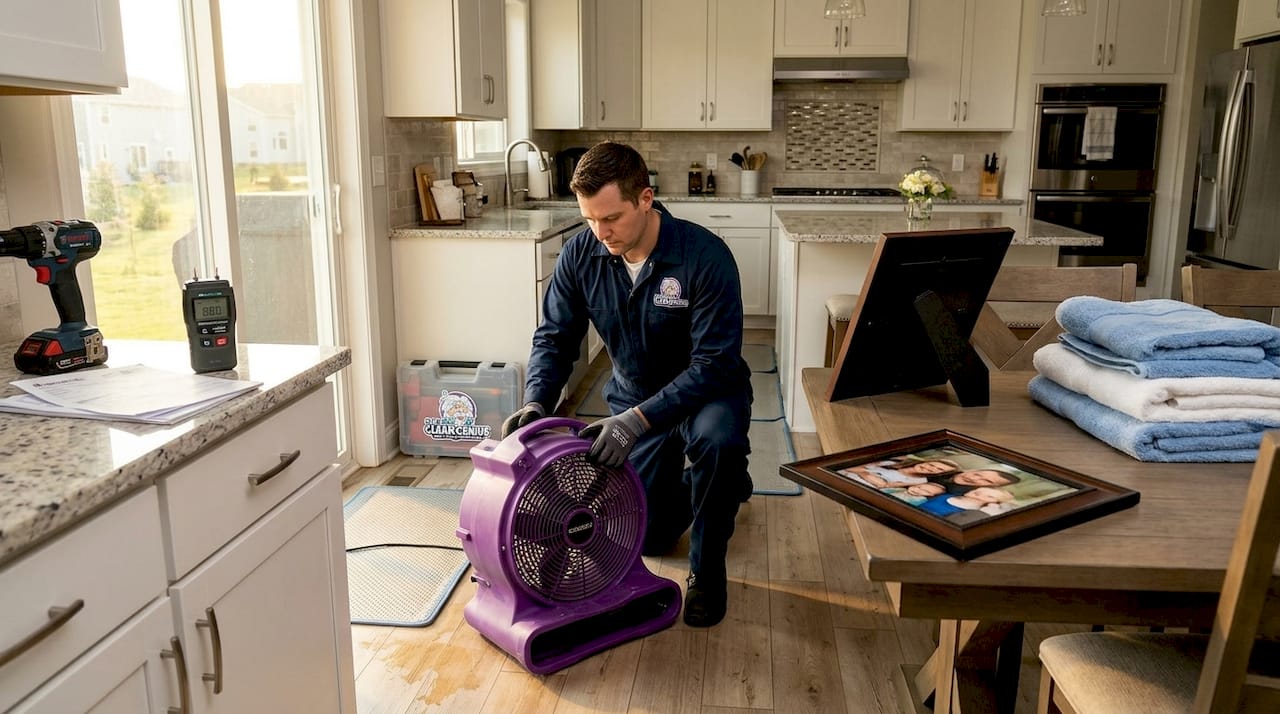
Most homeowners expect professionals to show up, mop the floor, and call it done. The actual water damage restoration process is far more involved, and understanding it helps you cooperate with your restoration team and set realistic expectations.
| Stage | What happens | Why it matters |
|---|---|---|
| Extraction | Industrial truck-mount vacuums remove all standing water | Surface water removal is faster and more thorough than any DIY method |
| Moisture mapping | Thermal imaging and moisture meters locate water inside walls and subfloors | Hidden moisture causes structural damage and mold if missed |
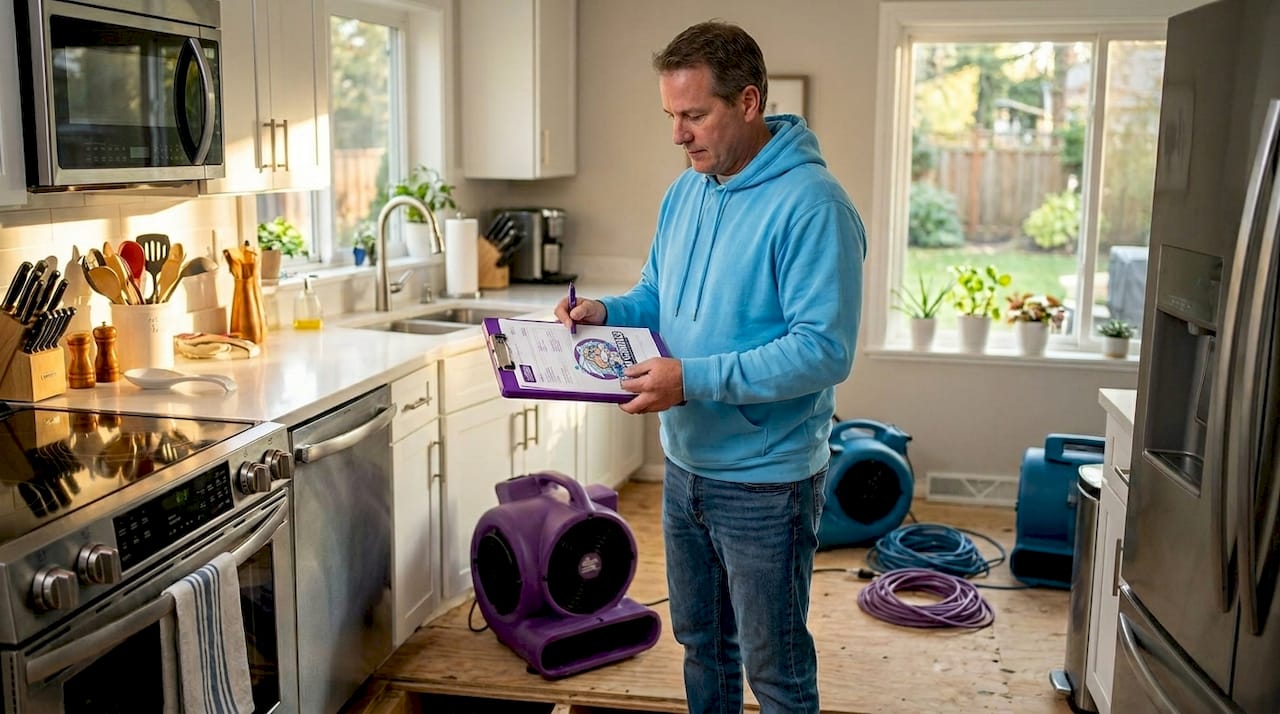
| Structural drying | High-powered air movers and commercial dehumidifiers run continuously | Certified professionals verify that all materials reach safe moisture levels |
| Material evaluation | Technicians assess what can be saved vs. replaced | Saturated drywall and carpet often cannot be effectively dried in place |
| Mold prevention | Antifungal treatments applied to affected surfaces | Mold grows rapidly without humidity control; treatment in first 24 hours is critical |
On the subject of what gets replaced: flooring takes the hardest hit. Carpet, in particular, holds moisture in the padding beneath it long after the surface feels dry, and that trapped moisture becomes a mold factory within 24 to 48 hours. Understanding why carpet must be replaced after flooding saves homeowners from the mistake of assuming a dry-feeling floor is a safe one.
Professional restoration teams use humidity targets to drive decisions, not guesswork. The goal is to get affected materials below 16% moisture content and ambient humidity below 50% before any reconstruction begins.
Using fans, dehumidifiers, and open windows immediately after water removal buys time, but this is a supplement to professional equipment, not a substitute. Consumer-grade dehumidifiers process a fraction of the air volume that commercial units do.
The transition from emergency response to full recovery typically takes three to five days of active drying, followed by reconstruction if structural materials were damaged. Your restoration company will monitor moisture levels daily and tell you when the structure is certified dry.
My take on what actually goes wrong during water emergencies
I’ve seen hundreds of water damage events across Chicagoland, and I’ll tell you plainly what separates the homeowners who walk away with minimal damage from those who end up with a gut-renovation job.
The biggest mistake I see is hesitation paired with overconfidence. Homeowners spend the first hour debating whether the damage is “bad enough” to call someone, while water is wicking into wall framing and soaking the subfloor. Water damage is a time problem above everything else. The first hours set the final cost.
The second mistake is skipping electrical safety because the water “doesn’t look deep.” Depth has nothing to do with it. A thin film of water connecting a live circuit to a metal surface is enough to kill someone. I have never once seen a homeowner regret being cautious about electricity. I have seen people regret skipping that step.
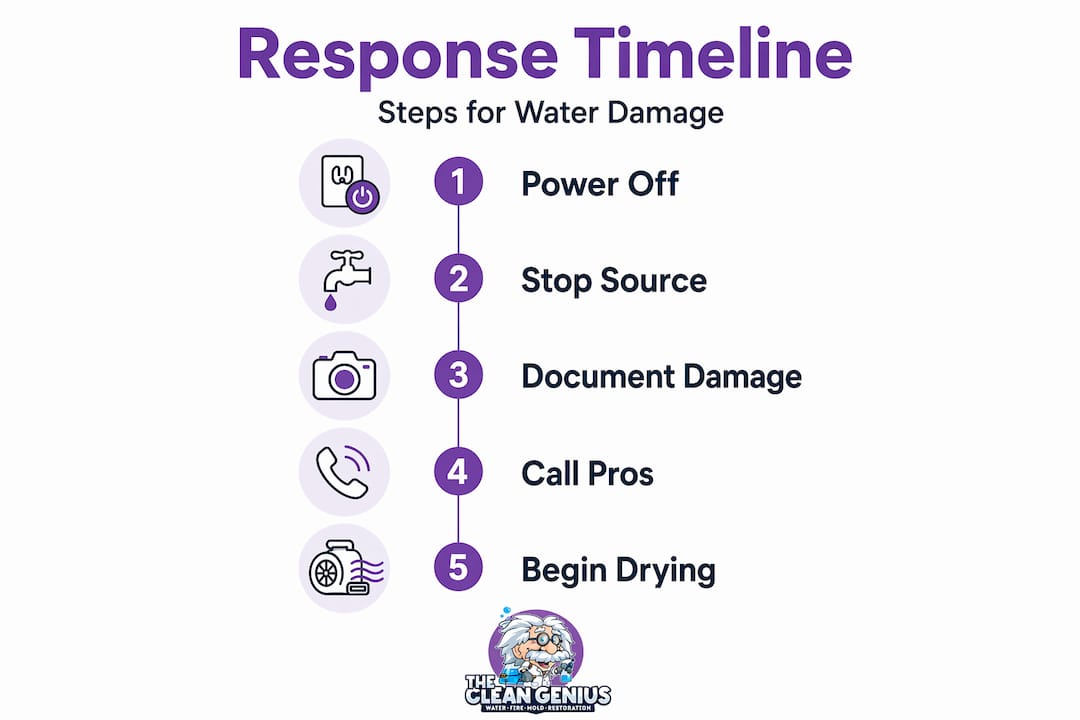
Here’s what I’ve found genuinely works: homeowners who do three things get the best outcomes. They shut off power and water fast. They document before they touch anything. And they call a certified restoration company within the first couple of hours instead of waiting to see if things dry out on their own.
What doesn’t work is the “let’s see if it dries” approach. It doesn’t dry. Not in your walls. Not under your floors. The moisture hides, the mold starts, and by the time you smell it three weeks later, the remediation cost has tripled.
Prioritize safety over speed, but move with urgency once you know it’s safe to act.
— Jim
Thecleangenius is ready when you need us most
When water is moving through your home, you don’t need to figure it out alone. Thecleangenius has served Chicagoland homeowners for over 25 years, with more than 400 five-star reviews and certified teams available every single hour of every day.

Whether you’re dealing with a burst pipe in Naperville, a sewage backup in Schaumburg, or unexpected flooding in Arlington Heights, our team responds fast to stop the damage before it compounds. We handle the full water damage restoration process from emergency extraction and structural drying to mold prevention and insurance coordination. You make one call and we take it from there. We work directly with your insurance company, so you’re not left managing two stressful conversations at once.
If mold is already a concern after previous water intrusion, our mold removal services use advanced Pure Cloud dry-fog technology to eliminate it safely and completely.
Call Thecleangenius 24/7. The sooner we arrive, the more we can save.
FAQ
What are the first steps after discovering water damage?
Shut off electricity at the main breaker if safe, then locate and close the main water valve to stop the source. Document all damage with photos and video before moving anything, then call a certified restoration company.
How quickly does water damage need to be addressed?
The critical window is within two hours of discovering damage. Waiting beyond 24 hours significantly increases repair costs and the risk of mold growth.
What is the difference between gray water and black water damage?
Gray water comes from appliances like washing machines and contains minor contaminants. Black water comes from sewage or floodwater and requires professional remediation only since it poses serious health risks.
Can I use a regular fan to dry water damage?
Consumer fans help with air movement but are not a substitute for commercial drying equipment. Fans and dehumidifiers provide temporary relief while you wait for professionals, who use industrial-grade equipment to reach safe moisture levels inside walls and floors.
Does homeowner’s insurance cover emergency water damage?
Most standard homeowner’s policies cover sudden and accidental water damage like burst pipes, and many include coverage for emergency mitigation costs. Flood damage from storms typically requires separate flood insurance. Contact your insurer immediately and document all damage before making repairs.