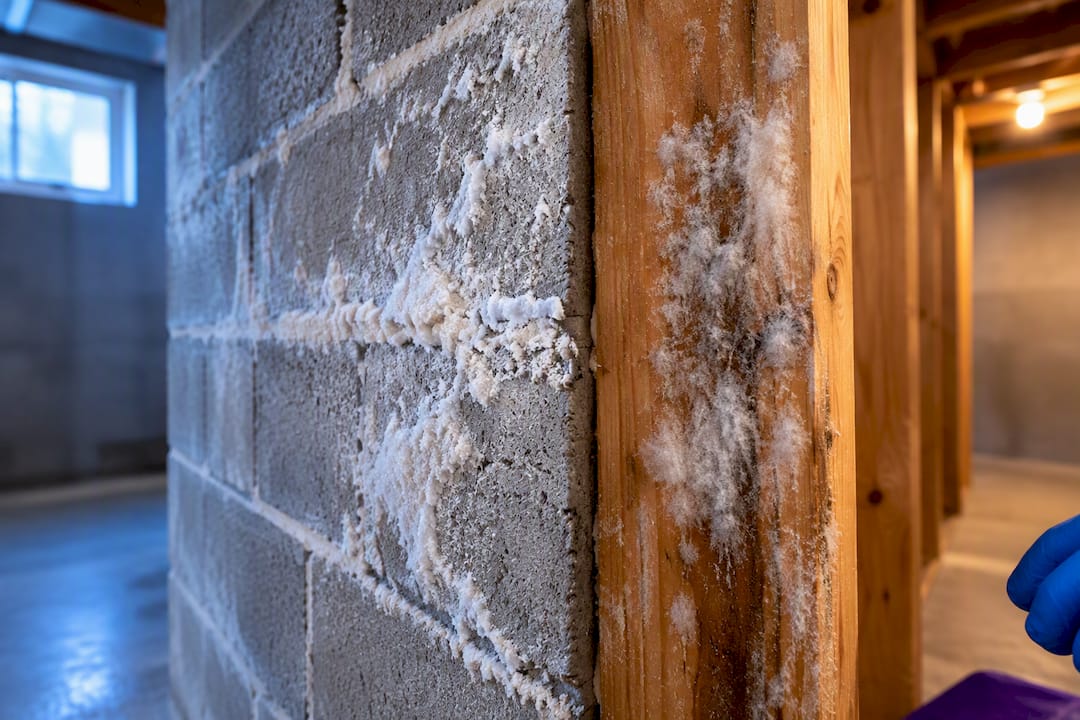

If the white residue powders or dissolves with water, you’re looking at efflorescence. If it stays fuzzy, thickens over time, or smells musty, treat it as mold. Stop dry brushing it right away, open a window if you can, and put on an N95 mask before you get close. If anyone in the house has been sneezing or wheezing near the spot, skip the DIY test and call a professional.
TL;DR:
- Efflorescence dissolves or smears with water and powders off easily, while mold remains fuzzy, may have color variation, and smells musty.
- Mold growth typically occurs on organic surfaces with moisture, such as drywall or wood, whereas efflorescence appears on porous masonry and is salt deposits.
- DIY tests, including wet-finger, scratch, smell, and growth pattern checks, can help distinguish mold from efflorescence; larger or persistent patches require professional assessment.
- Efflorescence indicates water intrusion and can be managed by cleaning and fixing water sources, while mold poses health risks and needs containment and thorough removal.
- Homeowners should address underlying issues like poor drainage, leaks, or high humidity to prevent recurrence, and call professionals for areas larger than 10 square feet or hidden growth.
Table of Contents
- What white mold and efflorescence actually are
- Practical tests you can do at home
- Where each one typically shows up
- Why mold is the more urgent health concern
- How to remove each one safely
- Preventing white mold and efflorescence for good
- When to call a professional remediator
- What we see on the job that homeowners miss
- Getting professional help from The Clean Genius
- Where to go for official guidance
- Sources
- FAQ
What white mold and efflorescence actually are
Mold is a living fungus. It needs moisture and something organic to feed on, whether that’s wood, drywall paper, dust, or fabric, and it spreads by releasing spores into the air. Efflorescence is not alive at all. It’s a mineral deposit, made of salts that were dissolved in water inside masonry and left behind on the surface once the water evaporated.
Both point to the same underlying problem.
- Mold needs a moisture source plus organic material to colonize.
- Efflorescence needs water moving through porous masonry that carries dissolved salts to the surface.
- One is a health hazard that needs containment; the other is a warning sign about water intrusion.
They can even show up on the same wall at the same time, which is part of why people confuse them.
Practical tests you can do at home
You don’t need lab equipment to get a strong read on what you’re dealing with. Try these in order.
- Wet-finger test: touch a damp finger to the residue. Efflorescence typically dissolves or smears into a wet stain; mold generally does not dissolve and may just feel slimy or fuzzy.
- Scratch test: scrape a small section with a fingernail or plastic scraper. Efflorescence powders off easily; mold tends to smear, stain, or leave a fuzzy texture behind.
- Smell check: a musty, earthy odor points to mold. Efflorescence has no smell.
- Growth pattern: efflorescence stays flat and crusty; mold often looks raised, fuzzy, or has color variation (gray, black, or greenish tints mixed into the white).
If the patch is larger than a few square feet, keeps coming back after cleaning, or you’re not confident after these checks, stop and call in a professional rather than keep disturbing it.
Pro Tip: Snap a photo before you test anything. Color and texture changes over a few days can tell you more than a single touch test.
Where each one typically shows up
Efflorescence sticks to porous masonry: basement foundation walls, brick, concrete block, and pavers, especially where groundwater or capillary moisture is wicking up through the material. White mold prefers organic surfaces: damp drywall, exposed wood framing, insulation, fabric, and cardboard. However, it can also grow on masonry if there’s an organic film like dust or soil for it to feed on.
Common trouble spots include:
- Basement window wells that collect and hold rainwater.
- Foundation walls near poor exterior grading that channels water toward the house.
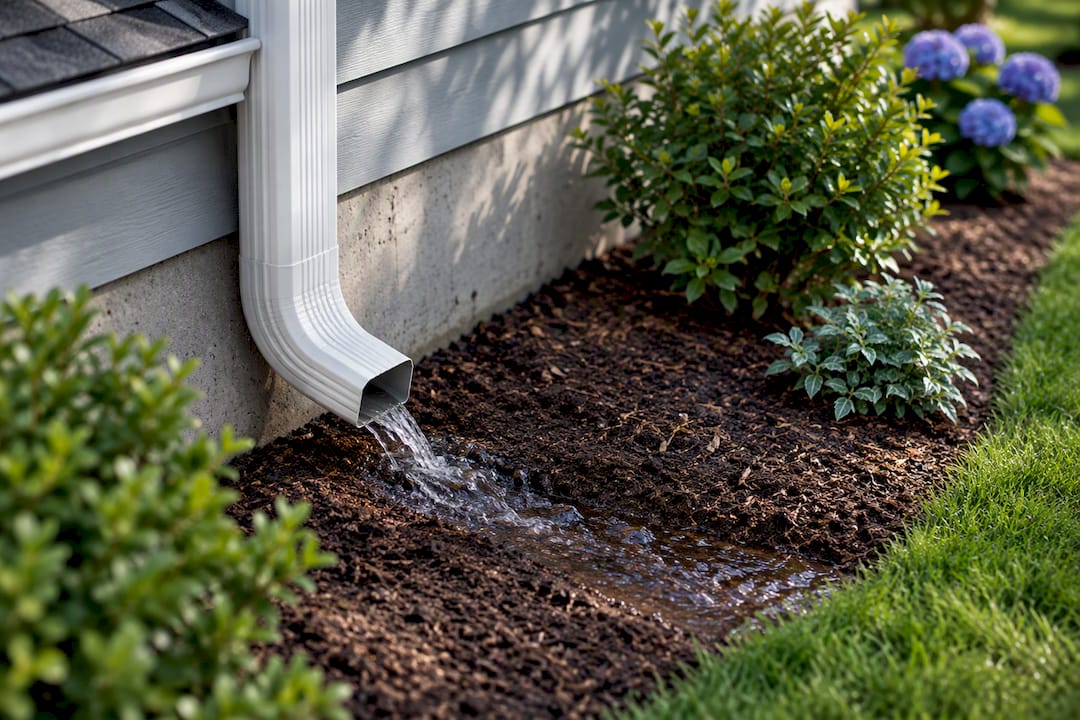
- Areas below failed or clogged gutters and downspouts.
- Spaces near plumbing leaks or chronically high indoor humidity.
Why mold is the more urgent health concern
Efflorescence itself is chemically inert. It’s not a known respiratory irritant or allergen, and touching it isn’t a health risk, though it does mean water is moving through your walls somewhere. Mold is a different story. According to CDC guidance on mold cleanup, exposure can trigger sneezing, a runny nose, red eyes, and skin rash, and it can worsen symptoms for people with asthma or weakened immune systems.
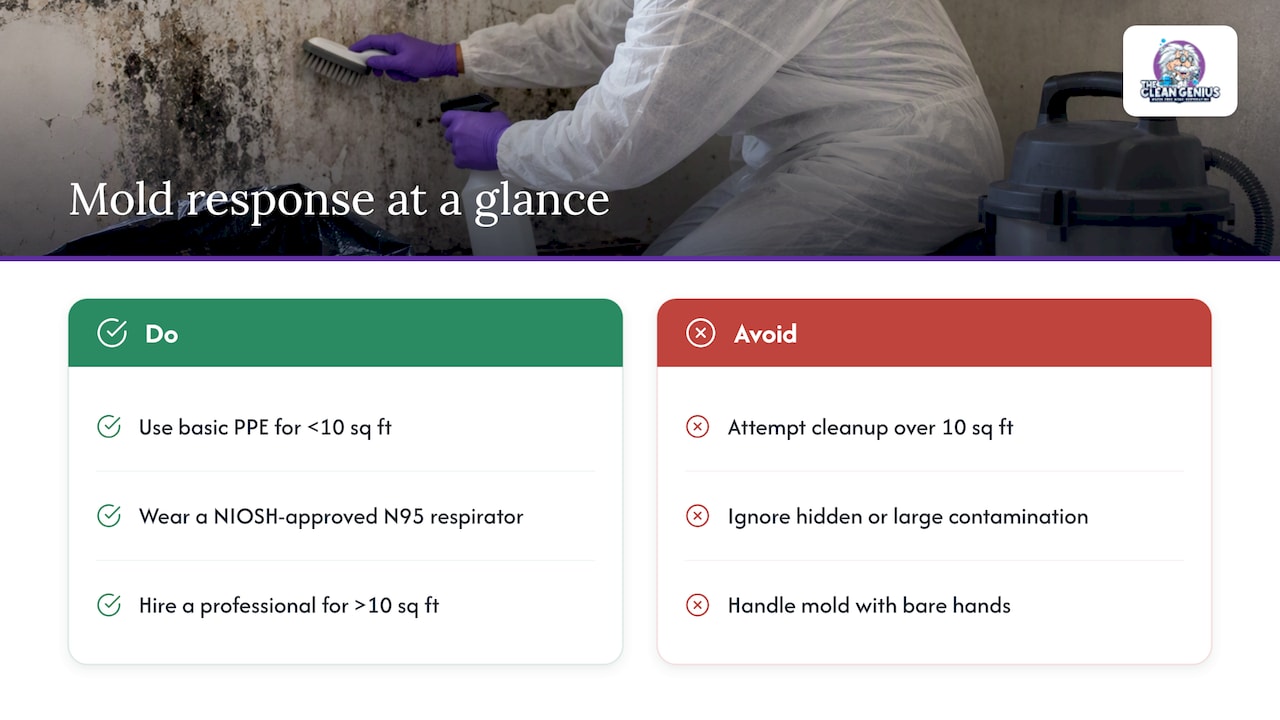
A key threshold to know: the EPA recommends hiring a professional once mold coverage exceeds about 10 square feet, roughly a 3-foot by 3-foot patch. Below that size, cleanup with basic PPE is usually manageable yourself. The CDC also recommends at least a NIOSH-approved N95 respirator for any mold cleanup and avoiding bare-hand contact with the affected material.
How to remove each one safely
The cleanup approach depends entirely on which one you’re dealing with, and DIY has real limits on both.
For efflorescence:
- Dry brush the surface with a stiff-bristle brush to knock off loose salt crystals.
- Rinse with low-pressure water and a masonry-safe cleaner if the deposit persists.
- Fix the moisture source behind it. Cleaning the surface without addressing the water intrusion means it will come back.
For mold on hard, non-porous surfaces like tile, glass, or metal, the EPA’s guidance calls for scrubbing with detergent and water, then drying the area completely. Neither the EPA nor the CDC recommends routine bleach use as a biocide for surface cleanup. Porous materials that have been colonized, like soaked drywall, carpet, or insulation, generally need to be removed and replaced rather than cleaned, since spores can penetrate deep into the material.
Hire a professional when the affected area is larger than 10 square feet, the mold is hidden behind walls or under flooring, or anyone in the home is having symptoms. Our guide to mold removal safety walks through the PPE and containment steps in more detail.
Pro Tip: If you’re removing mold for more than four hours or handling a large-scale job, the CDC recommends a reusable half-face or full-face respirator with wet cleaning methods instead of dry sweeping.
Preventing white mold and efflorescence for good
Cosmetic cleaning buys you time, but it doesn’t fix anything unless you deal with where the water is coming from. Start by diagnosing the actual cause: poor exterior grading, clogged or damaged gutters, missing roof flashing, a failing sump pump, a slow plumbing leak, or just consistently high indoor humidity in a basement.
- Run a dehumidifier in basements and other damp areas while you plan permanent repairs.
- Improve ventilation in bathrooms, laundry rooms, and crawl spaces.
- Regrade soil so it slopes away from the foundation.
- Clean and repair gutters and downspouts so water discharges well away from the house.
- Service or install a sump pump if groundwater is a recurring issue.
Masonry-specific fixes matter too. A masonry contractor’s guide to efflorescence recommends breathable sealers over non-breathable coatings, since trapping moisture inside the wall can make salt buildup worse rather than better.
Pro Tip: Tackle grading and gutter issues first. They’re often weekend-level fixes that stop both efflorescence and mold at the same source.
When to call a professional remediator
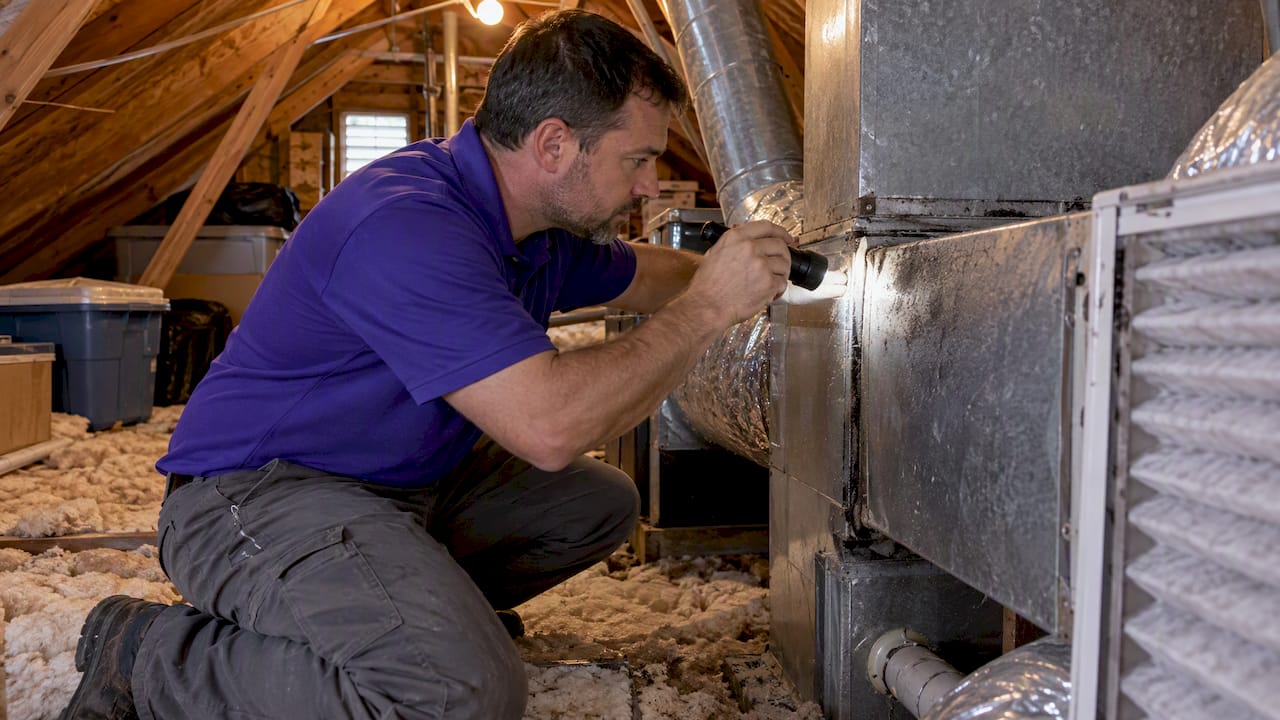
Beyond the EPA’s 10 square foot threshold, a few other signals mean it’s time to bring in a pro: mold hidden behind walls or under flooring, growth inside HVAC ductwork, or anyone in the home reporting symptoms that improve when they leave.
A qualified remediation team typically handles:
- Containment and negative air pressure to stop spores from spreading during removal.
- HEPA filtration and air scrubbing throughout the job.
- Removal of contaminated porous materials and moisture mapping to find hidden sources.
- Structural drying and documentation for insurance claims.
Before hiring anyone, ask what containment methods they use, whether they carry mold-specific certification, and how they document the job for your insurer.
What we see on the job that homeowners miss
The most common mistake we run into is homeowners scrubbing a white patch for weeks, assuming it’s just efflorescence, when it’s actually mold growing on a damp masonry surface with a thin layer of organic dust on top. A quick triage: does it smell musty, does it stay put after a wet wipe, and is it spreading? Any yes means treat it as mold until proven otherwise.
With experienced technicians and advanced dry-fog technology, we’ve learned that the moisture source almost always matters more than the visible stain. Fix the water, and the cosmetic problem usually stops coming back.
— Jim
Getting professional help from The Clean Genius
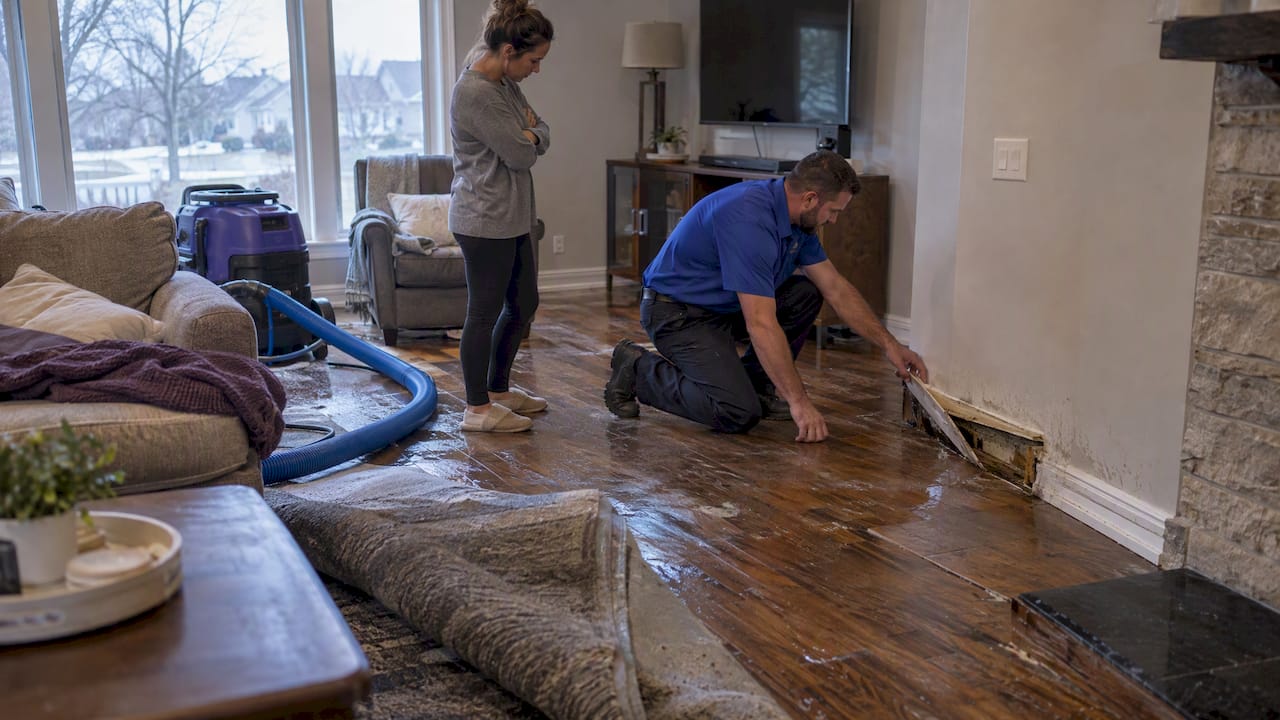
If you’re staring at a wall and still not sure what you’re dealing with, that uncertainty alone is a good reason to get it looked at. We handle mold removal and remediation, including attic mold removal, using containment and dry-fog treatment rather than harsh chemicals. When the source turns out to be a leak, burst pipe, or grading issue, our water damage restoration team addresses the moisture itself, not just the surface symptom.

The company is available 24/7 for emergencies and can coordinate directly with your insurance company to help manage paperwork related to mold problems. If you’ve spotted suspicious white residue anywhere in your home, request an inspection and we’ll tell you plainly whether you’re looking at mold, efflorescence, or both.
Where to go for official guidance
For deeper reading beyond this article: the EPA’s mold cleanup guide covers do-it-yourself limits, the CDC’s mold and health page explains exposure risks, and the NRC/MIT building digest on efflorescence breaks down the masonry science. Getty’s salt damage research explains why some efflorescence stays surface-level while other cases cause deeper structural damage.
This article is general information, not a substitute for advice from a qualified doctor. Consult a qualified healthcare professional about your own circumstances before acting on anything here.
Sources
- CDC — Mold and Health: Clean-up guidance
- EPA — Mold cleanup in your home
- CBD‑2: Efflorescence (NRC‑IRC / MIT mirror)
- Getty — Fundamental research on salt damage
FAQ
How to tell if white mold or efflorescence?
Touch it: efflorescence dissolves or smears when wet and powders off when scratched, while mold stays intact, may feel fuzzy, and often carries a musty smell. If you’re still unsure after a wet-finger and scratch test, treat the spot as mold and avoid disturbing it further.
Can you live in a house with white mold?
Small, contained mold patches under about 10 square feet are generally manageable with careful cleanup and proper PPE, according to EPA guidance. Larger or hidden growth, or any growth causing symptoms in occupants, means the area should be professionally remediated before it’s considered safe to occupy normally.
What kills white mold on concrete?
The EPA recommends scrubbing hard surfaces with detergent and water, then drying the area completely, rather than relying on bleach as a routine treatment. For porous concrete with deep staining, a masonry-safe cleaner combined with fixing the underlying moisture source works better than surface disinfectants alone.
Can you just wipe off white mold?
Wiping can remove surface mold from hard, non-porous materials, but it won’t address spores that have penetrated porous surfaces like drywall or wood. If the material is porous and has been damp for a while, removal and replacement is usually more reliable than wiping and hoping it doesn’t return.