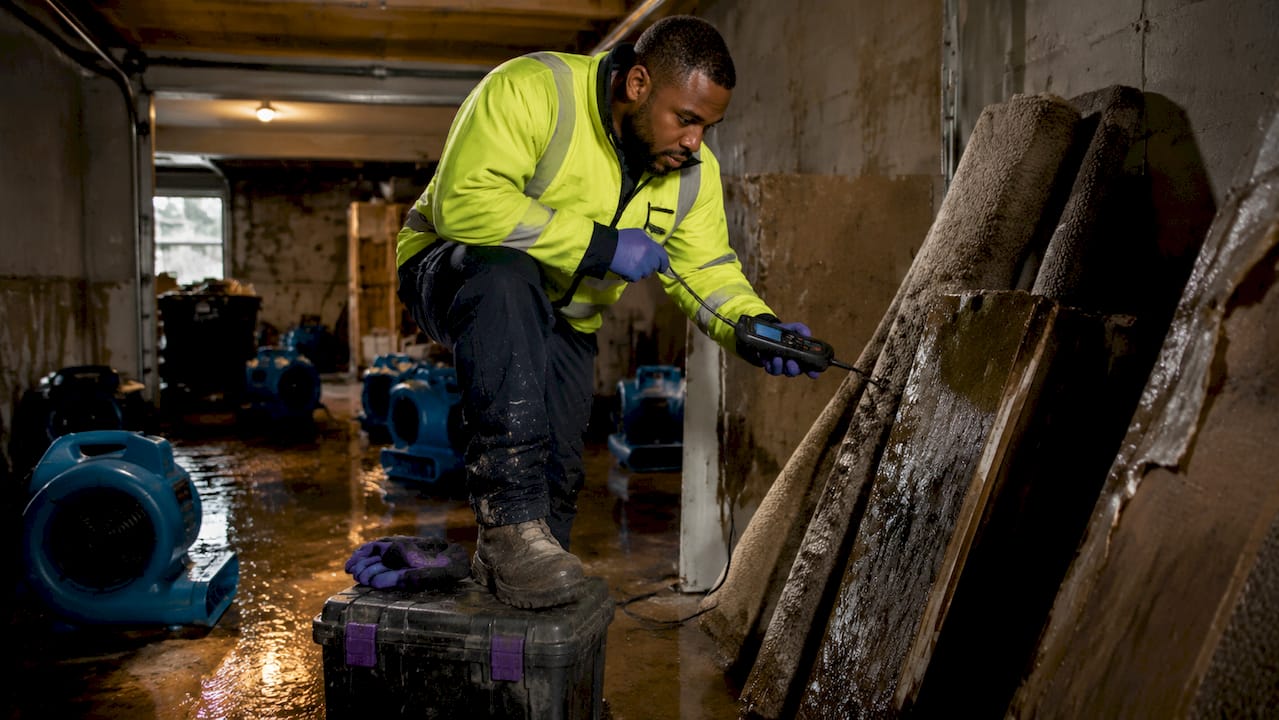

24/7 emergency restoration services are defined as round-the-clock professional response to property damage from water, fire, or sewage, with certified teams arriving on-site to stop damage before it compounds. The benefits of 24/7 emergency restoration services go far beyond convenience. Rapid mitigation limits structural damage, prevents mold growth, reduces total repair costs, and keeps your family safe. Professional teams bring industrial equipment, thermal imaging cameras, and moisture meters that no DIY approach or general contractor can match. Understanding what these services deliver at 2 a.m. on a Sunday is the difference between a manageable repair and a six-figure reconstruction.
1. Why immediate response times in emergency restoration matter
Speed is the single most important factor in property damage recovery. Professionals target a 60–90 minute on-site arrival after your call, and that window is not arbitrary. Every hour that passes after a pipe bursts or a fire is extinguished allows damage to spread deeper into walls, floors, and structural framing.
Over 80% of emergency restoration requests happen on mobile devices during the active crisis. That tells you something critical: homeowners are not planning ahead. They are calling from the middle of a flooded basement, and they need someone there fast.
Fast arrival prevents these specific outcomes:
- Drywall saturation beyond the point of salvage
- Subfloor warping and delamination
- Electrical system exposure to standing water
- Smoke and soot permanently bonding to surfaces
- Sewage contamination spreading to unaffected rooms
Pro Tip: Save a 24/7 restoration company’s number in your phone before you ever need it. When water is rising, you will not have time to search and compare.
2. Top benefits of 24/7 emergency restoration for homeowners
The core emergency restoration advantages break down into five areas that directly affect your wallet, your health, and your peace of mind.
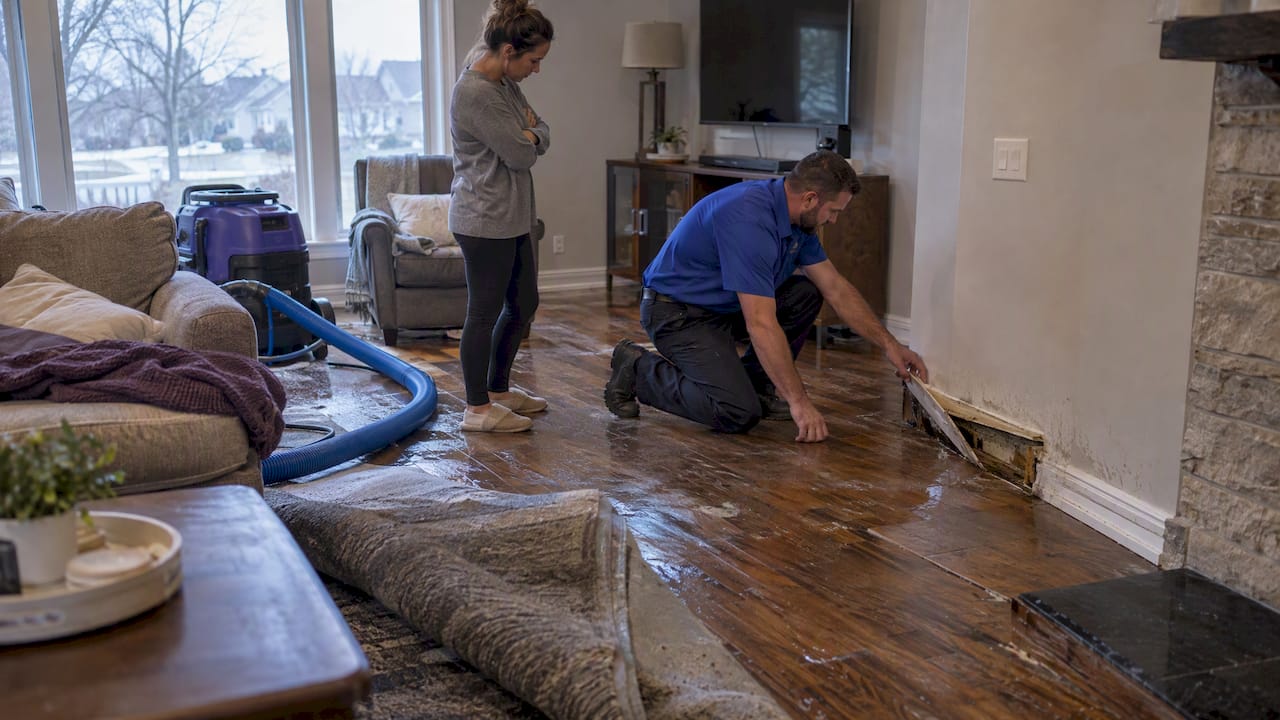
Damage limitation and faster recovery. Early mitigation leads to less reconstruction. A team that arrives within 90 minutes can extract standing water, set industrial dehumidifiers, and stop saturation from reaching structural materials. A team that arrives the next morning often finds the damage has doubled.
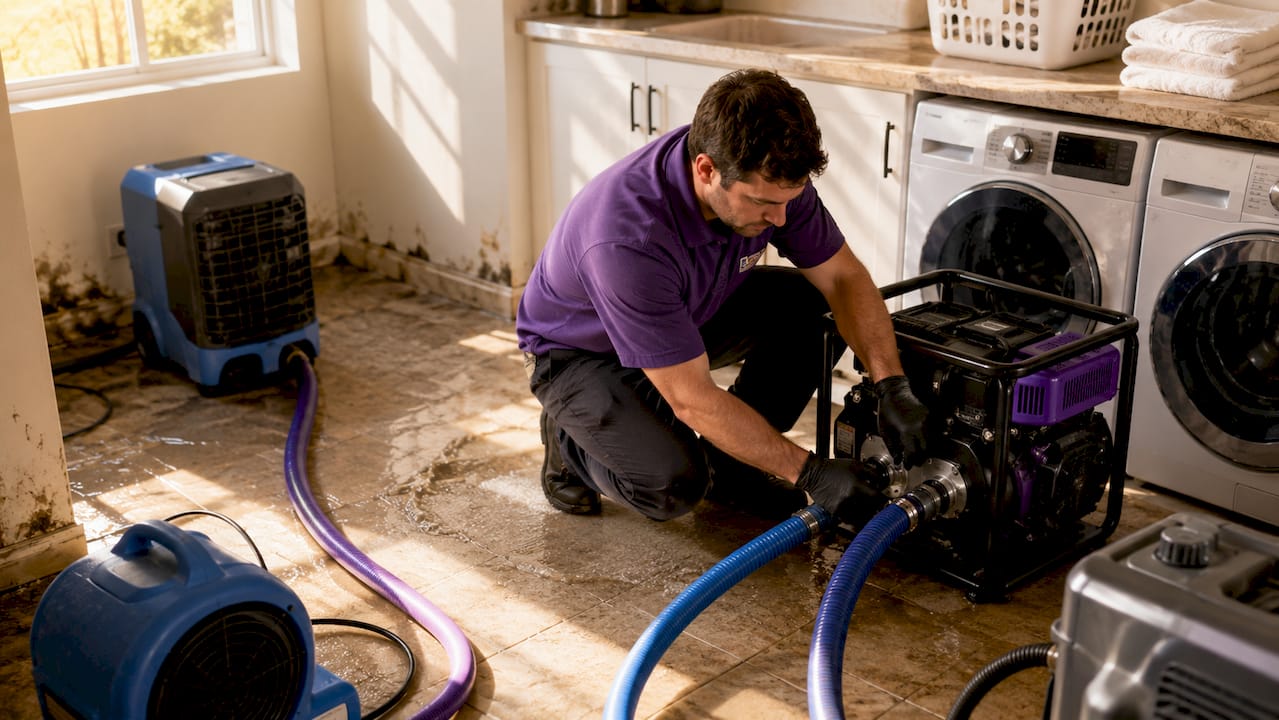
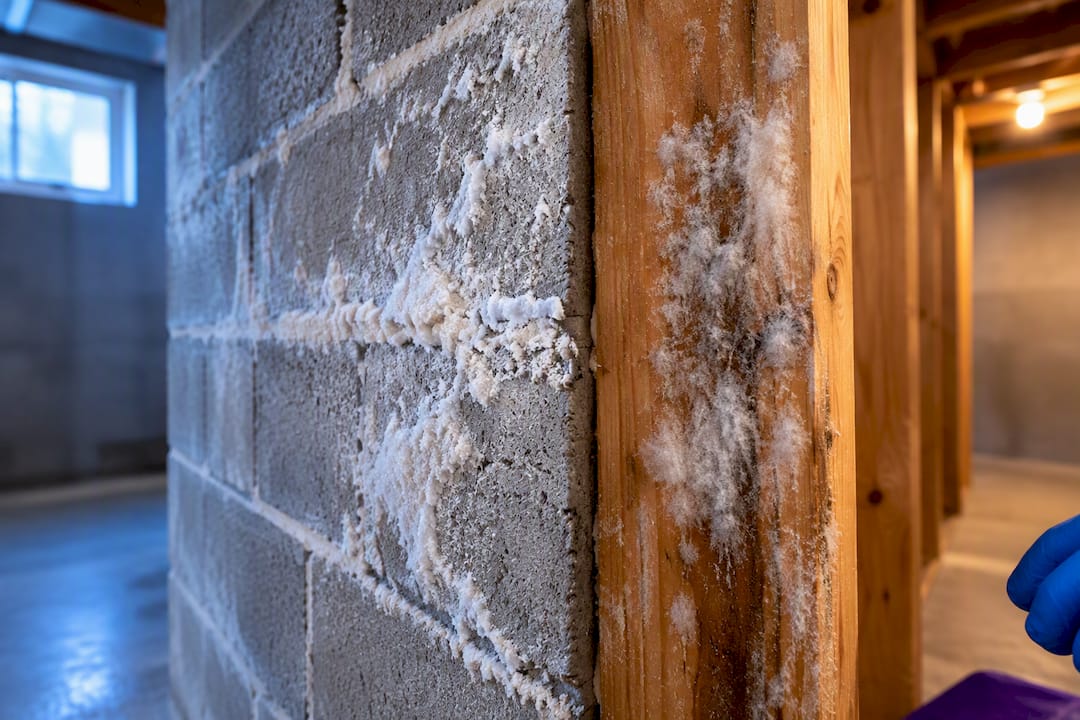
Prevention of mold and secondary damage. Mold develops within 24–48 hours of moisture exposure. That is not a slow process. A flooded bathroom discovered at midnight can have active mold colonies by the following evening if left untreated. Immediate water extraction and drying eliminate the conditions mold needs to grow.
Occupant safety through early hazard mitigation. Fire damage leaves behind toxic soot and compromised structural elements. Water damage creates slip hazards and electrical risks. A 24/7 team identifies and secures these hazards on arrival, before your family re-enters the home.
Expert documentation for insurance claims. Professional documentation with photos, moisture readings, and thermal imaging prevents insurance claim denials and underpayments. An adjuster reviewing objective data from a certified restoration team processes claims faster and more accurately than one reviewing a homeowner’s phone photos.
Peace of mind during the worst moments. Emergency restoration teams provide structure and guidance during high-stress damage events. Knowing a certified crew is on the way, with a clear plan, moves you from paralysis to recovery. That psychological shift has real value when you are standing in three inches of water at midnight.
Here is a summary of the core 24/7 restoration benefits:
- Stops damage progression before it compounds
- Prevents mold growth through immediate drying
- Secures hazards to protect occupant safety
- Creates documentation that supports insurance claims
- Provides expert guidance when homeowners need it most
3. How professional emergency restoration differs from DIY or general contractors
Professional 24/7 restoration teams operate in a different category than DIY repairs or general contractors. The difference is not effort. It is equipment, training, and legal accountability.
Industrial equipment unavailable to DIYers
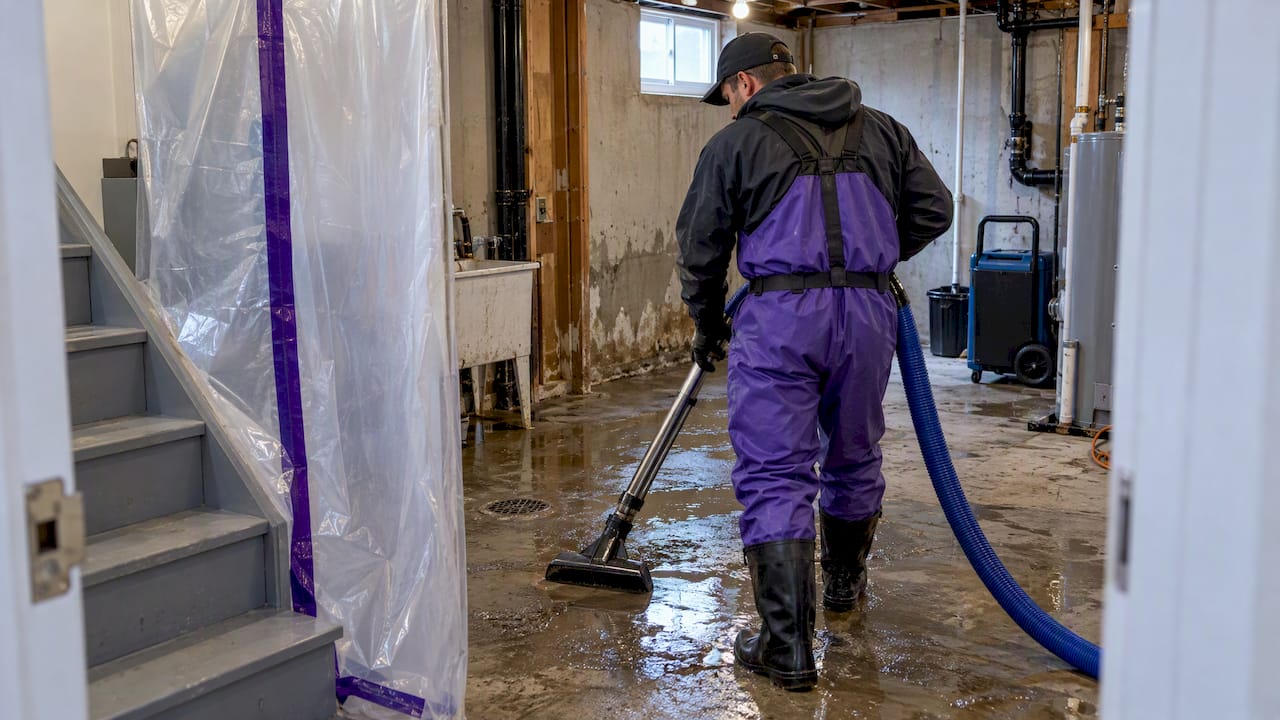
Industrial dehumidifiers and HEPA vacuums are standard tools for certified restoration teams. A consumer-grade shop vac removes surface water. An industrial extractor removes moisture from inside wall cavities and subfloor assemblies. That distinction determines whether your floors need replacement or just drying.
Advanced moisture detection
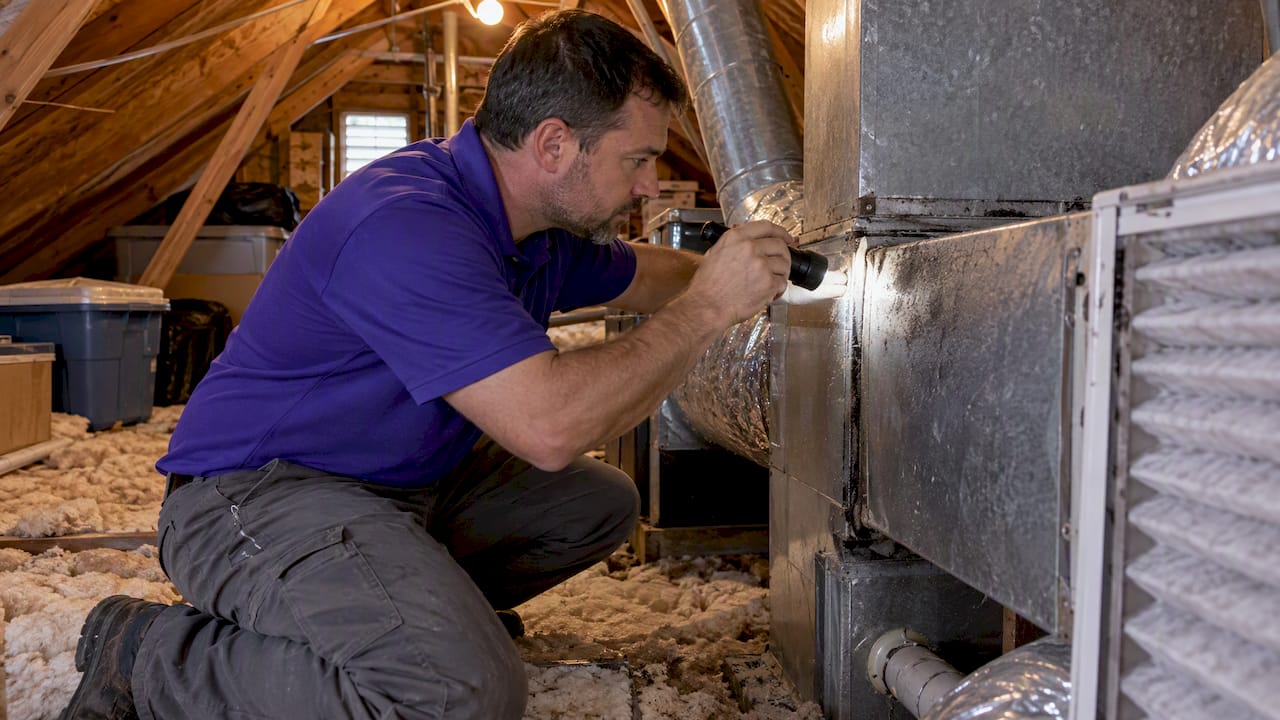
Certified technicians use thermal imaging cameras and calibrated moisture meters to find water that is invisible to the eye. Water migrates behind baseboards, into ceiling joists, and under tile. Without detection tools, hidden moisture causes expensive structural problems that surface weeks later as rot, buckled floors, or mold.
Immediate property securing
Board-up and tarping services secure your property legally and physically after damage. A fire that blows out windows or a flood that compromises a door frame leaves your home exposed to theft and weather. General contractors do not typically provide this service at 3 a.m. Certified restoration teams do.
Pro Tip: Ask any restoration company you call whether they carry IICRC certification. The Institute of Inspection, Cleaning and Restoration Certification sets the industry standard for training and equipment protocols.
Here is how the professional advantage stacks up:
- Industrial extraction and drying equipment
- Thermal imaging and moisture meter detection
- Immediate board-up and tarping for property security
- IICRC-certified technicians following documented protocols
- Insurance-ready damage documentation from the first hour
4. 24/7 emergency restoration vs. waiting for business hours
Waiting until Monday morning to call a restoration company is one of the most expensive decisions a homeowner can make. The table below shows what changes when you delay.
| Factor | 24/7 Immediate Response | Waiting for Business Hours |
|---|---|---|
| Response time | 60–90 minutes on-site | 8–24+ hours |
| Damage progression | Stopped at source | Spreads to adjacent materials |
| Mold risk | Eliminated with fast drying | High after 24–48 hours |
| Restoration cost | Lower due to early mitigation | Significantly higher |
| Insurance eligibility | Preserved with documentation | At risk if delay is documented |
| Occupant safety | Hazards secured immediately | Hazards remain unaddressed |
Delays in emergency response cause rapid cost increases and can trigger insurance claim denials. Many homeowner policies include language requiring “prompt mitigation.” If you wait and your insurer documents the delay, your claim can be reduced or denied entirely.
Midnight flooding and weekend fires are not edge cases. They are common scenarios where around-the-clock restoration is the only option that protects both your property and your insurance coverage. A general contractor who opens at 8 a.m. cannot help you at 11 p.m. on a Saturday.
Key takeaways
24/7 emergency restoration services protect homeowners financially and physically by stopping damage within the first critical hours, before mold, structural failure, or insurance complications develop.
| Point | Details |
|---|---|
| Speed determines total cost | Teams arriving within 90 minutes prevent damage from spreading to structural materials. |
| Mold grows in 24–48 hours | Immediate drying eliminates the moisture conditions mold requires to develop. |
| Documentation protects claims | Thermal imaging and moisture readings create objective records that prevent insurance denials. |
| Industrial equipment is non-negotiable | Consumer tools cannot reach moisture inside walls and subfloors the way professional equipment can. |
| Waiting increases every risk | Delays raise repair costs, trigger mold growth, and can void insurance coverage requirements. |
Why I think most homeowners underestimate what 24/7 restoration actually means
After years of working in property restoration across Chicagoland, I have seen one pattern repeat itself: homeowners treat 24/7 availability as a nice-to-have rather than a financial necessity. That thinking costs them.
The common misconception is that emergency restoration is just a faster version of regular repair work. It is not. Proper mitigation must happen before restoration begins, and skipping or delaying that phase creates hidden problems that surface months later as structural rot, persistent mold, or failed flooring. A general contractor patching drywall the next day is not doing mitigation. They are covering up a problem.
The second misconception is that insurance will cover everything regardless of when you call. That is not how most policies work. Insurers expect prompt action. When you call a certified 24/7 team immediately, you create a documented timeline that protects your claim. When you wait, you hand the insurer a reason to reduce your payout.
My honest advice: treat your choice of a 24/7 restoration provider the same way you treat your choice of a doctor. You want someone certified, experienced, and reachable at any hour. Check for IICRC certification, read reviews, and make the call before you ever need it. The homeowners I have seen recover fastest are the ones who already knew who to call.
— Jim
Thecleangenius is ready when damage strikes
When water floods your basement or fire tears through your kitchen, Thecleangenius responds 24 hours a day, 7 days a week, across the greater Chicagoland area including Naperville, Schaumburg, Arlington Heights, and Wheaton. With over 25 years of combined experience and more than 400 five-star reviews, the certified team arrives fast, extracts water, secures hazards, and documents everything your insurance adjuster needs.

Thecleangenius works directly with your insurance company and brings industrial drying equipment, thermal imaging, and HEPA-grade air purification to every job. Whether you are dealing with a burst pipe, sewage backup, or fire damage, the team handles the full water damage restoration process from first call to final repair. Call now and get a certified crew on-site within 90 minutes.
FAQ
What does emergency 24/7 restoration mean?
Emergency 24/7 restoration means certified professionals respond to property damage at any hour, including nights, weekends, and holidays. Teams arrive within 60–90 minutes to begin mitigation and stop damage from spreading.
How fast does mold grow after water damage?
Mold can begin developing within 24–48 hours of moisture exposure. Immediate water extraction and drying by a professional team eliminates the conditions needed for mold to form.
Does calling a 24/7 restoration company help with insurance?
Yes. Professional teams document damage with photos, moisture readings, and thermal imaging from the first hour. That objective record supports your claim and reduces the risk of denial or underpayment.
Can I wait until morning to call a restoration company?
Waiting significantly increases repair costs and mold risk, and can trigger insurance claim denials if your policy requires prompt mitigation. Calling a 24/7 team immediately is the safest financial and health decision.
What equipment do professional restoration teams use?
Certified teams use industrial dehumidifiers, HEPA vacuums, thermal imaging cameras, and calibrated moisture meters. This equipment reaches moisture inside walls and subfloors that consumer tools cannot access.