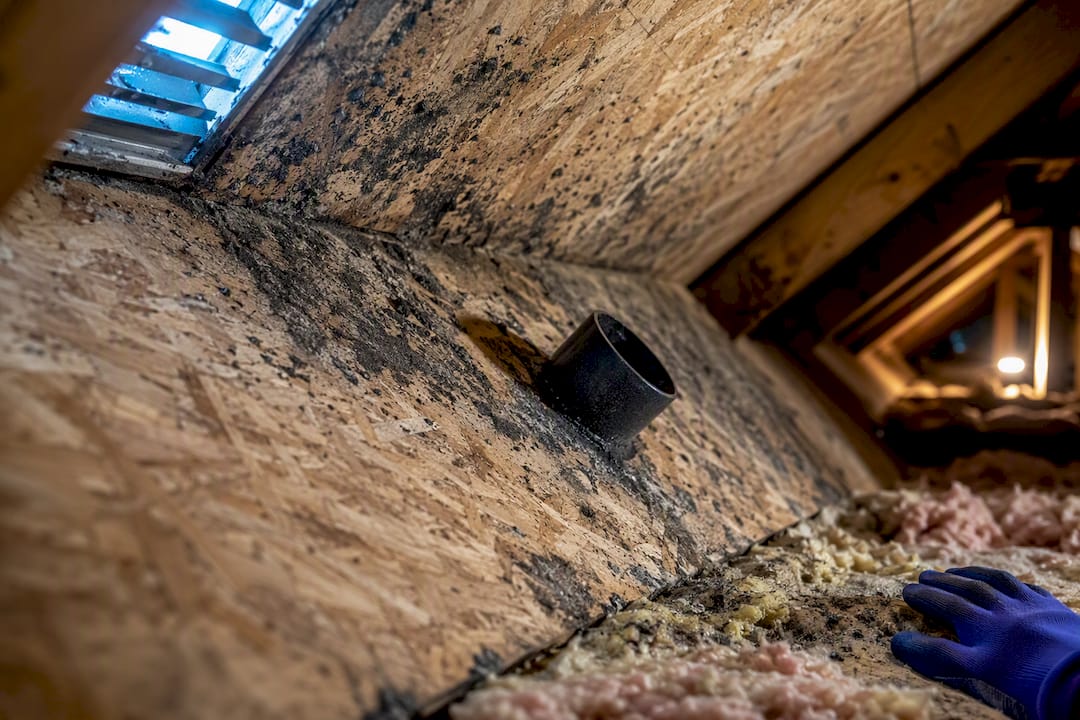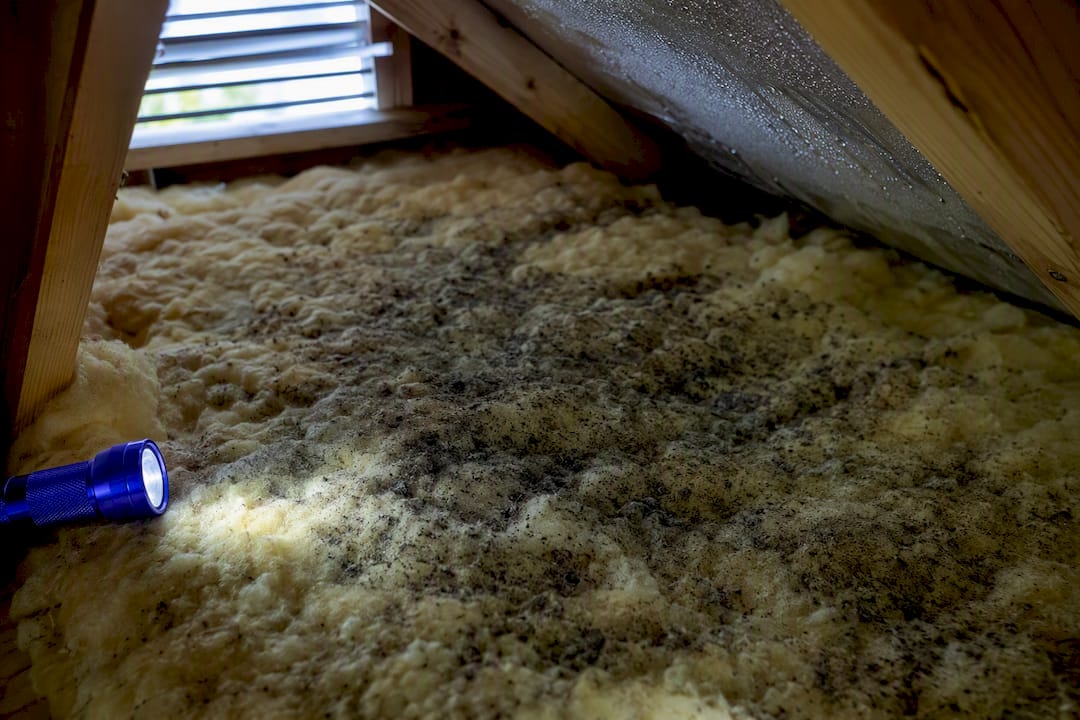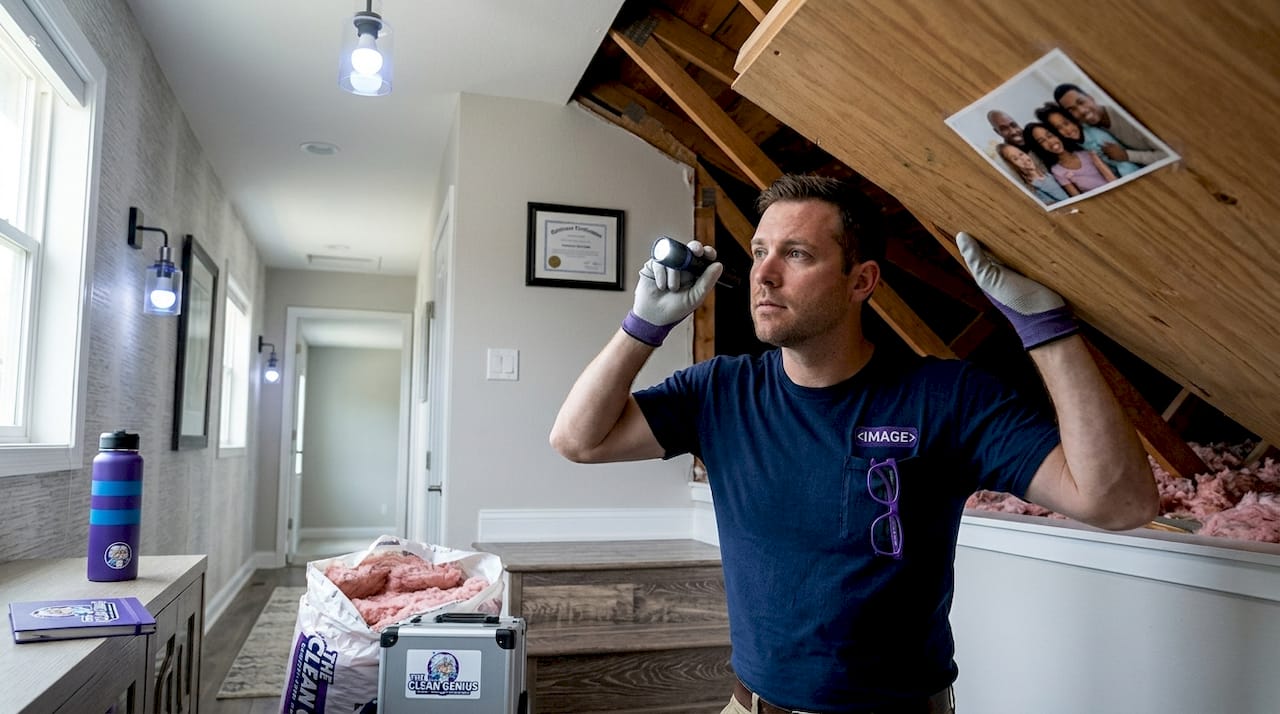

Attic mold is one of those problems that quietly destroys a home from the top down. Most homeowners never see it until a real estate inspection or a musty smell forces the issue. Attic mold prevention for homeowners isn’t just about scrubbing black spots off wood. It’s about understanding why moisture accumulates up there in the first place, and cutting it off before spores ever get a foothold. This guide covers every angle: how to spot the warning signs, fix the actual moisture causes, maintain your attic through the seasons, and know when to call for professional backup.
Table of Contents
- Key takeaways
- Attic mold prevention homeowners often overlook
- Ventilation and air sealing strategies that actually work
- Your seasonal attic mold inspection checklist
- When to call a professional
- My honest take after years of attic calls
- How Thecleangenius can protect your attic
- FAQ
Key takeaways
| Point | Details |
|---|---|
| Fix moisture first | Mold always returns unless you identify and eliminate the underlying moisture source. |
| Ventilation beats cleaning | Balanced soffit and ridge ventilation is the most effective long-term mold prevention strategy. |
| Air sealing matters most | Warm air leaks from living spaces cause more attic mold than roof leaks do. |
| Inspect twice a year | Fall and spring attic inspections catch moisture issues before they become mold infestations. |
| Know the professional threshold | Mold coverage over 10 square feet requires certified remediation, not a DIY scrub. |
Attic mold prevention homeowners often overlook
Most people think attic mold comes from a leaky roof. Sometimes it does. But warm air leaks from living spaces through recessed lights, plumbing stacks, and attic hatches actually cause condensation and mold far more often than roof damage. That warm, humid air rises from your living space, hits the cold attic sheathing in winter, and condenses. Repeat that cycle enough times and you have mold.
The visual signs are worth knowing before you open that hatch:
- Black, gray, or green staining on roof sheathing or rafters, often with a fuzzy texture
- A musty or earthy odor even when the attic looks clean to the naked eye
- White mineral deposits or water stains on insulation or wood, which indicate past moisture intrusion
- Frost or droplets on roofing nails in winter, a sign of thermal bridging and dew point failure that points to condensation problems
Distinguishing moisture sources takes a trained eye. Roof leak stains tend to be localized, appearing near a specific penetration or valley. Condensation stains spread broadly across roof sheathing, often covering large panels with no obvious single entry point. Broad condensation patterns tell you the problem is systemic, not structural.
A basic moisture meter, available at any hardware store for under $30, lets you check whether wood sheathing or insulation is holding water. Readings above 19% in wood signal a moisture problem that needs attention right away.
Pro Tip: Before your attic inspection, check your soffit vents from outside the house. If they’re painted over, blocked by insulation, or filled with debris, your attic is essentially suffocating. That’s one of the most common setups for condensation mold.
Ventilation and air sealing strategies that actually work
Ventilation is where most homeowners either solve their mold problem permanently or keep treating symptoms. The standard that actually works is balanced passive ventilation: soffit intake vents at the eaves bring cool outside air in low, while ridge exhaust vents at the peak let warm, moist air escape at the top. This continuous air exchange keeps the attic temperature close to outdoor temperature and prevents the condensation cycle.
Here’s how passive and powered ventilation compare:
| Ventilation type | How it works | Main risks | Best for |
|---|---|---|---|
| Passive (soffit + ridge) | Natural airflow from low intake to high exhaust | Requires unobstructed soffit vents | Most residential attics |
| Powered attic ventilators | Electric fans pull air out of the attic | Backdrafting, energy loss, pulls conditioned air from living spaces | Rarely recommended |
| Gable vents only | Cross-ventilation through side walls | Inconsistent airflow, creates dead zones | Older homes, limited retrofit |
Powered attic ventilators sound effective but often create more problems than they solve. They can depressurize the attic enough to pull conditioned air up from your living space, bringing with it more humidity and raising your energy bills at the same time. Passive ventilation, done correctly, is safer and more consistent.
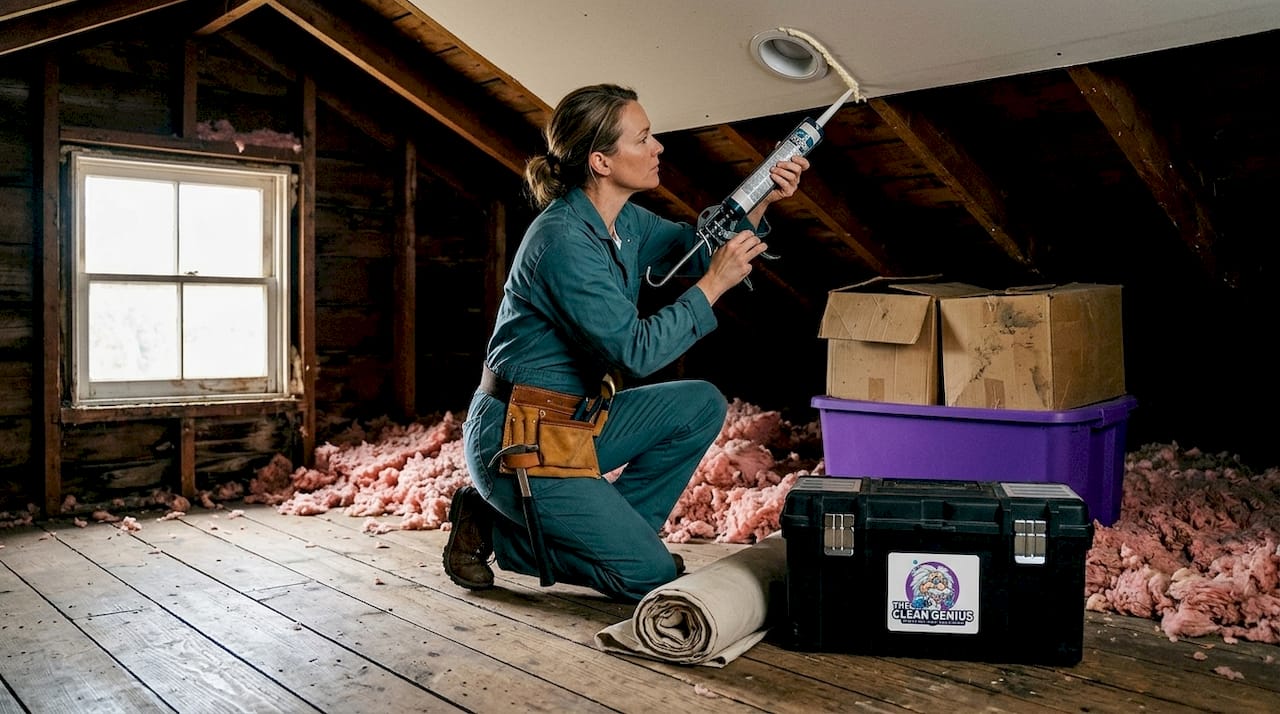
Air sealing deserves equal attention. Sealing attic bypasses around recessed lights, plumbing penetrations, attic hatches, and HVAC ducts stops the single biggest driver of attic condensation mold. Use rigid foam and caulk around fixtures, and add weatherstripping to the attic hatch. It’s not glamorous work, but it addresses the source directly.
Insulation placement also matters. Batt or blown insulation must never block soffit vent channels. Install baffles (also called rafter baffles or vent chutes) between each rafter bay to maintain at least one inch of clear airflow from the soffit to the ridge. Blocking those channels even partially defeats your entire passive ventilation system.
Pro Tip: Have your attic ventilation inspected by a certified contractor any time you add insulation or install a bathroom exhaust fan. Both changes affect airflow balance in ways that aren’t obvious until mold appears six months later.
Your seasonal attic mold inspection checklist
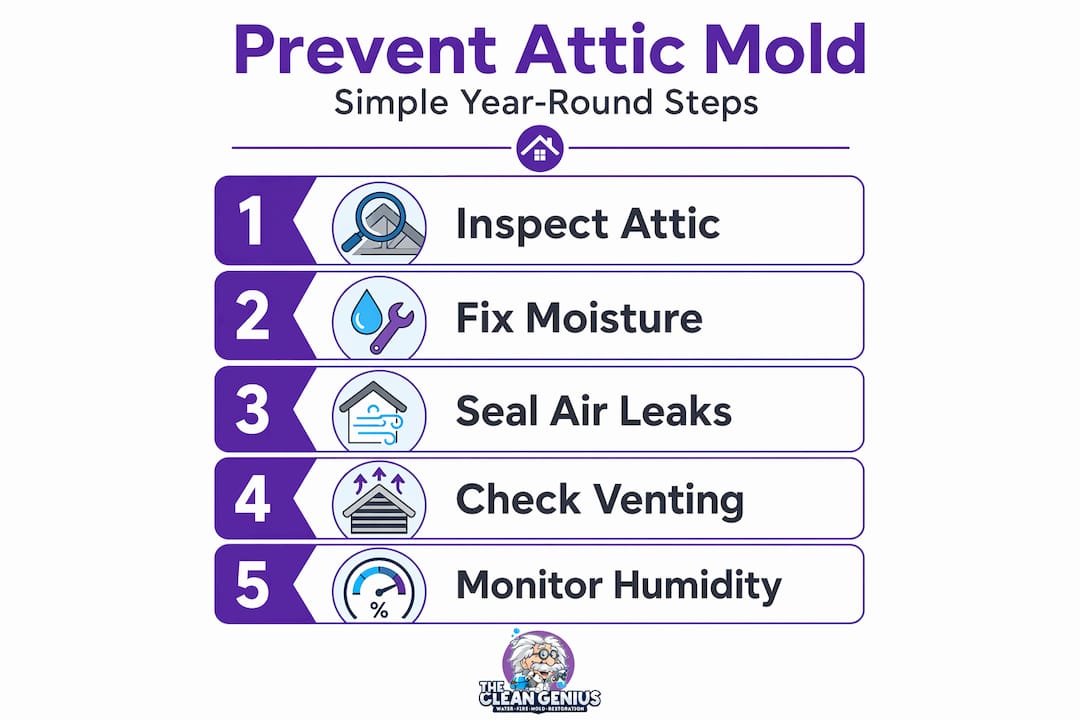
Staying ahead of attic mold is a maintenance habit, not a one-time fix. Inspecting twice yearly, in fall before cold weather sets in and in spring after winter stress, gives you the best chance of catching moisture problems before they escalate.
Here’s a numbered sequence to follow each inspection:
- Check all soffit vents from inside the attic. Look for insulation blocking the vent channels. Clear any obstructions.
- Inspect roof sheathing and rafters visually under good lighting. Note any discoloration, staining, or fuzzy growth.
- Look at roofing nail tips in winter or early spring. Rust staining or frost residue signals condensation.
- Examine insulation condition. Wet, compressed, or discolored insulation needs replacement, not just drying.
- Check all duct connections, especially bathroom exhaust fans. A fan venting into the attic instead of outside is a direct mold machine.
- Inspect the attic hatch for weatherstripping condition and gaps where warm air can seep through.
- Probe suspect wood with your moisture meter. Flag any reading above 19%.
- Look at roof penetrations including vents, chimneys, and skylights for signs of water intrusion around flashing.
Between inspections, a few ongoing habits make a real difference:
- Keep indoor humidity between 30% and 50%. Above 60%, mold growth risk increases sharply.
- Run bathroom and kitchen exhaust fans every time you cook or shower, and make sure they vent outside.
- Address roof leaks within 48 hours of discovery. Wet attic wood that sits longer than that is at serious risk of mold colonization.
- If whole-home humidity stays consistently high despite ventilation, consider a whole-house dehumidifier connected to your HVAC system.
You can find a solid breakdown of ventilation warning signs to watch for at roof ventilation problem indicators, which pairs well with the checklist above.
When to call a professional
Knowing when not to DIY is one of the most useful things a homeowner can learn. The general standard is straightforward: mold coverage beyond 10 square feet requires a certified remediation professional. That’s roughly a 3×3 foot patch. Attic mold tends to cover large surface areas quickly, so by the time you can see it clearly, you’ve often already crossed that threshold.
Other indicators that professional remediation is the right call:
- Anyone in the household has respiratory conditions, allergies, or a compromised immune system
- Mold is present near HVAC equipment that could spread spores through the whole house
- You find mold but can’t identify the moisture source, meaning the problem will return without expert diagnosis
- The attic has sustained water damage from ice dams, roof failure, or plumbing leaks
Professional mold remediation follows a structured process: assessment and moisture source identification, physical containment to prevent spore spread, treatment of affected surfaces, safe disposal of compromised materials, and post-clearance testing. You can read more about what mold remediation involves before committing to a contractor.
One common mistake deserves a direct warning. Never use bleach on porous attic wood. Bleach kills surface mold temporarily but doesn’t penetrate wood grain, and the moisture from the bleach often makes things worse. Use products specifically formulated for mold treatment on wood surfaces.
“Cleaning the visible mold without fixing the moisture source is like mopping the floor while the faucet is still running. The mold will be back within a season.” — remediation industry consensus
If you’re weighing whether your situation calls for a professional, this guide on serious mold signs lays out the indicators clearly.
Typical remediation costs run from $1,500 to $7,000 depending on the extent of damage, which is consistently less expensive than structural repairs from wood rot caused by years of untreated mold.
My honest take after years of attic calls
I’ve walked through hundreds of attics across Chicagoland, and the pattern I keep seeing is the same. Homeowners spend money on mold cleaning, feel relieved, and call us back 18 months later because the mold is back in the same spots. Every single time, the ventilation was never corrected.
What I’ve learned is that most attic mold problems aren’t roofing problems at all. They’re air sealing problems combined with blocked soffit vents. The fix isn’t always expensive. Sometimes it’s foam, caulk, and clearing debris from vents. But skipping that work and going straight to surface treatment is a guaranteed waste of money.
I’ve also seen homeowners in persistently humid climates, like Chicago winters with rapid temperature swings, get frustrated because they did everything “right” and still see condensation. My honest advice: check those roofing nail tips every February. Frost on the nail shanks tells you exactly where your thermal weak points are, and addressing them specifically tends to fix what broad ventilation improvements miss.
The homeowners who stay mold-free long-term aren’t the ones who reacted to a crisis. They’re the ones who made remediation stick by treating their attic like a system that needs annual attention, not emergency intervention.
— Jim
How Thecleangenius can protect your attic
If your attic inspection turned up mold, moisture damage, or ventilation problems you’re not sure how to fix, Thecleangenius is ready to help. We’re a family-owned restoration company serving Chicagoland with over 25 years of combined experience, and our certified teams handle everything from attic mold removal to full insulation replacement using advanced Pure Cloud dry-fog technology that treats mold at the spore level.

We also handle water damage restoration when roof leaks or ice dam damage have soaked your attic materials. If you need help fast, our team is available 24/7. We work directly with your insurance to make the process as straightforward as possible. Whether you’re in Naperville, Schaumburg, Arlington Heights, or anywhere else in the greater Chicagoland area, getting a professional assessment is the most direct path to a dry, mold-free attic. Reach out to schedule your inspection before the next season creates the next problem.
For water damage connected to your attic issues, our water damage restoration team handles everything from emergency dry-out to full structural repairs.
FAQ
What is attic mold prevention for homeowners?
Attic mold prevention means controlling the moisture conditions that allow mold to grow, primarily through air sealing, balanced ventilation, and regular inspections. It focuses on eliminating moisture sources rather than reacting to visible mold after it forms.
How often should homeowners inspect their attic for mold?
Inspect your attic twice a year, in fall and spring, to catch ventilation issues, moisture intrusion, and frost damage before they escalate into mold growth.
What indoor humidity level prevents attic mold?
Keep indoor humidity between 30% and 50%. Levels above 60% significantly increase mold risk in attics and throughout the home.
Can I remove attic mold myself?
Small patches under 10 square feet may be addressable with mold-specific wood treatment products. Any area larger than that, or any growth near HVAC equipment, requires a certified mold remediation professional.
Why does attic mold keep coming back after cleaning?
Mold recurs because the moisture source was never fixed. Correcting ventilation imbalance and sealing air bypasses is the only way to prevent regrowth after cleaning.