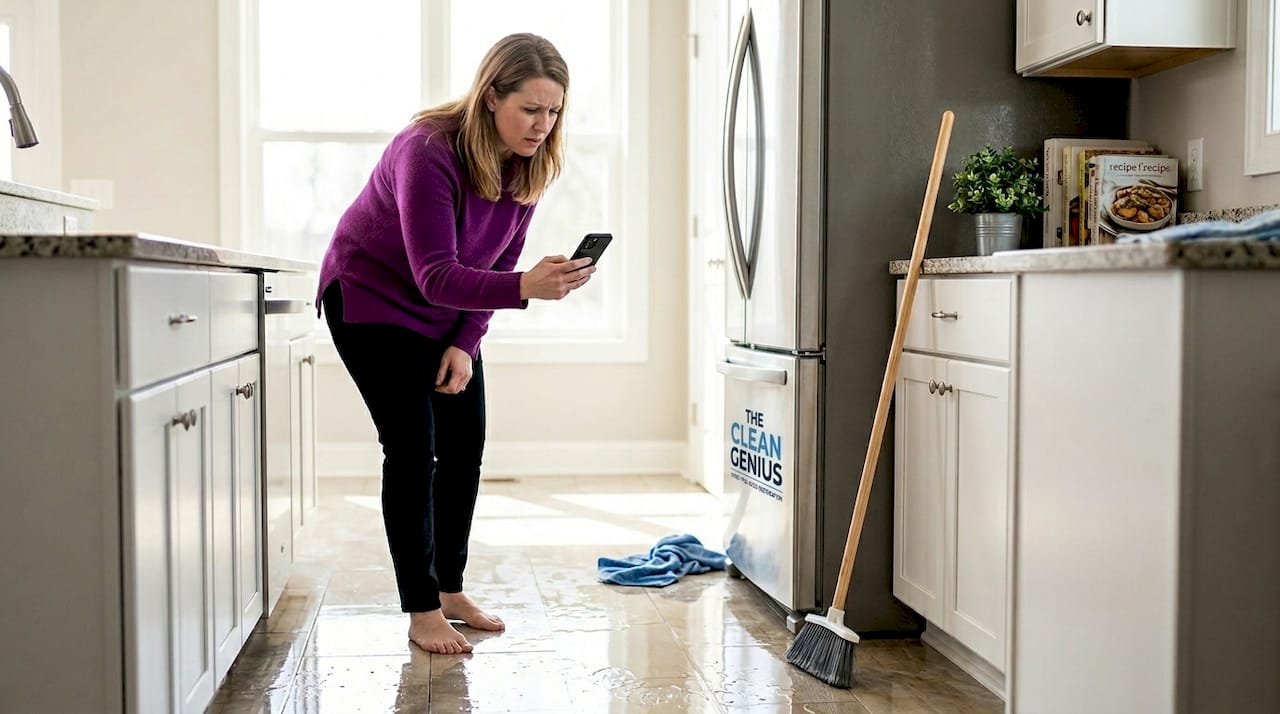

Water damage is one of those home emergencies where waiting even a few hours makes everything worse. Understanding why water damage requires fast response is the difference between a manageable repair and a months-long reconstruction project. What starts as a burst pipe or a flooded basement can silently saturate walls, rot subfloors, and fuel mold growth long before you see any visible sign of trouble. This guide breaks down exactly what happens when you delay, what rapid response prevents, and what you can do right now to protect your home and your wallet.
Table of Contents
- Key takeaways
- Why water damage requires fast response: what’s really happening
- Consequences of delayed response you cannot afford to ignore
- The real benefits of acting within the first hour
- Water damage emergency tips for immediate action
- Preventing future water damage through routine maintenance
- My honest take after seeing hundreds of water damage cases
- Ready to act? Thecleangenius is here 24/7
- FAQ
Key takeaways
| Point | Details |
|---|---|
| Water spreads fast and invisibly | Moisture travels into walls, insulation, and subfloors within hours of initial exposure. |
| Mold can start in 24-48 hours | Delaying professional drying creates conditions where mold growth becomes nearly unavoidable. |
| Every hour raises repair costs | The longer water sits, the more structural materials absorb it and the more expensive restoration becomes. |
| Stopping the source is step one | Shutting off the water supply immediately is the single most impactful thing you can do before help arrives. |
| Prevention reduces future risk | Regular plumbing and roof inspections catch problems before they turn into emergencies. |
Why water damage requires fast response: what’s really happening
The industry term for addressing water damage quickly is rapid water damage mitigation, and it refers to the full process of stopping water intrusion, extracting standing water, and drying structural materials before permanent damage sets in. Most homeowners picture water damage as something you can see: a puddle on the floor, a wet ceiling tile, a damp carpet. The real danger is what you cannot see.
Water is relentless. The moment it enters your home, it starts moving. It follows gravity through floor seams, it wicks upward through drywall by capillary action, and it seeps into insulation batts inside your walls. Water spreads rapidly into wall cavities, insulation, and wood structures, making restoration progressively harder the longer it goes unaddressed.
Wood studs, subfloor panels, and wooden joists are particularly vulnerable. Once they absorb enough moisture, they swell, warp, and begin to lose structural integrity. Drywall turns soft and crumbles. Insulation loses its thermal value and becomes a sponge that holds moisture against framing for weeks. Hidden water damage behind walls often goes unnoticed until visible stains or odors develop, by which point mold is usually already established.
Here is a rough timeline of what water does inside your home:
- Within 1 hour: Water soaks into carpets, pads, and subfloor materials. Drywall begins absorbing moisture at the base.
- Within 6-12 hours: Wall cavities fill with moisture. Wood starts to swell. Furniture absorbs water and begins to warp.
- Within 24 hours: Mold spores begin activating in saturated materials. Paint blisters and peels. Metal fixtures start to corrode.
- Within 48-72 hours: Structural weakening accelerates. Mold colonies become visible. Restoration complexity multiplies.
- Beyond 1 week: Severe structural damage, widespread mold contamination, and potential safety hazards to occupants.
Pro Tip: If you notice any musty smell in a room that recently got wet, mold is likely already growing inside the wall. That smell is not residual dampness. It is active biological activity.
Consequences of delayed response you cannot afford to ignore
The financial and structural consequences of waiting compound fast. Most homeowners who delay action do so because the damage seems contained or because they are waiting to see if it dries out on its own. It rarely does. Delays in stopping water flow lead to larger saturated areas and far more expensive restoration, particularly with burst pipes releasing large volumes of water in a short time.
Here is what the delay actually costs you, in order of escalation:
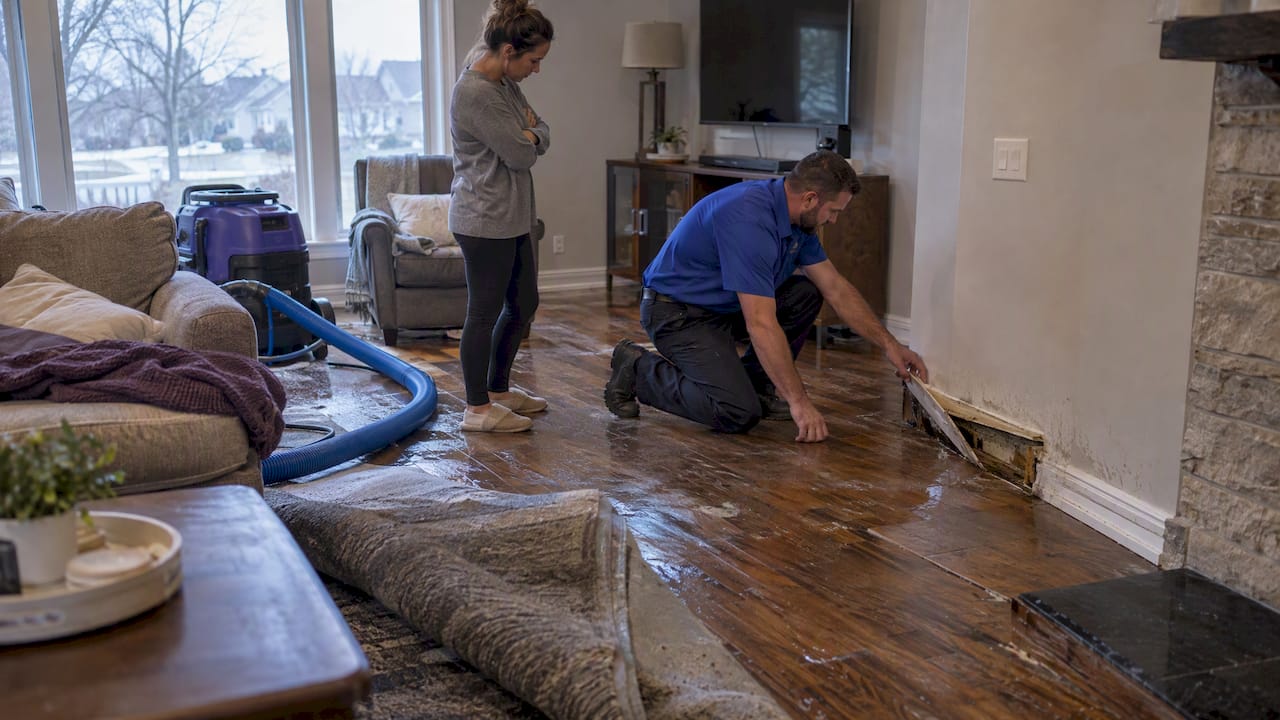
- Warped and buckled flooring. Hardwood floors absorb moisture and cup within hours. Once cupping occurs, the boards must be replaced, not just dried.
- Compromised drywall. Wet drywall loses its structural composition. It crumbles, grows mold internally, and cannot be dried back to a safe state. Full replacement is required.
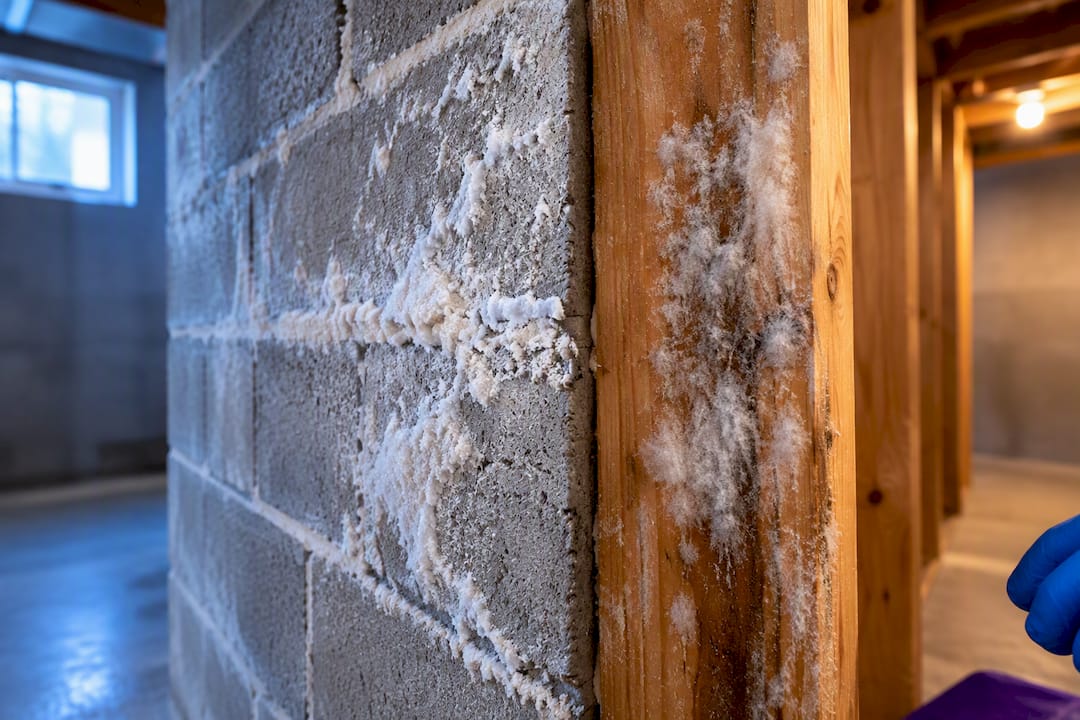
- Mold growth and health risks. Professional drying prevents mold growth that begins within 24 to 48 hours in saturated materials. Mold species like Stachybotrys (black mold) produce mycotoxins linked to respiratory issues, headaches, and long-term health complications.
- Structural deterioration. Saturated wood joists and beams lose load-bearing capacity over time. What starts as a damp floor joist can eventually become a safety concern requiring structural repair.
- Lost personal belongings. Documents, photographs, furniture, electronics. These are rarely covered once water has been sitting for days. Speed of recovery determines what can be saved.
Every hour of delay increases the severity of water damage losses, and certified restoration companies cite this as the primary reason they dispatch immediately rather than scheduling appointments.
The real benefits of acting within the first hour
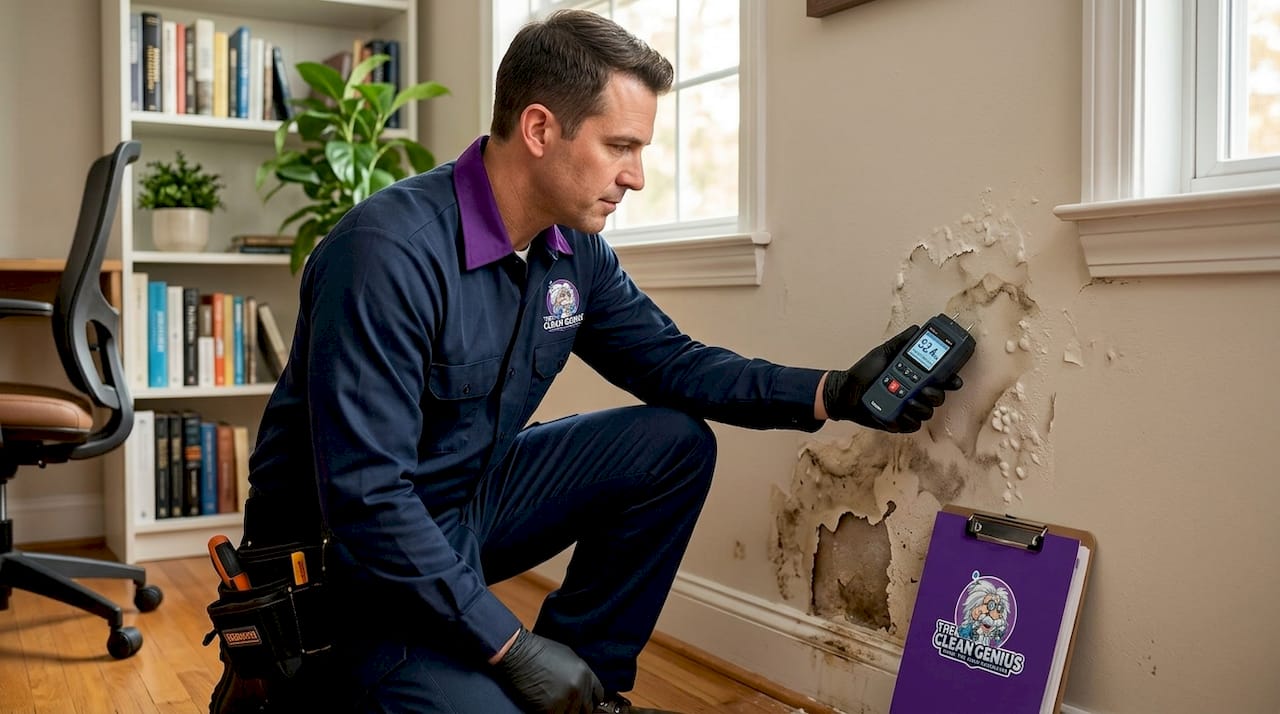
The importance of quick water damage response comes down to one principle: materials that are dried within the first few hours rarely need to be replaced. Materials that stay wet for 24 hours or more almost always do.
Here is what rapid water damage mitigation actually prevents:
- Secondary damage from mold. Mold requires moisture and time. Remove the moisture fast enough and you remove the conditions mold needs to grow.
- Structural replacement costs. Drying wood in place costs a fraction of what it costs to tear out and replace it.
- Extended displacement. Families who get quick help are back in their homes days faster than those who wait.
- Insurance complications. Insurers look at whether damage was mitigated promptly. Delays can complicate or reduce claim payouts.
Pro Tip: Take photos and videos of all visible damage before any cleanup begins. This documentation is critical for your insurance claim and should be done before you move a single item.
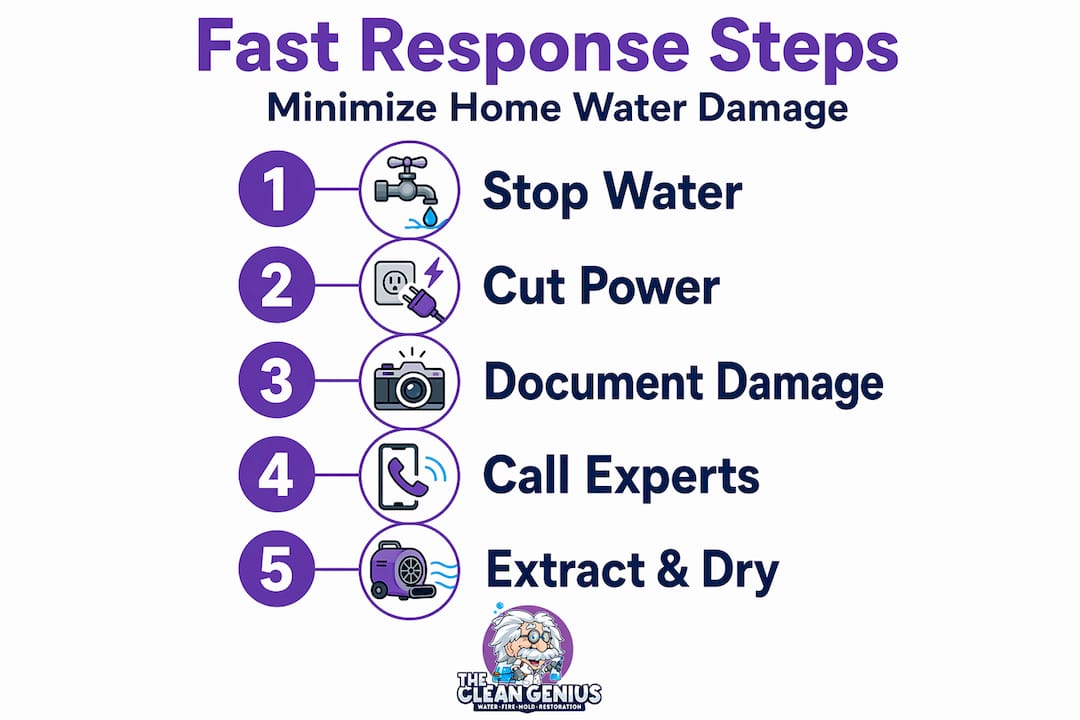
Stopping the water source is the first and most impactful step. Immediate shut off reduces damage severity significantly, because water continues flowing from a burst pipe or supply line until someone physically stops it. Every minute of continued flow is more material getting saturated.
Professional emergency water extraction goes far beyond what a wet vac or towels can accomplish. Industrial extractors remove hundreds of gallons from carpet, subfloor, and concrete in the time it would take you to soak up a fraction of it manually. That speed is what makes professional response worth every dollar.
Water damage emergency tips for immediate action
Knowing how fast to respond to water damage is one thing. Knowing exactly what to do in those first minutes is another. These steps will help you limit the damage while professional help is on the way.
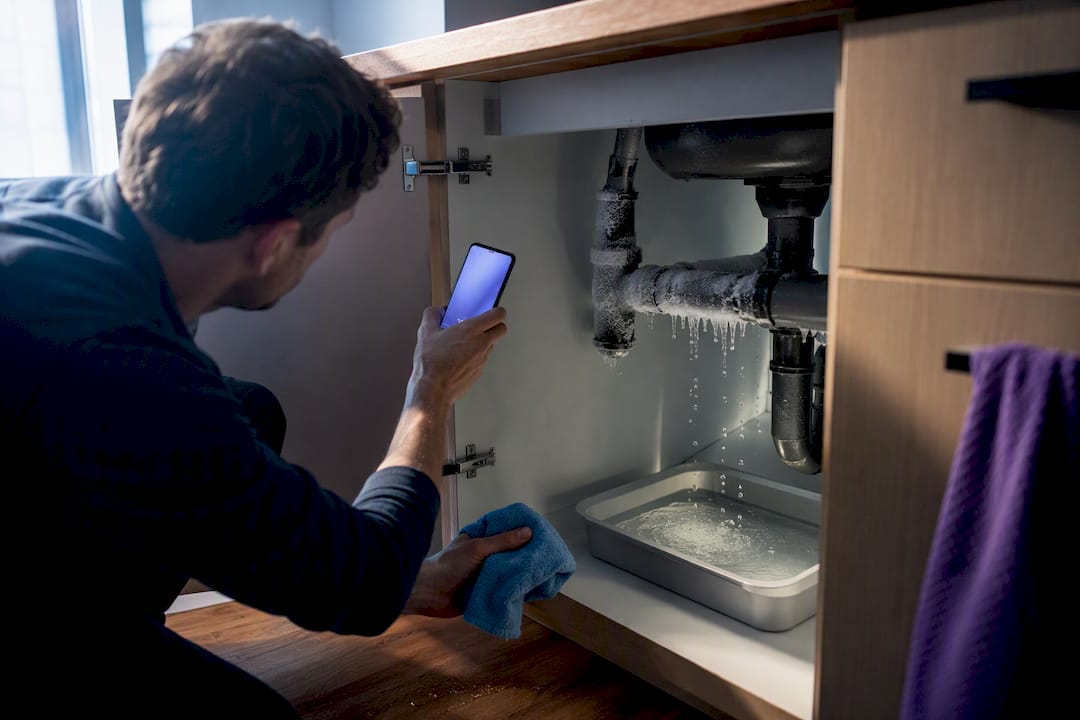
- Shut off the water supply. Locate your main shutoff valve and close it. If the source is an appliance like a washing machine or dishwasher, shut off the valve directly behind it. Stopping water flow is the single most impactful action you can take immediately.
- Cut power to affected areas. Do not walk into standing water in a room where electricity is on. Go to your breaker panel and turn off power to the flooded zone before entering.
- Move valuables to higher ground. Pull furniture legs off wet carpet. Move electronics, documents, and irreplaceable items out of the water’s path.
- Open windows and run fans if safe. Airflow slows moisture absorption into walls and floors while you wait for professionals. This is a holding action, not a solution.
- Call a 24/7 emergency restoration service. Do not wait until business hours. Water damage gets exponentially worse overnight. A company with round-the-clock availability can have equipment on site within hours. Review the full emergency response steps so you know exactly what to expect.
- Document everything. Photograph the water source, affected rooms, damaged materials, and any belongings that were impacted. This is your insurance documentation.
The best practices for water damage emergencies always prioritize safety first, then source control, then damage containment. You do not need to fix anything yourself. Your job is to stop the bleeding and get the right team there fast.
Preventing future water damage through routine maintenance
The best water damage emergency is the one that never happens. Routine inspections reduce the risk of sudden leaks and water intrusion significantly, and most of the maintenance involved is simple and inexpensive.
- Inspect plumbing connections twice a year. Look under sinks, behind appliances, and around your water heater for signs of corrosion, drips, or slow leaks.
- Keep gutters clean and downspouts extended. Clogged gutters cause water to pool against your foundation and find its way into basements and crawl spaces.
- Check your roof after major storms. A small shingle gap can allow water intrusion that saturates attic insulation for weeks before you ever see a ceiling stain.
- Monitor indoor humidity. A basic hygrometer costs under $20. Anything above 60% humidity indoors creates favorable conditions for mold and signals hidden moisture problems.
- Use water detection sensors. Battery-operated sensors placed near your water heater, washing machine, and under sinks will alert you to leaks before they become floods.
| Maintenance task | Frequency | Risk it prevents |
|---|---|---|
| Plumbing inspection | Every 6 months | Pipe leaks, appliance failures |
| Gutter cleaning | Spring and fall | Foundation and basement flooding |
| Roof inspection | After major storms | Attic water intrusion |
| Humidity monitoring | Ongoing | Mold growth, hidden condensation |
| Water sensor check | Monthly | Early leak detection |
Small investments in maintenance consistently prevent the kind of emergency that displaces families and costs tens of thousands of dollars.
My honest take after seeing hundreds of water damage cases
I have been in the water restoration business long enough to recognize a pattern that plays out the same way, again and again. A homeowner finds a wet spot. It does not seem that bad. They think it might dry out. They wait two days. By the time they call us, what could have been a two-day dry-out job has turned into a full mold remediation and subfloor replacement.
In my experience, delay is almost never a rational decision. It is emotional. People see water in their home and they freeze, or they minimize it because dealing with it feels overwhelming. I get that. But I have watched that instinct cost families $15,000 when the same problem caught in hour one would have cost $2,000.
What I have learned is that the homeowners who fare the best are not the ones who know the most about water damage. They are the ones who act before they fully understand the scope of the problem. You do not need to know how bad it is to pick up the phone. That is what we are here to figure out.
The mold risk alone should be enough to motivate anyone to call immediately. I have seen homes with quick attention avoid major structural work entirely because someone made a call within the first hour. That window is real, and it closes fast.
— Jim
Ready to act? Thecleangenius is here 24/7

When water damage hits your Chicagoland home, every minute counts. Thecleangenius is a family-owned water damage restoration company with over 25 years of combined experience and more than 400 five-star reviews from homeowners across Arlington Heights, Schaumburg, Naperville, Wheaton, and surrounding communities. Our certified technicians respond around the clock, using industrial-grade extraction equipment and advanced moisture detection to stop hidden saturation before it becomes mold.
We handle everything from flooded basements and burst pipe repairs to mold removal and remediation using Pure Cloud dry-fog technology, and we work directly with your insurance carrier so you are not managing the paperwork alone. Not sure what to look for in a restoration company? Use our restoration company checklist to make a confident decision fast.
FAQ
How fast should you respond to water damage?
You should respond immediately, ideally within the first hour. Every hour of delay increases the severity of damage and the cost of restoration.
Why does water damage spread so quickly inside a home?
Water migrates through porous materials like drywall, insulation, and wood by capillary action and gravity, reaching wall cavities and subfloors far beyond the visible wet area within hours.
When does mold start growing after water damage?
Mold spores can begin activating in saturated materials within 24 to 48 hours, which is why professional drying must begin as soon as possible after exposure.
What are the first things to do when water damage occurs?
Shut off the water source, cut power to affected areas, document the damage with photos, and call a 24/7 emergency restoration service before doing anything else.
Does homeowner’s insurance cover delayed water damage claims?
Coverage can be reduced or denied if an insurer determines that damage worsened due to a lack of prompt mitigation. Fast action protects both your home and your claim.