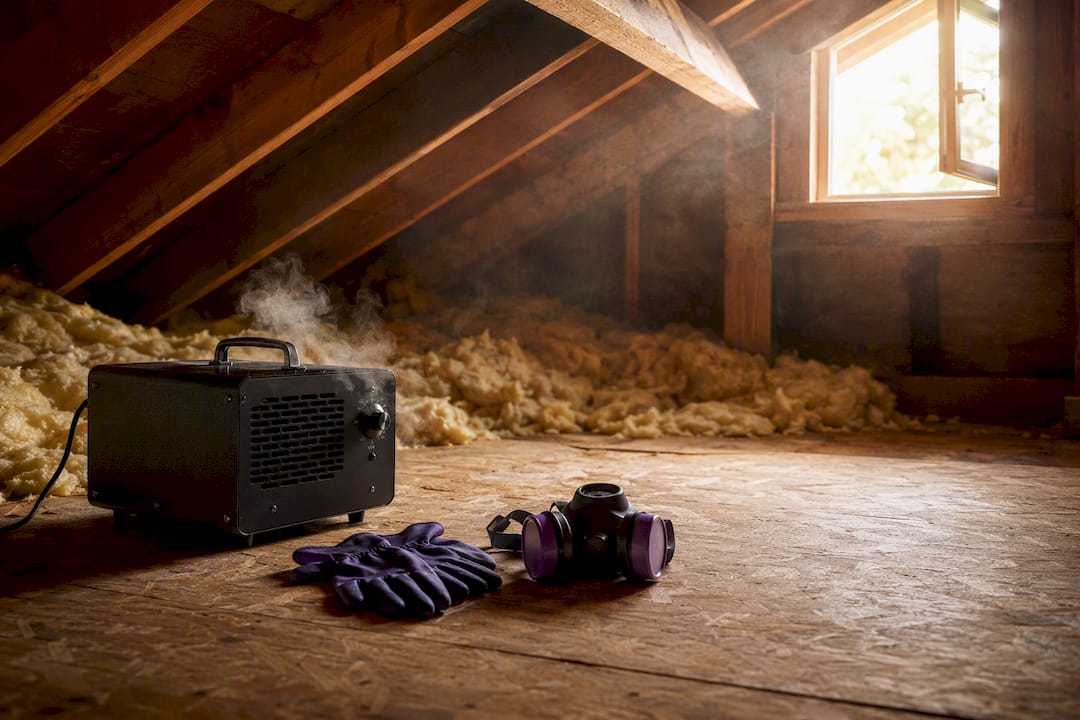

Ozone is not the right tool for removing odors in a home you’re living in, and it’s rarely the best first move even in an empty house. The U.S. EPA states plainly that ozone at concentrations safe for people is generally ineffective at eliminating many indoor odor compounds, and intentional ozone generators aren’t approved for occupied spaces. The NADCA and the California Air Resources Board both back that up.
- Ozone only knocks out stubborn odors at concentrations that exceed public health limits.
- The FDA caps ozone from medical devices at a low parts-per-million threshold, indicating how little margin exists before exposure gets risky.
- Effective use means an empty house, source removal first, and professional monitoring, not a plug-in unit running while you sleep.
Key Takeaways
Ozone treatment works only at concentrations that exceed safe human exposure limits, which is why professionals reserve it for unoccupied spaces after the odor source has already been removed.
| Point | Details |
|---|---|
| Ozone is not for occupied homes | The EPA and CARB both advise against intentional ozone generation while people or pets are present. |
| Safe levels rarely work | At concentrations that meet public health standards, ozone struggles to remove many common odor compounds. |
| Byproducts are a real risk | Ozone reacting indoors can form aldehydes and other pollutants worse than the original smell. |
| Source removal comes first | Removing mold, soaked materials, or soot residue matters more than any deodorizing step after. |
| The Clean Genius handles it professionally | Their certified teams prioritize source removal and monitored treatments over unsupervised ozone use. |
Table of Contents
- What Is Ozone Treatment and How Is It Supposed to Remove Odors?
- Does Ozone Actually Remove Household Odors?
- Why Ozone Is Not Safe to Use Around People or Pets
- When Ozone Treatment Makes Sense for Odor Removal
- Safer Ways to Remove Odors Without Ozone
- Should You Buy a Consumer Ozone Generator?
- What Professional Odor Remediation Costs and How Long It Takes
- What to Do Right Now About a Persistent Odor
- A Restoration Provider’s Take on Ozone
- Get a Professional Odor Assessment From The Clean Genius
- Sources
What Is Ozone Treatment and How Is It Supposed to Remove Odors?
Ozone (O3) is an unstable, highly reactive molecule made of three oxygen atoms instead of the two you breathe. That extra atom wants to break off and bond with something else, and when it does, it oxidizes whatever molecule it touches. That’s the entire premise of ozone therapy for odors: flood a space with O3, let it chemically break apart odor-causing compounds like smoke residue, mold byproducts, or volatile organic compounds (VOCs), and end up with molecules that no longer register as smell.
It works differently depending on where it happens. In water treatment, ozone and ozone-based oxidation processes are genuinely effective at breaking down a wide range of odor compounds. Air is a different environment entirely, with lower contact time and far more variables.
Restoration crews use ozone treatment in specific, narrow ways:
- Whole-room fogging in a vacant property after smoke or fire damage.
- HVAC and duct treatment, targeting the systems that recirculate odor through a house.
- Claims about penetrating porous materials like drywall, insulation, and fabric that trap smoke particles.
Does Ozone Actually Remove Household Odors?
At the concentrations safe for people to breathe, ozone struggles against a lot of common household smells. That’s the honest, high-level answer. The EPA’s own analysis finds ozone generally ineffective at removing many indoor odor-causing chemicals when kept within human-safe exposure ranges.
Where ozone does work impressively, the conditions are nothing like your living room. One industrial study on rubber-processing odor found more than 90% VOC and odor removal, but it took ozone concentrations around 4.0 ppm combined with wet contact conditions. That’s roughly 80 times higher than the FDA’s 0.05 ppm safety limit for medical devices, in a controlled industrial system built to handle it. A restoration blog’s own description of how ozone treatment works echoes this: it can help with stubborn smoke and musty smells in a vacant home, but it isn’t a substitute for pulling out contaminated material first.
There’s also a chemistry problem nobody advertises. When ozone reacts with common indoor chemicals, it can form secondary pollutants like aldehydes and formaldehyde. So you’re not just failing to remove the odor in many cases. You might be manufacturing new irritants in the process.
- Standard particle filters (HEPA) remove dust and allergens but not gaseous odors at all, a limitation the EPA’s technical summary on residential air cleaners spells out clearly.
- Some electronic and plasma-based air cleaners emit ozone as an unintended byproduct, on top of whatever ozone a generator produces on purpose.
Why Ozone Is Not Safe to Use Around People or Pets
Ozone is a lung irritant, full stop. Breathing it can trigger chest tightness, coughing, throat irritation, and shortness of breath, and the effects hit children, older adults, and anyone with asthma or COPD hardest. This isn’t a fringe opinion. The EPA and California Air Resources Board both warn against intentional ozone generation in occupied spaces, and CARB now requires ozone output testing under UL 867 for any air cleaner sold in California.
NADCA’s own guidance draws the line just as sharply: ozone can remove some odors and kill certain biological contaminants, but only at concentrations above public health standards, which means it belongs strictly in unoccupied spaces under professional control.
There’s a subtler danger most homeowners never hear about. CARB describes what it calls a “masking effect,” where ozone deadens your sense of smell enough that a room seems fresh even though the ozone concentration itself might be unsafe, and the underlying odor source is still sitting there untouched. Your nose stops being a reliable warning system right when you need it most.
- Short-term ozone exposure can cause headaches, eye irritation, and reduced lung function even at low levels.
- Ionizers and similar electronic devices can generate ozone as a side effect of normal operation, not just as their main function.
- Pets, especially birds and small mammals, are often more sensitive to ozone than humans.
Pro Tip: If a room smells “ozone clean” after running a generator, don’t treat that as reassurance. That sharp, metallic smell is the ozone itself, and it tells you nothing about whether the concentration is actually safe to breathe.
When Ozone Treatment Makes Sense for Odor Removal
Ozone earns a place in a restoration plan under a specific set of conditions: the space is fully vacant, the odor source has already been physically removed, and someone trained is monitoring air quality throughout. Think large-scale fire and smoke jobs, musty odors left behind after water damage has been dried out, and HVAC duct decontamination once the contaminated material is gone.
Professionals who use ozone this way follow a fairly consistent sequence, drawn from NADCA’s own procedural guidance:
- Inspect the space and remove any contaminated or source materials first.
- Seal off the treatment area and confirm it’s fully unoccupied, including pets.
- Run controlled ozone dosing for a set dwell time based on the space and odor severity.
- Ventilate thoroughly and let ozone levels decay before anyone re-enters.
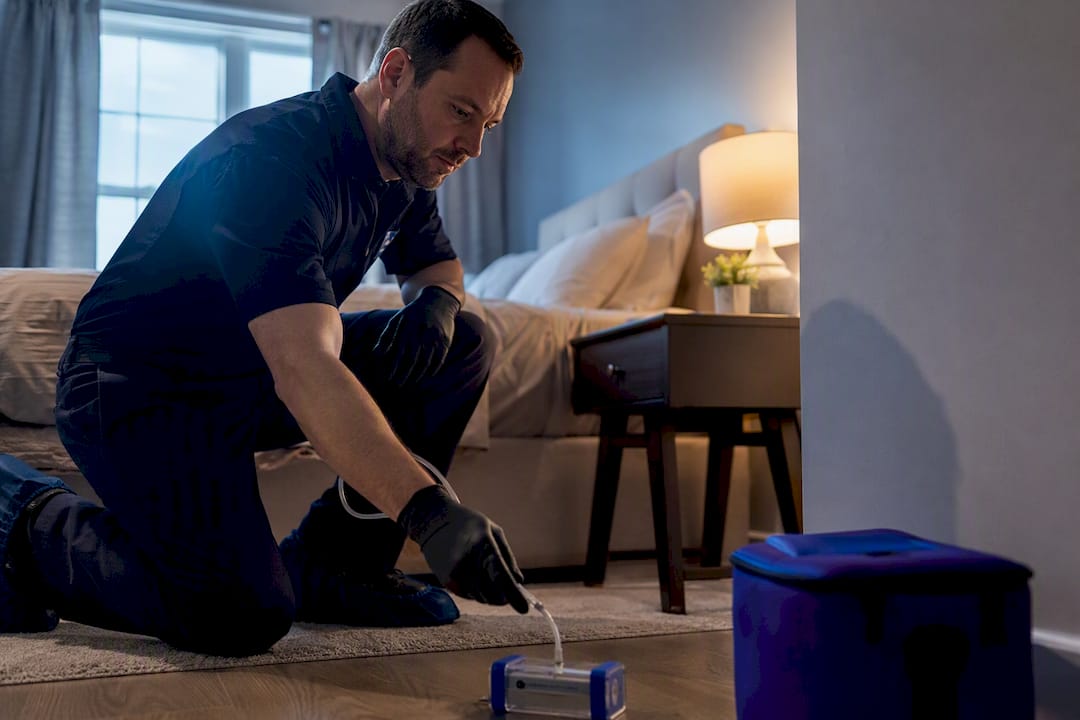
- Test air quality and confirm clearance before calling the job done.
Pro Tip: If you’re ever quoted an ozone treatment as a stand-alone service with no mention of source removal or air-quality clearance testing, treat that as a red flag rather than a bargain.
Safer Ways to Remove Odors Without Ozone
Most household odors respond better to methods that don’t involve gambling with air quality. Start with the source, not the symptom.
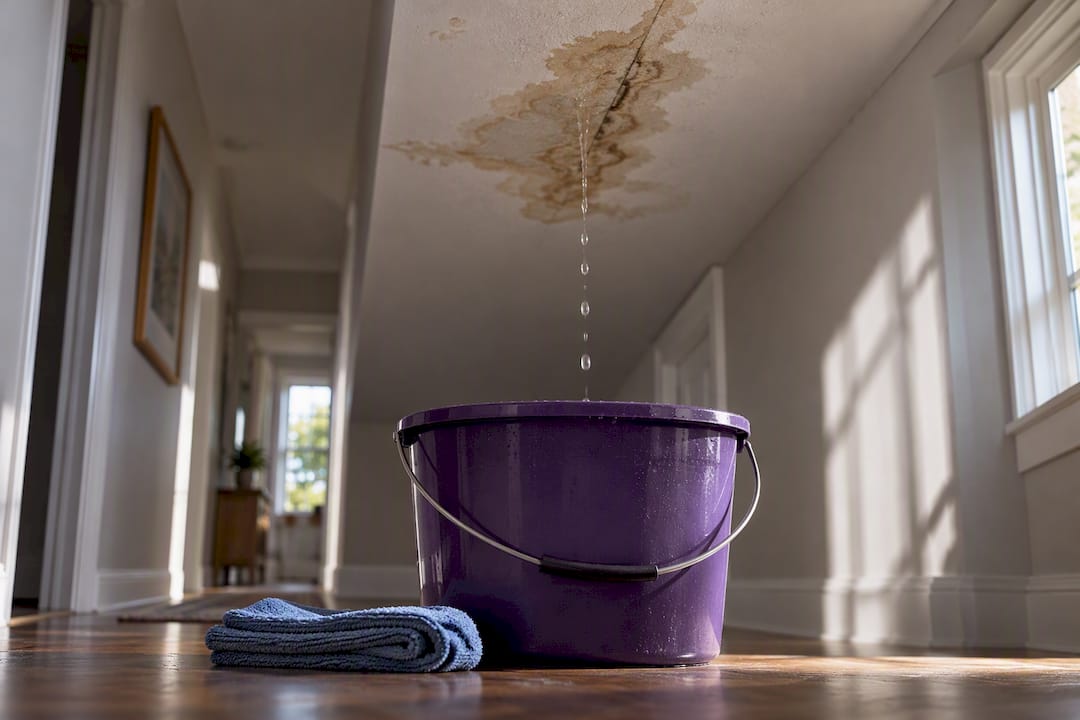
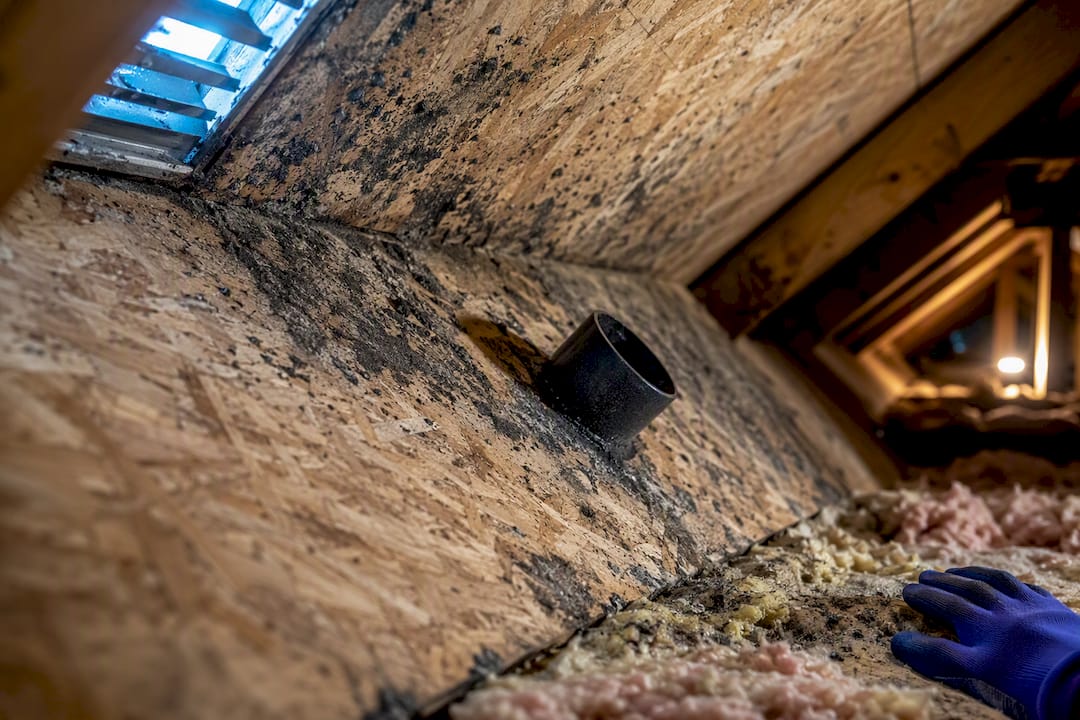
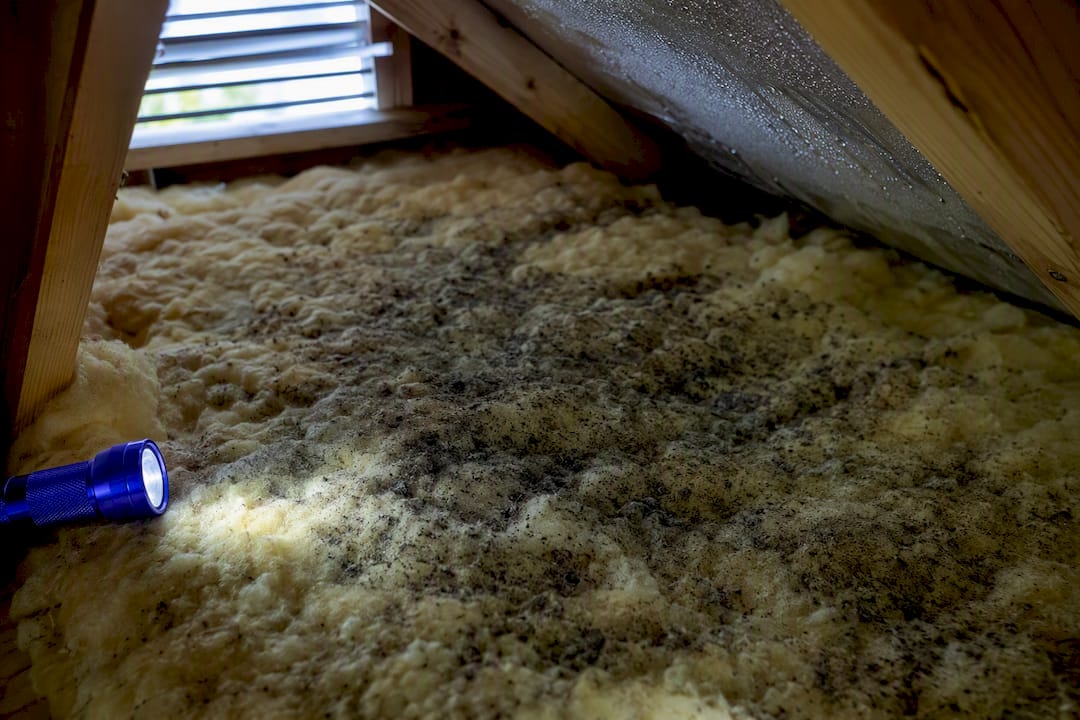
- Pull out what’s actually causing the smell: moldy drywall, soaked insulation, pet-stained carpet padding. Odor elimination with ozone can’t fix a problem that’s still physically present.
- Ventilate the space and pair that with activated carbon filtration, which handles gases and VOCs that HEPA filters simply pass through.
- Combine HEPA for particles with activated carbon for gases rather than expecting one filter type to do both jobs.
- Consider professional dry-fog odor neutralization, which uses a fine mist to encapsulate odor molecules rather than relying on unstable oxidation.
If mold is anywhere in the picture, proper remediation safety practices matter more than any deodorizing step that comes after. Skipping that step is one of the most common reasons remediation fails and odors keep coming back months later. Ordinary cleaning also isn’t the same as remediation. Surface cleaning can make a room smell better for a week while spores keep growing behind the baseboard.
Should You Buy a Consumer Ozone Generator?
Skip it if the room is occupied at any point during operation, and that includes pets and houseplants that need airflow. A device being legal to sell doesn’t mean it’s approved or recommended for use around people.
- Never run a consumer ozone generator while anyone is home, asleep, or scheduled to walk through soon.
- Don’t judge safety by smell. Olfactory fatigue dulls your sense of both the ozone and the original odor within minutes.
- Check the labeling closely. Most units marketed as “air purifiers” are not tested or certified for occupied-space use, and CARB’s UL 867 testing requirement exists precisely because so many weren’t.
What Professional Odor Remediation Costs and How Long It Takes
Cost depends mostly on how far the odor has spread and how much material needs to come out, not on which chemical gets used at the end.
- Size of the affected area and whether it involves one room or an entire HVAC system.
- Whether source materials like drywall, insulation, or subflooring need removal and replacement.
- How deeply the odor has penetrated porous surfaces after weeks or months of exposure.
A typical job runs through inspection, source removal, drying or cleaning, an optional unoccupied ozone or dry-fog treatment, and then airing out with clearance testing before anyone moves back in. Depending on severity, that whole sequence often takes several days to about a week. Ozone, when it’s used at all, is one step in that sequence, never the whole job.
What to Do Right Now About a Persistent Odor
Work through this in order rather than jumping straight to a chemical fix:
- Inspect and identify the actual source: water damage, mold, smoke, pets, or something structural.
- Remove or remediate that source before trying anything else.
- Try ventilation, HEPA filtration, and activated carbon for lingering smells once the source is gone.
- Call a professional if the odor persists after source removal or if it’s tied to mold, fire damage, or hidden moisture.
If you do decide ozone treatment fits your situation, insist on professional monitoring, documented dosing, and a follow-up clearance test before moving back in. For anything involving structural damage, mold, or smoke and soot, that’s the point to call in a licensed remediation crew instead of troubleshooting it yourself.
A Restoration Provider’s Take on Ozone
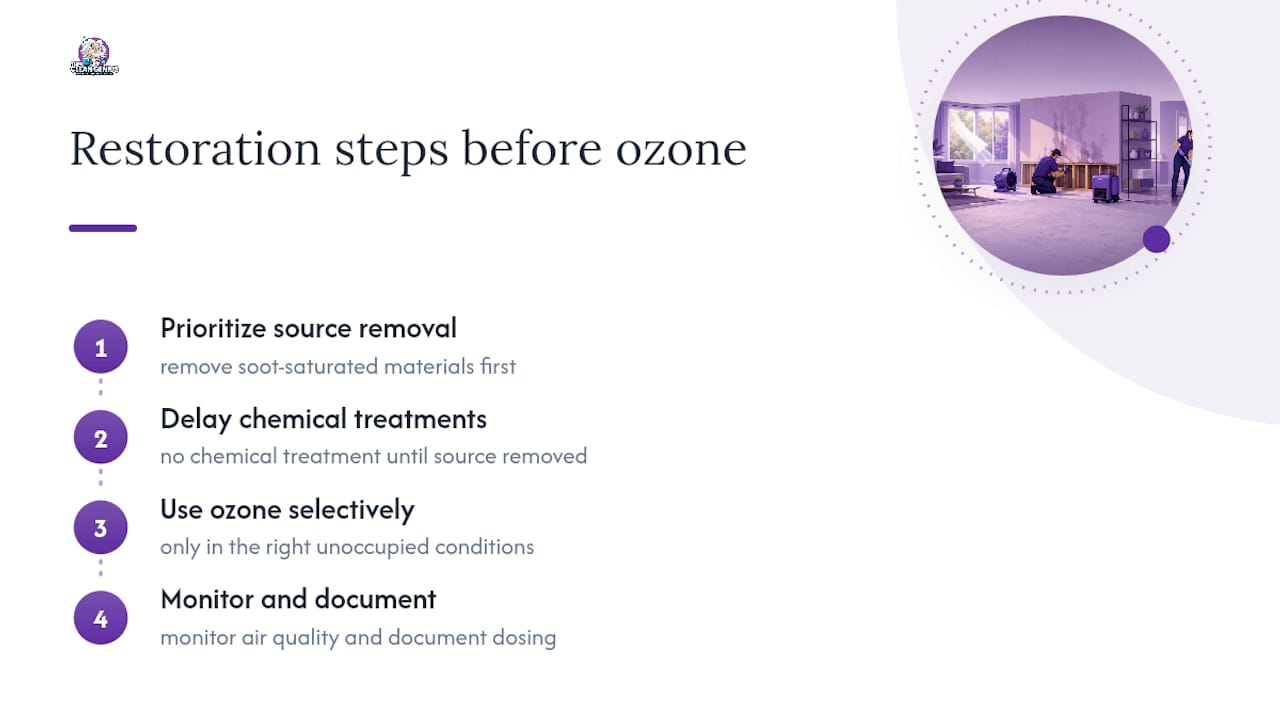
I’ve walked into plenty of fire and smoke jobs where the homeowner already tried a rented ozone machine and came away disappointed, usually because nobody removed the soot-saturated materials first. Ozone can help in the right unoccupied conditions, but it’s never our starting point. We monitor air quality, document dosing, and prioritize getting the source out before any chemical treatment enters the conversation.
Get a Professional Odor Assessment From The Clean Genius
Ozone has a narrow, professionally supervised role. What most homeowners actually need is source removal done right the first time, which is exactly where The Clean Genius focuses. Instead of renting equipment and hoping for the best, you get a trained team that inspects the source, handles the removal, and only considers a treatment like professional dry-fog odor neutralization once the underlying problem is gone.

Our certified crews handle water damage restoration, mold remediation, and fire and soot odor removal across the greater Chicagoland area, backed by more than 25 years of combined experience and hundreds of five-star reviews. If a smell in your home won’t go away no matter what you try, request an on-site estimate and we’ll tell you exactly what’s causing it and what it takes to fix it for good. We’re available 24/7 for emergencies, so you don’t have to wait through another week of guessing.
Sources
- Ozone Generators that are Sold as Air Cleaners | US EPA
- Hazardous Ozone-Generating Air Purifiers | California Air Resources Board
- NADCA Position Paper
This article is general information, not a substitute for advice from a qualified doctor. Consult a qualified healthcare professional about your own circumstances before acting on anything here.