
Water mitigation is the emergency work that stops water and limits damage, and it needs to start as soon as it is safe, ideally within 24 to 48 hours. Water restoration is the later repair work that returns your home to its pre-loss condition. It begins only after the structure is dry, assessed and, often, approved by your insurer.
TL;DR:
- Before rebuilding, ask for moisture readings and drying logs that show materials met documented targets; otherwise, hidden moisture can remain behind new walls.
- Keep photos, receipts, and cleanup records; temporary mitigation may be reimbursed, but coverage depends on the water source, and flood claims require separate coverage.
- Call trained crews for sewage, visible mold, deep standing water, structural damage, or water reaching electrical panels or HVAC; request documented daily drying logs.
- Avoid household fans and HVAC until you confirm the water is clean, and stay out of standing water if electricity may be live.
Table of Contents
- What is water mitigation and what does it involve?
- What is water restoration and what does it cover?
- How do mitigation and restoration fit together?
- What can you safely do right away?
- Why does speed matter so much for mold?
- How do you protect your insurance claim?
- When should you call a restoration professional?
- A note on urgency and getting help
- How can we help when water damage hits?
- FAQ
- Sources
What is water mitigation and what does it involve?
Mitigation is damage control. The goal is to stop the source, get standing water out, protect rooms that stayed dry and start drying right away. Every hour that moisture sits in drywall, subfloor and carpet padding makes the eventual repair bigger.
Typical mitigation tasks include:
- Shutting off the water supply from a dry location, when it is safe to do so
- Extracting standing water with pumps and extractors
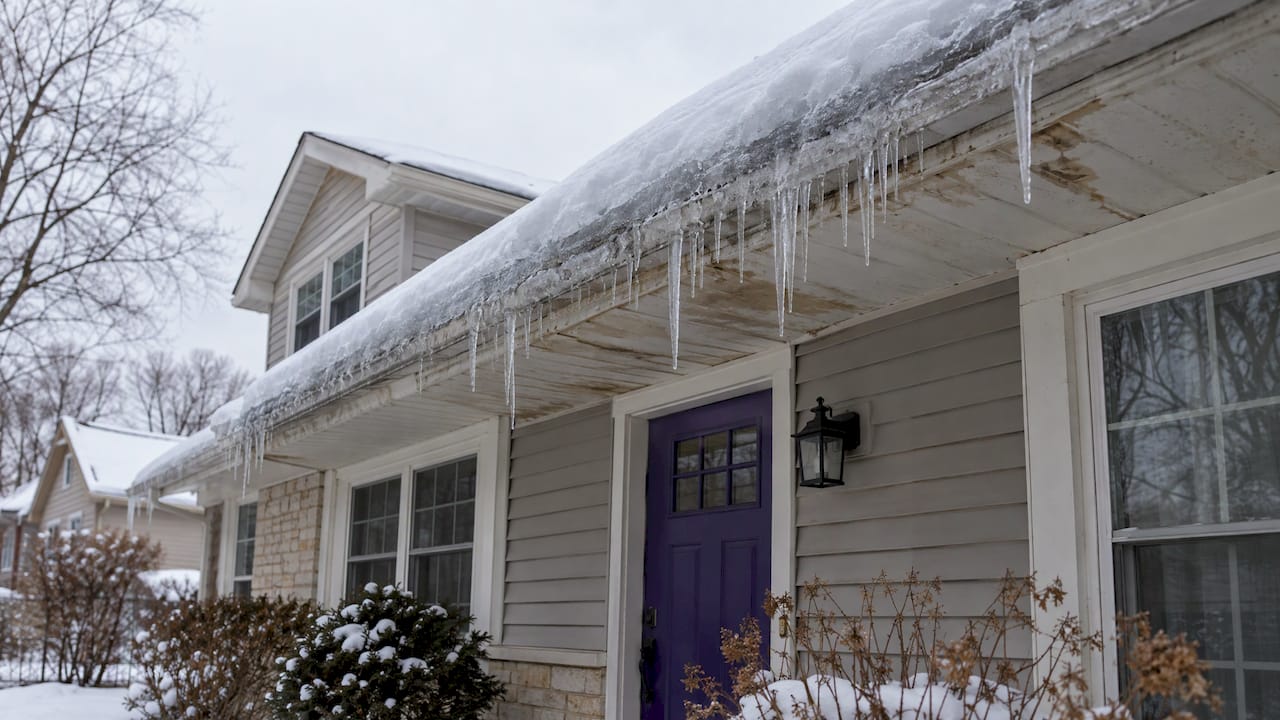
- Tarping or boarding up openings, such as a roof breach, to keep more water out
- Removing soaked materials that trap moisture, like padding or wet insulation
- Setting up air movers and dehumidifiers to start the drying process
Professionals also use containment barriers when the water may be contaminated, so germs do not spread to clean areas. EPA guidance recommends drying actions within 24 to 48 hours, including wet vacuuming, dehumidifiers and careful use of fans, and it warns that contaminated water calls for protective gear and professional containment. For a closer look at the machines involved, see our guide to water damage restoration equipment.
Pro Tip: Photograph everything before anything is moved or thrown out. Those images become your proof of the original damage.
What is water restoration and what does it cover?
Restoration is the rebuilding phase. Once the water is gone and the structure is drying, the focus shifts from stopping damage to repairing it. That can mean replacing drywall, flooring and trim that could not be saved, cleaning and deodorizing belongings, and restoring heating and cooling components that took on water.
A typical restoration job covers:
- A thorough assessment of what is salvageable and what is not
- Selective demolition of materials that stayed wet or were contaminated
- Structural repairs and rebuilding, from drywall to flooring
- Cleaning, deodorizing and restoring contents
- HVAC and duct cleaning or repair where water reached them
- Final verification that materials are dry and indoor air is acceptable
The professional benchmark here is the IICRC S500 standard, which describes structural, HVAC and contents restoration, along with drying goals and monitoring procedures. It also calls for setting moisture targets before materials are reinstalled. In plain terms, a good contractor reads a moisture meter and compares it to a documented dry standard before closing up a wall. Skipping that check is how hidden moisture turns into mold behind fresh paint.
How do mitigation and restoration fit together?
Think of mitigation as the hand-off to restoration. One cannot responsibly start until the other has done its job. Here is the usual sequence:
- Emergency response and mitigation (hours to a few days). The source is stopped, standing water is extracted and equipment goes in.
- Drying and monitoring (days to weeks). Technicians check moisture readings regularly and adjust equipment until the structure approaches its drying goals.
- Assessment and documentation. Drying progress is logged, readings are recorded and the scope of repairs is written up.
- Approvals. Your insurer or adjuster often reviews the documentation before permanent repairs are authorized.
- Restoration. Rebuilding begins once the drying goals are met.
Several things stretch the timeline. Moisture hiding inside wall cavities or under flooring can keep readings high. Contaminated water adds cleanup and removal steps. Contents with sentimental or high value, like upholstered furniture, are hard to dry fully and may need specialist care, as EPA guidance notes. The more thoroughly the early phases are documented, the smoother the hand-off goes.
What can you safely do right away?
Safety comes before speed. Do not walk into standing water if the power may be on, and stay out of areas where sewage may be present. CDC safety guidance advises turning off the main power from a dry spot if it is safe, and using wet-dry vacuums or pumps only when electricity is safe. If you suspect structural or electrical danger, call emergency services first. For a printable quick checklist, see our emergency water damage response steps.
Safe actions:
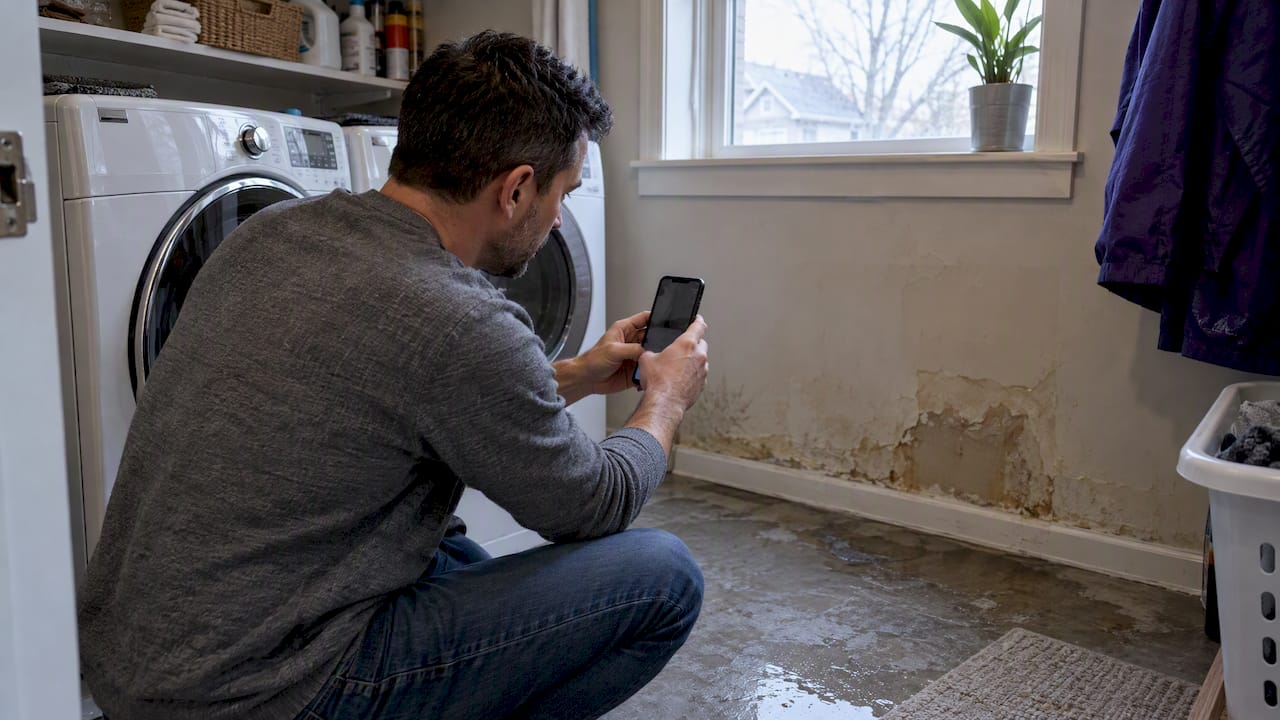
- Photograph and video the damage before touching anything
- Move small, undamaged items to a dry room
- Lift area rugs out of the wet zone if the floor is safe to walk on
- Open windows for airflow once you have confirmed the power is safe
What to avoid:
- Running household fans or your HVAC system before the water is confirmed clean, since they can spread contaminants
- Attempting major structural repairs on your own
- Handling sewage or Category 3 water, which needs professional mitigation, as does any significant standing water
Temporary storm damage is a good example of mitigation in action. Our partners at Stalwart Roofing explain tarping and temporary roof repair in their guide to storm damage restoration, which complements the steps above when rain is coming in from above.
Pro Tip: Write down the time you discovered the damage and every step you took afterward. A simple timeline helps your insurer and your contractor.
Why does speed matter so much for mold?
Mold does not need long. According to the CDC, mold colonization can begin within 24 to 48 hours of water intrusion.
Moisture that remains beyond 72 hours can escalate water damage into a biohazard situation and raise costs dramatically, as the CDC explains. That is why drying started in the first day or two often decides whether you need repairs or full mold remediation.
Fast extraction and steady drying keep materials from staying wet long enough for growth to take hold. When water has been sitting, or when it was contaminated, remediation is a separate job that uses protective equipment and containment to keep spores from spreading. Spotting trouble early helps, and our guide on mold growth signs after flooding shows what to look for. To understand why moisture feeds mold in the first place, read why mold grows after water damage.
How do you protect your insurance claim?
Insurers expect you to take reasonable steps to prevent further damage. The Arizona Department of Insurance and Financial Institutions notes that temporary mitigation repairs are often reimbursed, but you should check with your insurer before signing contracts for large permanent repairs.
- Photograph and video the damage before and during cleanup
- Keep every receipt for emergency work, equipment and temporary repairs
- File your claim promptly and expect an adjuster visit
- Hold off on permanent repair contracts until the adjuster signs off
- Track estimates and communications in one place
Coverage depends on the cause of the water. FEMA explains that flood claims run through separate flood insurance programs, and that failing to take mitigation steps, such as letting mold develop, can jeopardize coverage for related damage. The NAIC also stresses documenting damage and keeping records. Our water damage insurance claim checklist walks through the paperwork.
When should you call a restoration professional?
Some situations are beyond a mop and a shop vac. Call a professional if you see any of these:
- Standing water deeper than you can safely handle
- Sewage or other contaminated water
- Visible mold growth
- Signs of structural damage, such as sagging ceilings
- Water that has reached your HVAC system or electrical panel
On site, expect a defined workflow: inspection, moisture mapping, water extraction, equipment setup, daily monitoring with documented drying logs, and then a repair estimate. OSHA flood guidance points out that hazards like electrical exposure and contamination are work for trained crews with proper equipment.
Look for a contractor who follows IICRC S500 practices and can show you moisture readings and drying logs rather than just saying a structure is dry.
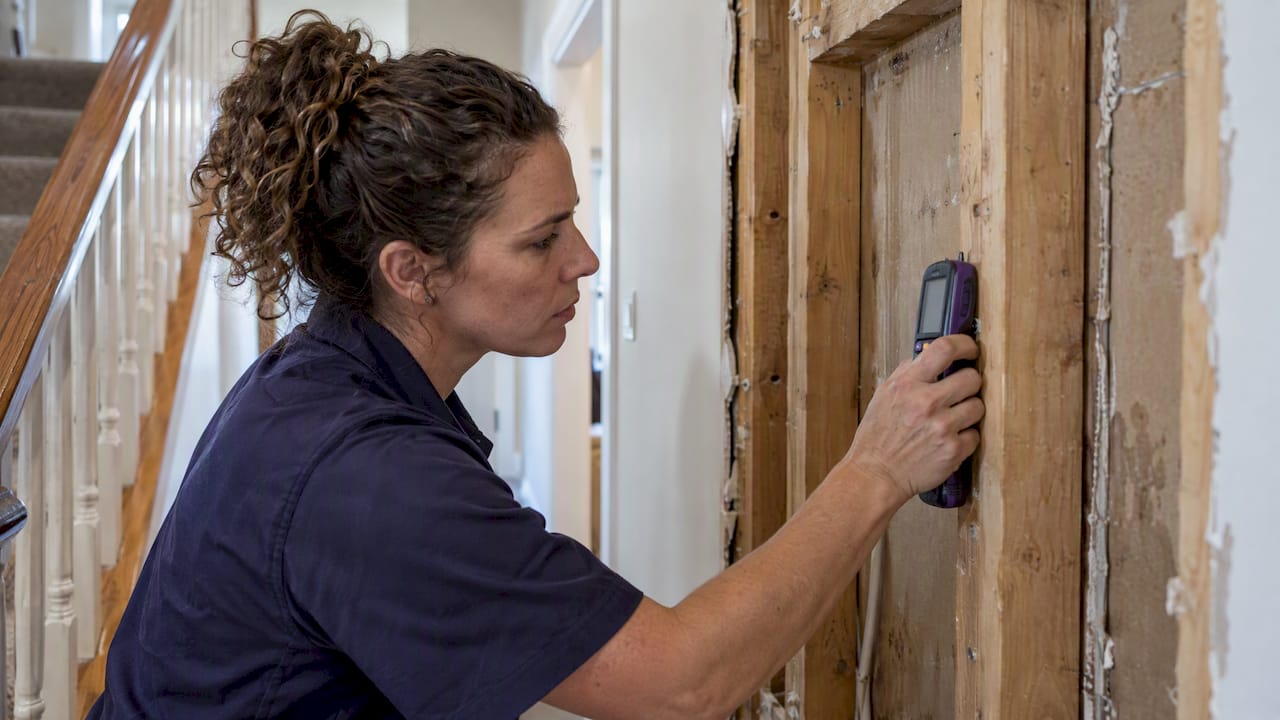
Pro Tip: Ask for the drying log before you approve rebuilding. A clear record of daily readings shows the structure reached its goals.
A note on urgency and getting help
Here is what I have come to believe: dealing with water damage promptly can help limit further damage. Homeowners who photograph the loss, call their insurer and bring in professionals quickly tend to avoid the larger bills that come with mold. If the water could be contaminated or the building feels unsafe, put your safety first and let a trained crew do the assessment.
— Jim
How can we help when water damage hits?
We are a family-owned water restoration company serving Chicagoland, available 24/7 for emergencies. Our teams handle water extraction, drying and mold removal, and we coordinate directly with your insurance.

When you call, we assess the situation and discuss next steps. If mold is already present, we handle that too. Call us now or request an estimate through our water damage restoration page, and we will get started on stopping the damage today.
FAQ
What is the difference between water mitigation and restoration?
Mitigation is the emergency work that stops water and prevents further damage, such as extraction and drying. Restoration is the repair and rebuilding that follows once the structure is dry. Both are part of one recovery, in that order.
How soon does mold start growing after water damage?
Mold colonization can begin within 24 to 48 hours of water intrusion, according to the CDC. That is why drying should begin as soon as it is safe.
Does homeowners insurance cover water mitigation?
Temporary mitigation costs are often reimbursed when the event is a covered loss, but coverage depends on the cause of the water. Flood damage, for example, is generally handled through separate flood coverage, as Triple-I explains. Check with your insurer and keep every receipt.
Can I do water mitigation myself?
You can take safe first steps, like photographing damage and moving small items, when the power is off or confirmed safe. Sewage, deep standing water and structural concerns call for professionals.