
A standard homeowners policy covers six categories of property damage and financial loss, known as Coverages A through F, and typically pays for sudden damage from perils like fire, windstorm, theft, and burst pipes while excluding floods, earthquakes, and gradual deterioration.
Before you read further, here are four things every homeowner should know:
- Flood damage is not covered by a standard policy. You need a separate NFIP or private flood policy.
- Sewer and sump pump backup is usually excluded from base coverage but can be added as an inexpensive endorsement.
- Replacement cost vs. actual cash value determines how much you actually receive after a loss. The difference can be thousands of dollars.
- Your declarations page lists your exact limits, deductibles, and any endorsements. It is the single most important document in your policy.
Key Takeaways
A standard HO-3 homeowners policy covers six categories of damage (Coverages A–F) and pays for sudden perils like fire, wind, and burst pipes, but excludes floods, earthquakes, sewer backup, and gradual wear and tear unless you add separate coverage or endorsements.
| Point | Details |
|---|---|
| Six core coverages (A–F) | Every standard policy covers dwelling, other structures, personal property, loss of use, liability, and medical payments. |
| Flood and earthquake are excluded | Both require separate policies; flood coverage is available through FEMA’s NFIP or private insurers. |
| Check your declarations page | Your exact limits, deductibles, valuation method, and endorsements are listed there, not in the general policy language. |
| Sewer backup needs an endorsement | It is excluded from base policies but typically inexpensive to add; worth doing before you need it. |
| Thecleangenius for urgent mitigation | Chicagoland homeowners can call Thecleangenius 24/7 for water, fire, or mold damage with full insurance documentation support. |
Table of Contents
- 1. What types of property damage does a standard homeowners policy cover?
- 2. Which perils are covered, and why water damage is more complicated than you think
- 3. How limits, deductibles, and valuation methods affect your actual payout
- 4. What to do immediately after property damage: a claim checklist
- 5. What standard policies exclude and when you need separate coverage
- 6. Drying validation and documentation: what restoration professionals do that protects your claim
- What homeowners consistently get wrong about their coverage
- Thecleangenius is ready when damage hits your Chicagoland home
- Sources
1. What types of property damage does a standard homeowners policy cover?
The HO-3 policy form is the most common homeowners policy in the United States. It organizes coverage into six sections, each addressing a different type of financial exposure. Understanding which section applies to your damage is the fastest way to know whether you have a claim.
Coverage A: Dwelling
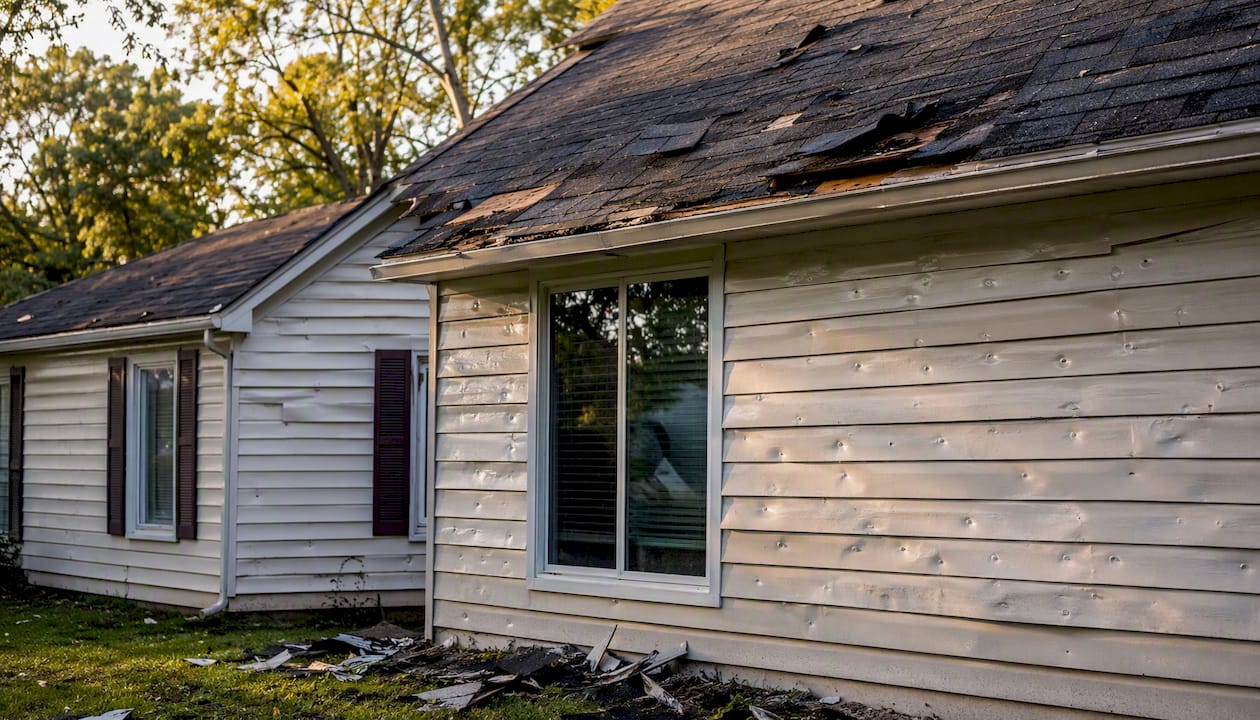
This covers the physical structure of your home, including the roof, walls, floors, built-in appliances, and attached garage. If a fire burns through your kitchen ceiling or a hailstorm strips your siding, Coverage A is what pays for repairs or rebuilding. The HO-3 form covers the dwelling on an “open perils” basis, meaning all causes of loss are covered except those the policy explicitly excludes.
Coverage B: Other structures
Detached garages, fences, sheds, and driveways fall here. The NC DOI guidance notes that other structures are often assigned a proportion of your Coverage A limit. If your dwelling is insured for $400,000, Coverage B is likely $40,000. That can be tight if you have a large detached garage or a long fence line. Ask your agent whether the default limit matches what it would actually cost to rebuild.
Coverage C: Personal property
Furniture, clothing, electronics, and most household contents are covered here, often at about half the value of Coverage A. Coverage C also follows you off-premises, so a laptop stolen from your car or luggage lost during travel may still be covered. The catch: sub-limits apply to high-value items. Jewelry coverage often has sub-limits under the base policy that restrict maximum reimbursement. If your jewelry, art, or collectibles exceed those sub-limits, a scheduled personal property endorsement is the way to insure them for full value.
Coverage D: Loss of use / Additional living expenses
If a covered loss makes your home uninhabitable, Coverage D pays for hotel stays, restaurant meals, pet boarding, and similar costs while repairs are underway. There are limits and time caps, so document every expense from day one.
Coverage E: Personal liability
This covers you if someone is injured on your property or if you accidentally damage someone else’s property. It pays legal defense costs and any judgment up to your policy limit. Standard limits start at a basic threshold, but many advisors recommend higher coverage, with an umbrella policy on top if your assets warrant it.
Coverage F: Medical payments to others
Smaller in scope than Coverage E, this pays the medical bills of a guest injured on your property regardless of fault. It is not a liability finding; it is a goodwill payment, typically $1,000–$5,000.
Policy form differences matter. The HO-3 is the baseline most homeowners carry. The HO-5 extends open-perils coverage to personal property as well, which is a meaningful upgrade. The HO-2 is a named-perils policy on both dwelling and contents, meaning only the perils listed in the policy are covered. The HO-8 is designed for older homes where replacement cost would far exceed market value.
2. Which perils are covered, and why water damage is more complicated than you think
Standard policies cover a defined set of perils. Most homeowners know about fire and theft. Fewer realize how precisely the policy defines water damage, and that distinction is where most disputes happen.
Commonly covered perils:
- Fire and lightning
- Windstorm and hail
- Explosion
- Smoke damage
- Vandalism and malicious mischief
- Theft
- Falling objects (a tree limb through your roof, for example)
- Weight of ice, snow, or sleet
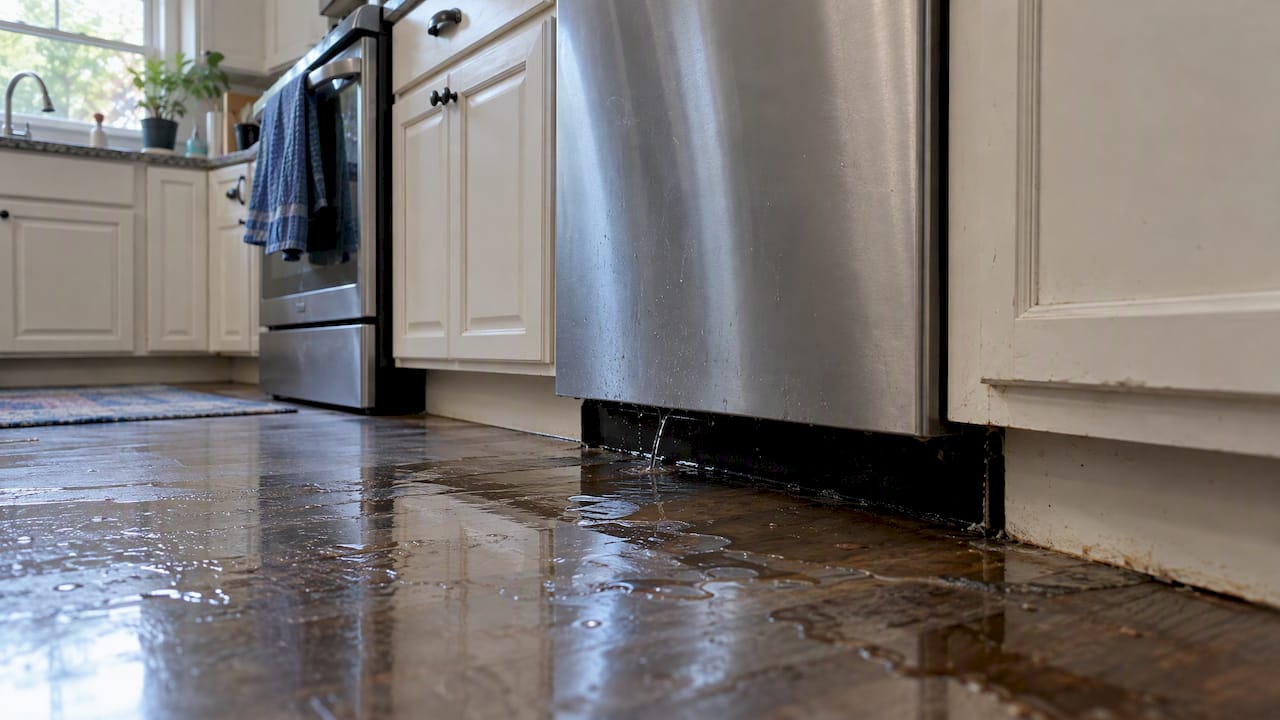
- Sudden and accidental discharge or overflow from plumbing, heating, or appliances (burst pipe, washing machine overflow)
The water damage distinction is critical. “Sudden and accidental discharge” from a burst pipe is covered. Water that enters your home from outside during a storm or flood is not. The line between the two is where many claims get disputed.
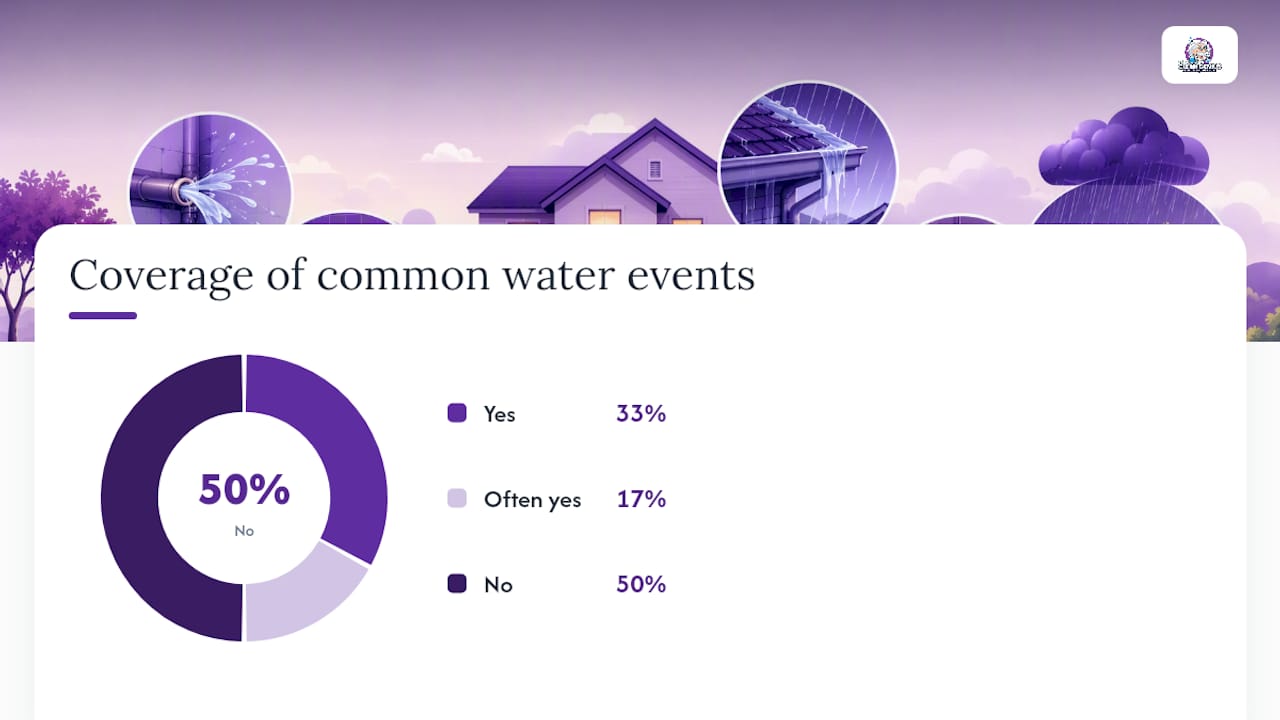
| Water Event | Typically Covered? | Notes |
|---|---|---|
| Burst pipe (sudden) | Yes | Must be sudden, not a slow leak |
| Washing machine overflow | Yes | Accidental discharge |
| Roof leak after storm | Often yes | Covered if storm caused the opening |
| Long-term slow leak | No | Considered maintenance failure |
| Sewer/sump pump backup | No (base policy) | Available as endorsement |
| Flood (surface water) | No | Requires NFIP or private flood policy |
Flood damage is excluded from standard homeowners policies entirely. FEMA’s National Flood Insurance Program (NFIP) and private flood insurers fill that gap. If your home sits in a mapped flood zone, your lender almost certainly requires you to carry a flood policy. Even outside flood zones, flooding from heavy rain is a real risk, and the NFIP is available to most homeowners regardless of zone designation.
Sewer and sump pump backup deserves its own mention. It is excluded from virtually every base policy, yet it is one of the more common and expensive water events homeowners face. The endorsement to add it is typically inexpensive relative to what a sewage cleanup costs. Check your declarations page; if you do not see a water-backup endorsement listed, call your agent.
Pro Tip: Wildfire risk and named-storm deductibles vary significantly by state. In some coastal and high-risk states, your hurricane or wind deductible is a percentage of your Coverage A limit rather than a flat dollar amount. NOAA/NCEI data show insured losses from severe weather rising steadily, which is why reviewing your specific deductible structure matters more now than it did a decade ago. Check your declarations page for any percentage-based deductibles.
3. How limits, deductibles, and valuation methods affect your actual payout
Knowing you have coverage is only half the picture. How much you receive depends on three variables: your limits, your deductible, and how your policy values the damaged property.
Limits cap what the insurer will pay per coverage section. Sub-limits cap specific categories within a section. Jewelry, silverware, firearms, and business property often have their own sub-limits inside Coverage C that are far lower than the overall personal property limit.
Deductibles come in two forms. A flat dollar deductible (say, $1,000 or $2,500) applies to most claims. A percentage deductible, common for wind, hail, or named storms in certain states, is calculated as a percentage of your Coverage A limit.
Valuation methods determine the settlement amount:
- Replacement cost value (RCV): Pays what it costs to repair or replace the damaged item with a new one of similar kind and quality. This is the better option for most homeowners.
- Actual cash value (ACV): Pays replacement cost minus depreciation. A 10-year-old roof that costs $20,000 to replace might settle for $8,000 under ACV after depreciation.
- Extended or guaranteed replacement cost: Provides a buffer above your Coverage A limit if rebuild costs exceed the insured amount. Useful in markets where construction costs have risen sharply.
Common endorsements worth considering:
- Flood insurance (NFIP or private): Required in flood zones; smart in many others.
- Earthquake endorsement or policy: Standard policies exclude seismic damage entirely.
- Water/sewer backup endorsement: Covers sewer line backups and sump pump failures.
- Scheduled personal property: Covers jewelry, art, and collectibles at appraised value.
- Extended dwelling replacement cost: Protects against construction cost inflation.
- Ordinance or law coverage: Pays the added cost of rebuilding to current building codes, which can be substantial in older homes.
Review your declarations page at least once a year. Confirm that your Coverage A limit reflects current rebuild costs, not the purchase price or market value of your home.
4. What to do immediately after property damage: a claim checklist
How you respond in the first 24–48 hours after damage has a direct effect on whether your claim is approved and for how much. The NAIC is clear that homeowners insurance is not a maintenance contract. Insurers expect you to take reasonable steps to prevent further damage after a loss.
- Secure safety first. If there is structural risk, gas, or electrical hazard, evacuate and call 911 before anything else.
- Stop the source. Shut off the water main if a pipe has burst. Board up a broken window. Cover a damaged roof section with a tarp.
- Document everything before cleanup. Photograph and video the damage from multiple angles before moving anything. This is your primary evidence. See the water damage documentation guide for a step-by-step approach.
- Notify your insurer promptly. Most policies require “timely notice.” Delayed reporting can give the insurer grounds to question the cause or extent of damage.
- Begin temporary repairs. Reasonable emergency mitigation is usually reimbursable. Keep every receipt for materials, labor, and lodging.
- Do not discard damaged items until the adjuster has inspected or you have documented them thoroughly.
- Cooperate with the adjuster. Provide access, your documentation, and any contractor estimates. Adjusters assess cause of loss, scope of damage, and whether the damage aligns with the reported peril.
Pro Tip: Use the storm damage insurance claim checklist to track every step from initial damage through final settlement. A written record of every call, email, and expense protects you if the claim is disputed.
For a complete walkthrough of the insurance claim process after water damage, the water damage insurance claim checklist covers documentation, adjuster interaction, and contractor coordination in one place.
5. What standard policies exclude and when you need separate coverage
Most coverage disputes come down to exclusions. Standard policies exclude the following categories of damage:
- Floods: Surface water, storm surge, and overflow from bodies of water. No standard policy covers this.
- Earthquakes and earth movement: Landslides, sinkholes, and seismic activity require a separate earthquake policy or endorsement.
- Gradual wear and tear: A roof that fails after 25 years of aging is a maintenance issue, not an insured event.
- Pests and infestation: Termite damage, rodent damage, and bedbug infestations are excluded because they are considered preventable with routine maintenance.
- Intentional acts: Damage you cause deliberately is not covered.
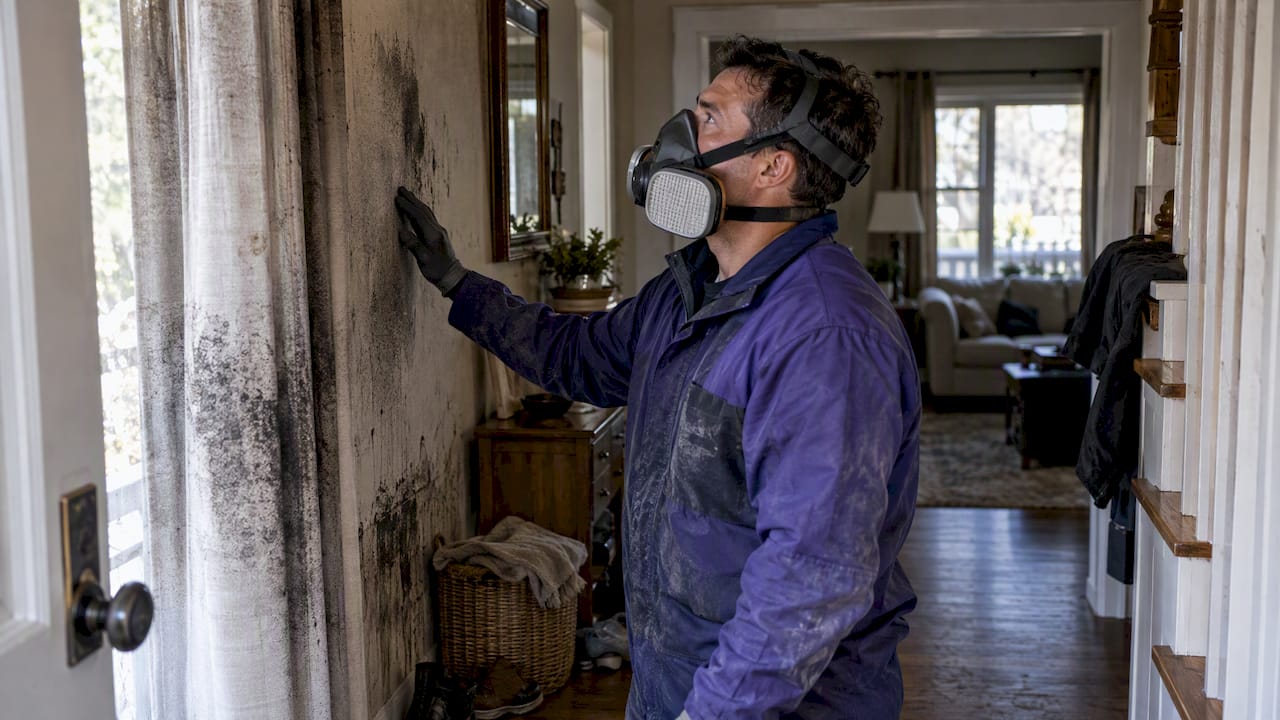
- Mold from neglect: Mold that results from a long-term unaddressed leak is typically excluded. Mold that follows a sudden covered water event may be covered, depending on the policy and how quickly you mitigated.
- Nuclear and war-related damage: Excluded universally.
Practical examples of denied claims:
A slow roof leak that drips into the attic for months and causes structural rot will almost certainly be denied as a maintenance failure. Termite damage that compromises floor joists is excluded regardless of how severe it is. A homeowner who ignores a small pipe drip for a year and then files a claim when the floor collapses faces a likely denial on the grounds of neglect.
When geography forces the issue. If your home is in a FEMA-designated flood zone, your lender requires flood insurance. If you live in a high-seismic area, earthquake coverage is worth pricing. High-wildfire-risk states sometimes have limited private market options, and state FAIR plans may be the only available insurer. Understanding your geographic risk profile is part of responsible homeownership, not optional reading.
6. Drying validation and documentation: what restoration professionals do that protects your claim
The gap between a covered water loss and a denied one often comes down to what happened in the first 72 hours and whether it was documented. This is where professional restoration practice intersects directly with insurance outcomes.
When water damage occurs, the mitigation checklist looks like this:
- Shut off the water source immediately.
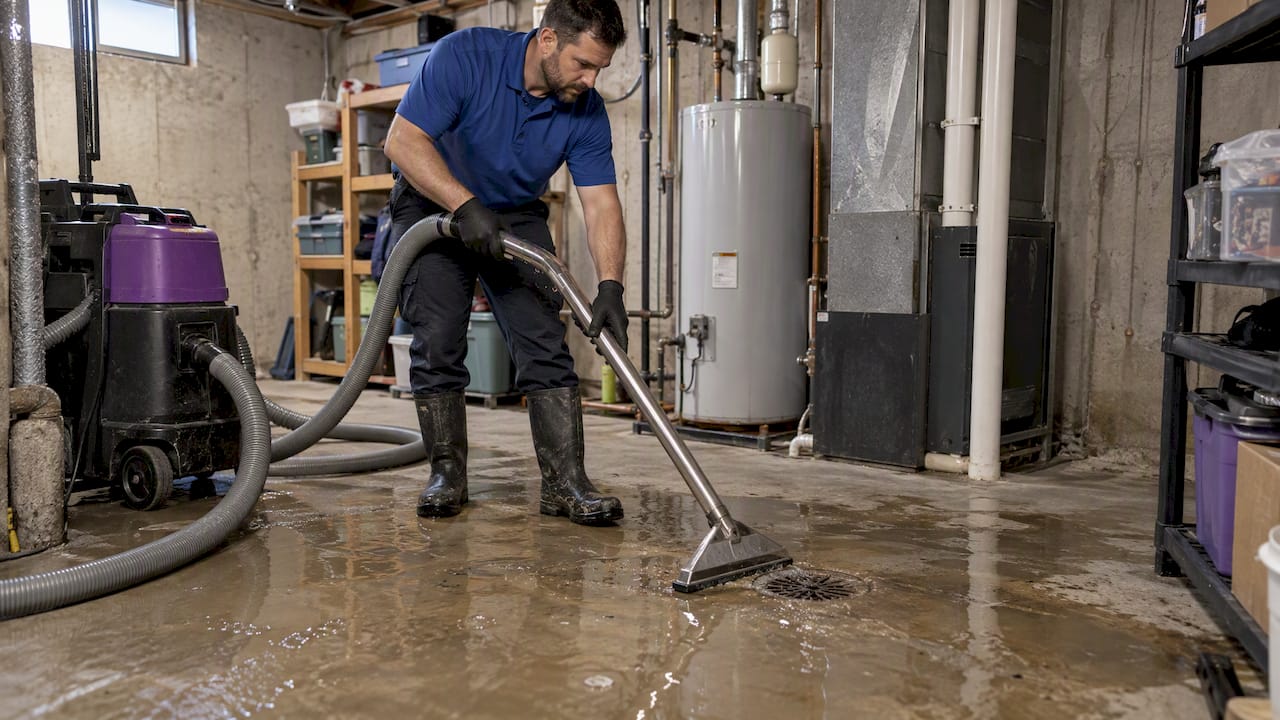
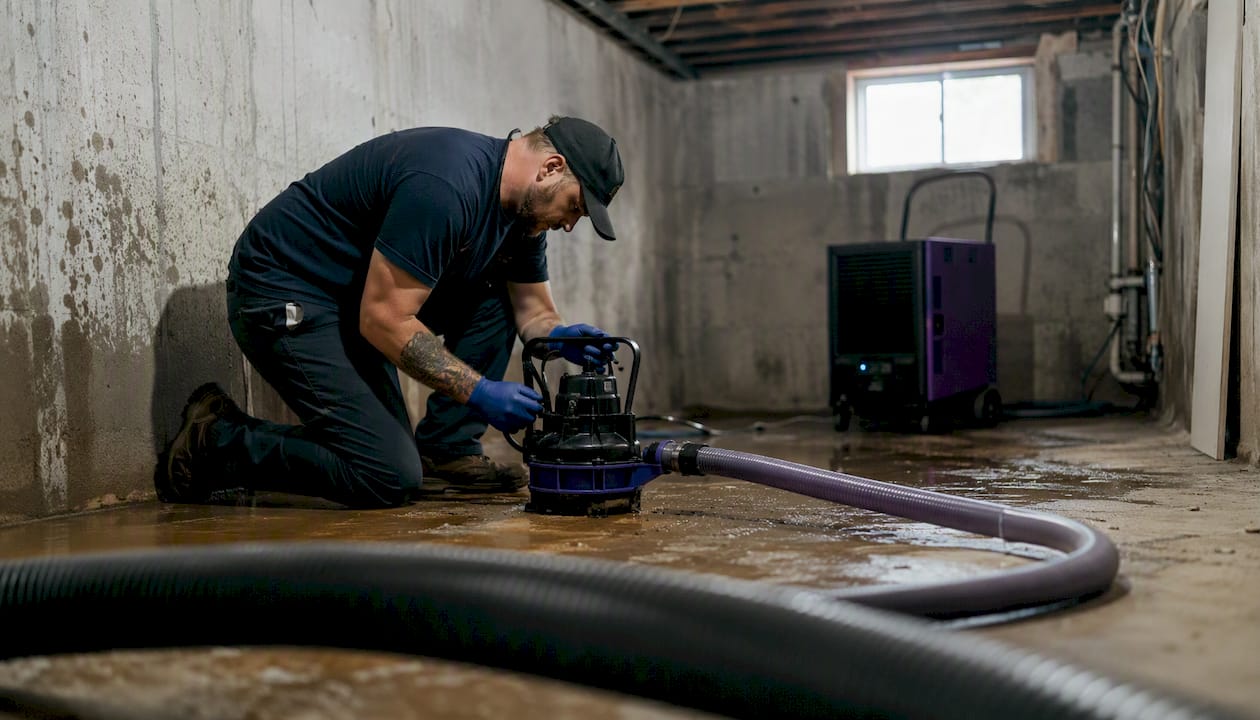
- Remove standing water with extraction equipment.
- Move valuables and furniture out of the affected area.
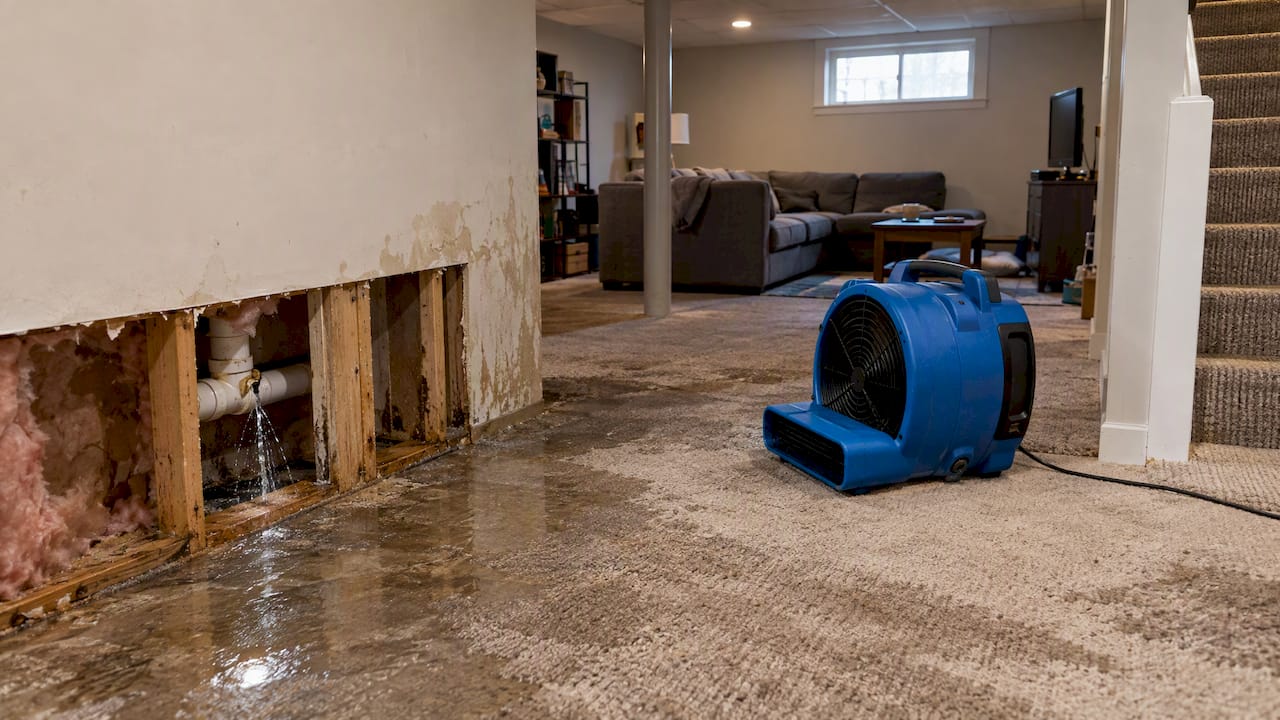
- Deploy commercial-grade air movers and dehumidifiers.
- Document moisture readings in walls, floors, and structural materials before drying begins.
- Record equipment placement, runtime logs, and daily psychrometric readings throughout the drying process.
- Take final moisture readings to confirm the structure has returned to acceptable moisture content levels.
That last set of steps, the moisture maps and equipment logs, is what the industry calls drying validation. Insurers accept drying validation documentation as evidence that the structure was properly dried and that mold risk was addressed. Without it, an insurer may question whether the remediation was complete, which can delay or reduce your settlement.
Pro Tip: Before signing with any restoration contractor, ask specifically whether they provide written drying validation reports with before-and-after moisture maps. A contractor who cannot produce this documentation is leaving you exposed during the claims process. The water restoration company selection checklist includes this as a key screening question.
Timely mitigation also matters for a second reason: it limits secondary damage. Water that sits in wall cavities for more than 48–72 hours creates conditions for mold growth. If mold develops because mitigation was delayed, the insurer may argue that the mold damage was preventable and therefore not covered. Speed and documentation together are your best protection.
What homeowners consistently get wrong about their coverage
The single most common surprise we see at Thecleangenius is homeowners discovering that their water damage is not covered because it came from outside the home rather than from a plumbing failure inside it. The distinction between a burst pipe and a flooded basement sounds obvious on paper, but in the middle of an emergency, most people assume their policy covers water. It does not cover all water.
The second surprise is sub-limits. A homeowner files a claim for stolen jewelry worth $8,000 and receives $1,500 because that is the base policy sub-limit. The scheduled personal property endorsement that would have covered the full value costs a fraction of what was lost.
Proper mitigation and documentation change outcomes. When a restoration team arrives quickly, shuts off the source, extracts water, and produces a complete drying validation report with moisture maps, the claim process moves faster and with less dispute. When a homeowner waits several days and then calls a contractor who provides no documentation, the insurer has every reason to question the scope and cause of damage.
Thecleangenius is ready when damage hits your Chicagoland home
When water, fire, or mold damage happens, the clock starts immediately. Thecleangenius serves Chicagoland homeowners 24/7 with emergency water extraction, structural drying with full drying validation documentation, mold remediation using Pure Cloud dry-fog technology, roof-leak water damage response, and fire and smoke restoration including soot and odor elimination. The team works directly with your insurer, handles the documentation that adjusters need, and has more than 400 five-star reviews from homeowners across Arlington Heights, Naperville, Schaumburg, Wheaton, and the surrounding area.

If you have active water or fire damage right now, the 24/7 emergency water damage restoration service is the fastest way to stop further loss and start the claim on the right foot. For homeowners who want to get organized before calling, the water damage insurance claim checklist walks through every documentation step your insurer will expect. Call Thecleangenius today and get a certified team on-site fast.
Sources
These are the primary sources to consult for official definitions, policy guidance, and specialized coverage like flood insurance:
- Insurance Topics | Homeowners insurance — NAIC
- Flood Insurance — FEMA
- Basic homeowners insurance — North Carolina Department of Insurance (NC DOI)
- Billion-Dollar Weather and Climate Disasters — NCEI/NOAA
This article is general information, not a substitute for advice from a qualified financial advisor. Consult a qualified financial professional about your own circumstances before acting on anything here.