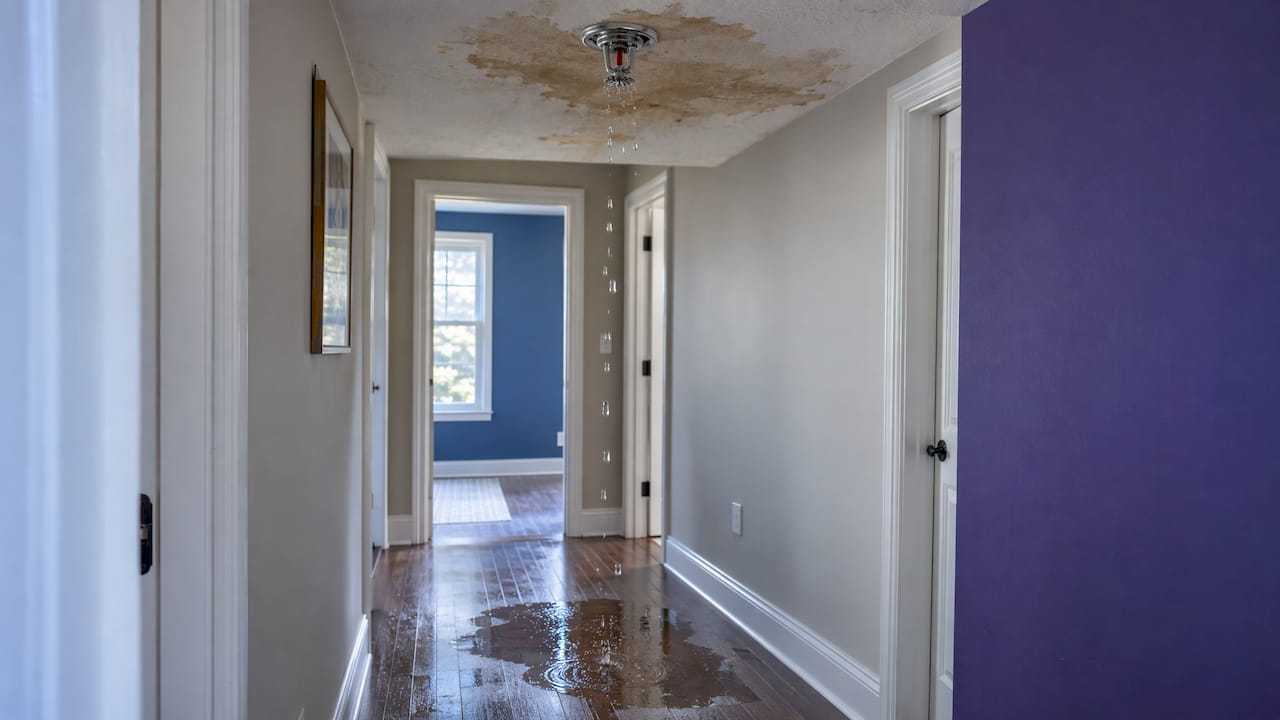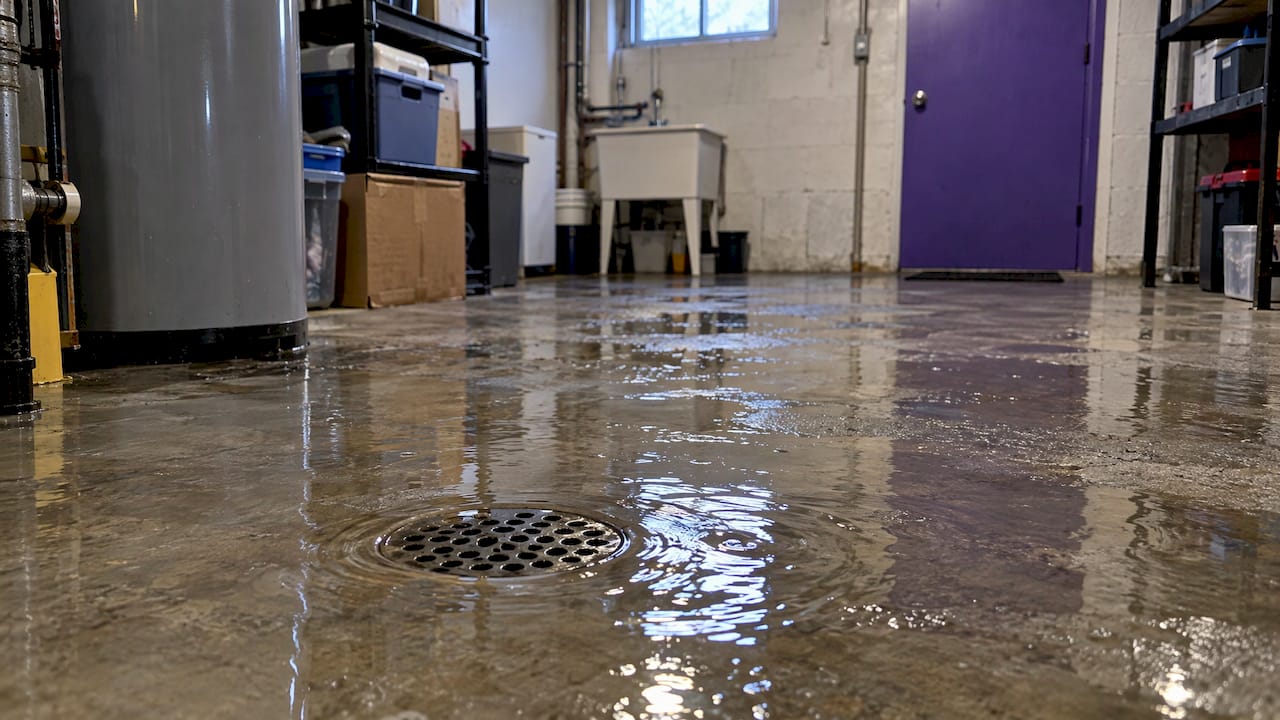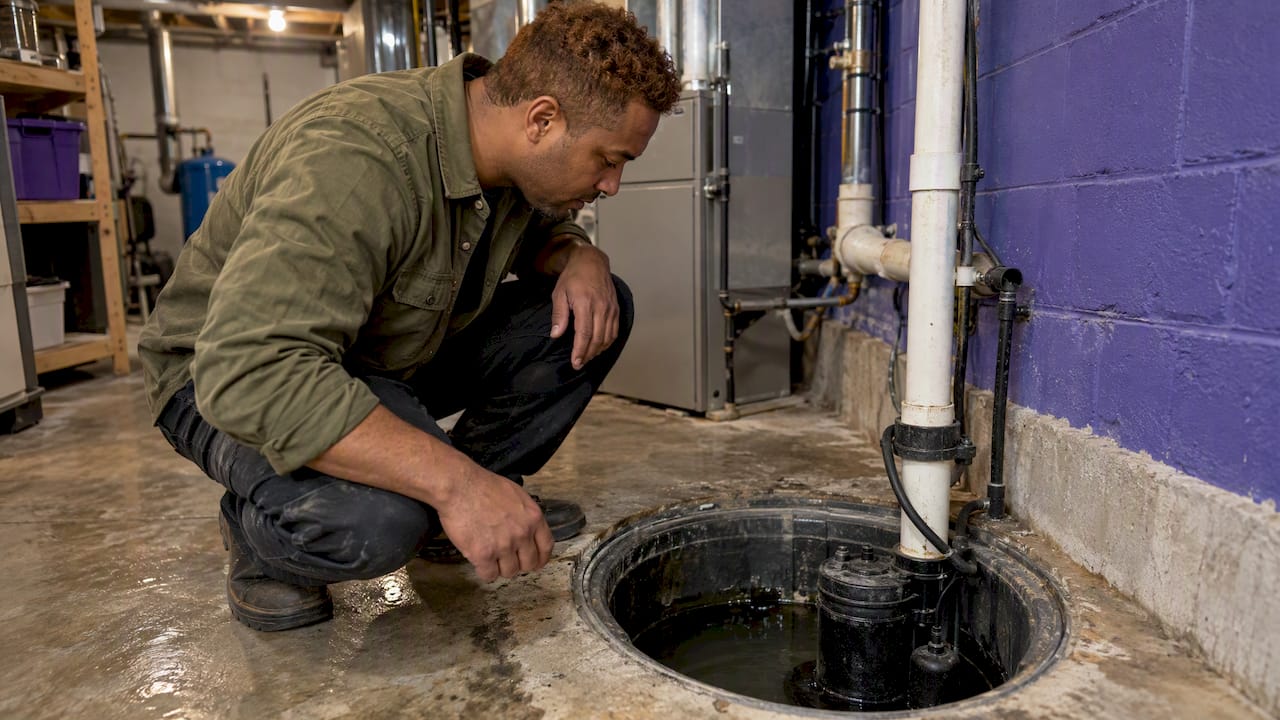

The clearest signs of sump pump failure are a pump that never turns on, one that runs nonstop, one that cycles every minute or two, strange noises or burning smells, oil or rust in the pit, and water on the floor while the pump is running. Most of these show up days or weeks before the flood. If you see any of them, test the pump today, not after the next storm.
We restore flooded basements across Chicagoland, so we see what happens when these warnings get ignored. This guide covers what each sign means, the cheap fixes worth trying first, and the point where you should stop troubleshooting and call someone.
TL;DR
- A pump that won’t start, won’t stop, short cycles or runs hot is telling you something. Check the power, the float switch and the discharge pipe first.
- Electrical problems and a stuck float switch are among the most common causes, and both are cheap to fix compared with a flooded basement.
- Oil in the pit, rust on the motor, or a pump near or past 7 to 10 years old usually means replace, not repair.
- Standard homeowners policies generally exclude sump pump failure damage. Water backup coverage is an add-on, so check your policy before storm season.
- If water has already reached the floor, act within 24 hours to stop mold.
Table of Contents
- Nine signs your sump pump is failing
- A 10-minute test you can do today
- Repair or replace?
- Why a pump that “works” can still be too small
- Does insurance cover a failed sump pump?
- Perspective: what we see after the pump quits
- If the basement has already flooded
- A word on selling or buying a house with a sump pump
- FAQ
- Sources
Nine signs your sump pump is failing
1. The pump doesn’t turn on when the pit fills
This is the most dangerous one because you only notice it when water is already rising. Causes include an unplugged cord, a tripped breaker or GFCI, a stuck float, or a dead motor. Electrical failure is probably the most common cause of pump trouble, according to Pentair’s troubleshooting guidance. The Institute for Catastrophic Loss Reduction also lists blown fuses and tripped breakers among the primary categories of failure.
Pentair adds that moisture in the cord or the float switch connector can trip a GFCI. Drying the connector can solve it. If the breaker keeps tripping after that, stop and call an electrician or a pump specialist.
2. The pump runs constantly
A pump that never shuts off is either fighting an enormous inflow or has a stuck switch. The City of Ann Arbor reports that the most common mechanical failure is a switch stuck in the on or off position, which makes the pump run continuously or not at all.
Before you blame the switch, look at the discharge line. K2 Pumps says a pump that fails to shut off should prompt you to confirm the discharge pipe is not frozen or clogged, since that forces the motor to work against excess pressure. In a Chicagoland January, a frozen outlet pipe is a real possibility.
3. The pump cycles every minute or two
Short cycling means the pump empties the pit, shuts off, and the pit refills almost immediately. A common culprit is a failing check valve. The City of Ann Arbor warns that when the check valve fails and water flows back into the pit, it lowers removal efficiency and raises cycle frequency, which wears the pump out early.
Short cycling during a storm can also be a sign of simple overload. ProSeal Basement Waterproofing lists a pump that cycles every minute or two in a storm among the signs it is losing the race against incoming water. If it only happens in heavy rain, you may have an undersized pump rather than a broken one.
4. The pump runs but the water level barely drops
If you hear the motor but the pit isn’t emptying, the pump isn’t moving water. Pentair says debris blocking the intake, an air lock, a stuck-closed or backward check valve, or a damaged impeller can all cause this. Socks, mice and built-up dirt can also clog the intake or impeller, especially in basements near a laundry area or with rodent activity, according to Family Handyman.
This is also the answer to the question many homeowners type when the pump is not keeping up. Before assuming you need a bigger pump, check the discharge piping for clogs, ice or excessive height and length, as Liberty Pumps’ guidance, as relayed by Every Pump, suggests. The pipe is often the problem, not the pump.
5. Grinding, rattling, loud humming or vibration
New noises mean something mechanical has changed: worn bearings, debris in the impeller or a bent shaft. A pump that vibrates hard may also be sitting unevenly in the pit. Unplug it, pull it, and look for obstructions. If the impeller is damaged or the noise comes from inside the motor, replacement is usually the sensible move.
6. A hot motor or burning smell
A pump that runs hot is working too hard. Pentair notes that extension cords or shared circuits can cause low voltage, which makes the motor run hotter and can shorten its life. Plug the pump directly into a dedicated, properly protected outlet.
Newer pumps have thermal protection. NDSU Extension explains that it trips automatically if the motor overheats and typically resets after 15 to 30 minutes of cooling. A pump that shuts off and restarts in that pattern is overheating, and you should find out why.
7. Oil in the pit or rust on the motor
The Institute for Catastrophic Loss Reduction says a broken seal in the pump motor, which can show up as oil in the sump pit, means the pump should be repaired or replaced immediately. Visible rust or corrosion around the motor or float is another replacement signal listed by American Family Insurance.
If you spot an oily sheen, treat the pump as already failed. A moisture problem that keeps returning after rain can also point beyond the pump, and this guide on what to do when a basement is wet after rain helps you work out whether the cause is the pump, drainage or something else.
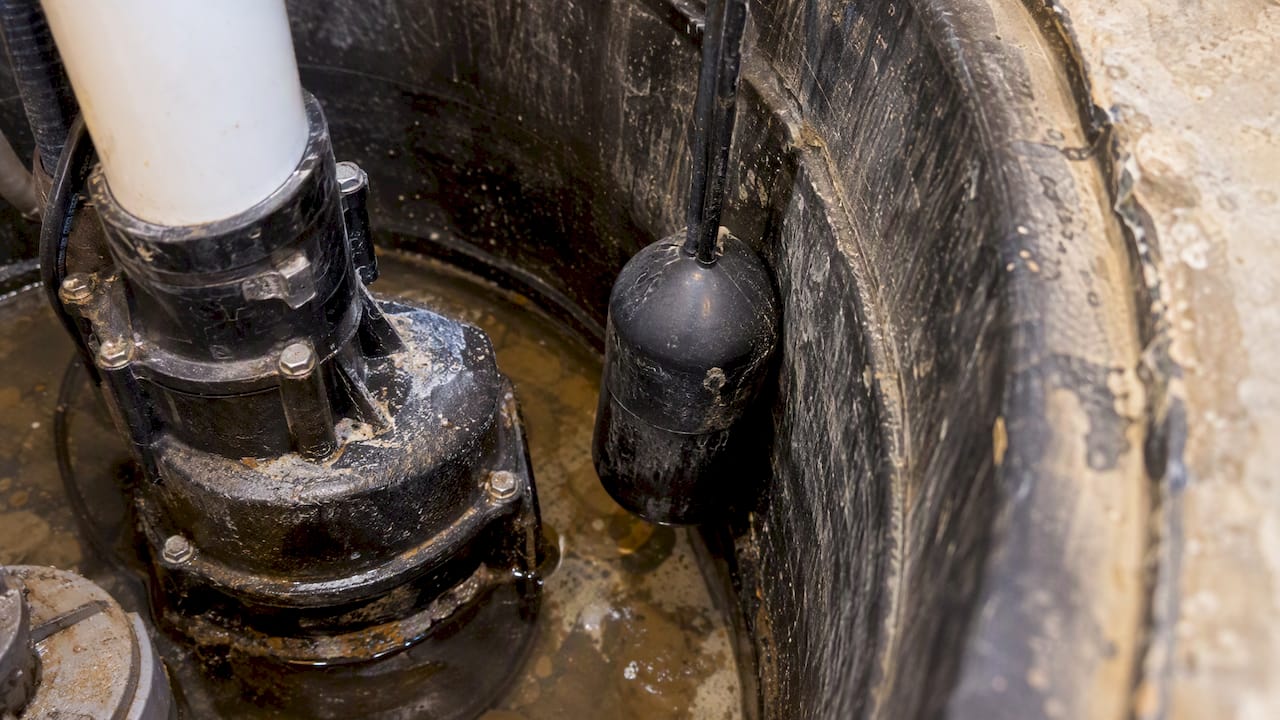
8. The float switch hangs up
In a submersible pump, the float can press against the side of the pit and stick. The Institute for Catastrophic Loss Reduction says that when this happens the pump needs to be repositioned so the float moves freely. Laundry water draining into the pit is another trigger: Pentair warns that soap scum on the float switch can interfere with its movement and give false readings.
9. Water on the basement floor while the pump is running
ProSeal lists water appearing on the floor while the pump is active, along with a rising pit level or a straining pump, as signs of a pump losing against inflow. It also notes that in dense clay soils like Chicago’s, water can keep arriving at the footings for hours after rain stops. That means the pump needs sustained capacity, not just burst capacity. A pump that looks fine in a drizzle can fail in a long soaking rain.
A 10-minute test you can do today
Do this at the start of spring and again before winter. It follows the steps NDSU Extension recommends.
- Check the basics. Confirm the pump is plugged in and that the discharge pipe isn’t frozen or plugged. NDSU also advises keeping the pit clean and the intake clear.
- Unplug and inspect. With the power off, look for debris at the intake and remove it.
- Add water slowly. Plug the pump back in and pour water into the pit. NDSU suggests making the float and pump turn on and off at least twice.
- Watch and listen. The float should rise freely, the pump should start, and the water should drop smoothly without grinding.
- Check the discharge piping. The City of Ann Arbor suggests doing this twice a year by pouring 5 gallons into the pit and watching the pipes for cracks or breaks while it pumps.
- Confirm the water goes out and stays out. Make sure the outlet discharges away from the foundation and the check valve keeps water from flowing back.
Keep your hands out of the pit unless the pump is unplugged, and never stand in water near a plugged-in pump or outlet. If the area is already wet, have an electrician or a professional deal with it.
Repair or replace?
Some fixes are cheap. The City of Ann Arbor notes that some homeowners replace only a faulty switch and keep the old pump as an emergency backup. Others are not worth it.
| Situation | Usually |
|---|---|
| Stuck float, soap scum, float against pit wall | Clean or reposition |
| Clogged intake or air lock | Clear and retest |
| Frozen or clogged discharge line | Clear it, then fix the cause |
| Bad check valve | Replace the valve |
| Failed switch on a newer pump | Replace the switch |
| Oil in the pit, seal damage | Replace the pump |
| Rust and corrosion on motor | Replace the pump |
| Constant overheating or damaged impeller | Replace the pump |
Age matters, but it isn’t the whole story. American Family Insurance says pumps typically last around 10 years and suggests considering replacement after seven, especially with heavy use. NDSU Extension says service life depends on how often and how long the pump runs, and notes that some manufacturers recommend replacing the switch and float every two years and the pump every five. A pump that works hard every spring deserves a shorter timeline than one that rarely runs.
Why a pump that “works” can still be too small
Not every failure is a broken part. If your pump runs a lot in storms, starts to strain, and the pit still creeps up, the system may be undersized for your lot, or the discharge may be too long, too high or too restricted. Fixing the piping route can help before you buy a larger pump, as the Liberty guidance suggests.
If you have a pump with no battery backup, a power outage during a storm is the other classic failure. American Family lists frequent power outages as a replacement-planning factor. A backup system is a separate decision, but it is worth raising with a plumber or waterproofing contractor.
Does insurance cover a failed sump pump?
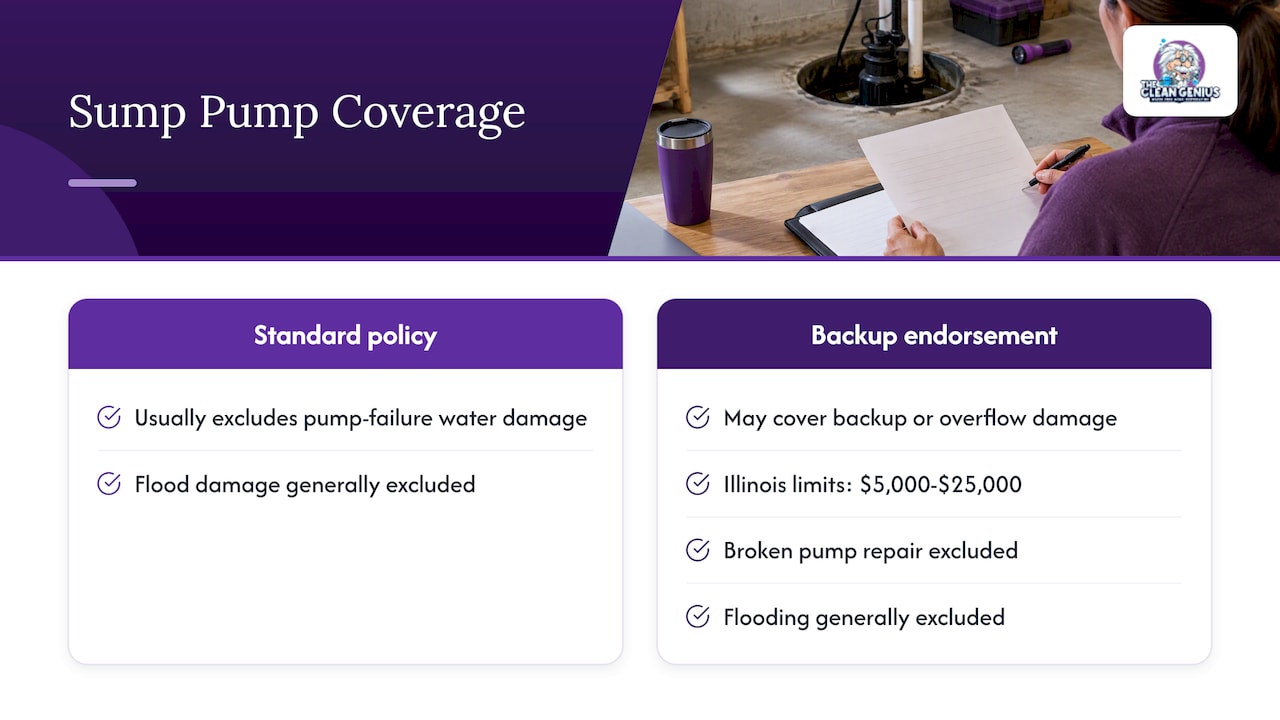
Usually not under a standard policy. Mass.gov states that standard homeowners, renters and condo policies do not cover water damage from sump pump failure, though some insurers offer endorsements, and some of those exclude failures caused by flood. In Illinois, the Illinois Insurance Association says the sewer and drain water backup endorsement covers damage from a sump pump backup or overflow, with limited protection often between $5,000 and $25,000. It does not cover flooding or the cost of repairing or replacing the broken pump.
Progressive says the same thing about the pump: optional backup coverage may pay for damage from a malfunctioning pump but typically not the pump itself, and flooding is generally excluded.
Read your own policy and ask your agent about water backup limits and deductibles before the wet season. If you already have damage, our guide to sump pump backup insurance and a contractor claims checklist explains what to document. For flood coverage specifics, see what NFIP actually pays for in a basement.
Perspective: what we see after the pump quits
We usually meet homeowners after the pump has failed, not before. In our experience the warning was almost always there: a pump that had been short cycling all spring, a float that stuck once and was forgotten, a basement that smelled damp for weeks. People assume a pump that has run quietly for years will keep running. But the pump that sits idle most of the year is the one that sticks the first time a long storm hits.
Our advice is simple. Test the pump on a schedule, keep the discharge line clear, and don’t wait for a second warning. If you have a finished basement or store anything you care about down there, treat a failing pump like a failing furnace in January. The test costs you ten minutes, and a replacement pump costs far less than drying out, tearing out drywall and dealing with mold.
And if water gets ahead of you, call early. Water that sits becomes a mold problem quickly, and early drying keeps the job smaller.
— Jim
If the basement has already flooded
Pump failure and a wet basement go together fast. Start with the steps in our basement flood cleanup guide for the first 24 hours, and read about mold remediation after sump failure so you know what to watch for in the following days. Humidity that stays high after drying is a warning too, and our page on basement humidity levels tells you when to act.
If you’re in Arlington Heights, Palatine, Schaumburg, Naperville, Elgin or anywhere else we serve around Chicagoland, our team handles extraction, drying and mold work and coordinates directly with your insurance company. We’re available 24/7 for emergencies. Learn more about our water damage restoration services.
A word on selling or buying a house with a sump pump
A sump pump isn’t a defect. Realtor.com reports that sump pumps are common in regions with high water tables, heavy rainfall or flood exposure, including the Midwest. HUD says a sump pump is acceptable if it functions properly, but significant incurable ponding in a basement or crawl space may lead an underwriter to reject the property. What matters is whether the system controls the water, so a documented test and a recent pump are a selling point.
FAQ
What is the most common reason for sump pump failure?
Electrical problems are probably the most common cause, according to Pentair, including tripped breakers and low voltage from extension cords or shared circuits. A stuck float switch is the most common mechanical failure, per the City of Ann Arbor. Both are quick to check.
How do I know if my sump pump needs to be replaced?
Replace it if you see oil in the pit, rust on the motor, a pump that won’t engage, constant running or unusually long run times. Age is a guide too: American Family suggests considering replacement after about seven years, especially with heavy use.
Why is my sump pump running but not keeping up?
Check the discharge pipe for clogs or ice, clear the intake, and make sure the check valve isn’t stuck or backward. If the pit still rises in long storms, the pump may be undersized or the discharge route too restrictive. A plumber or waterproofing specialist can size it for your home.
Will homeowners insurance cover a failed sump pump?
Standard policies generally don’t. A water backup endorsement may cover damage from a sump pump failure or overflow, but typically not the pump itself, and flooding is usually excluded. Check your policy and ask your agent.
Sources
- Sump pump systems, Institute for Catastrophic Loss Reduction
- Sump Pump Troubleshooting FAQ, Pentair
- Common Points of Failure, City of Ann Arbor
- Sump & Pedestal Pump Troubleshooting Guide, K2 Pumps
- Sizing a Sump Pump, ProSeal Basement Waterproofing
- Sump Pump Questions, NDSU Agriculture
- Check Your Sump Pumps Now, NDSU Water Quality
- How to Test Sump Pumps Easily, Family Handyman
- Sump Pump Running But the Level Barely Drops, Every Pump
- How long does a sump pump last?, American Family Insurance
- Is My Flood Damage Covered?, Mass.gov
- Do I need water backup coverage?, Illinois Insurance Association
- Does Home Insurance Include Water Back-up Coverage?, Progressive
- HOC Reference Guide: Basements and Crawl Spaces, HUD Archives
- Selling a House With a Sump Pump, Realtor.com
- Wet Basement After Rain: Causes, Fixes and What to Do First