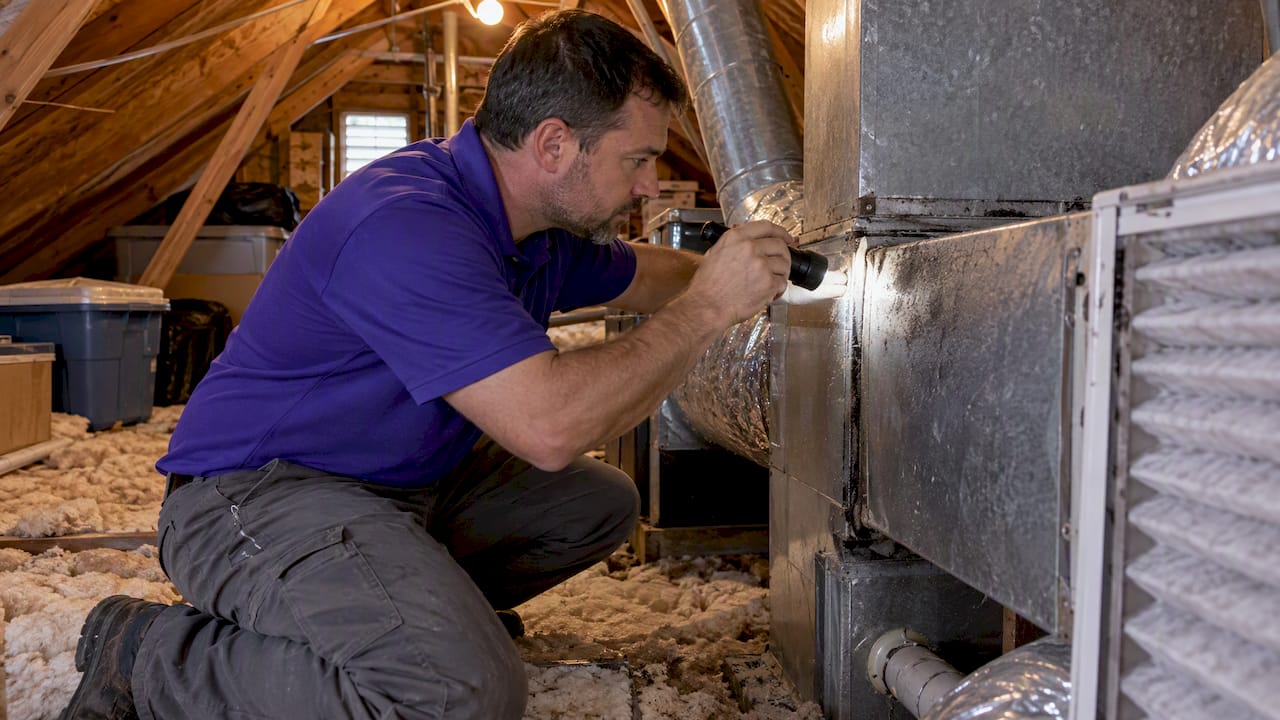

If the smoke smell keeps coming back after you clean, it’s because microscopic combustion residues have soaked into materials and building systems that a surface wipe-down never touches. The fix isn’t another round of deodorizer. It’s a whole-property approach that finds and removes or seals every contaminated reservoir, then treats the HVAC system and air so the smell has nowhere left to hide.
TL;DR:
- Smoke residues bond chemically to porous surfaces and become embedded in HVAC ductwork, insulation, and soft materials, causing persistent odors.
- Professional cleaning raises VOC levels temporarily, and DIY methods can push soot deeper into insulation or duct joints rather than removing it.
- Upgrading HVAC filters to MERV-13 combined with activated carbon media effectively captures particles and gases inside the system.
- Soft furnishings like carpets, upholstery, and stored items often require replacement or deep cleaning, especially after heavy smoke exposure.
- Complete odor removal demands source removal or sealing, thorough HVAC treatment, and multiple inspections over days to ensure recurring odors won’t return.
Table of Contents
- Why smoke smell keeps coming back after cleaning
- Step-by-step remediation checklist homeowners can follow
- Why HVAC and ductwork are frequent culprits
- How to handle carpets, upholstery, mattresses, bedding and stored items
- Ozone, thermal fogging, dry fogging and other advanced treatments
- When professional remediation is required
- How to stop smoke odors from coming back
- How The Clean Genius approaches recurring smoke-odor problems
- A realistic timeline for getting rid of smoke smell for good
- How The Clean Genius can help with smoke odor that won’t quit
- FAQ
- Sources
Why smoke smell keeps coming back after cleaning
Smoke isn’t just a smell. It’s made of thousands of tiny, acidic particles and gases that bond chemically to porous surfaces like drywall, insulation, fabric, and ductwork, according to the EPA on secondhand and thirdhand smoke. Those residues don’t just sit there. They slowly release back into the air for weeks or months if nobody removes them.
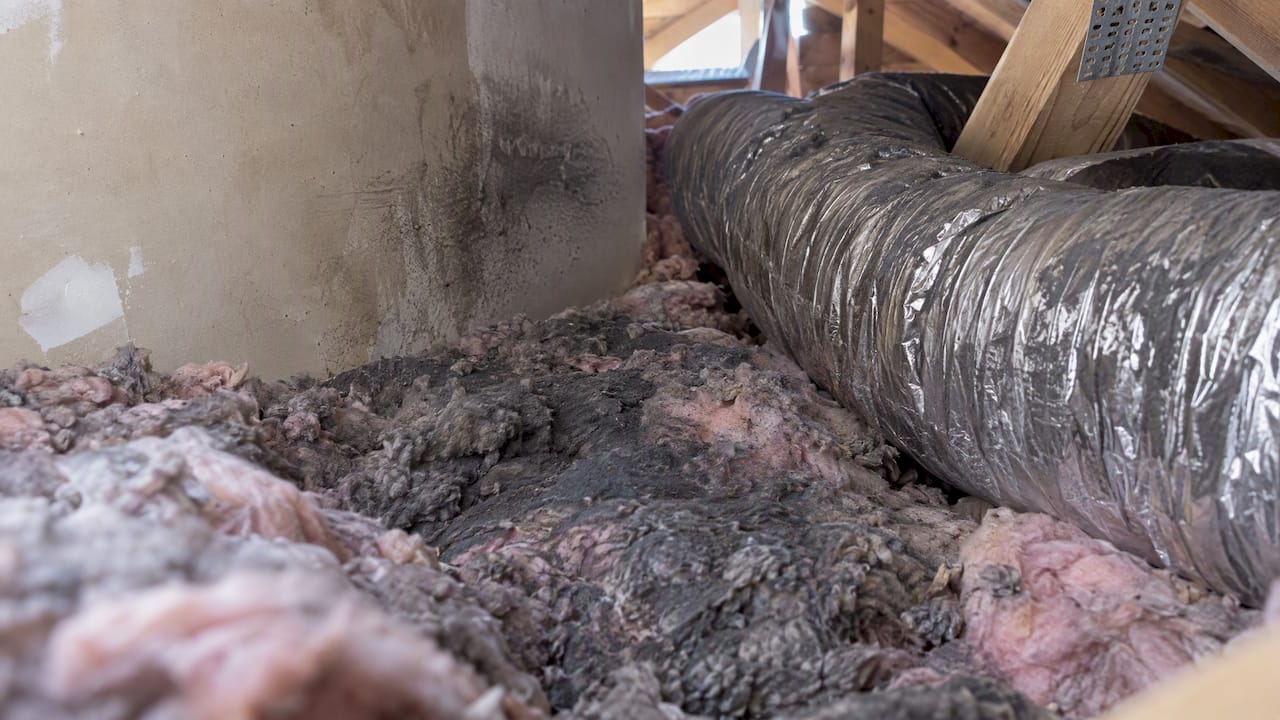
Cleaning itself can make things temporarily worse. One monitoring study found that professional cleaning raised indoor concentrations of many volatile and semivolatile organic compounds right after the job, with some lingering for hours after cleaning. That’s because cleaning disturbs surfaces and shifts where residues sit rather than removing them outright.
The usual hidden reservoirs include:
- HVAC ductwork and air handlers, which recirculate soot every time the system runs
- Attic insulation and wall cavities, where smoke settles and stays
- Carpet padding and upholstery foam, which trap residues deep below the surface
- Stored items like books, clothing, and curtains that absorbed smoke during the event
Step-by-step remediation checklist homeowners can follow
Stopping recurring odor means working in order, not jumping straight to air fresheners or candles.
- Contain the source first. Stop any ongoing smoke exposure, and only ventilate with outdoor air when outdoor air quality is actually clean; if it isn’t, set your HVAC system to recirculate rather than pull in outside air, following EPA indoor strategies for smoke events.
- Clean with the right tools. Skip dry sweeping and standard vacuums, which can redistribute soot instead of removing it; use HEPA vacuuming followed by wet-cleaning on hard surfaces, a sequence the EPA recommends for wildfire smoke cleanup.
- Launder or extract fabrics. Wash what you can, and bring in professional carpet extraction for rugs and carpets; if the padding underneath is contaminated, plan on replacing it rather than cleaning around it.
- Treat the air, not just the surfaces. Run HEPA portable air cleaners (PACs) with sorbent or activated carbon media to pull out lingering VOCs, since particle filters alone won’t catch odor-causing gases.
- Verify before you declare victory. Run a smell check after a full HVAC cycle, keep PACs running continuously for several days, and re-evaluate rather than assuming one treatment finished the job.
Ozone generators are tempting because they promise a quick fix, but public health guidance advises against running them in occupied homes because ozone itself is a lung irritant. Save that option, if it’s used at all, for unoccupied spaces under professional supervision.
Pro Tip: Keep a simple log of when you ran air cleaners and when you did smell checks. Patterns over days tell you more than a single sniff test ever will.
Why HVAC and ductwork are frequent culprits
Your HVAC system is often the reason odor returns even after you’ve scrubbed every visible surface. Soot deposits inside ducts, coils, and filters get stirred up and blown through the house every time the blower kicks on.
EPA guidance after smoke events recommends upgrading to MERV-13 filters where your system can handle them, paired with sorbent or activated carbon media to capture gases that particle filters miss. That combination addresses both the particles and the lingering VOCs.
Filter changes alone aren’t always enough. Signs you need full duct or component service include:
- Odor that gets stronger right after the HVAC system turns on
- Visible soot residue on vents, registers, or the return grille
- A burning or stale smell that outlasts repeated filter changes
Avoid DIY duct blasting with compressed air or shop vacuums pushed into ducts. It tends to drive soot deeper into insulation and joints instead of removing it, and a proper service often requires powering down the system during coil and blower cleaning to avoid spreading contaminated dust elsewhere in the house. Guidance on duct inspection after smoke events and HVAC odor removal approaches covers what a thorough inspection should include.
How to handle carpets, upholstery, mattresses, bedding and stored items
Soft surfaces hold onto smoke longer than hard ones, and some simply can’t be fully restored.
- Launderable fabrics: Wash bedding, curtains, and clothing on the hottest water temperature the fabric allows, using a standard detergent; industrial laundering is worth it for heavily contaminated loads.
- Carpet and padding: Deep cleaning can save carpet with light exposure, but padding that absorbed smoke usually needs replacement since it can’t be effectively deodorized in place.
- Upholstery and mattresses: Professional cleaning works for light contamination; heavy exposure, especially on mattresses, usually crosses the threshold into replacement territory.
- Contents: Books, clothing, and curtains that survived the event should be cleaned and stored in sealed containers afterward to avoid picking up odor again from a space that’s still being treated.
Ozone, thermal fogging, dry fogging and other advanced treatments
Specialized treatments can reach places a sponge and spray bottle never will, but each comes with limits and risks homeowners should understand before signing off on one.
- Ozone breaks down some odor molecules but produces a gas that’s harmful to breathe, so public health guidance advises against running it in occupied homes.
- Thermal fogging vaporizes a deodorizing agent that mimics how smoke originally traveled, reaching cracks and crevices standard cleaning misses.
- Dry fogging disperses a fine deodorizing mist without heat, useful in spaces where heat-sensitive materials are present.
None of these treatments substitute for removing heavily contaminated material. They work best paired with source removal or sealing, not instead of it.
Pro Tip: Before agreeing to any fogging or ozone treatment, ask the contractor exactly which materials they plan to remove or seal first. If the answer is “none,” that’s a red flag.
When professional remediation is required
Some situations call for bringing in a certified remediation team rather than continuing to DIY.
- Odor persists after repeated cleaning attempts across multiple weeks
- The smell gets stronger whenever the HVAC system runs
- Insulation or wall cavities show visible soot or staining
A thorough professional scope moves through inspection, containment, removal, and deodorization, followed by HVAC service and a final verification check. Before hiring anyone, ask whether they use HEPA containment during removal, what their policy is on dry-fog versus ozone, whether they coordinate directly with your insurance adjuster, and whether they’ll give you a written estimate before starting work.
How to stop smoke odors from coming back
Once the odor is gone, a few habits keep it that way.
- Keep smoking strictly outdoors and away from windows, doors, and HVAC intake points.
- Replace HVAC filters on a regular schedule and have ducts inspected periodically, not just after an incident.
- Set up a dedicated clean-air room with a portable air cleaner for wildfire season or any future smoke event, following CDC guidance on secondhand smoke in the home.
- Replace materials that stay contaminated rather than re-treating them repeatedly, and photograph their condition for insurance documentation.
How The Clean Genius approaches recurring smoke-odor problems
We built our fire and smoke damage process around the same whole-property logic: inspect first, then decide what gets removed versus sealed, because skipping that step is why odor keeps returning. Our process includes dry-fog treatment alongside soot and odor elimination work, and coordination of HVAC service and attic insulation replacement when those systems are part of the contamination path. We also coordinate with insurance companies to document claims.
- Inspection that covers HVAC, attic insulation, and hidden cavities, not just visible surfaces
- Dry-fog treatment paired with source removal, never used as a standalone fix
- Coordination with insurance companies and emergency response services
Our fire odor removal process and soot removal best practices walk through these steps in more detail.
A realistic timeline for getting rid of smoke smell for good
Expect more than one pass. Odor that’s bonded to materials for weeks rarely clears in a single cleaning, and a realistic verification period runs several days after treatment, not a single sniff test the next morning. Insist on a documented inspection and an HVAC check before paying for any fogging or deodorizing service.
— Jim
How The Clean Genius can help with smoke odor that won’t quit
If you’ve cleaned repeatedly and the smell still comes back, we can send a technician to inspect your HVAC system, attic, and hidden cavities to find exactly where it’s hiding.

- We’ll walk through inspection, containment, removal, and deodorization in a written estimate before any work starts
- We coordinate directly with your insurance company on documentation and claims
- You can request an inspection through our fire damage restoration services page
Schedule an inspection and get a clear answer on what’s actually causing the smell to return.
This article is general information, not a substitute for advice from a qualified doctor. Consult a qualified healthcare professional about your own circumstances before acting on anything here.
FAQ
How to get rid of residual smoke smell?
Start with HEPA vacuuming and wet-cleaning on hard surfaces, launder fabrics, and run a portable air cleaner with carbon or sorbent media to catch lingering gases. If the smell returns after a thorough cleaning, the HVAC system or hidden materials like insulation are usually the source, and a professional inspection can confirm it.
Why does my house suddenly smell like smoke?
A sudden smoke smell usually means heat or humidity changes are triggering stored combustion residues to off-gas again, or your HVAC system is recirculating soot that settled in the ductwork. Temperature swings and running the heater or air conditioner for the first time in a season often bring the smell back.
Is residual smoke smell harmful?
Thirdhand smoke residue contains many of the same substances found in secondhand smoke, and the EPA notes it can release back into indoor air long after the original smoke event. Ongoing exposure, especially for children and people with respiratory conditions, is a reasonable concern worth addressing rather than masking.
Will smoke smell in the house eventually go away?
Not reliably on its own. Research into thirdhand smoke contamination shows it can persist on and within household surfaces for extended periods unless actively removed, according to ongoing remediation research, so waiting it out usually isn’t a solution.
Sources
- Secondhand smoke and electronic cigarette aerosols | US EPA
- Influence of cleaning on indoor air concentrations of volatile and semivolatile organic compounds in residences
- Thirdhand Smoke in Homes: Fate, Characterization, and Remediation | CTE SDSU
- Best Practices Guide for Improving Indoor Air Quality in Commercial/ Public Buildings During Wildland Fire Smoke Events | US EPA