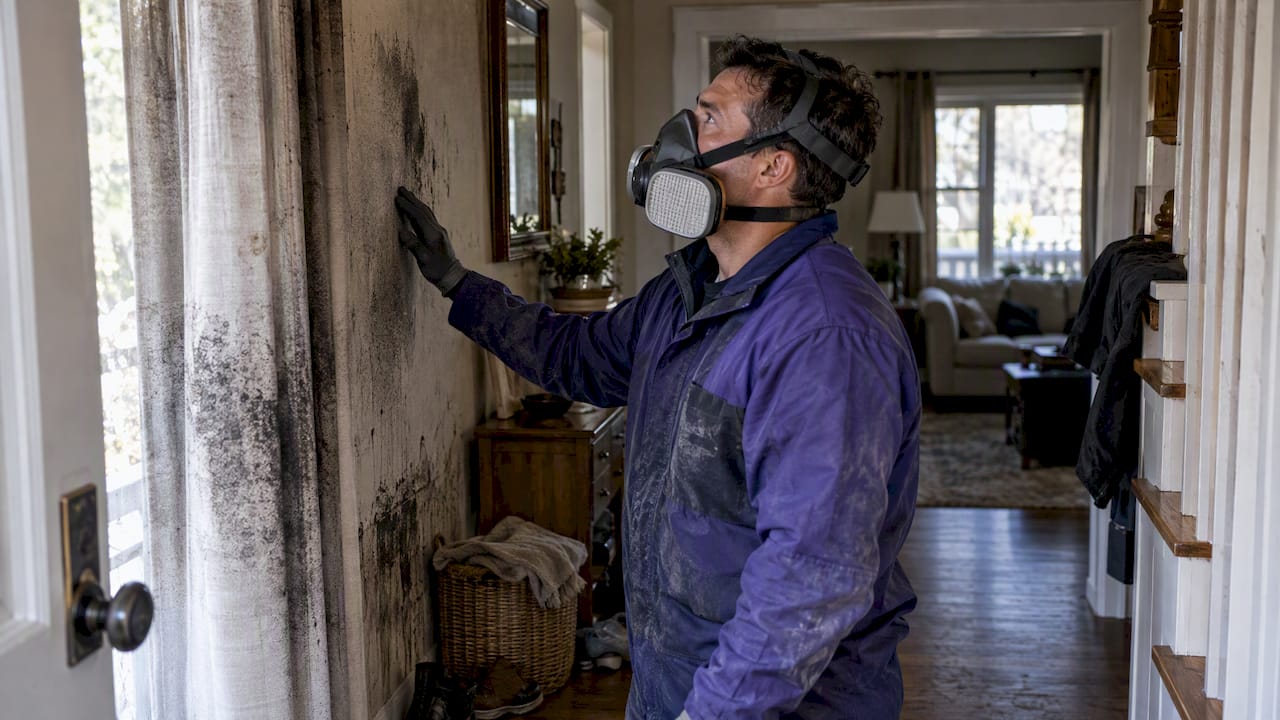

Smoke and soot left behind after a house fire can keep harming your indoor air quality and your health long after the flames are out, so the priority is safety first, not cleanup. Avoid re-entering a damaged home unless it has been cleared, wear protection if you must go in briefly, and call a certified restoration contractor and your insurance agent before you start scrubbing anything.
TL;DR:
- Wait for official clearance before reentering a structurally damaged home, photograph damage for insurance, and contact a certified restoration contractor before cleaning.
- NIOSH sampling found elevated particulates and aldehydes for days after suppression, with some readings exceeding occupational guidance during early investigations.
- Do not run your HVAC system after a fire until a professional checks its ducts, because soot can spread into rooms the fire never reached.
- In homes built before 1978, sanding or removing damaged materials can release lead or asbestos, so trained professionals should assess them before cleanup.
- If brief entry is unavoidable, wear an N95 or P100 respirator approved by NIOSH and gloves, and avoid household vacuums that can scatter fine soot.
Table of Contents
- What Health Effects Can Smoke, Soot, and Residue Cause?
- Where Smoke Residue Hides and Why It Keeps Exposing You
- When You Need a Certified Smoke Remediation Contractor
- Safe Steps to Take Before Professionals Arrive
- What Professional Fire and Smoke Remediation Involves
- The Clean Genius: What to Expect From a Certified Inspection
- The Toll Smoke Damage Takes Beyond Physical Health
- Preventive Steps That Reduce Health Risks During Cleanup
- Why the Standard Advice on Smoke Damage Falls Short
- Schedule a Fire and Smoke Damage Inspection
- FAQ
- Sources
What Health Effects Can Smoke, Soot, and Residue Cause?
Breathing in smoke or touching soot residue after a fire can irritate your eyes, nose, and throat within minutes. Many people also notice coughing, wheezing, headaches, or nausea in the hours after exposure, especially in rooms where smoke settled into carpets, fabric, and walls.
These symptoms are not just discomfort. For people with asthma, COPD, or heart disease, smoke exposure can trigger flare-ups or more serious complications. Certain groups face higher stakes:
- Children, whose developing lungs are more sensitive to airborne irritants.
- Older adults, who are more likely to have existing respiratory or cardiac conditions.
- Pregnant people, for whom some combustion byproducts raise added concern.
- Immunocompromised individuals, who have less capacity to recover from respiratory stress.
Evidence on long-term outcomes from residential smoke exposure is still limited compared with what’s known about wildfire smoke, but the risk clearly grows with the length of exposure and how the cleanup is handled. NIOSH sampling of controlled residential fires found elevated airborne particulates and aldehydes in the days after fire suppression, with PM2.5 and formaldehyde levels sometimes exceeding occupational guidance during early investigation phases.
That finding matters because it shows the danger doesn’t end when the fire is out. The air inside a fire-damaged home can stay compromised well into the cleanup period, which is exactly when homeowners are most tempted to start handling debris themselves.
Where Smoke Residue Hides and Why It Keeps Exposing You
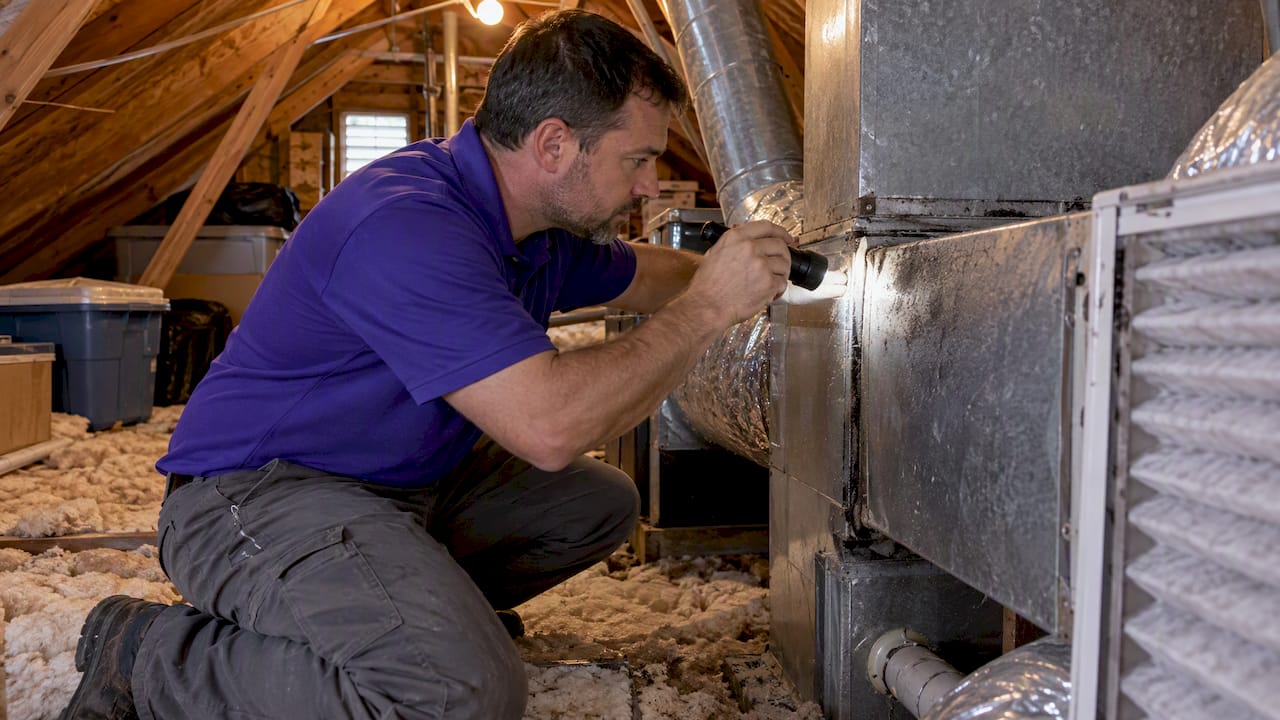
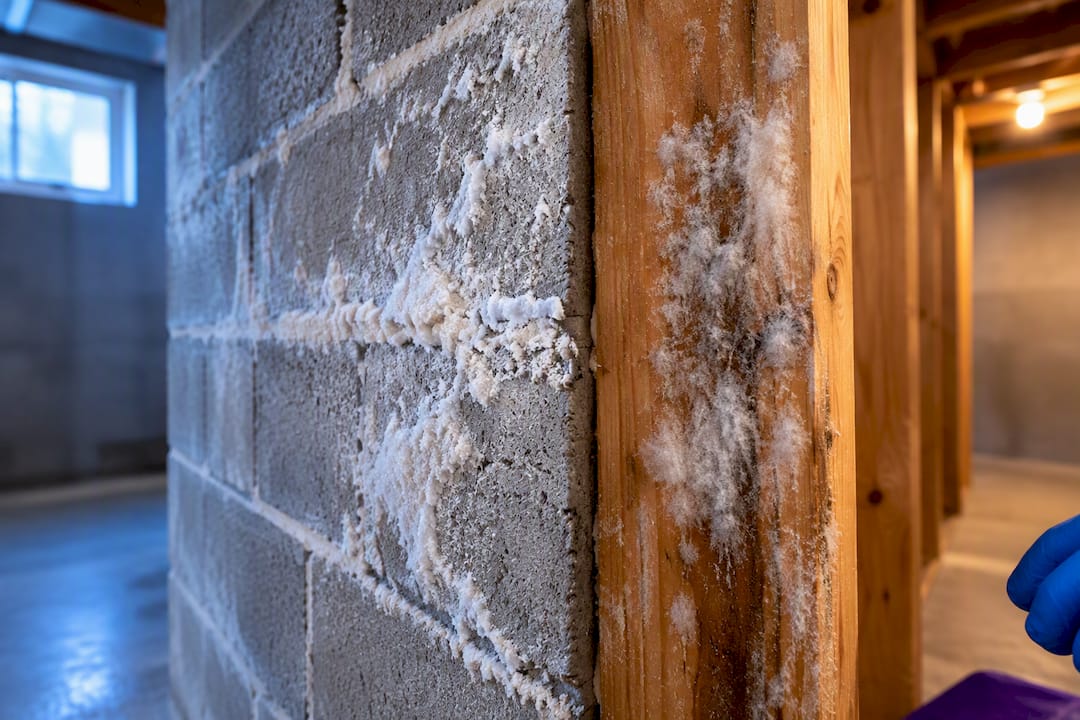
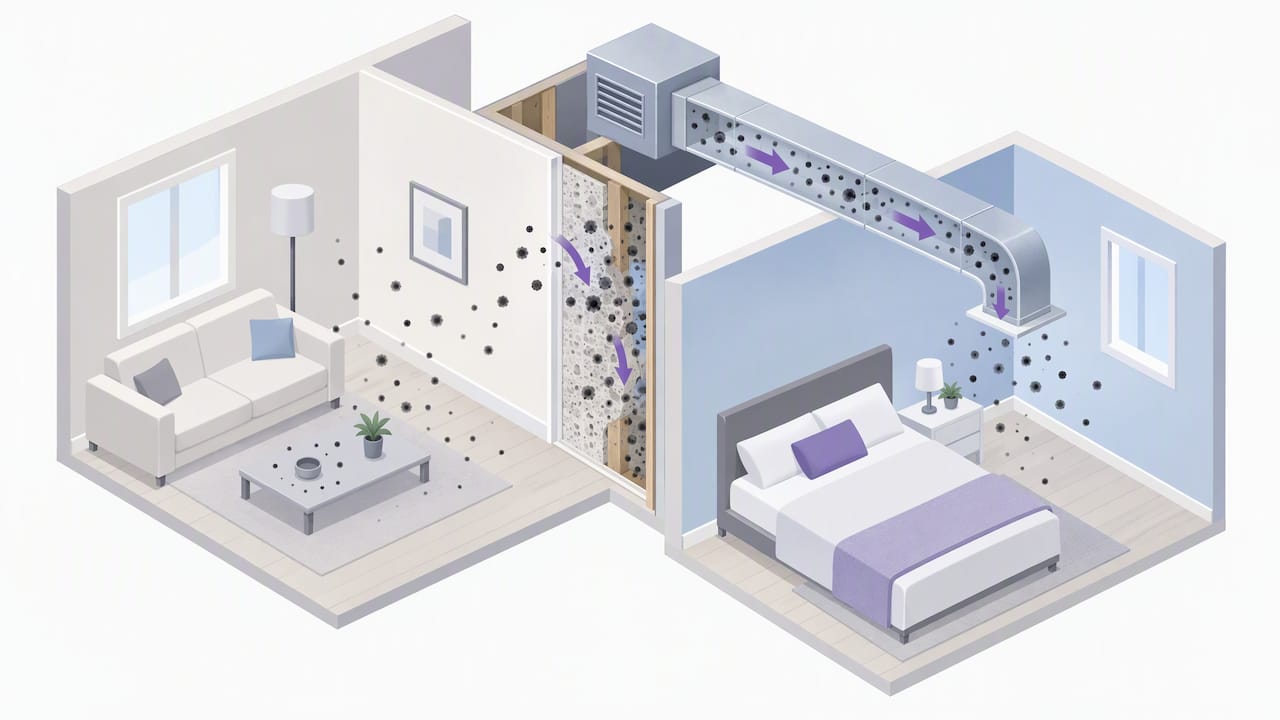
Soot is made of fine, often oily particles that work their way into porous materials: drywall, carpet, upholstery, and insulation all absorb smoke compounds rather than just holding them on the surface. That’s why a room can look clean but still smell like smoke weeks later. Ductwork is a particular problem, since smoke pulled through an active HVAC system during a fire gets redistributed through every vent each time the system runs.
Older homes carry an added danger. Disturbing painted surfaces, plaster, or insulation during fire cleanup can release lead or asbestos particles if the materials predate modern bans, and that dust is far more concentrated and dangerous than the original smoke exposure. EPA guidance on lead-based paint after disasters notes that certified, lead-safe work practices apply to renovation or cleanup in pre-1978 homes.
- Soot penetrates fabric, drywall, and insulation, not just surfaces.
- HVAC ducts recirculate smoke odor and particles through the whole house.
- Sanding, scraping, or demolishing older materials can release lead or asbestos dust.
- Standard cleaning tools can scatter contamination instead of removing it.
Pro Tip: Never run your HVAC system’s fan after a fire until a professional has checked the ducts, since a dirty system will spread soot into rooms the fire never touched.
When You Need a Certified Smoke Remediation Contractor
Some situations call for professional help rather than homeowner cleanup, every time:
- Structural damage or electrical hazards are present anywhere in the home.
- Heavy soot has settled in the HVAC system or attic, where DIY access is unsafe and reach is limited.
- Odor persists after airing out the home for more than a day or two.
- Residents develop or continue symptoms after returning, particularly children, older adults, or anyone with asthma or heart disease.
- Contamination covers a large area or has heavily affected furniture, flooring, and personal belongings.
- You’re filing an insurance claim, since documented professional assessment protects you if a dispute arises later.
FEMA and EPA guidance both recommend contacting your insurance agent quickly and hiring specialized restoration professionals trained to handle hazards that aren’t visible to an untrained eye.
Safe Steps to Take Before Professionals Arrive
Until a restoration team or fire official clears your home, your job is to limit exposure, not to clean. Wait for official clearance if there’s any structural damage, and take photos of visible damage for your insurance file while you’re waiting.
- Run your HVAC on recirculate only if outdoor air is also smoky, since a dirty system can spread contamination otherwise.
- Use a CARB-certified HEPA portable air cleaner in one occupied room rather than trying to treat the whole house.
- Skip the household vacuum: EPA guidance on ash cleanup warns that standard vacuums re-aerosolize fine particles instead of capturing them.
- Wear a NIOSH-approved N95 or P100 respirator, along with gloves, if you must enter briefly.
- Leave heavily sooted items where they are rather than moving them through clean areas.
Pro Tip: Photograph damaged rooms and items before you touch anything, since insurers and restoration teams both rely on that documentation to scope the job accurately.
For a longer list of what to avoid doing yourself, our guide on soot removal best practices for homeowners walks through common mistakes that make cleanup harder.
What Professional Fire and Smoke Remediation Involves
A certified team starts with inspection and testing, identifying hidden soot pockets in ducts, insulation, and wall cavities, and checking whether lead or asbestos is a factor before any demolition begins. FEMA’s after-the-fire guidance warns that soot and dirty water left after a fire may contain materials that can make occupants sick, which is why this testing step comes first.
From there, the work typically includes:
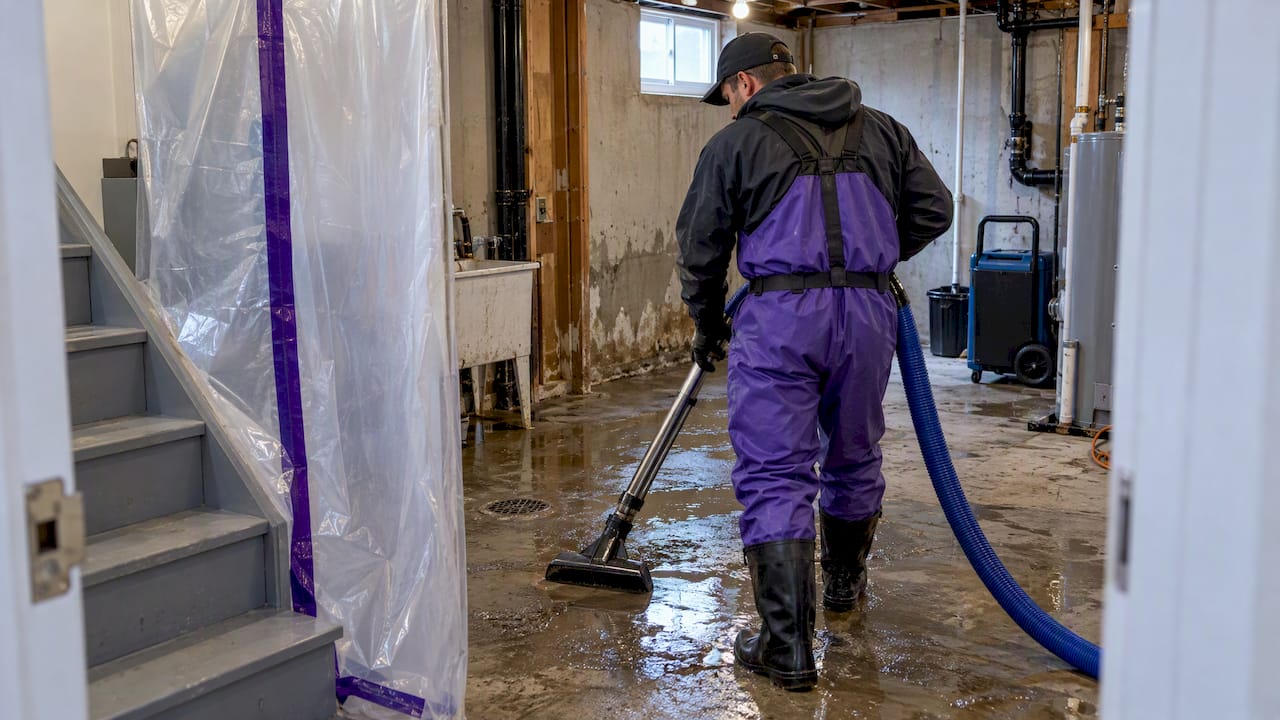
- Containment and negative air pressure to keep contaminated air from spreading to clean areas of the home.
- HEPA filtration throughout the work zone to capture fine particles stirred up during cleaning.
- Specialized deodorization, which can include dry-fogging, thermal fogging, or hydroxyl treatment depending on how deeply odor has penetrated materials.
- Contents restoration for salvageable furniture, textiles, and belongings, separate from items that need to be discarded.
- Duct and attic insulation cleaning or replacement, since both are common places where smoke lingers. Partner contractors like Target Air Systems can handle the HVAC side of this when ductwork needs more extensive attention.
Timelines generally run from a short period for light smoke damage to several weeks for homes with heavy soot, HVAC contamination, or hazardous materials involved. Costs vary with the same factors: the extent of contamination, whether specialty handling is needed, and how much of the home’s contents require restoration versus replacement. Our breakdown of the fire damage restoration process steps covers what each phase actually looks like.
The Clean Genius: What to Expect From a Certified Inspection
We are a restoration company serving homeowners in the Chicagoland area with many years of experience and numerous positive reviews. Our teams handle fire and smoke damage restoration, including soot and odor elimination with dry-fog deodorization, along with attic and insulation remediation when smoke has settled there.
We are available for emergencies and coordinate directly with insurance companies to assist during the claims process. A thorough inspection looks for hidden contamination in ducts, insulation, and porous materials before any plan for cleanup or deodorization is set.
The Toll Smoke Damage Takes Beyond Physical Health
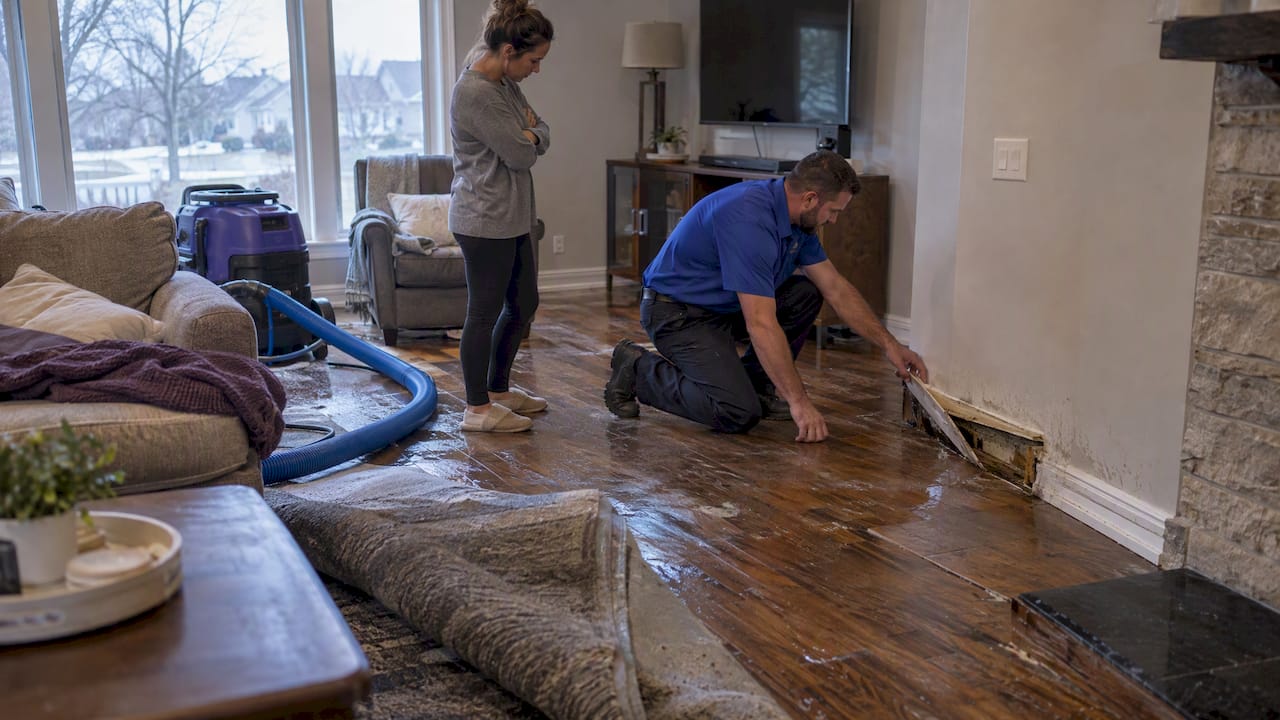
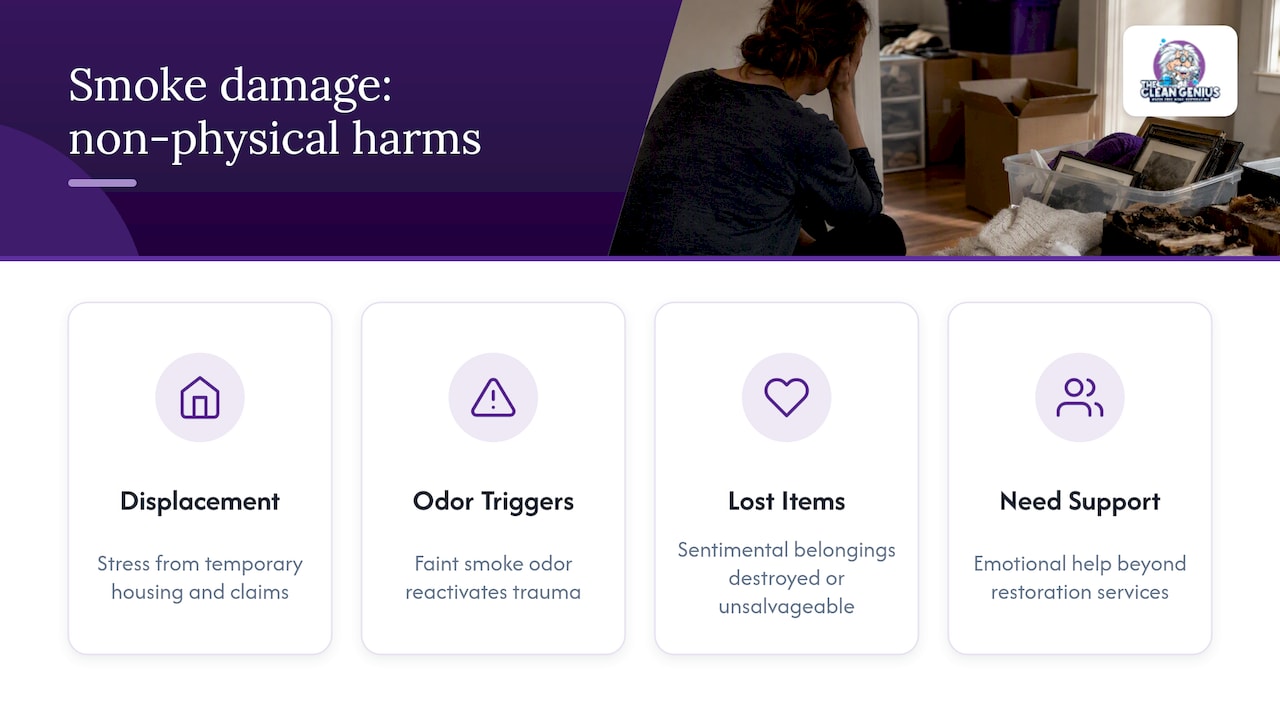
A house fire doesn’t just damage air quality, it disrupts the sense of safety a home is supposed to provide. Displacement, even temporary, adds stress on top of the practical burden of filing claims, finding somewhere to stay, and waiting on a restoration timeline that can stretch for weeks.
Persistent smoke odor can also become its own psychological trigger. Returning to a home that still smells like fire, even faintly, can keep the event present in a way that’s hard to move past, which is one more reason thorough deodorization matters beyond air quality alone.
Property loss compounds this. Items that can’t be salvaged, whether from fire, smoke penetration, or the water used to put the fire out, often carry sentimental weight far beyond their replacement cost. Our guide to recovering belongings after a fire covers what’s often salvageable, which can ease some of that loss when more items make it through restoration than homeowners initially expect.
Families dealing with prolonged exposure or extended displacement sometimes benefit from support beyond what a restoration contractor provides. Recognizing that the disruption is real, not an overreaction, is often the first step toward managing it.
Preventive Steps That Reduce Health Risks During Cleanup
The best way to limit smoke’s health effects is to reduce exposure at every stage, not just after the fact. A few measures make a meaningful difference:
- Seal off damaged areas from the rest of the home to stop soot and odor from spreading to unaffected rooms.
- Run a CARB-certified HEPA portable air cleaner in occupied rooms, which EPA guidance recommends for reducing particulate and VOC exposure indoors.
- Upgrade HVAC filtration to a higher-efficiency filter where your system allows it, since this cuts down on recirculated particles.
- Wear a NIOSH-approved respirator any time you’re in a space with visible soot or lingering smoke smell.
- Avoid opening windows indiscriminately before assessing outdoor air quality, since that can pull in more contamination than it clears.
Beyond the acute cleanup period, preventing future risk means addressing contamination sources fully rather than masking them. Odor that returns after a surface cleaning almost always means something was missed in the ducts, attic, or wall cavities, not that the smell needs a stronger air freshener.
Why the Standard Advice on Smoke Damage Falls Short
Most advice on this topic treats smoke damage like a cleaning problem: air out the house, wipe down the surfaces, maybe run a fan. That approach misses where the actual health risk lives. Soot doesn’t stay on the surface, it gets absorbed into porous materials and recirculated through HVAC systems, which means the rooms that look clean can be the ones still off-gassing weeks later.
The bigger gap is how casually people treat older homes. A fire in a pre-1978 house turns routine cleanup into a lead or asbestos risk the moment someone starts sanding a wall or pulling out insulation, and that detail rarely makes it into general smoke-cleanup advice.
If there’s one thing worth prioritizing above all else, it’s getting a professional inspection before touching anything beyond airing out the space and documenting damage with photos. Everything else, from odor control to contents restoration, depends on knowing what you’re actually dealing with first.
— Jim
Schedule a Fire and Smoke Damage Inspection
If your home has smoke or soot damage, the fastest way to protect your health and your property is a professional assessment rather than guesswork. Our fire damage restoration services team responds to emergencies across Chicagoland and coordinates directly with your insurance company from the first call.

On a first visit, you can expect:
- A triage walkthrough to identify immediate safety concerns.
- A detailed inspection covering hidden soot, HVAC contamination, and material damage.
- A written estimate outlining the scope of work before anything begins.
This article is general information, not a substitute for advice from a qualified doctor. Consult a qualified healthcare professional about your own circumstances before acting on anything here.
FAQ
Can smoke damage make you sick after the fire is out?
Yes. Soot and residue left behind can continue to irritate your respiratory system and trigger symptoms like coughing and headaches well after the fire itself is extinguished. NIOSH sampling found elevated particulates and aldehydes persisting during the days after suppression.
How long does smoke smell and contamination linger in a house?
It depends heavily on how much smoke penetrated porous materials and HVAC ductwork, which can take days to weeks to fully resolve. Odor that returns after a surface cleaning usually means ducts, insulation, or wall cavities still hold residue.
Is it safe to clean up soot myself after a small fire?
Minor surface soot in a well-ventilated area may be manageable with proper PPE, but EPA guidance warns that standard vacuums can re-aerosolize fine particles and make air quality worse. Any contamination in HVAC systems, attics, or older building materials is best left to certified professionals.
Who is most at risk from smoke damage health effects?
Children, older adults, pregnant people, and anyone with asthma, COPD, or heart disease face higher risk from smoke exposure. These groups are more likely to experience symptom flare-ups or complications even from relatively brief exposure.
How much does professional fire and smoke damage restoration cost?
Costs vary based on the extent of contamination, whether HVAC or structural work is needed, and how much content restoration is involved, so pricing is typically provided after an on-site inspection. We provide a written estimate following our initial walkthrough before any work begins.