A restoration project manager is your on-site advocate and job conductor: they assess the damage, build the scope and estimate, coordinate mitigation and trade sequencing, and close the claim with documented verification so your home returns to pre-loss condition. Here is what that looks like in practice.
Core duties at a glance:
- Emergency response coordination and initial damage assessment
- Scope development and Xactimate estimate preparation
- Mitigation oversight: moisture mapping, equipment placement, daily drying logs
- Insurance liaison: photo documentation, adjuster communication, claim support
- Trade sequencing (plumber, electrician, reconstruction crews) and final verification
Thecleangenius, a family-owned Chicagoland restoration company with more than 400 combined five-star reviews, puts a dedicated project manager on every job for exactly this reason.
Table of Contents
- What does a restoration project manager do on the job?
- How does the PM handle your insurance claim?
- What standards and certifications should your PM follow?
- What should you expect in communication from your PM?
- How long does restoration take, and what drives the cost?
- How do you hire a qualified restoration PM?
- When should you call a pro instead of handling it yourself?
- How Thecleangenius manages a full Chicagoland restoration job
- Key Takeaways
- What most homeowners don’t realize until it’s too late
- Thecleangenius is ready when you need it most
- Useful sources
What does a restoration project manager do on the job?
Think of the restoration PM as the conductor of the restoration orchestra — the person who turns a chaotic damage scene into a sequenced, documented, and insurer-ready recovery. Every phase has a specific deliverable.

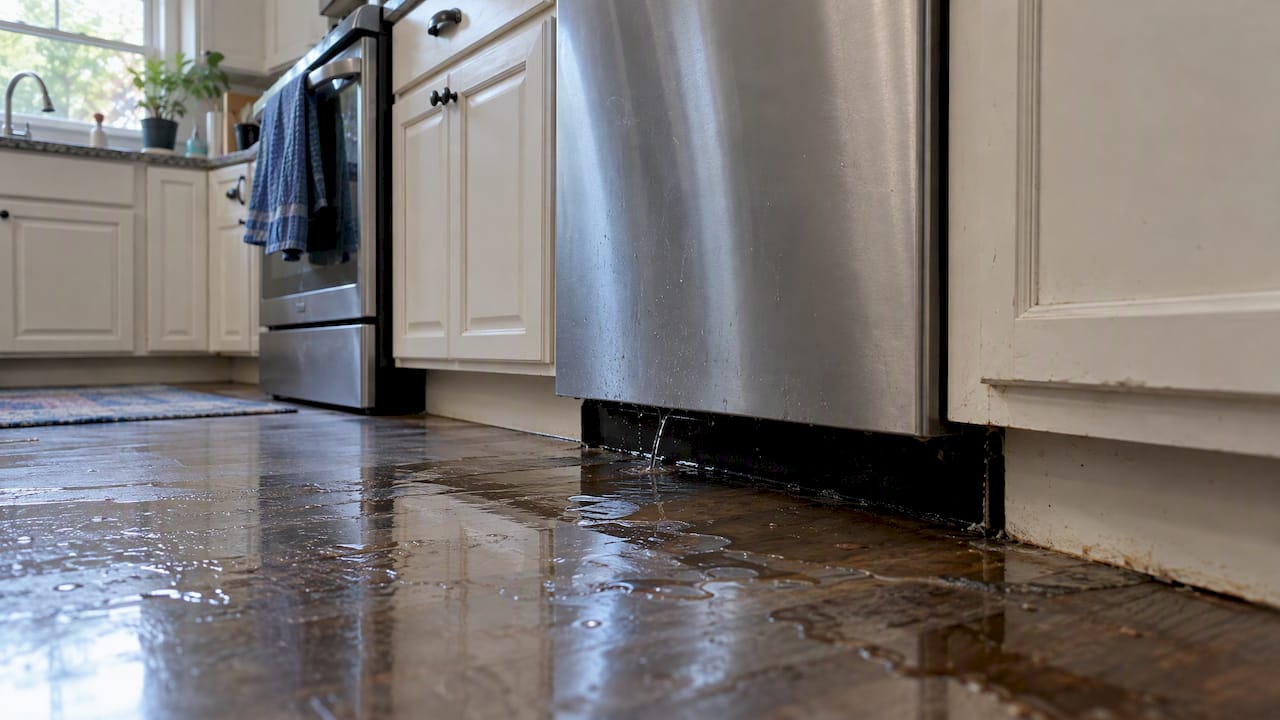
Phase 1: Emergency response. The PM arrives first, confirms safety, and stops active damage. That means shutting off water sources, boarding openings, or tarping a roof before anything else happens.
Phase 2: Assessment and scope. The PM documents every affected surface with photos and moisture readings, then builds a written scope of work. This is where Xactimate enters the picture: line items, unit costs, and labor rates formatted exactly the way adjusters expect.
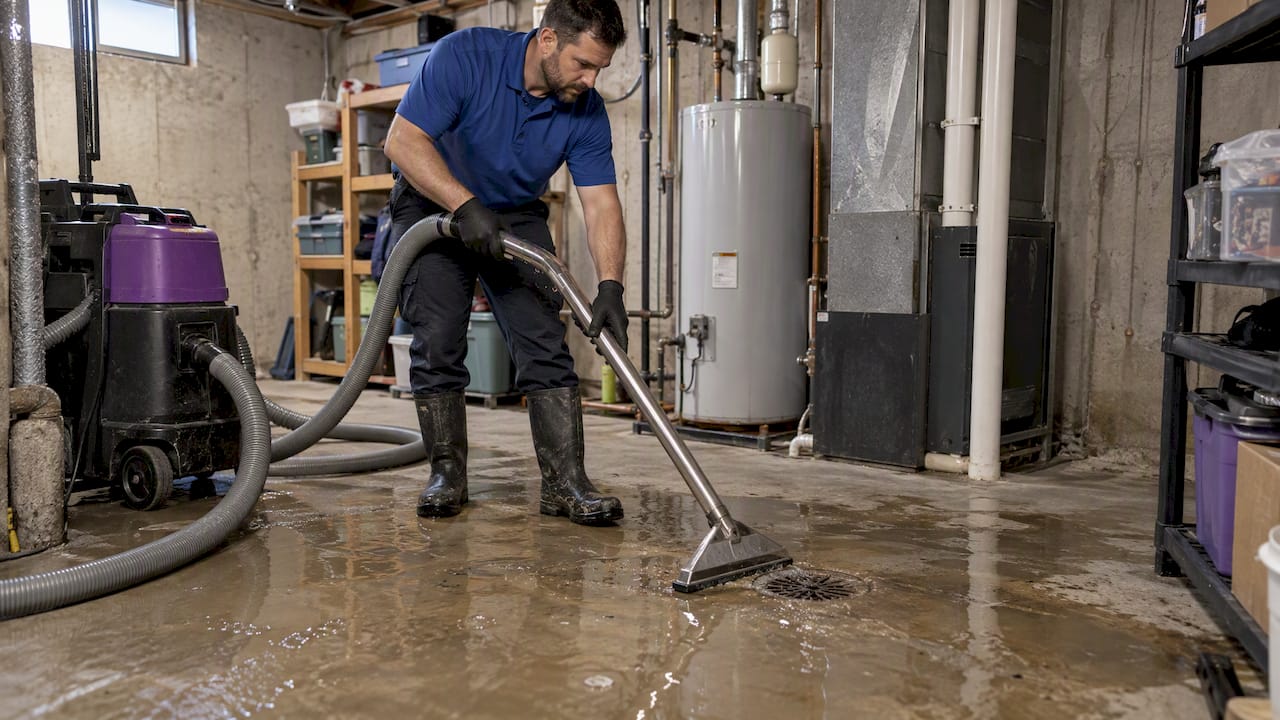
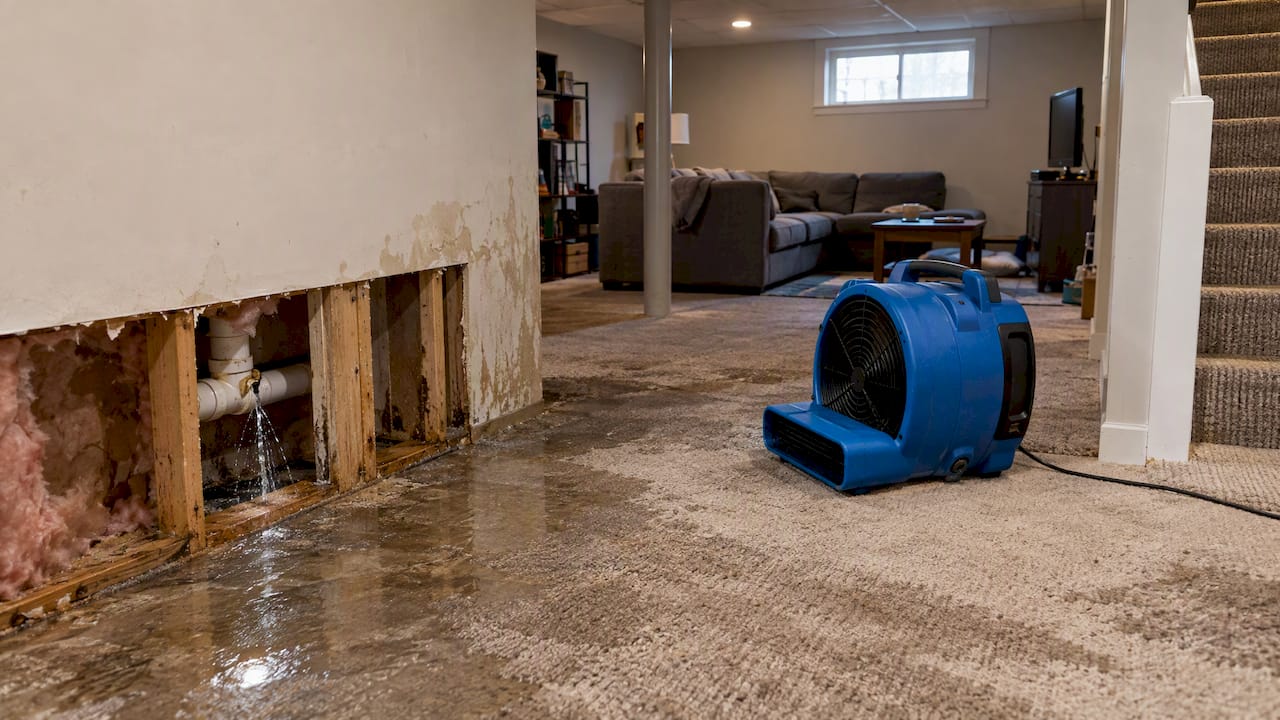
Phase 3: Mitigation and drying. Dehumidifiers, air movers, and specialty drying equipment go in. The PM tracks moisture readings daily and adjusts equipment placement until structural materials hit target dryness levels. Skipping or rushing this phase is the single fastest path to mold growth.
Phase 4: Reconstruction. Once drying is validated, trades come in — plumber, electrician, drywall, flooring — in a sequence the PM controls. Trade sequencing matters because a drywall crew that shows up before the plumber finishes costs everyone time and money.

Phase 5: Final walkthrough. The PM walks the property with you, confirms every line item in the scope was completed, and closes out the job file with final photos and sign-off documentation.
How does the PM handle your insurance claim?
The PM is the technical author of your claim. Effective documentation typically includes moisture readings, daily drying logs, and detailed repair estimates formatted in industry-standard platforms like Xactimate. When the contractor and adjuster both work in Xactimate, approvals move faster because both parties reference the same line-item language and labor rates.
Documentation the PM must produce:
- Before-and-after photographs of every affected area
- Moisture readings and daily drying logs
- Contents inventory for displaced or damaged items
- Line-item Xactimate scope with unit costs
- Supplemental documentation when hidden damage surfaces mid-project
What you should request in writing:
- A copy of the full Xactimate estimate before work begins
- Daily drying logs during the mitigation phase
- A written change-order approval for any scope additions
One thing adjusters commonly miss: attics and crawlspaces. Adjusters may omit these areas from the initial scope unless the PM proactively walks them through every hidden space. A good PM makes that walk-through non-negotiable.
Pro Tip: Ask your PM to schedule a joint site visit with the adjuster rather than two separate meetings. Same-day responses to adjuster requests and a single shared site visit are the two habits that most reliably shorten claim timelines. You can also use this water damage insurance checklist to track what documentation you should have on hand.
What standards and certifications should your PM follow?
IICRC S500 governs water damage restoration; IICRC S520 governs mold remediation. These are not suggestions — they are the standards insurance adjusters reference when reviewing scopes for payment approval. A PM who cannot cite them by name is a yellow flag.
Certifications to verify:
- WRT (Water Restoration Technician): foundational water damage credential
- FSRT (Fire and Smoke Restoration Technician): required for fire/smoke jobs
- AMRT (Applied Microbial Remediation Technician): mold-specific certification
Safety practices that protect your household:
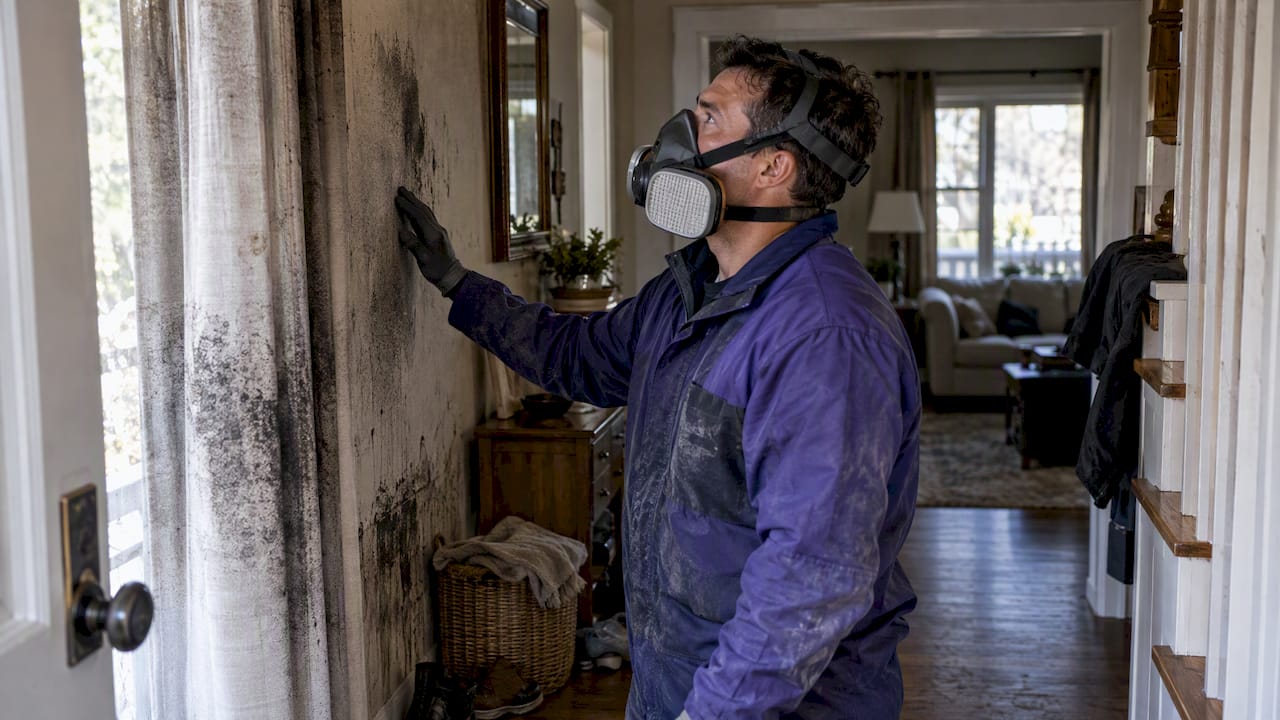
- Full PPE (respirators, Tyvek suits) during mold or sewage work
- Containment barriers and negative air pressure to prevent cross-contamination
- HEPA filtration during demolition and mold removal
- Air clearance testing after mold remediation before containment comes down
You can review mold removal safety protocols in detail to understand what a compliant job looks like from the outside.
What should you expect in communication from your PM?
The PM is your single point of contact. They talk to the adjuster; you talk to the PM. That separation keeps you out of technical disputes while keeping you fully informed.
Expected communication touchpoints:
- On-site briefing within hours of the initial call
- Daily mitigation updates (moisture readings, equipment status)
- Milestone notifications: drying complete, reconstruction start, trade completions
- Written change orders before any scope additions begin
- Final walkthrough with you present before job closure
Pro Tip: Ask for a shared digital job file or folder from day one. A single location for photos, logs, estimates, and change orders prevents critical documents from getting buried in email threads. This matters most if a supplement dispute arises weeks later.
How long does restoration take, and what drives the cost?
| Loss Type | Emergency Mitigation | Drying Phase | Reconstruction |
|---|---|---|---|
| Water (contained) | Hours | 3–5 days | 1–3 weeks |
| Water (structural) | Hours | 5 days | 3 weeks |
| Mold remediation | Same day | N/A | 1–4 weeks |
| Fire/smoke | Same day | N/A | 4 weeks |
These are typical ranges. Actual timelines shift based on how quickly mitigation starts, how much hidden damage exists, and how fast the insurer approves scope additions.
Primary cost drivers:
- Square footage and number of affected structural systems
- Contents handling, pack-out, and storage requirements
- Specialized equipment (desiccant dehumidifiers, hydroxyl generators)
- Required testing: air quality, asbestos, lead, post-mold clearance
- Trade availability and permit timelines in your municipality
Insurance coverage directly affects your out-of-pocket timing. Scope approvals can delay reconstruction starts by days or weeks, which is why drying validation documentation matters so much — it gives the adjuster no reason to dispute the mitigation phase.
How do you hire a qualified restoration PM?
Minimum credentials to demand before signing anything:
- Proof of contractor license and general liability insurance
- IICRC certification (WRT at minimum; AMRT for mold jobs)
- Written scope of work and itemized Xactimate estimate
- Confirmed 24/7 emergency response capability
- References or documented case examples from similar loss types
Use this restoration company selection checklist to structure your evaluation before the first call.
Interview questions worth asking:
- Do you document in Xactimate, and can I have a copy of the estimate?
- Who will be my on-site contact throughout the project?
- Can I see recent drying logs from a comparable water loss?
- How do you handle scope disputes with adjusters?
- What certifications does your mitigation crew hold?
Red flags to walk away from:
- No written scope before work begins
- Pressure to use only the insurer’s preferred vendor
- Vague or verbal-only timelines
- Inability to produce moisture logs or certification proof
- Requests for large upfront cash payments
If the job involves roof-related water intrusion, it is worth understanding insurance restoration roofing requirements separately, since roofing supplements often require their own documentation track.
When should you call a pro instead of handling it yourself?
A small, contained spill on a hard surface that you catch within minutes — wipe it up, dry the area, and monitor for 24 hours. That is the full extent of safe DIY water response.
Call a professional PM immediately for:
- Any water intrusion that has soaked into drywall, subfloor, or insulation
- Visible mold growth of any size
- Sewage backup or gray water exposure
- Fire or smoke damage (soot is toxic and spreads with improper cleaning)
- Any moisture in the attic, crawlspace, or HVAC system
Safe DIY actions before the crew arrives:
- Shut off the water source if accessible
- Photograph all visible damage before moving anything
- Move contents away from wet areas to prevent secondary damage
- Do NOT run fans into walls or ceilings — this can spread mold spores
For a step-by-step guide on what to do in the first hour, see emergency water damage response steps.
How Thecleangenius manages a full Chicagoland restoration job
When a homeowner in Schaumburg or Naperville calls Thecleangenius after a burst pipe or basement flood, here is what happens:
- 24/7 dispatch: A PM is on-site within hours, day or night.
- Assessment and Xactimate scope: Moisture mapping, photo documentation, and a written estimate the adjuster can work from immediately.
- Mitigation with daily logs: Industrial extraction, structural drying, and documented moisture readings until target levels are reached.
- Mold work with Pure Cloud dry-fog technology: Where mold is present, Thecleangenius uses dry-fog remediation that penetrates cavities that conventional methods miss.
- Fire and smoke restoration: Soot removal, odor elimination, and structural repair handled by certified FSRT technicians.
- Attic services: Insulation removal and replacement, attic mold removal, and prevention work — all scoped and documented.
- Insurance coordination: Thecleangenius works directly with your carrier, handles adjuster communication, and submits supplemental documentation when hidden damage surfaces.
Thecleangenius serves the greater Chicagoland area including Arlington Heights, Elk Grove Village, Naperville, Schaumburg, Wheaton, and dozens of surrounding communities.
Key Takeaways
A qualified restoration project manager handles every phase from emergency response through final verification while managing your insurance claim with documented, adjuster-ready evidence.
| Point | Details |
|---|---|
| IICRC standards matter | Demand WRT, FSRT, or AMRT certification and confirm the PM follows S500/S520 protocols. |
| Xactimate speeds claims | Insist on a written, itemized Xactimate estimate before work begins to avoid scope disputes. |
| Daily drying logs are non-negotiable | Request moisture logs throughout mitigation — they protect you if the insurer questions the drying phase. |
| Hidden areas get missed | Make sure your PM walks the adjuster through attics and crawlspaces during the site visit. |
| Thecleangenius | Available 24/7 across Chicagoland with IICRC-aligned processes, Pure Cloud dry-fog mold removal, and direct insurance coordination. |
What most homeowners don’t realize until it’s too late
The technical side of restoration — moisture readings, drying protocols, Xactimate line items — gets most of the attention. What gets underestimated is the emotional weight a good PM carries for you.
When a family is displaced at 2 AM after a pipe bursts, they are not thinking about psychrometrics. They are scared, exhausted, and facing decisions they have never made before. A PM who shows up calm, explains what is happening in plain language, and takes the paperwork burden off your plate is doing something that no certification fully captures.
The practical surprises I see most often: hidden mold discovered behind drywall after drying starts, and trade scheduling conflicts that push reconstruction back by days. Both are manageable when the PM catches them early and communicates clearly. Both become expensive when they are discovered late or buried in vague updates.
The homeowners who come out of restoration with the least stress are the ones who asked for documentation upfront, stayed in regular contact with their PM, and pushed back the moment something felt unclear. That is not distrust — it is exactly the kind of engagement a good PM welcomes.
Thecleangenius is ready when you need it most
When water, mold, fire, or smoke damage hits your Chicagoland home, the fastest path to recovery is a certified PM who handles the documentation, the adjuster, and the trades while you focus on your family.

Thecleangenius offers 24/7 emergency dispatch across the greater Chicagoland area, IICRC-aligned mitigation and remediation, Pure Cloud dry-fog mold removal, fire and smoke restoration, and full attic services — all with direct insurance coordination so you are never left managing the claim alone. With more than 400 five-star reviews and 25 years of combined experience, the team knows what adjusters need and how to get your home back to pre-loss condition without unnecessary delays.
Start with water damage restoration for emergency response, mold removal and remediation for dry-fog treatment, or fire damage restoration for soot and odor work. Call Thecleangenius now for an on-site assessment and written scope.
Useful sources
- IICRC S500 and S520 standards overview — supports standards and certification guidance
- Restoration companies and the insurance process — documentation requirements and claim workflow
- Working with your insurance adjuster — Xactimate use, adjuster communication best practices
- How to file a property insurance claim for restoration — hidden area inspection and scope completeness
- Restoration Industry Association: project management systems — industry-wide PM best practices and training standards
- Thecleangenius water damage insurance claim checklist — actionable homeowner checklist for documentation
Next steps: Request a written scope before any work begins, ask for your Xactimate estimate on day one, and schedule an on-site assessment with a certified PM to confirm the full extent of damage before mitigation starts.