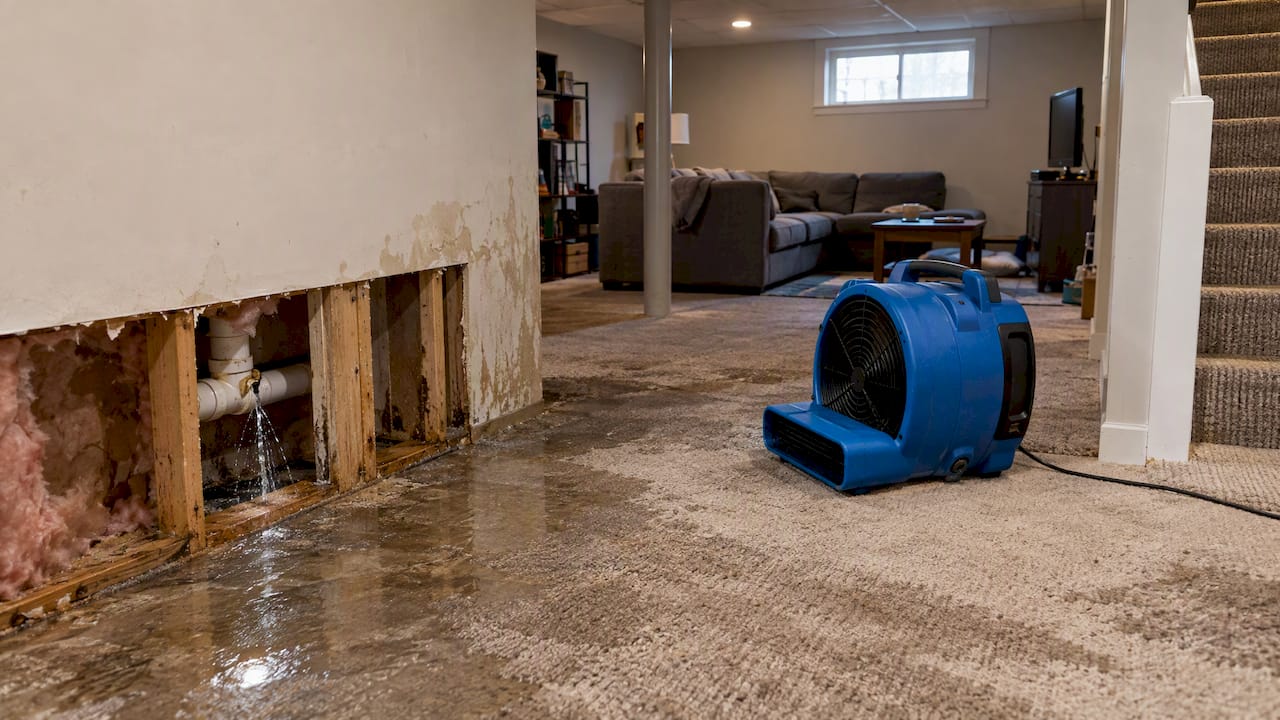

Most burst-pipe cleanup and basic repairs for U.S. homeowners typically range from a few hundred dollars for small, contained leaks to several thousand for larger jobs, with costs increasing further for extensive structural repairs or mold remediation. The water category, the size of the affected area, and whether mold sets in all move that number. Acting within 24 to 48 hours keeps most jobs on the lower end.
TL;DR:
- Clean water mitigation typically costs $3 to $4 per square foot, gray water $4 to $6.50, and contaminated black water more than $7.
- Drying wet materials within 24 to 48 hours can limit mold growth; once mold develops, remediation may add $1,000 to $6,000 or more.
- Multiple rooms or subfloor replacement can push extensive restoration into five figures, especially when water remains for more than two days.
- Homeowners insurance often covers sudden water damage, but not gradual leaks or the failed pipe itself, which a licensed plumber repairs separately.
- Ask restoration companies to itemize equipment days and monitoring visits, since separate charges show how long drying and oversight continue.
Table of Contents
- Cost Bands and Per-Square-Foot Estimates
- What Restoration Companies Actually Charge For
- Why Two Similar Jobs Can Cost So Differently
- How Insurance Typically Handles Burst-Pipe Claims
- The 24 to 48 Hour Window and What It Costs You
- How Restoration Pros Actually Build an Estimate
- The Clean Genius: Fast Help When a Pipe Bursts
- FAQ
- Sources
Cost Bands and Per-Square-Foot Estimates
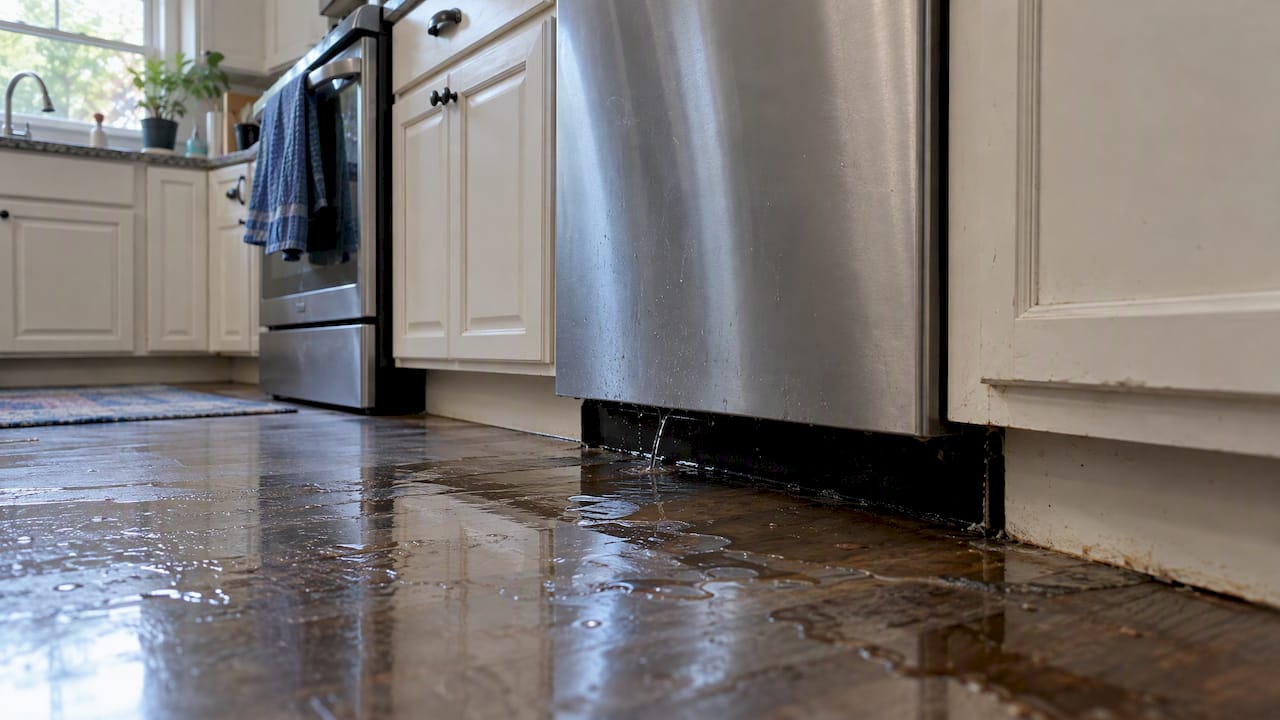
A small, quickly caught leak, think a supply line behind a washing machine, often falls at the low end: a few hundred dollars for extraction and drying if only a small area got wet. Average jobs, a burst pipe that soaked a bedroom or basement section overnight, typically run into the low thousands once drying equipment, monitoring, and minor drywall repair are added. High-end jobs involving multiple rooms, subfloor replacement, or extensive mold remediation can reach into five figures.
Per-square-foot estimates vary by water category:
- Clean water (Category 1) mitigation often runs roughly $3 to $4 per square foot.
- Gray water (Category 2), from washing machines or dishwashers, typically runs $4 to $6.50 per square foot.
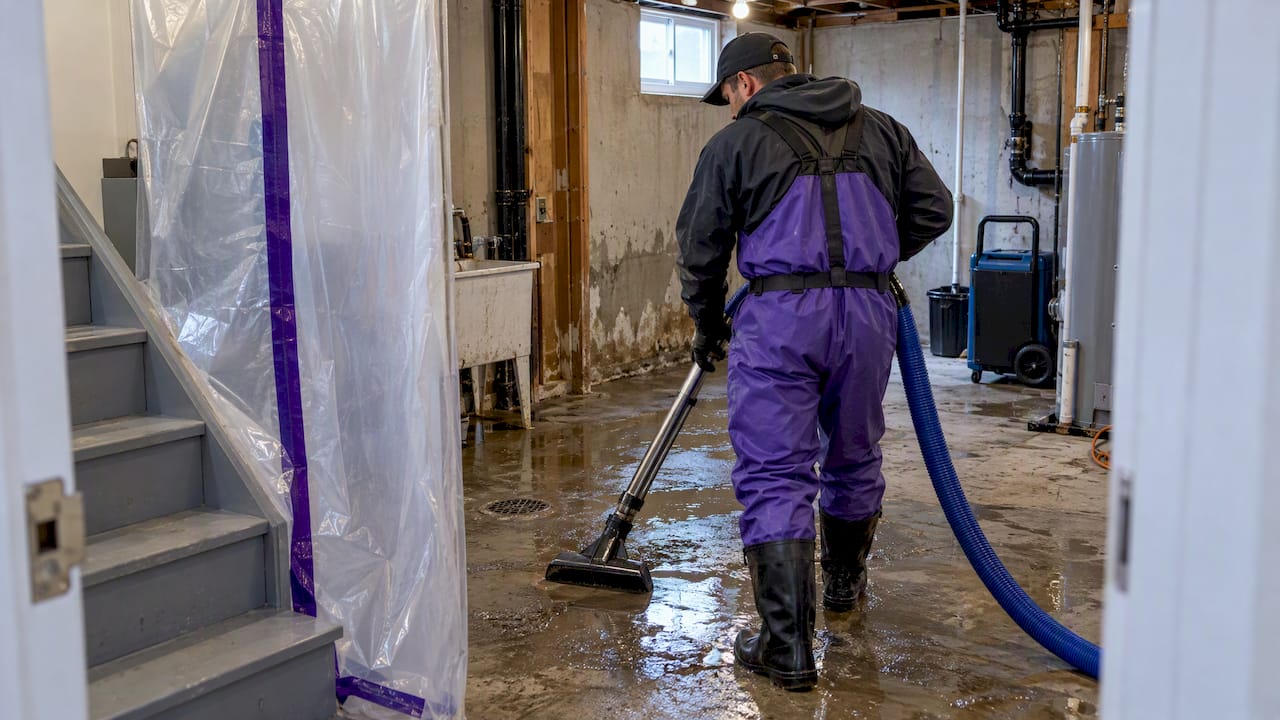
- Black water (Category 3), from sewage backups or contaminated sources, often exceeds $7 per square foot because of containment and disposal needs.
A job commonly crosses into the high-cost tier once water sits for more than two days, soaks into subflooring or drywall cavities, or triggers visible mold growth. Our emergency water removal cost breakdown walks through why some jobs climb from a few thousand dollars into the $10,000 to $20,000 range.
What Restoration Companies Actually Charge For
Estimates bundle several distinct services, and knowing what each covers helps you compare bids without missing anything.
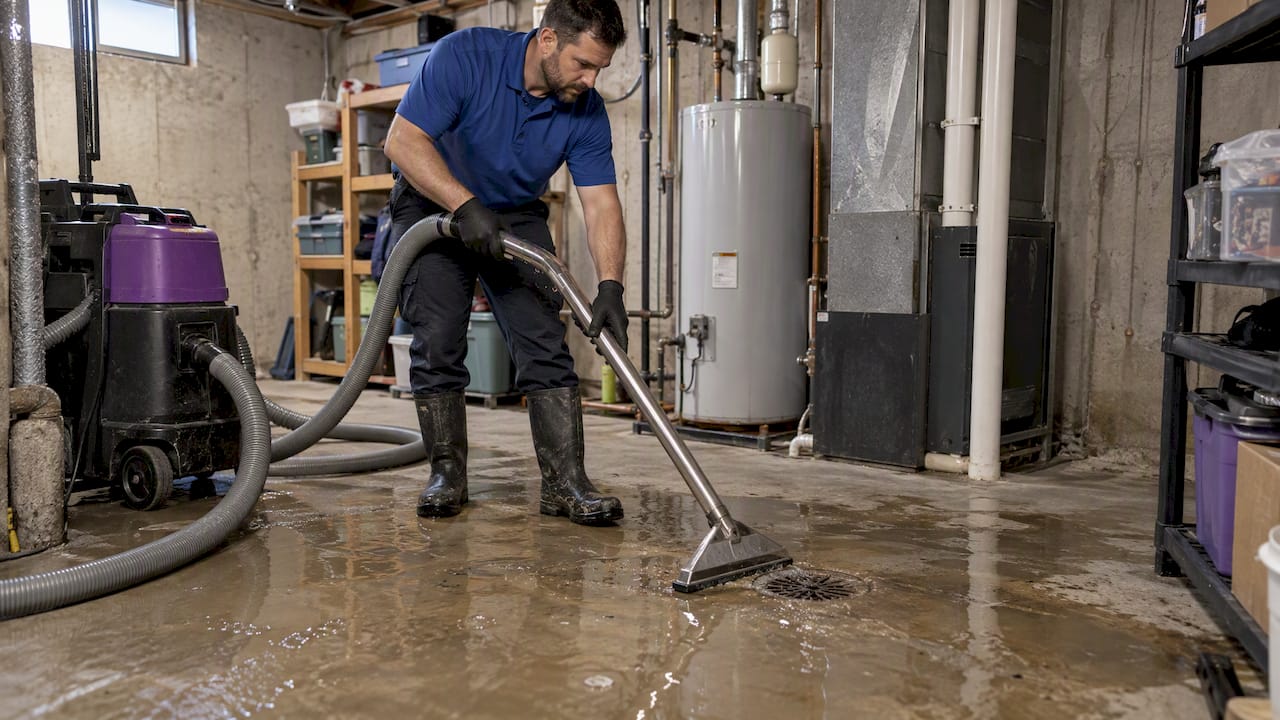
- Emergency extraction and mitigation. This covers pumps, wet vacuums, and the labor to remove standing water fast, usually priced by the hour or as a flat callout fee.
- Drying and dehumidification. Technicians bill for equipment-days (air movers and dehumidifiers left running) plus daily monitoring visits to confirm materials are drying on schedule. Our restoration equipment guide explains how that equipment is chosen and tracked.
- Contents restoration. Furniture, documents, and electronics that got wet may need specialty cleaning, pack-out storage, or disposal if they are unsalvageable.
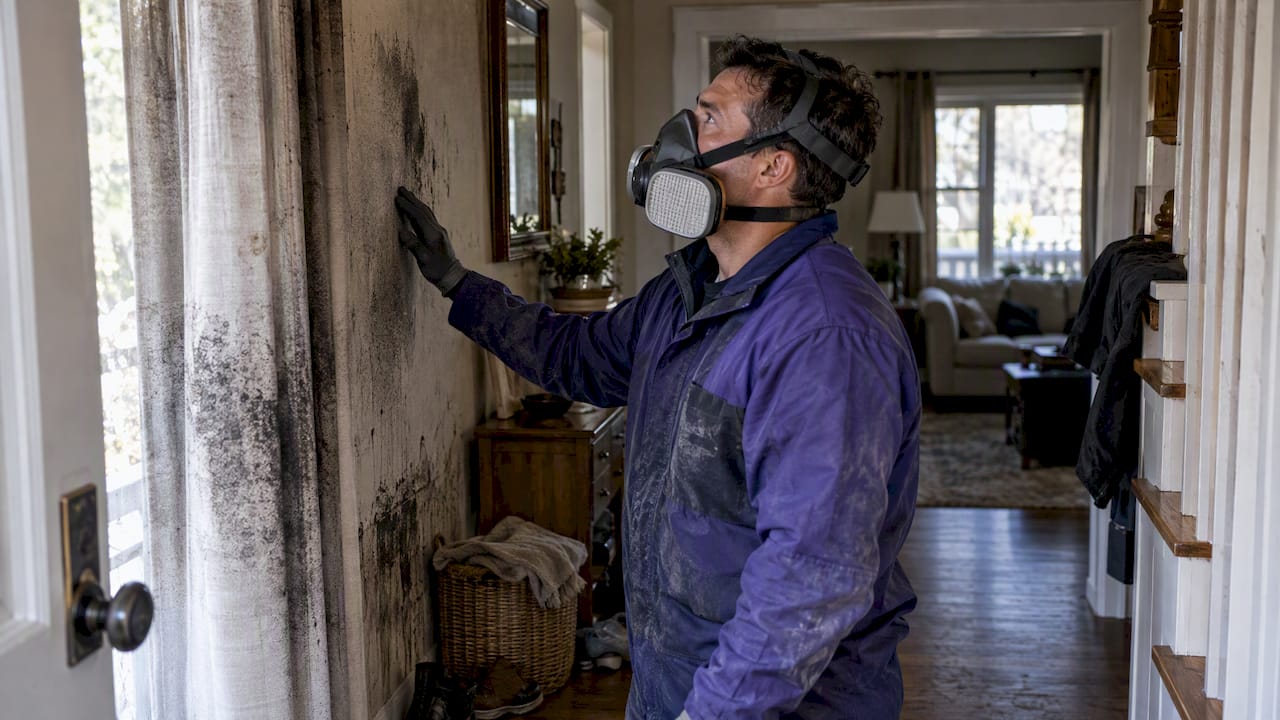
- Mold testing and remediation. If moisture sat too long, crews add containment barriers, air scrubbers, and antimicrobial treatment, which raises the bill noticeably.
- Structural repairs. Drywall, baseboards, insulation, and flooring replacement get priced separately based on how much material was cut out during mitigation.
Pro Tip: Ask whether your quote includes equipment-days and monitoring visits separately, since bundling them can hide how long drying actually took.
Plumbing repair itself, fixing the pipe that burst, is almost always a separate bill from a licensed plumber and is not part of a restoration company’s mitigation estimate.
Why Two Similar Jobs Can Cost So Differently
Two homes with the same size leak can end up with very different final bills. Several factors do most of the work:
- Water category determines containment and PPE requirements, with gray and black water adding cost fast.
- Area size, access, and materials matter: hardwood floors and finished basements cost more to dry and repair than exposed concrete.
- Time-to-discovery changes the scope entirely. Water sitting past the 24 to 48 hour mold window often means tear-out instead of simple drying.
- Local labor and disposal fees vary by region, and contaminated materials (carpet pad, insulation) carry extra disposal costs.
- Insurance deductible and policy limits set your out-of-pocket floor and ceiling regardless of the total job cost.
A frozen pipe that bursts overnight behaves the same way: the faster you respond, the smaller the eventual bill. Our frozen pipe cleanup checklist covers the first steps that limit damage before a crew arrives.
How Insurance Typically Handles Burst-Pipe Claims
Standard homeowners policies commonly cover sudden, accidental water discharge, like a pipe that bursts without warning, for the resulting damage to floors, walls, and belongings, according to the Insurance Information Institute. Replacing the failed pipe itself is usually treated as maintenance and is not covered. MoneyGeek’s coverage overview confirms the same pattern: sudden plumbing failures are covered, gradual leaks and flooding are not.
A few habits protect your claim:
- Photograph damage immediately, with timestamps, before cleanup begins.
- Keep mitigation receipts and any communication with your restoration company.
- Call your insurer early so an adjuster can inspect before repairs are too far along.
- Expect the adjuster workflow to take a few days to a couple of weeks depending on claim volume.
Our guide to working with insurance walks through documentation step by step.
The 24 to 48 Hour Window and What It Costs You
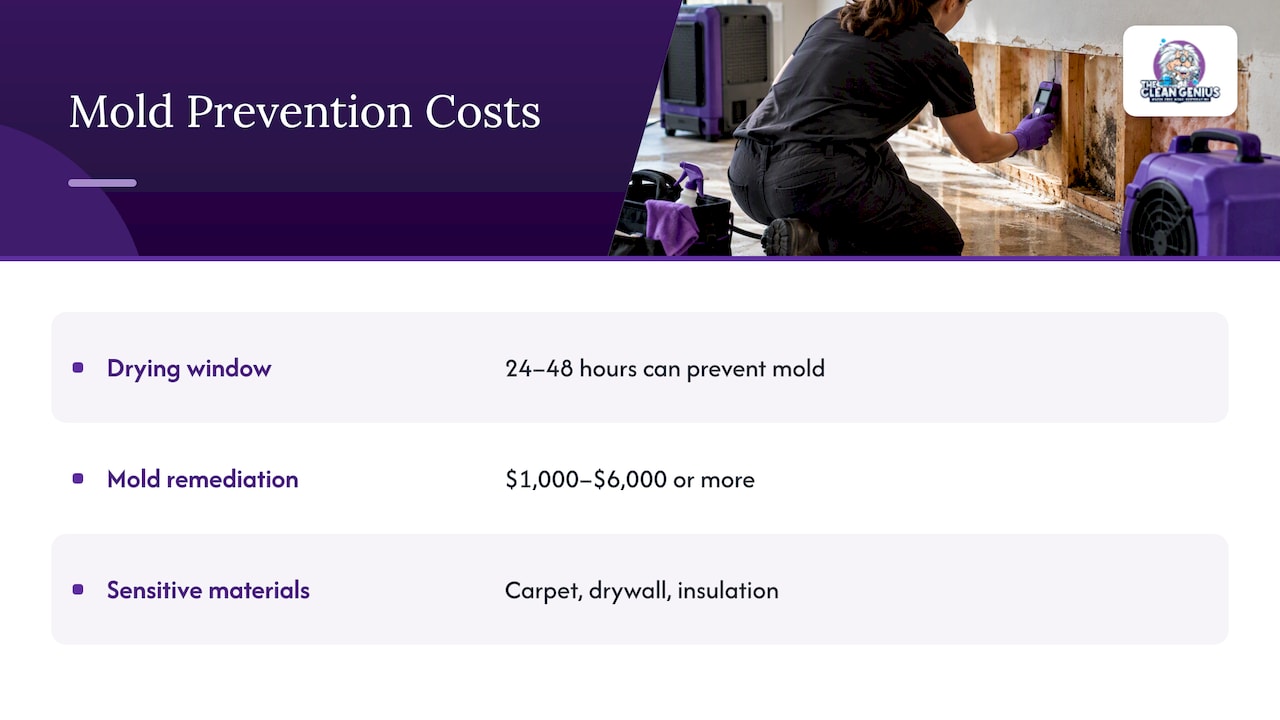
The EPA’s mold prevention guidance states that drying wet materials within 24 to 48 hours can prevent mold growth and meaningfully lower total restoration costs. Carpet backing, drywall, and insulation are especially time-sensitive, according to EPA Chapter 4 guidance.
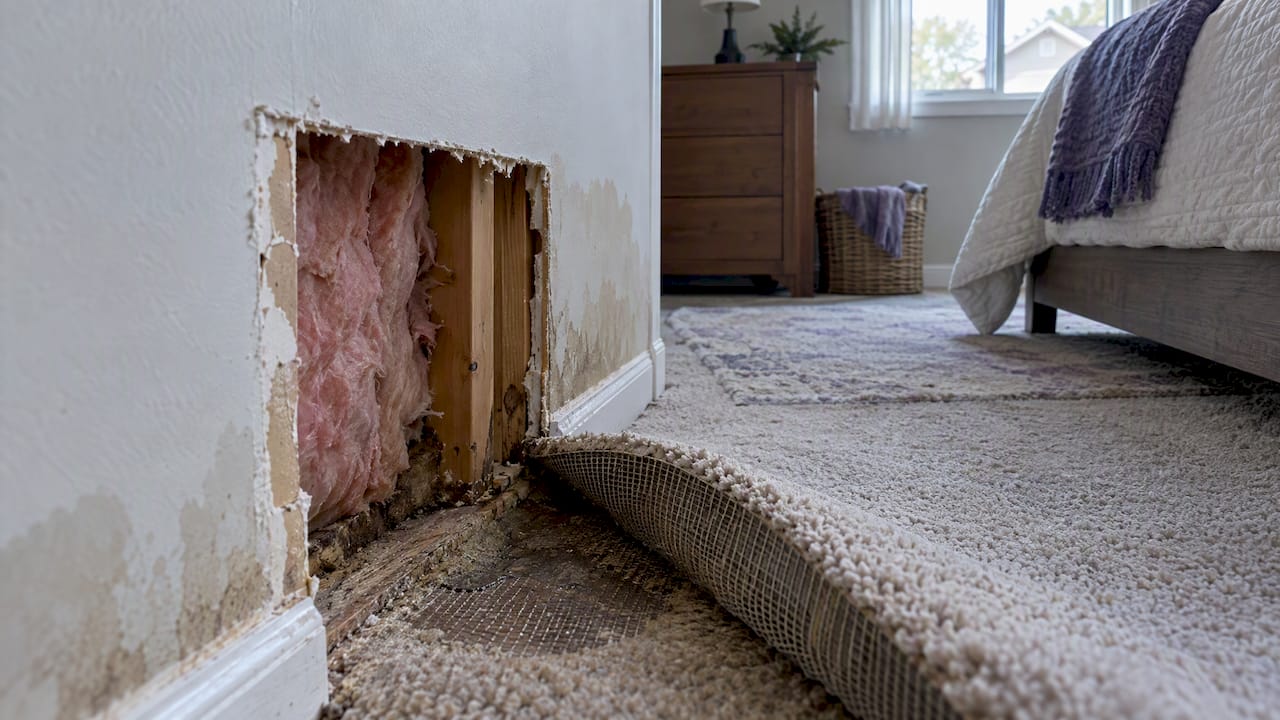
Once mold sets in, the EPA notes remediation can add $1,000 to $6,000 or more to a restoration bill. That single delay is often the biggest swing factor in a final cost.
Shut off the water supply, avoid running electrical circuits near standing water, and skip DIY sewage or black-water cleanup. OSHA’s flood cleanup guidance flags contaminated water as a biological hazard best left to trained crews.
How Restoration Pros Actually Build an Estimate
Pros calculate equipment-days by counting how many air movers and dehumidifiers a space needs and how many days they will run, then add monitoring visits to confirm drying targets are met rather than guessed at. Ask any responder for their license number, IICRC certification, and proof of liability insurance before signing anything. We emphasize rapid mitigation, contents triage, and direct insurance coordination so the paperwork keeps pace with the drying equipment, not after it.
— Jim
The Clean Genius: Fast Help When a Pipe Bursts
A burst pipe does not wait for business hours, and neither do we. We send certified technicians for emergency water extraction, structural drying, mold remediation, and contents restoration, and coordinate directly with your insurer so documentation keeps up with the work.

- Emergency response for burst pipes, floods, and sewage backups.
- Technicians using non-toxic dry-fog mold treatment when needed.
- Insurance coordination to help your claim move faster.
- Rapid contents triage to save what can be saved before it is too late.
A local crew that documents as it works can shorten both your drying timeline and your claim timeline. Visit our burst pipe and water damage restoration page to check availability in your area.
For preventive steps once the immediate crisis is handled, our partner’s home plumbing maintenance checklist and guide to preventive pipe maintenance cover habits that reduce the odds of a repeat burst.
FAQ
Do plumbers fix burst pipes?
Yes, a licensed plumber repairs or replaces the burst section of pipe itself, while a separate restoration company typically handles water extraction, drying, and any structural repairs. These are usually two separate bills on the same incident.
How much does it cost to repipe a 1,200 square foot house?
Repiping costs depend heavily on pipe material, access, and local labor rates, and figures vary too widely by region and home layout to state a single reliable number here. A licensed plumber can give you an accurate quote after inspecting your home’s existing plumbing and walls.
How much does a burst water pipe cost?
Cleanup and basic repairs after a burst pipe commonly range from a few hundred dollars for small, contained leaks to several thousand dollars for larger jobs, with costs increasing further for extensive structural repairs or mold remediation. Costs climb further, sometimes into the $10,000 to $20,000 range, when water sits for days before discovery, as covered in our emergency water removal cost breakdown.
How much to repair a collapsed sewer line?
Sewer line repair costs vary enormously based on pipe length, depth, and whether trenchless or traditional excavation methods are used, so no single figure applies broadly. A licensed plumber or sewer specialist needs to inspect the line with a camera before giving an accurate estimate.
Sources
- EPA — Mold prevention and remediation guidance (table)
- Insurance Information Institute — Am I covered?
- OSHA — Flood cleanup safety guidance
- MoneyGeek — Does homeowners insurance cover water damage?