


Chicagoland Home Restoration Blog: Water, Mold & Fire Damage Tips
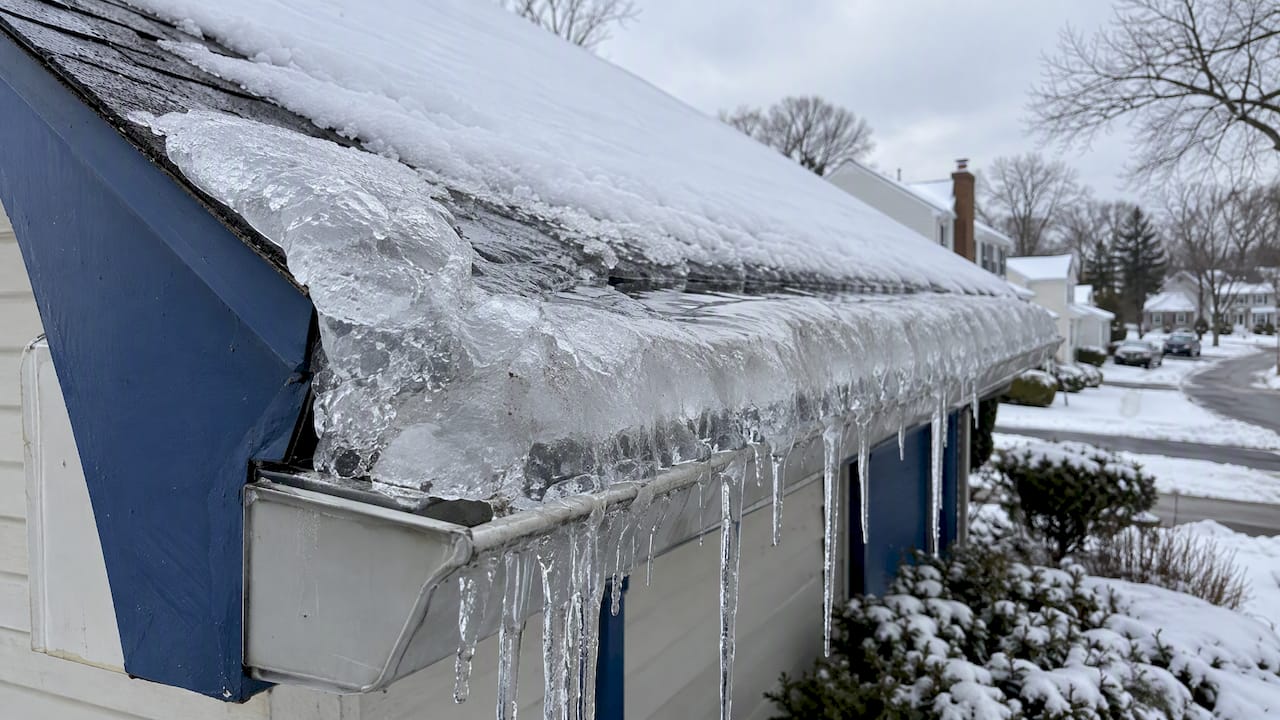
Ice Dams and Attic Insulation: What Actually Stops Them
Attic insulation can stop most ice dams, but only after air sealing. Learn the right order of work, what R-49 means, and why eave protection still matters.
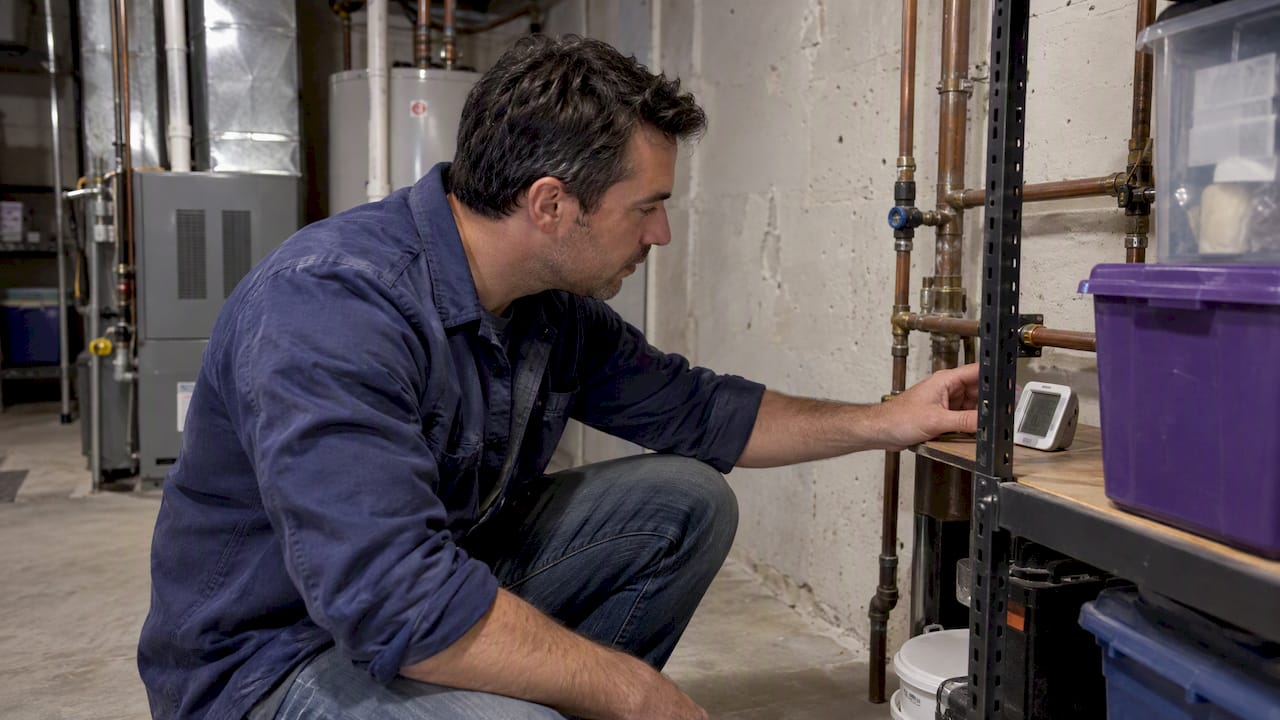
Basement Humidity Levels: What’s Normal and When to Act
What basement humidity level is safe, how to measure it, and what to do when it creeps above 60%. Straight answers from a Chicagoland water and mold restoration team.
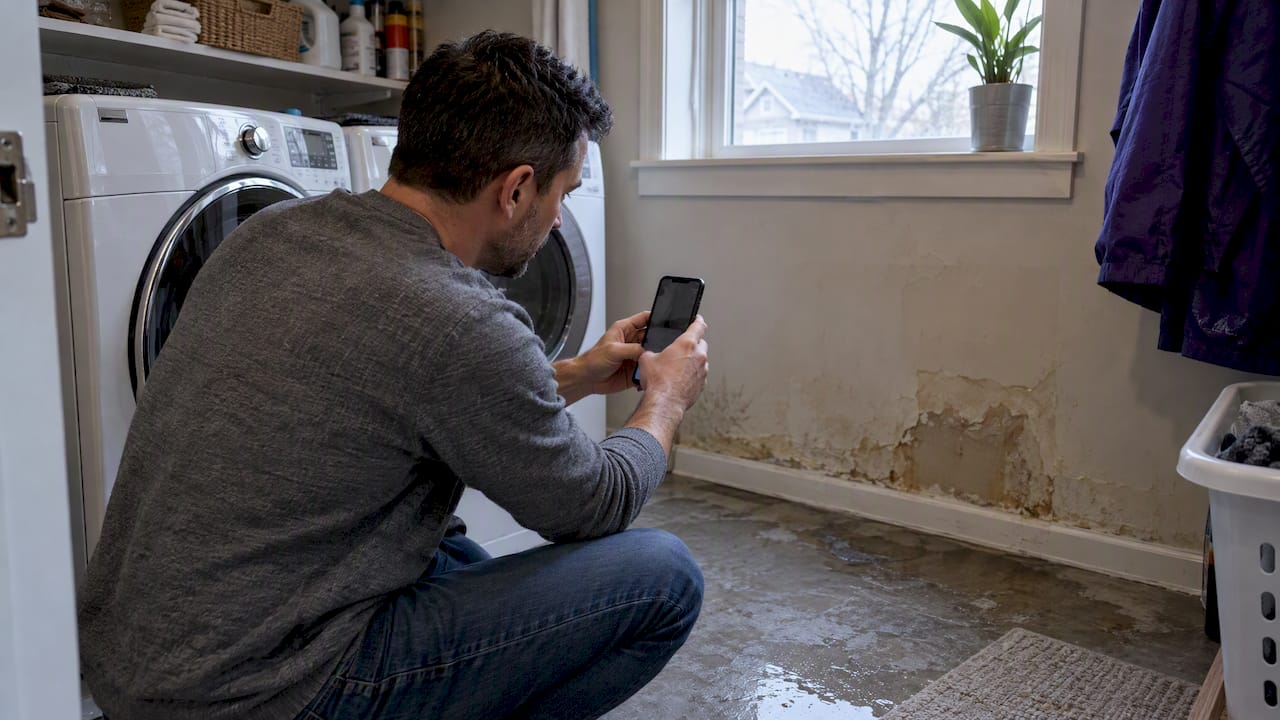
What is the Difference Between Water Mitigation and Restoration for Homeowners?
Water mitigation stops damage and restoration repairs your home. Within 24 to 48 hours, homeowners should understand how water mitigation prevents further damage and how restoration focuses on repairing the affected areas, while also documenting the process for an insurance claim.
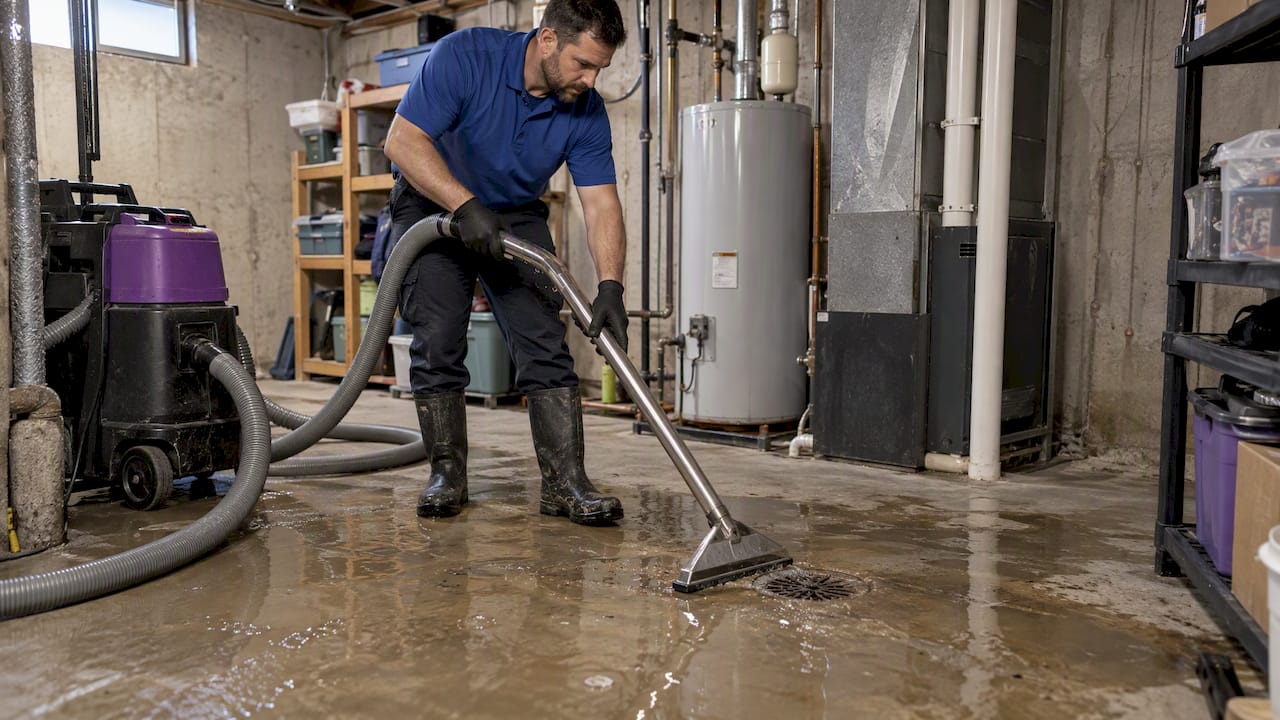
Sewage Backup Coverage: Why Cleanup Speed Can Affect Your Claim
Sewage backup usually needs an endorsement, not standard homeowners insurance. Learn what it may cover, what to document, and how fast cleanup affects claims.
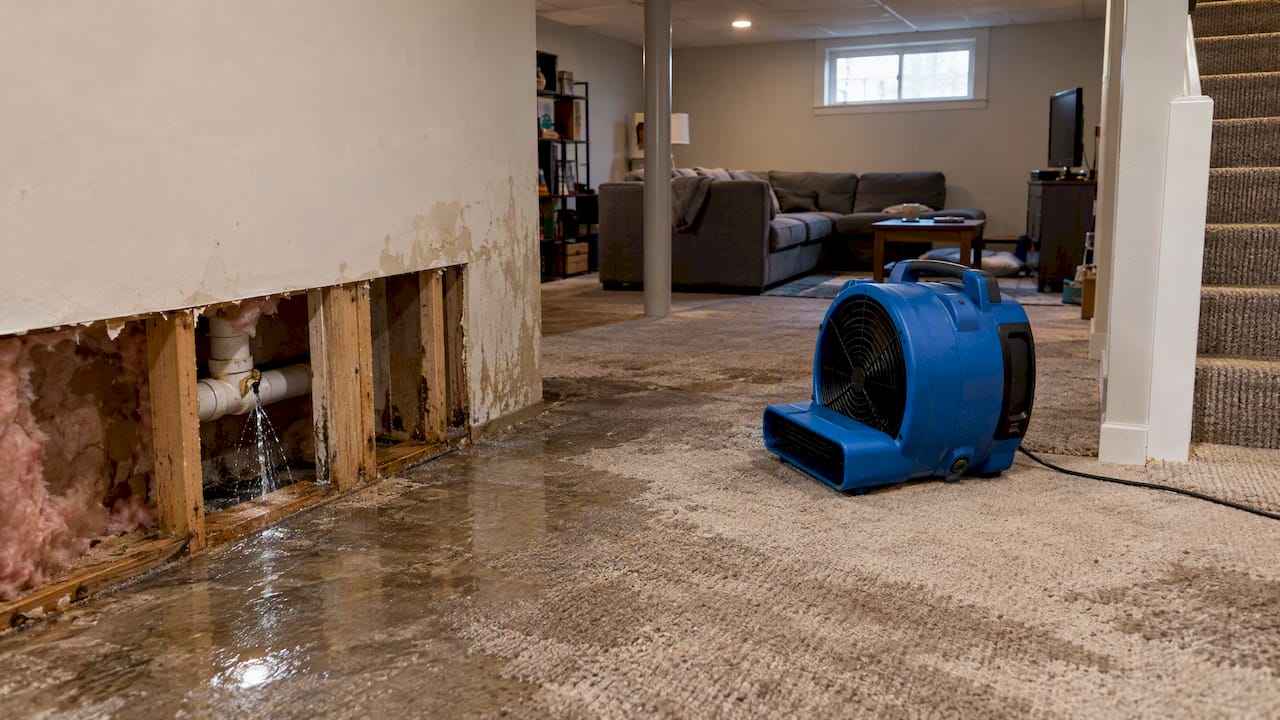
Burst Pipe Cleanup Cost: U.S. Homeowners Face $3 to $7+ per Square Foot
Compare burst pipe cleanup costs by water type, understand the line items behind estimates, and see why delays beyond 48 hours can push U.S. jobs higher.
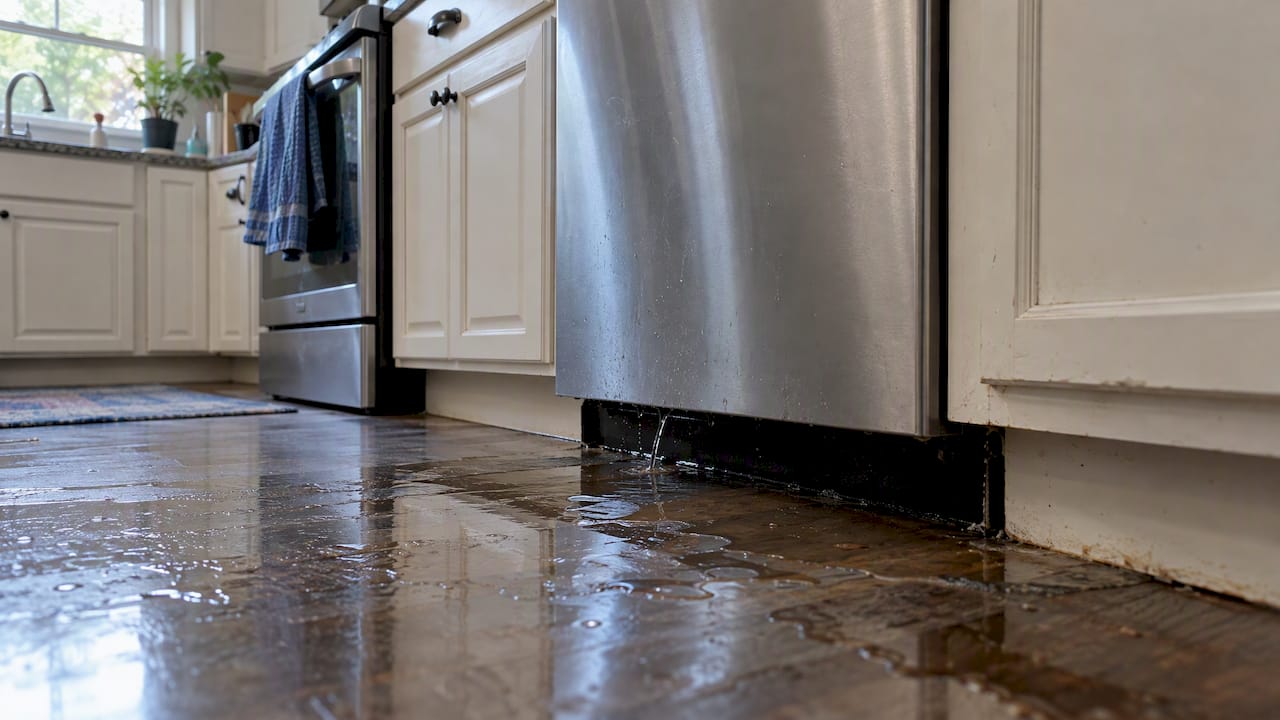
Dishwasher Leak Damage: 24–48 Hours to Limit Mold and Support Your Claim
Act after a dishwasher leak: limit water spread, document damage, learn what homeowners insurance may cover, and know when to call restoration pros.
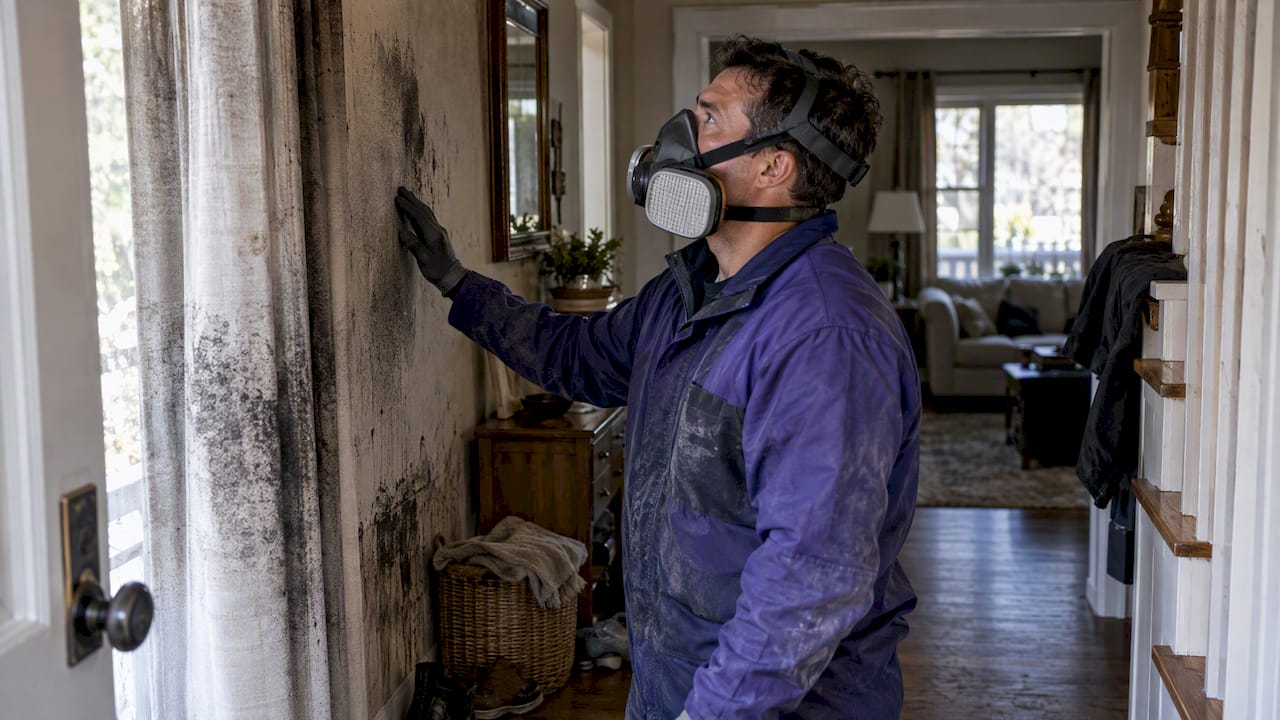
Before You Clean: Smoke Damage Health Effects and 6 Times to Call Pros
Homeowners: how smoke damage harms health, where soot hides in ducts, attic, and contents, and when to call certified remediation.
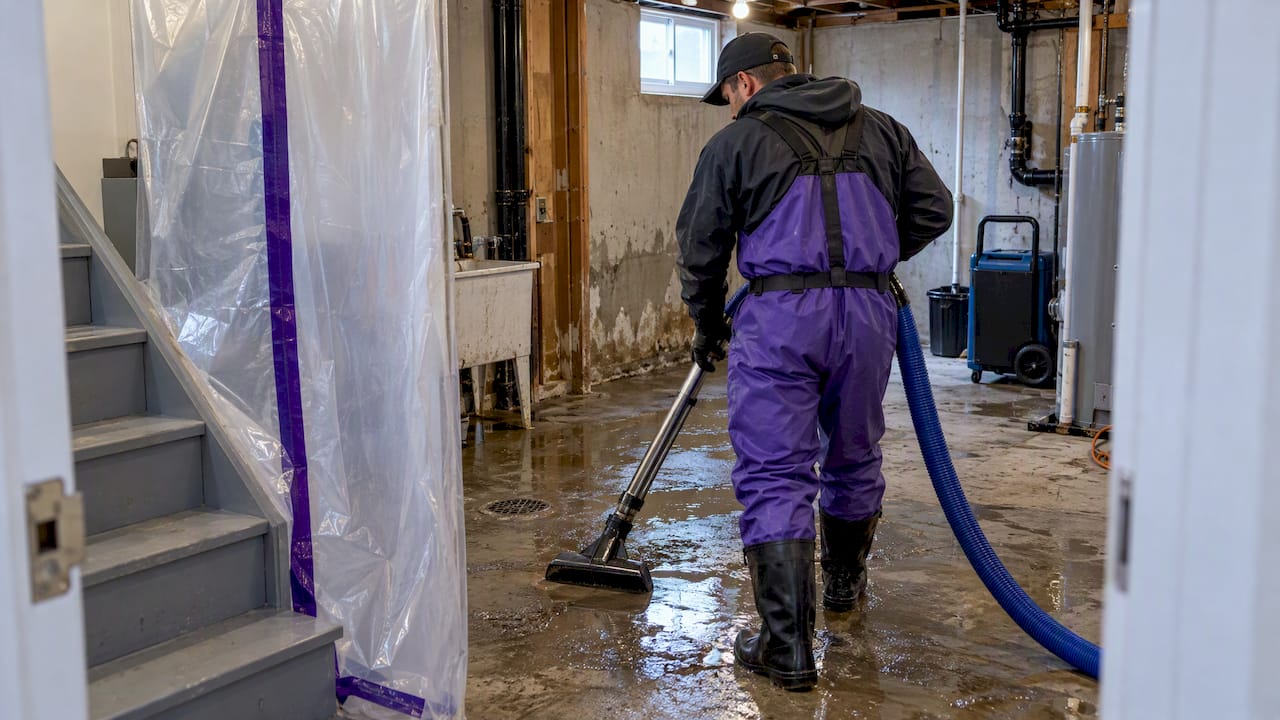
Homeowners: Act in 24–48 Hours for Category 3 Water Cleanup
Quick homeowner steps for Category 3 (black) water: wear N95, goggles, and gloves, document damage, shut utilities safely, and call a licensed restorer…
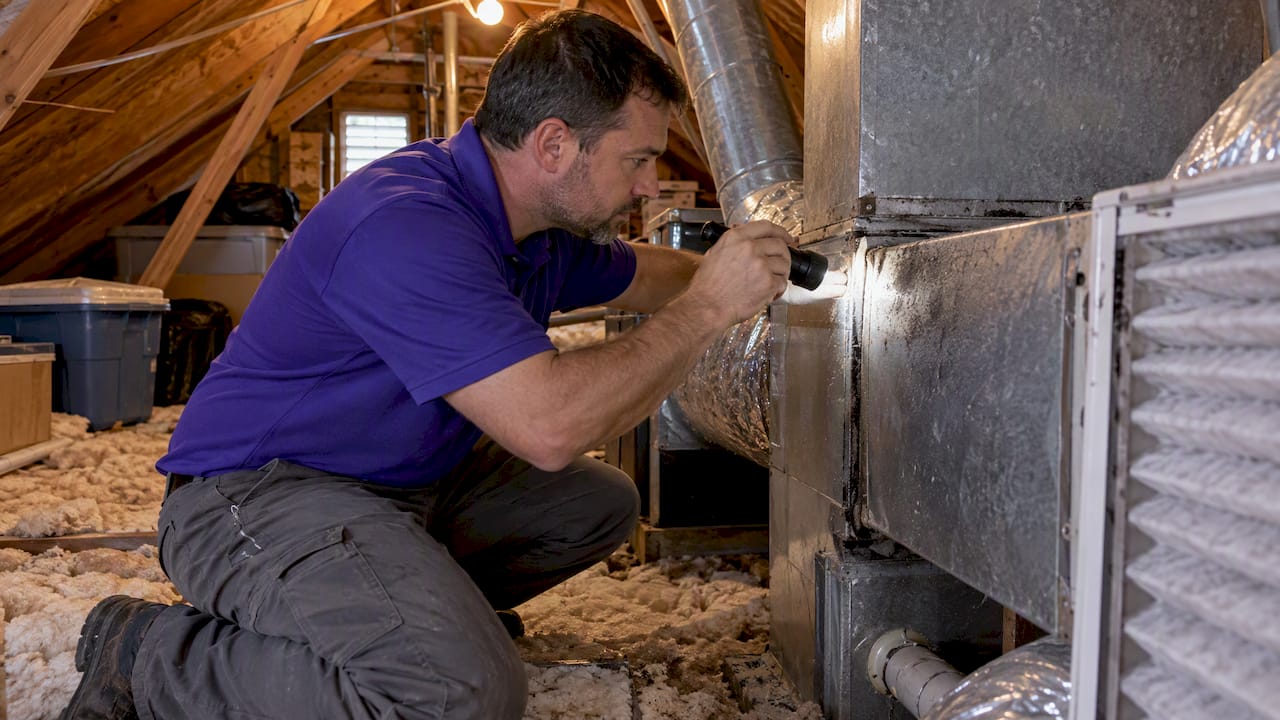
Inspect HVAC, Attic and Ducts First to Stop Smoke Smell for Homeowners
Homeowners: stop recurring smoke odor by inspecting HVAC, attic and ducts, removing contaminated materials, and following a 5 step remediation checklist.
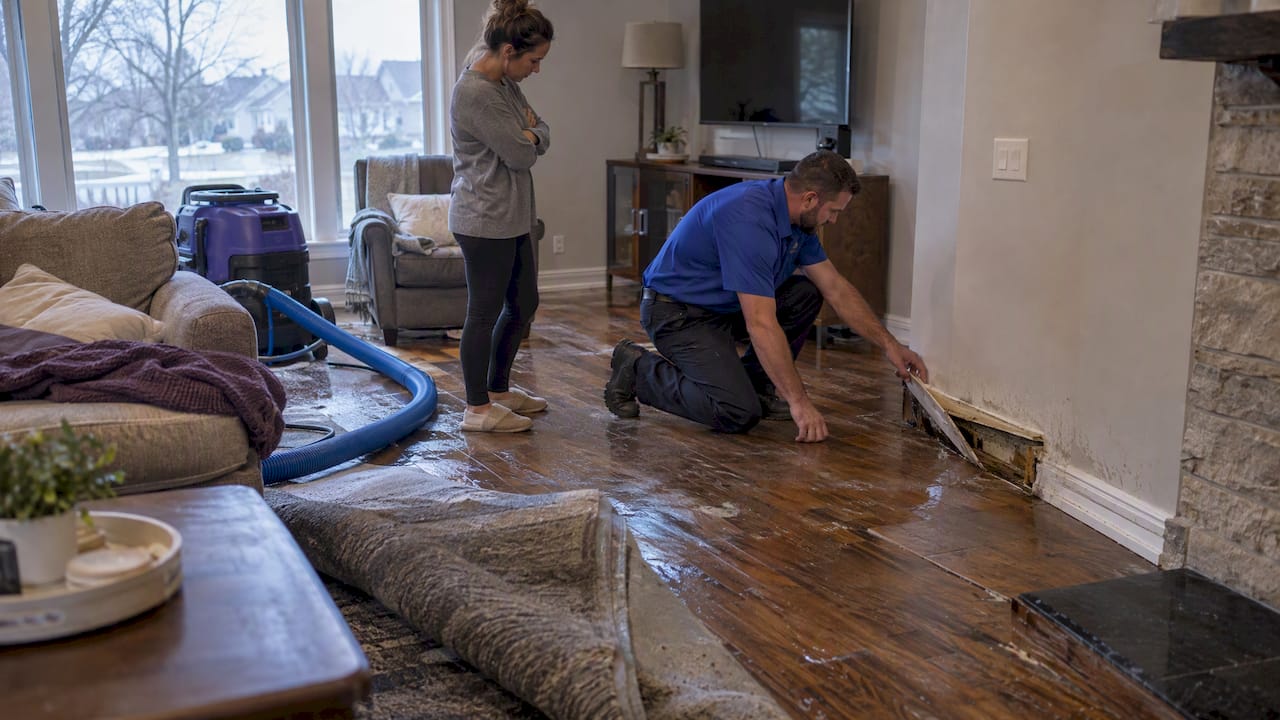
Emergency Water Removal Costs: Why Some Homeowners Pay $10,000–$20,000
See what U.S. homeowners typically pay for emergency water removal, when losses reach $10,000–$20,000, and practical steps to protect your insurance claim.
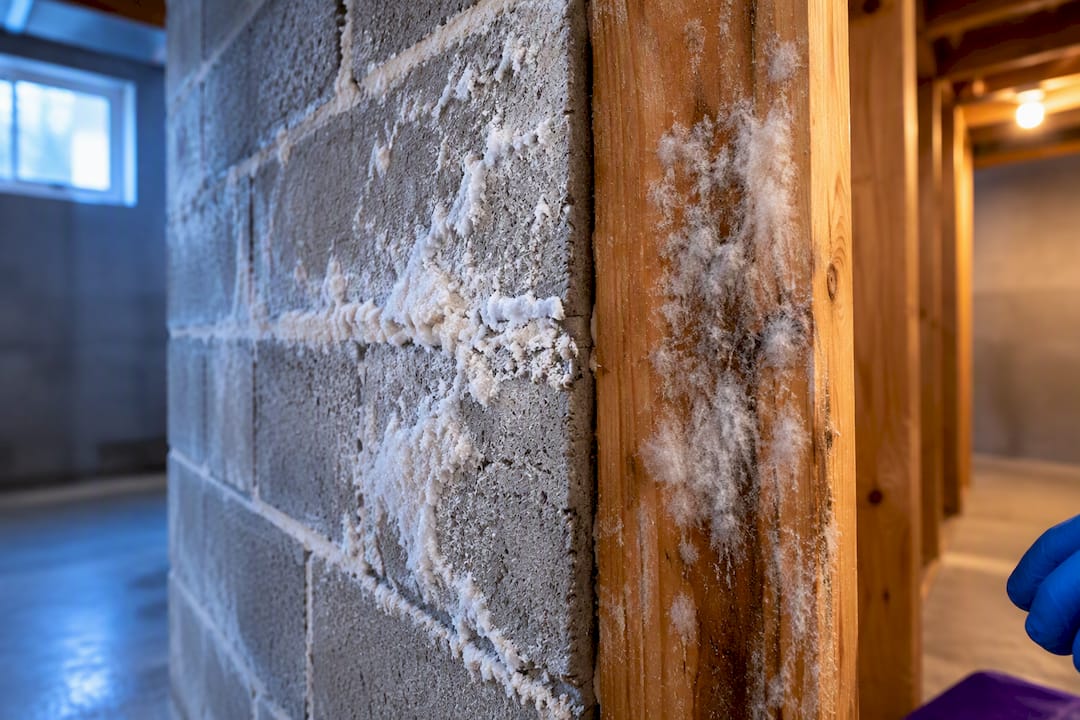
How to Tell the Difference Between White Mold and Efflorescence for Homeowners?
To tell white mold from efflorescence, homeowners can perform simple DIY checks. The EPA 10 sq ft threshold indicates when to hire a professional, and understanding which moisture fixes are necessary can prevent its return.
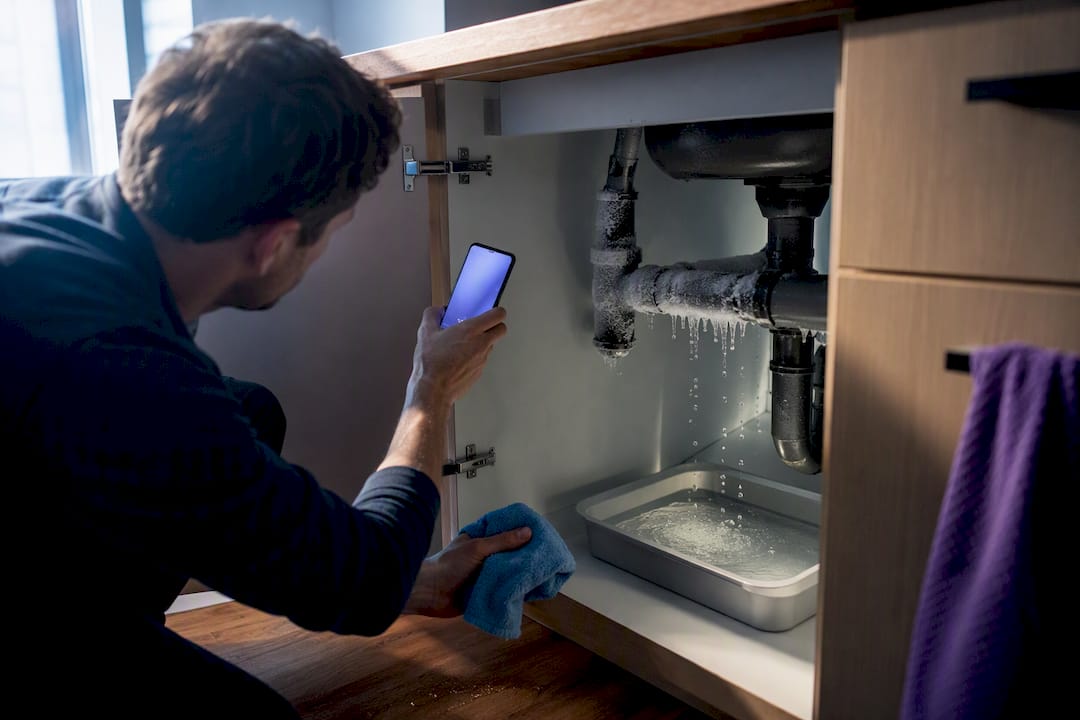
What Should Homeowners Do Within 60 Minutes After a Frozen Pipe Bursts?
Within 60 minutes after a frozen pipe bursts, homeowners should follow a plan that includes safety steps, preparing insurance-ready records, and understanding EPA and CDC mold limits. Restoration professionals recommend these immediate actions to protect your claim.