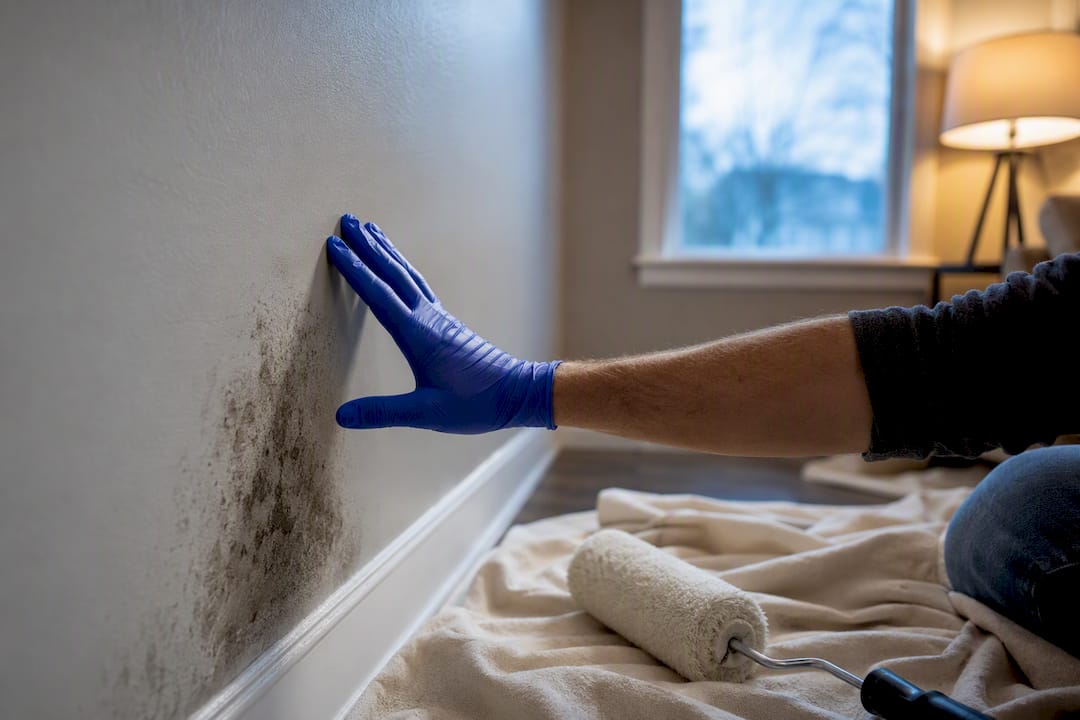

No. Painting over active mold is not remediation, and the fix almost always fails within months as the paint peels, blisters, or grows fresh spots right through the finish. The one exception: a surface that’s been fully cleaned, dried, and confirmed mold free can be painted as a final cosmetic step. Everything else needs cleanup first.
TL;DR:
- Painting over mold only delays the problem unless the surface has been fully cleaned, dried, and confirmed mold free beforehand.
- DIY mold cleanup is generally safe for areas smaller than 10 square feet and when no water contamination or structural damage is involved.
- Proper mold remediation requires fixing moisture issues, removing porous materials, thorough cleaning, and complete drying within 24 to 48 hours.
- Use a mold-resistant primer and let each coat cure fully before applying paint for long-lasting results, avoiding premature painting.
- If mold exceeds 10 square feet, involves sewage or flood water, or the affected person has health issues, professional assessment and remediation are necessary to prevent callbacks.
Table of Contents
- Why Painting Over Mold Doesn’t Work
- When Can You Handle Mold Cleanup Yourself?
- How Do You Safely Clean and Dry Mold Before Painting?
- What Paint and Primer Should You Use After Remediation?
- How Do You Know the Mold Job Is Actually Done?
- What We See in the Field That Homeowners Often Miss
- A Straight Answer From Someone Who’s Seen the Callbacks
- Need a Professional Mold Assessment? Here’s Where to Start
- Where This Guidance Comes From
- Sources
- FAQ
Why Painting Over Mold Doesn’t Work
Paint is not a barrier mold respects. The EPA warns against painting or caulking over moldy surfaces because the coating traps moisture underneath, and trapped moisture is exactly what mold needs to keep spreading. The paint film itself usually loses the fight within weeks.
Three things typically happen when you skip cleanup and reach straight for the roller:
- The paint peels, bubbles, or stains as the mold organism keeps feeding on the substrate underneath.
- Fresh growth pushes through the new coat, sometimes in a different spot on the same wall.
- Dead mold left in place stays allergenic. Killing the organism with a coat of paint doesn’t remove the contamination your body still reacts to.
Pro Tip: If a wall has ever had a musty smell, sniff it again before you paint. Paint locks in odor along with moisture, and a covered smell is often the first sign a job was rushed.
The deeper issue is moisture, not appearance. Mold control is fundamentally moisture control. Repaint over a wet or humid wall and you’ve bought yourself a few weeks of good looks before the same stain reappears, often larger.
When Can You Handle Mold Cleanup Yourself?
Size is the deciding factor. The EPA sets roughly 10 square feet as the line where a homeowner can typically manage cleanup solo, using basic protective gear and standard cleaning steps. Beyond that, or in certain conditions, the calculation changes.
Call a professional instead of a DIY when any of these apply:
- The affected area is larger than about 10 square feet.
- Mold followed water from a sewage backup or other contaminated source.
- Growth is inside HVAC ductwork or spreading behind walls you can’t fully inspect.
- You see warped, swollen, or structurally compromised material, not just surface staining.
Health status matters too. Anyone with asthma, COPD, a compromised immune system, young children, or someone pregnant in the household should sit this one out and let someone else do the scrubbing. If you’re unsure which category your situation falls into, this breakdown of professional versus DIY mold removal walks through the decision in more detail.
How Do You Safely Clean and Dry Mold Before Painting?
Follow this sequence in order. Skipping ahead to painting before finishing every step is the single most common reason mold jobs fail.
- Gear up first. The CDC recommends a NIOSH-approved N95 respirator, gloves, and goggles before you touch anything. This isn’t optional even for small jobs.
- Fix the moisture source. Repair the leak, improve ventilation, or address the humidity problem before you clean a single surface. Cleaning without fixing the source just resets the clock.
- Pull out anything soaked and porous. Drywall that’s swollen or has separated at the seams generally needs to come out rather than dry in place. Soaked insulation and carpet padding usually can’t be salvaged either.
- Scrub hard surfaces with detergent and water. A stiff brush and plain detergent handle most non-porous surfaces. A HEPA vacuum afterward captures loose spores before they resettle.
- Use bleach sparingly, and only per the label. Diluted household bleach can help on some hard surfaces, but it’s not a substitute for physical removal and should never be mixed with other cleaning products.
- Dry everything completely. The EPA’s benchmark is drying within 24 to 48 hours where possible, though it notes that hitting that window doesn’t guarantee mold won’t return. Run dehumidifiers and fans until moisture meters read normal, not just until the surface feels dry to the touch.
- Do a final check. No visible staining, no musty smell, and a moisture reading that confirms the material is dry. Only then does painting make sense.
Pro Tip: A moisture meter costs less than a gallon of primer and tells you the truth a “dry to the touch” test can’t. Don’t skip it on drywall or wood framing.
For a more detailed rundown of protective gear and technique, see this guide on mold removal safety practices for homeowners.
What Paint and Primer Should You Use After Remediation?
Once a surface is clean, dry, and confirmed mold free, paint becomes a finishing step, not a fix. Treat it that way and the job holds.
- Choose a stain-blocking, mildew-resistant primer. These primers seal old staining and slow future surface mildew, but they do nothing for mold hiding behind the wall.
- Follow the product label exactly. Cure times, coat counts, and application temperatures on the can exist because manufacturers tested them. Skipping the recommended dry time between coats is a common cause of early peeling.
- Sand and patch first. Rough or flaking old paint needs to come off before primer goes on, or the new coat will fail at the same spots the old one did.
- Let each coat cure fully before the next. Rushing a second coat over a primer that hasn’t cured traps moisture just as effectively as skipping remediation altogether.
Mildew-resistant paints help prevent surface mildew from returning in humid rooms like bathrooms, but they’re a maintenance layer, not a mold treatment. If you want a longer view on keeping a repainted room mold free, this guide to post-mold treatment prevention covers what to watch for in year one.
How Do You Know the Mold Job Is Actually Done?
Before you call it finished, confirm every item below. Missing one usually means the mold comes back within a season.
- The moisture source is fixed, not just dried out temporarily.
- Surfaces read dry on a moisture meter, not just dry to the touch.
- No visible mold remains anywhere in the affected area.
- No musty odor lingers, even after ventilating the room for a day.
Routine lab testing usually isn’t necessary when mold is visible. The EPA notes sampling matters mainly in unclear cases, like when growth is hidden or a dispute needs documentation. For hidden growth, HVAC contamination, or anything touched by contaminated water, get a professional assessment. Pros bring containment and negative air pressure that keep spores from spreading during demolition, something a homeowner working alone can’t easily replicate.
What We See in the Field That Homeowners Often Miss
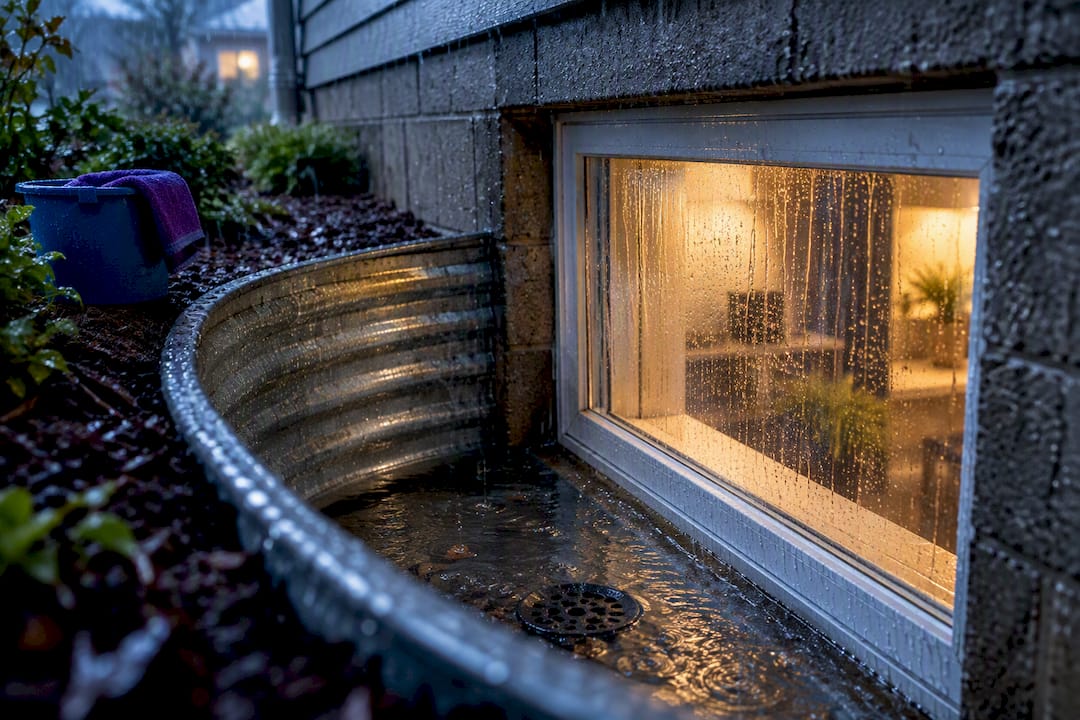
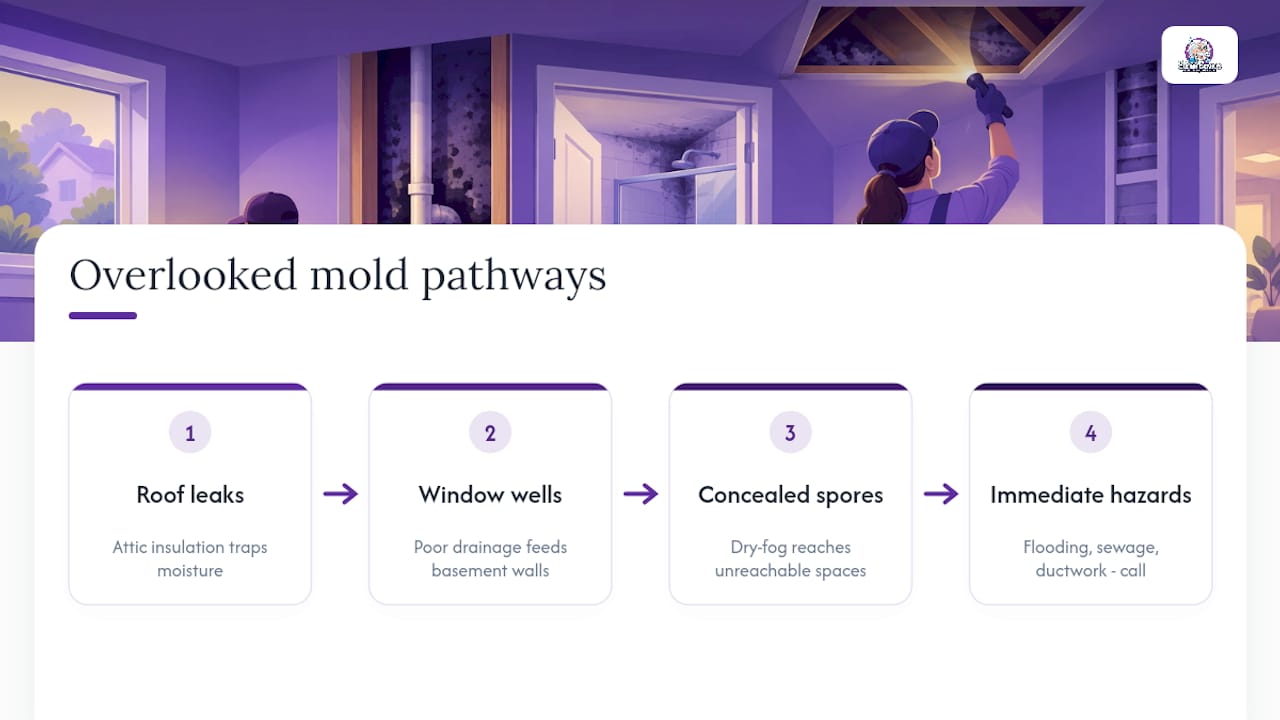
After 25-plus years combined handling mold jobs across Chicagoland, patterns repeat. Attic insulation traps moisture from roof leaks long after the leak itself gets patched, and window wells that don’t drain properly feed mold into basement walls year after year. Technicians use dry-fog technology to reach spores in spaces a scrub brush can’t touch. If you’re dealing with active flooding, sewage contamination, or mold inside ductwork, that’s not a weekend project. Call for service immediately.
A Straight Answer From Someone Who’s Seen the Callbacks
Most mold callbacks trace back to the same mistake: someone painted over a problem instead of solving it. The fix isn’t complicated, but it does take patience. Fix the water first, clean and dry properly, confirm it’s actually gone, then paint. If the area is bigger than a few square feet, touched sewage, or you’ve got breathing issues in the house, hire it out. It’s cheaper than doing it twice.
— Jim
Need a Professional Mold Assessment? Here’s Where to Start
Homeowners need a fix that addresses the moisture source, not just the stain on top of it. Painting over mold only delays the problem before it resurfaces; advanced dry-fog technology can reach spores hiding in wall cavities and attic insulation that scrubbing alone can’t touch.

If you’re looking at more than 10 square feet of growth, a musty smell that won’t quit, or mold tied to a leak, flood, or sewage backup, that’s a job for professional mold removal and remediation, not another coat of primer. Active flooding or a burst pipe calls for emergency water damage restoration before mold ever gets the chance to start. Some companies coordinate directly with insurance and offer 24/7 emergency response in the area. Request an on-site estimate and get a straight answer about what your home actually needs.
Where This Guidance Comes From

The remediation steps and safety guidance in this article draw directly from the EPA’s mold cleanup guide and the CDC’s cleanup and PPE recommendations. Lab sampling is rarely needed when mold is visible. It’s mainly useful when the source is unclear or documentation is required for a dispute.
Sources
- A Brief Guide to Mold, Moisture, and Your Home | US EPA
- Clean up and safety recommendations | CDC
- Should you test for mold? | US EPA (snapshot)
FAQ
What Happens if You Paint Over Mold?
The paint traps moisture underneath, and the mold keeps growing beneath the new coat. Within weeks to months, you’ll typically see peeling, bubbling, or staining as the growth pushes through.
What Permanently Kills Mold?
Nothing “permanently kills” mold in the sense of guaranteeing it never returns. What works is removing the moisture source and the contaminated material, then keeping humidity controlled afterward. Bleach can lighten surface staining on hard surfaces, but it doesn’t remove mold embedded in porous materials like drywall or wood.
How Do You Treat Mold Before Painting?
Fix the moisture source, remove any soaked porous materials, scrub hard surfaces with detergent and water, then dry the area completely before painting. The CDC’s PPE guidance calls for an N95 respirator, gloves, and goggles throughout the process.
Is It Okay to Cover Mold With Paint?
No. Covering active mold with paint doesn’t remove the contamination and usually fails within a short time as the paint peels or the mold resurfaces. Painting is appropriate only after the surface has been fully cleaned, dried, and confirmed mold free. For anything beyond a small, straightforward area, professional mold remediation gets the moisture problem solved instead of just hidden.