
Attic moisture causes mold because warm, humid indoor air rises into a cold attic space and condenses on organic surfaces like wood sheathing and framing, creating exactly the wet conditions mold needs to colonize. This process, known in building science as condensation-driven mold growth, is the leading cause of attic mold in Chicagoland homes and across most of the northern United States. Roof leaks get the blame most often, but the real culprit is usually the air leaking out of your living space every single day. Understanding why attic moisture causes mold puts you in control of the problem before it becomes a costly remediation job.
Why attic moisture causes mold: the core mechanism
Mold does not appear randomly. It requires moisture, a surface with organic material, and moderate temperatures. Your attic roof sheathing and framing provide the organic surface. Your home’s heated air provides the moisture. The cold attic air does the rest.
The physics behind this are straightforward. Warm air holds more water vapor than cold air. When that warm, humid air from your bathroom, kitchen, or living space rises and hits the cold underside of your roof deck in January, it releases that moisture as condensation. Mold colonizes surfaces quickly once moisture is present, with growth beginning within 24 to 48 hours of exposure. That timeline means a single cold week with uncontrolled air leakage can seed a mold problem you won’t discover until spring.
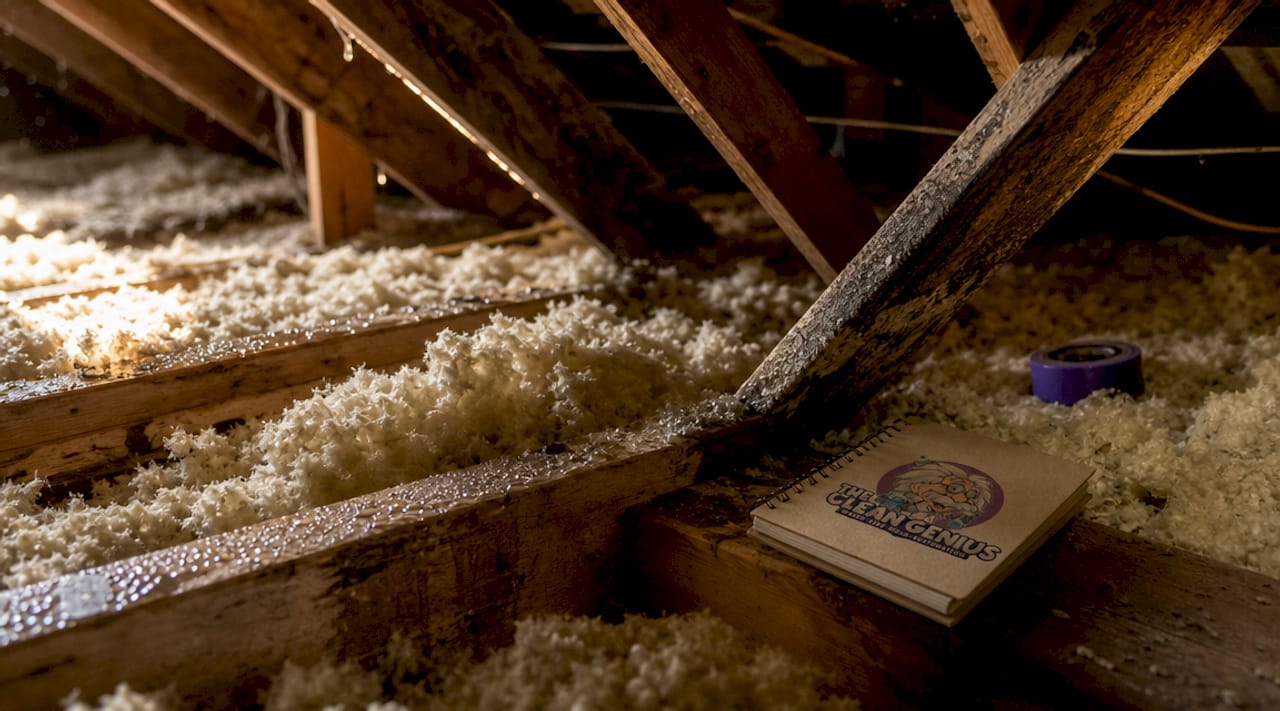
The mechanism that drives this is called the stack effect. Warm air rises continuously through ceiling gaps, pushing moisture-laden air into the attic space throughout the heating season. Every recessed light fixture, plumbing penetration, and unsealed attic hatch is a pathway. The stack effect explains why attic mold is predominantly a winter problem in cold climates, not a summer one.
One specific source deserves attention: bathroom exhaust fans. Fans venting into the attic can release 1 to 2 pints of water vapor per shower directly onto cold roof sheathing. Multiply that by two showers a day across a Chicago winter, and you are depositing significant moisture onto wood surfaces week after week. This single installation error causes a large share of the attic mold cases Thecleangenius encounters in homes across Schaumburg, Naperville, and Palatine.
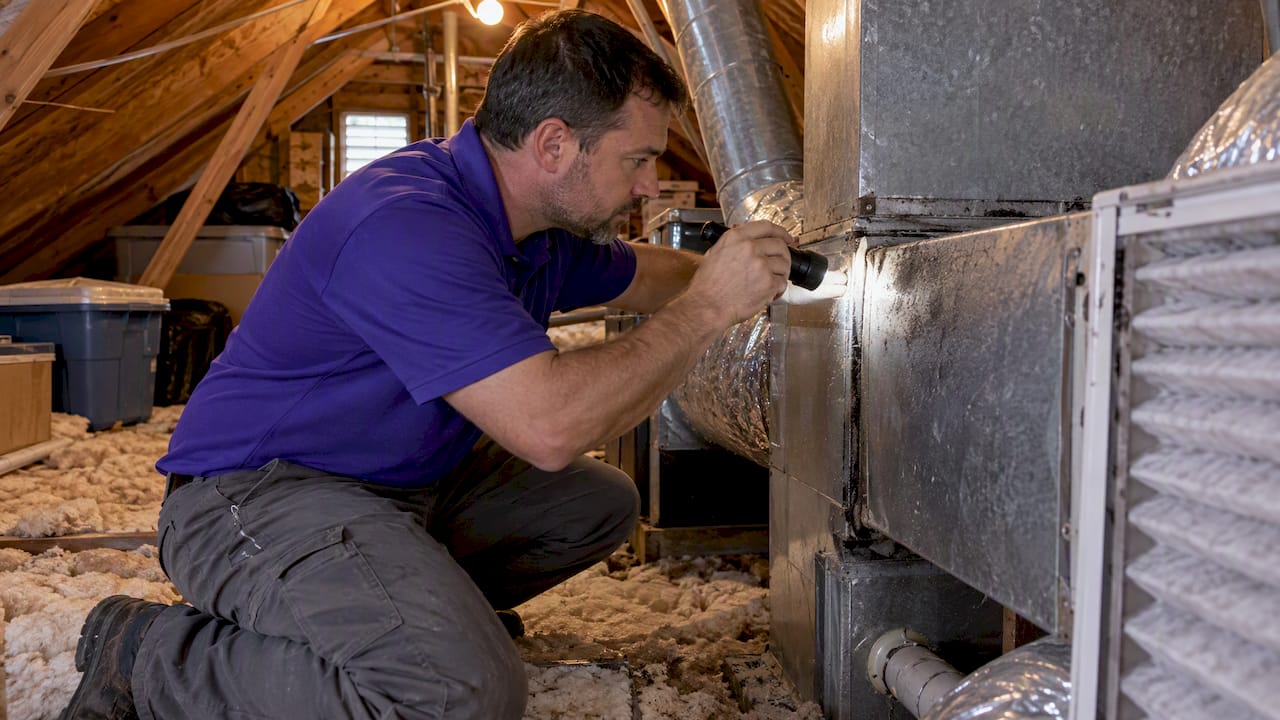
Pro Tip: Grab a flashlight and check where your bathroom fan duct terminates. It must exit through the roof or a gable wall vent, not into the attic cavity. A duct that simply ends in the attic space is a direct moisture injector.
How insulation, air sealing, and ventilation work together
Preventing attic moisture issues requires three building systems working in coordination. Treating any one of them as a standalone fix is the most common reason mold comes back after remediation.
Insulation stabilizes the temperature of your ceiling plane. When insulation is properly installed and at the correct depth, the ceiling stays warm enough that condensation does not form on its surface. The attic above stays cold by design, but the transition zone between living space and attic is thermally controlled. Compressed or missing insulation creates cold spots where condensation concentrates.
Air sealing is the most undervalued of the three. No amount of ventilation compensates for uncontrolled air leakage. Insulation, air sealing, and ventilation must function as a system. Air sealing blocks the pathway that carries humid indoor air into the attic in the first place. Common unsealed locations include attic hatches, top plates of interior walls, recessed lighting cans, and HVAC chases.
Ventilation removes residual moisture that does make it into the attic. The industry standard calls for 1 square foot of net free ventilation area per 150 square feet of attic floor, split evenly between soffit intake and ridge exhaust. This balanced flow pulls dry outside air in at the soffits and exhausts humid attic air at the ridge. The critical word is balanced. Exhaust-heavy ventilation without adequate intake creates negative pressure inside the attic, which actually draws more moist air upward through ceiling gaps and worsens the problem.
| System | Function | Common failure |
|---|---|---|
| Insulation | Stabilizes ceiling temperature, reduces condensation spots | Compressed batts, missing coverage at eaves |
| Air sealing | Blocks humid indoor air from entering attic | Unsealed hatches, recessed lights, wall top plates |
| Ventilation | Removes residual moisture from attic air | Blocked soffit vents, unbalanced intake vs. exhaust |
Pro Tip: Soffit vents are frequently blocked by insulation that has been pushed toward the eaves. Install vent baffles between every rafter bay to keep the intake pathway clear regardless of insulation depth.
Common misconceptions about what causes attic mold
Homeowners often misdiagnose attic mold because the visible signs point in the wrong direction. Getting the diagnosis right determines whether your fix actually holds.
The most persistent misconception is that attic mold means you have a roof leak. Roof leaks do cause mold, but they are far less common than condensation as the primary driver. Condensation damage spreads broadly across roof sheathing in a diffuse pattern during winter months, while leak damage concentrates in localized stains around specific penetrations like vents, chimneys, or nail holes. If you see mold distributed across large sections of sheathing with no obvious entry point above it, condensation is almost certainly the cause.
A second misconception is that adding more vents solves moisture problems. More exhaust without proportional intake disrupts the pressure balance and can pull conditioned air out of your living space faster, increasing the stack effect and worsening air leakage into the attic. Ventilation upgrades without air sealing frequently make attic humidity effects worse, not better.
Here are the most common misdiagnoses Thecleangenius sees in the field:
- Mold on one section of sheathing blamed on a roof leak, when the actual source is a bathroom fan duct terminating 3 feet away
- Widespread sheathing mold after a new roof installation, caused by the contractor stapling vapor-impermeable underlayment that traps moisture
- Recurring mold after remediation because the air sealing step was skipped entirely
- Blocked soffit vents from insulation pushed to the eaves, mistaken for a ventilation design problem requiring new vents
Attic mold occurs in perfectly intact roofs due to interior air leakage, with no external water intrusion involved. That fact alone should shift how you approach any attic mold diagnosis.
Practical steps for preventing attic mold
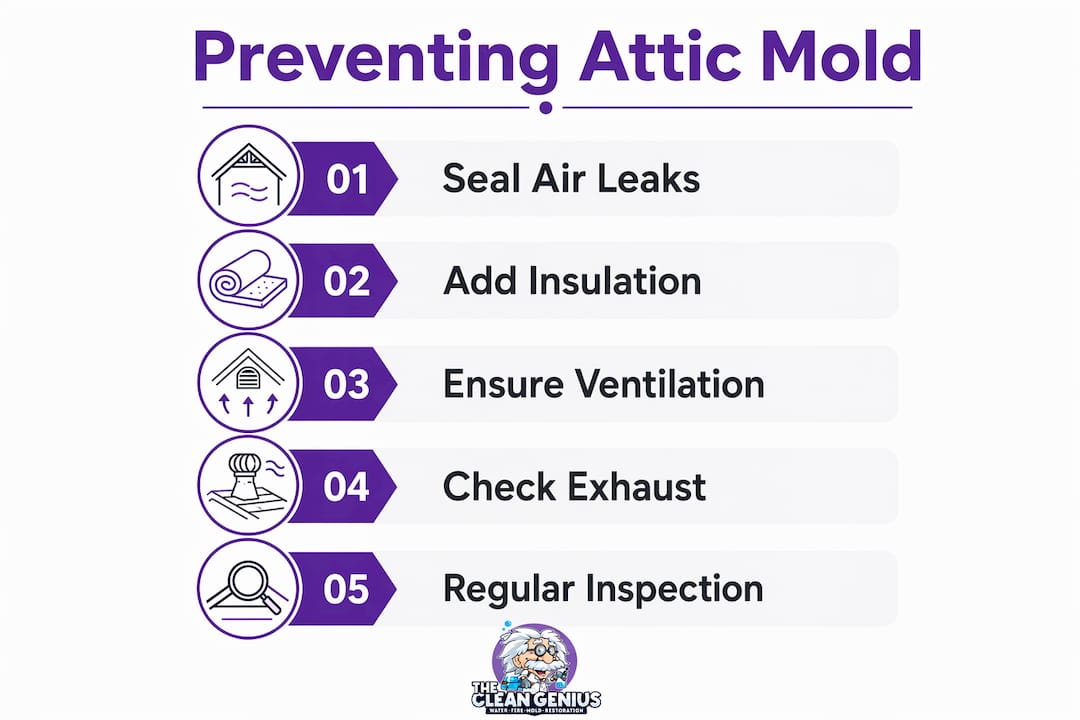
Prevention comes down to controlling where moisture comes from and where it goes. These steps address the most common attic moisture issues in order of impact.
- Seal air leakage points first. Use canned spray foam or caulk to seal around recessed light fixtures, plumbing and electrical penetrations through the top plate, HVAC chases, and the perimeter of your attic hatch. This single step delivers more moisture control than any ventilation upgrade.
- Redirect exhaust fans outdoors. Every bathroom and kitchen exhaust fan must terminate outside the building envelope through a dedicated roof cap or gable vent. Inspect each duct for disconnections, kinks, or improper terminations inside the attic.
- Verify balanced ventilation. Confirm that soffit vents are open and unobstructed, and that ridge or gable exhaust vents are present and sized correctly. Use the 1:150 ratio as your baseline.
- Install vent baffles at every rafter bay. This keeps the soffit intake clear even after insulation is added or settled. It is a low-cost step that protects the entire ventilation system.
- Control indoor humidity. Keep interior relative humidity between 30% and 50% during winter. A whole-house humidifier set too high is a direct contributor to attic condensation. Use a hygrometer to monitor levels in your living space.
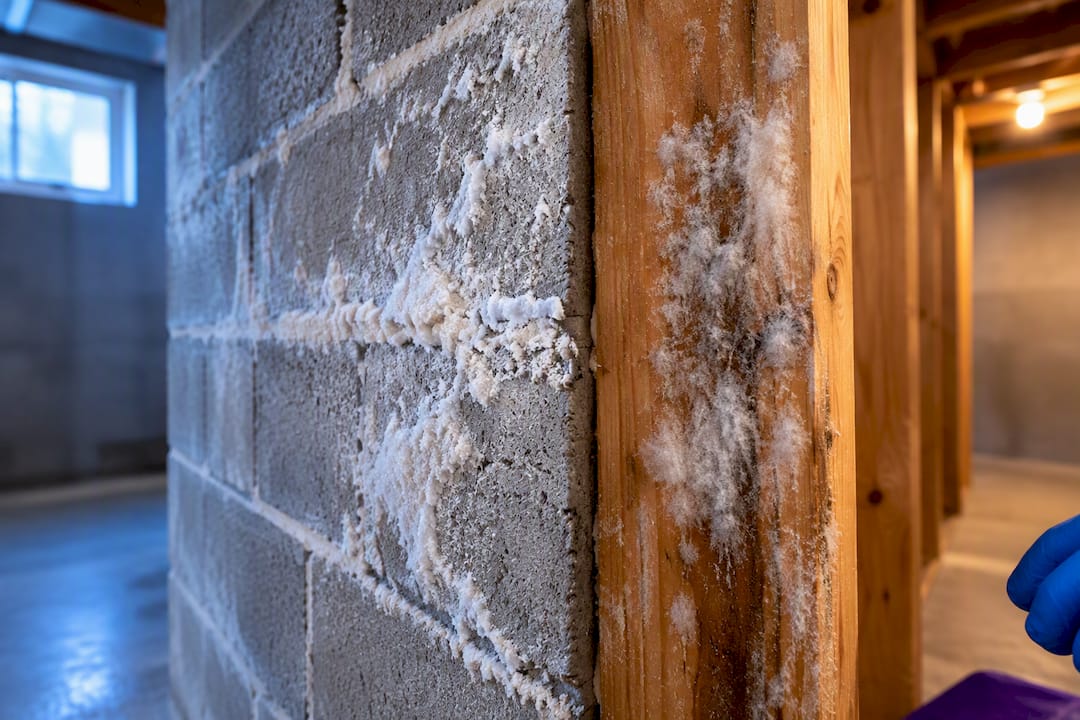
- Inspect the attic twice a year. Check in late fall before heating season and again in early spring. Look for frost on sheathing or framing (a sign of active condensation), musty odors, rust on metal fasteners, and any dark staining on wood surfaces.
- Call a professional when you see signs. Cleaning mold without fixing the moisture source leads to recurrence and higher long-term costs. If you find mold during an inspection, the moisture source must be identified and corrected before any remediation begins.
Pro Tip: During your fall inspection, hold a flashlight parallel to the underside of the roof sheathing rather than shining it straight at the surface. Raking light reveals early-stage mold staining and moisture damage that looks invisible under direct illumination.
Key takeaways
Attic moisture causes mold because condensation from rising warm air deposits water on cold organic surfaces faster than ventilation alone can remove it, making air sealing the single most effective prevention measure.
| Point | Details |
|---|---|
| Condensation drives most attic mold | Roof leaks are less common; warm air rising through ceiling gaps is the primary moisture source. |
| Mold starts within 24 to 48 hours | A single cold week with uncontrolled air leakage is enough to seed a visible mold problem. |
| Air sealing outperforms ventilation | Blocking humid air at the source prevents more moisture than adding exhaust vents after the fact. |
| All three systems must work together | Insulation, air sealing, and ventilation each address a different part of the moisture problem. |
| Fix the source before remediating | Removing mold without correcting moisture guarantees the problem returns within one season. |
What 25 years of attic calls taught me about moisture control
I’ve walked through hundreds of attics across Chicagoland, and the pattern is almost always the same. The homeowner replaced the roof two years ago, the shingles look fine, and yet there’s mold covering half the sheathing. The first thing I check is the bathroom fan duct. Nine times out of ten, it’s dumping directly into the attic cavity.
The uncomfortable truth is that most attic mold problems are self-inflicted, not weather-inflicted. Homeowners spend thousands on new roofing and zero dollars on air sealing, then wonder why mold keeps coming back. I’ve seen remediation jobs fail within a single winter because the contractor cleaned the mold but never touched the ceiling penetrations. Mold remediation that skips moisture correction is just an expensive delay.
My honest recommendation: before you spend money on ventilation upgrades, spend an afternoon with a can of spray foam. Seal every penetration you can find in the attic floor. That work costs under $50 in materials and addresses the root cause directly. Ventilation improvements are worthwhile, but they are the second step, not the first.
Seasonal attic checks are the habit that separates homeowners who catch problems early from those who discover them during a real estate inspection. A 20-minute walkthrough in October and again in April is genuinely enough to spot frost, odors, and early staining before they become a full remediation project. Treat your attic the same way you treat your furnace filter. It needs attention on a schedule, not just when something goes wrong.
— Jim
Protect your home with professional attic mold services
If your attic inspection turns up mold, staining, or persistent moisture, the next step is a professional assessment that identifies every moisture source before any remediation begins.

Thecleangenius serves Chicagoland homeowners 24/7 with certified attic mold removal and full moisture source correction, including air sealing, insulation repair, and fan rerouting. Our team uses advanced Pure Cloud dry-fog technology to treat mold at the surface level while the underlying moisture problem is permanently resolved. We work directly with your insurance and cover communities from Crystal Lake and Barrington to Naperville and Wheaton. If you want to understand exactly what’s happening in your attic and get a clear plan to fix it, contact Thecleangenius for a personalized evaluation.
FAQ
What causes mold to grow in an attic?
Attic mold grows when warm, humid indoor air rises into a cold attic and condenses on wood surfaces, creating the wet conditions mold needs. Mold growth begins within 24 to 48 hours of moisture exposure, so even brief condensation events can trigger colonization.
Does a roof leak cause attic mold?
Roof leaks can cause attic mold, but condensation from interior air leakage is the more common cause. Condensation mold spreads broadly across sheathing, while leak damage concentrates in localized spots near specific penetrations.
Why does attic ventilation prevent mold?
Attic ventilation removes residual moisture from the attic air before it can condense on surfaces. However, ventilation without air sealing can create negative pressure that draws even more humid air into the attic, so both measures are required together.
How do I know if my attic has a moisture problem?
Look for frost on roof sheathing or framing during winter, musty odors, rust on metal fasteners, and dark staining on wood surfaces. These signs indicate active condensation or existing mold that needs professional assessment before remediation.
Can I remove attic mold myself?
Surface cleaning without fixing the moisture source causes mold to return within one season. Professional remediation addresses both the mold and the underlying moisture pathway, which is the only approach that produces lasting results.