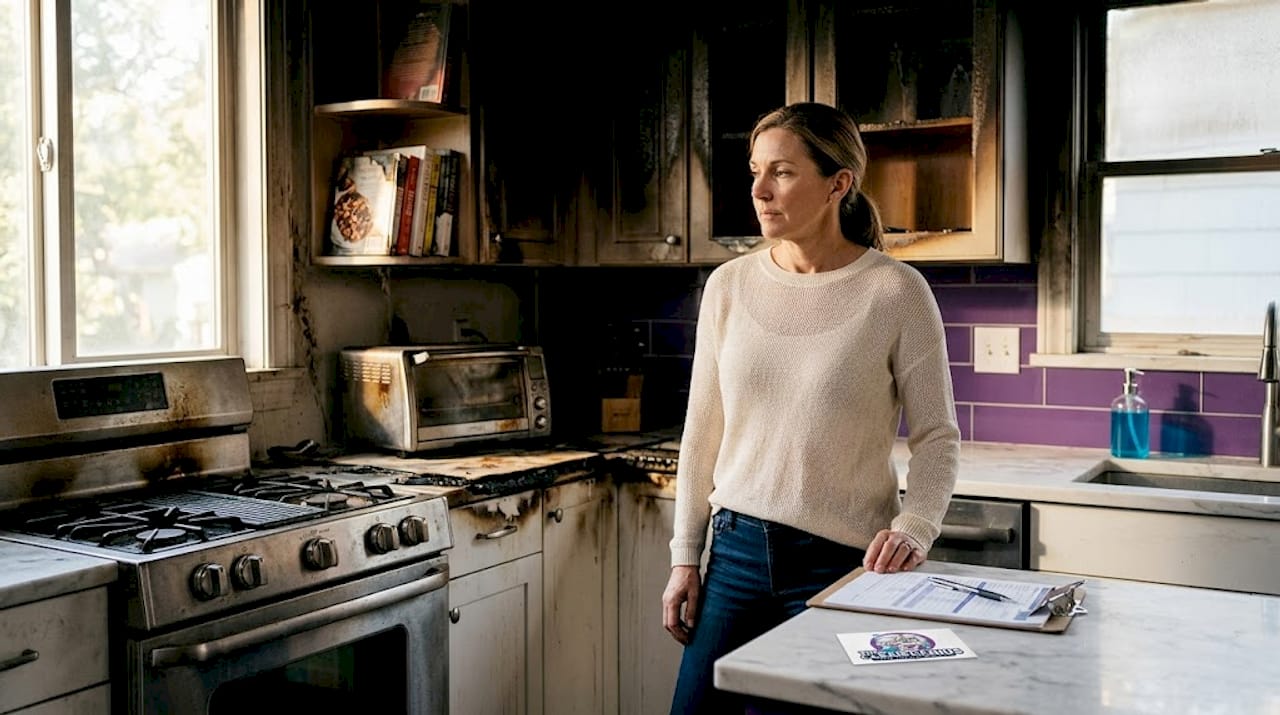

A house fire leaves more than physical damage. It leaves you standing in the middle of chaos, not knowing what to touch, who to call, or what happens next. Understanding the fire damage restoration process steps before you need them, or right when you do, is what separates homeowners who recover fully from those who make costly mistakes along the way. This article walks you through every phase of professional fire restoration, from the moment the fire is out to the day you walk back into your repaired home, so you can make informed decisions and protect both your family and your insurance claim.
Table of Contents
- Key takeaways
- 1. Understanding what fire damage restoration actually involves
- 2. Safety assessment before entering the property
- 3. Thorough documentation of all damage
- 4. Securing and stabilizing the property
- 5. Water removal and drying after firefighting efforts
- 6. Debris removal and hazardous material handling
- 7. Smoke, soot, and odor remediation
- 8. Repair, restoration, and reconstruction
- 9. Navigating the insurance process throughout restoration
- What I’ve seen homeowners get wrong after a fire
- How Thecleangenius helps Chicagoland homeowners recover from fire damage
- FAQ
Key takeaways
| Point | Details |
|---|---|
| Document before you clean | Moving or cleaning items before the insurance adjuster arrives can significantly reduce your claim payout. |
| Water damage is immediate | Mold can begin growing within 24 hours of firefighting water exposure, making fast extraction critical. |
| Professional restoration matters | Certified contractors manage every phase of recovery, from debris removal to reconstruction. |
| Smoke damage is a health risk | Residual smoke particles affect air quality long after the fire is out and require specialized remediation. |
| Insurance gaps exist | Some policies exclude firefighting water damage, so reviewing your endorsements before a disaster is wise. |
1. Understanding what fire damage restoration actually involves
Before getting into the individual steps, it helps to know what fire damage restoration actually means. What is fire damage restoration? It is the full process of returning your home to its pre-fire condition, covering not just burned materials but water damage from firefighting efforts, smoke and soot contamination, structural compromise, and odor that penetrates deeply into walls and belongings.
This is not the same as cleanup. What is fire restoration versus cleanup? Cleanup refers to removing debris and washing surfaces. Restoration goes much further. It includes professional assessment, structural stabilization, water extraction, advanced cleaning, and full reconstruction. You can think of cleanup as one chapter in a much longer book.
Why fire damage requires professional restoration comes down to safety, complexity, and money. Fires weaken structural materials in ways that are not always visible. Soot and smoke contain toxic compounds. And insurance claims require documentation that meets specific standards most homeowners are not trained to provide.
2. Safety assessment before entering the property
The first step happens before you pick up a single item. After a fire, your home may look stable but contain serious hazards, including compromised floor joists, weakened load-bearing walls, exposed electrical wiring, and airborne toxins from burned materials.
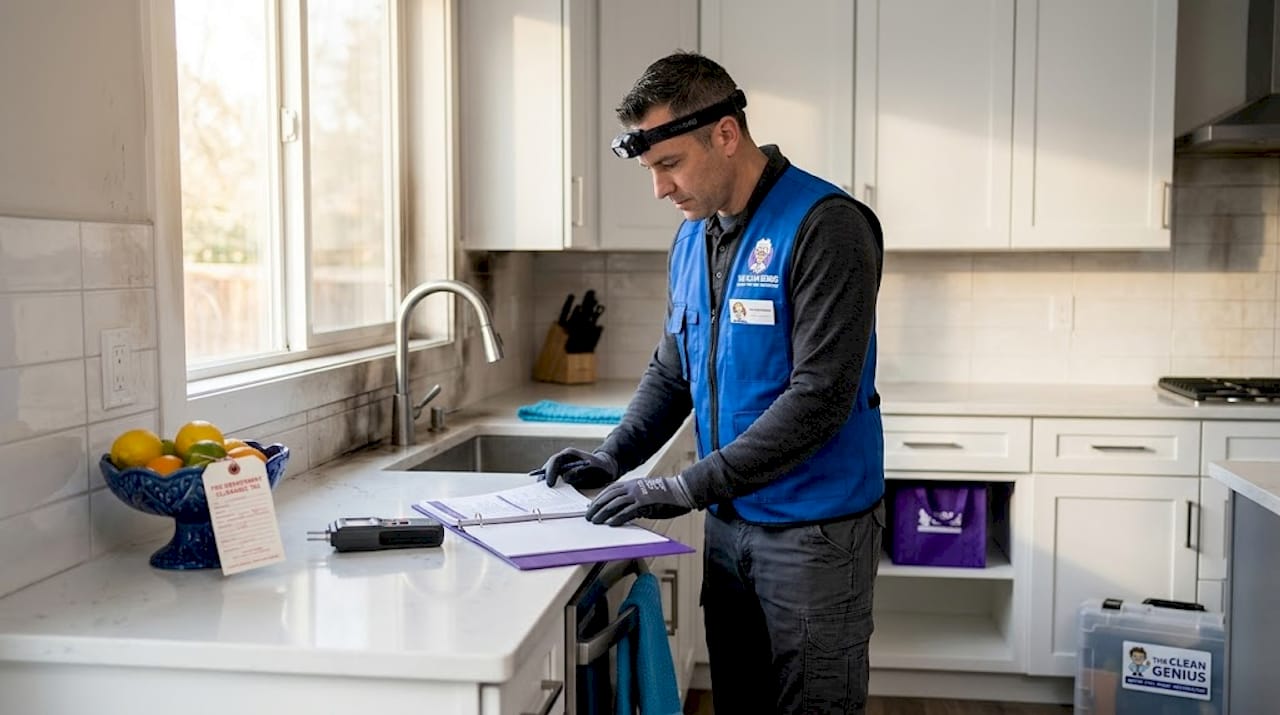
Do not enter until the fire department has officially cleared the property. Once cleared, your next move is to bring in a professional restoration contractor for a thorough assessment. Structural materials weakened by fire heat may shift or crack unexpectedly during the early stages of cleanup, which is exactly why trained eyes need to evaluate the situation before anyone starts working inside.
Pro Tip: Contact your insurance company before entering the property. Many policies require you to notify them immediately, and your insurer may send their own adjuster within 24 to 48 hours.
3. Thorough documentation of all damage
This step is where many homeowners make their biggest mistake. The urge to start cleaning is understandable, but premature cleaning or moving belongings before the insurance adjuster assesses the damage can significantly reduce your claim payout.
Before anything is touched, photograph and video every room, every damaged item, and every surface. Capture wide shots and close-up detail. Document furniture, appliances, personal belongings, structural damage, and even the exterior. Create a written inventory of damaged items with estimated values. A good restoration contractor will assist with this process. Restoration companies often have more experience preparing damage documentation in formats insurance adjusters require, which gives you a real advantage when negotiating your claim.
The documentation you create in the first 48 hours will drive every conversation you have with your insurer going forward. Treat it like the most important evidence in a legal case, because in a sense, it is.
4. Securing and stabilizing the property
Once documentation is complete, the property needs to be physically secured. Open windows, broken doors, and damaged roofing expose your home to weather, vandalism, and trespassing. Securing openings with board-up services reduces secondary damage and keeps the site protected during the restoration process.
Steps taken during this phase typically include:
- Boarding up broken windows and damaged doors
- Tarping damaged or missing roof sections
- Installing temporary fencing around the perimeter
- Removing standing water that poses immediate slip or mold risks
- Identifying and cordoning off unstable structural areas
Rushing past this phase to get to cleanup faster is a common error. Structural stabilization and careful site preparation are critical before any demolition or rebuilding begins, both for the safety of workers and for maintaining the integrity of your insurance claim.
Pro Tip: Keep records of every board-up, tarp, and temporary repair made to the property. These costs are typically reimbursable under your homeowners insurance policy.
5. Water removal and drying after firefighting efforts
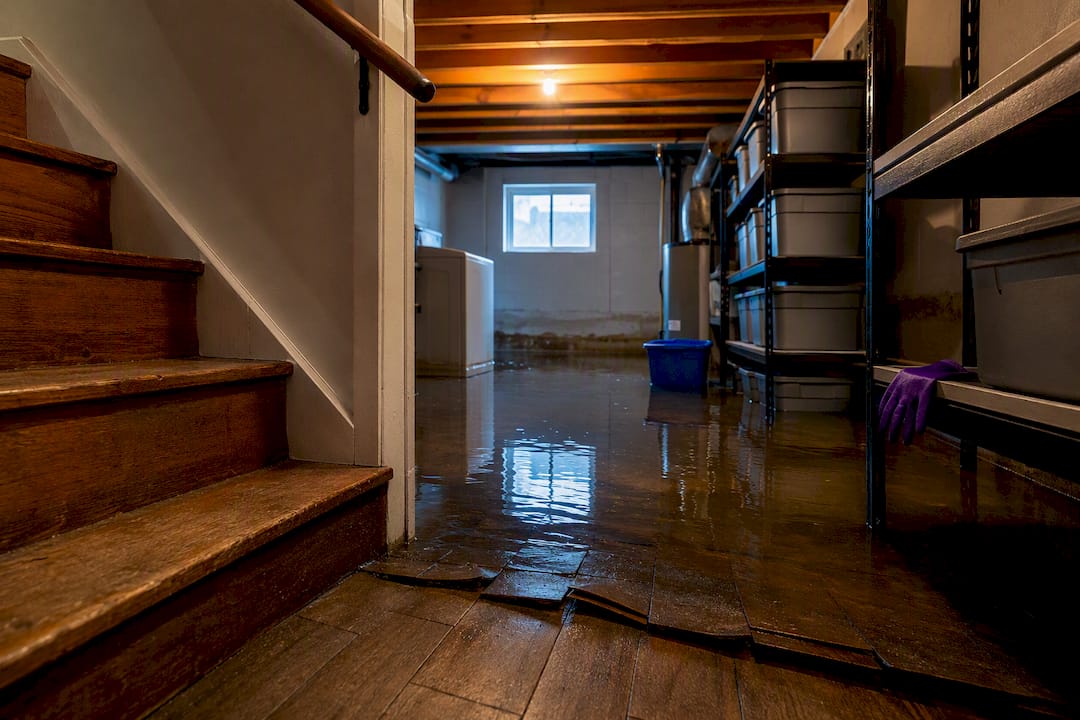
Here is a detail that surprises many homeowners: a significant portion of the damage after a house fire comes from water, not flames. Thousands of gallons are used to extinguish a residential fire, and all of that water soaks into floors, walls, insulation, and furniture.
Speed is everything here. Mold can begin growing rapidly within 24 hours without prompt water extraction and drying measures. The water removal process typically follows these steps:
- Industrial pumps extract standing water from all affected areas
- Wet vacuums and specialized equipment remove water from carpets, flooring, and wall cavities
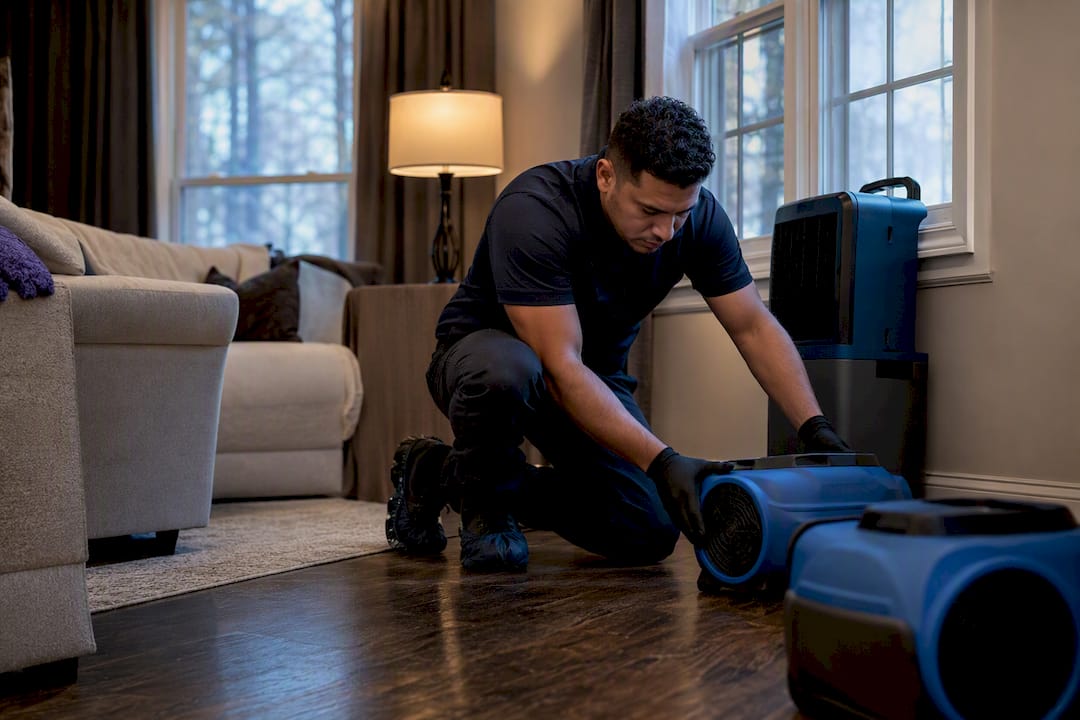
- Commercial-grade dehumidifiers and air movers are placed throughout the structure
- Moisture readings are taken daily to track drying progress
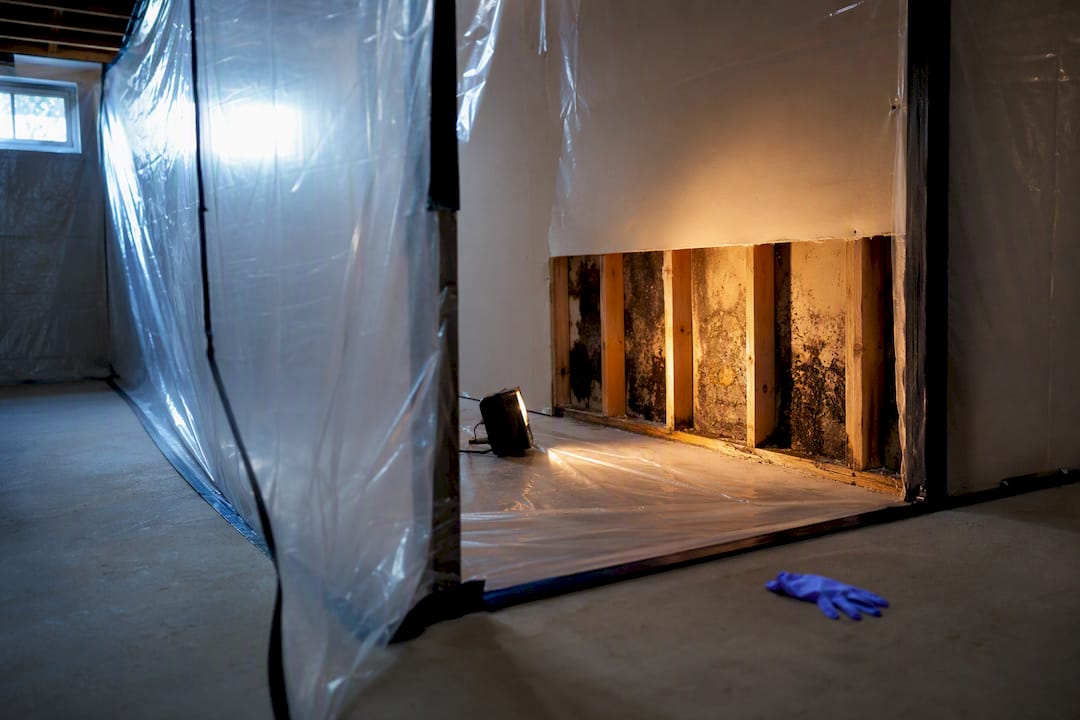
- Insulation and drywall that cannot be dried are removed to prevent hidden mold growth
This phase often runs concurrently with debris removal, which is why professional coordination matters so much. You will want a team that handles water damage restoration alongside fire cleanup rather than treating them as separate problems.
Pro Tip: Ask your restoration contractor for daily moisture readings in writing. This documentation becomes part of the project record and can support your claim if mold develops later.
6. Debris removal and hazardous material handling
With water under control, the removal of fire debris begins. This is not a job for a standard contractor or a crew with trash bags. Fire debris often contains asbestos from older building materials, lead paint, toxic residue from burned plastics and synthetics, and compromised structural components that require careful removal.
Restoration contractors coordinate with licensed specialists for hazardous material disposal. Debris is categorized, with salvageable materials separated from those requiring disposal. Soot-covered surfaces are assessed to determine what can be cleaned versus what must be replaced. This phase sets the stage for the deep cleaning that follows, and doing it properly determines how effective the subsequent remediation will be.
7. Smoke, soot, and odor remediation
This is one of the most technically demanding parts of the fire damage restoration process steps, and it is where DIY efforts fall the furthest short. Smoke and soot penetrate deeply into building materials, requiring advanced cleaning and deodorization techniques that go well beyond surface wiping.
Surfaces affected typically include:
- Walls and ceilings, even rooms away from the fire origin
- HVAC ducts and air handling systems that distribute smoke particles throughout the home
- Furniture, cabinetry, and wood trim
- Personal belongings including clothing, documents, and electronics
Professional smoke damage restoration steps use a combination of specialized equipment and techniques:
- HEPA vacuuming to capture fine soot particles without spreading them further
- Dry-ice blasting for stubborn soot on structural surfaces
- Ozone generators to oxidize and neutralize smoke odor molecules
- Thermal foggers to reach odor particles in hard-to-access voids
Residual smoke particles affect air quality long after a fire and require specialized cleaning to protect occupants. This is not a step to shortcut. Odors that seem manageable at first can intensify over time and become nearly impossible to remove once they are fully set into surfaces.
For damaged belongings, the process extends beyond the structure itself. Contents restoration after fire is a specialized service that addresses everything from furniture and clothing to family photographs and electronics.
8. Repair, restoration, and reconstruction
The final phase of the fire damage restoration process brings your home back to its pre-fire condition. The scope of work here varies widely depending on how severe the fire was.
The table below shows the range of repairs typically involved at different damage levels:
| Damage level | Typical repairs involved |
|---|---|
| Minor (contained to one room) | Repainting, flooring replacement, smoke cleaning, fixture replacement |
| Moderate (multiple rooms affected) | Drywall replacement, structural repairs, electrical inspection and repair, full interior refinishing |
| Major (structural involvement) | Full or partial rebuild, foundation inspection, roof reconstruction, complete interior rebuild |
Throughout this phase, your restoration contractor coordinates with your insurance company on approvals, inspection scheduling, and material selections. Fire damage restoration contractors serve as project managers, coordinating multiple phases of recovery to reduce homeowner stress and keep the project on track.
Timelines vary. A minor fire in one room might take two to four weeks. A major structural fire in a Chicagoland home could take four to twelve months, depending on permitting, contractor availability, and insurance approval speed. Your role as the homeowner is to stay engaged, ask for written updates, and review every scope-of-work document before signing. For a broader look at what this phase involves, understanding what property restoration involves helps you ask the right questions throughout.
Pro Tip: Before reconstruction begins, confirm in writing with your contractor which materials and finishes are covered by your insurance policy. Upgrades beyond your original specifications are typically your out-of-pocket responsibility.
9. Navigating the insurance process throughout restoration
The insurance process is not a single step. It runs parallel to everything else and requires your active involvement from day one. Most homeowners underestimate how much their documentation habits in the first 72 hours determine their final claim outcome.
Key things to understand about how fire restoration insurance process works:
- Your insurer will assign an adjuster who assesses damage independently
- Your restoration contractor can and should serve as your advocate in adjuster conversations
- Insurance policies often exclude water damage from firefighting, so reviewing your endorsements carefully before a disaster is worth doing now
- Supplemental claims can be filed if additional damage is discovered during reconstruction
- Keep every receipt for temporary housing, meals, and emergency purchases, as these may be covered under loss-of-use provisions
Reviewing a thorough homeowner property maintenance checklist before disaster strikes can also help you identify insurance gaps and maintain documentation of your home’s condition over time.
What I’ve seen homeowners get wrong after a fire
I have worked alongside enough Chicagoland families navigating fire damage to spot the patterns clearly. The homeowners who recover fastest and with the least financial loss are almost never the ones who move the quickest. They are the ones who slow down, document everything, and let the professionals lead the technical work.
The most common mistake I see is homeowners starting their own cleanup before the adjuster arrives. I understand the impulse. Your home is damaged and sitting there is painful. But moving items before adjuster evaluation often reduces insurance claims significantly. That one decision can cost thousands of dollars.
The second pattern I see is homeowners hiring the cheapest contractor available during a moment of desperation. Contractors certified with IICRC credentials in fire, smoke, and odor control are not interchangeable with general contractors. The technical knowledge required for thorough smoke damage remediation is genuinely specialized. A general remodeler can rebuild your drywall. They cannot guarantee your air quality or properly remediate soot that has penetrated your wall cavities.
My advice is straightforward: understand the process before you need it, get a certified restoration team on site within hours of the fire being out, and treat your documentation like a legal file. The fire damage cleanup timeline matters more than most homeowners realize, and getting it right from day one changes everything.
— Jim
How Thecleangenius helps Chicagoland homeowners recover from fire damage
When a fire hits your home, you need a team that handles the full picture, not just one piece of it.

Thecleangenius is available 24/7 for fire and smoke damage emergencies across the greater Chicagoland area, including Naperville, Schaumburg, Palatine, and dozens of surrounding communities. Our certified teams provide complete fire damage restoration, covering water extraction, debris removal, soot cleanup, odor remediation, and full reconstruction coordination. We also work directly with your insurance company to document damage accurately and advocate for your claim. If mold develops from firefighting water, our mold remediation services address that too. For immediate water damage restoration after a fire or flood, call Thecleangenius today.
FAQ
What does the fire damage restoration process involve?
Fire damage restoration covers assessment, property securing, water extraction, debris removal, smoke and soot cleaning, odor remediation, and full reconstruction. It is a multi-phase process managed by certified professionals.
How long does fire damage restoration take?
Timelines range from two to four weeks for minor fires to several months for major structural damage, depending on the scope of repairs, insurance approvals, and permitting requirements.
Can I clean up fire damage myself?
DIY cleanup is not recommended. Premature cleaning can reduce your insurance payout, and smoke damage requires specialized equipment that standard cleaning tools cannot replicate. Professional restoration protects both your health and your claim.
Does homeowners insurance cover water damage from firefighting?
Not always. Some policies exclude firefighting water damage, so reviewing your policy endorsements carefully is important. A restoration contractor experienced in insurance coordination can help identify coverage gaps and file supplemental claims when needed.
When should I call a fire restoration company?
Call within hours of the fire being extinguished, even before entering the property. Fast response limits secondary damage from water, mold, and weather exposure, and protects your insurance documentation from the start.