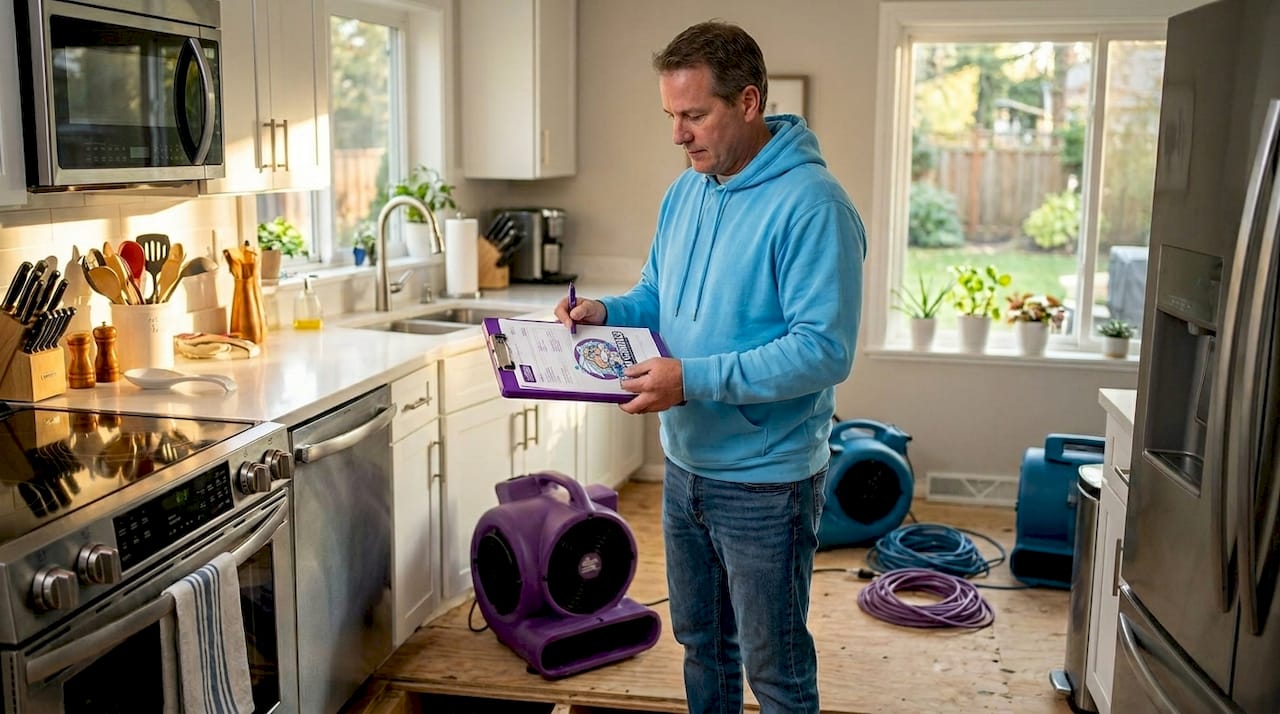

Property damage doesn’t wait for a convenient moment. A burst pipe at 2 a.m., a kitchen fire, a flooded basement after heavy rain. When it happens, most homeowners assume restoration means a crew shows up, cleans things up, and everything goes back to normal within a few days. The reality of what does property restoration involve is far more structured and technical than that. It’s a multi-phase process with specific standards, specialized equipment, and a strict sequence that, if skipped or rushed, can turn a manageable repair into a costly long-term problem.
Table of Contents
- Key Takeaways
- What property restoration actually involves
- The immediate response: mitigation and stabilization
- Drying, removal, and contamination control
- The restoration phase: reconstruction and final repairs
- Specialized services: mold remediation and fire damage
- My honest take after years of seeing this go wrong
- How Thecleangenius handles every phase of your restoration
- FAQ
Key Takeaways
| Point | Details |
|---|---|
| Restoration is a two-phase process | Mitigation comes first to stop damage, then reconstruction rebuilds what was lost. |
| Act within 72 hours | Mold growth and structural damage accelerate sharply after the first 72 hours if mitigation is delayed. |
| Documentation protects your claim | Moisture readings, thermal scans, and photos are required proof for most insurance claims to succeed. |
| Not all water damage is equal | Category 1, 2, and 3 water contamination require very different levels of cleanup and carry different costs. |
| Mold needs physical removal | Surface cleaning alone does not resolve mold. Physical removal and third-party clearance testing are the standard. |
What property restoration actually involves
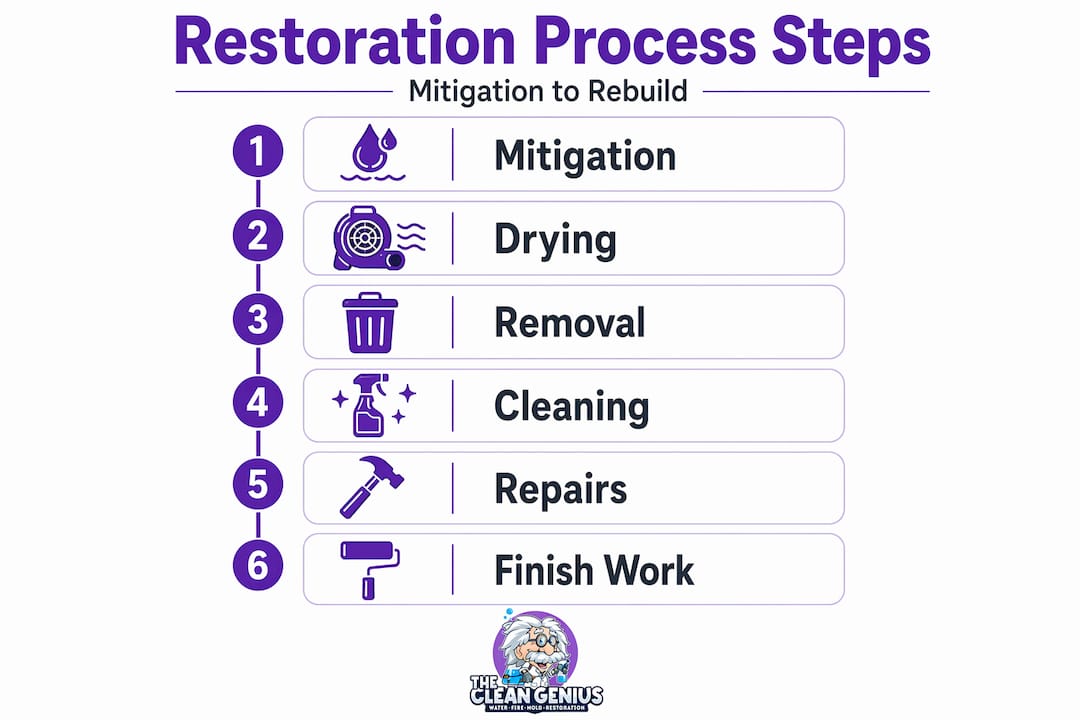
Most people picture restoration as cleanup. In practice, restoration is a two-phase process: mitigation first, then reconstruction. Mitigation is about stopping the damage from spreading and stabilizing your home. Reconstruction is about putting it back together. Confusing or combining these phases is one of the most expensive mistakes a homeowner can make.
The property restoration process applies to water damage, fire and smoke damage, and mold contamination. Each type requires a different approach and different equipment. But the overall structure follows a consistent sequence that certified professionals are trained to execute in a precise order.
The immediate response: mitigation and stabilization
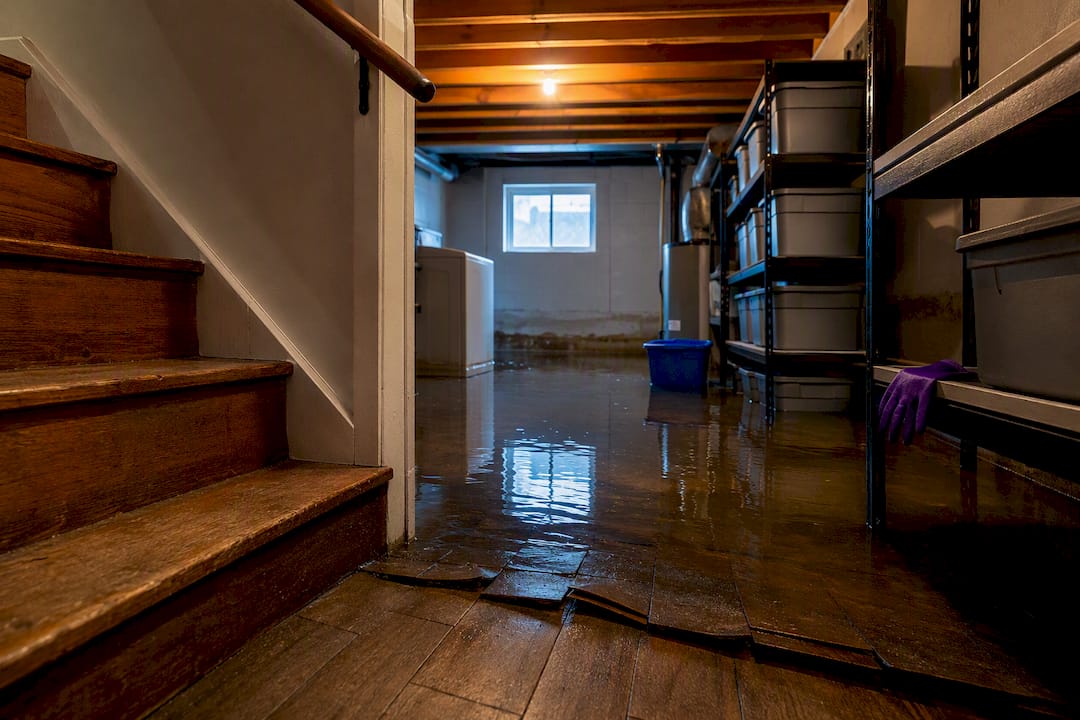
The first phase begins the moment the damage occurs. Every hour counts. Water soaks deeper into walls and subfloors. Smoke odor bonds to surfaces. Mold can begin forming within 24 to 48 hours in the right moisture conditions. The goal of the immediate response is to stop the damage where it is and prevent it from getting worse.
For water damage, this means rapid extraction using truck-mounted or portable pump systems to pull standing water out fast. For fire damage, it means emergency board-up and tarping to secure the structure, block weather, and prevent unauthorized entry. Both situations require a safety assessment before anyone walks through the space. Structural integrity, electrical hazards, and air quality all need to be checked before cleanup begins.
Here’s what typically happens during the first hours on site:
- Safety walkthrough and hazard identification
- Moisture meter and thermal imaging scans to map hidden damage
- Water extraction or board-up and tarping
- Initial documentation with photos, readings, and time stamps
- Placement of drying equipment or containment barriers
Certified restoration specialists use tools that general contractors simply don’t carry. Thermal imaging cameras reveal moisture hidden inside walls. Moisture meters track exact saturation levels in flooring and structural materials. This data isn’t just useful for the work itself. Documented moisture readings and photos are what prevent insurance disputes and prove the scope of work later.
Pro Tip: Take your own photos and video immediately after discovering the damage, before any cleanup begins. Your restoration company will document everything professionally, but your own time-stamped evidence adds another layer of protection for your insurance claim.
One thing many homeowners don’t realize: general contractors hired for emergencies often lack the specialized mitigation equipment and protocols needed during those first 72 hours. That gap creates risk. Improperly dried walls lead to hidden mold. Mold leads to far bigger costs down the road.
Drying, removal, and contamination control
Once the immediate stabilization is done, the real mitigation work begins. This phase is about controlled drying, selective demolition of unsalvageable materials, and preparing the structure for eventual reconstruction.
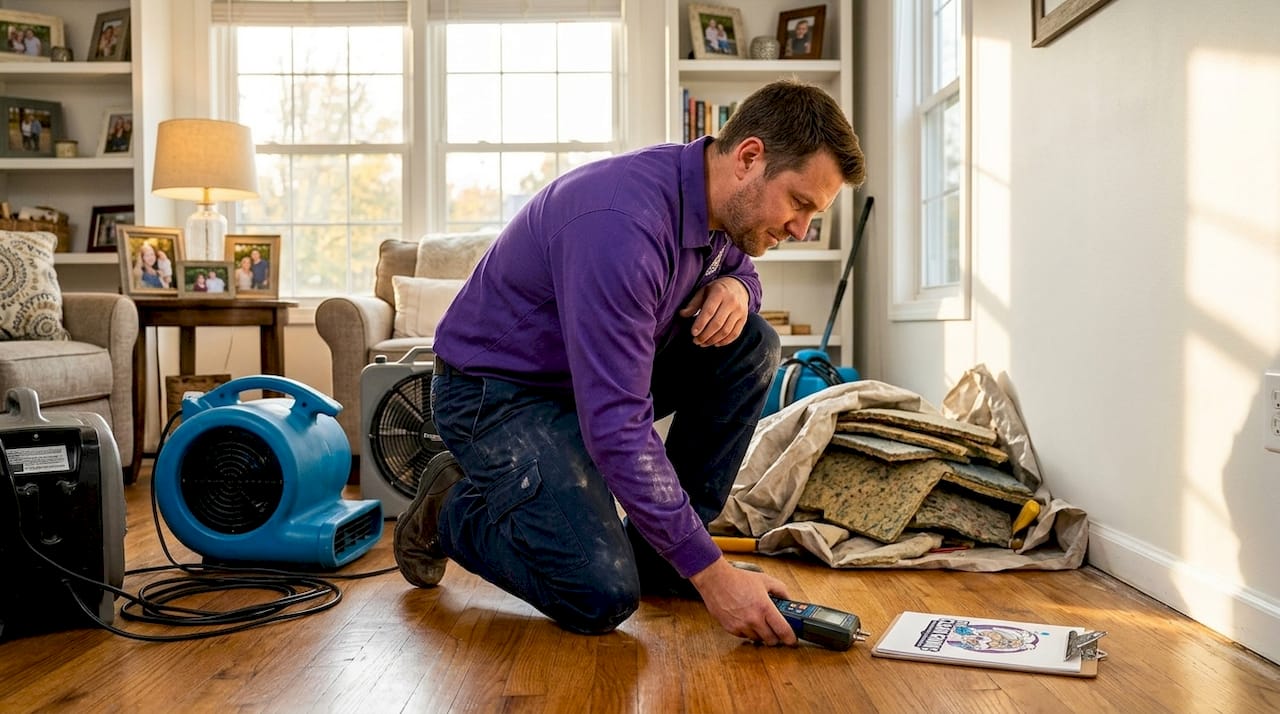
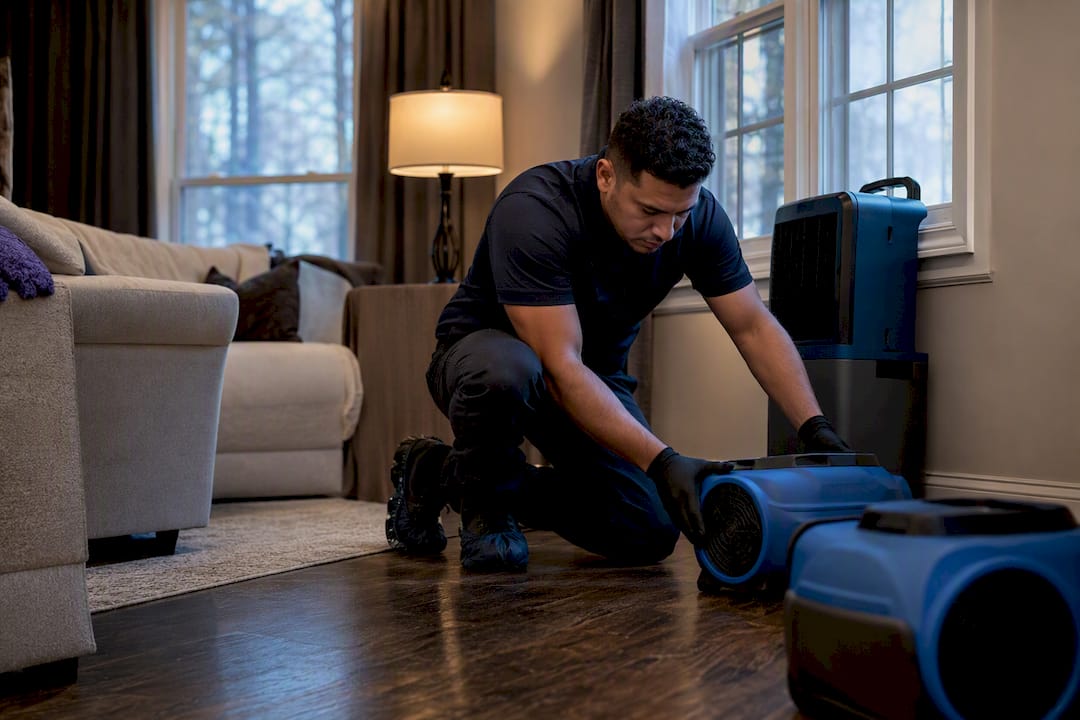
Industrial air movers and dehumidifiers run continuously, sometimes for several days. The IICRC S500 standard governs how this drying process is managed. Equipment placement, airflow direction, and daily moisture monitoring are all part of a calculated drying plan, not just running a fan in a corner.
One of the most important decisions in this phase is what gets saved versus what gets removed. This is where contamination categories matter.
| Water Category | Source | Required Action |
|---|---|---|
| Category 1 (clean water) | Broken supply line, faucet overflow | Thorough drying; most materials salvageable |
| Category 2 (gray water) | Washing machine, dishwasher overflow | Cleaning, sanitizing, partial material removal |
| Category 3 (black water) | Sewage, floodwater, groundwater | Full hazmat protocols; most porous materials removed |
Restoration costs reflect this directly. Category 1 damage typically runs $1,500 to $5,000 per room, Category 2 ranges from $3,000 to $8,000, and Category 3 can reach $25,000 or more with full hazmat protocols. The contamination level drives the required process, not just the visible damage.
For fire damage, this phase involves cleaning soot and smoke residue from surfaces, air ducts, and HVAC systems. Smoke penetrates far beyond what’s visible, which is why structured smoke remediation goes well beyond wiping down visible surfaces. Odor neutralization using thermal fogging or hydroxyl generators is often required before any reconstruction begins.
Pro Tip: Never skip flooring removal just to save money if the subfloor shows elevated moisture readings. Wet carpet and padding after flooding are nearly impossible to dry completely and become mold breeding grounds within days.
A common and costly mistake in this phase is partial demolition, where a crew removes only the visibly damaged portion of a wall without addressing the moisture that has already wicked further. Mold doesn’t care about what you can see. It follows moisture.
The restoration phase: reconstruction and final repairs
Once the structure is dry, clean, and documented, the actual rebuilding begins. This is what most people picture when they think of restoration. But getting here the right way requires everything in the previous phases to be done correctly first.
The reconstruction phase is guided by an insurance-approved scope of work, a detailed document that specifies every repair, material, and labor cost. Insurers require this documentation to process claims properly. Working with a restoration company that helps you build and submit this scope can make a significant difference in what your insurance actually covers.
Structural repairs typically include:
- Drywall replacement and framing repair where needed
- Subfloor and flooring installation
- Cabinet and built-in replacement or repair
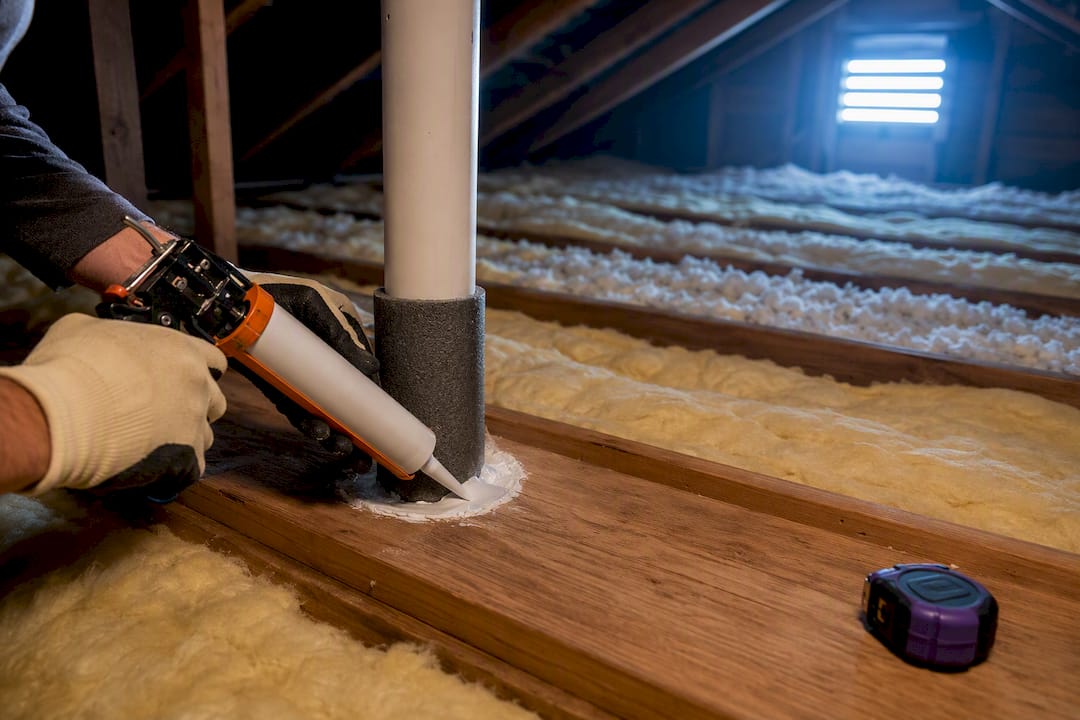
- Insulation reinstallation in walls and attics
Beyond structural work, systems repairs often need to be coordinated. Water damage can affect electrical wiring, plumbing connections, and HVAC ductwork. These require licensed tradespeople working alongside the restoration crew, not instead of them. Scheduling all of this in the right sequence keeps the project from stalling.
Finish work comes last: painting, trim installation, fixture rehang, and final cleaning. At the very end of the project, a post-restoration inspection confirms that all work meets the original scope and that no new moisture issues have developed during reconstruction. This final step is not optional. It’s the difference between a home that’s truly restored and one that looks restored on the surface.
Specialized services: mold remediation and fire damage
Two property damage restoration services stand apart because they involve regulatory standards, health risks, and specialized containment protocols.
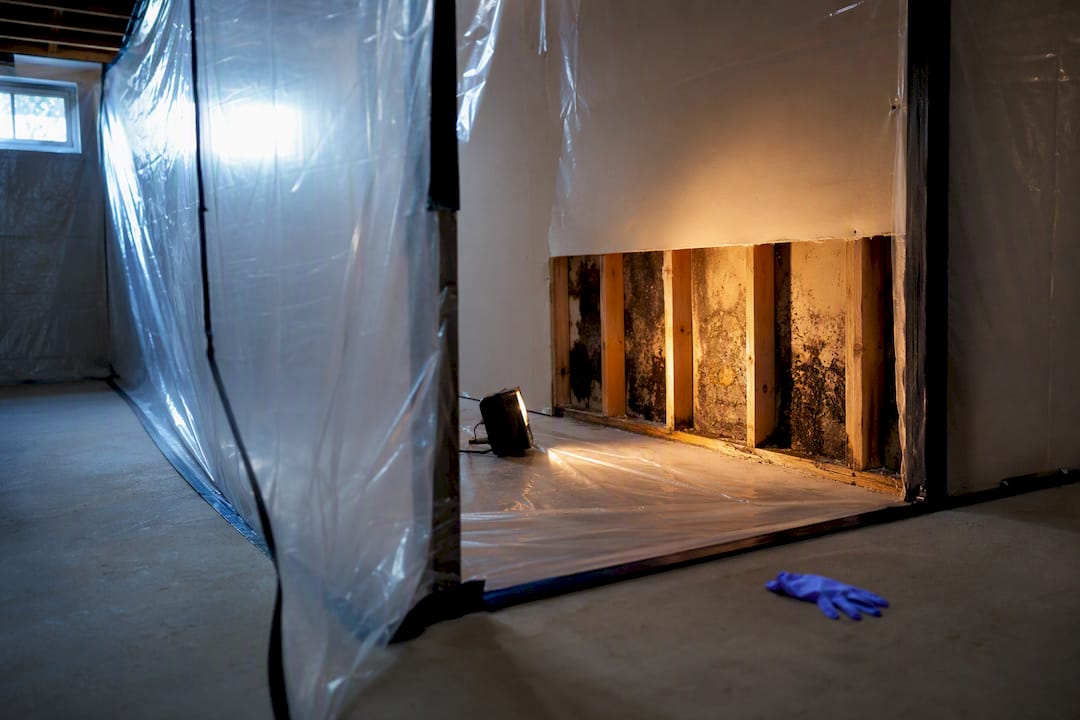
Mold remediation follows IICRC S520 standards. When mold covers more than 10 square feet, full containment is required, including a double-flap entry, negative air pressure maintained by HEPA air scrubbers, and a decontamination anteroom. This isn’t excessive. It prevents mold spores from spreading to unaffected areas of your home during removal.
The physical removal of contaminated materials is the only real solution. Spraying chemicals on mold, painting over it, or encapsulating it without removal leads to the same problem returning. Post-remediation verification by an independent third party confirms the work is complete. A contractor clearing their own mold job presents a direct conflict of interest, and reputable companies will tell you that themselves.
Fire damage restoration involves much more than soot cleanup. Smoke odor compounds bond to wood, drywall, and fabrics at a molecular level. Effective fire restoration requires deodorization techniques that work at that same level, including ozone treatment and thermal fogging, not just surface wiping. Learn more about the fire damage restoration timeline to understand what to expect at each stage.
Pro Tip: If you’re dealing with mold in a rental property, new 2026 disclosure requirements in many states require landlord notification for visible mold above 6 square feet before lease signing. Documenting remediation properly protects both parties.
My honest take after years of seeing this go wrong
I’ve been around enough property damage situations to tell you that the single most common mistake homeowners make is underestimating what’s already happened inside the walls. You see a water stain. You dry the carpet. You think it’s fine. Three months later you have a mold situation that costs three times what early remediation would have.
The second mistake I see constantly is hiring a general contractor for emergency water damage. I understand the instinct. You want someone you trust. But mitigation requires specialized equipment and protocol knowledge that most general contractors don’t have. Getting that wrong in the first 72 hours sets up every phase that follows for failure.
What I’ve learned is that the homeowners who come out of this process with the least stress are the ones who understand from the start that restoration is a sequence, not a single event. They don’t rush the drying phase. They document everything from day one. They ask their restoration company about certifications before signing anything. And they push for independent post-remediation verification on mold jobs, every single time.
Understanding the property damage restoration process in advance gives you a frame of reference when you’re standing in your flooded basement at midnight. That knowledge is genuinely protective.
— Jim
How Thecleangenius handles every phase of your restoration
When property damage hits your Chicagoland home, you need more than a cleanup crew. You need a certified team that understands the full restoration sequence and works directly with your insurance to document and complete every phase correctly.

Thecleangenius provides 24/7 emergency water damage restoration across the greater Chicagoland area, with rapid response for floods, burst pipes, and sewage backups. Our certified technicians bring thermal imaging, industrial drying equipment, and detailed documentation practices that meet insurance requirements from day one. For mold, our team uses advanced Pure Cloud dry-fog technology and follows IICRC S520 standards with full containment protocols. For fire and smoke damage, we handle soot removal, structural cleanup, and odor elimination from start to finish. We also offer complete mold removal and remediation and professional fire damage restoration with direct insurance coordination so you’re not navigating claims alone. Call us any time. We’re ready.
FAQ
What does the property restoration process involve?
Property restoration involves two main phases: mitigation, which stops damage from spreading, and reconstruction, which repairs and rebuilds affected structures. The full process includes emergency stabilization, drying, selective demolition, sanitizing, and final repairs.
How long does property restoration take?
Timeline varies by damage type and severity. Drying alone typically takes 3 to 5 days for water damage, while full reconstruction can take weeks depending on the scope of structural repairs needed.
What is the difference between mitigation and restoration?
Mitigation focuses on preventing further damage immediately after an incident, using extraction, drying, and stabilization. Restoration is the rebuilding phase that returns the property to its pre-loss condition.
Do I need a separate contractor for mold remediation?
Mold remediation requires certified specialists who follow IICRC S520 standards. Physical removal of mold-contaminated materials and independent post-remediation verification are the recognized standards, which most general contractors are not equipped to perform.
How does water contamination category affect restoration costs?
Category 1 (clean water) costs $1,500 to $5,000 per room, Category 2 ranges from $3,000 to $8,000, and Category 3 black water damage can exceed $25,000 due to full hazmat protocols and extensive material removal requirements.