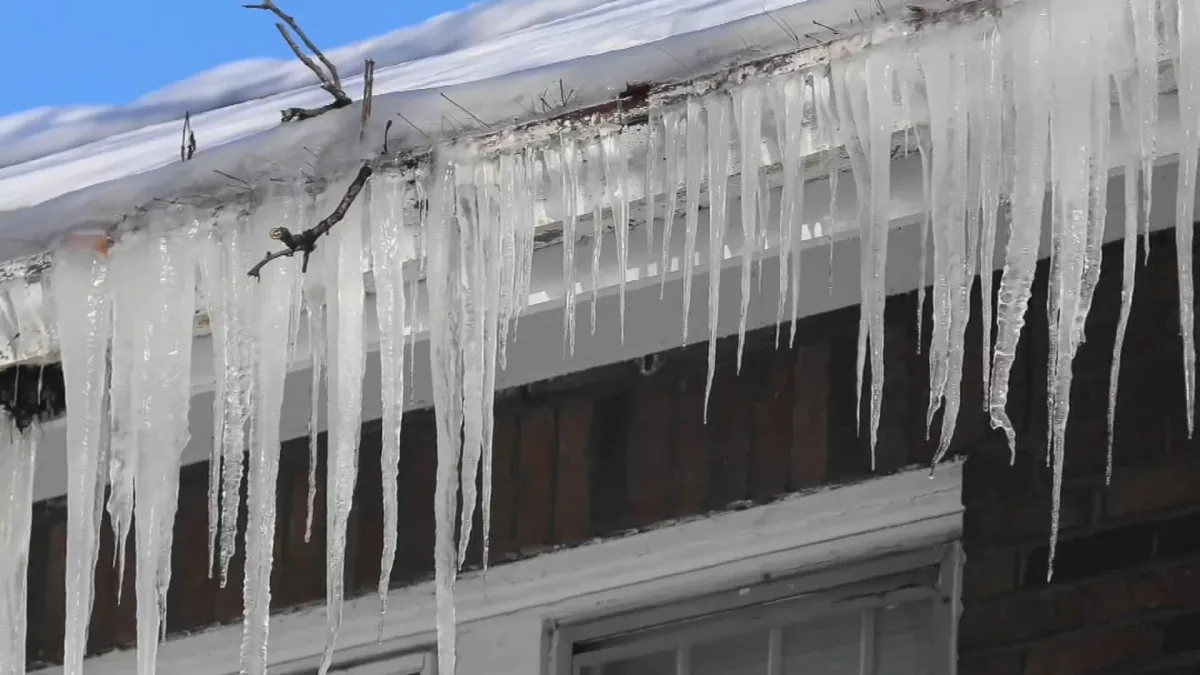

If you've lived in Chicagoland for more than one winter, you've probably seen them: thick ridges of ice hanging from roof edges, creating dramatic icicles that look almost beautiful—until you realize they're causing thousands of dollars in damage to your home.
Ice dams are one of the most common and costly winter problems we deal with at The Clean Genius. Every winter, we help dozens of homeowners recover from water damage caused by ice dams, and the frustrating part is that most of this damage is completely preventable.
The good news? Once you understand why ice dams form, you can take specific steps to prevent them. Let's break down everything you need to know about ice dams and how to protect your Chicago-area home.
What Exactly Is an Ice Dam?
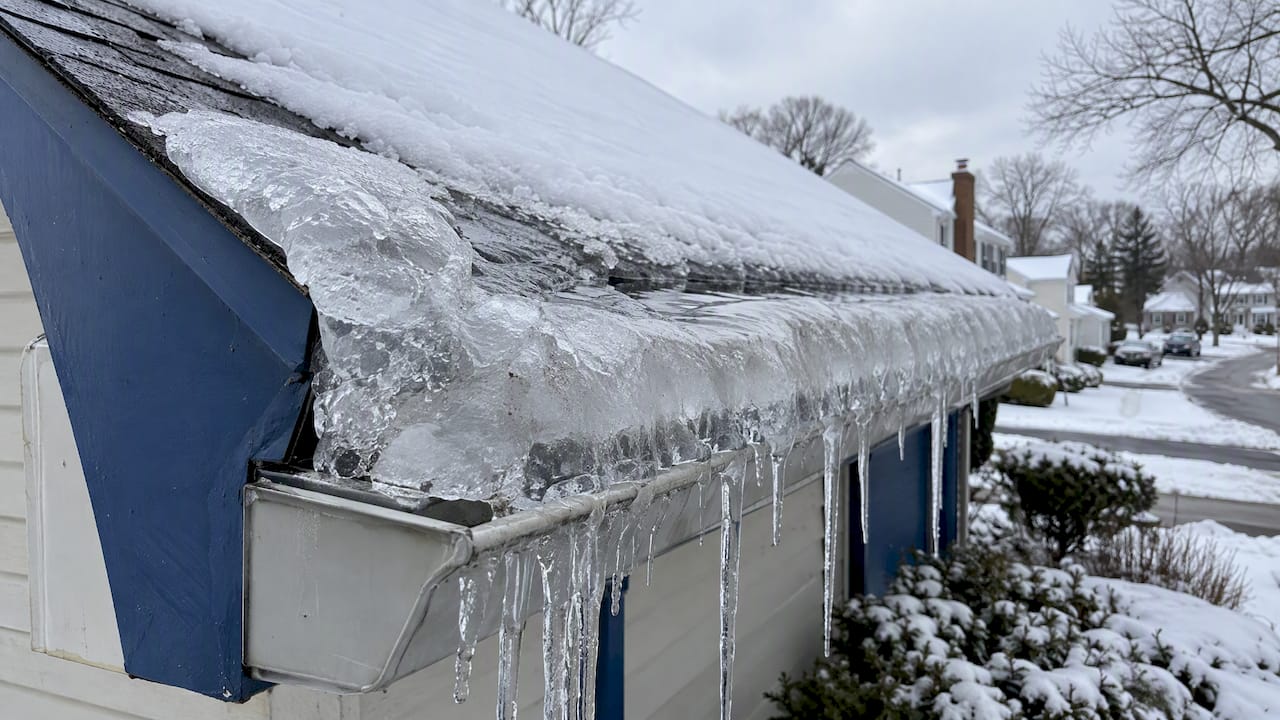
An ice dam is a ridge of ice that forms at the edge of your roof, preventing melting snow from draining properly. As water backs up behind the dam, it seeps under shingles and leaks into your home, causing damage to ceilings, walls, insulation, and even your home's structure.
Ice dams typically form along roof eaves—the lower edges where your roof meets the gutters—and can weigh hundreds of pounds, posing risks to both your roof and anyone standing below.
The telltale signs of ice dams:
- Thick ridges of ice along your roof edge
- Large, heavy icicles hanging from gutters
- Water stains on ceilings or walls, especially near exterior walls
- Peeling paint or wallpaper in upstairs rooms
- Damaged or sagging gutters
- Wet or stained attic insulation
If you notice any of these signs, you likely have an ice dam problem that needs immediate attention.
Why Ice Dams Form: The Science Behind the Problem
Ice dams aren't caused by cold weather alone—they're actually the result of your home being too warm in the wrong places. Here's the step-by-step process:
Step 1: Heat Escapes Through Your Roof
Poor attic insulation and air leaks allow warm air from your living spaces to rise into your attic. This heat warms the roof deck from underneath.
Step 2: Snow Melts on the Warm Part of Your Roof
When your roof surface is above 32°F (even though it's freezing outside), snow on that part of the roof melts. The water runs down the roof toward the eaves.
Step 3: Water Refreezes at the Cold Roof Edge
Your roof's edge (the eaves and overhangs) extends beyond your home's heated envelope, so it stays cold. When melting water reaches this cold section, it refreezes into ice.
Step 4: Ice Builds Up, Creating a Dam
As this cycle repeats—melting, running down, and refreezing—ice accumulates at the roof edge, forming a dam that gets thicker and thicker.
Step 5: Water Backs Up Under Shingles
New meltwater can't drain past the ice dam. It pools behind the dam and eventually finds its way under shingles, through roof decking, and into your home.
The key takeaway: Ice dams are a symptom of heat loss, not just cold weather. A properly insulated and ventilated attic keeps your entire roof cold and uniform in temperature, preventing the melt-refreeze cycle that creates ice dams.
Why Ice Dams Are So Common in Chicagoland
Our region is particularly vulnerable to ice dams for several reasons:
Frequent Freeze-Thaw Cycles
Chicago winters feature regular temperature swings. A stretch of 10°F weather followed by a 35°F day creates perfect ice dam conditions—snow melts during the day and refreezes at night.
Heavy Snowfall
We get enough snow to create the raw material for ice dams, but not so much that roofs stay uniformly cold (like they do in far northern climates).
Older Homes with Poor Insulation
Many Chicago-area homes were built decades ago with minimal attic insulation—often just R-19 or R-30 when today's standards call for R-49 to R-60.
Complex Roof Designs
Victorian homes, bungalows, and homes with multiple roof valleys or dormers—all common in Chicagoland—create areas where snow accumulates and ice dams form more easily.
Inadequate Attic Ventilation
Older homes often lack proper soffit and ridge vents, trapping heat in attics and warming roof surfaces.
If your home has experienced ice dams before, it will almost certainly happen again unless you address the root causes.
The Real Cost of Ice Dam Damage
Many homeowners see ice dams as a minor winter nuisance—until they discover water pouring through their ceiling or find mold growing in their attic months later.
Common damage from ice dams includes:
Water Damage to Ceilings and Walls
Water leaking through your roof stains and damages ceilings, drips down walls, ruins paint and wallpaper, and can even cause ceiling collapse in extreme cases.
Damaged Insulation
When water soaks attic insulation, it loses all insulating value and becomes a breeding ground for mold. Wet insulation must be removed and replaced—an expensive project.
Mold Growth
Moisture in your attic or walls creates perfect conditions for mold. Mold can develop within 24-48 hours of water intrusion and spread throughout your home via HVAC systems.
Structural Damage
Repeated ice dam cycles can rot roof decking, rafters, and fascia boards, requiring extensive structural repairs.
Gutter Damage
The weight of ice dams can tear gutters off your home, bend gutter hangers, and damage fascia boards.
Interior Damage
Water doesn't just stay in the attic—it follows paths of least resistance, damaging drywall, wood trim, hardwood floors, and even electrical systems.
Average ice dam repair costs:
- Emergency ice dam removal: $400-$1,500
- Water damage restoration: $2,500-$8,000
- Roof repairs: $500-$3,000
- Attic insulation replacement: $2,000-$5,000
- Mold remediation: $1,500-$6,000
- Total: Easily $10,000+ for a serious ice dam situation
Compare that to preventive measures that cost a fraction of the damage they prevent.
How to Prevent Ice Dams: Real Solutions That Work
The only permanent solution to ice dams is addressing the root cause: heat loss through your attic. Here are the most effective prevention strategies:
1. Upgrade Your Attic Insulation
This is the single most important step. The Department of Energy recommends R-49 to R-60 insulation for Chicagoland attics—but many homes have only R-19 to R-30.
Why proper insulation matters:
- Keeps warm air in your living spaces where it belongs
- Maintains a cold, uniform roof temperature
- Reduces heating costs significantly (often 15-30%)
- Prevents the melt-refreeze cycle that creates ice dams
What we recommend:
Blown-in cellulose or fiberglass insulation to achieve R-49 or higher. This fills gaps, covers irregular spaces, and provides superior thermal protection.
At The Clean Genius, we start by measuring your current insulation R-value during a free attic inspection. If you're under-insulated, we'll show you exactly how much insulation you need and what it will cost. Most homeowners see the investment pay for itself in energy savings within just a few years—while also preventing expensive ice dam damage.
2. Improve Attic Ventilation
Even with great insulation, your attic needs proper ventilation to exhaust any heat that does escape and to keep your roof cold.
Proper attic ventilation requires:
- Soffit vents at the eaves (intake air)
- Ridge vents or gable vents at the peak (exhaust air)
- Continuous airflow from bottom to top
- At least 1 square foot of ventilation per 150 square feet of attic space
Good ventilation keeps your attic temperature close to outdoor temperature, preventing warm spots on your roof that melt snow.
Warning signs of poor ventilation:
- Your attic feels hot and stuffy in summer
- You see frost on the underside of roof sheathing in winter
- Your energy bills are higher than similar-sized homes
- You've had ice dams in previous winters
3. Seal Air Leaks from Your Home into the Attic
Even the best insulation won't work if warm air is bypassing it through gaps and holes. Common air leak locations include:
- Around chimney and flue pipes
- Where plumbing pipes penetrate the ceiling
- Around recessed lighting fixtures
- At attic access doors or pull-down stairs
- Where interior walls meet the attic floor
- Around bathroom and kitchen exhaust fans
- At electrical boxes and wiring penetrations
Use spray foam insulation or caulk to seal these gaps. This step alone can dramatically reduce heat loss and ice dam formation.
4. Keep Gutters Clean
Clogged gutters trap water and debris, making ice dams worse. Clean your gutters in late fall after leaves have dropped but before heavy snow arrives.
Consider installing gutter guards to prevent debris buildup—but remember, gutter guards alone won't prevent ice dams if you have underlying insulation and ventilation problems.
5. Use a Roof Rake After Heavy Snowfalls
A roof rake lets you safely remove snow from your roof while standing on the ground. Removing snow eliminates the raw material for ice dams.
Best practices:
- Rake after each heavy snowfall (4+ inches)
- Focus on the first 3-4 feet from the roof edge
- Pull straight down—don't scrape sideways
- Be gentle to avoid damaging shingles
- Never go on your roof yourself in winter
While roof raking helps manage symptoms, it doesn't address the root cause. Think of it as a band-aid, not a cure.
6. Consider Heat Cables (Temporary Solution)
Heated cables installed along roof edges can melt channels through ice dams, allowing water to drain. However, they're energy-intensive, require maintenance, and only treat symptoms rather than causes.
We generally recommend heat cables only as a temporary measure while you plan permanent solutions like improved insulation and ventilation.
What NOT to Do About Ice Dams
In desperation, homeowners sometimes take dangerous or damaging approaches to ice dam removal:
DON'T use salt or calcium chloride - These chemicals damage shingles, gutters, and can harm landscaping
DON'T chip away ice with tools - You'll damage shingles and potentially hurt yourself
DON'T go on your roof in winter - Icy roofs are incredibly dangerous; falls cause serious injuries and deaths every year
DON'T ignore the problem - "It'll melt eventually" often means "My ceiling will collapse eventually"
DON'T blast ice with a pressure washer - This forces water under shingles and can cause immediate leaks
DON'T use hot water to melt ice - Temperature shock can crack shingles and the water will just refreeze
If you have an active ice dam causing leaks, call professionals who have the proper equipment and expertise to remove it safely.
Emergency Ice Dam Removal: When to Call for Help
If you have an active ice dam and water is leaking into your home, you need immediate professional help.
Call The Clean Genius at 847.232.0000if:
- Water is actively dripping through your ceiling
- You see large ice dams forming along roof edges
- Your gutters are sagging or pulling away from the house
- You notice water stains on ceilings or walls
- Ice dams have caused damage in previous winters
Our 24/7 emergency response team can:
- Safely remove ice dams using professional equipment
- Extract water from your home
- Set up drying equipment to prevent mold growth
- Assess and repair water damage
- Recommend permanent solutions to prevent future ice dams
Time is critical—water damage compounds every hour it sits, and mold can start growing within 24-48 hours.
The Long-Term Solution: Attic Insulation and Ventilation
Here's the truth: you can rake your roof all winter, install heat cables, and remove ice dams as they form—but if you don't address the underlying problem, you'll fight this battle every single winter.
The permanent solution is properly insulating and ventilating your attic. Yes, it requires an upfront investment, but consider what you get:
Immediate benefits:
- No more ice dams and water damage
- Lower heating bills (often 15-30% reduction)
- More comfortable home with even temperatures
- Increased home value
- Reduced strain on your roof and gutters
Long-term benefits:
- Protection from expensive water damage and mold
- Extended roof lifespan
- Lower cooling costs in summer too
- Better indoor air quality
- Peace of mind every time it snows
Most homeowners find that proper attic insulation pays for itself in energy savings within 3-7 years—and then continues saving money for decades while preventing ice dam damage.
How The Clean Genius Can Help
At The Clean Genius, we offer comprehensive solutions for ice dam problems:
The Attic Genius - Prevention Services:
- Free attic inspections with R-value measurement
- Old insulation removal (if contaminated or insufficient)
- Blown-in cellulose or fiberglass insulation installation
- Air sealing to prevent heat loss
- Ventilation assessment and improvements
- Energy efficiency recommendations
The Flood Genius - Emergency Services:
- 24/7 emergency ice dam removal
- Water extraction and structural drying
- Ceiling and wall damage restoration
- Emergency roof tarping
- Insurance coordination and documentation
The Mold Genius - Remediation Services:
- Attic mold removal from ice dam moisture
- Non-toxic Pure Cloud Technology treatment
- Insulation replacement after water damage
- Prevention strategies to stop recurrence
We handle everything from start to finish, so you don't have to coordinate multiple contractors or worry about whether the job is done right.
Take Action Before the Next Snowfall
Ice dam season in Chicagoland typically runs from December through March, with the worst problems occurring during freeze-thaw cycles in January and February.
Here's your action plan:
This month:
- Schedule a free attic inspection with The Clean Genius
- Clean your gutters if you haven't already
- Check your attic for signs of previous ice dam damage
- Locate and seal obvious air leaks
Before winter:
- Upgrade attic insulation if you're below R-49
- Improve attic ventilation if needed
- Purchase a roof rake as a backup measure
- Save our emergency number: (847) 979-0000
During winter:
- Monitor your roof after heavy snowfalls
- Rake your roof if snow accumulates heavily
- Watch for early ice dam warning signs
- Call immediately if you see water stains or leaks
Don't wait until you're dealing with water pouring through your ceiling. Prevention is always cheaper, easier, and less stressful than emergency repairs.
Real Stories from Real Chicagoland Homeowners
"We had ice dams every single winter for five years. We'd rake the roof, use heat cables, and still end up with water damage. Finally, we called The Clean Genius for an attic inspection. Turns out we had only R-19 insulation and terrible ventilation. They upgraded us to R-60 and improved our vents. That was three winters ago—we haven't had a single ice dam since, and our heating bills dropped by almost $100 a month."
— Tom and Lisa, Arlington Heights
"An ice dam caused our ceiling to collapse in our daughter's bedroom during a January thaw. The Clean Genius responded within two hours, extracted all the water, and got us dried out before mold could start. Then their attic team fixed the insulation problem that caused it. We're so grateful for their quick response and complete solution."
— Kevin R., Schaumburg
"I thought ice dams were just a normal part of Chicago winters until a neighbor told me they're actually preventable. The Clean Genius came out, showed me I had basically no insulation in my attic, and explained exactly why ice dams kept forming. The insulation upgrade wasn't cheap, but it's already paid for itself in lower energy bills—and I sleep better knowing my roof isn't going to leak every time it snows."
— Maria G., Naperville
Get Your Free Attic Inspection Today
Don't let ice dams damage your home this winter. The Clean Genius offers free attic inspections where we:
✓ Measure your current insulation R-value
✓ Check for air leaks and ventilation problems
✓ Assess any existing water or mold damage
✓ Provide transparent pricing for recommended upgrades
✓ Explain exactly how improvements will prevent ice dams
✓ Show you potential energy savings
Call The Clean Genius today at 847.232.0000 to schedule your free inspection, or contact us online to learn more about protecting your home from ice dam damage.
Remember: We're also available 24/7 for emergency ice dam removal and water damage restoration if you need immediate help.
Protect your home, reduce your energy bills, and say goodbye to ice dams for good.
The Clean Genius family—The Flood Genius, The Mold Genius, and The Attic Genius—proudly serves Chicago, Schaumburg, Arlington Heights, Naperville, and surrounding Chicagoland communities with over 25 years of combined experience and 400+ five-star reviews.