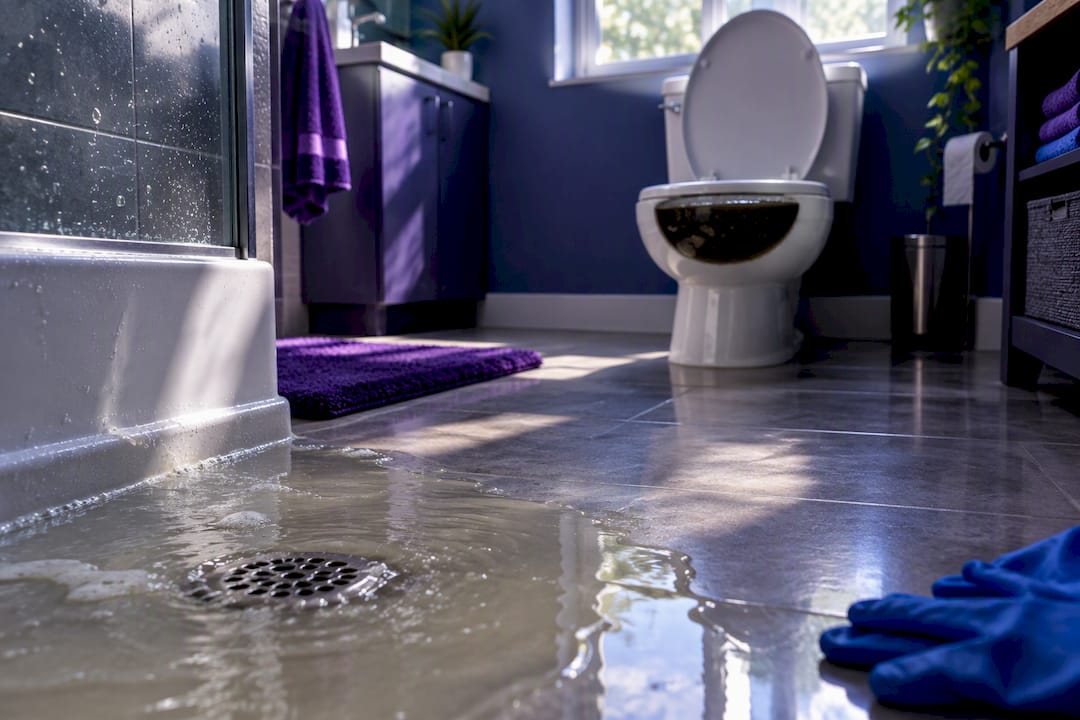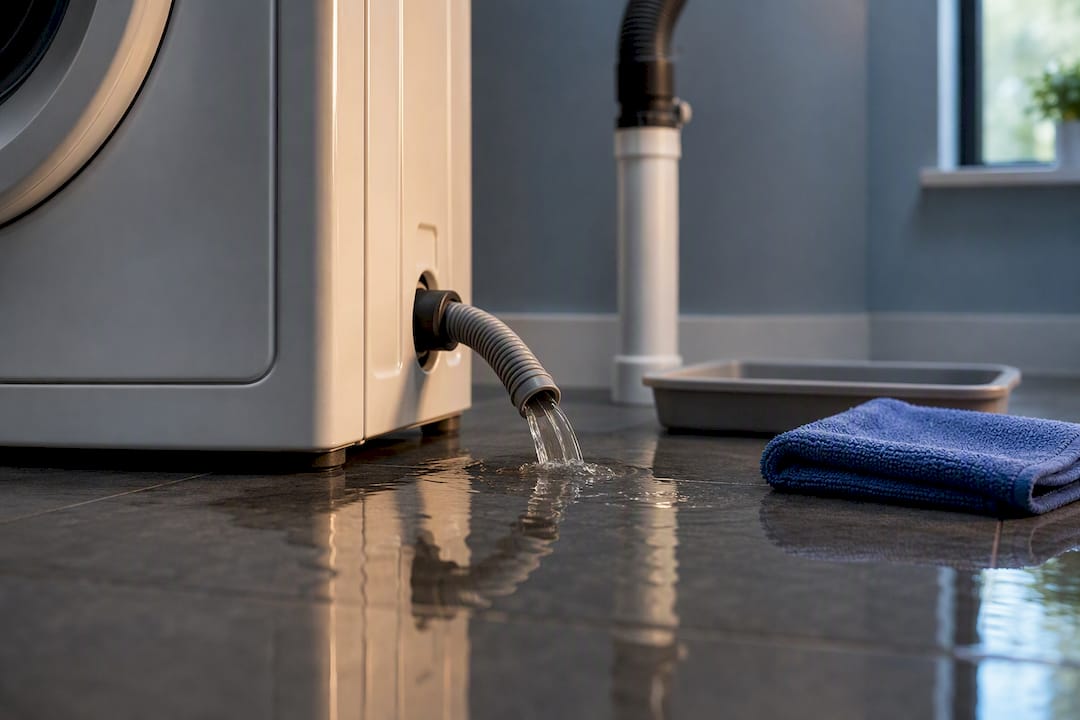

Stop the washer and shut off the hot and cold supply valves behind it immediately. If water is pooling near outlets or cords, cut power at the breaker before you touch anything else back there. Once the machine is off and the area is safe, contain the water with towels, photograph the damage for insurance, and call for help if sewage is involved or the water is spreading fast.
TL;DR:
- A clogged drain pipe, kinked hose, or a malfunctioning inlet valve are the common causes of washing machine overflows, often requiring different fixes.
- In the first 10 to 30 minutes, shut off water and power, contain the water, and photograph the damage before calling help or professional restoration if needed.
- A drain-only cycle helps determine if the clog is near the machine or deeper within the plumbing system, guiding whether DIY or professional repair is appropriate.
- Using a moisture meter and proper drying equipment quickly prevents mold growth and extensive damage after an overflow, which is critical for insurance claims.
- Upgrading hoses, cleaning filters regularly, and installing safety devices can prevent future overflows and water damage in laundry rooms.
Table of Contents
- What Causes a Washing Machine Overflow?
- What to Do in the First 10 to 30 Minutes
- How Do You Diagnose and Fix an Overflowing Washer?
- When Is It a Plumbing Problem, Not a Washer Problem?
- How Do You Prevent Future Overflows?
- Why Fast Cleanup Matters More Than People Think
- When to Call in Professional Water Damage Restoration
- Sources
- FAQ
What Causes a Washing Machine Overflow?
A washing machine overflow almost always traces back to one of two systems failing: the drain path or the water inlet. Figuring out which one is misbehaving tells you whether you’re looking at a five-minute fix or a call to a plumber.
On the drain side, the most common culprit is a clogged standpipe or house drain, often from a buildup of lint, soap scum, and hair that narrows the pipe over months. A kinked, crushed, or improperly inserted drain hose is a close second. If the hose sits too far down inside the standpipe or dips below the water line, it can siphon water back into the tub instead of letting it drain out, a problem that mimics a clog but has nothing to do with one.
Inside the machine itself, a clogged pump or pump filter is a frequent cause, especially on front-loaders that trap coins, buttons, and lint in an accessible filter basket. A stuck or failing water inlet valve can keep filling the tub even when the load is already full, since the valve no longer shuts when it should. Less obvious is a pressure switch or its air hose failing, which misreports the water level to the control board and tells the machine to keep filling long after it should have stopped.
Common causes of washing machine overflow include:
- Clogged standpipe or house drain from lint, soap film, or debris buildup
- Kinked, crushed, or misplaced drain hose causing siphoning
- Clogged pump or pump filter trapping coins, buttons, or lint
- Stuck or failing water inlet valve that won’t shut off
- Pressure switch or air hose malfunction misreading water level
- Undersized standpipe, shared waste lines, or a main sewer backup
That last one is worth flagging separately. Modern high-efficiency washers discharge water faster than the older 1.5-inch standpipes many homes were built with can handle, which is why overflow sometimes only happens on large loads.
What to Do in the First 10 to 30 Minutes
Speed matters more than precision here. You don’t need to diagnose anything yet, just stop the flow and protect the room.
- Stop the cycle and shut off both the hot and cold water supply valves behind the washer.
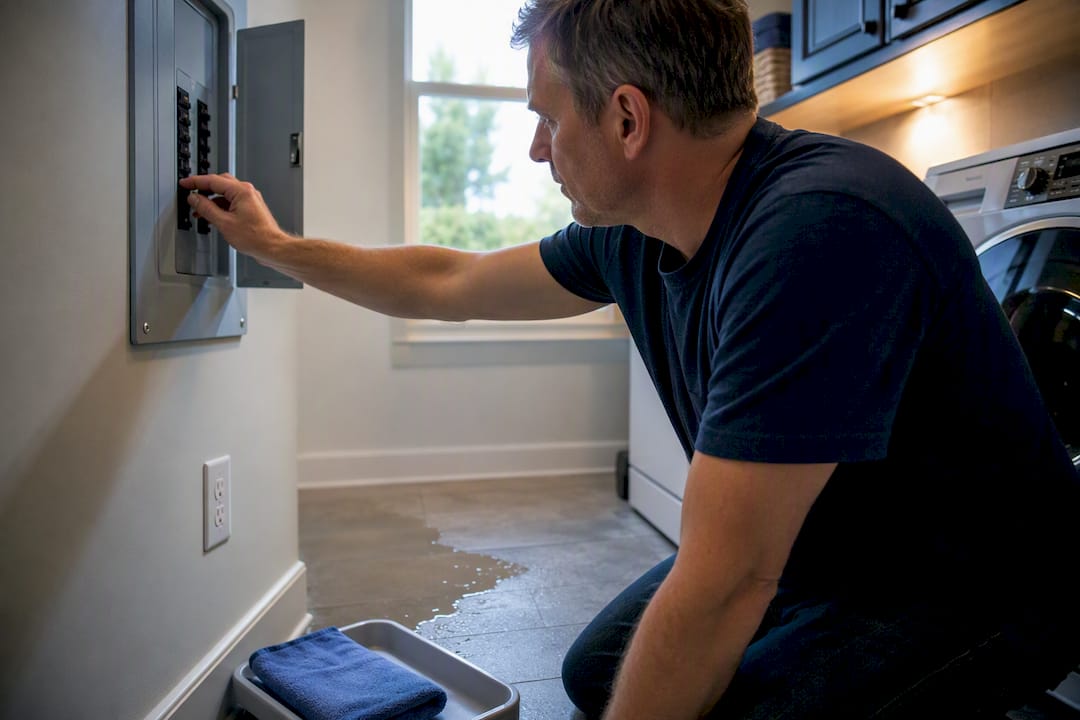
- If standing water is anywhere near outlets, power strips, or cords, trip the breaker for that circuit before you reach behind the machine.
- Soak up standing water with towels, a mop, or a wet/dry vacuum, starting at the lowest point in the room.
- Point a fan at the wet area and run a dehumidifier if you have one, then photograph the damage before you move anything.
- Call an emergency water restoration service if the water is contaminated (sewage smell, gray or black tint) or has spread beyond the laundry area.
Pro Tip: A shop vac clears standing water faster than towels ever will, and it’s worth the $40 if you don’t already own one. A wet floor left overnight is how a laundry room problem becomes a subfloor problem.
Electrical safety isn’t optional here. Water and live outlets are a genuine shock hazard, and shutting off the breaker before touching anything near the spill is the first move recommended by appliance repair professionals, not an afterthought. Do this before you grab a single towel if there’s any doubt about where the water has reached.
How Do You Diagnose and Fix an Overflowing Washer?
Once the immediate mess is under control, the real diagnostic work starts with a simple timing test that plumbers and appliance techs both rely on.
- Run a drain-only cycle. Most washers have a “spin” or “drain” setting that pumps water out without filling. Start it and watch the standpipe or drain area closely.
- Time how fast water backs up. This single test tells you almost everything. If water overflows within seconds, the clog is likely right at the hose connection or the standpipe opening. If it takes 30 to 60 seconds, the blockage is deeper in the drain line. If it takes more than a minute, you’re probably dealing with a mainline or sewer-level backup, which is outside DIY territory.
- Clean the pump filter. On most front-loaders, a small access panel near the bottom front hides the pump filter. Unscrew it slowly over a shallow pan (some residual water always drains out), and check for coins, buttons, hair ties, and lint clumps — this alone resolves a surprising share of overflow calls.
- Inspect and clear the drain hose. Disconnect it and look for kinks, crushed sections, or trapped debris. When you reinsert it into the standpipe, don’t push it in more than a few inches. It needs an air gap to work properly.
- Check for siphoning. If the hose sits too deep in the standpipe or the standpipe itself is lower than the washer’s internal water level, water siphons back into the tub between cycles. Pull the hose back so only the top few inches sit inside the pipe, secured with a simple hose guide or zip tie loop.
- Test the inlet valve. If the machine keeps filling even when unplugged and disconnected from the wall outlet, the valve is mechanically stuck open, not an electrical issue. Shutting the supply valves behind the machine is your stopgap; replacement is the permanent fix, and most homeowners hand this one to a technician since it involves removing the top panel and disconnecting hose clamps.
Pro Tip: Write down your drain-only timing test result before you touch anything else. If you end up calling a plumber, that one number (seconds, under a minute, or over a minute) saves them a diagnostic step and often saves you a service call charge.
When Is It a Plumbing Problem, Not a Washer Problem?
Some signs point past the machine entirely and into the house’s drain system. Recognizing them early saves you from wasting an afternoon on repairs that were never going to work.
- Multiple drains in the house run slow, not just the laundry standpipe
- Gurgling sounds come from other fixtures when the washer drains
- Your drain-only timing test consistently runs past 30 to 60 seconds
- The kitchen sink or a nearby floor drain backs up while the washer is draining
Any of these usually means the blockage sits in the main line or a shared waste connection, not in the washer itself. A plumber’s toolkit for this includes camera inspection to see exactly where the clog or damage sits, snaking or hydrojetting to clear it, and in some homes, physically upsizing an undersized standpipe or separating a shared waste line that two fixtures were never meant to share.
One caution: repeatedly running a hand snake into a stubborn clog without professional equipment can push debris further into the line or damage older pipe joints. If your own snaking attempt hasn’t cleared things after one or two tries, stop and call a professional before you make the blockage harder to reach.
How Do You Prevent Future Overflows?
Most repeat overflow problems come down to a handful of habits, and fixing them costs far less than the water damage they prevent.
- Use HE, low-sudsing detergent measured to the manufacturer’s line, not eyeballed. Excess suds are a documented contributor to drain overflow.
- Clean the pump filter every three to six months, more often if you wash a lot of pet bedding or towels.
- Use a mesh lint or garment bag for anything shedding fibers, which keeps debris out of the pump filter and drain line altogether.
- Replace rubber supply hoses every five years, or upgrade to braided stainless steel hoses that resist bursting under pressure.
- Check hose clamps are snug at both ends. A loose clamp is a slow leak waiting to happen.
- Keep the drain hose positioned with a proper air gap and correct height. This is the single most overlooked fix for chronic siphoning.
- Install a drain pan under the machine, a standalone water alarm, or an automatic shutoff valve as a backup layer of protection.
Pro Tip: A $20 battery-powered water alarm placed under the washer will wake you up at 2 a.m. before a slow leak turns into a flooded laundry room. It’s the cheapest insurance policy in your house.
Why Fast Cleanup Matters More Than People Think
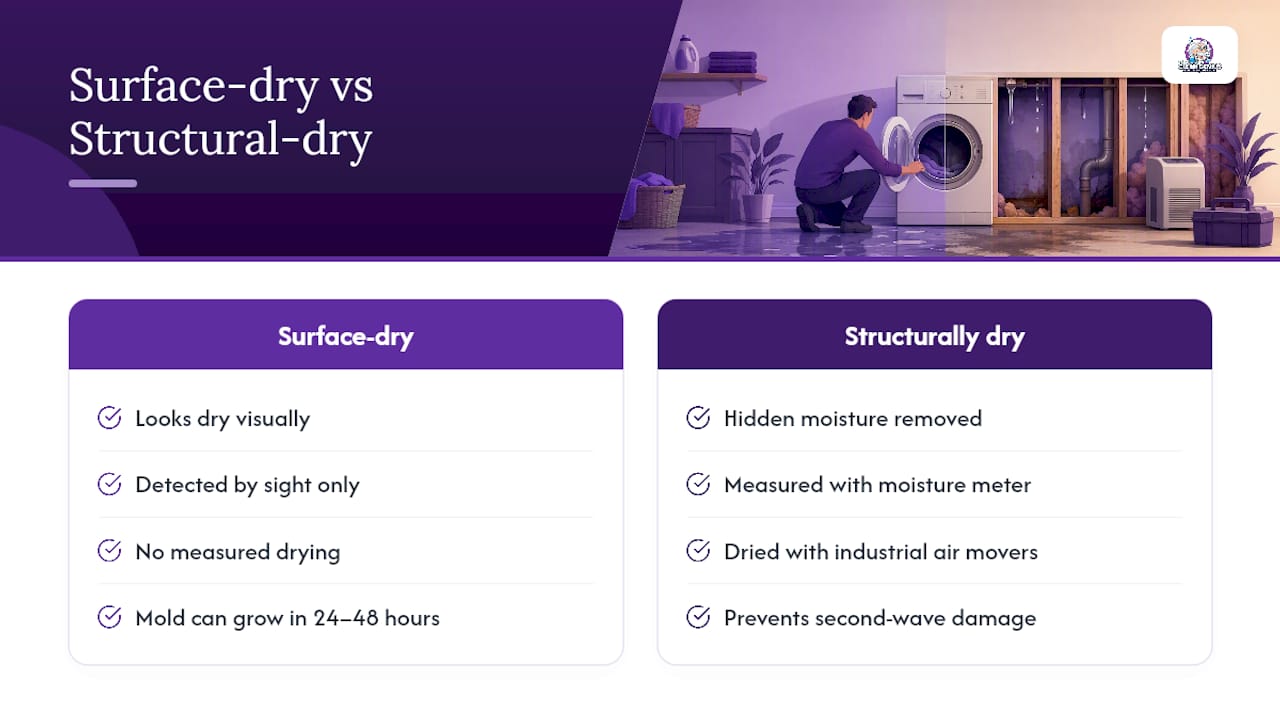
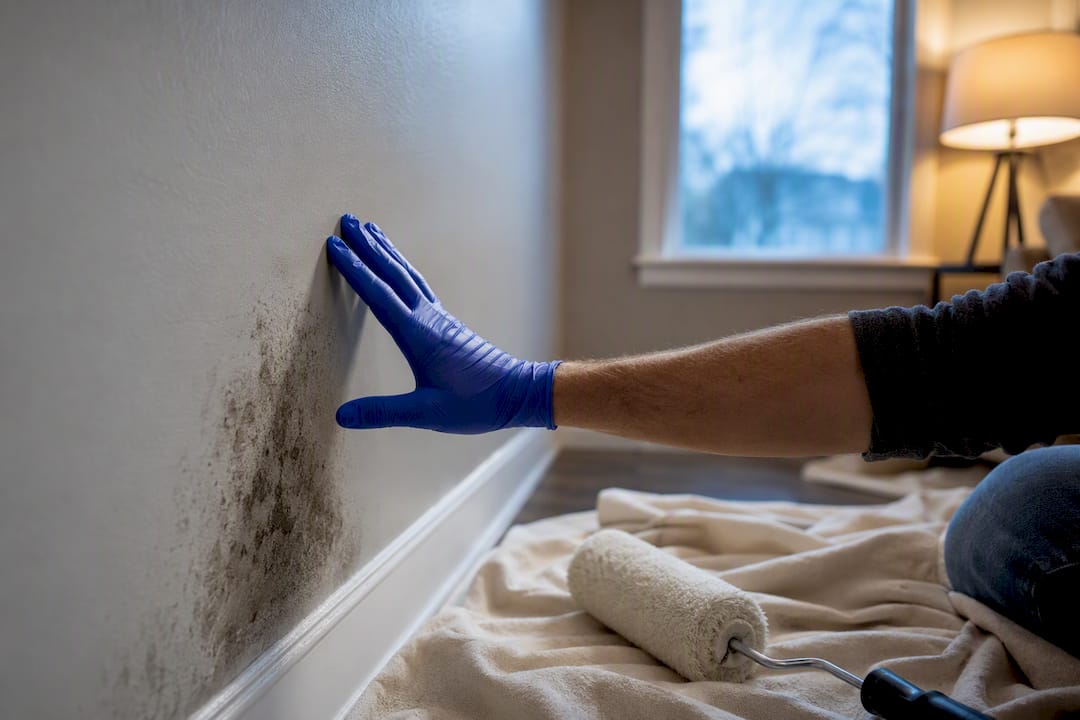
Homeowners tend to treat an overflow as solved the moment the floor looks dry. It isn’t. Water travels sideways under baseboards, into subfloor seams, and up the bottom few inches of drywall long before it’s visible again, and hidden moisture in those spots can produce mold growth within 24 to 48 hours. Surface-dry and structurally dry are two different things.
Restoration crews check for that difference with moisture meters and industrial air movers, drying materials to a measured threshold rather than a visual guess. That’s the gap between a $60 fix and a five-figure mold and drywall repair job. A property dry-out done properly also matters for insurance, since adjusters want documented moisture readings, not just a homeowner’s word that things “seem dry now.” Fast, verified drying is what actually prevents the second wave of damage that shows up weeks later.
— Jim
When to Call in Professional Water Damage Restoration
If your overflow soaked flooring, baseboards, or drywall, or if any of it involved sewage backup, that’s past the point of towels and a fan. A professional water damage restoration service handles this exact scenario across Chicagoland, and unlike a DIY dry-out with a box fan running for three days and hoping for the best, a professional response gets moisture readings and industrial drying equipment on the problem within hours, not days.

A typical emergency visit starts with an assessment and photos for your insurance file, followed by moisture mapping to find water that’s already migrated under floors or into wall cavities. From there, technicians extract standing water and set up structural drying equipment calibrated to your home’s actual moisture readings, not a guess. Professional restoration services also coordinate directly with your insurance company, which cuts down the back and forth that usually slows claims down. If your laundry room overflow has gone past what towels and a shop vac can handle, Thecleangenius’s water damage restoration team is available 24/7 across Arlington Heights, Naperville, Schaumburg, and the rest of Chicagoland. Call for a same-day assessment before hidden moisture turns into a mold problem.
Sources
- How to stop your washing machine drain from overflowing — This Old House
- Washing machine overflowing? What to do right now — HomeHalo Appliance Repair
- Responding to overflowing washing machine damage — DryWorx
FAQ
Why Is My Washing Machine Flooding the Floor?
The most common reasons are a clogged standpipe, a kinked or misplaced drain hose, or a clogged pump filter that’s blocking water from draining out fast enough. When water backs up faster than it can leave the machine, it spills over the top of the tub or floods out around the door seal.
How Do You Fix an Overflow Error on a Washing Machine?
Start by shutting off the water supply valves and unplugging the machine, then run a drain-only cycle to test how fast water backs up. Clean the pump filter and check the drain hose for kinks or improper depth in the standpipe. If the error keeps returning after those fixes, the inlet valve or pressure switch likely needs replacement.
What Happens if You Overflow a Washing Machine?
Water can spread across the laundry room floor within minutes and migrate under flooring, baseboards, and into wall cavities where it isn’t visible. Left unaddressed, that hidden moisture can lead to mold growth within 24 to 48 hours, which is why fast extraction and drying matter more than the surface-level cleanup.
Why Does My Washing Machine Keep Filling With Water During the Spin Cycle?
This almost always points to a stuck water inlet valve that isn’t shutting off when it should, or a faulty pressure switch that’s misreading the tub’s water level. If the machine keeps filling even when unplugged from the wall, the inlet valve is mechanically stuck open and needs replacement.