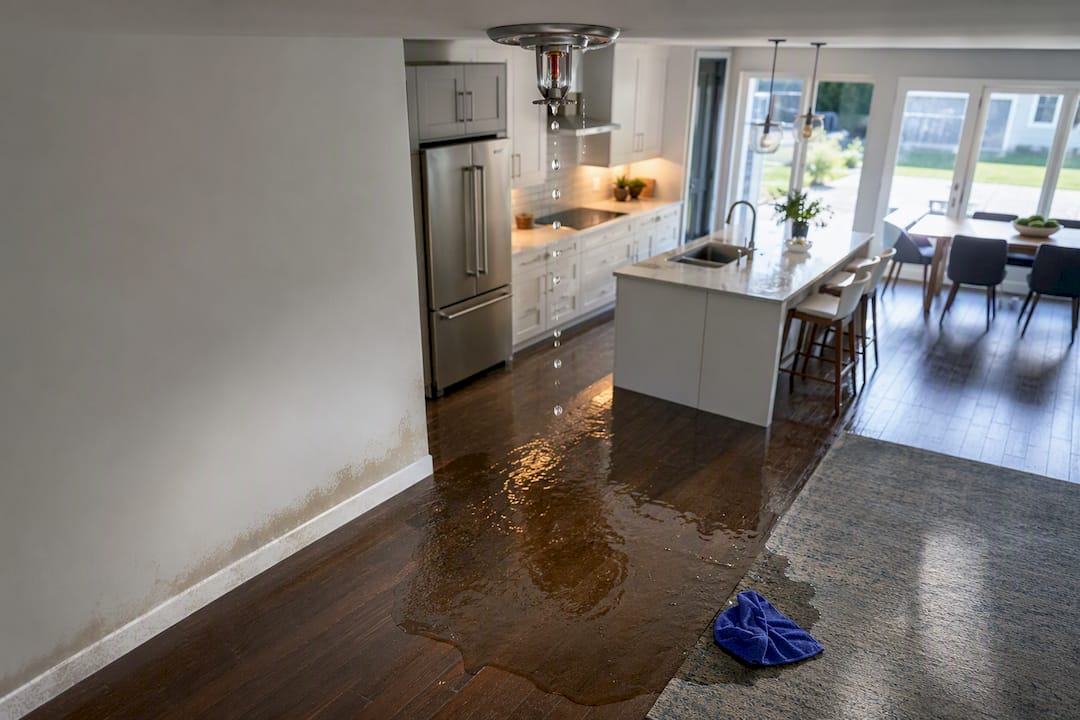

Accidental sprinkler discharge is usually covered by standard homeowners insurance, but fast action matters more than the paperwork. Shut off the water source, document everything with photos and video, and call an emergency restoration crew if flooding is significant. Dry the area within 48 hours to head off mold, then contact your insurer to open a claim.
TL;DR:
- Most sprinkler failures result from corrosion, physical impact, freezing, or installation defects, not system-wide malfunctions.
- Acting within the first two hours by shutting off water, documenting damage, and contacting professionals can significantly reduce restoration costs and mold risks.
- Homeowners policies generally cover damage caused by accidental sprinkler discharge but typically exclude the sprinkler system itself and damage from neglect or freezing.
- Rapid drying within 48 hours is critical; after that, porous materials like drywall often need removal to prevent mold growth.
- Regular maintenance and inspections, especially in cold weather, can prevent many causes of sprinkler water damage.
Table of Contents
- What causes sprinkler leaks and accidental discharge
- Immediate steps to limit water damage in the first two hours
- Insurance and liability: what homeowners and renters need to know
- Assessing damage and health risks: mold, timelines, and what’s salvageable
- Repair and restoration options: mitigation, dry-out, and sprinkler fixes
- Prevention and maintenance to reduce future sprinkler water damage
- How a trusted restoration team responds: The Clean Genius in practice
- DIY versus professional restoration: a practical rule of thumb
- How The Clean Genius can help with sprinkler water damage
- Sources
- FAQ
What causes sprinkler leaks and accidental discharge
Most sprinkler failures trace back to a handful of predictable problems. Corrosion inside older pipes weakens joints over time, and physical damage from renovation work, like a ladder bumping a head or drywall crews knocking a pipe, is a common trigger. Freezing is another major cause: when heat drops in an unoccupied space or a system isn’t winterized properly, water inside the lines expands and cracks fittings. Manufacturing defects and poorly installed fittings can also fail years after the fact, often with no warning.
- Corrosion and age-related wear in pipes and sprinkler heads
- Physical impact during construction, moving, or storage
- Freezing when heat isn’t maintained or the system isn’t winterized
- Installation or manufacturing defects in fittings and heads
A common misconception is that one triggered sprinkler sets off the whole system. In reality, residential sprinklers activate individually in response to heat at that specific head, not as a network, and NFPA’s sprinkler myths and facts guidance confirms that full-system activation is rare. Usually, a single malfunctioning head, not a design flaw, is the culprit.
Immediate steps to limit water damage in the first two hours
What you do in the first two hours often determines whether this is a manageable cleanup or a gutted room. Work through these steps in order.
- Shut off the water. Find the system’s main shutoff valve or the building’s main water line and close it; if you’re in a multi-unit building, notify management immediately since they may control a shared valve.
- Cut power if water is near outlets or fixtures. Don’t attempt this yourself near a breaker panel that’s wet; call an electrician or the fire department if you’re unsure.
- Contain what you can. Lift furniture onto blocks, slide buckets under active drips, move electronics and valuables to dry ground, and lay towels or tarps to protect flooring.
- Document everything. Take timestamped photos and video of standing water, damaged belongings, and the sprinkler head or pipe before you move or dry anything.
- Call for help. Contact your insurer to report the loss, notify building management if applicable, and bring in an emergency water-restoration company if the area is flooded or saturation looks widespread.
Pro Tip: Photograph the water meter or shutoff valve position right after you close it. It proves when mitigation started, which insurers often ask about.
Insurance and liability: what homeowners and renters need to know
Most standard homeowners policies use HO-3 language that treats sudden, accidental discharge from a fire sprinkler system as a covered peril. According to Triple-I’s overview of homeowners coverage, that typically means the water damage itself is covered, but damage to the sprinkler system or pipe that caused the leak usually is not. Freezing-related claims can also be denied if the policyholder failed to maintain reasonable heat or drain the system, so keeping records of thermostat settings and any winterization work matters.
- HO-3 policies generally cover accidental discharge damage but exclude the failed component itself
- Freezing exclusions apply if the homeowner didn’t maintain heat or properly winterize
- Renters carry their own policy for personal belongings and liability; the landlord’s policy covers the building structure
- A tenant whose actions triggered a sprinkler that damaged a neighboring unit may face liability, so documenting the cause matters
Renters should know their policy covers personal property and tenant liability, not the structure itself, a distinction Triple-I’s renters insurance guide lays out clearly. For a deeper look at what a standard policy actually covers, see our guide on what homeowners insurance covers.
Assessing damage and health risks: mold, timelines, and what’s salvageable
Industry guidance points to a 24 to 48 hour window for drying wet materials before mold becomes a serious risk, according to OSHA’s guidance on mold in buildings. Porous materials like drywall, carpet padding, and insulation that stay wet past that point often need to be removed rather than dried, since they hold moisture deep in their structure and become breeding grounds even after the surface looks dry.
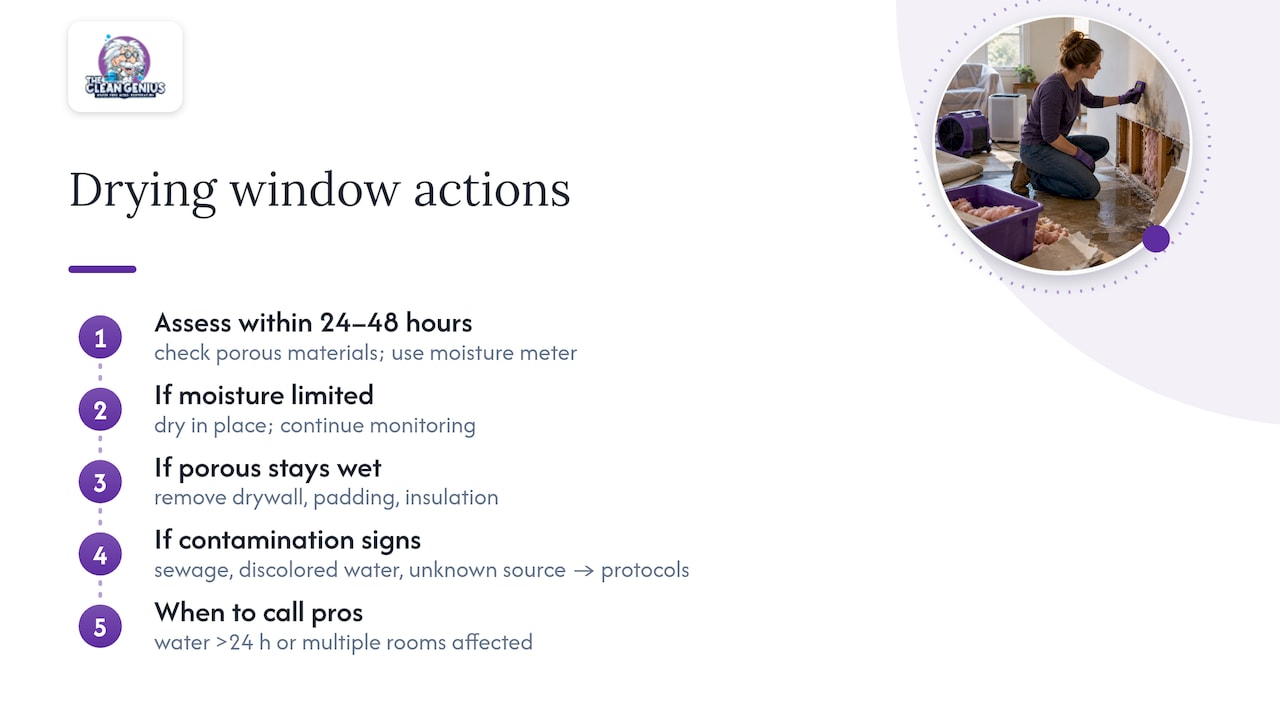
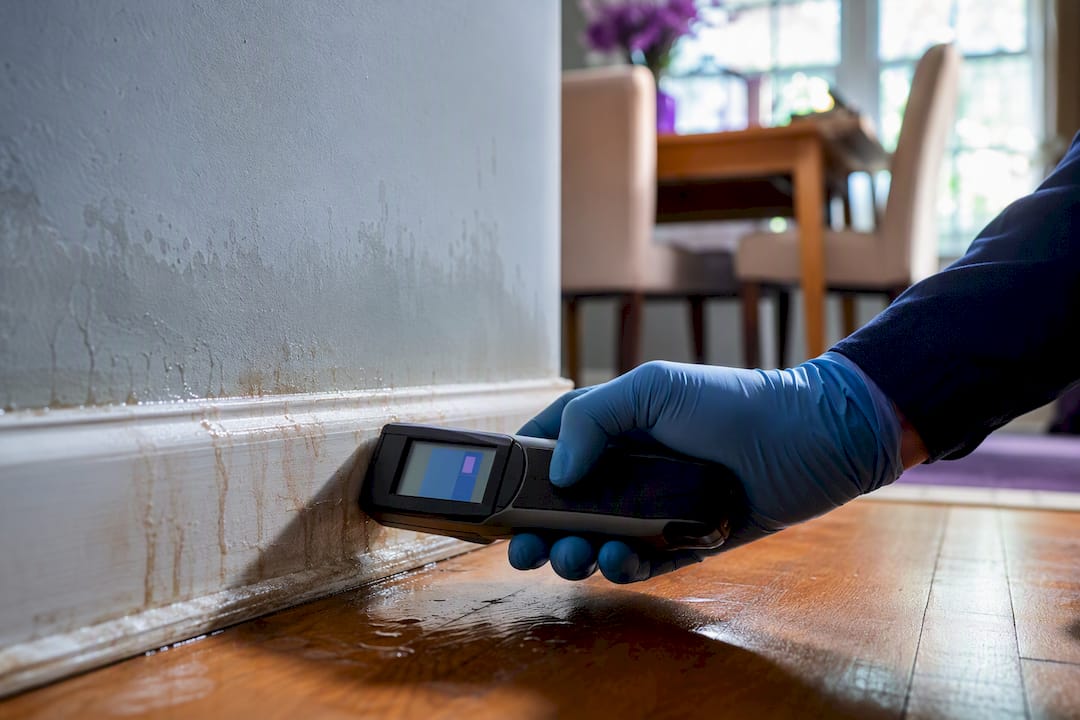
Restoration professionals use moisture meters to check how deep water has traveled into walls and subfloors, which determines whether a material can be dried in place or needs to come out. Signs like sewage odor, discolored water, or an unidentified source change the approach entirely and call for contamination protocols rather than standard drying. Once water has been sitting for more than a day or has touched multiple rooms, it’s time to stop DIY efforts and bring in certified remediation.
Repair and restoration options: mitigation, dry-out, and sprinkler fixes
Professional response typically happens in two phases: emergency mitigation first, then longer-term repair. Mitigation means extracting standing water, setting up containment, and starting the drying process within hours. Repair work, which addresses the sprinkler component itself and any structural damage, follows once the area is stable.
- Air movers, dehumidifiers, and moisture meters are used to dry structures and track progress over several days
- A single damaged sprinkler head is often a simple swap, while cracked piping may require a licensed fire protection contractor
- Insurers typically want a documented scope of work and daily drying logs before approving payment
- Costs scale with the volume of water, whether contamination is present, and how much material needs to be replaced versus dried
Coordinating with your insurer early avoids disputes later. A restoration company that documents moisture readings daily and provides a written scope makes it easier for adjusters to approve the claim without repeated site visits. Our breakdown of the restoration process from assessment to reconstruction walks through what a typical timeline looks like.
Prevention and maintenance to reduce future sprinkler water damage
A little upkeep goes a long way toward avoiding a repeat incident. Schedule periodic inspections with a certified fire protection technician, especially in older buildings or after any renovation near piping.
- Have the system professionally inspected on a regular schedule, not just after a problem appears
- Maintain adequate heat in any space with exposed piping, and follow your building’s winter shutdown procedures if the space goes unoccupied
- Keep storage and furniture clear of sprinkler heads, following the 3x clearance rule researched by NFPA’s obstruction studies so spray patterns aren’t blocked
- Save inspection records and photos, since they support any future insurance claim involving freezing or neglect exclusions
If you’re prepping for cold months, our guide to preventing frozen pipes and winter water damage covers the basics that also apply to sprinkler lines.
How a trusted restoration team responds: The Clean Genius in practice
A reliable response follows a clear sequence: assess the damage, document it thoroughly, begin extraction and mitigation, then monitor moisture daily until the space is dry. A reliable restoration team is typically family-owned, has many years of combined experience and customer reviews, and offers certified technicians, 24/7 availability, and direct coordination with insurers on scope and documentation.
DIY versus professional restoration: a practical rule of thumb
A small, isolated drip on a hard floor that you can fully dry within 24 hours is reasonable to handle yourself. Once you’re looking at standing water, soaked drywall or carpet padding, contamination, or a claim that needs solid documentation, bring in professionals. When in doubt in that first hour, contain the water, take photos, and make the call rather than waiting to see how bad it gets.
— Jim
How The Clean Genius can help with sprinkler water damage
Sprinkler leaks move fast, and having a crew that handles extraction, dry-out, contents restoration, mold remediation, and insurer coordination in one call takes a lot off your plate. A restoration company that is available 24/7 can handle this kind of emergency across Chicagoland.

When you call, have your address, a rough sense of how much water is involved, and any photos you’ve already taken. We’ll walk the site, put together a written scope before any major repair work starts, and coordinate directly with your insurance company. Start with our water damage restoration services page to request an on-site estimate.
Sources
For deeper reading, the USFA’s home fire sprinkler guidance covers activation rarity and water volume compared with fire hoses. NFPA’s sprinkler myths and facts addresses common misconceptions, OSHA’s mold guidance explains drying timelines, and Triple-I’s coverage overview details standard policy language.
- Which disasters are covered by homeowners insurance? – Triple-I®
- Sprinkler myths and facts – NFPA
- A brief guide to mold in the workplace – OSHA
FAQ
Does home insurance cover sprinklers?
Standard HO-3 homeowners policies generally cover accidental discharge damage from a fire sprinkler system, but they typically exclude damage to the sprinkler system or pipe itself, according to Triple-I. Freezing-related claims can be denied if you didn’t maintain reasonable heat or winterize the system properly.
What is the 3x rule for sprinklers?
The 3x rule refers to clearance guidance from NFPA obstruction research, which recommends keeping sprinkler heads clear of obstructions by roughly three times the obstruction’s size so the spray pattern isn’t blocked. Furniture, shelving, or stored boxes placed too close to a head can prevent it from working correctly.
Is sprinkler repair expensive?
Cost depends on the extent of the problem: replacing a single damaged sprinkler head is a relatively minor fix, while repairing or replacing cracked piping usually requires a licensed fire protection contractor and costs more. Get a written estimate before authorizing repairs, since cost also scales with how much water damage and material replacement resulted from the leak.
Why is my sprinkler box full of water even though there is no leak?
Some water sitting in a sprinkler valve box is normal, especially after rain or irrigation cycles, since these boxes are designed to allow drainage around the valves. If the water isn’t draining between cycles or looks like it’s rising rather than settling, it’s worth having a professional check the valve and surrounding lines for a slow leak.