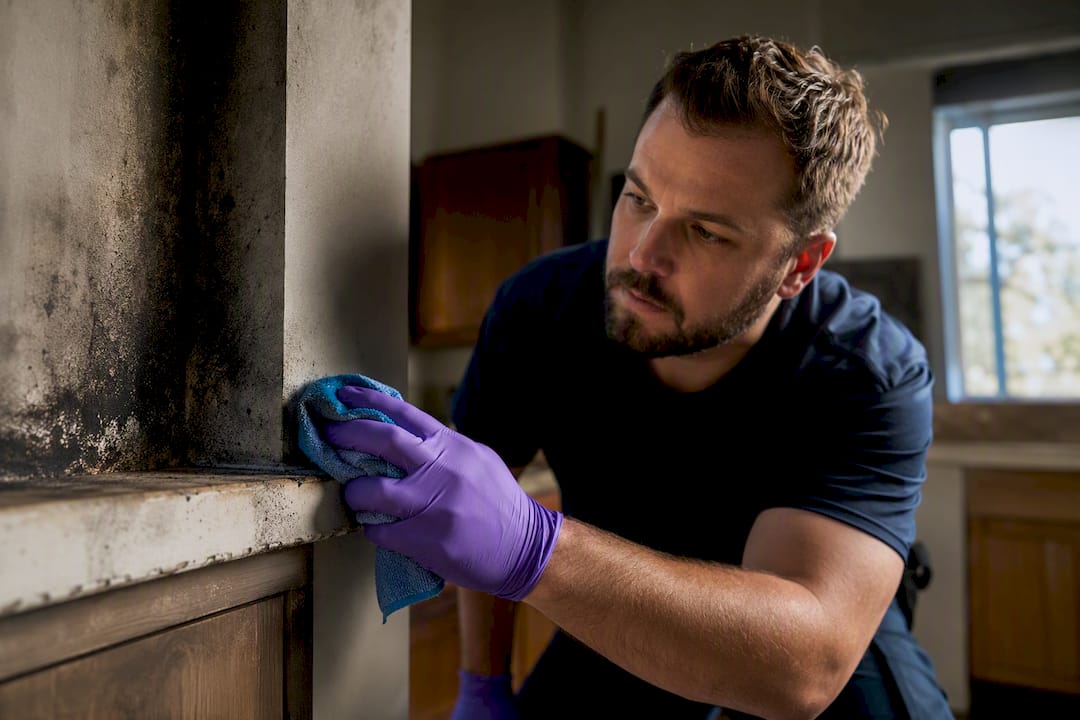

Smoke damage cleaning typically runs $200 to $12,000, with most whole-home restorations landing between $3,000 and $20,000 depending on how deep the soot penetrated. A single scorched room might cost a few hundred dollars to deodorize; a house fire that ran through the HVAC system can push past $20,000. Your first move isn’t calling a contractor. It’s photographing every affected room and contacting your insurer before anything gets touched.
TL;DR:
- Smoke damage cleanup costs range from $200 for small areas to over $20,000 for extensive, structural fires with HVAC contamination.
- The severity of the fire and whether soot has penetrated porous materials directly influence the final price, with major fires often exceeding $10,000.
- Multiple treatments like deodorizing, duct cleaning, fogging, and ozone therapy are typically combined, each adding hundreds of dollars to the bill.
- Delaying professional cleanup beyond 48 hours significantly increases costs due to soot bonding and odor penetration, often doubling the final expense.
- Homeowners should document damage early, get multiple estimates, and avoid DIY cleaning for embedded soot or HVAC contamination to prevent higher costs.
Table of Contents
- How Much Does Smoke Damage Cleaning Cost on Average?
- Cost by Severity: Minor, Moderate, and Major Fires
- What Different Smoke Treatments Cost
- What Actually Drives Your Final Bill Higher
- Insurance Coverage and How to File a Smoke Damage Claim
- How Fast You Act Changes Both the Cost and the Outcome
- DIY Smoke Cleaning vs Calling a Certified Crew
- Build Your Own Smoke Damage Cost Estimate
- What Homeowners Get Wrong About Smoke Cleanup Costs
- Fast, Certified Smoke Damage Cleanup in Chicagoland
- Where These Numbers Come From
- Sources
How Much Does Smoke Damage Cleaning Cost on Average?
The national numbers vary more than most homeowners expect, mostly because “smoke damage” covers everything from a burnt dinner to a structure fire. Angi’s cost data puts the range at $200 to $12,000, while LawnStarter’s analysis reports a national average closer to $20,470 for full fire and smoke restoration jobs, with typical spreads from about $2,900 to $38,325. Those two figures aren’t contradictory. Angi’s low end covers isolated smoke jobs; LawnStarter’s average includes structural repair alongside the cleaning.
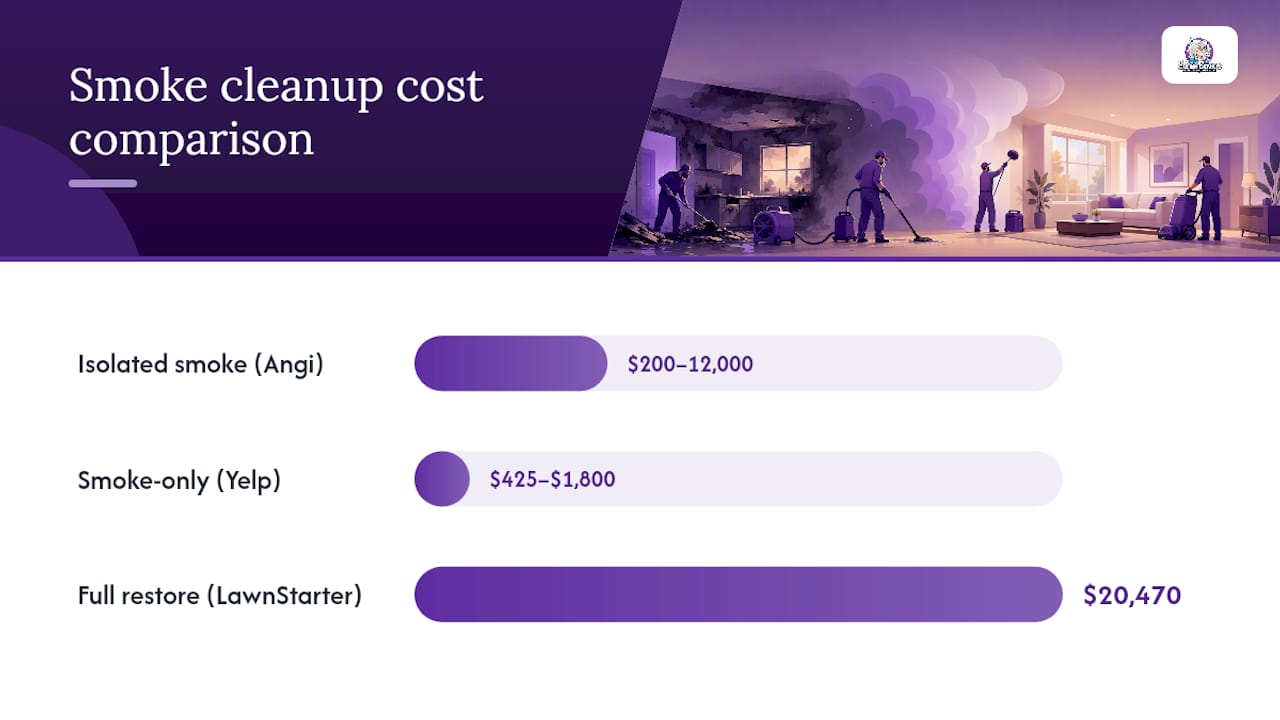
Yelp’s marketplace data offers a third anchor: a typical quote of $625, with most jobs falling between $425 and $1,800 based on real bids submitted by homeowners. That’s a useful number specifically because it reflects smoke-only cleanup, not fire restoration bundled with rebuilding.
Here’s how the ranges typically break down by scope:
- Single room, light smoke odor: $200 to $1,200
- Multiple rooms with visible soot: $1,500 to $6,000
- Whole-house smoke and odor remediation: $3,000 to $20,000
- Major fire with structural involvement: $20,000 and up
As a rough guide, per-square-foot costs for smoke cleanup vary depending on the work involved, including full fire and smoke restoration.
Cost by Severity: Minor, Moderate, and Major Fires
Severity, more than square footage, drives your final number. A grease fire that stayed inside a pan produces a fraction of the soot load of a fire that burned for 20 minutes before the fire department arrived.
- Minor (contained, light odor): Think a kitchen fire that self-extinguished or a small appliance fire. Expect $200 to $1,500, mostly for air scrubbing and surface cleaning.
- Moderate (visible soot, multiple rooms): Smoke traveled through hallways and settled on walls, ceilings, and fabric. Expect $3,000 to $10,000, often including duct cleaning.
- Major (structural fire, HVAC contamination): Soot has penetrated drywall, insulation, and ductwork throughout the home. Expect $10,000 to $30,000 or more.
For homes of varying size with moderate damage, expect costs to scale roughly with the area affected, though individual quotes will vary based on local factors and finishes. Homes in high cost-of-living regions, or those with higher-end finishes like hardwood floors and custom cabinetry, tend to sit at the top of every band. Older homes with plaster walls and shag carpet, oddly enough, sometimes clean up cheaper because the materials are less porous than modern engineered wood.
What Different Smoke Treatments Cost
Your invoice will likely break down into several line items rather than one flat fee. Each treatment targets a different problem, and estimators typically combine two or three depending on how far the smoke traveled.
- Deodorizing and surface cleaning: $300 to $1,500, the baseline for almost every job.
- HVAC/duct cleaning: $150 to $800, necessary any time the furnace ran during or after the fire.
- Thermal fogging: $200 to $600, using heated deodorizer to penetrate the same surfaces smoke did.
- Ozone treatment: $400 to $800, effective for stubborn odor but requiring the home to sit vacant for 24 to 48 hours per session.
- Furniture and textile deodorizing: $200 to $1,000, depending on how many upholstered pieces and how many rounds of cleaning they need.
Ozone and thermal fogging often require multiple sessions on heavy odor jobs, which can increase overall costs beyond initial quotes. Our odor removal process guide walks through why multiple treatment rounds are normal, not a sign you’re being upsold.
What Actually Drives Your Final Bill Higher
Two identical square footages can produce wildly different invoices, and the gap almost always comes down to what the smoke touched and how long it sat there.
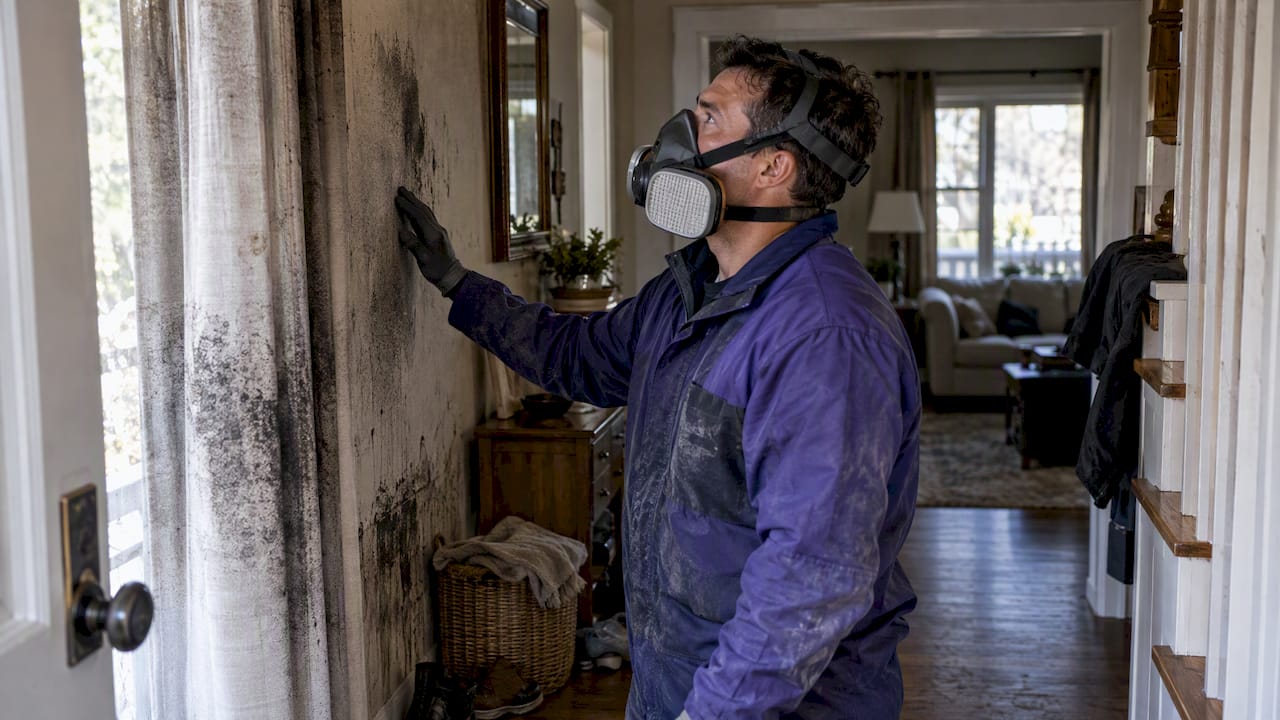
Porous materials are the biggest variable. Carpet, drywall, upholstery, and unfinished wood absorb soot particles instead of letting them wipe off, which multiplies labor hours and chemical costs. A house where smoke sat for six hours before extinguishing costs meaningfully more to treat than one where the fire department arrived in ten minutes.
Common add-ons that inflate estimates beyond the base cleaning quote:
- HVAC duct cleaning, almost always needed if the system ran post-fire
- Contents restoration for furniture, electronics, and clothing (our contents restoration guide breaks down typical per-item costs)
- Disposal fees for items too damaged to salvage
- Structural repairs to drywall, insulation, or flooring damaged by the fire itself, not just smoke
Build in a 10 to 15% contingency on any written estimate. Restoration crews frequently uncover hidden soot behind outlets, inside wall cavities, or under baseboards once demolition starts, and that discovery almost never lowers the price.
Insurance Coverage and How to File a Smoke Damage Claim
Most standard homeowner policies cover smoke damage under the same dwelling and personal property provisions that apply to fire, since smoke is treated as a direct consequence of a covered fire loss. That typically includes structural cleaning, contents restoration, and sometimes temporary living expenses if the home is unlivable during remediation. Your deductible applies once, even if the claim covers structure and contents together.
To keep the claim moving and avoid disputes:
- Photograph every affected room and item before any cleaning begins, including angles that show smoke staining on walls and ceilings.
- Build a written inventory of damaged belongings with approximate replacement values.
- Get two to three written estimates from licensed restoration contractors before your adjuster’s first visit.
- Keep every receipt tied to emergency mitigation, temporary lodging, or cleaning supplies.
- Present line-item estimates to your adjuster rather than a single lump sum. It’s harder to dispute a specific figure than a vague total.
Common friction points: insurers sometimes push for surface cleaning when HVAC decontamination is actually necessary, and some adjusters lowball contents restoration on assumption that items “look fine.” Our insurance claim checklist covers documentation habits that apply just as well to smoke claims as water claims.
How Fast You Act Changes Both the Cost and the Outcome
Minor smoke jobs typically wrap up in one to two days. Whole-home restorations often stretch three weeks or longer, and major rebuilds involving structural repair can run months. The variable that matters most isn’t the size of the fire. It’s how quickly containment and HVAC treatment start.
Smoke residue becomes harder and more expensive to remove the longer it sits, since soot particles bond more permanently to surfaces over time and odor works deeper into porous materials. Waiting a week to call a restoration crew can turn a $3,000 job into a $6,000 one. Expect emergency or after-hours service calls, common on weekends and holidays, to run 10 to 15% above standard rates. That premium is almost always worth paying given how fast smoke damage compounds.
DIY Smoke Cleaning vs Calling a Certified Crew
Homeowners can safely handle a few tasks themselves: photographing damage, opening windows to ventilate, and removing loose salvageable items like clothing or non-upholstered furniture. Leave HVAC cleaning, embedded soot removal, and any thermal fogging or ozone treatment to trained crews. These require IICRC-certified technicians and specialized equipment most homeowners don’t own.
Visual cleanliness is deceptive. A wall can look spotless while soot particles remain trapped in the drywall’s texture, and DIY attempts often just spread contamination to untouched rooms instead of removing it.
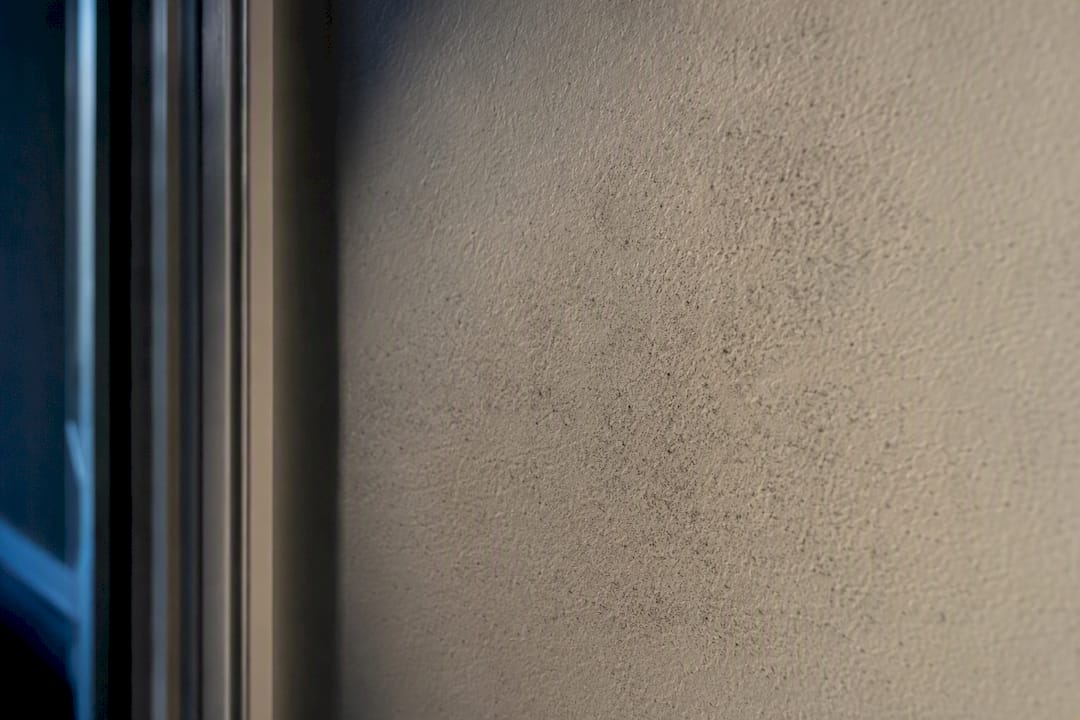
Pro Tip: If a room still smells faintly of smoke after you’ve wiped every visible surface, don’t keep scrubbing. That lingering odor almost always means soot is embedded below the surface, and more scrubbing just spreads it. Call a certified crew for testing before you spend another weekend on it.
Build Your Own Smoke Damage Cost Estimate
A rough budget takes four steps, and you can do this before a single contractor walks through your door.
- Scope the damage. Walk through and document every affected room, plus any damaged furniture, electronics, or textiles.
- Assign a severity level. Match what you see to minor, moderate, or major, then apply the per-room or per-square-foot ranges above.
- List likely treatments. Add HVAC cleaning if the furnace ran, contents restoration for salvageable furniture, and a 10 to 15% contingency for hidden soot.
- Collect two to three written estimates. Compare line items, not just bottom-line totals. One contractor’s “odor removal” might exclude duct cleaning that another bundles in.
This worksheet won’t give you an exact number, but it gets you within a realistic range before you’re negotiating with an adjuster or comparing contractor bids.
What Homeowners Get Wrong About Smoke Cleanup Costs
The costliest mistake we see isn’t skipping professional help. It’s waiting three or four days to make that call while trying to air out the house first. Soot doesn’t sit still. It keeps working into drywall and fabric every hour it’s untreated, which is why the homeowners who call within 48 hours consistently land toward the lower end of every cost range above, not the higher one.
— Jim
Fast, Certified Smoke Damage Cleanup in Chicagoland
Thecleangenius is the direct route to a certified crew instead of a guessing game with DIY deodorizers that spread soot instead of removing it. Our teams respond 24/7 across Arlington Heights, Naperville, Schaumburg, and the rest of Chicagoland, handling soot removal, odor elimination, and HVAC decontamination while coordinating directly with your insurance adjuster on documentation and estimates.

If your home has smoke or soot damage right now, don’t spend the next few days scrubbing walls that need testing, not elbow grease. Visit our fire damage restoration process page to see exactly how our crews assess, treat, and document a job from first walkthrough to final clearance, and request a same-day estimate.
Where These Numbers Come From
Cost ranges in this guide draw from Angi’s smoke remediation cost data, LawnStarter’s fire and smoke restoration pricing analysis, and Yelp’s marketplace quote data. Safety context on fire classes comes from NFPA, and certification standards reference IICRC.
Sources
- How Much Does Smoke Remediation Cost? 2026 Data | Angi
- How Much Does Fire And Smoke Damage Restoration Cost in 2026? | LawnStarter
- How much does Smoke damage restoration cost? | Yelp
- NFPA blog: what is a class K fire extinguisher