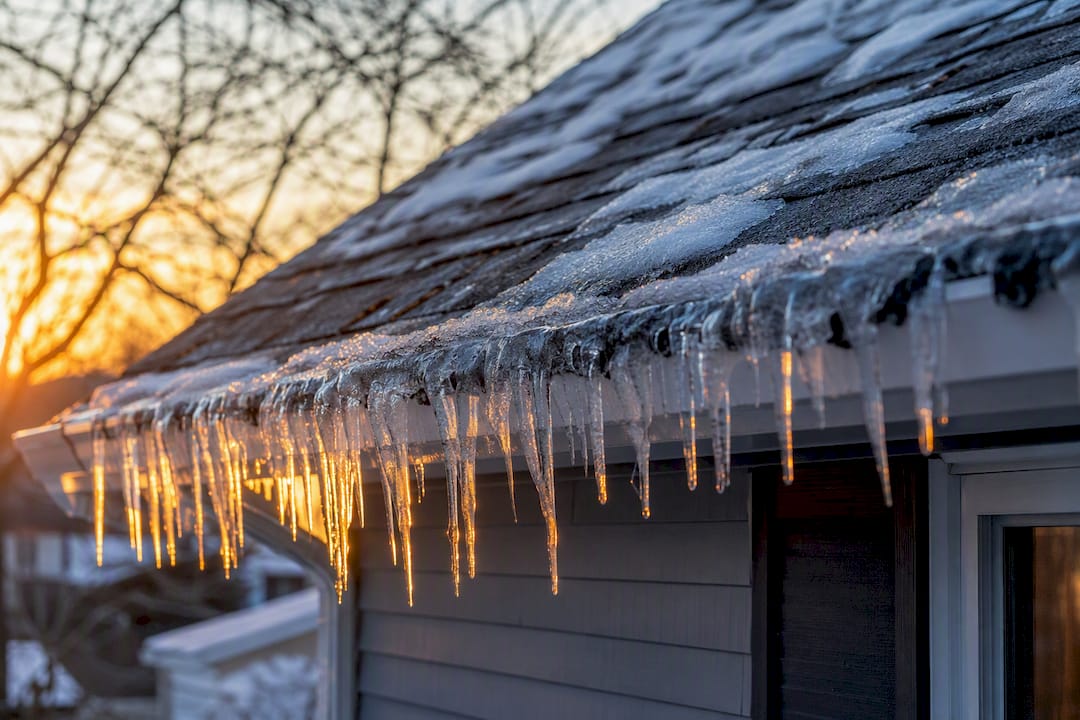

Most homeowners insurance policies cover the sudden interior damage an ice dam causes, things like soaked drywall, ruined insulation, and stained ceilings, but they generally will not pay to remove the ice dam itself or fix the roof problems that let it form. That distinction trips up a lot of Chicagoland homeowners every winter. Your policy treats the water damage as a covered peril while treating the dam as a maintenance issue you should have prevented.
A few things determine where your claim actually lands:
- Your deductible and how it compares to the repair estimate
- Whether the damage was sudden and accidental, or the result of long-term neglect
- Whether your policy has specific endorsements for water backup or roof coverage
- Your maintenance history, including attic insulation and ventilation
If your ceiling is dripping right now, call a restoration company like Thecleangenius before you call anyone else. Fast mitigation protects both your home and your claim.
Key Takeaways
Homeowners insurance typically pays for the sudden interior damage an ice dam causes but not for removing the dam or fixing the maintenance issue behind it.
| Point | Details |
|---|---|
| Coverage splits by cause | Sudden interior water damage is usually covered; ice-dam removal and maintenance-related roof fixes typically are not. |
| Document before you clean | Timestamped photos and video, taken before any cleanup, are the foundation of a strong claim. |
| Mitigate quickly | Reasonable emergency steps like tarps and water extraction are often required to keep secondary damage, like mold, covered. |
| Compare deductible to damage | Small repairs near your deductible may cost less out of pocket than the resulting premium increase from filing. |
| Call restoration pros fast | Thecleangenius provides 24/7 water damage response across Chicagoland and works directly with homeowner insurers to document mitigation for your claim. |
This article is general information, not a substitute for advice from a qualified financial advisor. Consult a qualified financial professional about your own circumstances before acting on anything here.
Table of Contents
- What Homeowners Insurance Typically Covers for Ice Dam Damage
- Common Exclusions That Get Ice Dam Claims Denied
- Your Claim-Filing Checklist After Ice Dam Water Damage
- Why Fast Mitigation Protects Both Your Home and Your Claim
- When to File a Claim vs. Pay Out of Pocket
- How Thecleangenius Handles Ice Dam Water Damage and Insurance Coordination
- Sources
What Homeowners Insurance Typically Covers for Ice Dam Damage
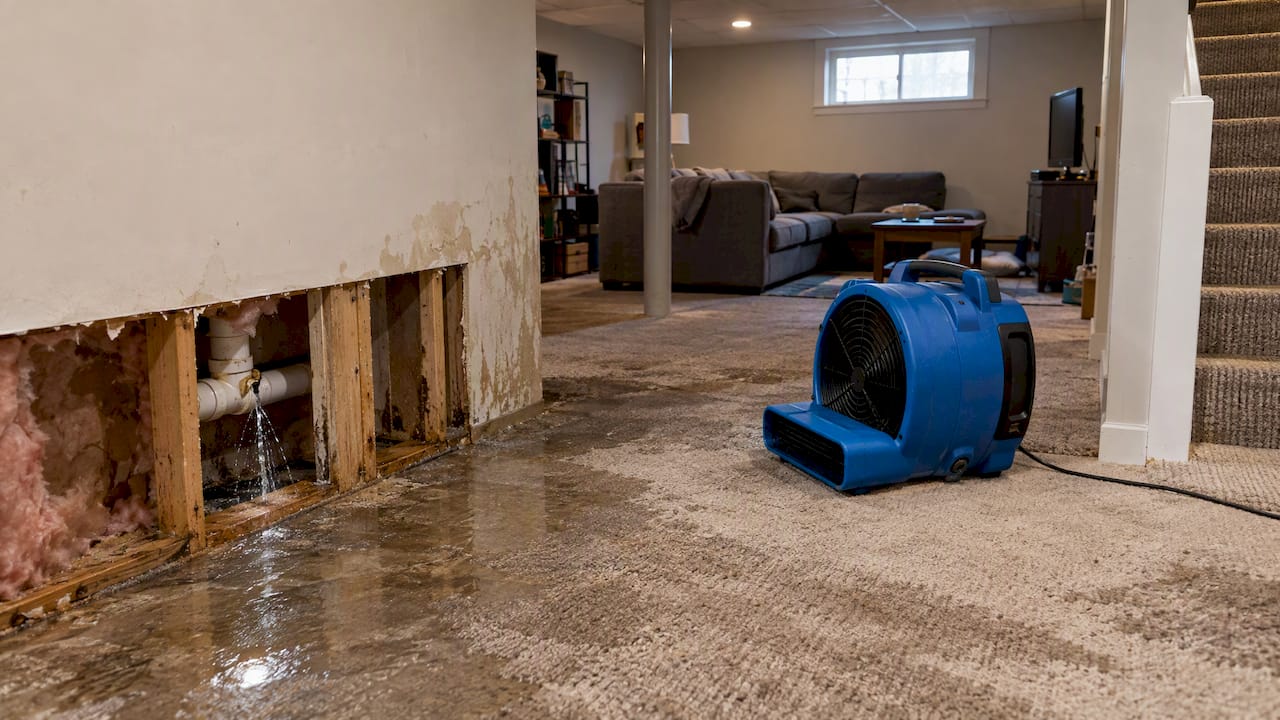
Ice dam insurance coverage usually kicks in once water actually gets inside your home. When melting snow backs up under your shingles and drips into the attic or through a ceiling, most standard homeowner policies cover the resulting interior damage, including structural repairs and damaged personal belongings.
Coverage generally breaks into three buckets:
- Dwelling coverage pays for structural repairs, drywall, flooring, and framing damaged by water intrusion under the roofline.
- Personal property coverage reimburses damaged belongings, furniture, electronics, stored items, though most policies cap payouts at sublimits for categories like jewelry or electronics.
- Additional living expenses (ALE) covers hotel stays and meals if the damage makes part of your home unlivable while repairs happen.
The actual check you receive depends heavily on the fine print. A policy with replacement-cost coverage pays what it costs to replace damaged materials today; one with actual-cash-value coverage subtracts depreciation first, which can shrink a payout significantly on an older roof or ceiling. Your deductible comes off the top regardless. Pro Tip: Pull your policy declarations page before winter hits. Knowing your deductible and whether you have replacement-cost coverage takes the guesswork out of a stressful moment.
Common Exclusions That Get Ice Dam Claims Denied
Insurers deny or shrink ice-dam claims for a handful of predictable reasons, and most of them trace back to one word: maintenance. Damage tied to inadequate insulation, blocked attic vents, or long-neglected roofing is typically excluded because insurers view it as a preventable condition, not a sudden accident.
Watch for these red flags in your claim:
- Gradual damage exclusions: water that seeped in slowly over weeks looks very different to an adjuster than a sudden backup after a thaw.
- Removal cost denials: paying a contractor to chip an ice dam off your roof before it causes damage is almost always your expense, not the insurer’s.
- Combined-cause clauses: if both a covered peril and an excluded maintenance issue contributed, insurers may prorate the payout.
- Matching-materials disputes: insurers sometimes argue they only owe for the damaged section of roof or flooring, not a full matching replacement.
Pro Tip: If your attic lacks proper insulation or ventilation, get that assessed in the off season. It’s cheaper to fix a ventilation gap in July than to argue with an adjuster in January. Learn more about why ice dams form in the first place and what actually stops them.
Your Claim-Filing Checklist After Ice Dam Water Damage
Insurance for roof ice dams gets approved or denied largely on paperwork. Here’s the order that protects you best:
- Photograph and video everything first. Timestamp every shot of ceiling stains, wet insulation, and standing water before you move a single item or start cleanup.
- Call your insurer promptly. Report the loss the same day if possible, and request a full copy of your policy along with any relevant endorsements.
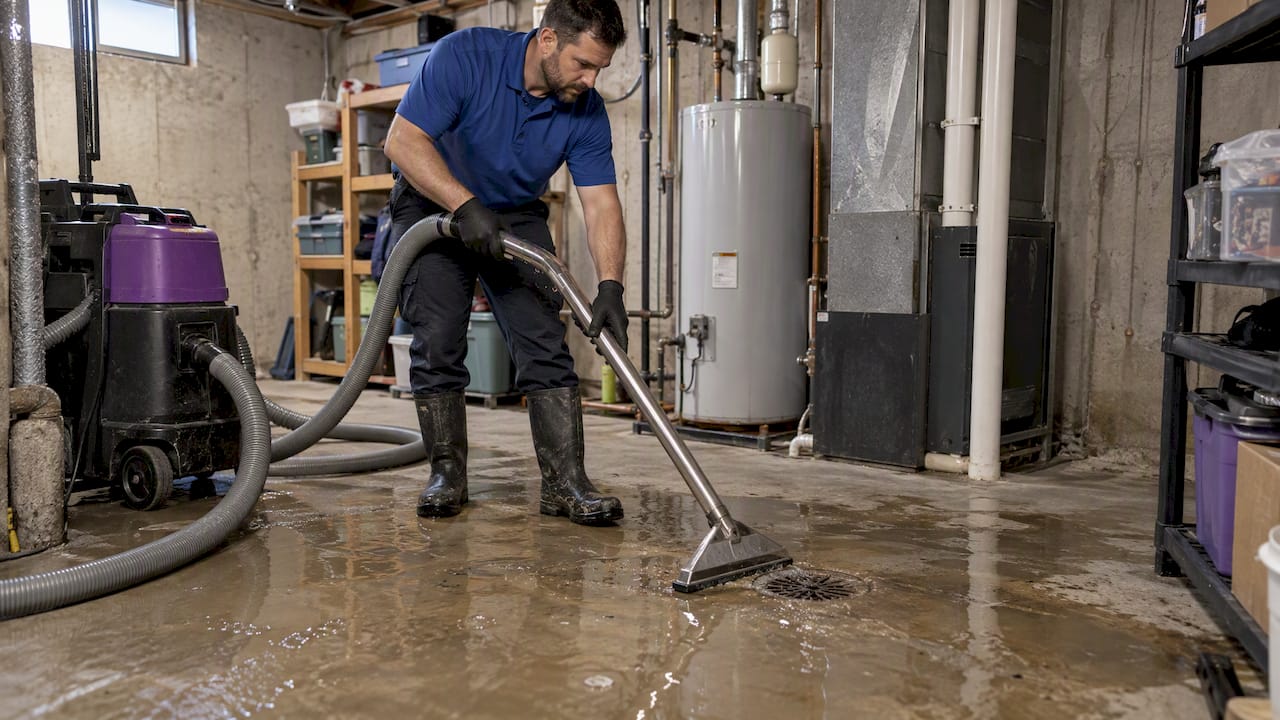
- Do reasonable emergency mitigation. Tarps, buckets, a wet/dry vac, or a professional dry-out crew all count. Keep every receipt.
- Get independent repair estimates. Don’t rely solely on the insurer’s number.
- Be present for the adjuster’s visit. Walk the damage with them and point out anything they might miss.
- Log every phone call and email. Note dates, names, and what was said.
A few extra habits pay off later:
- Keep mitigation invoices separate from repair invoices; insurers review them differently.
- Save moisture-reading reports from any restoration contractor.
- Store everything in one folder, digital or physical, from day one.
For a printable version of this process, Thecleangenius put together a full water damage insurance claim checklist worth keeping on hand before winter arrives.
Why Fast Mitigation Protects Both Your Home and Your Claim
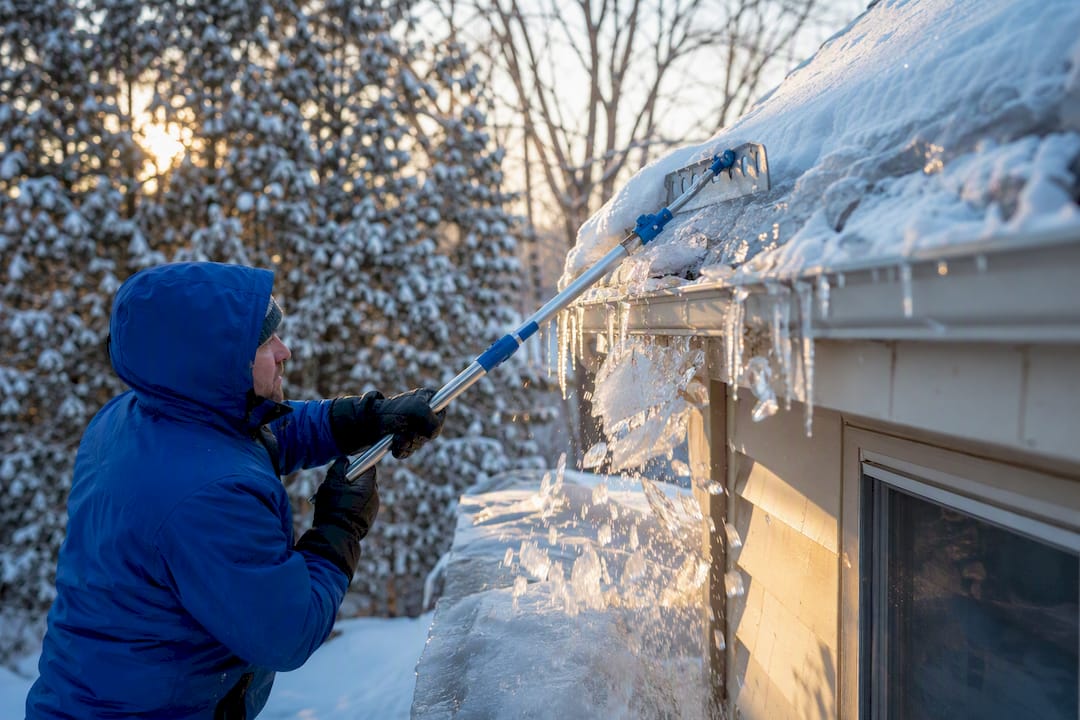
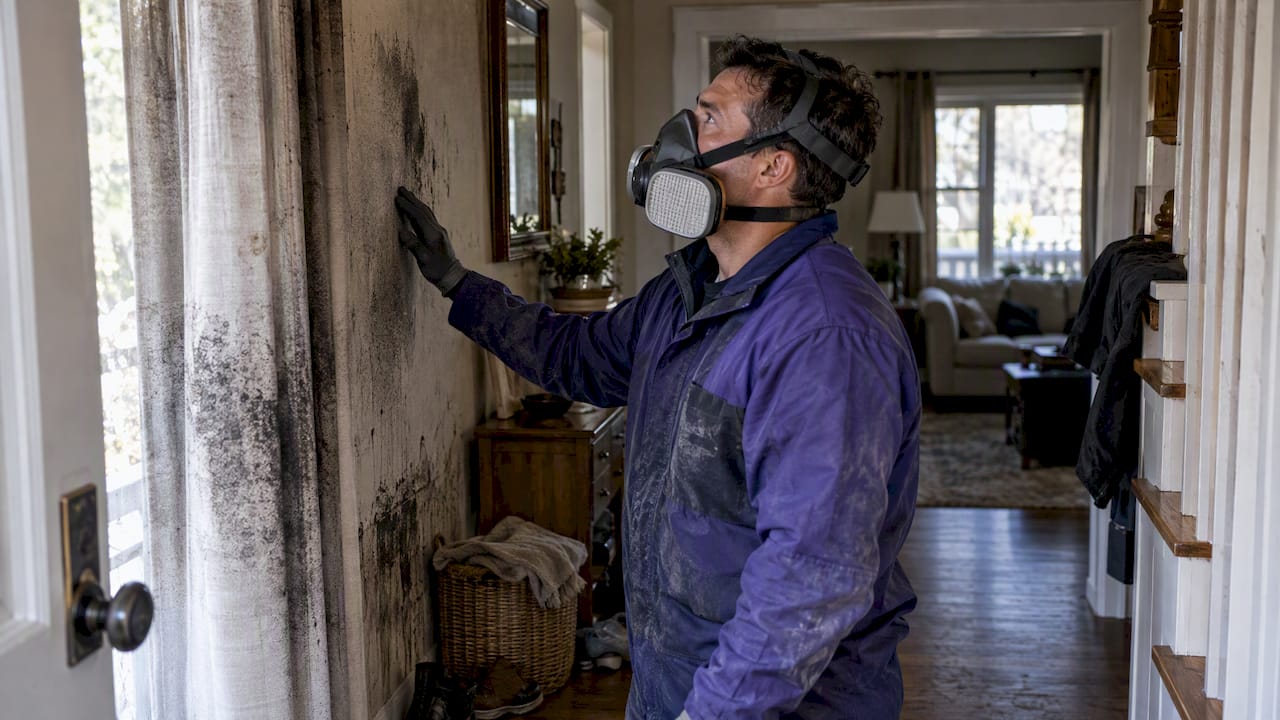
Nearly every standard policy requires you to take reasonable steps to prevent further damage once a loss occurs. Skipping mitigation, leaving standing water for days, ignoring a leak, can jeopardize coverage for secondary losses like mold, even when the original ice-dam damage would have been covered.
Professional restoration accomplishes two things at once: it limits how bad the damage gets, and it creates the paper trail your insurer wants to see. That typically includes:
- Water extraction and structural drying with commercial-grade equipment
- Temporary roof coverings to stop additional intrusion
- Mold-prevention treatment in wet insulation and framing
- Detailed documentation: moisture readings, drying logs, and photos
Thecleangenius has handled water damage restoration across Chicagoland for more than 25 years combined experience, earning over 400 five-star reviews along the way. Our crews work directly with homeowner insurance companies and respond 24/7, because the first few hours after an ice dam breaks through a ceiling often decide how the whole claim goes.
Contractor invoices and moisture logs aren’t just billing records. They’re evidence that you met your obligation to mitigate, which matters if your insurer questions a mold claim that shows up weeks later.
When to File a Claim vs. Pay Out of Pocket
Not every ice-dam repair belongs on an insurance claim. Weigh the repair estimate against your deductible first: if the damage barely clears your deductible, filing can trigger a premium increase that costs more over time than paying out of pocket.
File when the numbers favor it:
- Major structural damage to ceilings, walls, or framing
- Significant personal property losses
- Situations requiring ALE because part of the home is unlivable
A public adjuster can help negotiate larger claims, though they typically take a percentage of the payout as a fee, so that route makes more sense for bigger losses than minor ones. And don’t wait on FEMA: federal disaster assistance only becomes available after a presidential disaster declaration, which an isolated ice-dam event on your street almost never triggers. Report promptly either way. Delayed reporting can complicate your rights under the policy even if you ultimately decide not to pursue the claim.
A note from Jim at Thecleangenius
The biggest mistake I see is homeowners waiting a day or two before calling anyone, hoping the leak stops on its own. It rarely does, and that delay is exactly what insurers point to when they deny a mold claim later. Document first, mitigate fast, and let a restoration crew handle the paper trail alongside the water.
— Jim
How Thecleangenius Handles Ice Dam Water Damage and Insurance Coordination
Thecleangenius is the call Chicagoland homeowners make instead of tackling ceiling leaks and soaked insulation alone or waiting days for a generalist contractor. The difference is speed paired with insurance fluency: our crews arrive fast, document the loss the way adjusters expect, and work directly with your insurer so you’re not translating claims language on your own at midnight.

Our teams handle water extraction, structural drying, and mold prevention using professional-grade equipment, plus attic insulation repair when ice dams expose gaps in your roof’s protection. Every step gets logged with photos and moisture readings your insurer can use to process the claim. Serving Arlington Heights, Naperville, Schaumburg, Elgin, and towns throughout Chicagoland, we’re available 24/7 because ice-dam leaks don’t wait for business hours.
If water is already coming through your ceiling, get help now through our water damage restoration service and let our team start mitigation and documentation the same day.
Sources
- Progressive — Does ice damage to my home count as covered loss?
- Liberty Mutual — Does home insurance cover snow damage?
- Policygenius — Does homeowners insurance cover ice dam damage?
- LegalClarity — Does insurance cover ice dams and related damage?