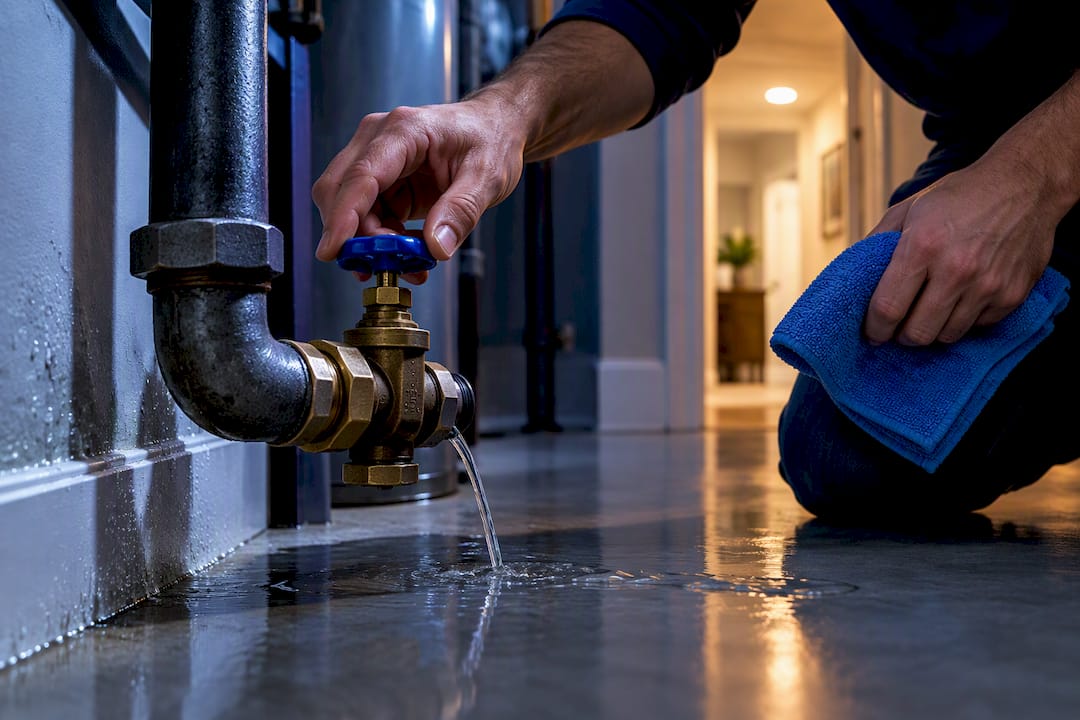

The fastest way to stop a home water emergency is to close your main shut off valve, which is usually located wherever the water service enters your house. If a pipe is actively flooding a room, go there now and turn it off. If electrical equipment is wet or you cannot reach the valve safely, prioritize your safety and call your water utility to shut off service at the meter.
TL;DR:
- The main water shutoff valve is typically located near the water meter or where the service line enters your house, with common spots including the basement, crawlspace, or garage.
- Ball valves are the fastest type to turn off in an emergency, requiring a quarter turn, while gate valves may need multiple turns and can corrode over time.
- Shutting off the main valve quickly is crucial, but it is equally important to start drying and mitigation within 24 to 48 hours to prevent mold and structural damage.
- Utility crew shutoff valves are often difficult for homeowners to operate and should be handled by professionals during severe leaks or contamination.
- Regularly testing and maintaining your shutoff valves, tagging their locations, and keeping emergency tools accessible can drastically improve response time during a water emergency.
Table of Contents
- Where to find your main water shutoff valve
- Reading the valve: ball, gate, and fixture types
- Your emergency shutoff checklist in order
- When to shut off water at the street or meter
- Watch for electrical, gas, and contamination hazards
- What to do right after the water is off
- Keeping your shutoff ready before you need it
- Why fast shutoff changes the outcome
- What homeowners get wrong about shutting off water
- When it’s time to call in a restoration team
- Where to confirm safety and preparedness details
- Sources
- FAQ
Where to find your main water shutoff valve
The valve’s location depends on how your home was built. Start with the most common spots for your house type, then trace the pipe if you do not see it right away.
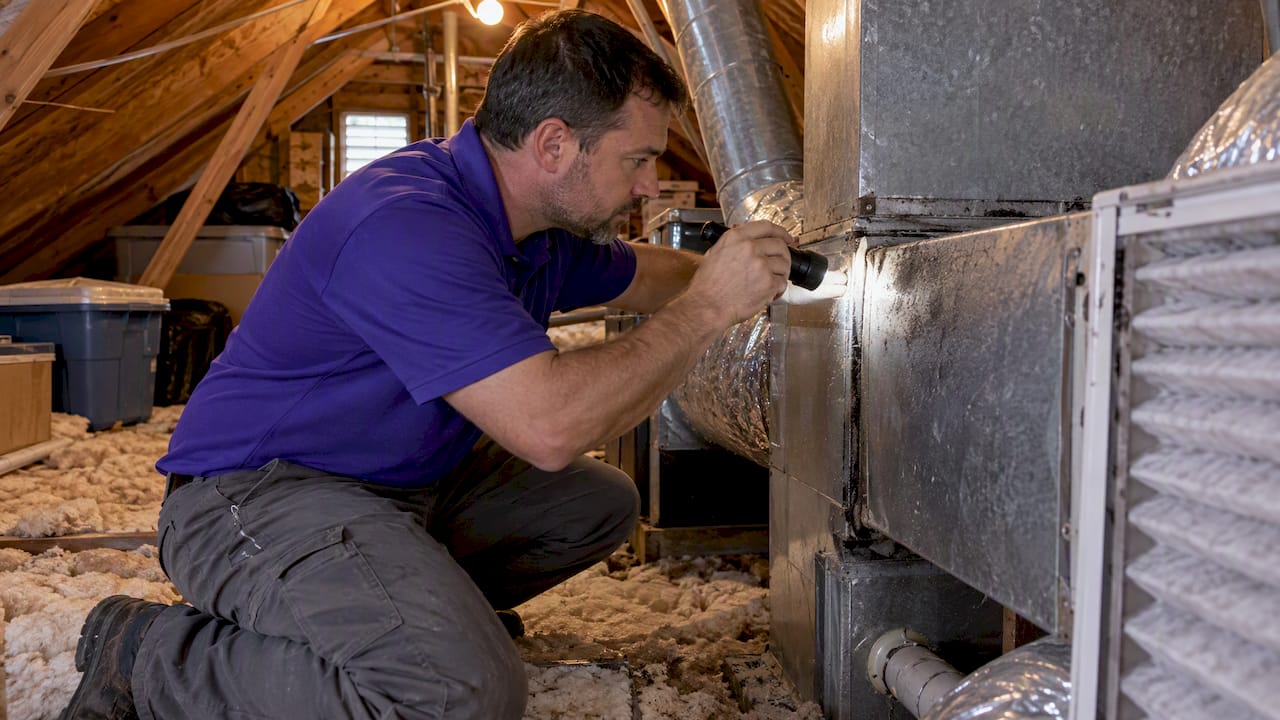
- In basements, check where the main line enters through the foundation wall, often near the water heater or front of the house.
- In crawlspace homes, look near the foundation wall closest to the street.
- In slab homes, check the garage, a utility closet, or an exterior wall near the water meter.
- For homes with an outside meter, follow the pipe from the meter box toward the house to find the interior valve.
The water meter and any pressure regulator on the incoming line are useful landmarks. Locate your main shutoff near the water meter or wherever the service pipe first enters the structure, since that is where builders typically install the isolation valve. It also helps to know where individual fixture shutoffs are, under sinks and behind toilets, since closing one of these can stop a leak without cutting water to the whole house.
Reading the valve: ball, gate, and fixture types
Not all shutoff valves work the same way, and using the wrong technique wastes time in an emergency.
- Ball valves have a lever handle: turn it a quarter turn until it sits perpendicular to the pipe to close it.
- Gate valves have a round wheel handle and need several clockwise turns to fully seat.
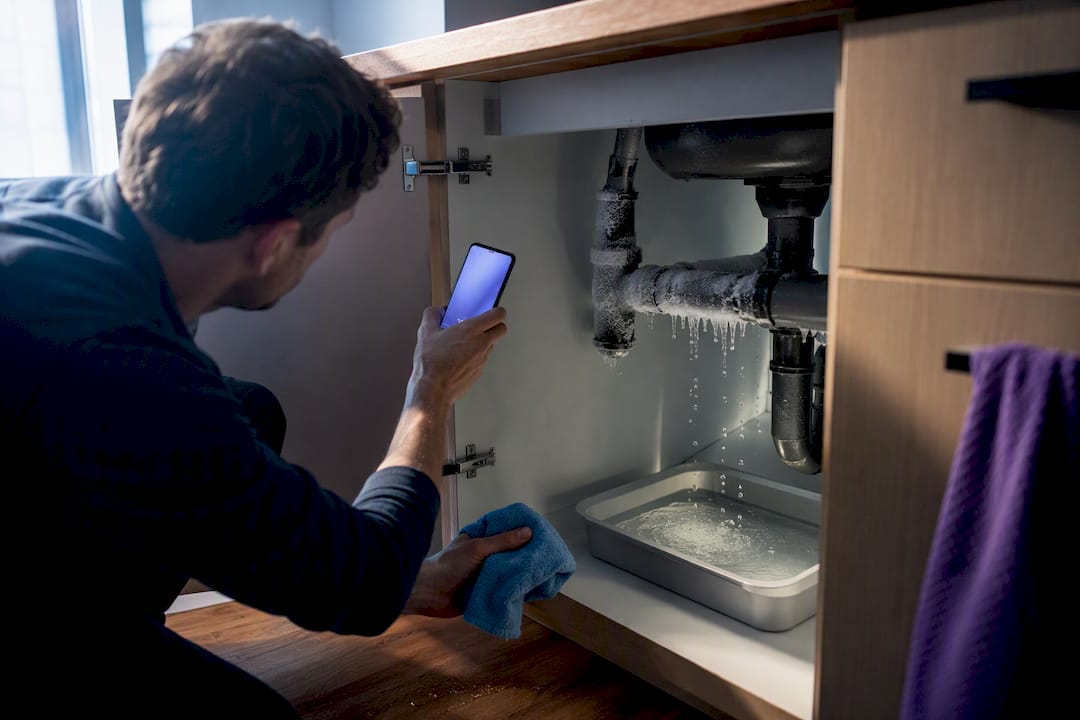
- Fixture stops under sinks and toilets are usually small ball or gate valves that shut off water to one appliance only.
Ball valves are the quickest option in an emergency because one motion closes them completely. Gate valves, especially older ones, can corrode internally and become slow or stuck.
Pro Tip: If a valve does not budge with firm hand pressure, stop. Forcing a corroded gate valve can snap the stem, and a plumber should be called before you make the leak worse.
Your emergency shutoff checklist in order
When water is running where it shouldn’t, work through these steps in sequence rather than reacting to the first thing you see.
- Close the main shutoff valve, or the nearest fixture shutoff if that stops the specific leak.
- Check for electrical hazards before touching anything else, and never operate breakers while standing in water.
- Contain the water with towels or buckets, move valuables to higher ground, and open a low drain or faucet to relieve pressure in the pipes.
- Call a plumber, your water utility, or a restoration company depending on the scale and whether contamination is involved, and start documenting what happened.
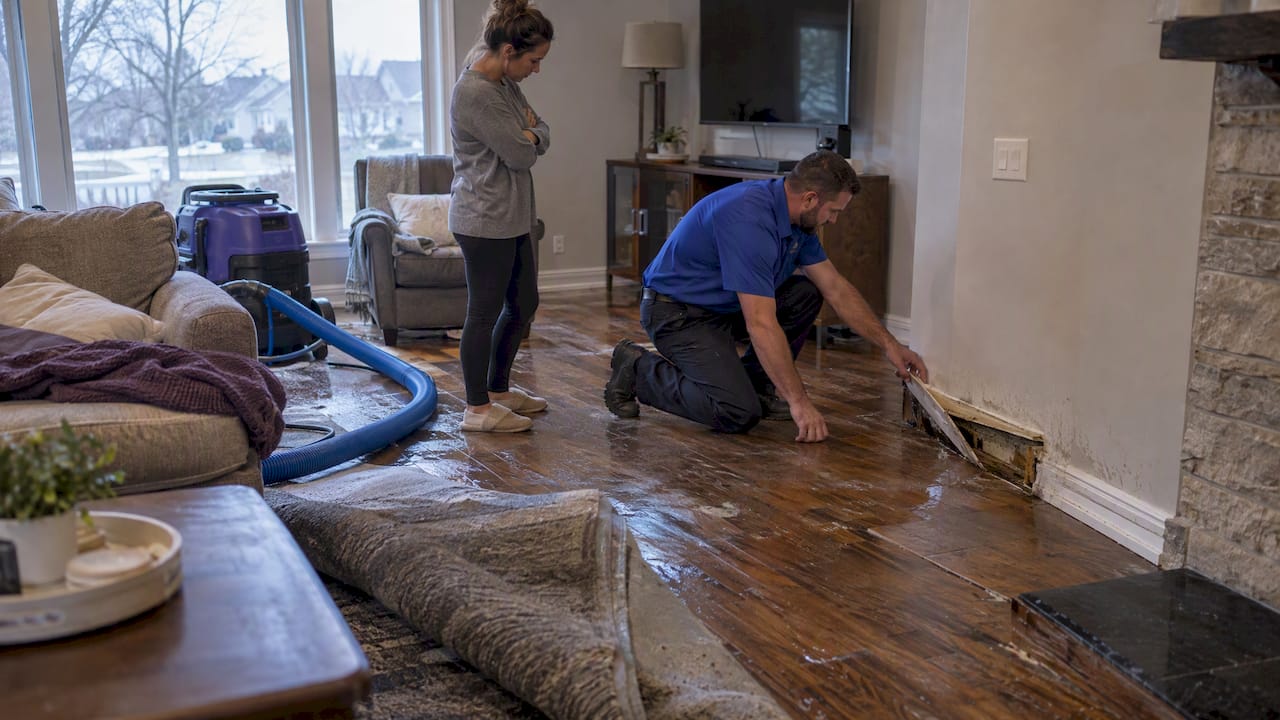
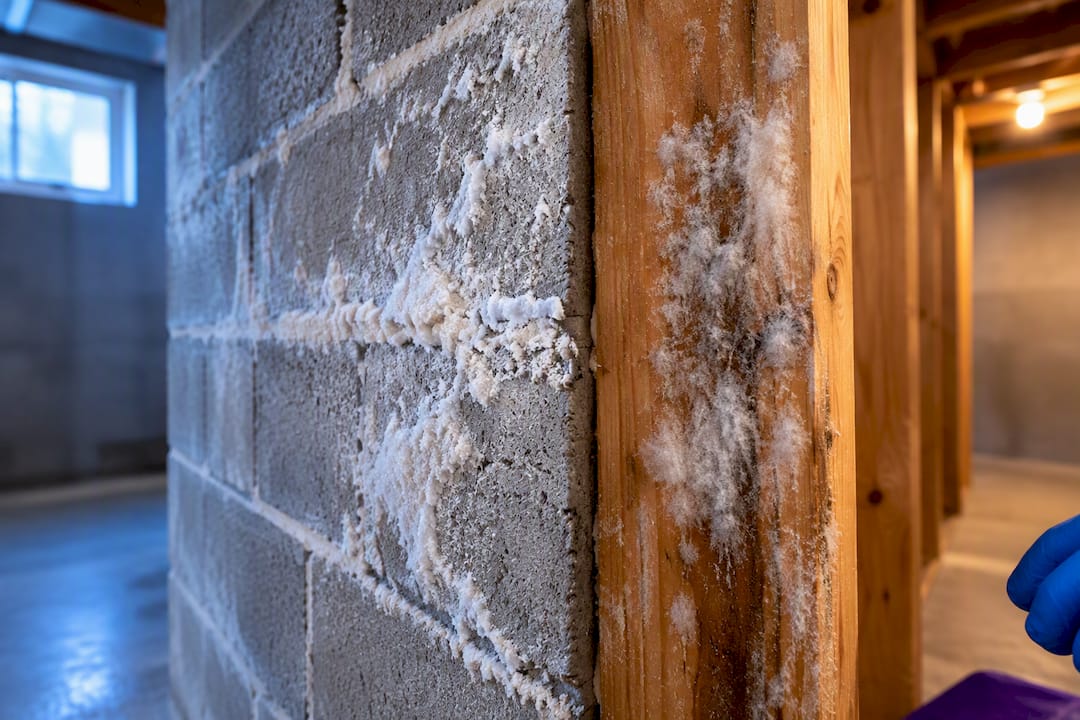
Restoration professionals note that mitigation started within 24 to 48 hours of a leak sharply lowers the odds of mold growth and structural damage taking hold. Every hour standing water sits, it spreads further into flooring, drywall, and framing.
When to shut off water at the street or meter
Meter-box valves are built for utility crews, not homeowners. They often require a meter key and enough leverage to turn against corrosion, so most water departments prefer to handle this themselves rather than have residents attempt it.
- Call your local water utility when a service line has broken between the meter and the house.
- Request utility shutoff when contamination is severe or widespread.
- Contact the utility directly if you cannot access or operate the interior main valve at all.
Keep your utility’s emergency number saved, and be ready to give your address, account number, and a short description of the problem.
Watch for electrical, gas, and contamination hazards
Water and electricity together can be lethal, and flooding often hides other dangers you will not notice until it is too late.
Do not touch electrical switches, outlets, or appliances while standing in water. If power must be shut off, do so from a dry location, and call a professional if that is not possible.
CDC guidance on electrical hazards after a disaster
If you smell gas or notice structural damage such as sagging ceilings or cracked walls, leave the house and call emergency services rather than trying to shut anything off yourself. Sewage backups and contaminated floodwater carry their own risk: avoid direct contact and call a professional restoration team rather than wading through it to reach a valve.
What to do right after the water is off
Once the flow has stopped, the next steps determine how much damage spreads and how smooth your insurance claim will be.
- Confirm the leaking fixture is actually dry, then open a low faucet or drain briefly to relieve any trapped pressure in the lines.
- Call a professional team for water extraction and drying if the flooding was significant or if sewage was involved, since standing water left too long invites mold.
- Take photos of the damage, log the time you shut off the water and who you called, and keep receipts for any emergency purchases or mitigation expenses for your insurance claim.
A burst pipe that gets fast attention after shutoff typically causes far less secondary damage than one left to soak overnight.
Keeping your shutoff ready before you need it
A valve you have never tested is a valve you cannot trust in an emergency. A little upkeep now saves scrambling later.
- Tag the main valve clearly, write down its location for every household member, and test it once a year so it turns smoothly.
- Operate fixture valves periodically too, since disuse is what causes gate valves to seize.
- Consider a leak-detection shutoff device or a pressure-reducing valve, and replace washing machine and dishwasher hoses every 5 to 7 years since aging hoses are a common source of appliance floods.
Pro Tip: Keep a meter key, your utility’s phone number, and a printed shutoff card taped near the valve itself, not just saved on your phone.
Why fast shutoff changes the outcome
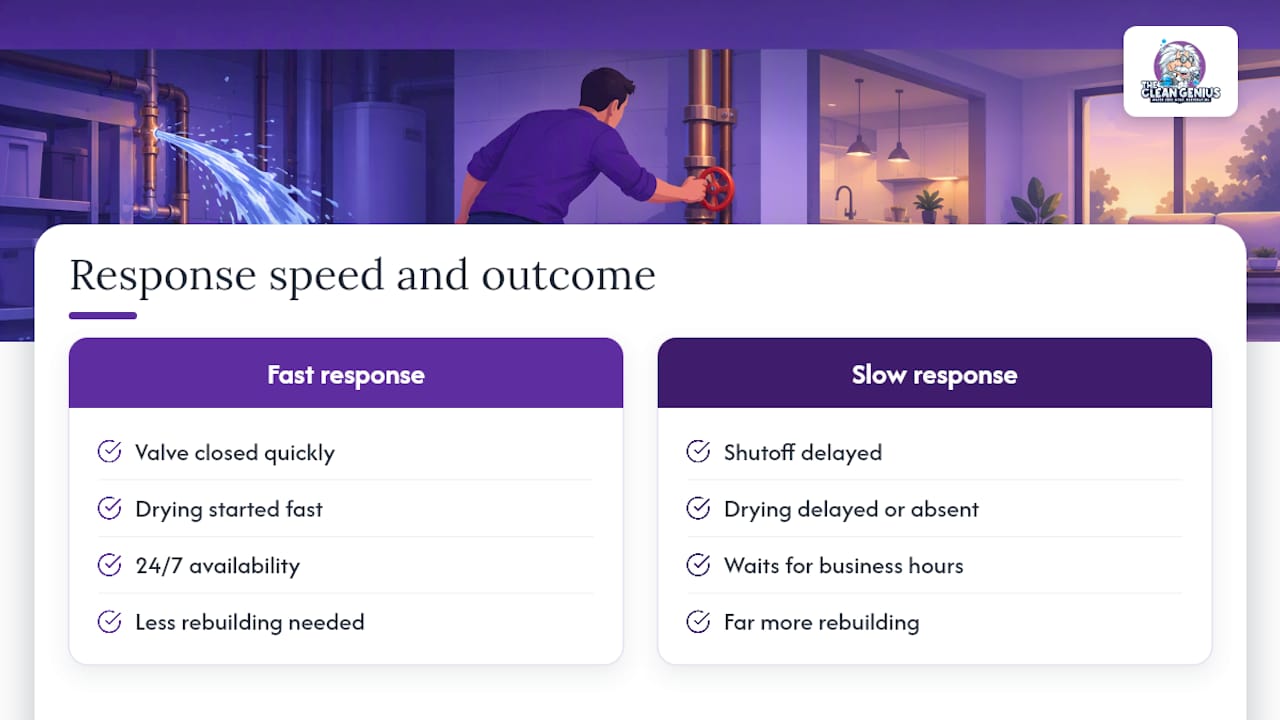
Closing the valve quickly only solves half the problem. What happens in the following hour matters just as much, because water that sits in walls and subfloor keeps causing damage even after the source is gone.
A family-owned water restoration company with extensive experience and strong customer reviews sees the same pattern repeatedly: homes where the shutoff happened fast and drying started fast come through with far less rebuilding. Being available 24/7 for emergencies matters because water damage does not wait for business hours.
What homeowners get wrong about shutting off water
Most advice on this topic stops at “find the valve,” as if locating it once is the job done. It isn’t. The bigger failure point is that homeowners find the valve for the first time during the emergency itself, fumbling with a corroded gate valve while water is already climbing the baseboards.
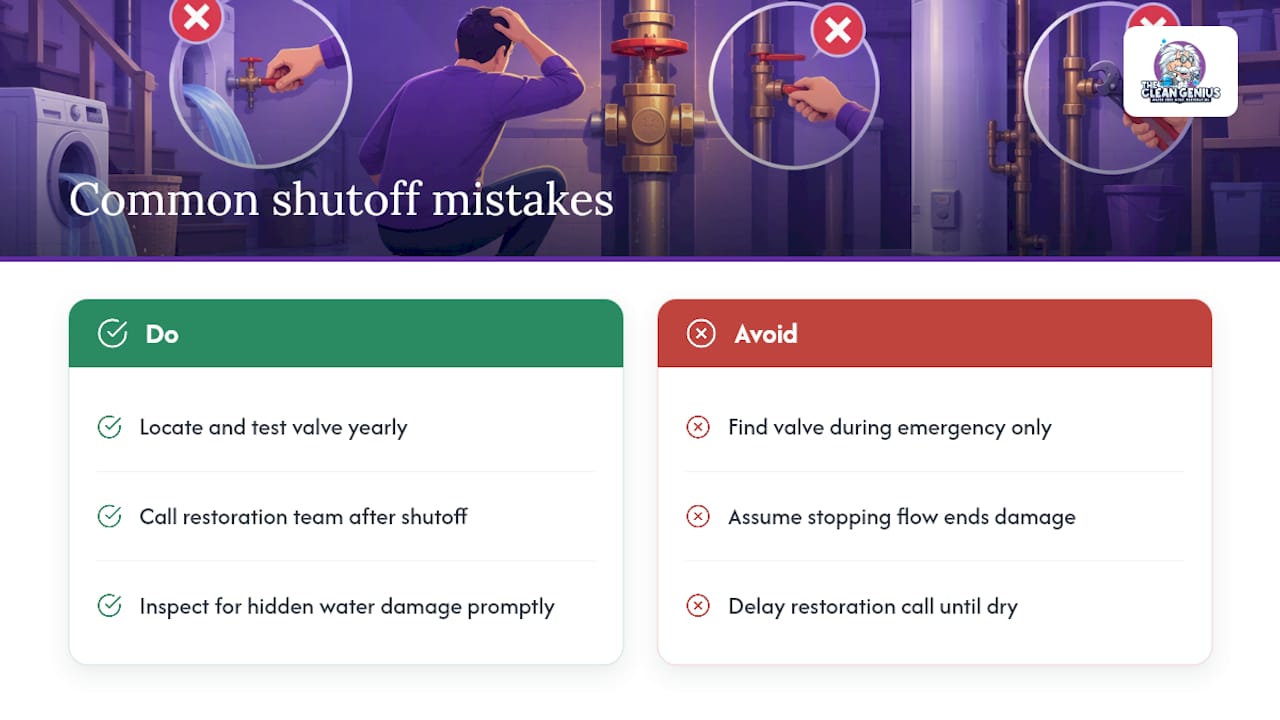
The conventional wisdom also underrates the minutes right after shutoff. Stopping the flow feels like the crisis is over, but water that has already reached subfloor or drywall keeps causing damage on its own timeline. Readers should treat the valve test as a yearly habit, not a one-time fact to memorize, and treat the call to a restoration team as part of the emergency response, not an afterthought once things have dried out on their own.
Prioritize testing your valve today over reading another article about it tomorrow.
— Jim
When it’s time to call in a restoration team

Shutting off the water only stops the source. If a burst pipe, sewage backup, or major flooding has already soaked flooring, drywall, or insulation, drying it out correctly is a different job than turning a valve.
- Call for standing water, contaminated water, or flooding across more than a small area.
- Call when you cannot safely reach or operate the shutoff yourself.
- Call when you need help coordinating directly with your insurance company on the claim.
Professional water damage restoration, burst pipe response, mold remediation, and direct insurance coordination services are available across Chicagoland. Visit the water damage restoration page to get help on-site fast.
Where to confirm safety and preparedness details
- CDC electrical hazard guidance for flood and storm situations.
- Your local water utility’s emergency line and preparedness page.
Sources
- Protect yourself from electrical hazards after a disaster | CDC
- Guide for locating water leaks | Town of Uxbridge
FAQ
What does an emergency water shut off mean?
An emergency water shut off means closing the valve that controls water flow into your home, usually the main valve near where the service line enters the house. It stops flooding at the source rather than at the fixture that is leaking.
What do I do if I suddenly have no water?
Check whether the main shutoff valve was accidentally closed or partially turned, since a nudged handle can cut supply without warning. If the valve is open and water still is not flowing, contact your water utility, since the issue may be a service-line break outside your control.
How to find an emergency water shut off valve?
Start where the main pipe enters your home: basements, crawlspaces, garages, or near an exterior meter. Municipal guides recommend locating this valve near the meter and testing it periodically so it turns easily when you need it.
Why is my house water shut off, but the water is still running?
If the main valve is closed but water keeps running, the leak is likely between the shutoff and the fixture, or a fixture valve elsewhere in the house is still open. Check individual fixture stops under sinks and behind toilets, since one of those may need closing separately from the main.