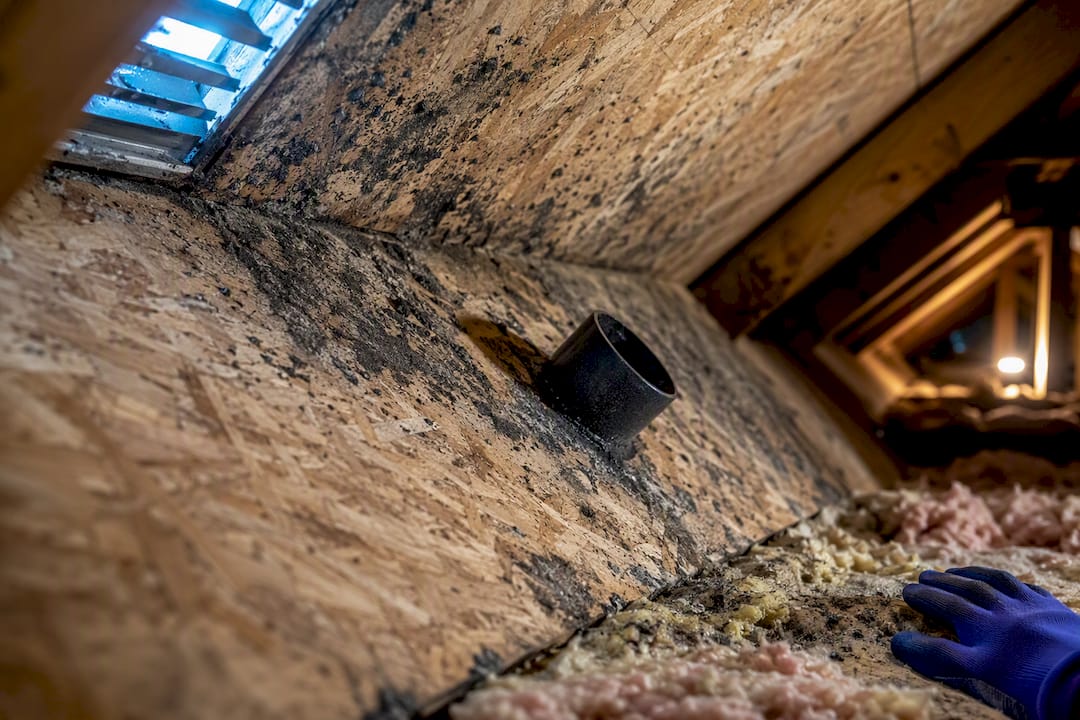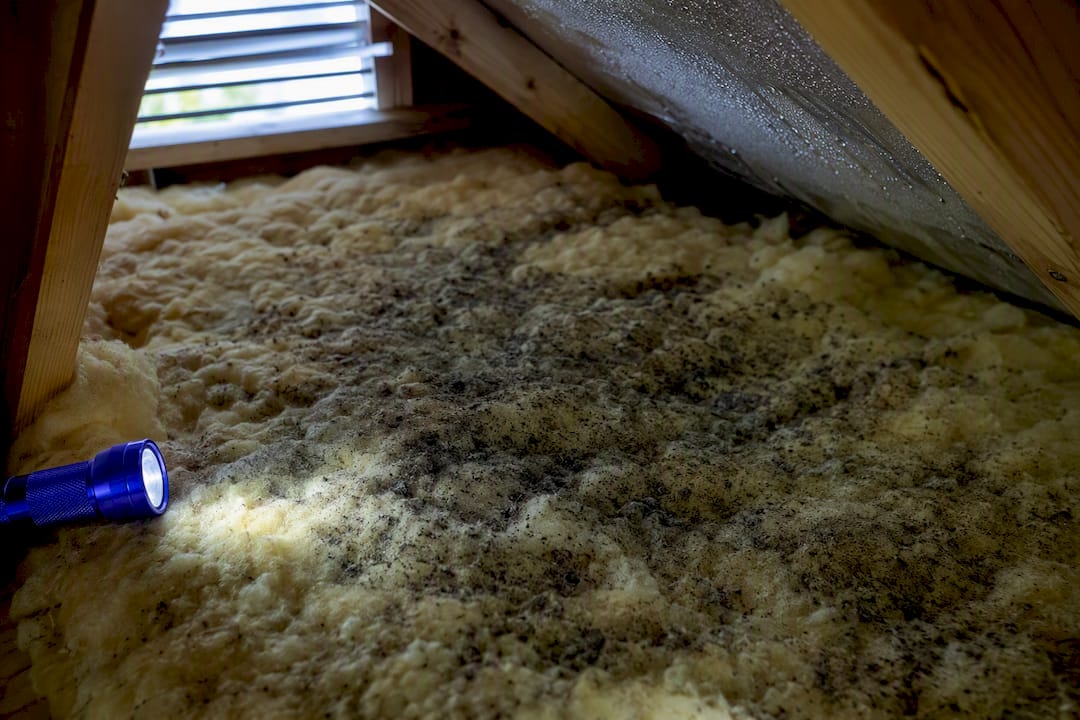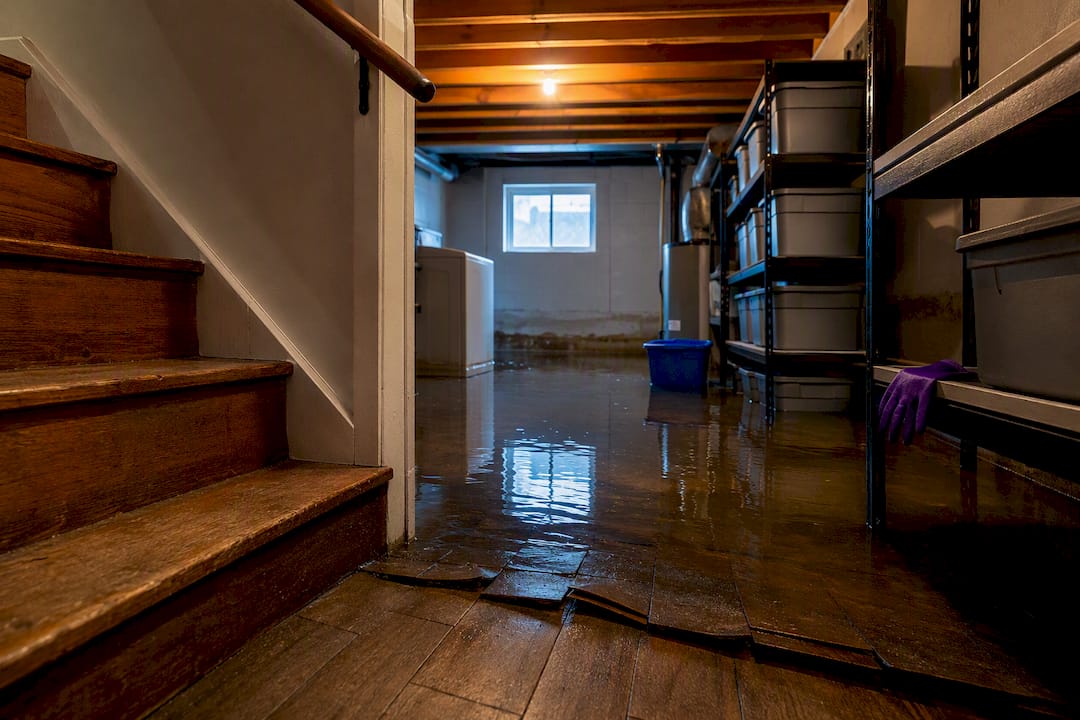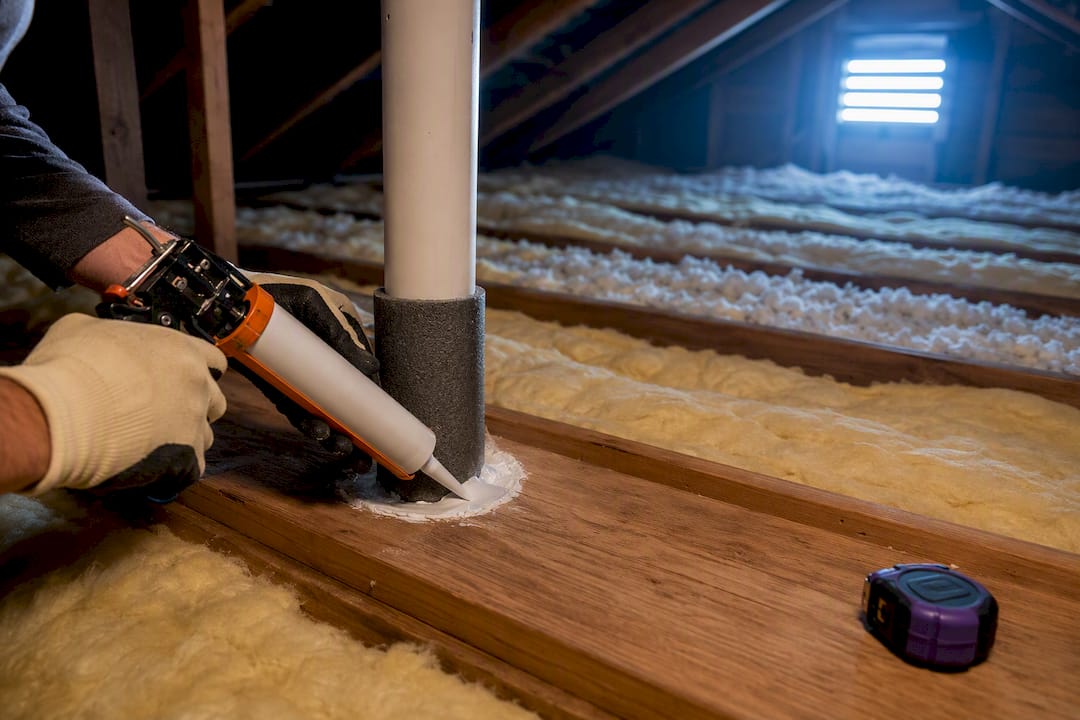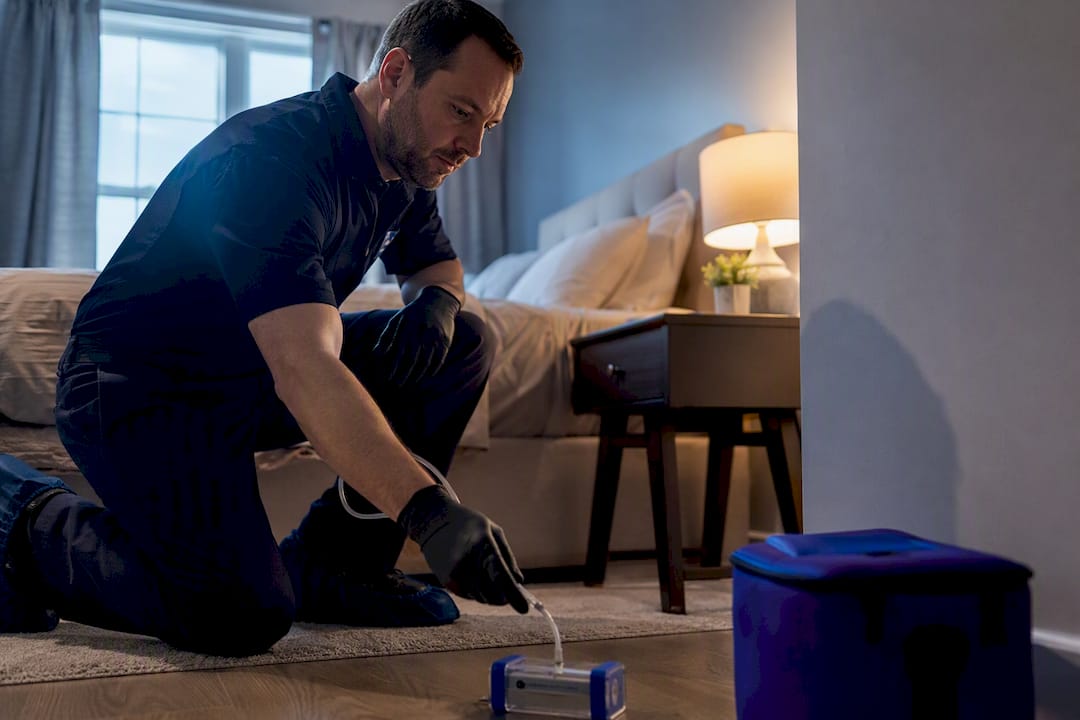

Post remediation verification confirms whether mold or contaminant cleanup actually worked, using an inspection and lab testing done by someone with no financial stake in the job. You should insist on it whenever remediation involves significant mold, an insurance claim, a home sale, or tenant occupancy. The deliverable that matters is a signed, written clearance report backed by lab results and moisture logs, not a verbal “you’re good.”
TL;DR:
- Independent verification is crucial to confirm that mold removal was successful and is performed by a qualified, no-stake professional with recognized credentials.
- Post remediation assessment must include visual inspection, moisture verification, and multiple sampling methods, all conducted by an accredited lab and layered to prevent false passes.
- Testing should occur at least 24 to 48 hours after remediation, with building dust testing delayed six weeks or more to accurately assess ongoing fungal ecology.
- A valid clearance report requires detailed lab data, moisture logs, photos, and a signed interpretation from an independent IEP, not just a verbal assurance or contractor self-report.
- Homeowners should establish all verification criteria and documentation requirements in the remediation contract before work begins to ensure a transparent, accountable process.
Table of Contents
- What Is Post Remediation Verification, and Why Does Independence Matter?
- Who Should Perform PRV: Picking a Qualified IEP
- What a Post Remediation Assessment Actually Covers
- Timing and Setup: Why Testing Too Soon Produces False Passes
- How to Read Results and What Paperwork You Should Walk Away With
- Your Pre-Work Checklist Before Remediation Even Starts
- How The Clean Genius Prepares a Property for Independent Verification
- Why Independent Verification Is the Part Homeowners Skip at Their Own Risk
- Ready to Prepare Your Property for a Clean Bill of Health?
- Primary Sources and Industry Guidance
- Sources
- FAQ
What Is Post Remediation Verification, and Why Does Independence Matter?
Post remediation verification, often called clearance testing, checks whether a cleanup job hit a defined finish line rather than just looking finished. The IICRC S520 standard for professional mold remediation calls for this verification to be handled by an Indoor Environmental Professional, or IEP, and defines the target outcome as a return to “Condition 1,” meaning normal, background-level fungal ecology for that type of building.
A contractor telling you the job is done is not the same as someone with no stake in the outcome confirming it in writing. That distinction is the whole reason the verification step exists.
- The remediation contractor’s job ends at removing contamination and correcting the moisture source.
- The verification step exists to check whether that removal actually worked.
- Independence matters because a contractor grading their own work has an obvious incentive to call it a pass.
Who Should Perform PRV: Picking a Qualified IEP
The person who signs your clearance report should be a separate Indoor Environmental Professional, someone with no billing relationship to the company that did the remediation work. That separation is what makes the report worth anything to an insurer, a buyer’s inspector, or a judge if things ever go sideways.
Before you hire an IEP, ask a few pointed questions:
- Do they hold recognized environmental inspection credentials and have documented experience applying IICRC S520 clearance criteria?
- Which accredited laboratory do they use, and can they explain how that lab reports results?
- Do they have any financial relationship, referral fee, or repeat-business arrangement with your remediation contractor?
Pro Tip: Ask the remediation company for two or three IEP names they’ve worked with before, then call each IEP directly and ask how they were paid on those jobs. If the answer is anything other than “the homeowner or the insurance company,” keep looking.
What a Post Remediation Assessment Actually Covers
A real post remediation assessment layers three types of evidence, not just one air sample. Skipping any layer is how properties get a false pass.
- Visual inspection. The IEP checks that containment barriers are still intact, no visible mold or moisture-damaged material remains, surfaces are free of dust and debris, and there’s no musty odor lingering in the space.
- Moisture verification. They take meter readings on framing and subfloor, review drying logs from the restoration crew, and confirm the actual water source, whether a roof leak or a plumbing failure, has been fixed, not just dried around.
- Sampling, matched to the situation. Air spore traps compare indoor counts against an outdoor baseline, surface or tape lift samples catch residual growth on materials, and building-level dust testing using MSqPCR analysis paired with HERTSMI-2 scoring assesses longer-term fungal ecology across the whole structure.
Every sample needs to go to an accredited laboratory. A visual inspection alone can miss hidden growth behind materials, and air sampling by itself is notoriously variable, so the combination is what actually protects you.
Timing and Setup: Why Testing Too Soon Produces False Passes
Test too early, and you’ll get a result that looks clean but means nothing. The recommended window for initial clearance testing is 24 to 48 hours after remediation work finishes, with 48 hours preferred because it gives disturbed dust and spores time to settle back to a stable baseline. Building-level dust sampling for MSqPCR analysis should wait even longer, generally six weeks or more, since that test is measuring the structure’s ongoing fungal ecology rather than a snapshot right after cleanup.
Containment barriers need to stay up and sealed until the passing report is in hand. Don’t run the HVAC system during the pre-test stabilization period, and don’t bring in air scrubbers, vacuum the space, or fog it with any product before the IEP arrives. Any of those actions can artificially clear the air of evidence the test is supposed to catch.
Three mistakes cause most failed or misleading clearances:
- Testing within hours of finishing instead of waiting out the stabilization window
- Letting the remediation contractor collect and interpret their own samples
- Tearing down containment before the written clearance report actually arrives
There’s no single federal numeric threshold mold spore counts have to clear. The EPA doesn’t set that kind of limit, so interpretation depends on comparing indoor results to outdoor baseline air, building history, and professional judgment, which is exactly why the IEP’s independence and experience carry so much weight.
How to Read Results and What Paperwork You Should Walk Away With
A passing clearance report should include the lab’s actual data sheets, not just a summary line, along with the IEP’s written interpretation explaining why the numbers support a return to Condition 1. Alongside that, you want moisture readings and drying logs, before-and-after photos of the affected areas, and a signature from the inspector taking professional responsibility for the finding.
If the site fails clearance, that’s not a disaster, it’s the system working as designed. The contractor goes back in, addresses whatever the report flagged, and the IEP retests. Whoever is contractually responsible for the original scope of work typically covers the cost of that re-clean and retest, which is exactly why nailing down that responsibility in writing before work starts matters so much.
Documentation isn’t paperwork for paperwork’s sake. Third-party clearance reports give homeowners real leverage: insurers want them to close a claim, buyers’ attorneys want them before closing, and landlords need them to prove a unit is safe for a returning tenant. Keep every one of these documents:
- Signed clearance report with lab attachments
- Moisture logs and meter readings
- Before-and-after photos
- Materials removal log
- Any contractor warranty paperwork
Your Pre-Work Checklist Before Remediation Even Starts
The best time to lock in a meaningful PRV process is before the remediation crew shows up, not after. Put these items in the contract itself.
- Name the specific endpoint (Condition 1, per IICRC S520) and the sampling plan you expect, including who performs the independent verification and which lab processes the samples.
- Spell out what happens if clearance fails: who re-cleans, on what timeline, and who eats the cost of retesting.
- List every deliverable you expect at completion, including containment documentation, photos, moisture logs, a materials removal log, and the final signed clearance report.
Pro Tip: Get the IEP’s name and contact information written into the remediation contract before work begins. Contractors are far less likely to cut corners when they know exactly who’s checking their work and that person was chosen independently.
How The Clean Genius Prepares a Property for Independent Verification
Getting a property genuinely ready for an outside inspector to sign off on takes more than finishing the visible work. Certified restoration teams handle that preparation directly, using tools like Pure Cloud dry-fog technology for mold treatment and maintaining detailed drying validation records throughout the job, since moisture correction is exactly what an IEP checks first.
Homeowners working with a restoration crew should ask for and keep the same documentation an independent inspector will want to see: dated before-and-after photos, moisture meter logs from each visit, and a written scope of work describing exactly what was removed and treated. Having that paper trail ready before the IEP arrives speeds up the whole verification process and gives the inspector a clear baseline to check against, whether that inspector works for you, your insurer, or a buyer’s team.
Why Independent Verification Is the Part Homeowners Skip at Their Own Risk
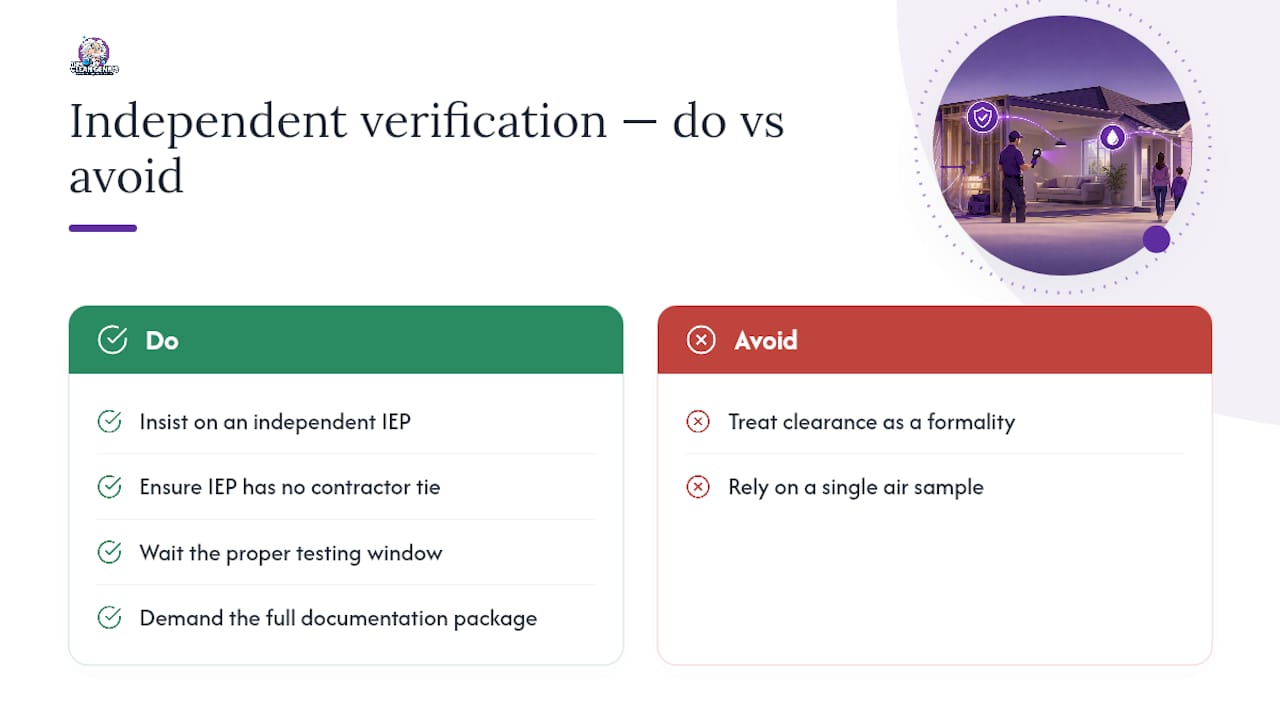
Homeowners tend to treat clearance testing as a formality, something to check off once the contractor says the job is finished. That’s backwards. The whole value of post remediation verification comes from the fact that it’s independent and moisture-focused, not from the existence of a lab report with numbers on it.
A single air sample can pass while a slow leak keeps feeding growth behind a wall. Insisting on an IEP with no financial tie to your contractor, waiting out the proper testing window, and demanding the full documentation package isn’t excess caution. It’s the difference between hoping the work held and being able to prove it did.
— Jim
Ready to Prepare Your Property for a Clean Bill of Health?
If you’re dealing with active mold growth or the aftermath of water damage in a Chicagoland home, the fastest path to a passing clearance starts with proper remediation, not a patch job followed by crossed fingers. Restoration crews with certification and specialized mold treatments provide detailed documentation at every step, so whichever independent inspector you bring in has exactly what they need to verify the work.

Crews are available across multiple locations in the greater Chicagoland area, with scheduling that can accommodate your independent verification timeline rather than rushing you past it. If you’re staring at visible mold, a lingering musty smell, or the aftermath of a burst pipe, get a mold removal and remediation assessment scheduled now, and ask our team directly about the documentation package we’ll hand you for your inspector.
Primary Sources and Industry Guidance
- IICRC S520 clearance guidance — the core standard behind PRV and Condition 1
- Two-phase PRV protocol using MSqPCR and HERTSMI-2
- Mold clearance inspection and testing limits
- Why third-party clearance testing matters
Sources
- Mold Remediation Checklist: Before, During & After — RestoreAdvisor
- Mold clearance inspections & testing — InspectApedia
- Post Remediation Verification (PRV): Clearance Protocol — AirWell
- Why Third-Party Clearance Testing Matters After Mold Remediation — TrueSight Environmental
FAQ
Is Mold Remediation a Rip-Off?
Legitimate remediation is not a rip-off when it’s backed by an independent clearance report. The scams happen when a contractor skips verification entirely or self-certifies their own work, which is exactly why you should require a separate IEP and written documentation before paying the final invoice.
How Long Does the Remediation Verification Process Take?
Initial clearance testing typically happens 24 to 48 hours after remediation work finishes, with results back within a few days. If the situation calls for building-level dust testing with MSqPCR analysis, it usually involves a longer waiting period to allow for dust re-accumulation, commonly several weeks after remediation before that second round happens.
Should You Test After Mold Remediation?
Yes, testing after mold remediation is the only way to confirm the work actually returned the space to Condition 1 rather than just looking clean. Skipping this step leaves you with no documentation for insurance, resale, or tenant safety if problems resurface later.
Do Mold Remediation Companies Need to Be Licensed?
Licensing and certification requirements for mold remediation vary by state and locality, so check your specific jurisdiction’s rules before hiring. Regardless of licensing status, the company performing the remediation should never be the same party performing your independent post remediation verification.