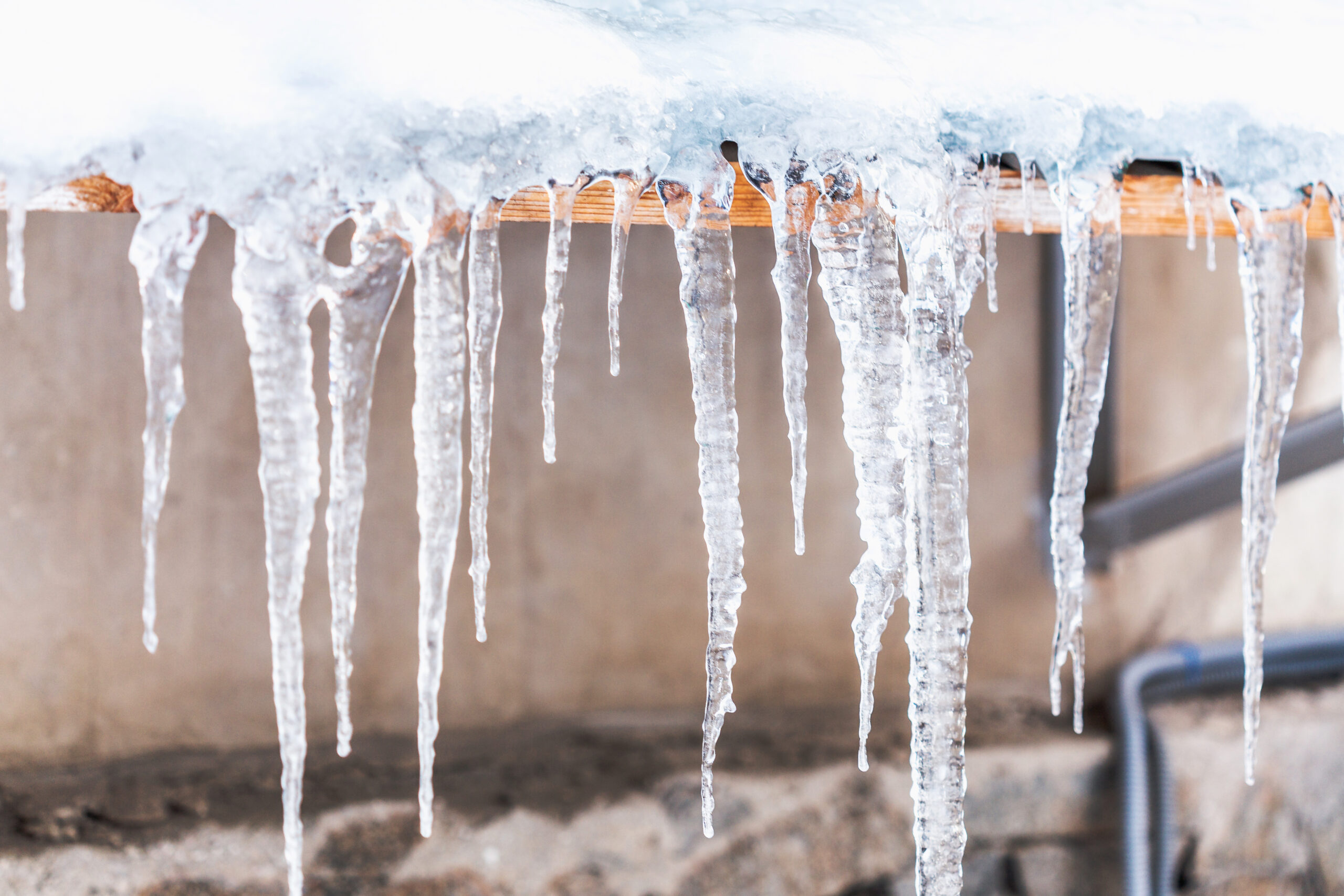

Winter in Chicagoland is beautiful—until a frozen pipe bursts and floods your home at 2 AM. With temperatures regularly dropping below freezing from November through March, Chicago-area homeowners face a serious risk of frozen pipes and the devastating water damage that follows.
The good news? Most winter water damage is completely preventable with the right preparation. As a family-owned restoration company that's helped hundreds of Chicagoland homeowners recover from winter emergencies, we've seen it all—and we know exactly what works to protect your home.
Let's walk through the essential steps to winterize your home and avoid becoming another frozen pipe statistic this season.
Why Frozen Pipes Are Such a Big Deal in Chicago
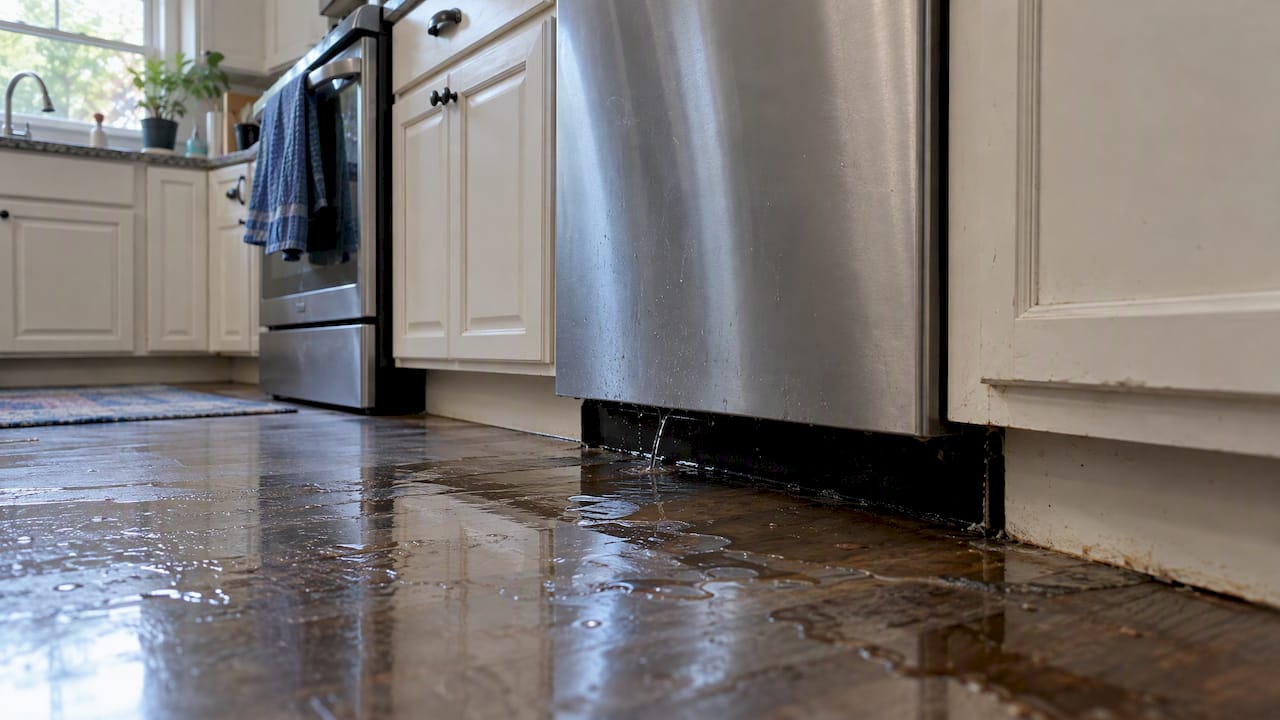
Chicago's harsh winters create perfect conditions for frozen pipes. When temperatures drop below 20°F—which happens regularly here—water inside pipes can freeze, expand, and crack or burst the pipe. When the ice melts, water floods your home, often causing thousands of dollars in damage.
Here's what makes our area particularly vulnerable:
- Extreme temperature swings: Going from 40°F to -10°F in 24 hours doesn't give pipes time to adjust
- Older housing stock: Many Chicago-area homes were built before modern insulation standards
- Pipes in vulnerable locations: Exterior walls, unheated crawl spaces, and attics are common in our region
- Extended cold snaps: Multiple days below freezing increase risk exponentially
According to insurance industry data, the average frozen pipe claim costs between $5,000 and $10,000—and that's just for water damage restoration. Add in mold remediation if the damage isn't discovered quickly, and costs can easily exceed $20,000.
The Most Vulnerable Areas in Your Home
Not all pipes are equally at risk. Focus your winterization efforts on these high-risk areas:
Exterior Walls
Pipes running through exterior walls have minimal insulation protecting them from bitter cold. Kitchen and bathroom pipes on outside walls are especially vulnerable.
Unheated Spaces
Crawl spaces, attics, garages, and basements often lack adequate heating, leaving pipes exposed to freezing temperatures.
Outdoor Faucets and Hose Bibs
These are directly exposed to the elements and often the first to freeze.
Under Sinks on Exterior Walls
Cabinet doors keep warm air from reaching these pipes, making them freeze-prone.
Vacation Homes
If you have a property in Lake Geneva or elsewhere that sits empty during winter, it's at extreme risk without proper winterization.
Essential Steps to Prevent Frozen Pipes
1. Insulate Vulnerable Pipes
Pipe insulation is cheap insurance against expensive water damage. Use foam pipe sleeves or heat tape on pipes in:
- Crawl spaces and attics
- Garages and unheated spaces
- Along exterior walls
- Near drafty areas
Pro tip: Don't forget pipes under kitchen and bathroom sinks on exterior walls. Simple foam insulation from your local hardware store costs just a few dollars per pipe but can save you thousands.
2. Seal Air Leaks
Cold air sneaking into your home through cracks and gaps can freeze nearby pipes. Check and seal:
- Around pipes where they enter your home
- Dryer vents (use proper vent covers)
- Crawl space vents
- Gaps around windows and doors near plumbing
- Electrical outlets on exterior walls
Use spray foam insulation or caulk to seal gaps. Even small air leaks can drop temperatures enough to freeze pipes during extreme cold snaps.
3. Disconnect and Drain Outdoor Hoses
This is one of the simplest—and most often forgotten—winterization steps:
- Disconnect all garden hoses from outdoor faucets
- Drain hoses completely and store them inside
- Shut off interior valves supplying outdoor faucets
- Open outdoor faucets to drain remaining water
- Install insulated faucet covers for extra protection
Water trapped in outdoor faucets or hoses can freeze, expand back into your home's plumbing, and cause pipes to burst inside your walls.
4. Let Faucets Drip During Extreme Cold
When temperatures drop into the single digits or below zero, let faucets drip slightly overnight—especially those on exterior walls. Running water, even at a trickle, prevents pipes from freezing because:
- Moving water is harder to freeze than standing water
- It relieves pressure buildup if ice does form, reducing burst risk
Focus on faucets farthest from your water heater and those on exterior walls. Yes, you'll waste a little water, but it's far cheaper than water damage restoration.
5. Open Cabinet Doors
On particularly cold nights, open cabinet doors under sinks on exterior walls. This allows warm air from your home to circulate around pipes, preventing freezing.
This simple trick is especially important in kitchens and bathrooms where plumbing runs through outside walls.
6. Maintain Consistent Heating
Don't drastically lower your thermostat at night or when you're away—temperature drops can allow pipes to freeze. Keep your home at least 55°F even when you're gone.
If you're leaving for vacation during winter:
- Keep the thermostat at 55°F minimum
- Ask a neighbor or friend to check your home daily
- Consider a smart thermostat with alerts if temperatures drop
- Shut off your main water supply if you'll be gone for extended periods
7. Check Your Attic Insulation
Poor attic insulation doesn't just waste energy—it can contribute to frozen pipes. Heat escaping through your attic can actually make pipes in exterior walls or crawl spaces colder by reducing the overall warmth in those areas.
The Department of Energy recommends R-49 to R-60 insulation for Chicagoland attics. If you're not sure what you have, The Clean Genius offers free attic inspections where we measure your current insulation and provide recommendations.
Proper insulation also prevents ice dams—another major source of winter water damage we see constantly in our area.
8. Know Where Your Main Water Shut-Off Valve Is
In an emergency, every second counts. Make sure everyone in your household knows where the main water shut-off valve is located and how to turn it off.
If a pipe does burst, shutting off the water immediately can mean the difference between minor damage and a flooded home. Time yourself—can you get to it and shut it off in under 60 seconds?
What to Do If Your Pipes Freeze
Despite your best efforts, pipes can still freeze during extreme cold. Here's what to do:
If a faucet won't run or only produces a trickle:
- Open the faucet - This relieves pressure and allows water to flow once ice melts
- Apply heat to the frozen section - Use a hair dryer, heat lamp, or hot towels (never use open flames or torches)
- Work from the faucet backward - This allows melting ice to escape through the open faucet
- Check all other faucets - If one pipe froze, others might have too
- Call a professional - If you can't locate the freeze or safely thaw the pipe, call a plumber immediately
If a pipe bursts:
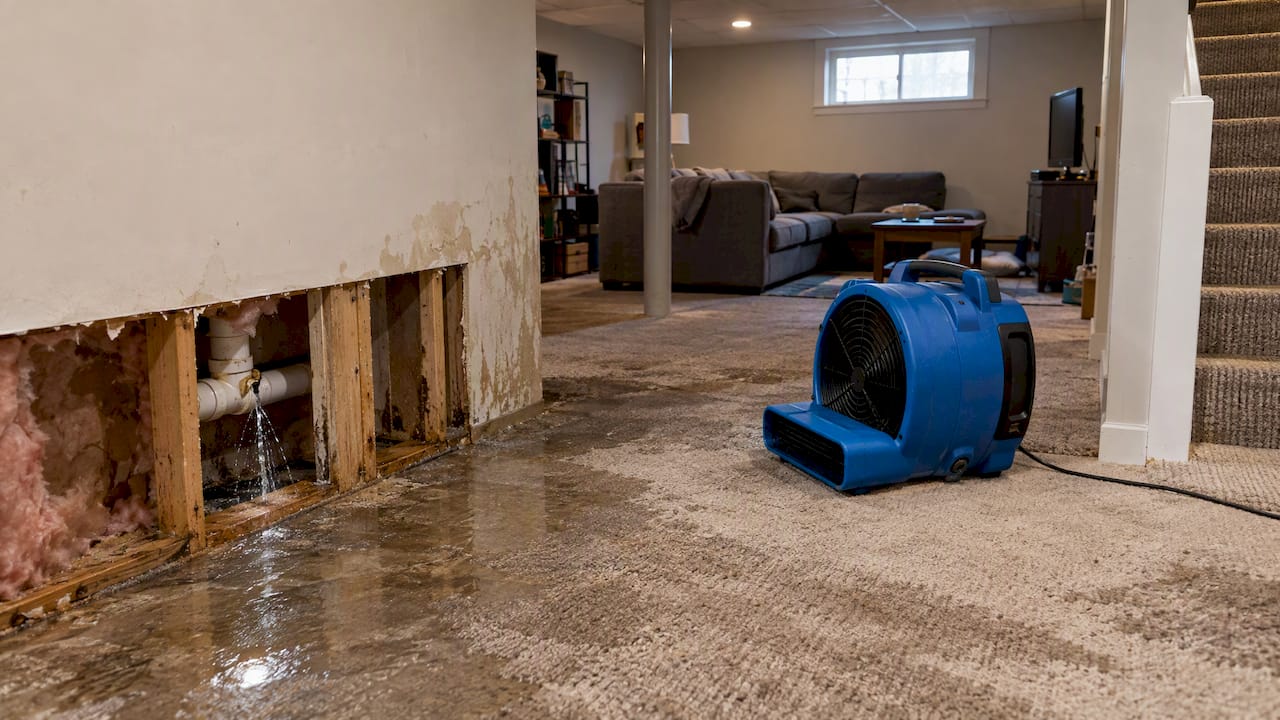
- Shut off the main water supply immediately
- Turn off electricity if water is near outlets or electrical systems
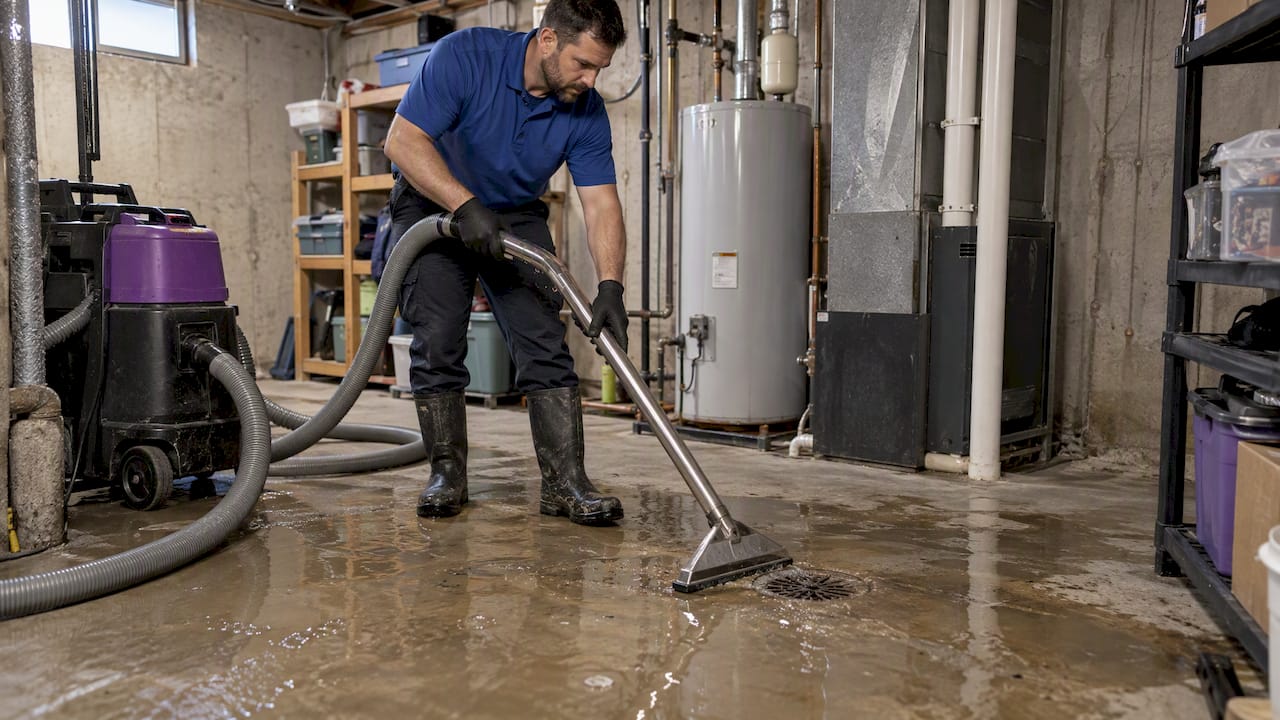
- Call The Clean Genius at 847.232.0000- Our 24/7 emergency response team will extract water, dry your property, and prevent mold growth
- Document the damage - Take photos and videos for insurance
- Move valuable items to dry areas if safe to do so
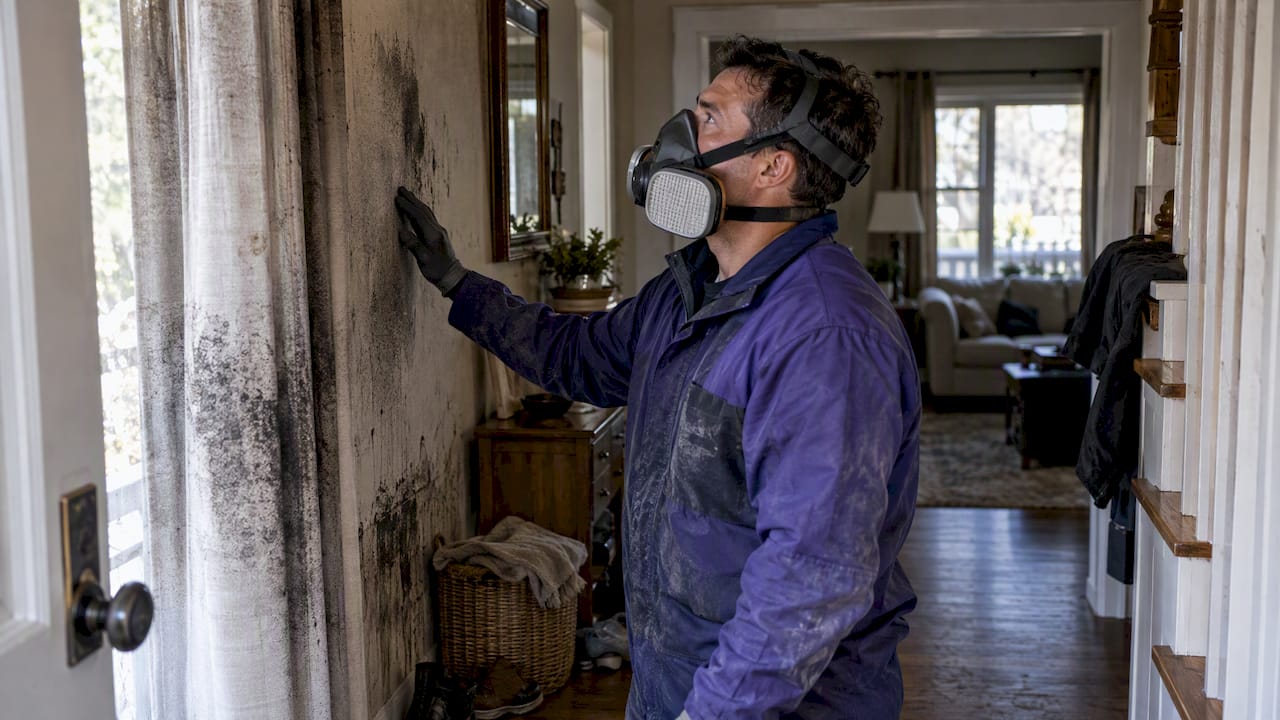
Don't wait to call for help. Water damage compounds every hour it sits—mold can start growing within 24-48 hours.
The Hidden Danger: Ice Dams and Roof Leaks
Frozen pipes aren't the only winter water damage threat in Chicago. Ice dams—thick ridges of ice that form at roof edges—are incredibly common in our area and cause extensive water damage.
How ice dams form:
- Heat escapes through your poorly insulated attic
- This melts snow on your roof
- Water runs down and refreezes at the cold roof edge
- Ice builds up, blocking drainage
- Water backs up under shingles and leaks into your home
Preventing ice dams:
- Ensure adequate attic insulation (R-49 to R-60)
- Improve attic ventilation to keep the roof cold
- Seal air leaks from your home into the attic
- Keep gutters clean so water can drain
- Consider a roof rake to remove snow after heavy storms
The Clean Genius specializes in both attic insulation upgrades and emergency water damage restoration from ice dams. If you've experienced ice dams in previous winters, it's a sign your attic needs attention before the next snowfall.
Don't Forget About Your Sump Pump
Your sump pump works overtime during spring thaw and winter rain-on-snow events. Make sure it's ready:
- Test it monthly - Pour water into the sump pit to ensure it activates
- Clean the intake screen - Debris can prevent proper operation
- Consider a battery backup - Power outages during winter storms are common
- Check the discharge line - Make sure it's not frozen or blocked
A failed sump pump during a January thaw can flood your basement in minutes.
Why Professional Help Matters
Some homeowners try to handle frozen pipe situations themselves, but here's why that's risky:
Thawing pipes incorrectly can cause them to burst - Uneven heating or using open flames creates dangerous pressure buildup
Hidden damage often goes unnoticed - A pipe might have cracked but not burst yet, leading to surprise flooding later
Water damage spreads quickly - Without professional extraction and drying equipment, moisture seeps into walls, floors, and creates mold
Insurance complications - DIY repairs can complicate claims if not documented properly
At The Clean Genius, our 24/7 emergency response team has the equipment and expertise to handle frozen pipe emergencies properly. We extract water, dry structures thoroughly, prevent mold growth, and work directly with your insurance company to streamline the claims process.
The Bottom Line: An Ounce of Prevention
Winterizing your Chicago home takes just a few hours and costs very little—but it can save you thousands in water damage restoration costs and untold stress.
Start this weekend:
- Insulate vulnerable pipes
- Disconnect outdoor hoses
- Seal air leaks
- Check your attic insulation
- Locate your water shut-off valve
If you're unsure about your home's vulnerability or want professional advice on attic insulation, crawl space concerns, or winterization strategies, The Clean Genius offers free inspections and consultations.
Need Help Preparing Your Home for Winter?
The Clean Genius family of companies is here to help Chicagoland homeowners protect their most important investment.
Our services include:
- Attic insulation upgrades - Prevent ice dams and improve energy efficiency
- 24/7 emergency water damage restoration - If disaster strikes despite precautions
- Frozen pipe prevention consultations - We'll identify your home's vulnerable areas
- Crawl space and basement winterization - Protect pipes in vulnerable spaces
Don't wait until it's too late. Call The Clean Genius today at 847.232.0000to schedule a free home winterization assessment or to learn more about protecting your home this winter.