
Every so often we hand the blog over to someone we work with. This one comes from Justin at Renewal of Illinois and Eastern Wisconsin, the textile and contents restoration team we call when a homeowner's belongings take a hit. We asked him to explain what his crew does. He was kind enough to say a few things about us too.

The Clean Genius team:
Hi, I'm Justin from Renewal of Illinois and Eastern Wisconsin out of Wilmette
We clean and restore the soft goods and personal belongings that get caught up in fires, floods, smoke and mold. Clothes. Bedding. Drapes. Rugs. The stuffed animal your kid can't sleep without. The wedding dress that's been sitting in a basement box for fifteen years.
When Mike and his team asked if I'd write something for their site, I said yes pretty quickly. We've shared some jobs, and I think homeowners should know what happens to their stuff after a loss, because most people have no idea it can be saved.
What personal belongings can be saved after water or fire damage?
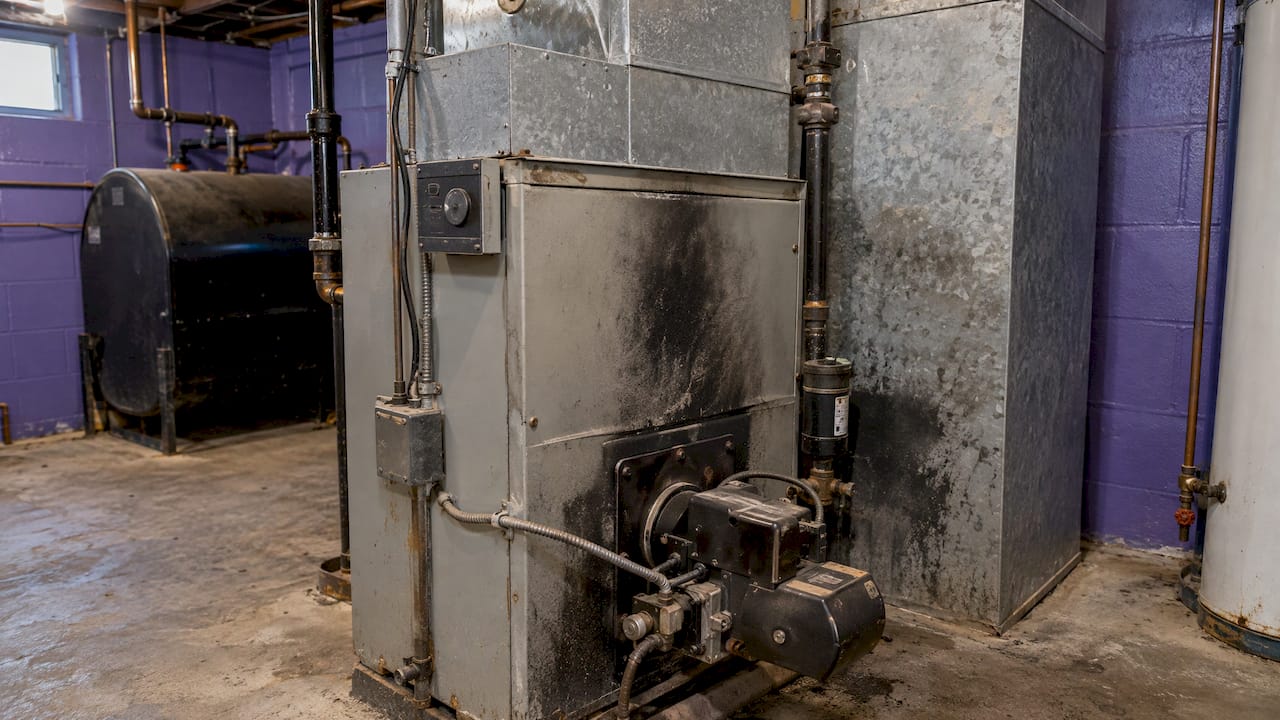
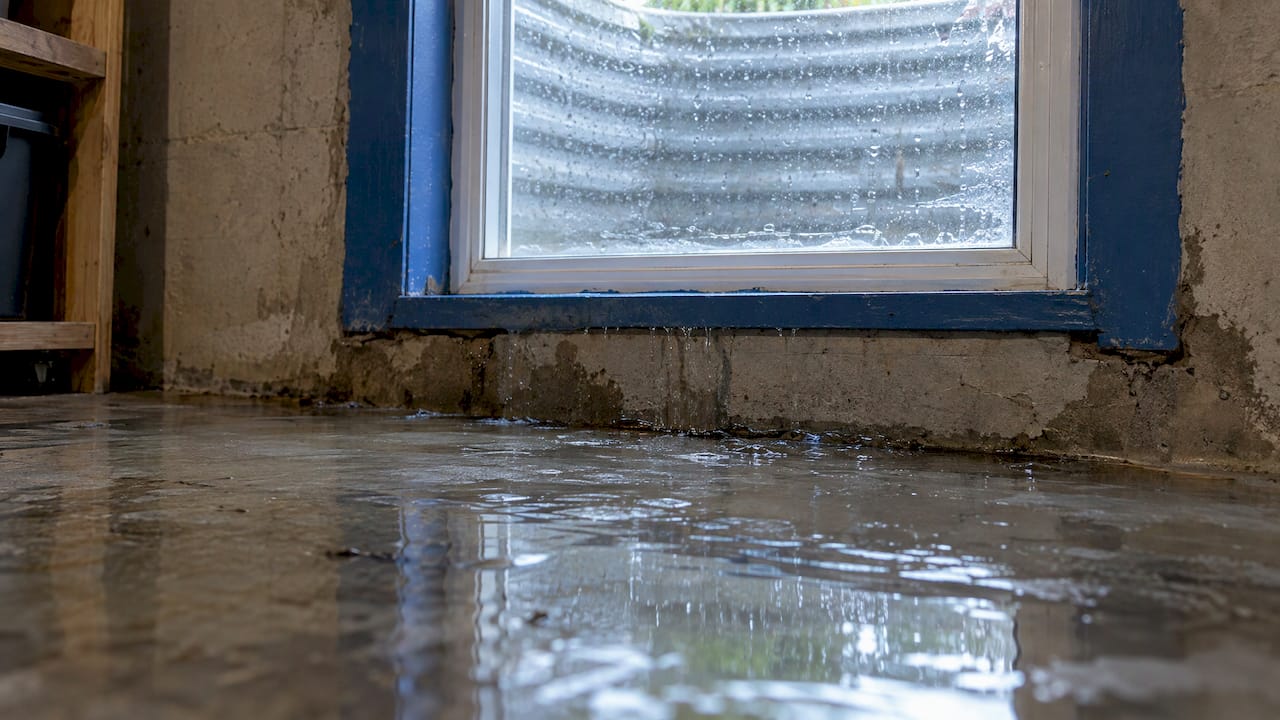
Picture a pipe bursting in an upstairs bathroom. Water runs through the ceiling, down the walls and into the bedroom closet below. The restoration crew shows up, extracts the water, sets up drying equipment and starts the mitigation work. That's the structure.
Then there's everything inside the house. A closet full of work clothes. A bed with a down comforter on it. Curtains that were soaking up water the whole time. A lot of homeowners assume all of that is headed for the dumpster. Honestly, a big chunk of it usually isn't.
That's where we come in. Our whole business is the contents side. We use more than 30 different restoration cleaning methods, plus deodorization and sanitizing, and we match the method to the item. A smoke-damaged leather jacket gets treated very differently from a wet set of sheets. Here's a short list of what we handle on a regular basis:
- Everyday clothing, plus designer and couture pieces
- Bedding, blankets and pillows
- Window treatments and drapes
- Area rugs
- Leather, suede and fur
- Plush toys and stuffed animals
- Bags, shoes and hats
- Wedding dresses and other keepsakes
We also handle some electronics, like laptops, but textiles are the bulk of what we do.
How a textile job actually works
I get asked this all the time, so here's the short version.
- We talk first. A quick phone call walks the homeowner through the process so nobody's guessing.
- We check coverage and look at the damage. We verify insurance, come out to the house, document what we see and sort items by what they need.
- We pack it out. Everything gets inventoried, packed and taken to our facility. Each item gets its own barcode and photo, so we can track it from the moment it leaves the house until it comes back.
- Essentials come back first. If a family needs work clothes or school uniforms right away, those get flagged as rush items. Rush items are usually cleaned and returned in 24 to 72 hours.
- We bill the insurance company directly. We work with the major carriers in the area, so the homeowner isn't stuck in the middle of the paperwork.
And if something can't be saved, we don't charge for it. It goes on a list that we send to the insurance company so the homeowner can be reimbursed. No point billing someone for a sweater that didn't make it.
Why partner with The Clean Genius for restoration services?
Timing is everything with wet fabric. Clothes and bedding that sit damp in a closed-up room can start growing mold within a day or two, and smoke odor sets deeper the longer it's left alone. So the best thing that can happen on a job is that the restoration company on site notices the contents early and gets us involved.
The Clean Genius does that. Their crews don't just walk past the closet on the way to the drywall. They point out what's at risk, they talk to the homeowner about it, and they get us on the phone while there's still plenty we can save. That alone makes a big difference in how much a family gets back.
They're also easy to coordinate with. When two companies are working in the same house, the homeowner should feel like it's one plan, not two crews tripping over each other. Mike's team keeps everybody informed, they're honest with homeowners about what's going on, and they treat people's belongings with respect. You'd be surprised how rare that last one is.
I'll be straight about one more thing. Homeowners are usually having one of the worst weeks of their year when we meet them. A good partner on the job makes that week a little less awful. The Clean Genius is a good partner, and we're glad to work alongside them.
A few tips if your home just took on water or smoke
From the textile side, here's what I'd tell any homeowner in the first day or two:
- Don't throw belongings away before your adjuster or restoration company has seen them. Even ruined items need to be documented for your claim.
- Don't stuff wet clothes or bedding into plastic bags. Trapping moisture speeds up mold.
- Ask your restoration company about contents cleaning. If they don't bring it up, you should.
- Set aside what you need right now, like medications, work clothes and kids' school items, so they can be prioritized.
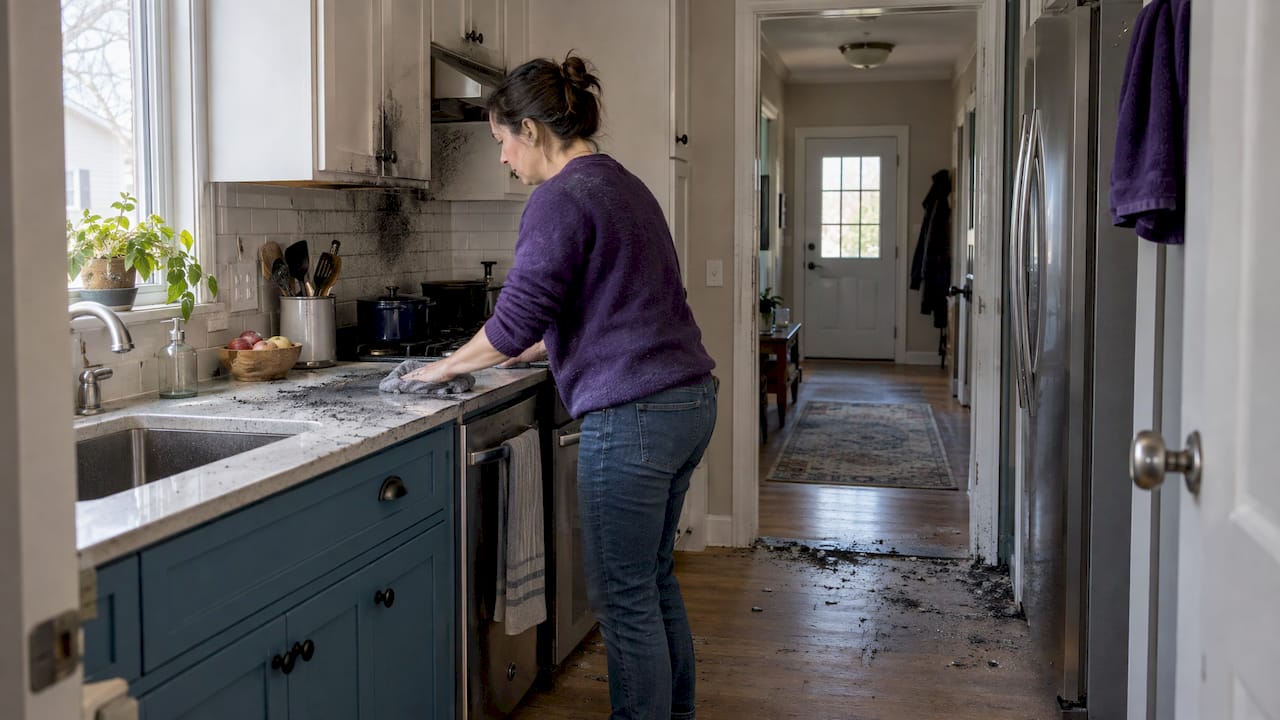
- Skip the home washing machine for smoke-damaged items. Regular detergent can set odor and soot into the fabric.
How to contact The Clean Genius for water, fire, or mold damage restoration?
If your home has water, fire, smoke or mold damage in the Chicago suburbs, start with The Clean Genius at 847.232.0000. They'll handle the structure and loop us in on the contents.
If you have questions about textiles specifically, you can reach Renewal of Illinois and Eastern Wisconsin at (847) 637-8001 (call or text) or info@renewalilwi.com. We cover Chicago, Evanston, Oak Park and Waukegan on the Illinois side, plus Milwaukee, Madison, Kenosha, Janesville, Oshkosh and the surrounding areas in Wisconsin.
Thanks to Mike and the whole Clean Genius crew for having me on the blog.