
Structural water damage is the deterioration of a home’s load-bearing components caused by prolonged moisture exposure. Unlike surface water that drains away, structural intrusion crosses the building envelope and attacks framing, foundations, and subfloors. The IICRC, the industry’s leading standards body for water restoration, classifies damage by the depth of saturation and the materials affected. Wood framing and subfloors can begin breaking down within 24 to 72 hours of water contact. Knowing the types of structural water damage gives you the power to act before a manageable repair becomes a six-figure reconstruction.
1. What are the main types of structural water damage?
Structural water damage falls into four primary categories: wood framing damage, foundation failure, subfloor deterioration, and drywall compromise. Each type targets a different part of your home’s skeleton, and each carries its own set of warning signs and repair costs.
Wood rot and framing damage
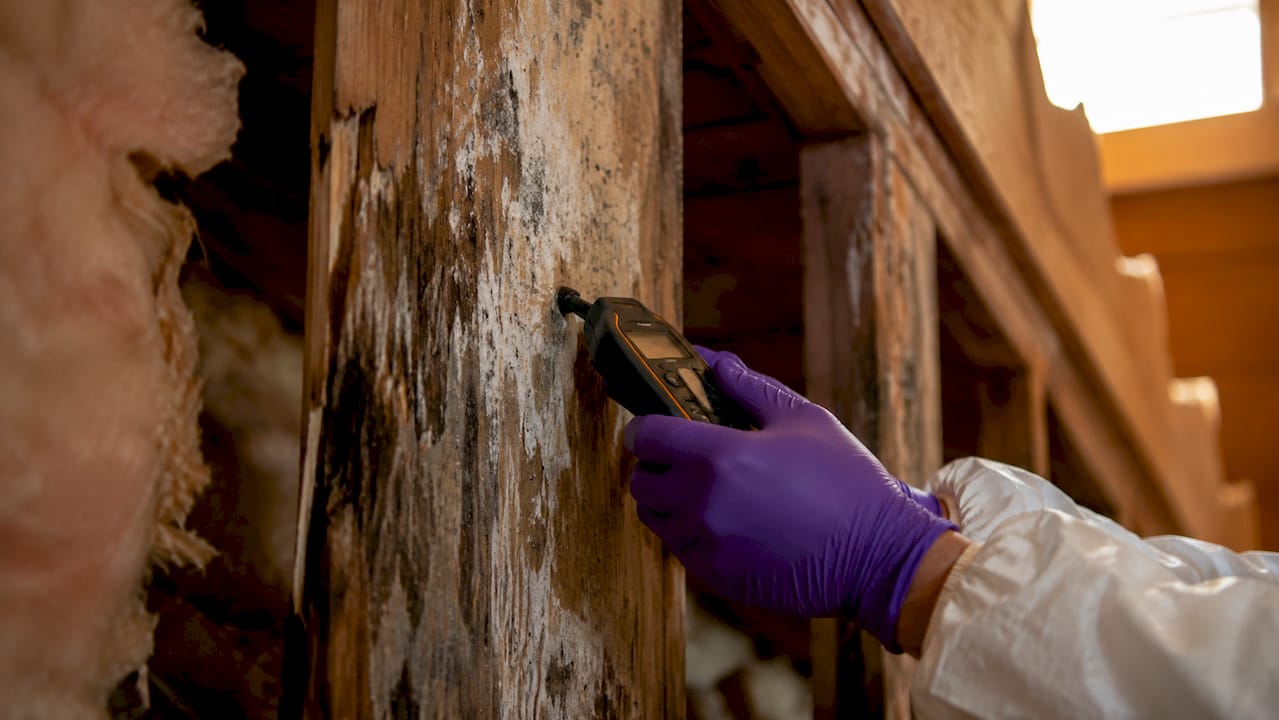
Wood studs, joists, and headers absorb moisture rapidly. Once saturated, they swell, warp, and eventually rot. A single burst pipe left unaddressed for 48 hours can compromise the load-bearing studs in an exterior wall. You may notice doors that suddenly stick or floors that feel springy underfoot. Both are signs the framing beneath has lost structural integrity.
Foundation cracks and settlement
Water pooling against a foundation creates hydrostatic pressure. Over time, that pressure forces cracks into concrete block or poured walls. Freeze-thaw cycles in Chicagoland winters accelerate this process dramatically. A hairline crack today can become a structural gap within one season if water continues to enter. Foundation damage insurance is a topic worth reviewing before you need it.
Subfloor deterioration
The subfloor is the structural layer beneath your finished flooring. When water reaches it from a leaking appliance, plumbing failure, or flooding, the plywood or OSB panels swell and delaminate. A soft or spongy spot when you walk across a room is the clearest sign. Left unrepaired, a deteriorated subfloor transfers stress unevenly to the joists below.
Drywall and interior finishing damage
Drywall is not a structural material on its own, but saturated drywall transfers moisture directly to the studs and plates behind it. Bubbling paint, brown water stains, and soft wall surfaces all indicate that water has moved past the finish layer. At that point, the framing behind the wall is already at risk.
Pro Tip: Press gently on any discolored wall section. If it feels soft or gives slightly, the moisture has already reached the framing. Call a restoration professional before opening the wall yourself.
2. How water causes structural damage: mechanisms and timelines
Water destroys structural materials through three distinct processes: absorption and swelling, corrosion, and biological decay. Understanding which process is at work tells you how urgent your response needs to be.
Structural wood durability drops rapidly once moisture absorption begins. Wood swells first, then warps, then rots as cell walls break down. Steel connection hardware at beam ends corrodes at the joint, which is exactly where load transfer happens. Concrete foundations crack under freeze-thaw cycles when trapped water expands inside existing micro-fissures.
Mold colonizes structural materials within 48 hours in high-humidity conditions. Once mold takes hold inside a wall cavity or joist bay, it accelerates wood decay and creates a secondary health hazard that complicates every phase of repair.
The timeline below shows how quickly damage escalates without intervention.
| Time after water contact | What happens |
|---|---|
| 0–24 hours | Absorption begins; wood swells; drywall softens |
| 24–48 hours | Mold spores begin colonizing; framing integrity weakens |
| 48–72 hours | Visible warping; subfloor delamination starts |
| 72+ hours | Active rot; foundation moisture migration; structural risk |
Water travels deceptively along the tops of beams and plumbing lines, causing damage far from the original leak source. A roof leak may not show up as a wet ceiling. It may show up as a rotted floor joist two rooms away. That indirect path is why a thorough moisture inspection always traces the full route, not just the visible wet spot.
3. What are the warning signs of structural water damage?
Early detection is the single most effective way to limit repair costs. These signs indicate that water has already reached structural components.
- Diagonal cracks near doors or windows. Diagonal cracking at the corners of door and window frames signals framing shift caused by moisture-weakened studs or settling foundations. Vertical cracks in drywall are common and often cosmetic. Diagonal cracks are not.
- Floors that slope, bounce, or sag. A floor that was level last year and now tilts toward one corner has lost joist support. Bouncing underfoot means the subfloor has delaminated or a joist has cracked.
- Doors and windows that stick or no longer latch. Wood frames expand when wet. If a door that always closed smoothly now requires force, the framing around it has shifted or swollen.
- Musty odors with no visible source. Mold inside wall cavities produces a distinct earthy smell before it becomes visible. A persistent musty odor in a room with no obvious water source means moisture is active somewhere inside the structure. Review mold growth signs to understand what to look for next.
- Bubbling paint or peeling drywall. Paint bubbles when moisture vapor pushes through the wall surface from behind. Peeling drywall tape at seams indicates the paper face has absorbed water. Both symptoms mean the structural layer is already wet.
- Soft spots on walls or floors. Press the surface. Softness means the material beneath has lost density from water saturation.
Pro Tip: Use a flashlight at a low angle along your basement walls and floor joists. Shadows from small cracks or surface irregularities become visible that you would miss under normal overhead lighting.
4. What do structural water damage repairs cost?
Repair costs for structural water damage vary widely based on which component is affected, how long the water was present, and whether permits are required. The table below reflects typical 2026 ranges for the Chicagoland area.
| Damage type | Typical cost range | Permit required? |
|---|---|---|
| Foundation crack repair | $5,000–$20,000+ | Yes |
| Subfloor replacement (per room) | $1,500–$5,000 | Often yes |
| Load-bearing wall repair | $3,000–$15,000 | Yes |
| Joist sistering or replacement | $1,000–$6,000 | Yes |
| Drywall replacement (non-structural) | $300–$2,000 | No |
Foundation repairs often cost between $5,000 and $20,000 depending on the reinforcement method used. That range reflects the difference between injecting epoxy into a hairline crack versus installing steel push piers for a settling foundation.
Unpermitted structural repairs can void your homeowner’s insurance and create serious complications when you sell. Licensed contractors and municipal permits are legally required for any work on load-bearing components. Skipping that step to save money almost always costs more in the long run.
The duration of water exposure and the depth of saturation determine whether a repair is sufficient or whether full reconstruction is necessary. A joist exposed to water for two days may be salvageable with drying and sistering. The same joist exposed for two weeks likely needs full replacement. Time is the variable that controls cost more than any other factor.
When structural components are involved, a licensed structural engineer should assess the damage before any contractor begins work. An engineer’s report also provides documentation your insurance company will require. You can review successful restoration examples to understand what a complete professional repair process looks like from start to finish.
Key Takeaways
The most effective response to structural water damage is professional assessment and remediation within the first 24–72 hours, before mold colonization and material decay make reconstruction unavoidable.
| Point | Details |
|---|---|
| Act within 72 hours | Wood framing and subfloors begin breaking down within 24–72 hours of water contact. |
| Know the four damage types | Wood rot, foundation cracks, subfloor deterioration, and drywall compromise each require different repairs. |
| Watch for diagonal cracks | Diagonal cracking near doors and windows signals framing shift, not just cosmetic damage. |
| Permits protect you | Unpermitted structural repairs can void insurance and complicate home resale. |
| Trace the full moisture path | Water travels along beams and pipes, causing damage far from the original leak source. |
What 25 years of water damage calls taught me
I have walked through hundreds of homes after floods, burst pipes, and slow leaks. The pattern I see most often is not dramatic. A homeowner notices a soft spot on the floor near the bathroom. They put a rug over it. Six months later, the subfloor has collapsed into the joist bay, and what would have been a $2,000 repair is now a $12,000 reconstruction.
The biggest misconception I encounter is that structural damage looks structural. It rarely does at first. It looks like a stain, a sticky door, or a smell you cannot quite locate. Homeowners assume those are cosmetic problems. They are not. They are the surface expression of something failing inside the wall or floor.
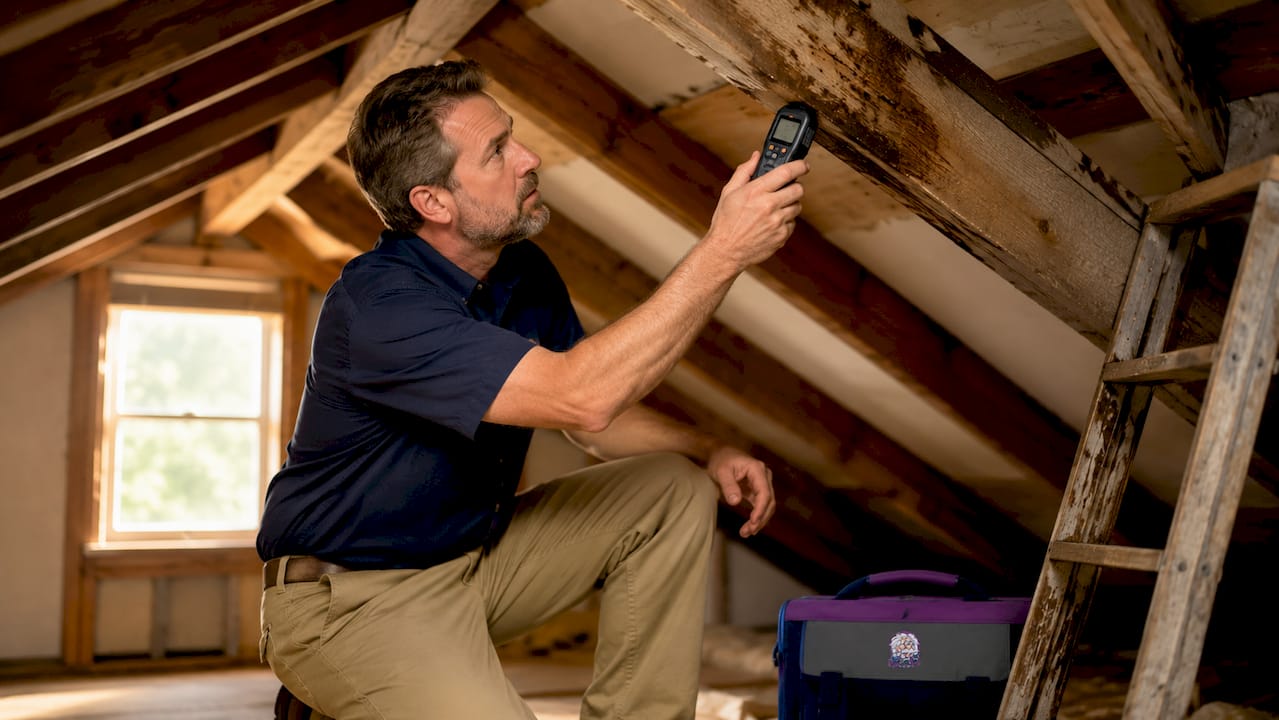
The second mistake I see is trusting a visual inspection alone. Moisture meters detect hidden water inside studs and joists that look completely dry from the outside. A professional inspection with the right equipment finds damage that no amount of looking will reveal. That single step, done early, is the difference between a repair and a rebuild.
My advice is simple. If you see any of the warning signs in this article, do not wait for them to get worse. Document everything with photos, call a licensed restoration professional, and get a moisture assessment before you touch anything. The 48-hour window for mold growth is not a guideline. It is a hard deadline.
— Jim
Thecleangenius is ready when structural damage strikes
Structural water damage does not wait for business hours. Neither does Thecleangenius.

Thecleangenius is a family-owned water damage restoration company serving Chicagoland 24 hours a day, 7 days a week. Our certified teams respond fast, assess the full moisture path, and work directly with your insurance company to document and repair every affected component. From burst pipes in Naperville to basement flooding in Schaumburg, we handle wood framing, subfloor replacement, and complete structural dry-out using professional-grade equipment. With more than 400 five-star reviews and 25 years of combined experience, we know what it takes to protect your home. If you suspect structural damage, start with our emergency response steps and call us before the 72-hour window closes.
FAQ
What is structural water damage?
Structural water damage is the deterioration of load-bearing components, including framing, foundations, and subfloors, caused by prolonged moisture exposure. It differs from surface water damage because it compromises the materials that hold your home together.
How quickly does structural water damage develop?
Wood framing and subfloors can begin breaking down within 24 to 72 hours of water contact. Mold colonization can begin within 48 hours, accelerating decay and increasing repair complexity.
What are the most common signs of structural water damage?
Diagonal cracks near doors or windows, sloping or bouncing floors, sticky doors, musty odors, and soft spots on walls or floors are the most reliable early indicators of structural water damage.
Can I repair structural water damage myself?
Load-bearing repairs require licensed contractors and municipal permits. Unpermitted work can void homeowner’s insurance and create legal issues during home resale. A structural engineer should assess the damage before any repair work begins.
How much does structural water damage repair cost?
Foundation repairs typically range from $5,000 to $20,000 or more. Subfloor replacement runs $1,500 to $5,000 per room. Load-bearing wall repairs can reach $15,000 depending on the extent of damage and local permitting requirements.