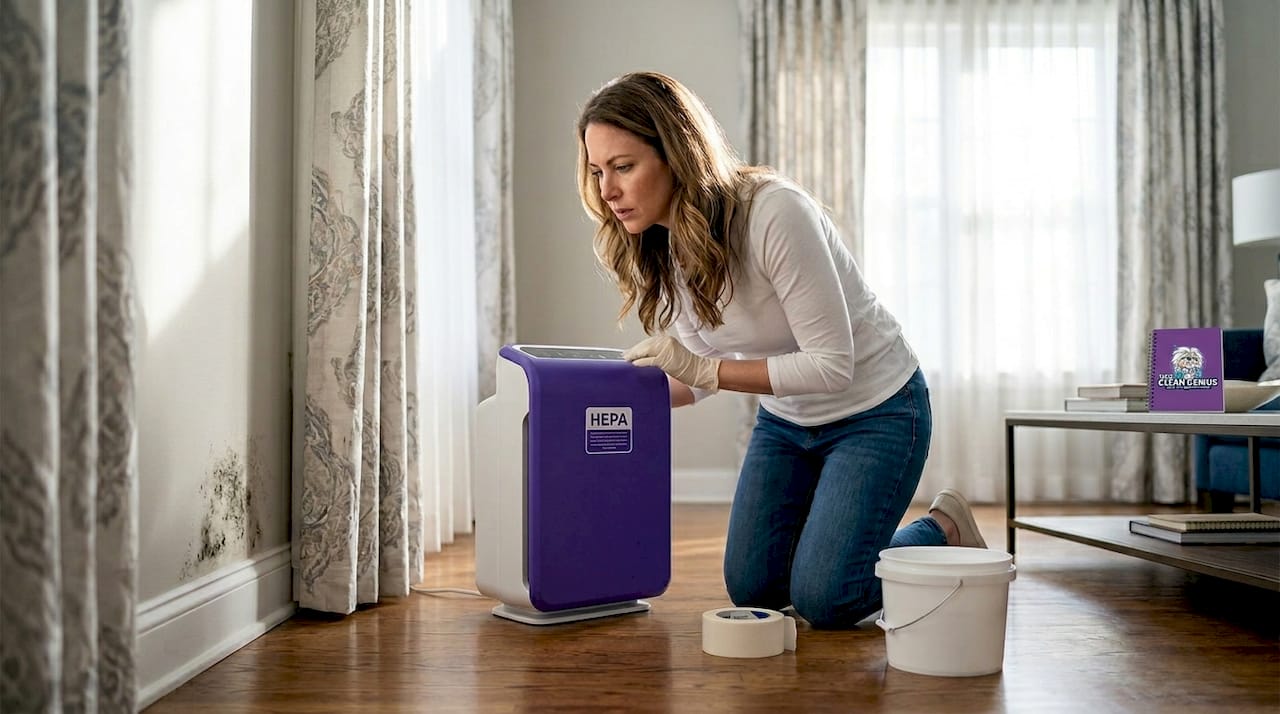

Grabbing a standard vacuum and running it over a moldy surface feels like the logical first step, but it’s one of the most dangerous things you can do in a mold-affected home. Most homeowners don’t realize that improper cleanup can scatter millions of invisible spores throughout the house, turning a localized problem into a whole-home air quality crisis. HEPA filtration changes everything about how mold is safely contained and removed. In this article, you’ll learn exactly what HEPA does, why it’s required by industry guidelines, and how professionals in Chicagoland use it to protect your family from start to finish.
Table of Contents
- Understanding mold and why cleanup is so challenging
- What is HEPA filtration and why does it matter for mold?
- How professionals use HEPA filtration in mold remediation
- The limits of HEPA: What it can and cannot solve
- Putting it all together: Creating a safer, cleaner home
- The uncomfortable truth most experts won’t tell you about HEPA and mold
- Ready for a safer home? Trusted help is just a call away
- Frequently asked questions
Key Takeaways
| Point | Details |
|---|---|
| HEPA traps mold spores | HEPA filters capture almost all airborne mold spores, preventing spread during cleanup. |
| Professional standards require HEPA | Top mold remediation guidelines mandate HEPA filtration for safe, effective mold removal. |
| HEPA alone isn’t enough | Physical removal and moisture control must go hand in hand with HEPA filtration. |
| Right tool, right step | HEPA vacuums are vital for final cleanup—never use regular vacuums on mold. |
| Ongoing prevention | Long-term mold control means fixing water sources and maintaining air quality after cleanup. |
Understanding mold and why cleanup is so challenging
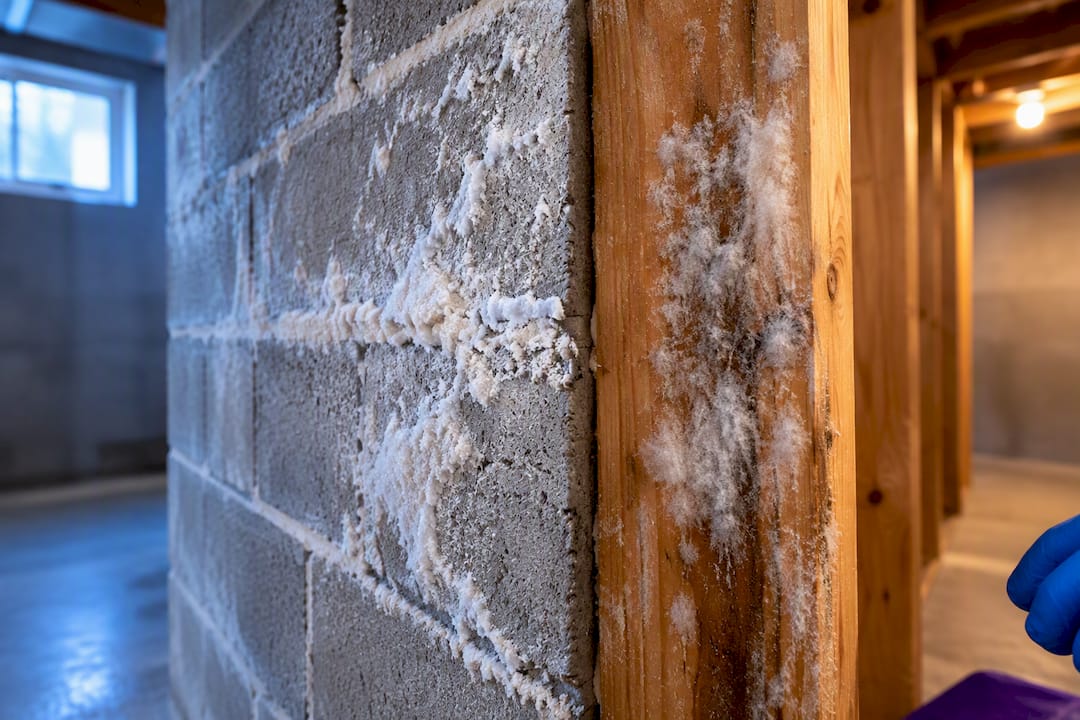
Mold isn’t just an ugly stain on your wall. It’s a living colony that reproduces by releasing microscopic spores into the air around it. Those spores are invisible to the naked eye, lightweight enough to float for hours, and small enough to bypass most filters and settle deep into your lungs. That’s what makes mold cleanup fundamentally different from regular cleaning.
Here’s the problem most homeowners run into. When you scrub a moldy surface, you disturb the colony and send thousands of spores airborne. When you run a standard vacuum over it, the machine’s exhaust vents pump those captured spores right back into the room. You haven’t solved the problem. You’ve amplified it. Good mold remediation steps are specifically designed to avoid this, but going in without the right equipment removes that protection entirely.
The health consequences are real and serious. Repeated mold spore exposure aggravates asthma, triggers allergies, causes sinus infections, and in higher-risk individuals can lead to more severe respiratory illness. Children, elderly residents, and anyone with a compromised immune system are especially vulnerable. Illinois homes are also particularly susceptible because our humid summers and cold winters create repeated cycles of moisture buildup, especially in basements, attics, and crawlspaces.
Here are the key dangers of improper mold cleanup:
- Spreading spores beyond the original contamination zone
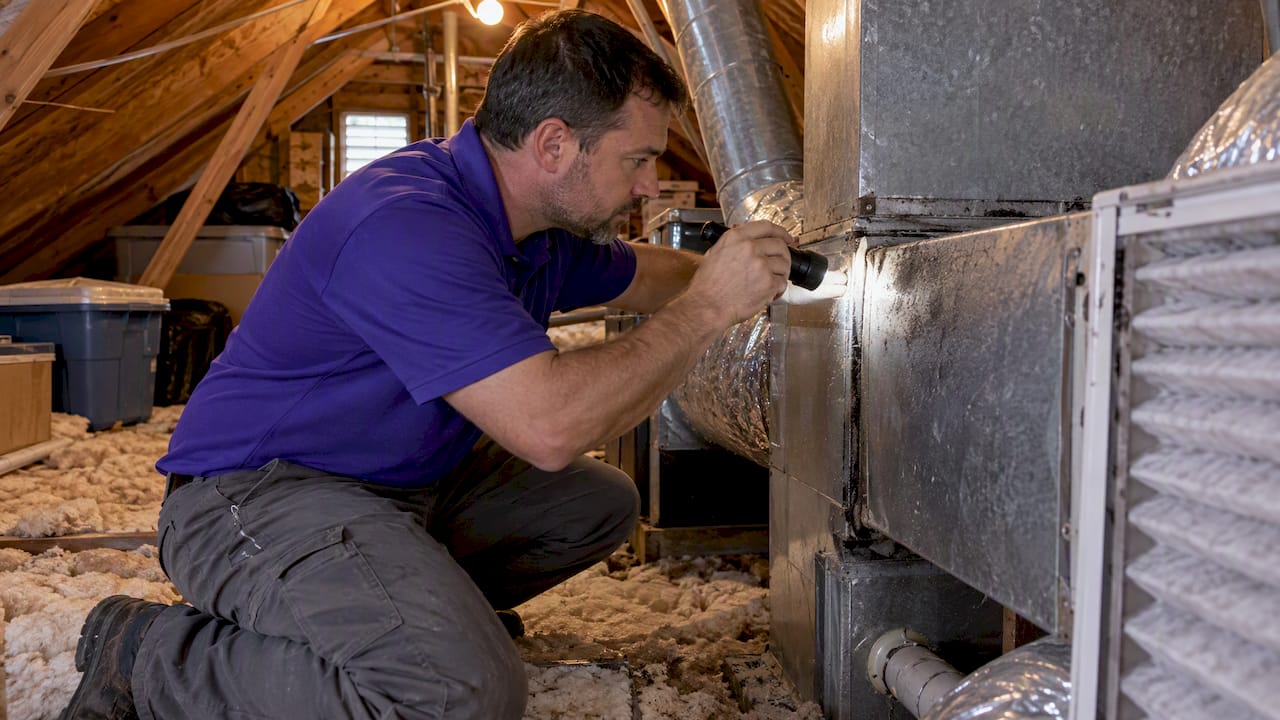
- Cross-contaminating HVAC systems, which then distribute spores room to room
- Creating a false sense of completion while mold regrows beneath surfaces
- Increasing occupant exposure during the cleanup process itself
Mold remediation isn’t just cleaning. It’s a controlled process designed to remove contamination without making air quality worse in the process.
HEPA filtration captures 99.97% of particles 0.3 microns and larger, including mold spores, which range from 1 to 30 microns in size. That’s what separates HEPA equipment from everything else on the shelf.
Pro Tip: Never use a standard household vacuum for mold cleanup. Even vacuums with basic filters will exhaust spores back into the air. Only certified HEPA vacuums contain the spores properly.
What is HEPA filtration and why does it matter for mold?
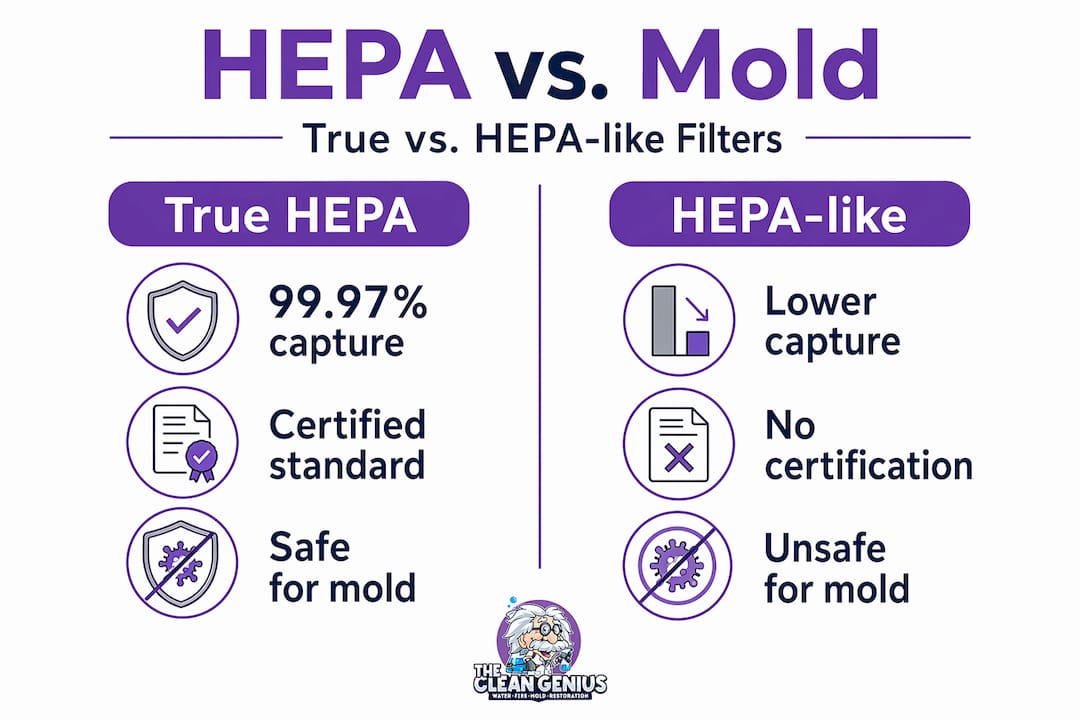
HEPA stands for High Efficiency Particulate Air. It’s not a brand name or a marketing term. It’s a certified filtration standard that a filter must pass through independent testing before it earns the label. A true HEPA filter must capture at least 99.97% of particles 0.3 microns and larger in a single pass. That 0.3 micron threshold is actually the hardest particle size to trap, so anything at or above that size, including every mold spore type you’ll encounter in a home, is captured effectively.
The distinction between “true HEPA” and “HEPA-like” or “HEPA-style” filters matters enormously. Products labeled HEPA-like or HEPA-type are not certified. They may capture a lower percentage of particles, miss certain size ranges entirely, or fail under normal operating conditions. For mold cleanup, that gap in performance isn’t acceptable.
Here’s a quick comparison to put things in context:
| Filter type | Capture rate | Certified standard | Safe for mold cleanup? |
|---|---|---|---|
| True HEPA | 99.97% at 0.3 microns | Yes | Yes |
| HEPA-like / HEPA-type | Varies, often 85-95% | No | No |
| Standard household filter | 20-50% of fine particles | No | No |
| No filter (open vacuum) | 0% | No | Absolutely not |
You can use HEPA vacuuming for mold removal as part of final cleanup, but it’s important to understand that HEPA filtration manages the spread of spores. It doesn’t kill mold. It doesn’t remove mold from surfaces. It doesn’t fix the moisture problem that caused mold to grow in the first place. These are common misconceptions that lead homeowners to rely too heavily on air purifiers and miss the actual source entirely.
Key HEPA facts every Chicagoland homeowner should know:
- Mold spores range from 1 to 30 microns. HEPA captures everything in that range.
- HEPA air scrubbers pull airborne spores out of the workspace continuously during remediation.
- Portable HEPA air purifiers can reduce airborne counts but are not a substitute for source removal.
- Filters must be replaced properly after mold jobs. A saturated HEPA filter can itself become a mold source.
How professionals use HEPA filtration in mold remediation
Understanding how HEPA works is one thing. Seeing how trained remediation professionals actually deploy it in a Chicagoland home gives you a much clearer picture of why the process is more involved than most people expect.
IICRC S520 and EPA guidelines require HEPA vacuums and air filtration devices for all professional mold remediation work. These aren’t optional. They’re built into every certified job for a reason. Local Chicago-area professionals follow the same HEPA containment and negative air standards used across the country, ensuring contaminated air doesn’t escape the work zone.
Here’s how a properly executed professional mold remediation job uses HEPA at every stage:
- Contain the work area. Plastic sheeting isolates the mold zone from the rest of the house. Vents are sealed to prevent spores from entering the HVAC system.
- Create negative air pressure. HEPA air scrubbers pull air from inside the contained area and exhaust it outside through filtered ducting. This means air flows into the work zone, not out of it, keeping spores from migrating.
- Remove contaminated materials. Drywall, insulation, and other porous materials that can’t be fully cleaned are bagged and removed. This is the physical mold removal step.
- Dry the area completely. Moisture is the root cause. Industrial drying equipment runs until moisture levels are normal.
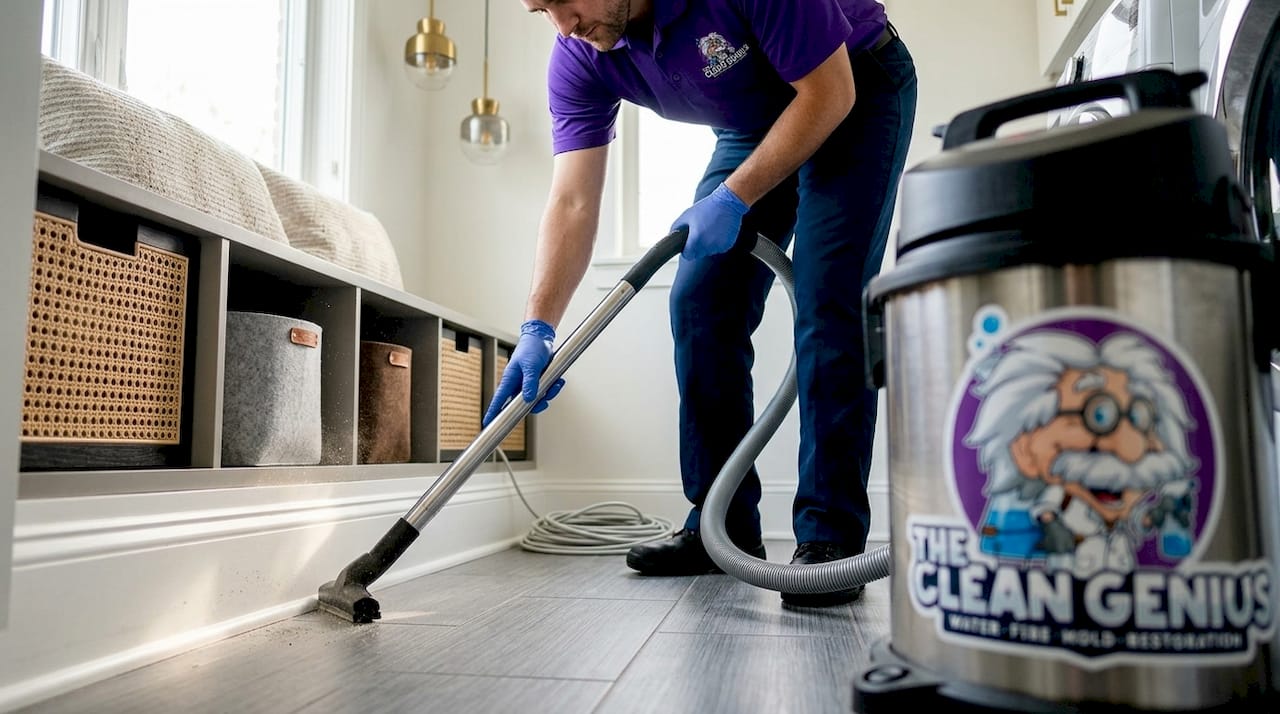
- HEPA vacuum all surfaces. Once materials are removed and dried, every surface in the contained zone gets vacuumed with a certified HEPA vacuum to capture residual spores.
- Final air clearance. A post-remediation test verifies that airborne spore counts have returned to acceptable levels.
Compare that to what a DIY cleanup typically looks like:
| Step | Professional approach | Typical DIY approach |
|---|---|---|
| Containment | Sealed, negative air pressure | None or basic plastic sheeting |
| Air filtration | Continuous HEPA air scrubbers | None |
| Material removal | Proper bagging and disposal | Sometimes skipped |
| Vacuuming | Certified HEPA vacuum only | Standard household vacuum |
| Verification | Post-remediation air testing | Visual inspection only |
Understanding why remediation fails so often with DIY approaches comes down to skipping these steps, especially containment and proper vacuuming. And when to call a mold pro is a question worth asking before any cleanup that covers more than a small surface area.
Pro Tip: Wet vacuums are designed for liquid extraction, not mold cleanup. Even if you use one to remove standing water, the final cleanup of mold-affected surfaces must be done with a certified HEPA vacuum, not the same wet vac.
The limits of HEPA: What it can and cannot solve
There’s a lot of marketing around HEPA air purifiers right now, and it’s created a genuine misconception that running one of these machines in a moldy room is a viable solution. It isn’t. Let’s be direct about what HEPA filtration actually accomplishes and where it falls short.
HEPA purifiers reduce airborne mold spores by 50 to 80 percent within 2 to 4 hours of operation. That’s meaningful during a remediation job where spores are actively being disturbed. But it doesn’t kill mold on your walls, ceiling, or floor joists. It doesn’t dry out the wet wood or damp insulation that mold is feeding on. It doesn’t prevent new spore release the moment someone walks through the contaminated room.
What HEPA filtration cannot do:
- Kill mold colonies on surfaces
- Remove mold from porous materials like drywall or wood
- Eliminate the moisture source causing mold growth
- Prevent regrowth if the underlying water issue isn’t fixed
- Substitute for physical remediation and cleaning
Running a HEPA air purifier in a moldy basement is like keeping the window open in a smoky kitchen without turning off the stove. You’re managing the symptom while ignoring the cause.
The only lasting solution is a combination approach. You need to remove or remediate the mold source, control moisture with dehumidification and waterproofing, and use HEPA filtration to manage airborne spores during and after the cleanup process. Testing mold after water damage helps verify that the combination approach actually worked rather than just reducing visible mold.
Putting it all together: Creating a safer, cleaner home
Now that you understand what HEPA does well and where it falls short, here’s a practical order of operations for handling a mold situation in your Chicagoland home. Whether you’re preparing to call a professional or managing a small, isolated situation yourself, following this sequence makes a real difference.
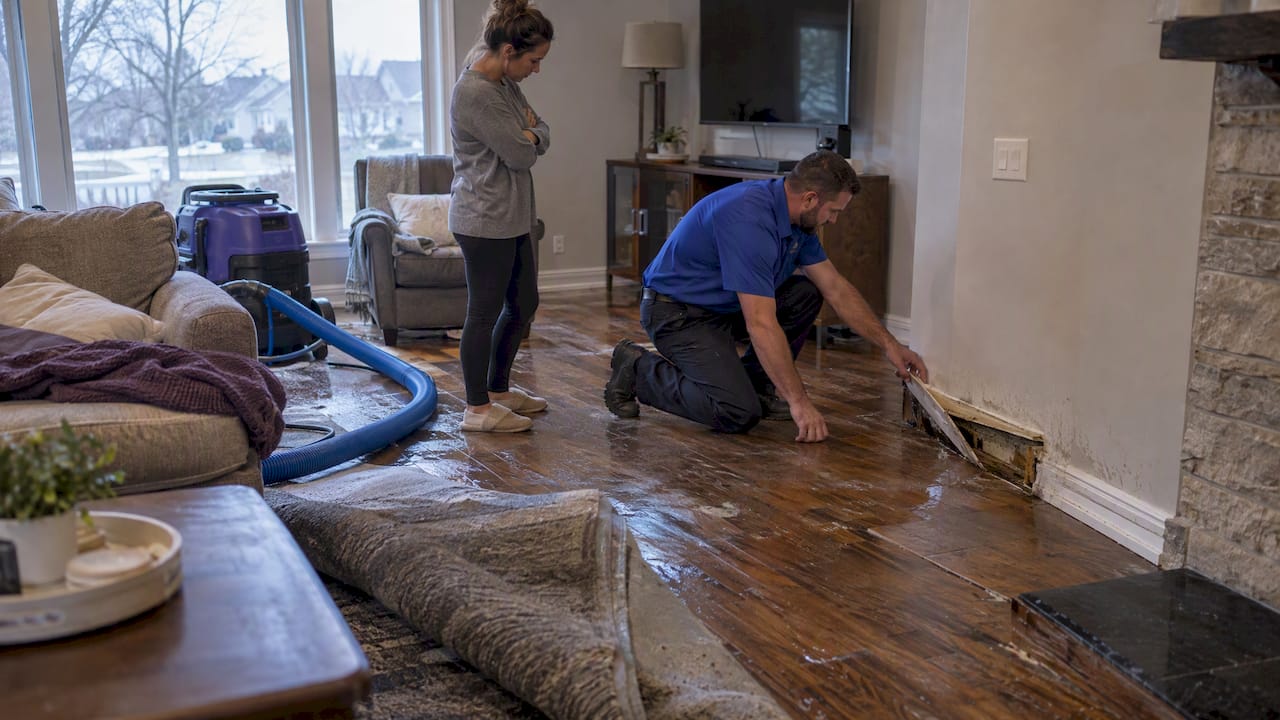
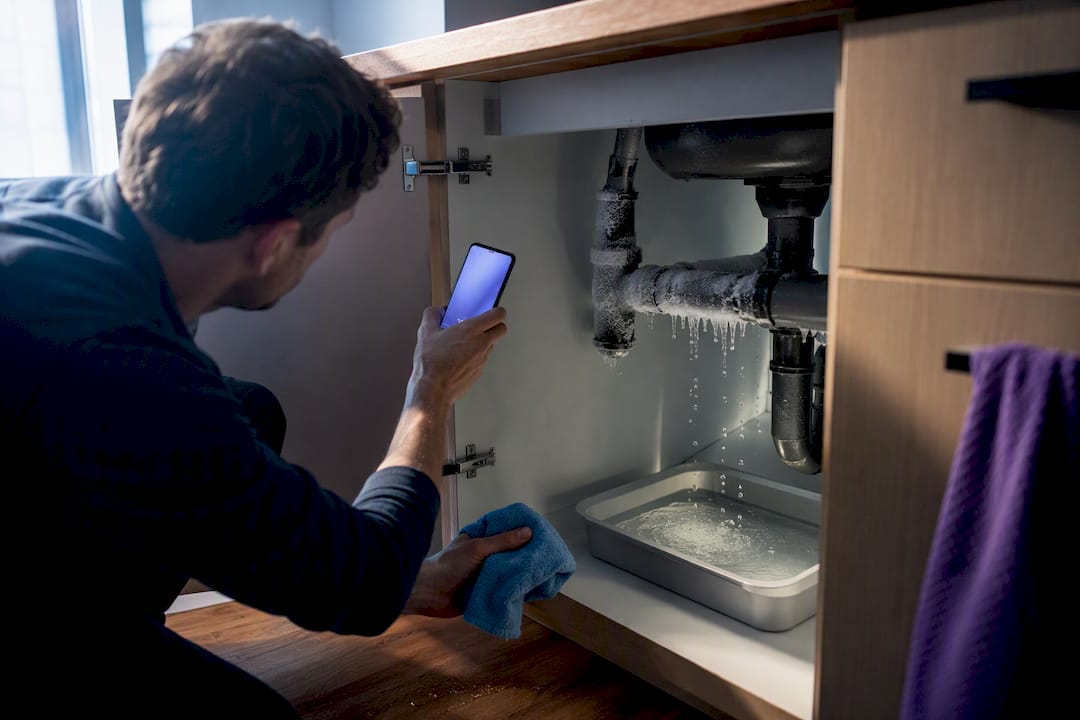
- Identify and stop the moisture source. No cleanup is permanent until the water problem is fixed. Leaky pipes, roof damage, foundation moisture, or emergency water extraction from a flood must be addressed first.
- Contain the affected area. Seal off the room to prevent spores from spreading during work. Turn off the HVAC to avoid circulating airborne spores.
- Remove contaminated materials. Bag and dispose of porous materials that can’t be fully cleaned. Double-bag for safety.
- Dry completely. Use dehumidifiers and fans to bring moisture levels in affected materials to normal ranges before cleaning.
- HEPA vacuum all surfaces. Use only a certified HEPA vacuum for the final surface pass. Don’t skip this step.
- Run a HEPA air scrubber. Use an air scrubber or purifier with a true HEPA filter during and after cleanup to reduce residual airborne spores.
- Test for clearance. Preventing spore spread during disturbance requires pairing HEPA tools with moisture control and source removal. Post-remediation testing confirms success.
For small surface areas under 10 square feet, this process is manageable as a careful DIY project with the right protective equipment. Anything larger, anything involving HVAC systems, attic insulation, or structural materials, requires professional remediation to be done safely and thoroughly.
The uncomfortable truth most experts won’t tell you about HEPA and mold
Here’s something we’ve seen repeatedly in homes across Chicagoland after 25 years in this work. Homeowners invest in high-end HEPA air purifiers, run them for months, and still end up with a growing mold problem. The machine is doing exactly what it’s supposed to do. But the mold is still there because no one dealt with the source.
The remediation industry sometimes oversells HEPA as the primary solution because it’s a visible, tangible product. You can buy it, run it, and feel like you’re doing something. But HEPA manages airborne spores while physical removal and thorough drying remain the primary interventions. HEPA is a critical support tool in a multi-step process, not the headline act.
The other uncomfortable reality is this: incomplete remediation often costs more in the long run than doing it right the first time. We’ve seen cases in Naperville, Schaumburg, and Elk Grove Village where homeowners spent money on air purifiers and surface sprays, only to call us six months later with a significantly larger mold problem. The mold had kept growing inside walls and under flooring the whole time. The long-term mold solutions always trace back to one fundamental truth: treat the source, control the moisture, and use HEPA as part of a complete strategy, not as a shortcut.
Ready for a safer home? Trusted help is just a call away
If this article has shown you one thing, it’s that effective mold remediation is a system, not a single product. When the mold in your home covers more than a small area, or keeps coming back after cleanup, it’s time to bring in a certified team with the right tools and training.

The Clean Genius has served Chicagoland homeowners for over 25 years, using industry-leading HEPA protocols and advanced Pure Cloud dry-fog technology for complete mold removal services that address the source, not just the symptoms. Our team works with your insurance and follows IICRC and EPA standards on every job. If you want to fully understand what the process involves, start with our guide on understanding mold remediation and learn the steps our professionals take to protect your family. For lasting results, we also cover preventing mold return so your home stays clean and healthy. Call us 24/7 for fast, professional help.
Frequently asked questions
Can HEPA air purifiers alone solve my mold problem?
No, HEPA air purifiers reduce airborne mold spores by 50 to 80 percent within a few hours, but they do not kill mold on surfaces or fix the moisture source driving mold growth.
Do I need a special vacuum for mold cleanup?
Yes, only HEPA vacuums capture mold spores reliably during cleanup. Standard vacuums exhaust spores back into the room, making the problem worse, not better.
What makes a filter HEPA certified?
A true HEPA filter must capture 99.97% of particles at 0.3 microns and larger, a threshold that covers every size of mold spore you’d encounter in a residential setting.
Is HEPA filtration required by law for mold cleanup in Chicagoland homes?
IICRC S520 and EPA guidelines mandate HEPA vacuums and air filtration for all professional mold remediation work, including jobs in Chicagoland, making it a firm industry requirement.
How can I keep mold from coming back after using HEPA filtration?
Long-term mold prevention requires fixing moisture and water intrusion issues at their source. Pairing moisture control with HEPA cleanup is the only combination that delivers lasting results.