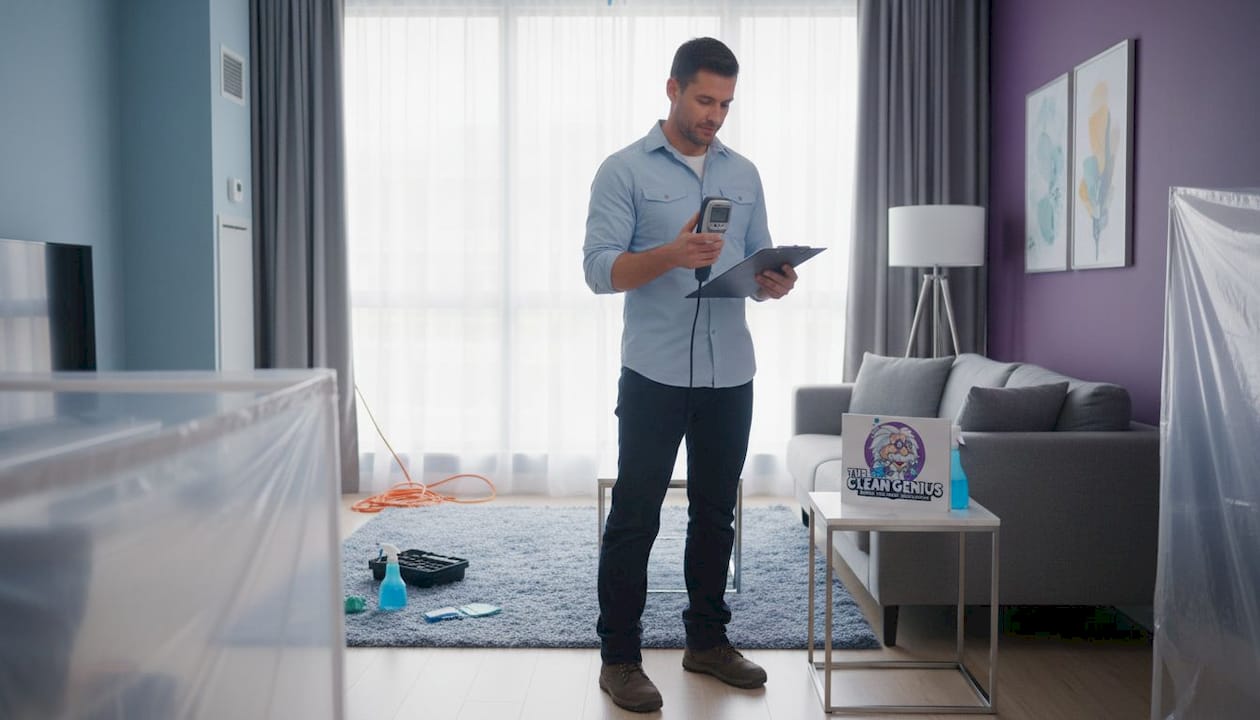

Scrubbing visible mold off a bathroom wall feels productive. It looks cleaner, the smell fades for a few days, and most homeowners move on without a second thought. But that surface cleanup almost never addresses the actual problem, and in many cases, it makes things worse by releasing millions of microscopic spores into your home’s air. Mold remediation is a structured, technical process with containment protocols, moisture control, and post-work verification, and the difference between doing it right and doing it fast can mean the difference between a safe home and a serious health crisis for your family.
Table of Contents
- Mold remediation is more than cleaning — here’s why
- When do you need certified professionals for mold remediation?
- Why certification matters: Training, standards, and proof of competence
- The risks of skipping certified professionals: What can go wrong
- The reality for Chicagoland homeowners: What actually keeps you safe
- Connect with certified mold remediation experts
- Frequently asked questions
Key Takeaways
| Point | Details |
|---|---|
| True remediation is complex | Mold removal is not just cleaning—safe results rely on expert processes for containment, PPE, and clearance. |
| Certification equals competence | Industry credentials show that professionals know and follow established technical and safety standards. |
| Know when to call the pros | Hidden, extensive, or HVAC-involved mold jobs in Chicagoland should always be handled by certified experts. |
| DIY risks are real | Incomplete removal can mean health risks, legal trouble, and long-term property damage. |
Mold remediation is more than cleaning — here’s why
To understand why professionals matter, you need to see the complexity of real mold remediation.
Most people picture mold removal as a spray bottle and a scrub brush. In reality, true remediation involves a sequence of controlled steps designed to prevent contamination from spreading and to verify that the problem is actually resolved. When you skip those steps, disturbed mold colonies release spores that travel through your HVAC system, settle in carpets, and colonize new areas of the home within 24 to 48 hours.
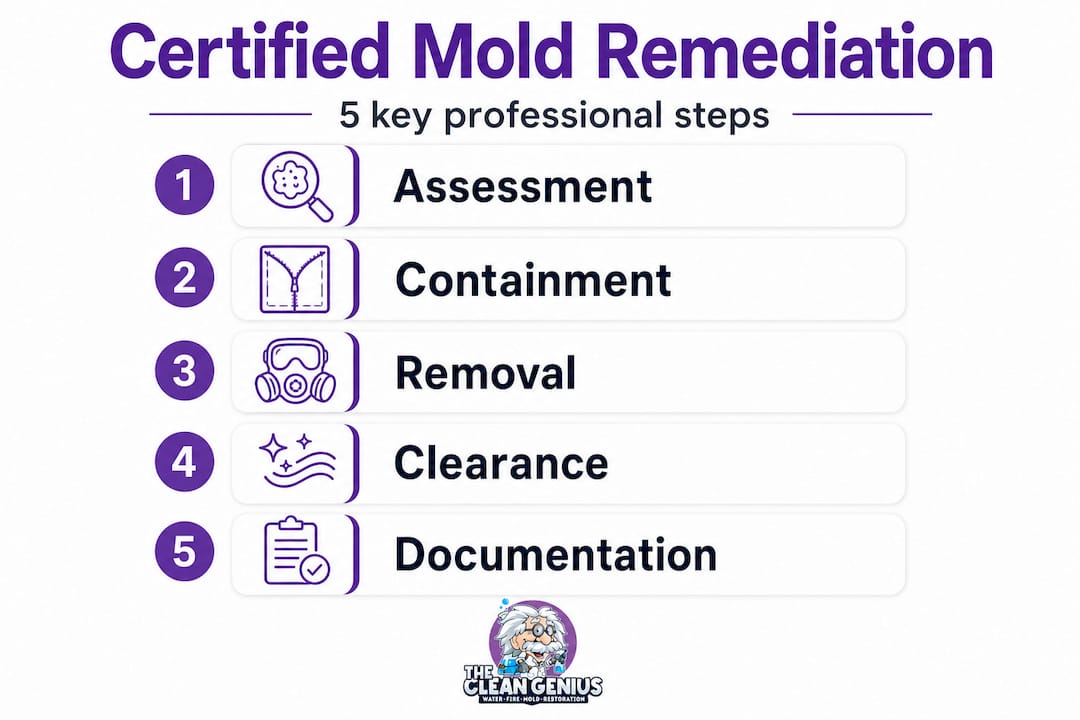
What mold remediation really means becomes clear when you look at what a certified team actually does on a job site. Every legitimate remediation follows a structured sequence:
- Moisture source identification and correction before any mold is disturbed
- Physical containment barriers using plastic sheeting and negative air pressure to isolate the work zone
- Personal protective equipment (PPE) including respirators, gloves, and disposable suits for every worker
- Controlled removal of contaminated materials using HEPA-filtered vacuums and sealed disposal bags
- Post-work clearance testing to verify that spore counts have returned to safe levels
EPA’s mold remediation guidance is explicit on this point: safe work requires structured procedures for containment, PPE, source moisture control, and verification so spores and contaminated materials do not spread to unaffected parts of the building.
Remediation without containment is like removing a wasp nest without covering yourself. You might get lucky, but the odds say you won’t.
Think of containment as the most critical step of the whole process. If a contractor skips it, every room connected to your HVAC system becomes a potential recontamination zone the moment work begins. That is not a hypothetical risk. It is a documented pattern in jobs where corners were cut.
When do you need certified professionals for mold remediation?
Since not all mold problems are equal, it’s critical to know when expert help is a must.
A small, isolated patch of mold on a bathroom tile, about the size of your hand, can sometimes be cleaned by a careful homeowner using proper protective gear and EPA-approved products. But that scenario is the exception, not the rule. Most of the mold problems we see in Chicagoland homes have already spread far beyond what is visible on the surface.
Certified professionals are not optional in these situations:
- Large infestations covering more than 10 square feet, which is roughly the size of a standard interior door
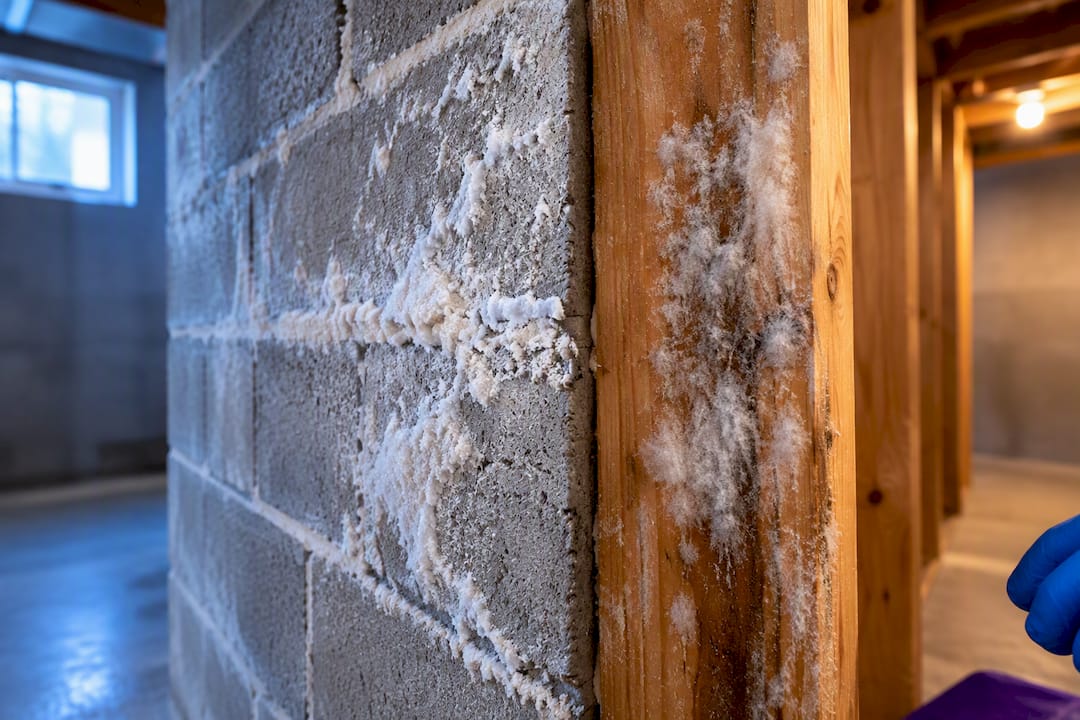
- Hidden contamination inside wall cavities, under flooring, or above ceiling tiles where you cannot see or safely reach the growth
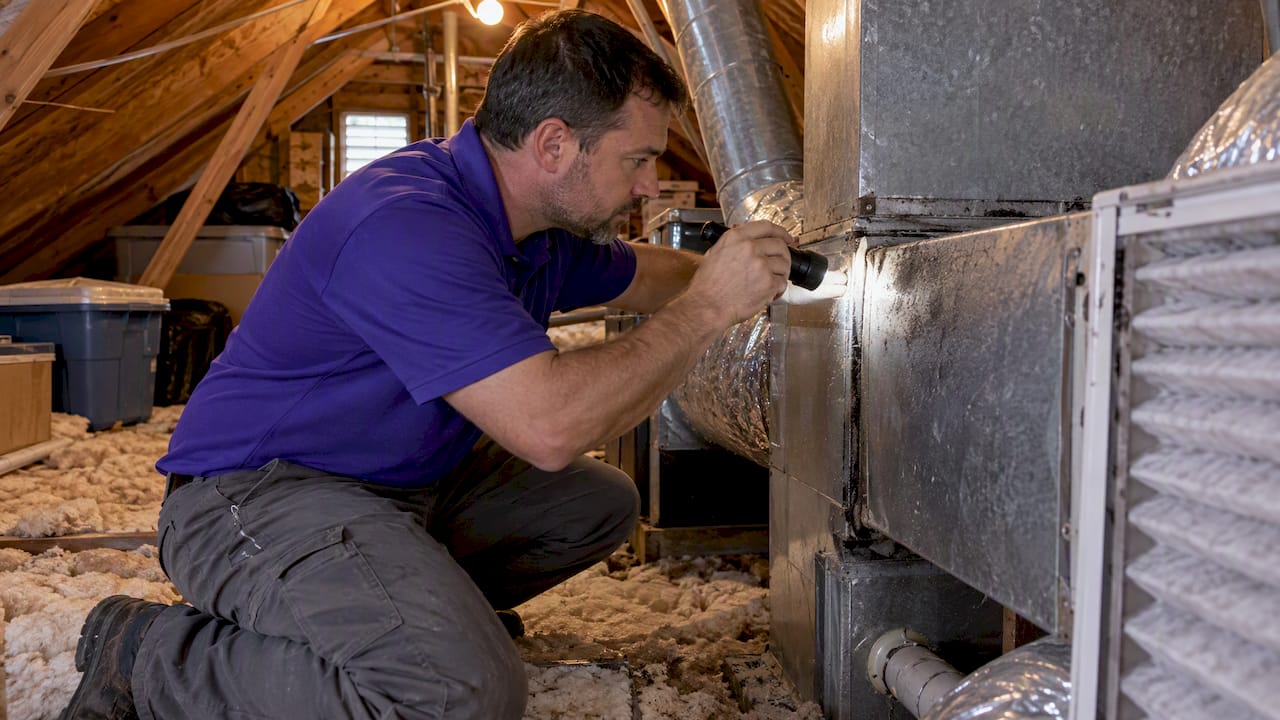
- HVAC system involvement, because contaminated ductwork can spread spores to every room in the house simultaneously
- Attic or crawl space mold, where confined space conditions create oxygen and structural hazards alongside the biological ones
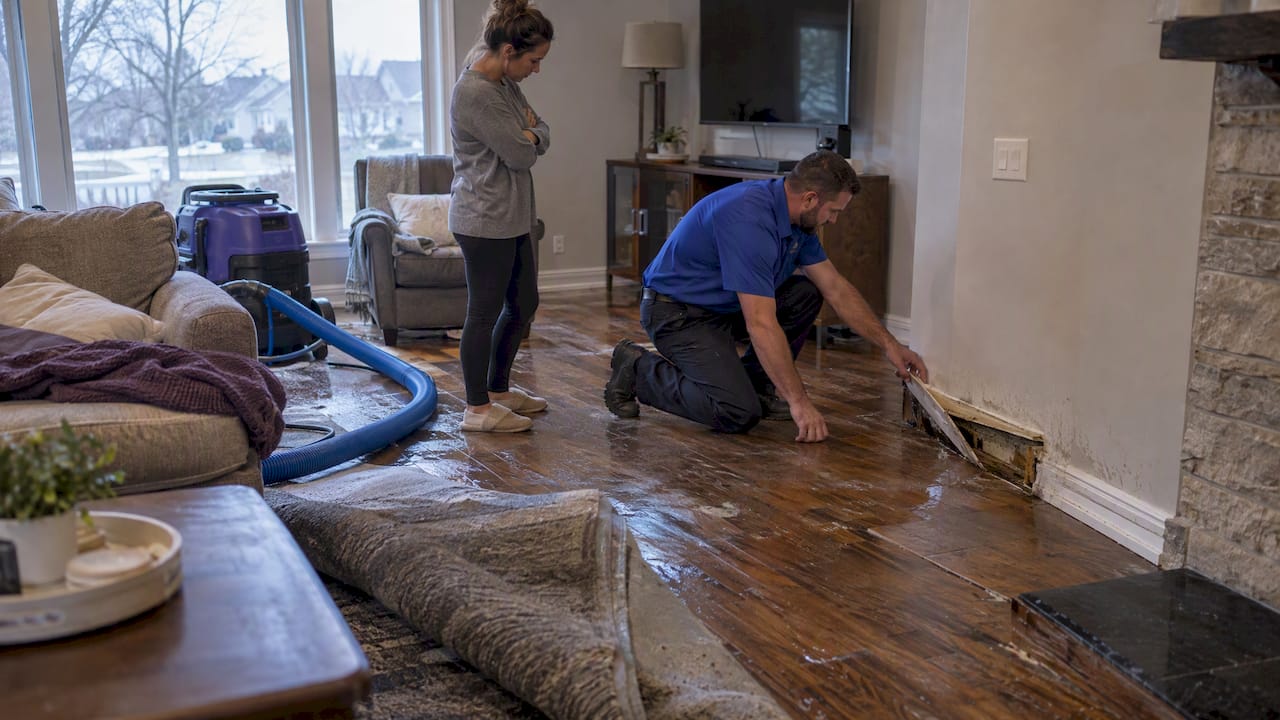
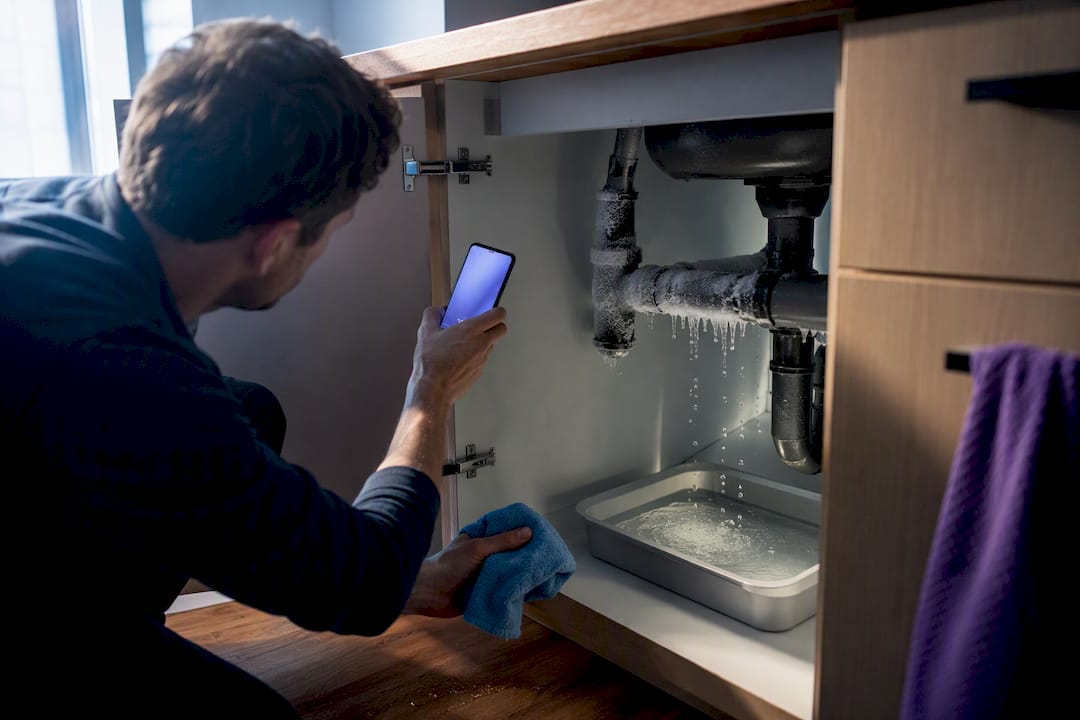
- Post-flood or post-pipe-burst scenarios, where moisture has been present long enough for secondary growth to develop behind finished surfaces
EPA mold course guidance is direct: for large or complex remediation projects, professionals should be considered because extensive containment and PPE may be needed; HVAC mold remediation should be done only by professionals experienced in working with HVAC systems; and confined space work should be conducted only by trained professionals equipped per OSHA requirements.
A separate EPA advisory confirms: if you use outside contractors, make sure they have experience cleaning up mold and follow recognized professional guidance, which is why certification exists as a filter for real competence.
Knowing the signs you need pro help early saves you from a far more expensive situation down the road. Connecting with local professional remediation services as soon as you spot warning signs is always the smarter move.
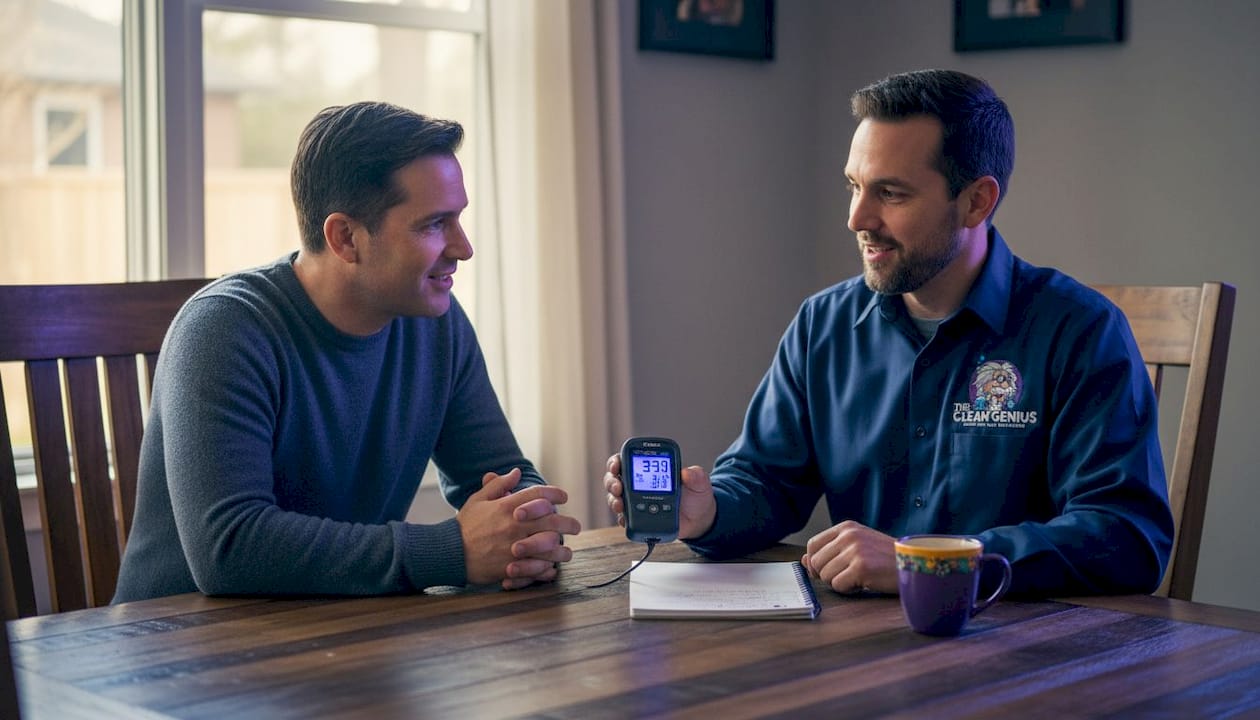
Pro Tip: If you notice a musty odor in a room but cannot see any mold, that smell is a strong indicator of hidden growth behind walls or under flooring. Do not wait for visible signs before calling for an inspection. Hidden mold can grow for months before becoming obvious, and the longer it grows, the more costly the remediation.
| Scenario | DIY appropriate? | Risk level | What’s required |
|---|---|---|---|
| Small visible patch on tile (under 10 sq ft) | Sometimes | Low to moderate | PPE, EPA-approved cleaner, ventilation |
| Mold on drywall or wood framing | No | High | Containment, demolition, clearance testing |
| HVAC or ductwork contamination | Never | Very high | Certified HVAC remediation specialist |
| Post-flood wall cavity mold | Never | Very high | Full containment, moisture mapping, clearance |
| Attic or crawl space mold | No | High | Confined space protocols, certified team |
Just as proper septic and indoor air safety depends on qualified inspectors who understand system-level risks, mold remediation requires someone trained to think beyond the visible surface.
Why certification matters: Training, standards, and proof of competence
With the need for true expertise clear, the next question is what makes a pro truly qualified — here’s where certification comes in.
Certification is not a piece of paper. It is documented proof that a technician has completed specific, structured training aligned to industry technical standards. The most recognized credential in mold remediation is issued by the IICRC (Institute of Inspection, Cleaning and Restoration Certification). The IICRC S520 is the technical framework most certified remediators follow, covering everything from moisture mapping methodology to clearance criteria and post-remediation verification.
IICRC certification requires passing formal exams, completing hands-on training, and maintaining continuing education credits. That last point matters more than most homeowners realize. Mold science and best practices evolve, and a certified professional is required to stay current. A contractor who took a weekend course five years ago and has no ongoing education requirements is not operating at the same level.
| Certification | Issued by | What it covers |
|---|---|---|
| IICRC Applied Microbial Remediation Technician (AMRT) | IICRC | Mold identification, containment, remediation protocols, clearance |
| IICRC Water Damage Restoration Technician (WRT) | IICRC | Moisture control, drying science, structural drying |
| CIH (Certified Industrial Hygienist) | ABIH | Environmental hazard assessment including mold testing |
| CMR (Certified Mold Remediator) | ACAC | Mold-specific remediation practices and safety standards |
From a legal and financial standpoint, FEMA guidance frames certification within the “standard of care” conversation: remediators are expected to follow published professional guidance, and certification is one of the clearest ways to demonstrate that a contractor meets that standard. This matters when an insurance claim is involved. Insurers routinely scrutinize the credentials of contractors hired for remediation work, and a certified team’s documentation significantly reduces disputes.
Understanding how pros verify clean-up through clearance testing is a key part of what separates certified work from a handyman’s best guess.
The risks of skipping certified professionals: What can go wrong
Knowing what certification means, it’s important for homeowners to grasp what’s truly at stake if standards aren’t followed.
Hiring an uncertified contractor, or attempting a DIY cleanup on a complex mold problem, creates risks that go well beyond an unpleasant smell. Here is what actually happens when mold remediation is handled improperly:
-
Cross-contamination. Without proper containment, mold spores released during removal travel through air currents and HVAC systems, establishing new colonies in previously unaffected areas. You pay for cleanup and end up with a larger problem.
-
Incomplete remediation. Uncertified workers often clean only visible mold and leave the moisture source untreated. Within weeks, the mold returns, usually worse than before.
-
Voided insurance coverage. Many homeowner policies include clauses that deny mold remediation claims when the work was not performed by a licensed and certified contractor. One improperly handled claim can cost thousands in out-of-pocket expenses.
-
Regulatory violations. Illinois has specific regulations around mold-related construction work, especially when it involves demolition of contaminated drywall or handling of materials that may contain asbestos in older homes. Uncertified work can trigger violations and fines.
-
Serious health consequences. Children, seniors, and anyone with asthma, allergies, or compromised immune systems face elevated risk from mold spore exposure. Improper remediation that releases high concentrations of spores into living spaces has been linked to respiratory illness, chronic sinusitis, and in rare cases, more severe outcomes.
EPA mold course guidance makes clear that professional judgment and training matter most as job size and complexity increase. The guidance is risk-based precisely because the consequences of getting it wrong scale with the size of the problem.
Understanding when to avoid DIY approaches is genuinely protective knowledge. Similarly, even routine home maintenance decisions like drain clearing carry DIY risks for homeowners when the underlying problem is more complex than it appears on the surface.
Pro Tip: Before hiring any mold contractor, ask for their IICRC credential number and verify it directly on the IICRC website. A legitimate certified professional will welcome that question. Anyone who deflects or cannot provide documentation is a red flag.
The reality for Chicagoland homeowners: What actually keeps you safe
Here is something we have learned over 25 years of working in Chicagoland homes: the word “certified” is necessary, but it is not the whole picture. Certification is the entry point, not the finish line.
What actually protects your family is hiring someone who is certified, locally experienced, properly insured, and willing to document every step of the process in writing. Chicagoland presents specific mold challenges that a certified contractor from outside the region may not fully understand. Our winters drive moisture into attics and crawl spaces in ways that differ from warmer climates. Spring flooding and basement seepage are routine events here, not once-in-a-decade emergencies.
We see homeowners in Schaumburg, Naperville, Elk Grove Village, and all across the suburbs make the same mistake repeatedly: they hire the cheapest bid without asking about process documentation. A professional who follows EPA-aligned remediation guidance will walk you through their containment plan before work begins, provide written documentation of moisture readings and affected areas, and schedule clearance testing before packing up their equipment.
“Cheap” mold removal almost always costs more in the long run. We have seen homes where a $500 surface cleaning job turned into a $12,000 full remediation six months later because the original contractor never addressed the moisture source or verified that the work was actually complete. When you factor in the health costs to your family during that period of ongoing exposure, the math gets even worse.
Expert Chicagoland remediation from a team that knows the region, carries the right certifications, and documents every step is not an upsell. It is the baseline for getting the job done right.
Connect with certified mold remediation experts
If what you’ve read here has made you look at that musty corner of your basement differently, that’s the right instinct.

The Clean Genius is a family-owned restoration company serving Chicagoland with certified mold remediation teams ready 24/7. We use advanced Pure Cloud dry-fog technology to reach mold in spaces that traditional methods cannot access, and we document every step of the process so you always know what was done and why. Whether you are in Arlington Heights, Crystal Lake, Wheaton, or anywhere in the greater Chicagoland area, our certified specialists are ready to help. Start with certified mold remediation in Chicagoland or learn more about when to call experts before the problem grows.
Frequently asked questions
Can I clean small patches of mold myself, or do I always need a certified professional?
Small, accessible mold patches can sometimes be safely cleaned by homeowners, but anything large, hidden, or involving HVAC requires certified professionals because EPA guidance is risk-based, scaling required protocols with job complexity.
What does a certified mold remediation professional do differently from a handyman?
Certified pros follow strict protocols for containment, personal protection, and clearance testing rather than surface cleaning alone, because EPA guidance requires structured procedures for containment, PPE, moisture control, and verification.
Does certification guarantee legal protection or insurance coverage?
Certification aligns your contractor’s work with the standards most insurers and regulators expect, reducing liability risks significantly, though FEMA guidance notes that certification is tied to standard-of-care expectations rather than an outright coverage guarantee.
What’s the most recognized certification for mold remediation contractors?
IICRC certification, specifically the Applied Microbial Remediation Technician credential, is widely recognized as setting the technical standard because IICRC credentials and IICRC S520 serve as the primary framework for professional mold remediation practice.