
You paid for mold remediation. The crew came in, cleaned things up, and you felt relieved. Then, months later, those familiar dark patches showed up again in the same spots. Sound familiar? You are not alone, and you are not imagining things. Mold returns in Chicagoland homes more often than most homeowners realize, and the reason almost always comes down to one thing that many remediation services never fully address. Understanding that root cause is the only way to break the cycle for good.
Table of Contents
- Why does mold keep coming back? The real cause
- Common moisture mistakes that guarantee mold’s return
- What proper mold remediation really involves
- Long-term solutions: How to prevent mold from returning in Chicagoland homes
- Why most DIY and cheap fixes keep Chicagoland homeowners in the mold cycle
- Get help breaking the mold cycle for good in Chicagoland
- Frequently asked questions
Key Takeaways
| Point | Details |
|---|---|
| Fix moisture first | Mold always returns if the underlying water or humidity problem remains unresolved. |
| Surface cleanups fail | Wiping or painting over visible mold doesn’t stop it from coming back—addressing moisture is key. |
| Professional help matters | Expert remediation in Chicagoland means tackling both mold and its moisture source for lasting results. |
| Prevention is ongoing | Regular home checks and moisture monitoring are essential, especially in basements or seasonal conditions. |
Why does mold keep coming back? The real cause
Many homeowners believe mold should disappear for good after remediation, but the reality is more complex. The hard truth is that mold is not the core problem. It is a symptom. Mold spores are everywhere in the air around us, inside and outside every home. They only grow into visible colonies when they find moisture, an organic surface, and enough time. Remove the visible growth, but leave the moisture, and you have solved nothing.
The EPA warns that mold returns after “remediation” when the underlying moisture problem is not permanently fixed. That statement alone explains why so many Chicagoland homeowners end up dealing with the same problem over and over again.
Moisture in Chicagoland homes comes from many directions:
- Roof leaks from ice dams in winter or storm damage in spring
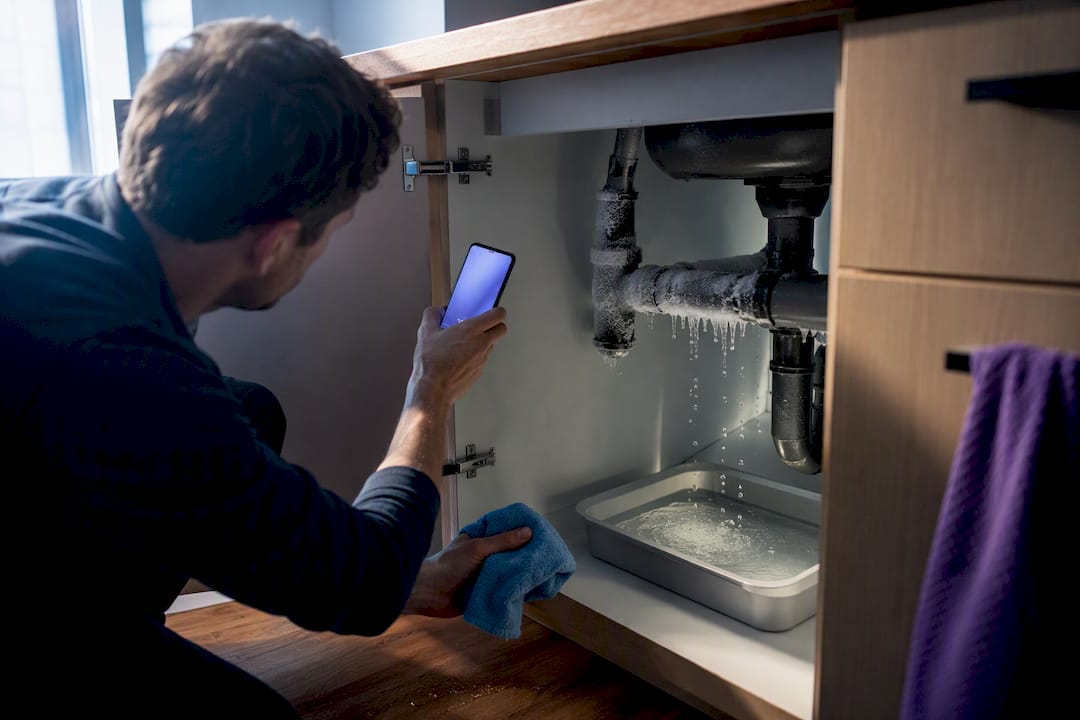
- Plumbing failures including slow drips behind walls and under sinks
- Basement seepage from heavy rainfall or snowmelt
- Condensation on cold surfaces like pipes, window frames, and exterior walls
- Crawlspace humidity that migrates upward into living areas
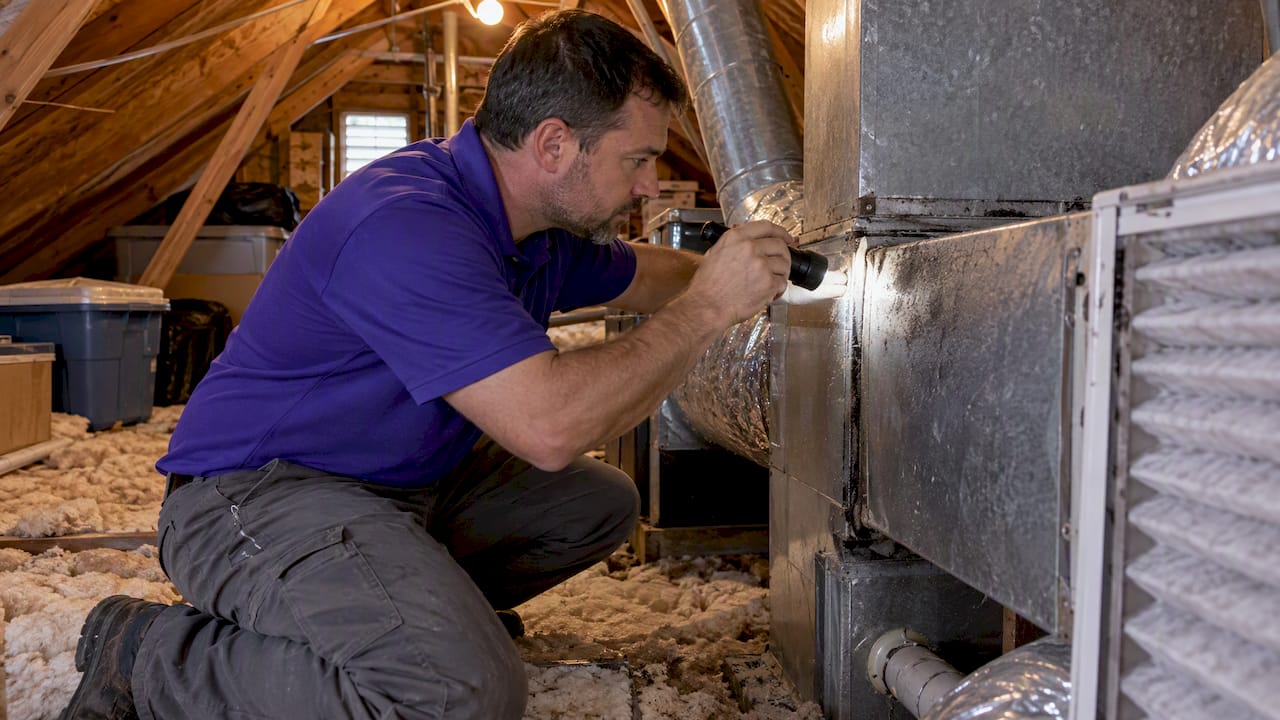
- HVAC systems that circulate humid air or develop leaks in ductwork
“The single biggest mistake we see is homeowners who clean the mold off a basement wall without ever asking why that wall was wet in the first place. Until that question gets answered, the mold has a standing invitation to come back.”
Our Chicagoland mold removal process starts with moisture detection, because without it, any cleanup is temporary at best.
Common moisture mistakes that guarantee mold’s return
Now that you know surface cleaning is not enough, let us pinpoint what keeps feeding the mold. The most frustrating part for homeowners is that many moisture pathways are hidden. You cannot see them by looking at the wall, and neither can a crew that does a quick walk-through before spraying a mold inhibitor.
The most common recurrence patterns to rule out are repeating moisture pathways including roof and plumbing leaks, condensation from HVAC systems and thermal bridging, and damp crawlspace or basement conditions. Thermal bridging is a specific problem in older Chicagoland homes where poor or missing insulation allows cold exterior temperatures to drive condensation deep inside wall cavities. You might never see it, but the mold spores inside that wall cavity certainly find it.
| Moisture source | Why it causes recurrence | How often it is missed |
|---|---|---|
| Roof or attic leaks | Water drips into walls and ceilings | Frequently, unless attic is inspected |
| Plumbing leaks | Hidden behind drywall for months | Very common |
| Foundation cracks | Ground water enters basement | Often misidentified as humidity |
| HVAC condensation | Moisture spreads through ductwork | Rarely checked |
| Thermal bridging | Cold spots cause interior condensation | Almost always missed |
| Crawlspace humidity | Rises through subfloor | Overlooked in older homes |
Pro Tip: Buy a basic digital hygrometer for your basement, crawlspace, and attic. If relative humidity is consistently above 60 percent in any of these spaces, you have an active moisture problem that will feed mold growth whether you can see it or not.
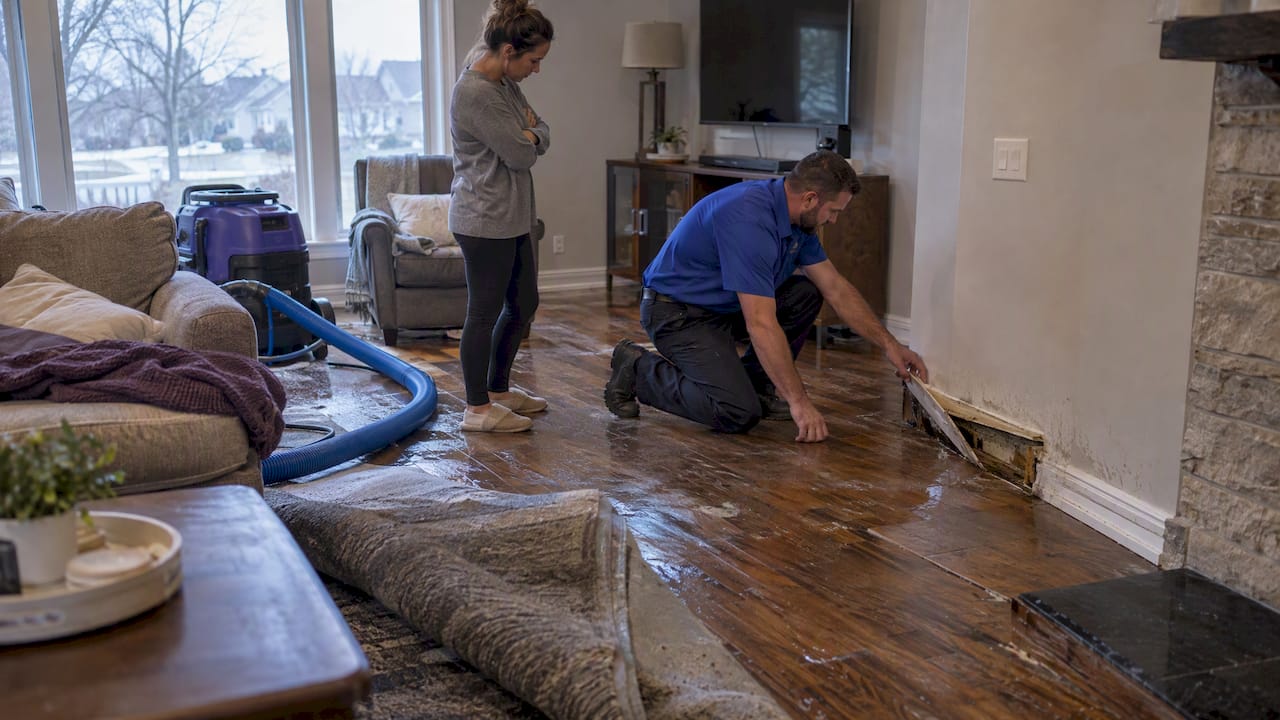
After a water damage restoration event like a burst pipe or flooding, mold can appear in as little as 24 to 48 hours. Many homeowners dry out the visible damage and move on, not realizing that moisture has already crept into wall cavities, subflooring, and insulation. Getting mold testing after leaks is a critical step that most families skip because they assume visible drying equals complete drying. It rarely does.
Beyond moisture control, improving indoor air quality through better ventilation and filtration can also slow the spread of airborne mold spores, reducing risk between professional inspections.
What proper mold remediation really involves
Recognizing risky moisture sources is just the first step. Next you need to know what real remediation should look like, because there is a significant difference between cosmetic cleanup and true remediation.
The EPA is direct that if you clean up the mold but do not fix the water problem, the mold problem will most likely come back. A legitimate remediation process is not just spraying and wiping. It involves a structured sequence of steps, each one building on the last to actually break the mold cycle.
Here is what a thorough remediation process should include:
- Detailed moisture inspection. Before anything is touched, a trained technician uses moisture meters, infrared cameras, and air quality testing to map every source of water intrusion and elevated humidity in the affected areas.
- Containment setup. Affected areas are sealed with plastic sheeting and negative air pressure machines to prevent spores from spreading to clean parts of your home during the work.
- Safe removal of mold-affected materials. Drywall, insulation, and other porous materials that cannot be fully cleaned are removed and properly bagged. You cannot clean mold out of porous materials, only off of them.
- Treatment of structural surfaces. Exposed framing and concrete are treated with appropriate antifungal agents. Advanced technologies like dry-fog systems can reach into cavities and irregular surfaces that manual scrubbing never reaches.
- Moisture source repair. The actual cause of moisture is fixed. This might mean sealing foundation cracks, repairing plumbing, improving attic ventilation, or adding vapor barriers in crawlspaces.
- Post-remediation verification. Air quality testing and moisture readings confirm that both the mold and the moisture source are resolved before containment is removed.
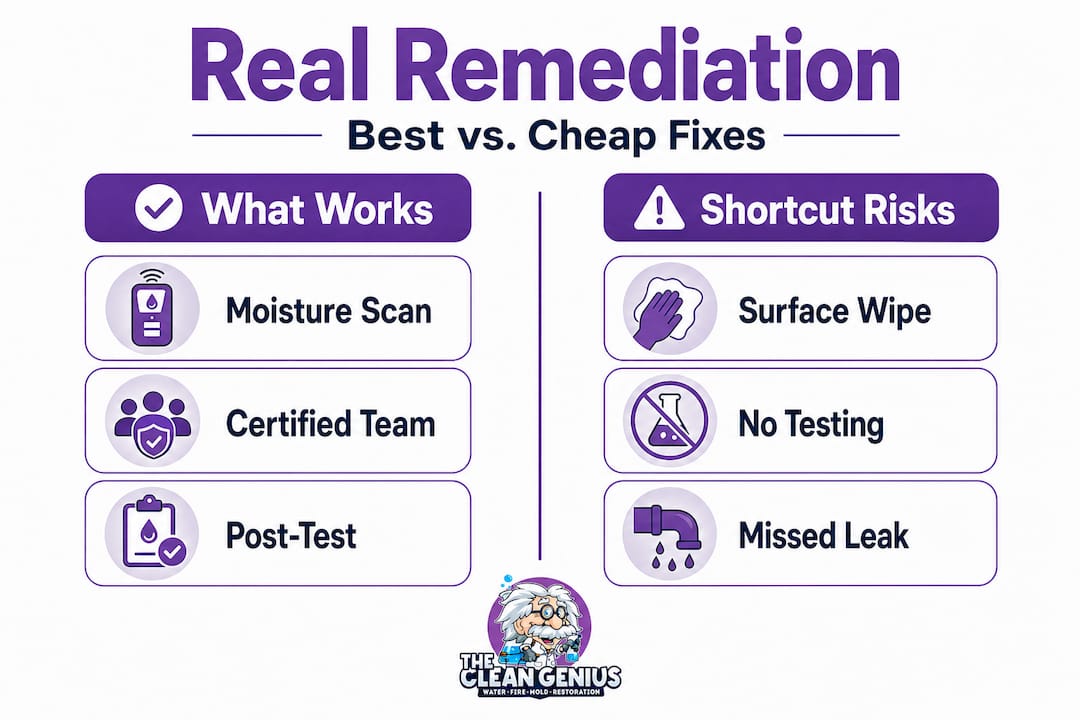
| What real remediation includes | What a cheap fix looks like |
|---|---|
| Infrared moisture scan | Visual inspection only |
| Negative air containment | No containment |
| Removal of porous materials | Surface spray and wipe |
| Moisture source repair | No source investigation |
| Post-remediation air testing | “Looks clean” sign-off |
| Warranty or follow-up | No follow-up |
When you look at that comparison, it becomes clear why cheap and fast options rarely hold. Our expert remediation process is built around the full sequence, not shortcuts. You can also see how this plays out in real homes in our successful mold remediation projects, where moisture control was central to every lasting result.
Long-term solutions: How to prevent mold from returning in Chicagoland homes
With a clear understanding of what real remediation involves, homeowners can focus on prevention and long-term peace of mind. Chicagoland’s climate creates a nearly year-round mold risk. Winters bring condensation, ice dams, and frozen pipes that thaw and leak. Spring brings heavy rainfall that tests foundations and drainage. Summer brings high humidity that creeps into basements and crawlspaces. Fall brings another round of temperature swings that cause hidden condensation.
The key principle holds constant: if you clean up mold but do not fix the water problem, the mold problem will most likely come back. Consistent, proactive prevention is the only way to stay ahead of this cycle.
Here are the strategies that actually work for Chicagoland homeowners:
- Monitor humidity year-round. Keep indoor relative humidity between 30 and 50 percent. This range is too dry for mold to grow comfortably. Increase ventilation in summer and watch for condensation signals in winter.
- Inspect your attic after every major storm. Attic leaks often go unnoticed for months, slowly saturating insulation and framing before mold appears on your ceiling.
- Check basement walls after every significant thaw or rainfall. Run your hand along the lower portion of the wall. Any cold or damp spots deserve immediate attention.
- Maintain your gutters and downspouts. Clogged gutters overflow and deposit water right against your foundation, one of the most common and most preventable causes of basement moisture in the Chicagoland area.
- Inspect crawlspaces seasonally. Vapor barriers degrade over time. A torn or missing vapor barrier under your home can allow enormous amounts of soil moisture to rise into your subfloor and walls.
- Schedule professional moisture checks. Even if everything looks fine, an annual professional inspection with moisture meters and sometimes infrared imaging catches problems before they turn into visible mold.
Pro Tip: After any plumbing repair, flooding, or storm damage, get post-remediation mold testing done even if you cannot see or smell mold. Mold growth inside wall cavities can reach dangerous levels before any visible sign appears on the surface.
Working with certified professionals who understand both mold biology and Chicagoland’s specific climate patterns is arguably the most important prevention step you can take. Someone who has worked in Arlington Heights through multiple winters, or remediated a Naperville basement after spring flooding, brings knowledge that no generic checklist can replace.
Why most DIY and cheap fixes keep Chicagoland homeowners in the mold cycle
Stepping back, there is a reason so many homeowners repeat the same mistakes. Most guides will tell you to fix the leak, dry things out, and apply mold killer. That sounds reasonable. But here is the part most guides skip: the definition of “fixed” matters enormously, and most homeowners and many budget services do not investigate deeply enough to know whether a moisture source is truly gone.
We have seen homes in Schaumburg and Wheaton where homeowners scrubbed mold with bleach repeatedly over several years. The bleach kills surface cells on non-porous materials, but it does not penetrate into porous surfaces like drywall or wood framing. More importantly, it does absolutely nothing about the reason that surface was wet in the first place. Within weeks, the same wall is feeding a new colony.
Repainting over mold-stained surfaces is even more problematic. The paint covers the discoloration, but the mold underneath is often still alive. The new coat can actually trap moisture behind it, creating a warm, humid environment that accelerates growth rather than stopping it. Homeowners then wonder why mold is “bursting through” new paint.
Box fans and dehumidifiers are useful tools when used correctly as part of a controlled drying process. But used alone after a wet event, they often create a false sense of completion. Surface readings may drop while moisture deep inside wall assemblies stays elevated for weeks. The underlying moisture problem remains, hidden but active.
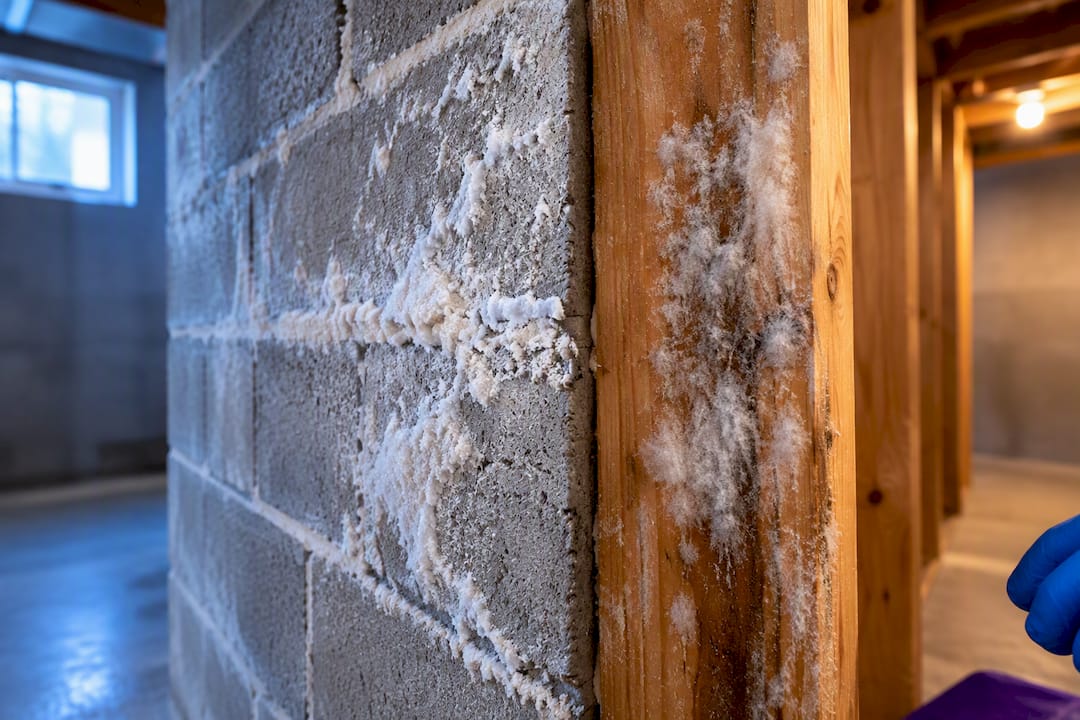
The uncomfortable reality is that Chicagoland’s climate is exceptionally demanding on homes. The freeze-thaw cycle alone creates cracks, ice dams, and condensation problems that homes in more stable climates never face. A skilled professional knows to check for frost lines inside attic spaces, look for efflorescence patterns on basement walls that reveal long-term water migration, and trace moisture readings through wall assemblies rather than just checking the surface. These are not things a can of mold spray and a good scrub can replicate. Our professional Chicagoland solutions are specifically built around these regional realities, because generic approaches consistently fail here.
Get help breaking the mold cycle for good in Chicagoland
If mold has returned in your home even once after cleanup, that is your clearest signal that the moisture source was never fully resolved. Waiting for the next recurrence only gives mold more time to spread into wall cavities, insulation, and structural framing where the remediation cost grows significantly.

The Clean Genius has served Chicagoland homeowners for over 25 years with certified mold remediation that starts with finding the moisture, not just cleaning the mold. Our team uses advanced Pure Cloud dry-fog technology to reach areas manual scrubbing cannot, and we address every identified moisture source as part of the process. From local mold remediation experts to full Chicagoland water damage restoration, we handle the entire problem in one place. Call us today and let’s stop the cycle for good.
Frequently asked questions
Why does mold return even after professional cleaning?
If the source of moisture is not fully removed or fixed, mold will regrow even after a thorough cleaning because the underlying moisture problem creates the same conditions that allowed mold to grow in the first place.
Can mold return in winter in Chicagoland homes?
Yes, cold Chicagoland winters create condensation on cold surfaces and inside wall cavities, giving mold the moisture it needs to grow and return even during freezing weather.
What steps should I take if mold keeps coming back?
Stop treating the surface and start investigating the moisture source. Find and repair any leaks, drainage problems, or condensation issues before cleaning mold again, because cleaning alone will not keep it from returning.
How can I prevent mold from coming back permanently?
Permanently preventing mold requires controlling humidity year-round, repairing all moisture sources promptly, and scheduling regular professional inspections in high-risk areas like basements, attics, and crawlspaces.
Do all remediation services eliminate the risk of return?
No. Only services that identify and repair the moisture source alongside removing visible mold can truly prevent recurrence. As the EPA makes clear, cleaning mold without fixing the water problem means the problem will most likely come back.