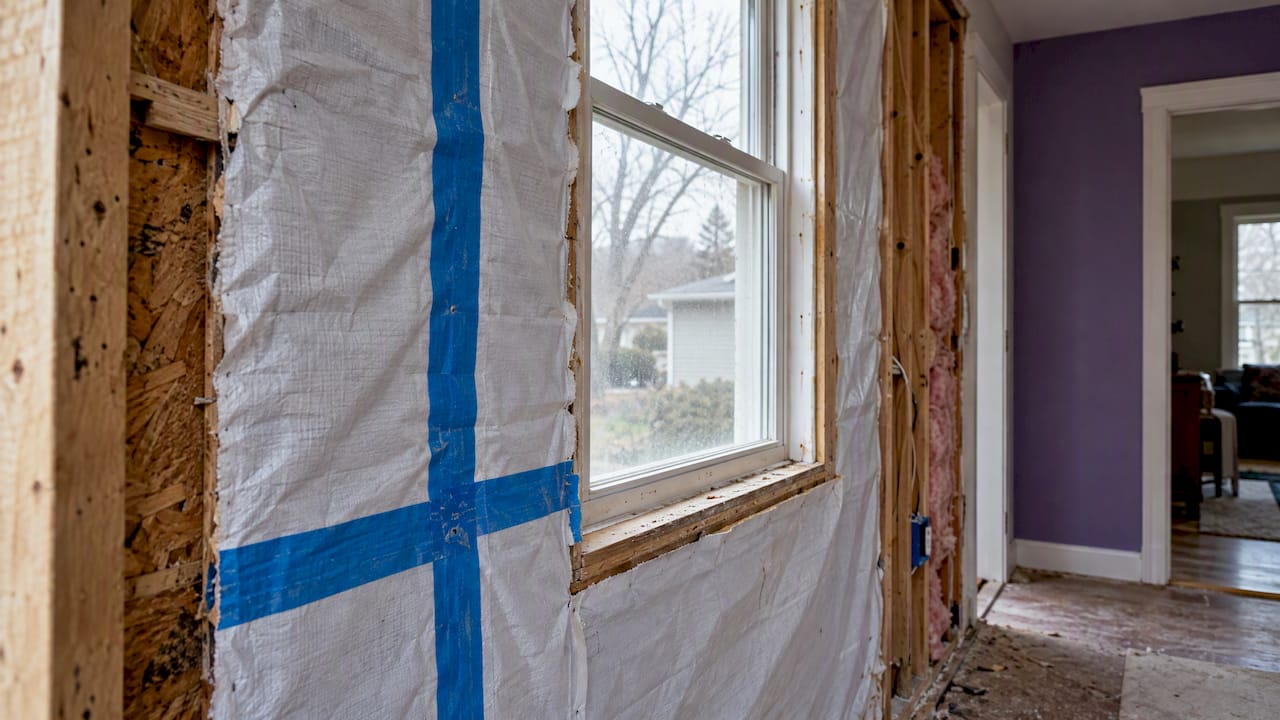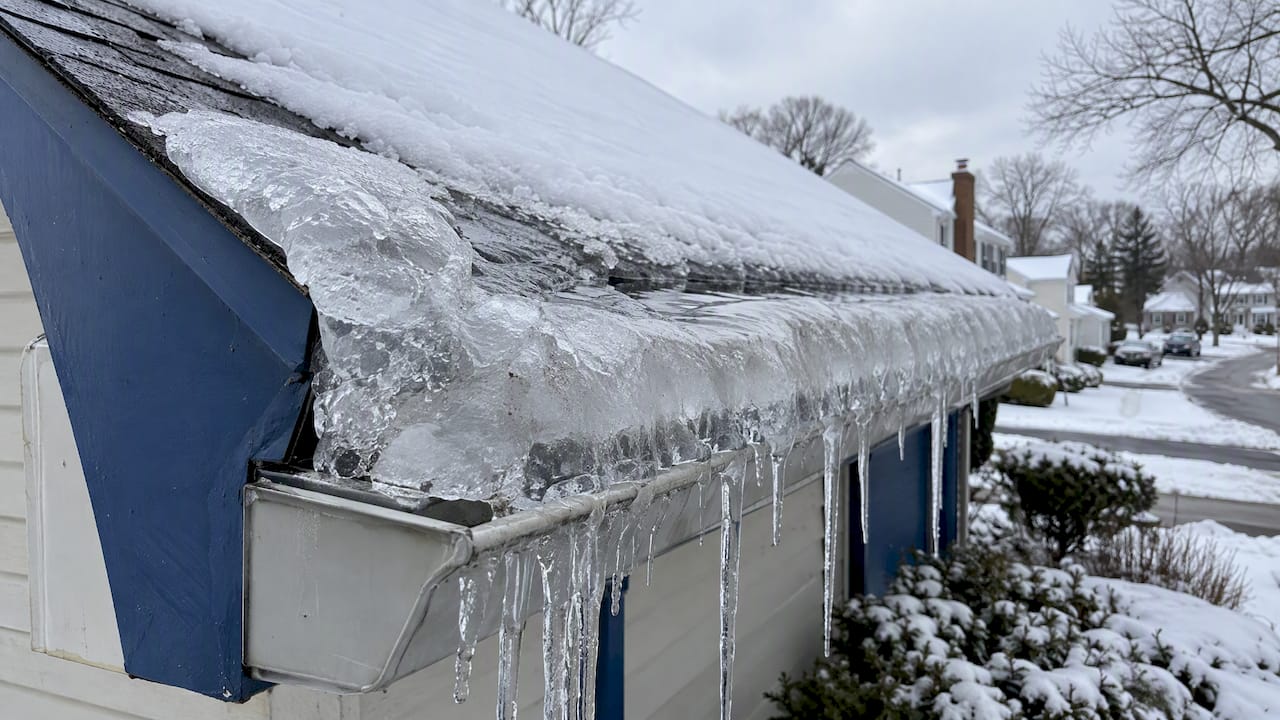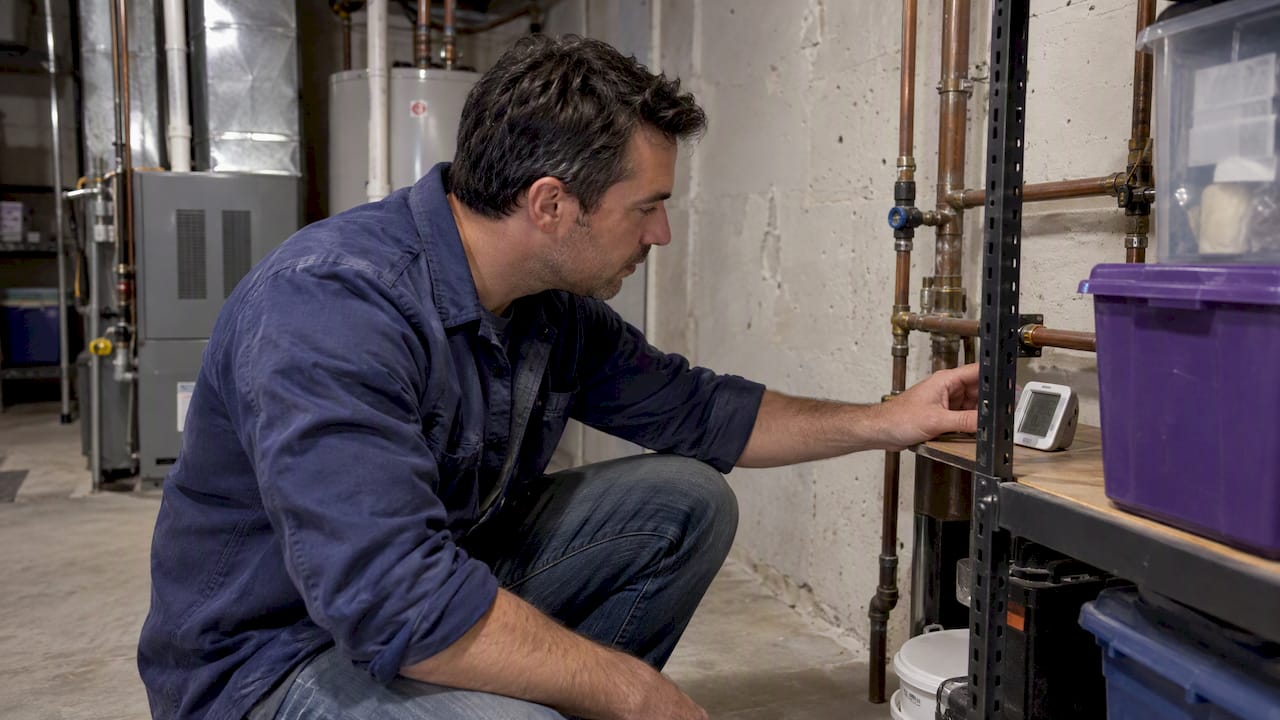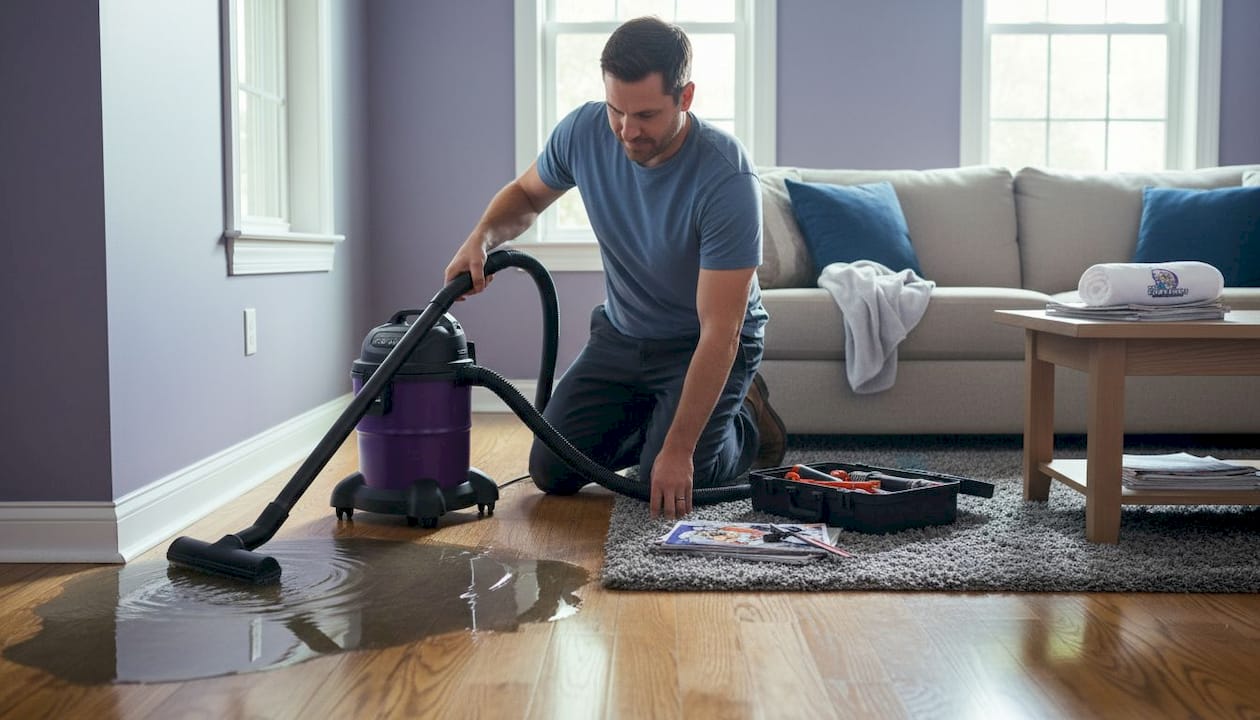

Water is pooling on your floor, soaking into your drywall, and creeping under your baseboards. Your first instinct might be to grab every towel in the house and start mopping. That instinct, while understandable, misses the real threat. Emergency water extraction is a structured, multi-stage process built to eliminate moisture you cannot see, not just the water you can. When Chicagoland homeowners skip the professional approach after a flood, burst pipe, or sewage backup, they often face mold growth, warped floors, and structural decay within days, not weeks. This guide walks you through exactly what emergency extraction involves and why doing it right the first time protects everything you’ve built.
Table of Contents
- Defining emergency water extraction: More than just cleanup
- The emergency water extraction process step-by-step
- Why speed and expertise matter: Preventing secondary damage
- How to choose the right emergency water extraction service
- The uncomfortable truth about emergency water extraction
- Connect with trusted emergency water extraction services
- Frequently asked questions
Key Takeaways
| Point | Details |
|---|---|
| Full process matters | Emergency water extraction involves assessment, extraction, drying, and monitoring. |
| Speed is critical | Quick response reduces risks of mold, rot, and costly structural damage. |
| Expertise prevents mistakes | Certified professionals use specialized tools to uncover hidden moisture. |
| Service selection | Choosing accredited, highly rated local services ensures safer and faster outcomes. |
Defining emergency water extraction: More than just cleanup
Most people picture emergency water extraction as hauling out wet carpets and running a box fan. The reality is much more involved, and the gap between perception and reality is exactly where long-term damage lives.
Water cleanup is reactive and surface-focused. It means removing visible water and mopping up what you can reach. Emergency water extraction is a rapid, systematic process using industrial-grade equipment to pull moisture from subfloors, wall cavities, insulation, and structural materials before it spreads. Think of it this way: cleanup handles what you see, extraction handles everything water has already reached before you noticed.
What makes it an “emergency”?
The word emergency is not a marketing term here. Water damage is time-sensitive in a way that most household problems simply are not. Within the first hour, water penetrates porous materials like drywall, hardwood, and concrete. Within 24 to 48 hours, mold testing after water intrusion often reveals early spore activity in areas that appeared dry to the naked eye. Beyond 72 hours, structural compromise and widespread mold become near-certainties without intervention.
Professional extraction vs. DIY attempts
Here is an honest comparison:
| Factor | Professional extraction | DIY approach |
|---|---|---|
| Equipment | Truck-mounted vacuums, industrial air movers | Wet/dry shop vac, household fans |
| Moisture detection | Thermal imaging, moisture meters | Visual inspection only |
| Drying speed | 3 to 5 days with monitoring | 7 to 14+ days, often incomplete |
| Mold prevention | Systematic treatment of hidden areas | Surface-level only |
| Insurance documentation | Detailed reports and photos | Rarely sufficient |
| Risk of hidden moisture | Minimized | High |
The equipment difference alone is staggering. A truck-mounted extraction unit can remove hundreds of gallons of water per hour from saturated flooring and wall cavities. A household shop vac can handle maybe a few gallons before needing to be emptied. That gap in performance translates directly into whether your home fully recovers or quietly deteriorates.
The core steps in a professional emergency extraction include:
- Site assessment using moisture meters and thermal cameras to map all affected areas
- Rapid extraction of standing and saturated water using high-powered vacuums
- Structural drying with commercial air movers and dehumidifiers placed strategically
- Ongoing monitoring to track moisture levels in walls, floors, and ceilings over several days
- Damage documentation for insurance claims
Accessing emergency restoration services immediately after water intrusion is the single most effective action a Chicagoland homeowner can take to limit total repair costs.
The emergency water extraction process step-by-step
Understanding each phase of the process helps you know what to expect and what questions to ask. Skipping any stage is where things go wrong.
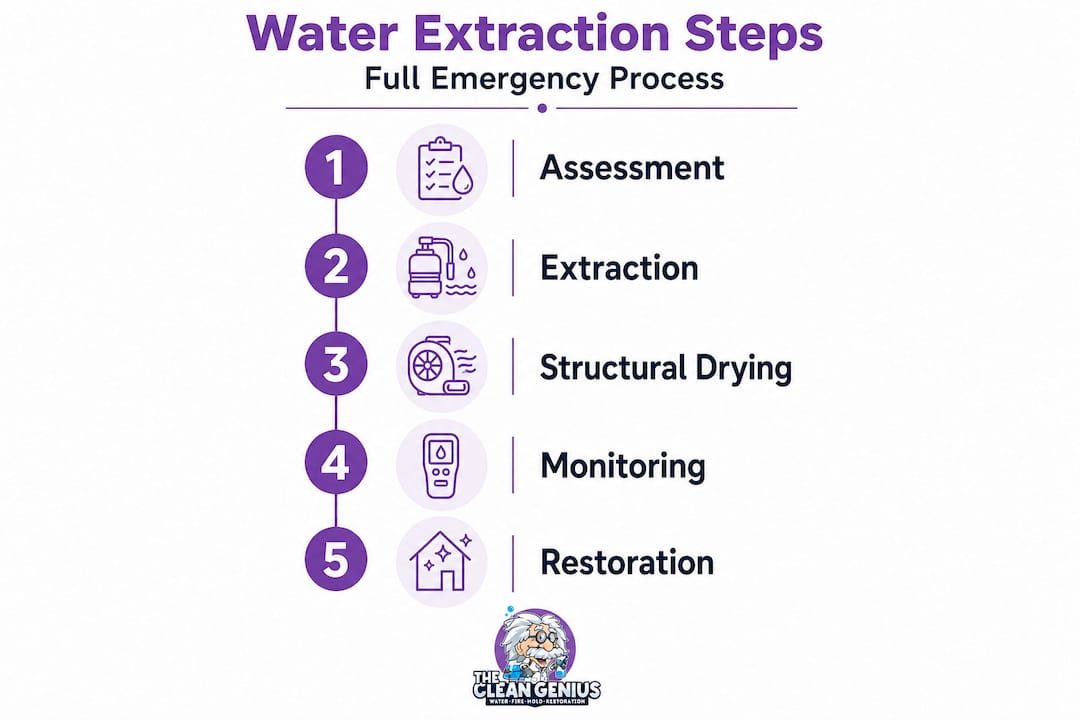
Step 1: Initial assessment and moisture mapping
Before a single drop is extracted, a trained technician surveys the full scope of damage. Using thermal imaging cameras and calibrated moisture meters, they identify wet zones that are invisible to the eye. A flooded basement in Schaumburg or a burst pipe in Naperville rarely affects just the obvious areas. Water follows framing, insulation gaps, and utility channels into parts of the home you would never suspect.
Step 2: Water extraction
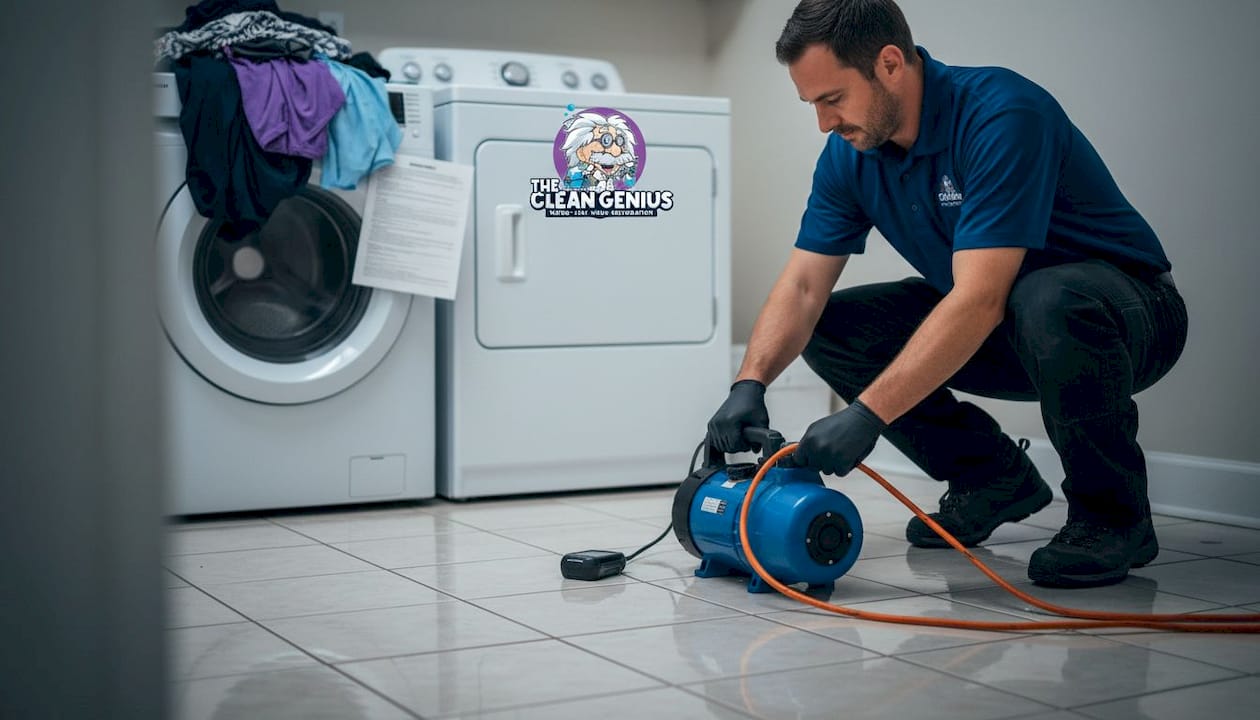
This is the heavy-lifting phase. Truck-mounted extraction vacuums, submersible pumps, and portable units work together to remove standing water and deeply saturated materials. Carpets, carpet pads, and insulation are evaluated for salvageability. Many materials that look saveable are actually retention traps that prolong drying time and increase mold risk.
Step 3: Structural drying
After extraction, dozens of commercial-grade air movers and industrial dehumidifiers are set up in precise configurations to move air across wet surfaces and pull moisture from building materials. This is not the same as running fans. The science behind water damage restoration steps involves psychrometrics (the study of air and moisture behavior) and specific equipment placement to reach deep into walls and subfloors.
Step 4: Monitoring and adjustment
Drying is not a set-it-and-forget-it process. Technicians return daily to check moisture readings and adjust equipment placement. This phase typically runs three to five days for a professional team versus one to two weeks for a homeowner using consumer tools, often with incomplete results.
Step 5: Post-drying inspection and restoration
Once moisture readings return to normal baselines, a final inspection confirms that no hidden wet zones remain. This is also when preventing mold after water damage becomes the priority, with antimicrobial treatments applied to vulnerable surfaces before any reconstruction begins.
Pro Tip: If your water event involved sewage, flooding from external sources, or water sitting for more than a few hours before you noticed it, do not attempt any portion of the extraction yourself. These scenarios introduce contaminants and deep saturation that require certified professional handling.
Here is a realistic timeline comparison:
| Damage scenario | Professional drying time | DIY drying time (if achievable) |
|---|---|---|
| Small bathroom leak, caught early | 1 to 2 days | 3 to 5 days |
| Flooded basement (2 to 4 inches) | 3 to 5 days | 10 to 14+ days |
| Burst pipe affecting two rooms | 4 to 7 days | Often incomplete |
| Sewage backup | 5 to 7 days + sanitization | Not recommended |
Thorough mold testing after the drying phase gives you documented confirmation that your home is genuinely safe, not just visually dry.
Why speed and expertise matter: Preventing secondary damage
Here is the part most homeowners do not hear until it is too late: the water you see is not the main threat. The water you cannot see, sitting in wall cavities, under flooring, and inside insulation, is what destroys homes over time.
Mold can begin developing within 24 to 48 hours of water exposure in the right conditions, and mold growth in unchecked areas can spread to cover several square feet within days if moisture and temperature conditions remain favorable.
That timeline is unforgiving. A homeowner in Elk Grove Village who notices water on a Friday evening and decides to wait until Monday for professional help has already given mold a 48-hour head start. By Monday, what could have been a contained extraction job has potentially become a mold remediation project.
Secondary damage homeowners often miss
Beyond mold, delayed or incomplete extraction leads to:
- Structural weakening as wood framing, subfloors, and OSB (oriented strand board) absorb and retain moisture, leading to warping, rot, and eventual failure
- Drywall deterioration that becomes crumbly and paper-thin, requiring full replacement rather than drying and repair
- Electrical hazards when moisture reaches junction boxes, outlets, or wiring runs inside wet walls
- HVAC contamination when wet air and mold spores enter ductwork and spread throughout the home
- Foundation damage in cases where exterior flooding is not fully mitigated
What homeowners should monitor after extraction begins
Even with professionals on site, staying engaged protects you. Watch for:
- Musty odors developing in areas adjacent to the damaged zone
- Paint bubbling or drywall discoloration in new areas
- Soft spots developing underfoot in adjacent rooms
- Any unexplained increase in allergy symptoms among family members
Post-extraction mold testing is worth scheduling even when professionals handle the drying. It gives you an objective, documented baseline that protects your health and your insurance claim.
How to choose the right emergency water extraction service
Choosing a water extraction company under pressure, with your home actively flooding, is genuinely stressful. Having a clear checklist in mind before an emergency happens makes a real difference.
Non-negotiable credentials
Not every contractor who owns a wet vac qualifies for emergency water extraction work. Legitimate companies carry credentials from the Institute of Inspection, Cleaning and Restoration Certification, commonly known as the IICRC. This certification confirms that technicians understand moisture science, equipment protocols, and safety standards. Any Chicagoland emergency response team you consider hiring should be able to confirm IICRC certification on request.
Questions worth asking before you hire
- Do you offer 24/7 emergency response, including weekends and holidays?
- How quickly can a crew arrive at my location in the Chicagoland area?
- Do you carry liability insurance and workers’ compensation coverage?
- Will you work directly with my insurance company and provide documentation?
- Can you show me references or reviews from local homeowners?
- Do you offer certified mold removal if mold is discovered during the process?
How to verify local reputation
Online reviews matter, but look for patterns rather than individual ratings. A company with 400 or more five-star reviews from Chicagoland homeowners across communities like Arlington Heights, Crystal Lake, Mount Prospect, and Wheaton has demonstrated consistent performance across different types of water events and varying home conditions. A company with five reviews and a polished website may have far less real-world experience.
Response time is another strong signal. In a water emergency, every hour counts. Ask directly what their average response time is and whether they have local teams or rely on subcontractors to cover your area.
Pro Tip: Verify that the company you call works directly with insurance carriers. Companies experienced in insurance coordination handle documentation, scope of work reports, and adjuster communication in ways that protect your claim and reduce your out-of-pocket costs significantly.
The uncomfortable truth about emergency water extraction
After years of responding to water emergencies across Chicagoland, the pattern we see most often is not dramatic or unusual. It is simply this: homeowners consistently underestimate what water has already done by the time they call for help.
The visible puddle on the kitchen floor represents maybe 10 percent of the actual moisture event. The other 90 percent has already moved into materials you cannot open up and check without tools most homeowners do not own. That is not a scare tactic. It is the practical reality of how water behaves inside a modern home with drywall, insulation, and engineered wood products that absorb and hold moisture in ways that older, solid-wood construction often did not.
We also see a consistent pattern with off-the-shelf tools. Homeowners invest in consumer-grade dehumidifiers and box fans after a flood and genuinely believe they have solved the problem when the floor feels dry. But “feels dry” and “is dry” are completely different standards. A moisture reading of 20 percent in a subfloor material feels completely dry underfoot. That same reading is high enough to sustain mold growth for months before any symptoms appear. Evidence-based mold testing is the only way to know which reality you are actually living in.
The homeowners who come out of water events with the least damage and the lowest total cost are almost always the ones who called fast, trusted the professionals to map the full scope of the damage, and did not confuse surface dryness with genuine restoration. Speed of response is the biggest single variable you actually control in a water emergency.
Connect with trusted emergency water extraction services
When water is actively damaging your home, you need a team that is already familiar with Chicagoland homes, local building materials, and the insurance process that follows. Knowing who to call before an emergency keeps a manageable situation from becoming a costly, stressful renovation.

The Clean Genius is a family-owned company with over 25 years of combined experience and more than 400 five-star reviews from homeowners across the greater Chicagoland area. Our certified teams are available 24/7 and respond fast to floods, burst pipes, sewage backups, and more. We handle complete water damage restoration from extraction through dry-out and work directly with your insurance carrier to simplify the claim process. When mold is a concern, our team provides full mold removal and remediation using advanced technology built for complete spore elimination. Visit The Clean Genius to learn more or call us immediately for emergency service anywhere in Chicagoland.
Frequently asked questions
How quickly should emergency water extraction begin after a leak?
Extraction should begin within hours of discovery, as moisture penetrates building materials rapidly and mold development can start within 24 to 48 hours in favorable conditions.
Is emergency water extraction different from traditional cleanup?
Yes, emergency extraction uses industrial equipment, thermal imaging, and moisture meters to remove hidden moisture from structural materials, going far beyond surface-level water removal.
Can homeowners perform emergency water extraction themselves?
Minor, contained leaks caught immediately may be partially manageable, but most water events require professional-grade equipment and certified expertise to fully eliminate hidden moisture and prevent mold.
What risks come with delayed water extraction?
Delays allow moisture to penetrate deeper into building materials, dramatically increasing the likelihood of mold growth, structural rot, electrical hazards, and significantly higher repair costs.
How do I verify a water extraction service is qualified?
Look for IICRC certification, verified local reviews from Chicagoland homeowners, clear 24/7 availability, and experience working directly with insurance carriers on damage claims.